
How to Get Your Start in Los Angeles as a Creative
A practical move plan for creatives heading to L.A.—savings, logistics, day-job income, community, and sustainable pace.
Los Angeles still draws people who want to build careers in film, television, music, design, fashion, writing, photography, and adjacent creative fields. The weather and the density of studios, agencies, and freelancers are real advantages. So are the costs: rent, a car (or a careful transit plan), and the quiet months before paid creative work becomes steady. Getting a start in L.A. is less about arriving with a suitcase and an easel on Venice Beach, and more about sequencing money, housing, work, and community so you can stay long enough for opportunities to compound.
This guide is for creatives who are planning a move—or who just arrived—and need a practical order of operations: save, relocate thoughtfully, secure income, protect your health, and build the relationships that actually lead to gigs.
Decide what “start” means for you
Clarify the lane you are aiming at before you treat the whole city as a blank canvas. Are you chasing entry-level production work, a staff design role, freelance clients, an art practice supported by a day job, or a hybrid? Write down a six-month definition of progress that you can measure: a portfolio update, a certain number of informational meetings, a first paid local project, or a stable schedule that leaves evenings for your craft.
Also name your constraints. Some people arrive with remote income; others need a job in the first two weeks. Some can share housing; others need quiet for writing or editing. Honest constraints beat romantic plans that collapse under rent day.
Build a cash cushion before you pack
Moving interstate is expensive even when you travel light. Between packing, transport, deposits, first month’s rent, and the gap before a paycheck, many people underestimate the total. Plan for relocation costs plus a landing cushion for gas or transit, groceries, phone, insurance, and unexpected fees. A working rule of thumb used by many movers is to aim for several thousand dollars beyond one-time moving expenses so you are not forced into the first terrible housing or job offer you see.
Save aggressively in the months before departure. Sell what you will not need; digitize paperwork; cancel subscriptions you will not use on the road. If you already have a job offer in Los Angeles, confirm start date, pay timing, and whether the employer helps with relocation. If you do not, treat savings as your first production budget—the one that keeps you in the city long enough to meet people.
Research neighborhoods against commute reality, not Instagram aesthetics. Proximity to work, parking rules, noise, and safety at the hours you actually keep matter more than a famous zip code. Visit if you can; if not, talk to people who live there and check multiple listing sources for realistic rents.
Move like logistics matter—because they do
You can self-move, hire professionals, or ship a few boxes and buy furniture locally. Choose based on distance, volume, and your tolerance for risk. A cross-country DIY truck can look cheaper until you add insurance, fuel, lodging, time off work, and the chance of damage. Professional movers cost more upfront and can reduce breakage and calendar chaos—especially if you are arriving with a tight start date.
Pack by priority: documents, medications, a week of clothes, basic tools for your craft (laptop, hard drives, portfolio files in the cloud and offline), and items that are expensive to replace. Label boxes clearly. Photograph valuable gear before it goes on a truck. Keep essentials with you on the plane or in the car, not in a shipment that might run late.
On arrival week, focus on boring infrastructure: set up banking access, update your address where needed, get a California ID or driver’s license on a realistic timeline, and confirm phone and internet. Creative careers run on communication; dead batteries and missing chargers are not a personality trait.
Get paying work that protects your craft
Los Angeles has many jobs and fierce competition for the ones people romanticize. Your first months often require income that is “good enough”: retail, hospitality, office support, rideshare or delivery if you have a reliable car, tutoring, or freelance adjacent skills (assisting, editing, production PA work) that put you near the industry without requiring a famous credit yet.
Treat the day job as infrastructure. Choose roles with predictable hours when you can, so evenings or mornings stay available for portfolio work, classes, or set experience. Avoid stacking so many side hustles that you never ship personal projects; the city is full of talented people who are too exhausted to finish anything.
For creative job hunting, localize your materials. Update your resume and portfolio with a Los Angeles address or clear availability, tailor samples to the roles you want, and track applications. Use industry job boards, studio and agency career pages, and referrals. Cold email works better with a specific ask and a short link to relevant work—not a life story.
Freelance clients can appear through referrals once you are visible locally. Early on, underpricing everything to “get in” can trap you; set a floor rate, write simple contracts, and get deposits. A few solid local credits beat a long list of unpaid “exposure” projects.
Build community on purpose
Opportunity in L.A. often travels through people you meet repeatedly. That does not mean endless parties. It means showing up where your field gathers: screenings, gallery openings, open mics, design meetups, writers’ rooms alumni nights, production mixers, continuing-education classes, and volunteer crews for shorts or festivals.
Aim for follow-through more than collection of business cards. After a useful conversation, send a short thank-you and one concrete next step—coffee, a portfolio share, or an introduction you can honestly make. Keep a simple contact log so names do not vanish after a busy month.
Roommates, coworkers, and classmates are part of your network too. Be a reliable collaborator: on time, clear in messages, generous with credit. Reputation moves faster than talent alone in a city where everyone knows someone.
Protect sleep, health, and a sustainable pace
Los Angeles markets ambition hard. Skipping meals, sleep, and medical care to “make it” is a common trap and a short road to burnout. Creative work depends on attention; attention depends on rest. Schedule sleep like a call time. Keep a basic gym, walk, or sport habit that does not require a perfect routine. Learn where urgent care sits relative to your neighborhood before you need it.
Budget for car maintenance if you drive—tires, insurance, parking tickets you refuse to collect. If you rely on transit, map backup routes for late nights. The city’s size makes logistics part of professional competence.
Also protect mental bandwidth. Comparison is constant when every coffee shop looks like a writers’ room. Limit how much industry social media you consume on empty days. Measure progress against your six-month definition, not against a stranger’s highlight reel.
A first-ninety-days checklist
- Confirm housing stability and a written lease you understand.
- Secure income that covers rent plus a small savings refill.
- Ship or rebuild one portfolio piece that reflects the work you want next.
- Attend a handful of field-relevant events and follow up with two people.
- Set recurring hours for craft practice that survive a busy workweek.
- Keep an emergency fund target and track spending for the first month honestly.
Getting your start in Los Angeles is rarely a single break. It is a sequence of practical decisions that keep you present, solvent, and connected long enough for skill and timing to meet. Save before you leap, move with a plan, take the work that funds the art, sleep enough to stay sharp, and treat relationships as long games. The weather helps. Your systems matter more.

Comments
Continue reading
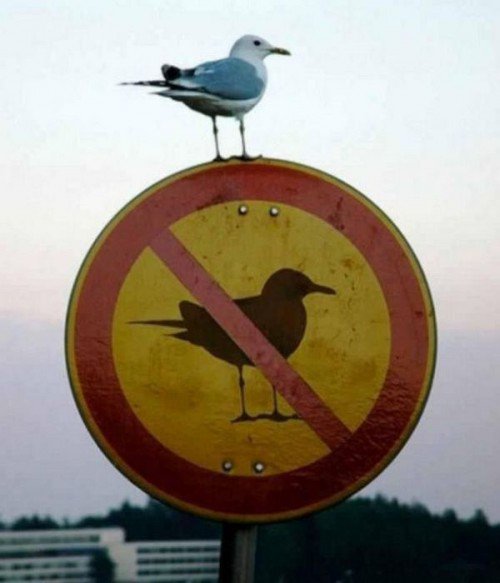
Funny Animal Signs That Warn People (While Animals Ignore Them)
From a seagull on a no-birds disc to classic zoo and park ironies—why animal warning signs get funny, and what the rules are still for.

How to Find Local Amenities on Vacation: Mechanics, Haircuts & More
Locate trustworthy local services and everyday spots while traveling or settling in—using publications, reviews, map apps, neighbor tips, and low-pressure exploration.

Kristen Stewart for V Magazine, Spring Preview 2013
V81’s Wild at Heart cover story—Kristen Stewart shot by Inez & Vinoodh, styled by Joe McKenna, in pale minimal spring glamour.