
3 Ways to Avoid Shoe Pain: Fit, Right Pair, and Foot Care
Reduce everyday shoe pain with a true fit, footwear matched to the activity and replaced on time, and simple foot-care habits that stop blisters before they start.
Shoes should get you through a day, not leave you counting minutes until you can peel them off. Blisters, hot spots, numb toes, and heel ache are common—and often preventable—when fit, shoe type, and basic foot care line up. Three habits cover most of the avoidable pain: choosing a true fit, matching the shoe to the activity and lifespan of the pair, and treating your feet as something that needs recovery, not only decoration.
Nothing here replaces medical care for injury, diabetes-related foot issues, or sudden swelling. For everyday friction and fatigue, these three strategies still do most of the work.
1. Choose a real fit—not a wishful size
Ill-fitting shoes create pain in both directions. Too short and toes jam, nails bruise, and the forefoot burns. Too long and the foot slides, rubbing blisters into heels and creating instability that tires muscles. Width matters as much as length; a “correct” length in a narrow last can still crush the midfoot.
A practical check used by many clinicians and fit guides: roughly a thumb’s width of space between your longest toe and the end of the shoe when you are standing. The midfoot should feel secure without sharp pressure across the top. The heel should not lift dramatically with each step. Try shoes later in the day when feet are slightly larger, and wear the socks you actually use with that pair.
Measure both feet. Most people have a larger side; fit to that one. Remeasure after pregnancy, major weight change, or long periods of standing work—sizes drift. Brands run differently; treat size numbers as starting guesses.
Do not rely on “they will stretch.” Some leathers give modestly; synthetics and cheap stiff materials often do not give where you hurt. A slight break-in period is normal; sharp pain on first wear is a veto. Shop on a surface you can walk on, not only a carpeted store island that hides how the shoe behaves on pavement.
Orthotics or over-the-counter inserts change volume inside the shoe. If you use them, bring them when you try pairs. Otherwise you will buy a fit that disappears the moment the insert goes in.
2. Select shoes for the job—and retire them on time
Different activities load the foot differently. Flip-flops for a marathon, dress heels for a warehouse shift, and flattened running shoes for a construction site are predictable pain setups. Match structure to demand: cushioning and rocker for distance walking or running, lateral support for court sports, protective toes and puncture resistance for job sites, and a realistic heel height for hours on office floors.
Work footwear is a safety tool as much as clothing. On sites with nails, glass, or heavy objects, purpose-built boots with appropriate protection beat fashion sneakers. For all-day indoor work, look for cushioning under the heel and forefoot, a secure closure, and materials that flex at the ball of the foot rather than fighting every step. Leather can mold over time for some dress styles; that is not a reason to buy a size down “so they look sleek.”
Heels deserve special honesty. A modest heel with a stable platform and enough toe room can be wearable for many people; a steep stiletto with a cramped toe box is a timed injury. Alternate heel days with flatter supportive pairs. If you must wear heels for an evening, carry a backup flat for the commute home.
Shelf life matters. Running and walking shoes compress midsoles long before the outsole looks destroyed. Pain that appears after months of faithful use often means the cushioning is cooked, not that your feet suddenly failed. Rotate pairs when you can, and replace athletic shoes on mileage or time cues rather than waiting for holes.
Fashion still fits in a balanced wardrobe. The rule is dosage: statement shoes for shorter windows, workhorses for the hours that actually accumulate.
3. Care for your feet so shoes have less to fight
Even perfect footwear hurts more on neglected feet. End-of-day swelling, damp socks, rough skin, and ignored hot spots turn minor friction into open blisters. Build a short recovery routine instead of only collapsing on the couch.
Hygiene is foundational. Wash and dry carefully between toes. Change socks when they are soaked; moisture softens skin and accelerates blisters. An antiperspirant on the feet—used thoughtfully—helps some people who sweat heavily; patch-test and avoid broken skin. Moisture-wicking socks beat cotton for long days.
For friction points, moleskin or similar blister patches can protect a hotspot before it tears. Silicone heel cups and supportive insoles help some heel and arch complaints, especially on hard floors. They are tools, not magic; if pain persists, see a professional rather than stacking gadgets forever.
Skin care counts. Soften calluses carefully without aggressive bathroom surgery. A simple at-home pedicure cadence—clean nails, gentle filing, moisturizer on tops and heels but not jammed between toes if you are prone to fungal issues—keeps shoes from grinding on rough edges. Spa luxury is optional; consistency is not.
Give feet unloaded time. Alternate shoe heights across the week. Stretch calves if you live in heels. If you stand for work, anti-fatigue mats and micro-breaks matter as much as the shoe brand on your feet.
Watch for warning signs that leave DIY territory: sudden swelling in one foot, wounds that do not heal, numbness with diabetes, or pain after trauma. Those need clinical eyes, not another blister pad.
Shopping with your feet in the vote
When you buy the next pair, score candidates on function first, then style. Walk, climb a stair if the store allows, and ask whether you could survive your real Tuesday—not a two-minute mirror pose. Keep receipts until the shoes prove themselves on your surfaces.
Fit, purpose, and foot care reinforce each other. A great shoe in the wrong size still hurts. The right size in the wrong category still hurts. Perfect shoes on neglected, damp, unsupported feet still hurt. Get all three roughly right and most “shoe pain” days become ordinary tiredness you can recover from—without treating blistered evenings as inevitable.

Comments
Continue reading
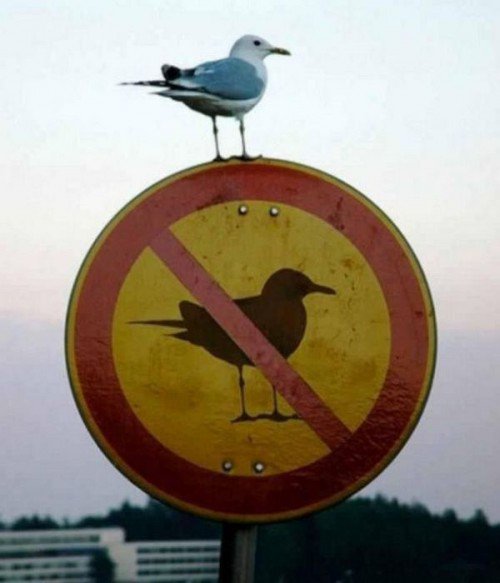
Funny Animal Signs That Warn People (While Animals Ignore Them)
From a seagull on a no-birds disc to classic zoo and park ironies—why animal warning signs get funny, and what the rules are still for.
How to Find Local Amenities on Vacation: Mechanics, Haircuts & More
Locate trustworthy local services and everyday spots while traveling or settling in—using publications, reviews, map apps, neighbor tips, and low-pressure exploration.

Kristen Stewart for V Magazine, Spring Preview 2013
V81’s Wild at Heart cover story—Kristen Stewart shot by Inez & Vinoodh, styled by Joe McKenna, in pale minimal spring glamour.