
Home Dream Home Part 6: Rooms Built for Gathering
Living rooms, dining edges, and evening light that make a dream home feel welcoming—criteria for spaces where people actually stay.
By early winter, a dream home is judged less by how it photographs empty and more by how it hosts ordinary evenings: coats on chairs, someone cooking while someone else talks, a table that expands for guests, a living room that still feels calm when the lights stay on past nine. Part 6 of Home Dream Home looks at that quieter ambition—rooms built for gathering, conversation, and daily personality rather than spa retreats or showpiece baths.
What follows is criteria-led: how to shape living rooms, dining corners, and kitchen-adjacent spaces so they feel aspirational and still usable on a Tuesday. Steal the principles; ignore any urge to stage a museum.
Living rooms that welcome people, not just furniture
A gathering room needs a clear conversation geometry. Sofas and chairs should face one another with a shared center—a table, ottoman, or hearth—so guests do not sit in a row staring at a blank wall. Leave a walkway behind seating so serving trays and kids can pass without climbing over knees. If the room is long, create two zones (talking and reading, or talking and music) instead of stretching one sofa into a lonely island.
Personality keeps a host room from feeling like a lobby. A gallery wall of family photos mixed with art, a repeated accent color across lamp, stool, and a letter form, or curtains with a bold stripe can make a white sectional feel like it belongs to someone. The trick is coherence: pick one accent family (turquoise and tan, black-and-white graphics with one citrus pillow) and let neutrals do the rest. Too many accents read as clutter; too few read as a catalog page.
Softness is hospitality. A high-back chair with a throw, a deep seat you can curl into, and a rug large enough that front furniture legs sit on it all signal that people may stay. Hard floors alone bounce sound and make gatherings feel temporary. If you prefer bare floors, add at least one textile island under the main seating so voices do not ricochet.
Color and pattern as social tools
Color affects how long people linger. Warm neutrals and mid-tone walls flatter faces under evening lamps better than cold gray that turns skin wan. A single saturated object—a painted table, a garden stool, a large letter—gives the eye a place to land when conversation pauses. Use pattern on pillows, rugs, or curtains rather than on every large upholstered piece if you want flexibility; pillows are cheaper to change when taste shifts.
Gallery walls work when they have a quiet backbone. Align frames to an invisible grid or hang them densely enough that gaps feel intentional. Mix photo sizes but keep frame finishes to two families. Leave a little breathing room around light switches and door casings so the wall does not look like stickers on trim. A small sconce tucked among frames can light faces without flooding the whole room.
Avoid treating every surface as a display. Coffee tables need landing space for drinks. Consoles need a tray for keys if the living room doubles as an entry overflow. Hosts remember rooms that forgive real use; guests remember rooms that felt easy to sit in.
Dining and kitchen edges: where gatherings actually start
Many parties begin standing in the kitchen. If your plan allows, keep a short run of counter clear as a serving ledge and provide stools that tuck fully under so circulation survives. Pendant light over an island should light food without blinding the cook—hang high enough for sightlines, low enough to create a pool of warmth. Dimmer switches turn weeknight leftovers into something closer to intentional dining.
Dining tables earn luxury through proportion and seating comfort more than through ornate bases. Chairs need a few centimeters of clearance behind them when occupied. A runner or placemats protect finishes and define place settings without requiring a formal tablescape every Tuesday. If the dining zone shares the living room, repeat one material—wood tone, metal, or textile color—so the open plan feels like one home, not two showrooms colliding.
Storage near the table matters. A sideboard or closet for linens, candles, and serving pieces keeps the ritual of hosting from becoming a scavenger hunt. Closed storage looks calmer than open shelves of mismatched glassware unless you have edited ruthlessly.
Light layers for long evenings
Overhead cans alone make gatherings feel like waiting rooms. Combine ambient light (ceiling or large lamp), task light (reading lamp, under-cabinet strips), and a little sparkle (candles, a reflective tray, glass). Put major living-room loads on dimmers. Warm-white bulbs flatter wood and skin; daylight-balanced bulbs can stay in work zones.
Windows at night become black mirrors. Close curtains or sheers when you host so the room turns inward and feels finished. In daytime, keep treatments easy to open so the same room can feel airy for brunch. Seasonal wreaths and heavy holiday décor are optional; a bowl of citrus, a branch in a vase, or a deeper throw often signals the season without turning the living room into a theme park.
Fireplaces—real or well-designed electric—still organize winter seating better than any television. If the screen and hearth compete, decide which wins for evening gatherings and arrange primary seats toward that focus. Secondary seating can face the other. Ambiguous dual focus makes every guest wonder where to look.
Acoustics, scent, and the invisible host craft
Hard rooms tire people. Rugs, curtains, upholstered seats, and even a filled bookcase absorb noise. Soft music at low volume can mask kitchen clatter; loud playlists force shouting. Keep pathways free of fragile towers of objects that anxious guests will spend the night avoiding.
Scent should stay subtle. One simmer pot or a lightly fragranced candle near the entry is enough; competing plugs in every corner feel chemical. Fresh air before guests arrive matters more than perfume. Temperature slightly cooler than “cozy sweater weather” prevents a packed room from overheating once bodies arrive.
A practical gathering-room checklist
- Can four people sit facing one another without shouting across a hallway?
- Is there a place to set a drink within arm’s reach of every seat?
- Does at least one lamp create a flattering pool of light after dark?
- Is clutter given a closed home before company walks in?
- Would you personally choose this room for a two-hour conversation?
If you answer no to the last question, rearrange before you redecorate. Dream homes in this chapter are less about marble and more about whether people want to stay. When guests leave, the compliment you want is not “nice sofa”—it is “we lost track of time.”
Which room in your house do visitors remember first: the staged one, or the one where everyone actually sat?

Comments
Continue reading
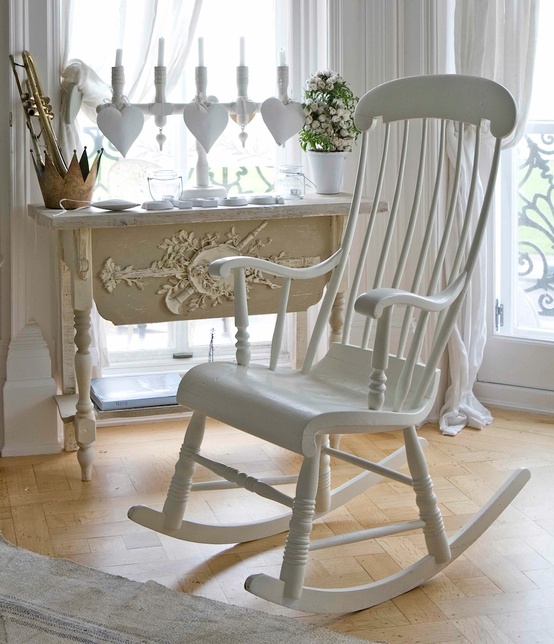
Home Dream Home: Romantic Details for Soft, Vintage Rooms
Ethereal light, French-inspired silhouettes, and weathered whites—how to add romance with sheers, candles, and inherited-feeling pieces.
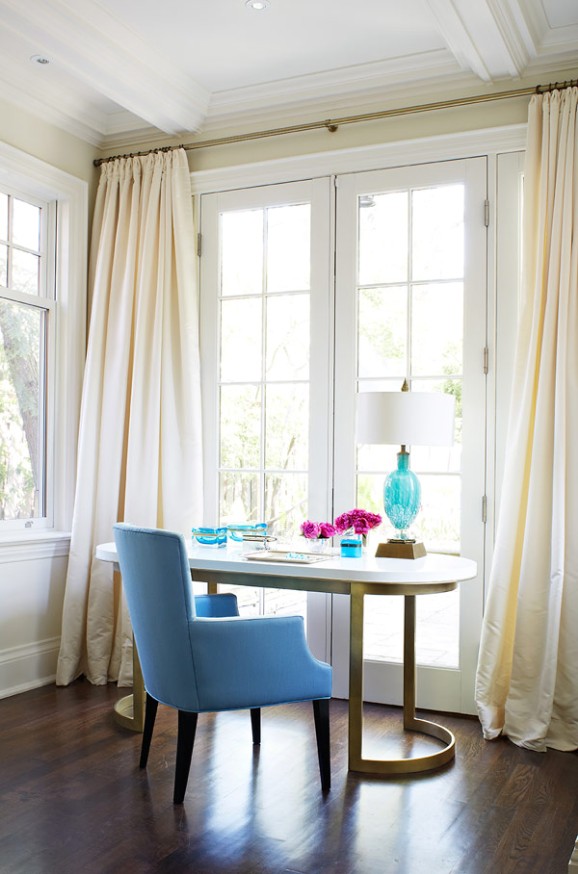
Home Dream Home: Simplicity as Everyday Sophistication
Edited rooms, quiet planes, and scarce accents—how simple interiors stay sophisticated without feeling empty or austere.
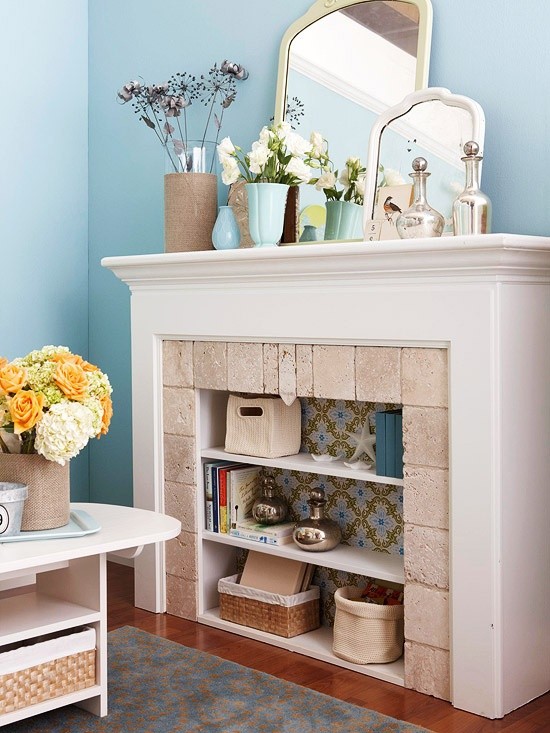
Home Dream Home Part 2: Soft Renovation and Layered Interiors
Inspiration for gentle home updates—fireplace restyles, pastel dining chairs, texture layering, and a weekend plan that turns photos into real moves.