
Home Dream Home Part 2: Soft Renovation and Layered Interiors
Inspiration for gentle home updates—fireplace restyles, pastel dining chairs, texture layering, and a weekend plan that turns photos into real moves.
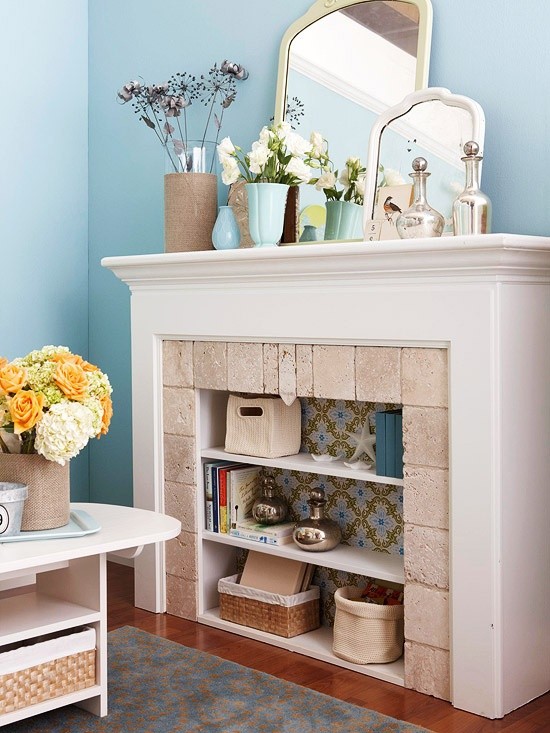
Planning a home update often stalls between wanting change and knowing which wall to touch first. Inspiration boards help only when you extract decisions from them: which surfaces stay, which chairs deserve paint, which fireplace becomes display instead of dead space. This collection leans soft—powder blues, cream woodwork, layered baskets and glass, dining rooms that feel gathered—and treats renovation as a sequence of readable moves rather than a gut demolition.
Walk through the images for criteria, not copies. Quiet walls let mantel vignettes and mismatched chairs carry personality. Repeated materials—wicker, mercury glass, linen, fresh flowers—make rooms feel collected instead of randomly filled. Map one transferable idea to a real mantel, table, or corner in your house before you buy a single new object. Soft renovation succeeds when the room looks cared for and still accepts real life.
Read your house for renovation order
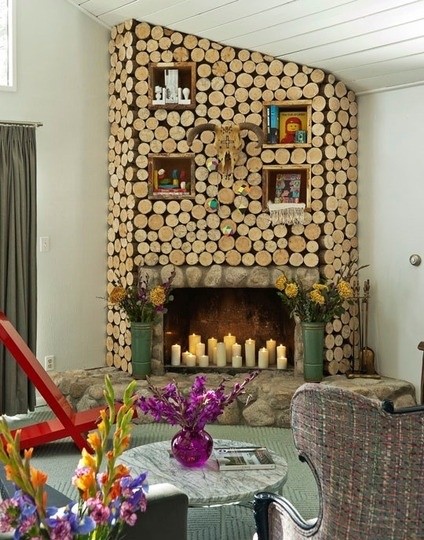
Begin with architecture you already own. A fireplace that no longer burns can become shallow shelving, a book alcove, or a display niche without relocating flue or plumbing. A blank dining wall can take a sideboard and art long before you replace the table. Floors and lighting often unlock more comfort than a new sofa; scuffed hardwood and a single dim fixture will undermine any pillow refresh you attempt afterward.
Keep a friction log for one week. Note where bags land, where mail piles, which chair nobody uses because it wobbles, and which corner collects laundry. Inspiration that ignores friction becomes décor debt—pretty objects stacked on top of broken habits. Pair every attractive idea with a job: storage inside a basket, a lamp where you actually read, a rug that softens echo in a hard room, a tray that stops keys from colonizing every surface.
Budget in tiers so momentum survives. Tier one is paint, hardware, bulbs, and textiles. Tier two is refinished chairs, a repaired mantel, and better window treatments. Tier three is built-ins and layout shifts. Jumping to tier three while tier one is unfinished is how projects stall with a half-open wall and nowhere to eat dinner. Finish a complete tier before you escalate.
Photograph each room from the doorway in daylight and at night. Daytime photos reveal color and clutter; nighttime photos reveal whether the room is usable after dark. Many “cozy” inspiration images are shot in generous daylight that your evening bulbs cannot match. Plan lighting upgrades beside paint choices, not as an afterthought.
Soft color and texture without a full gut
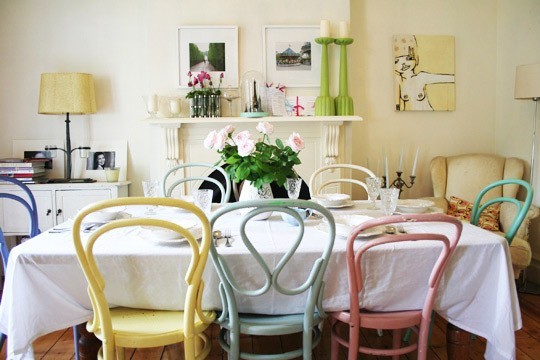
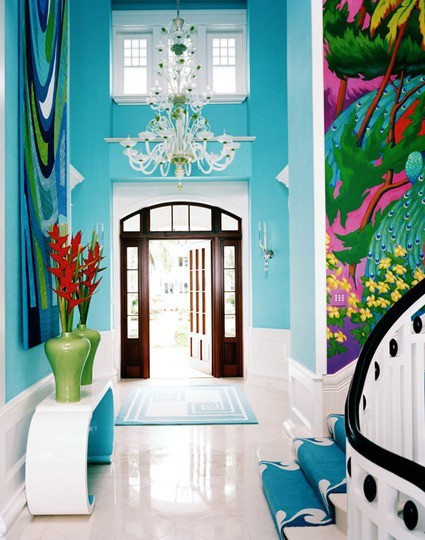
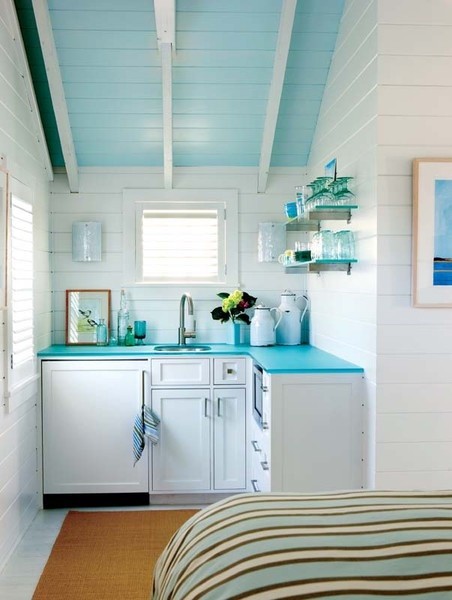
Powder blue, mint, cream, blush, and warm wood appear often in gentle refreshes because they photograph calmly and live calmly. Paint remains the highest-impact low-cost lever: one wall behind a mantel, the inside back of a bookshelf, or a set of thrifted dining chairs in related pastels can shift a room’s temperature in a weekend. Keep large upholstery quieter if accents will be colorful. A floral wingback plus six painted chairs plus busy wallpaper is three stories competing for the same airtime.
Undertones matter more than the color name on the can. A blue that leans green will fight a blue that leans purple when both sit in one sightline. Tape large samples beside existing wood, stone, and sofa fabric and check them morning and evening. Soft schemes fail when one “almost right” paint makes every other surface look wrong.
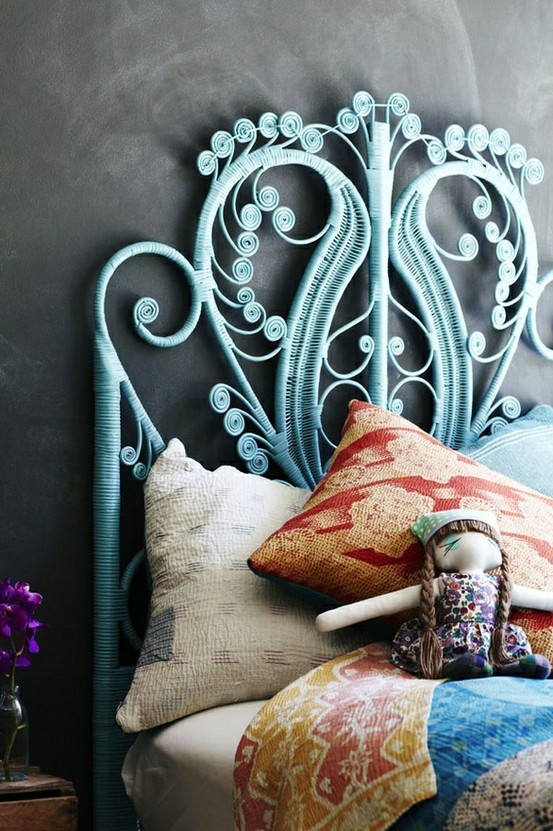
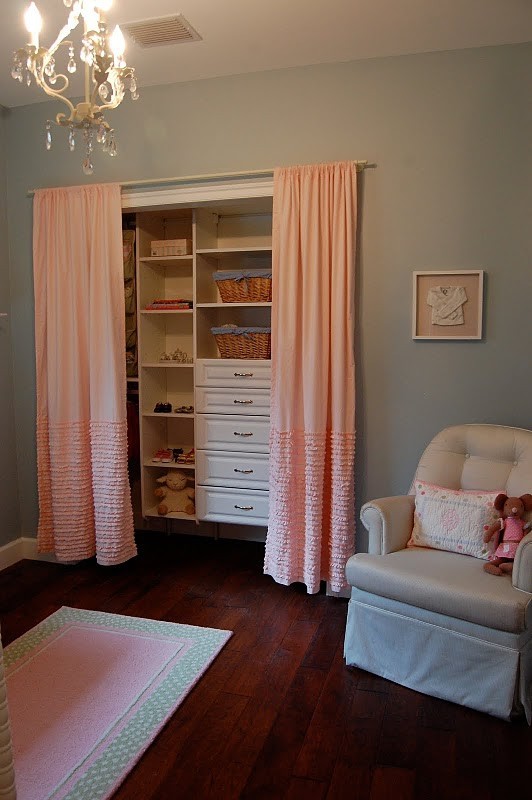
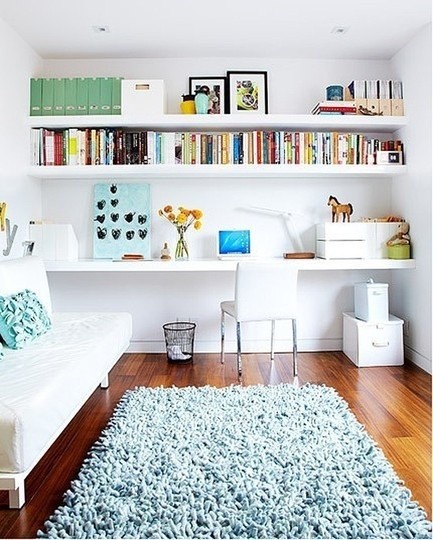
Texture does quiet work that flat paint cannot. Burlap-wrapped vases, woven baskets, stone tile liners inside a hearth, linen runners, and mercury glass catch light differently so a pale palette does not feel sterile. Repeat a material at least twice—wicker on the floor and on a shelf, glass on the mantel and on the table—so the eye reads intention rather than accident. Mixed metals are fine if you limit yourself to two families and let one dominate.
Florals and greens belong when they are edited. One substantial arrangement beats five tiny stems fighting for attention. Dried thistle, garden roses, or simple greenery can rotate seasonally without requiring new furniture. Use trays to corral small objects so surfaces stay wipeable; soft styling without wipeability becomes soft dust.
Dining rooms and living corners that feel used
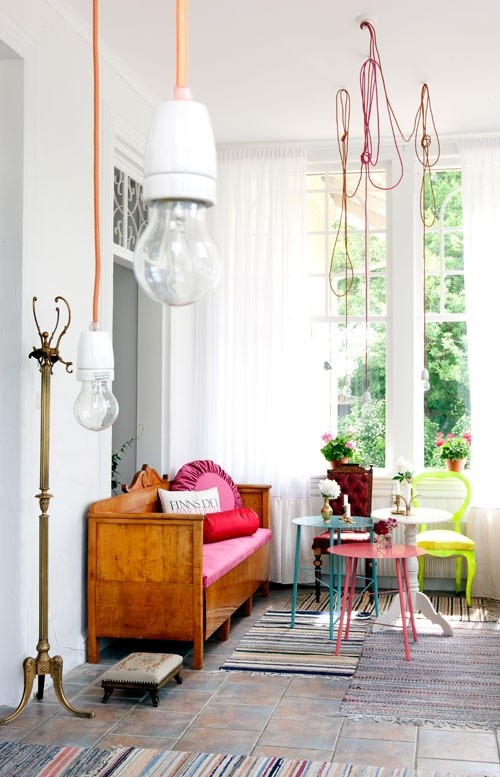
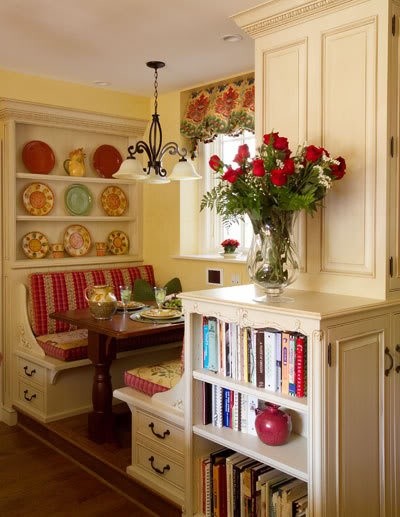
Mismatched chairs around a simply dressed table signal hospitality more convincingly than a perfect matching set. Paint unifies different silhouettes; shared seat height matters more than identical backs. A white cloth, clear glassware, and one vase keep the table ready without looking unused. Sideboards earn their footprint when they hide linens and host a lamp that actually lights conversation instead of only decorating a vignette.
Living corners need a named job: reading, conversation, music, or morning coffee. A fireplace vignette with stacked mirrors, books, and vessels works when negative space remains on the mantel—leave gaps so objects do not merge into clutter. If the hearth becomes open shelving, line the back with quiet pattern or a solid paint so everyday items sit on a finished plane rather than floating in a dark box.
Scale accessories to the architecture. Tiny frames on a wide mantel look lost; one substantial mirror plus two vertical objects usually balances better. Floor baskets under side tables catch throws and remotes so soft styling does not become soft mess. If a decorative chair becomes a permanent coat dump, either add a hook nearby or remove the chair—furniture that only collects clutter is not earning floor area.
Art should survive door swings and bag straps. Hang pieces at household eye level, keep bottoms clear of traffic, and avoid clustering fragile objects at the exact height where backpacks turn. Halls adjacent to these soft rooms deserve the same discipline or clutter will migrate back into your finished space within days.
One photo, one weekend, three moves
Choose a single image that matches your room’s bones—similar mantel width, similar dining footprint, similar window light. Write only three transferable moves: for example, paint the chairs, add a mantel lamp, replace plastic bins with woven baskets. Ignore furniture you cannot afford this season. Schedule the moves in order of mess: paint and sanding first, textiles second, object styling last so dust does not settle on the finished layer.
Measure before you shop. Chair width through doorways, mantel depth for lamps, rug clearance past table legs, and outlet locations for new lighting prevent the classic failure of beautiful pieces that never make it into the room. Bring paint chips home and tape them beside existing wood and fabric; soft blues shift dramatically under warm bulbs.
When the weekend ends, photograph the room from the same angle as your inspiration image. You are not scoring a replica. You are checking whether friction dropped, whether evening light works, and whether there is still a place for shoes-off evenings. If the room only looks good when nobody uses it, peel back one decorative layer and restore a clear function. Soft updates stick when beauty and habits agree.

Comments
Continue reading
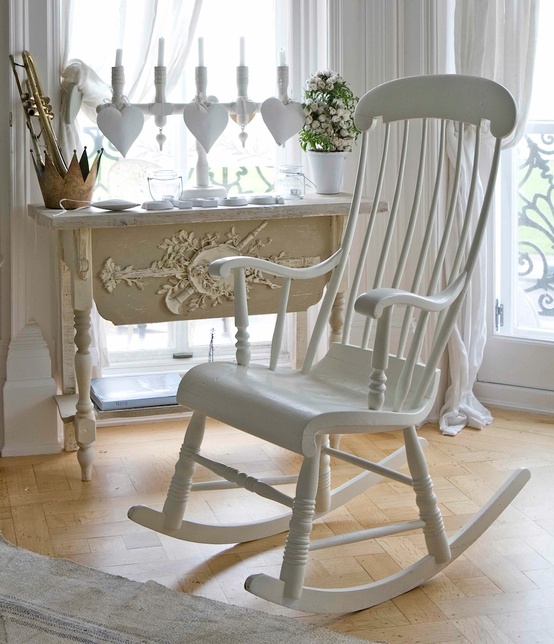
Home Dream Home: Romantic Details for Soft, Vintage Rooms
Ethereal light, French-inspired silhouettes, and weathered whites—how to add romance with sheers, candles, and inherited-feeling pieces.
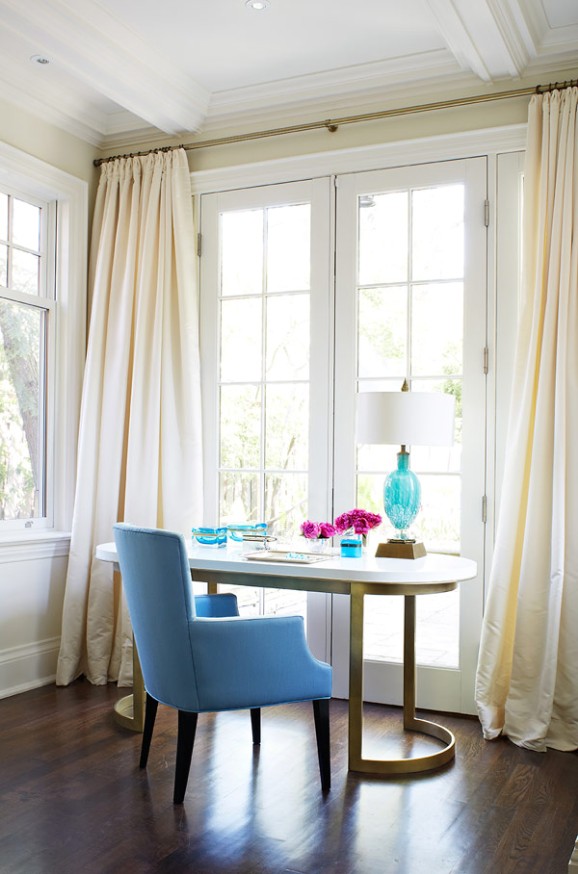
Home Dream Home: Simplicity as Everyday Sophistication
Edited rooms, quiet planes, and scarce accents—how simple interiors stay sophisticated without feeling empty or austere.
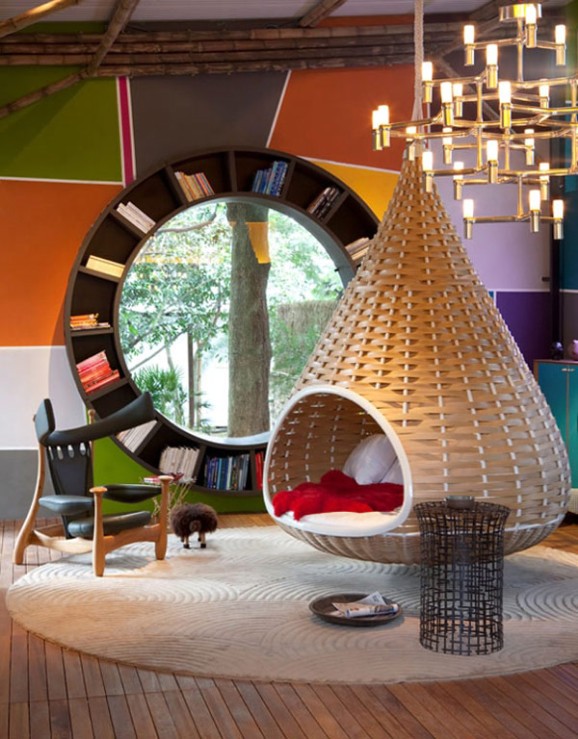
Home Dream Home Part 3: Statement Rooms and Compact Architecture
Dream-home inspiration built around bold structure—hanging lounges, circular windows, tiny-house volumes, and the questions to ask before you chase a hero piece.