
Bond On Set: Greg Williams and the Fashion of Unfinished Glamour
On-set Bond photography in the Greg Williams reportage vein—tuxedos between takes, ice-bar architecture, and black-and-white candour behind the poster myth.
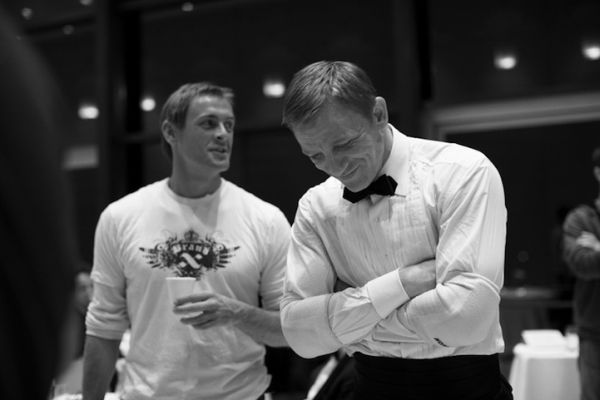
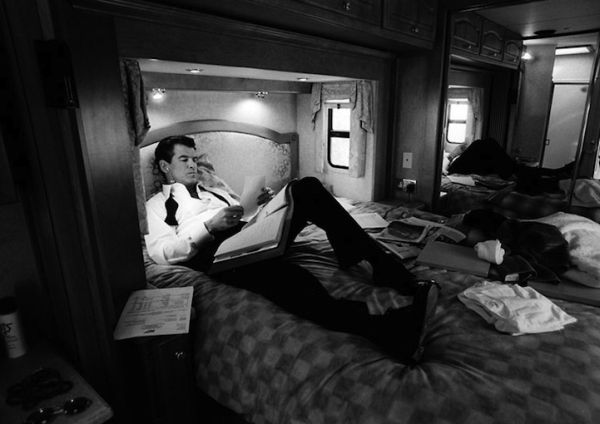
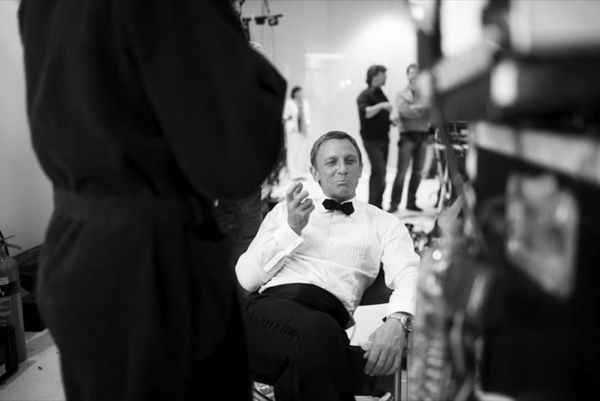
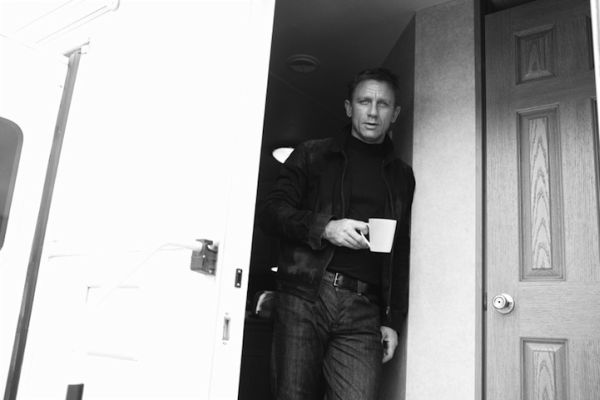
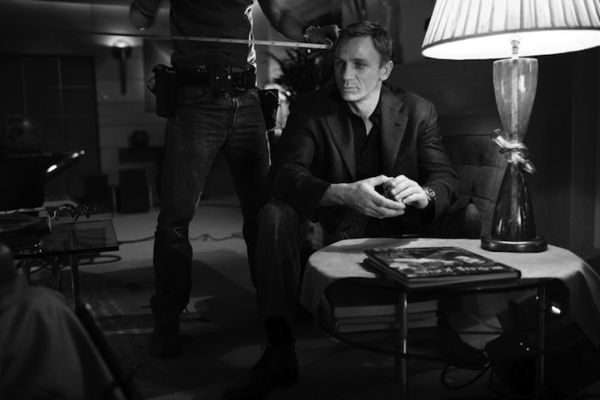
Greg Williams’s Bond set photographs sit in a different register from the finished posters. Posters sell the myth in hard light and perfect wardrobe. On-set frames sell the making of the myth: a dinner jacket between takes, an ice-bar setup still cold under candles, actors laughing with arms folded, crew cups in the edge of the frame. This gallery gathers that reportage mood—black-and-white candour, formal dress under informal conditions, and the strange intimacy of watching Bond cinema before the polish locks in.
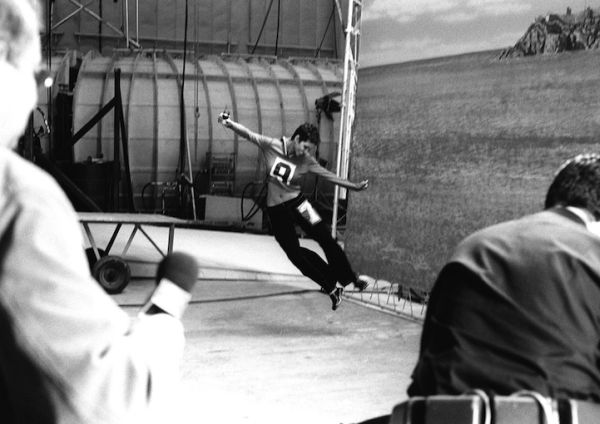
Williams came to film sets with a photojournalist’s habits: stay close, stay quiet, prefer gesture over pose. By the mid-2000s he was already associated with Daniel Craig’s Bond years, including early screen-test access that grew into a long working relationship with the productions. The pictures here belong to that wider on-set tradition even when a frame catches an earlier Bond era’s glamour—ice palaces, beaded gowns, tuxedo geometry—because the subject is not only one actor. The subject is how Bond style looks when the camera is not yet “the” camera.
For fashion and design readers, that difference matters. A poster tells you what the studio wants the year to mean. A set photograph tells you what the clothes and rooms had to survive: heat, waiting, resets, jokes, and the awkward physics of looking lethal while someone adjusts a light. Once you learn to read those survivals, the franchise’s elegance stops looking effortless and starts looking engineered—which is more interesting.
Formal clothes, informal seconds
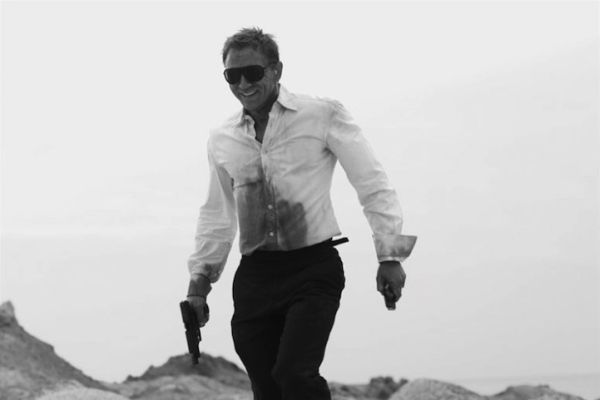
Bond’s wardrobe is designed to read at poster scale: black tie, white shirt, clean line of a lapel. On set, those same clothes meet downtime. A tuxedoed Craig with arms crossed, mid-laugh beside a crew member in a graphic tee, is more informative about production culture than a posed hero shot. The uniform stays; the myth softens. That softness is the reportage prize. You see how heavy evening wear feels under lights, how a bow tie sits when no one is calling action, how glamour is a costume actors put on and take off between setups.
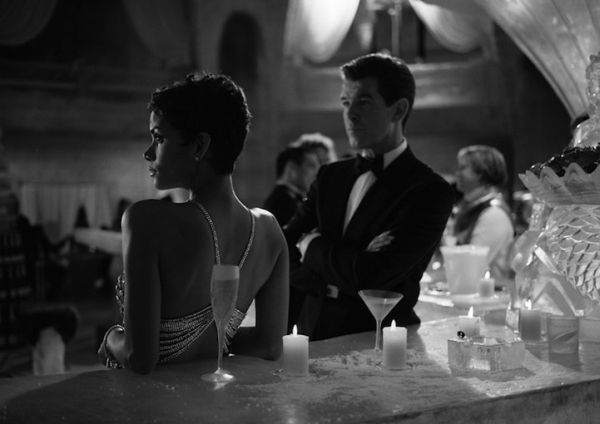
Evening gowns and beaded backs work the same way. In a finished film still, sequins are pure spectacle. In a set photograph beside an ice bar and votive candles, you also notice temperature, waiting, and the architecture of a temporary palace built to be filmed and struck. Period Bond fashion is inseparable from period Bond sets. An ice palace is not only a location; it is a refrigeration problem, a lighting problem, and a costume problem—fabric against cold, sparkle against frost, champagne flutes against a counter carved to look eternal for three weeks of shooting.
Watch for the small betrayals of comfort. Cummerbunds that dig. Shoes that wait off frame. Hair that has been reset too many times. These are not failures of glamour; they are evidence that glamour is labour. Williams’s best frames often catch the second after labour pauses—when the face is still half in character and half in the room. That half-state is where set photography earns its keep. Marketing wants commitment to the role; reportage wants the seam.
What black-and-white does for Bond
Colour is Bond’s public language—turquoise seas, red evening dresses, gold lettering. Black-and-white set photography steals that language back toward structure. Lapels become geometry. Ice becomes texture. A beaded gown becomes a field of highlights. Without brand-colour distraction, you read posture, hierarchy, and the distance between actor and role. Williams’s reportage instinct thrives here: the frame feels closer to a contact sheet than to a lobby card.
Monochrome also flatters the franchise’s older visual debt to stills culture. Mid-century studio photography taught audiences to accept Bond as a tuxedo silhouette before they accepted him as a product line. Contemporary on-set black-and-white continues that education with less varnish. It is not nostalgia cosplay; it is a way to show craft. Look for hands, eyelines, and the tiny collapses of performance when someone hears a joke off camera. Those are the seconds posters cannot afford.
Contrast control is part of the fashion story too. A white dress shirt against a black jacket is a graphic system as much as a costume. In colour, that system competes with set paint and practical lamps. In black-and-white, the tuxedo’s binary logic leads. That is why so many enduring Bond images, even from colour films, live in memory as silhouette first. Set reportage that stays monochrome is simply refusing to let the merchandising palette finish the sentence.
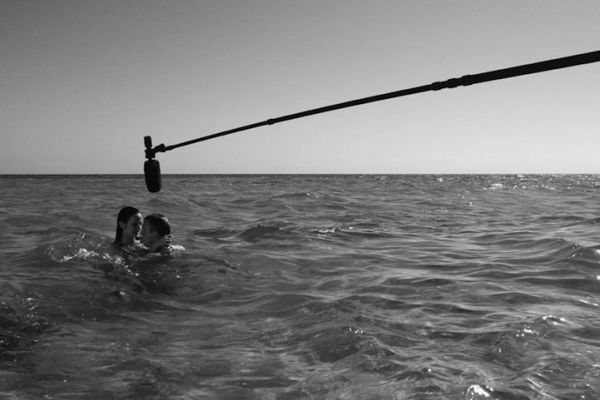
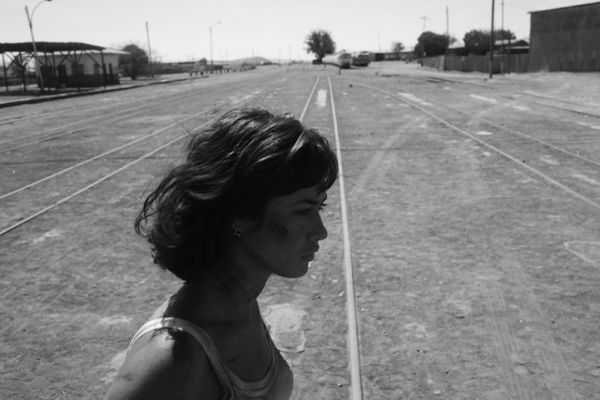
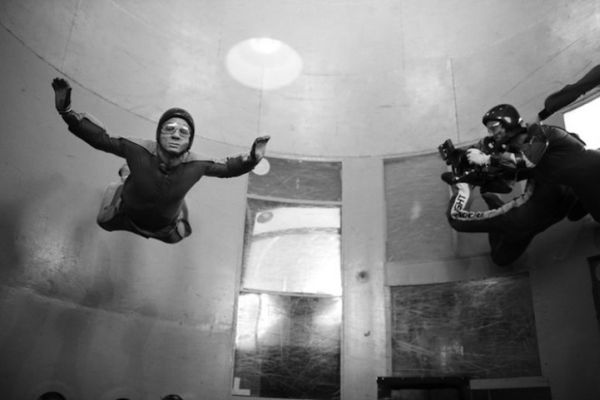
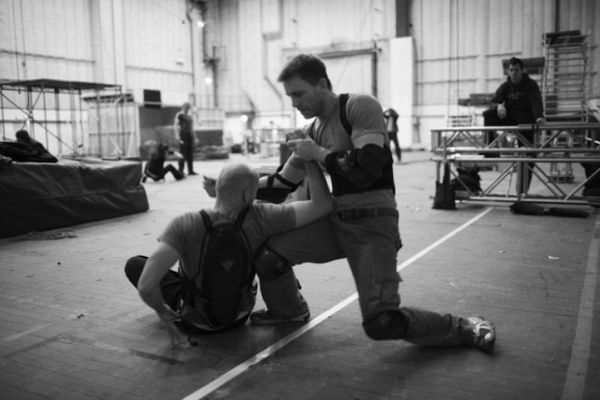
Sets as temporary architecture
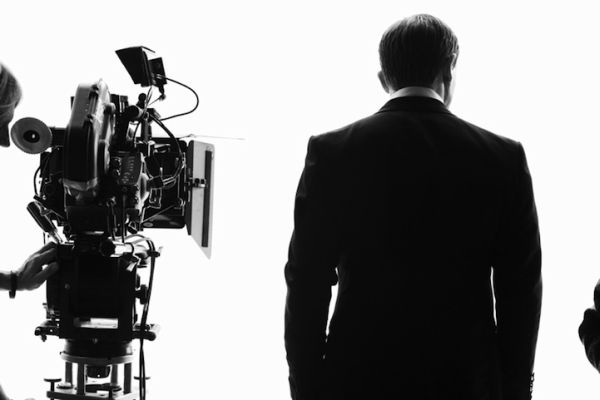
Bond locations are famous for travel fantasy, but many of the most stylish images are built environments: casinos, ice bars, hotel corridors, soundstage streets. On-set photography reveals the joinery. You see where the elegant room ends and the black void of the stage begins. You see how many people it takes to keep one calm medium shot alive. Fashion lives inside that architecture. A gown needs a staircase; a tuxedo needs a bar rail; a coat needs weather that may be manufactured by fans and rain towers.
Reading these pictures for costume history, notice repetition. The same formal codes return across eras because the franchise trades on recognition. What changes is cut, fabric weight, hair, and the amount of visible labour the photo allows. Older publicity often hid labour. Modern specials photography sometimes keeps a cup, a cable, or a crew shoulder in frame as proof of access. Williams’s reputation rests on that trusted access—close enough for unguarded faces, discreet enough to be invited back for the next unit day.
Temporary architecture also explains why Bond interiors feel hyper-real. They are designed for lenses first and bodies second. A bar that looks intimate on screen may be missing a wall. A corridor that feels endless may be twenty feet of set dressing plus a matte extension later. Set photography lets you catch the incomplete truth before visual effects and grading invent permanence. For anyone who loves period production design, that incompleteness is the point of looking.
Compare two kinds of looking as you move through the gallery. First, look as a costume fan: track lapels, jewellery, gown backs, shirt fronts. Second, look as a set visitor: track edges, practical lights, background blur that hides unfinished flats. The strongest frames reward both readings at once. Bond style is not only clothing; it is clothing that knows it is being watched by a machine.
When you look through the set again, pick one frame and name three non-hero details—a cup, a cable, a candle, a crew sleeve, a laugh that breaks the jawline of the role. Those details are the photograph’s real subject. The tuxedo is only the door you walked through to find them.

Comments
Continue reading
Funny Animal Signs That Warn People (While Animals Ignore Them)
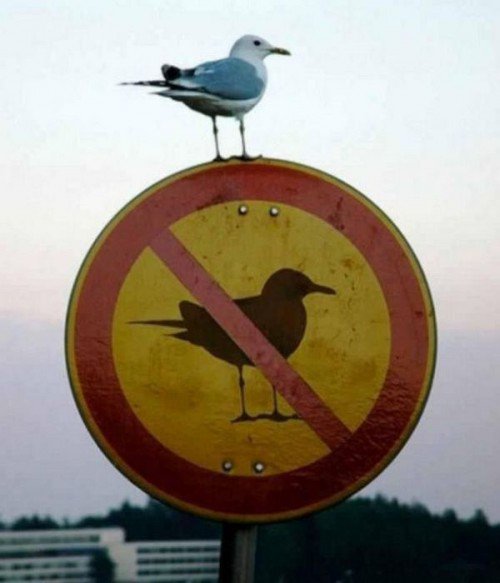
From a seagull on a no-birds disc to classic zoo and park ironies—why animal warning signs get funny, and what the rules are still for.
How to Find Local Amenities on Vacation: Mechanics, Haircuts & More
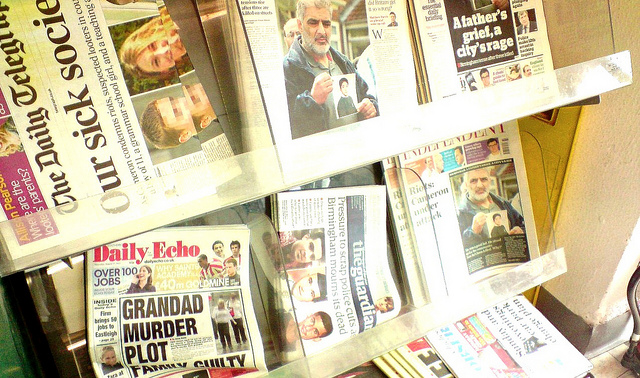
Locate trustworthy local services and everyday spots while traveling or settling in—using publications, reviews, map apps, neighbor tips, and low-pressure exploration.
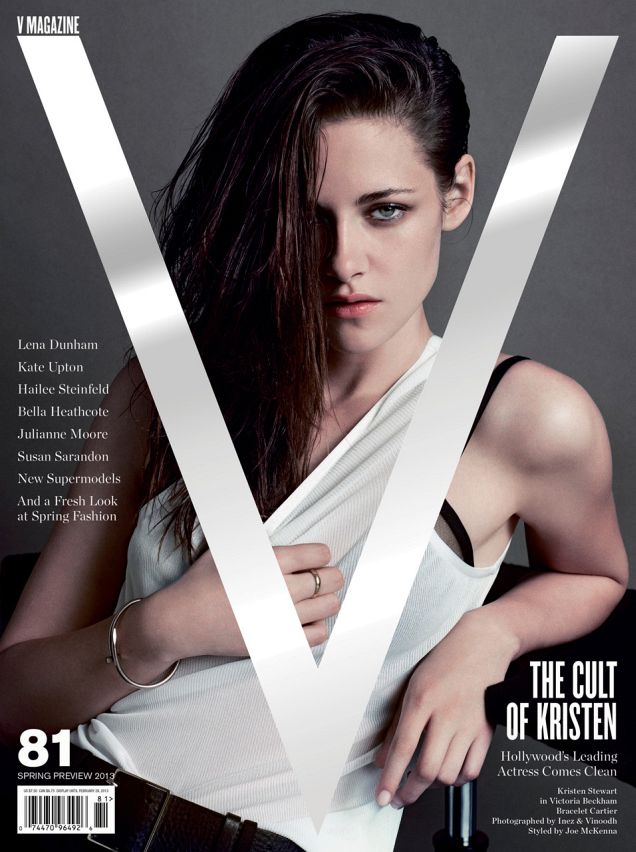
Kristen Stewart for V Magazine, Spring Preview 2013
V81’s Wild at Heart cover story—Kristen Stewart shot by Inez & Vinoodh, styled by Joe McKenna, in pale minimal spring glamour.