
Red Lipstick Shades by Undertone and Finish
A practical guide to choosing red lipstick—cool, warm, and brick families, cream vs matte vs sheer, and how to test and wear a shade that fits your skin.
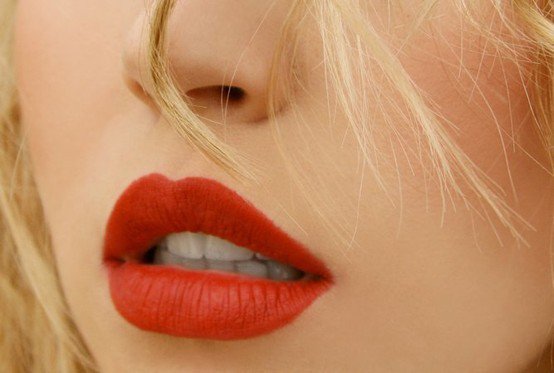
Red lipstick is not one color. It is a family of tones that can look expensive, romantic, sharp, or slightly wrong depending on how the shade sits against your skin. The goal is not to chase a famous tube. It is to match undertone, depth, and finish so the red looks intentional instead of borrowed.
Start with undertone, not a trend name
Most reds fall into three broad camps: blue-leaning (true or berry-leaning reds), orange-leaning (tomato, coral-red, brick), and brown-leaning (oxblood, terracotta, dried-rose reds). Your undertone decides which camp feels natural.
Cool undertones often favor blue-based reds. Warm undertones often favor orange or brick. Olive and muted complexions frequently look best in brown-leaning or dusty reds that do not scream against green or gray cast in the skin. If jewelry tests help you, silver usually pairs with cool reds and gold with warm ones — but treat that as a hint, not a law.
Depth matters as much as undertone. Fair skin can wear saturated reds, but sheer or mid-pigment formulas often look cleaner than a dense blue-red that overwhelms the face. Medium skin can carry almost any family if the undertone is right. Deep skin often looks richest in true reds, oxblood, wine, and orange-reds with enough pigment to read as color rather than stain.
How to test a red before you commit
Swatch on the side of the mouth or jaw, not only the back of the hand. Natural light beats store lighting. Smile slightly: if the red makes teeth look yellower, you may be in an orange-leaning shade that fights your undertone. If the red makes skin look ashy or bruised, the blue may be too sharp or too cool for you.
Wear the swatch for ten minutes. Some formulas oxidize darker or browner. Cream and satin finishes show undertone most honestly. Mattes can mute warmth; glosses can push orange or pink depending on the base.
Shade families that actually help shopping
Think in families instead of brand rankings.
- True red / classic red: balanced, neither strongly blue nor orange. Useful when you want a clean statement and your undertone is neutral or lightly cool.
- Cherry / blue-red: cooler, often more formal. Strong on cool and fair-cool skin; can look vivid and graphic.
- Berry-red / wine: blue plus depth. Flattering for cool and deep complexions; softer than neon cherry for daytime if applied with a light hand.
- Tomato / coral-red: orange lift. Friendly to warm and golden undertones; lively for summer makeup when the rest of the face stays simple.
- Brick / terracotta red: earthy warmth. Excellent for olive and warm-medium skin; less “lipstick poster” and more lived-in.
- Oxblood / brown-red: depth without pure black. Works on medium to deep skin and on fair skin as a controlled evening shade.
If a formula looks muddy on you, it is often undertone mismatch, not “you cannot wear red.” Shift one step cooler or warmer before abandoning the idea.
Product types: what the formula does to the shade
The same named red can behave differently across textures.
Cream lipstick shows true color quickly and is forgiving for beginners. Build in thin layers. Blot once if you want longevity without full matte dryness.
Satin keeps dimension and photographs kindly. Good default for daytime reds when you want polish without a flat graphic edge.
Matte liquid or bullet intensifies undertone and edge. Use a lip liner in a close shade, fill lightly, then apply the lipstick. Matte reds punish dry texture, so buff lips gently first and avoid heavy balm underneath unless the formula is designed for it.
Sheer tint or stain is the easiest entry for nervous wearers. You get red influence without a hard outline. Layer toward the center for a soft stain that still reads intentional.
Gloss over a thin lipstick or liner can turn a brick into a wet tomato or a cherry into a candy finish. Keep gloss centered if you want the outline to stay crisp.
Skip medical claims and “miracle long-wear” marketing. Longevity is mostly prep, liner, blot-and-layer, and blotting papers — not a miracle ingredient list.
Pairing red lips with the rest of the face
Red lipstick works best when the rest of the makeup has one clear job. Choose either strong lip or strong eye, not both at maximum volume.
For a classic look: even skin, soft brows, mascara or a thin liner, then the red. For evening: you can add a soft taupe or brown shadow, but keep shimmer restrained so the mouth stays the focal point. Blush should support, not compete — a muted rose for cool reds, a warm peach or soft terracotta for orange and brick reds.
If your skin is textured or dry around the mouth, prioritize a comfortable cream or satin over a drying matte. Comfort changes how confidently you wear the color, which changes how the look reads.
Application that keeps edges clean
Exfoliate gently if needed, then wipe residue away. Outline with a liner that matches the lipstick or sits one shade deeper. Fill the lip lightly with liner for insurance. Apply lipstick from the center outward. Clean the outer edge with a tiny brush and concealer only if you want a sharper graphic line.
For longevity: apply, blot, dust a whisper of translucent powder through a tissue if you like, then apply again. For a modern soft edge, skip hard liner on the outer corners and press color in with a fingertip, then define only the cupid’s bow.
Choosing by occasion without overthinking
Daytime favors mid-pigment true reds, bricks, and sheers. Evening can take cherry, wine, and oxblood with more matte intensity. Photographs often prefer satin or cream over extreme matte, which can look flatter under flash.
If you wear strong glasses frames, a cleaner true red or brick often balances better than a very blue cherry that fights frame color. If your hair is very warm (copper, golden blonde), orange-leaning and brick reds usually harmonize; ash and cool brown hair often pair easily with blue-reds and wines.
A short decision path
- Decide cool, warm, or olive/muted.
- Pick a family: true, cherry, tomato, brick, or wine.
- Choose finish for the day: sheer, cream/satin, or matte.
- Test near the mouth in daylight.
- Keep eyes and cheeks quieter than the lip.
Own two reds if you can: one everyday brick or true red in a comfortable cream, and one evening cherry or wine with a cleaner edge. That covers more real life than a drawer of near-identical blue-reds.
When a shade finally looks right, you stop negotiating with the mirror. The red simply belongs on your face — and that is the only ranking that matters.

Comments
Continue reading
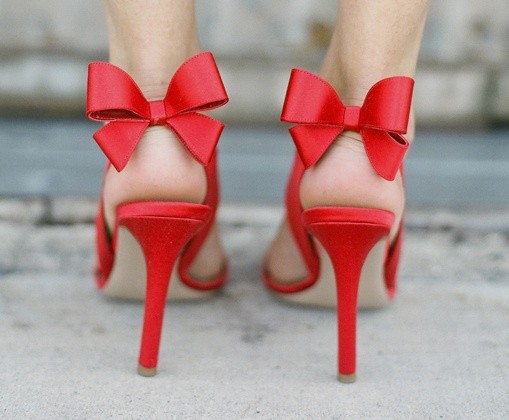
Burning Red Ideas for Fashion, Cars, and Rooms
How to use red with intent—shoes and wardrobe accents, lacquered cars, interior punctuation, and a small palette worth stealing.
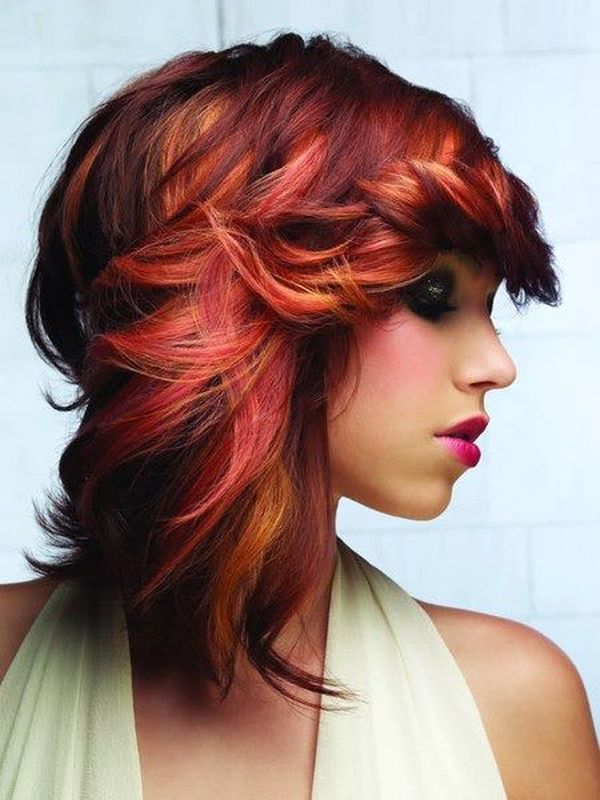
Flame-Red Hair Styles: Classic Copper and Auburn Looks
A part-one gallery of wearable flame red—copper, auburn, strawberry, and terracotta—with shade matching, styling, and first-time color tips.
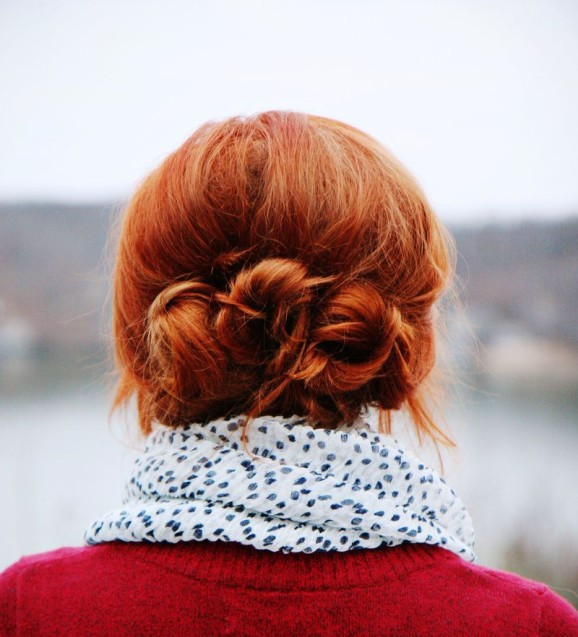
Bold Red Hair Styles: Cherry, Wine, and Shorter Cuts
Part two of the flame-red lookbook—vivid cherry and wine shades, bobs and braids, evening shapes, and how to keep saturated red from fading flat.