
HDR Travel Photography by Jim Nix
Austin-based photographer Jim Nix pairs travel observation with Photomatix HDR—colorful cityscapes and landscapes published on a steady Nomadic Pursuits rhythm.
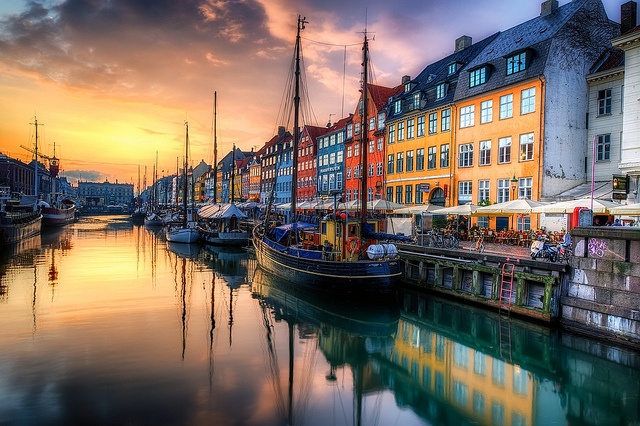
Jim Nix built a travel photography practice on a simple publishing rhythm: leave Austin, look hard, come home with frames that still feel like motion. In the years when his blog Nomadic Pursuits was the main stage, he posted roughly five or six images a week—city edges, bridges, coastlines, and the soft drama of the day’s first and last light. Gear lists appear in interviews, but Nix’s own emphasis stays elsewhere. The photographer, not the camera bag, decides whether an ordinary corner becomes worth keeping.
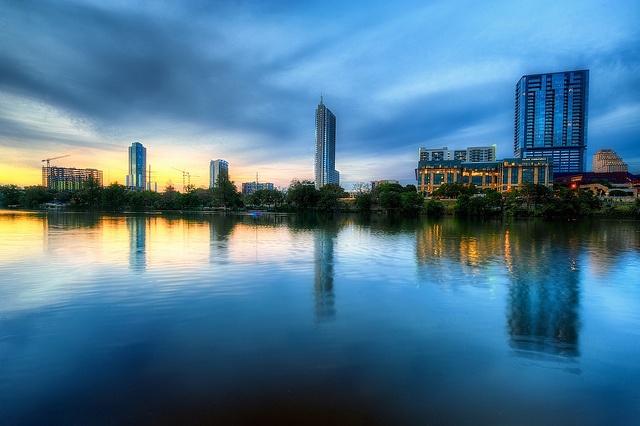
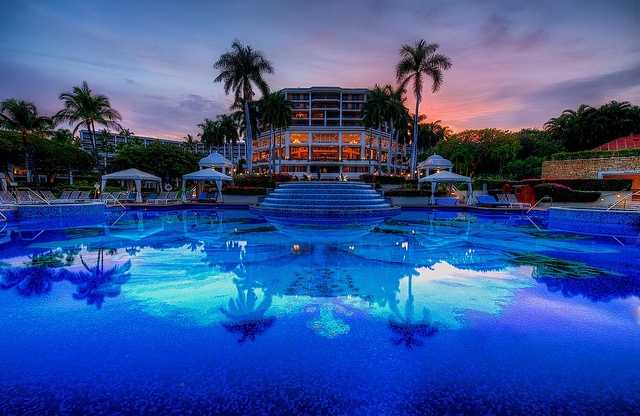
HDR—high dynamic range—is central to how many of those images land. Nix has long used tools such as Photomatix to merge multiple exposures into a single file with wider tonal range, then finish for color and mood. The goal is not a science diagram of luminance. It is an expressive travel picture: saturated enough to feel lived-in, structured enough to remain a place you could almost walk into. That combination—steady output plus recognizable finish—is why his work fit so naturally into early-2010s photography roundups that wanted both technique and wanderlust.
Observation before technique
Nix has pointed to Elliott Erwitt’s line about photography as an art of observation—finding something interesting in an ordinary place, with everything depending on the way you see. That quote fits travel HDR especially well. Bracketed exposures and tone-mapping software can rescue a harsh noon sky, but they cannot invent curiosity. The interesting picture still begins with where you stand, what you wait for, and which slice of a street you decide is the subject.
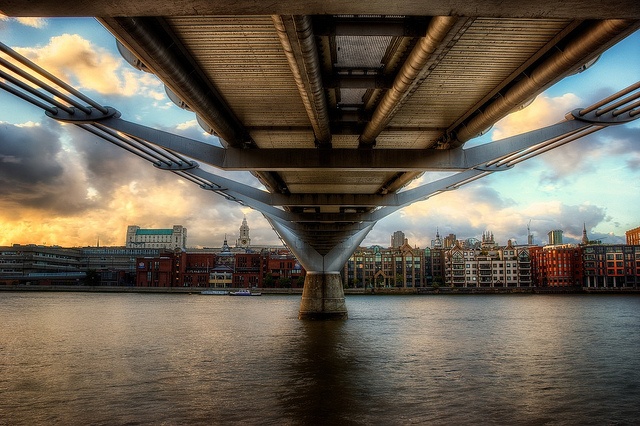
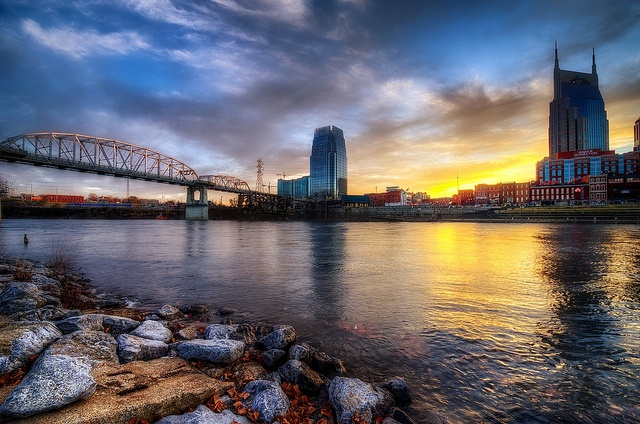
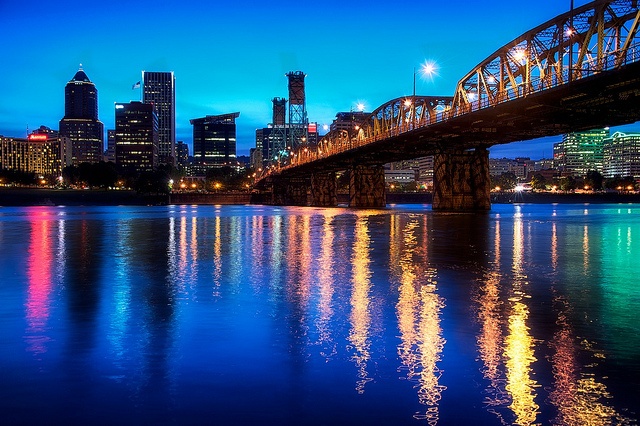
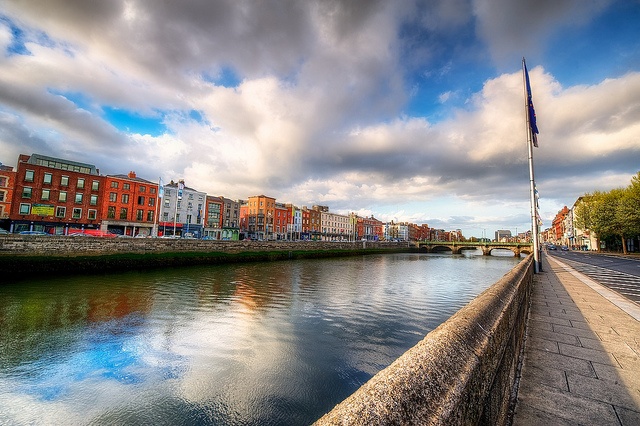
For Jim Nix, that subject range is broad: cityscapes and landscapes, architecture and seascapes, bridges that turn into graphic spines across water. The through-line is an expressive, colorful finish. Soft edge-of-day light shows up again and again because it gives HDR something generous to work with—glow without total blowout, shadow without emptiness. Midday can be solved, but dusk and dawn often cooperate.
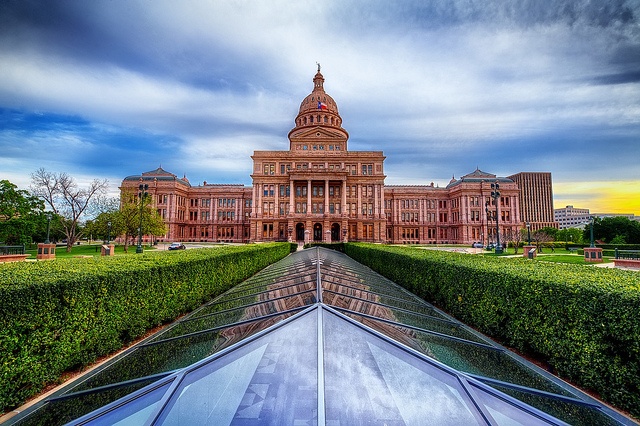
Observation also means editing before the shutter. Travel rewards the photographer who walks past the postcard viewpoint and finds the angle with a cleaner lead-in line, a better reflection, or a quieter foreground. Nix’s stronger frames feel chosen rather than collected. You sense a decision about what belongs in the rectangle and what can stay outside it.
What HDR means in travel practice
What is HDR?
HDR stands for High Dynamic Range. In digital photography it usually means capturing multiple exposures of the same scene, then merging them so the final image can hold a wider span of bright and dark detail than a single frame. The result can look naturalistic or dramatic, depending on how the photographer tone-maps and finishes the file.
On the road, that workflow has practical consequences. A tripod helps keep frames aligned. Moving clouds and people can complicate merges. Wind on a bridge can ruin a bracket. Travel HDR is therefore as much logistics as aesthetics: arrive early, stabilize, shoot quickly through the exposure set, then move before the light dies. Jim Nix’s public teaching over the years—tutorials, workshops, later educational work around modern editors—keeps returning to those field habits, not only to sliders.
Photomatix, which he has long associated with his process, is one path among several for the merge stage. What matters more than brand loyalty is judgment after the merge: how hard to push local contrast, whether halos appear around rooflines, whether skin tones (when people appear) survive the drama intended for skies. Good travel HDR still looks like travel. Bad travel HDR looks like a filter wearing a passport.
Austin base, outward gaze
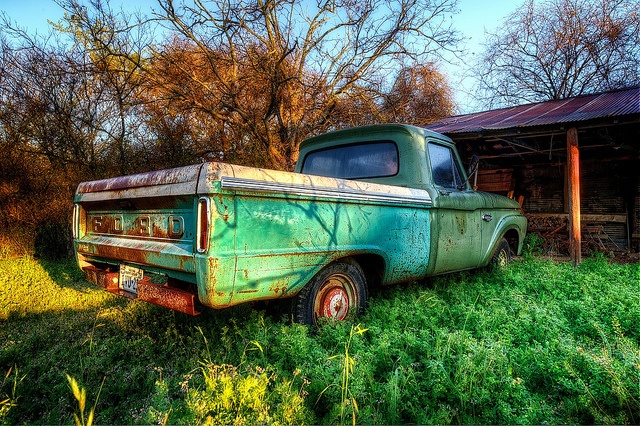
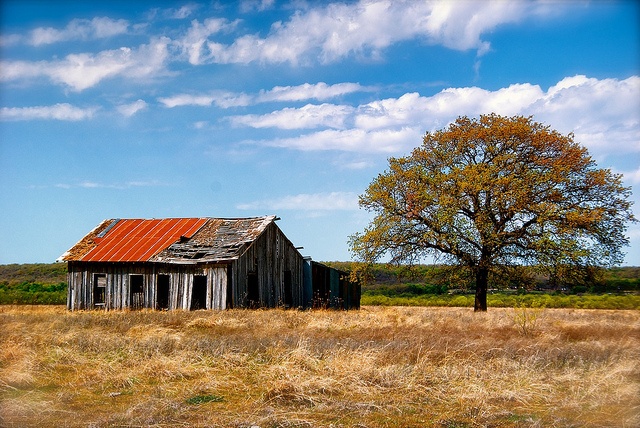
Being Austin-based matters less as local branding than as a launch point. Texas light can be hard and clear; it trains a photographer to hunt shade, reflections, and the short windows when the sky softens. From there, Nix’s travel habit turns outward—other cities, other coasts, other skylines—while the blog format keeps the work conversational. Quotes, notes from the road, and a steady publishing cadence made Nomadic Pursuits feel like a companion rather than a portfolio vault.
The project later consolidated more tightly under jimnix.com, but the travel-and-HDR identity remains continuous. That continuity matters for readers who meet the work through an older link or a gallery page like this one. You are looking at Jim Nix’s way of seeing places: colorful, edged with mood, interested in both broad vistas and the graphic bones of bridges and streets.
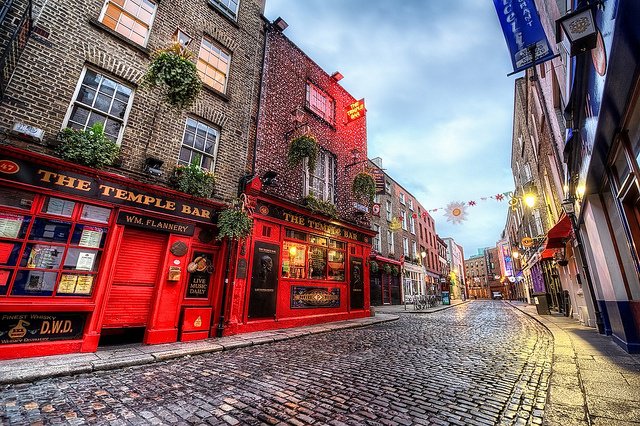
That conversational tone is part of why his images travel well on editorial pages. They are ambitious without pretending to be anonymous stock. You can sense a person choosing color temperature, deciding how hard to push a sky, leaving room for a bridge cable or a wet street to carry the composition. Personality, in other words, survives the merge.
Reading the gallery like a traveler
When you move through the images on this page, try a traveler’s checklist instead of a software checklist:
- Time of day: Is the light skimming or overhead? Edge light usually flatters HDR.
- Anchor: What holds the frame—bridge, facade, shoreline curve, vanishing street?
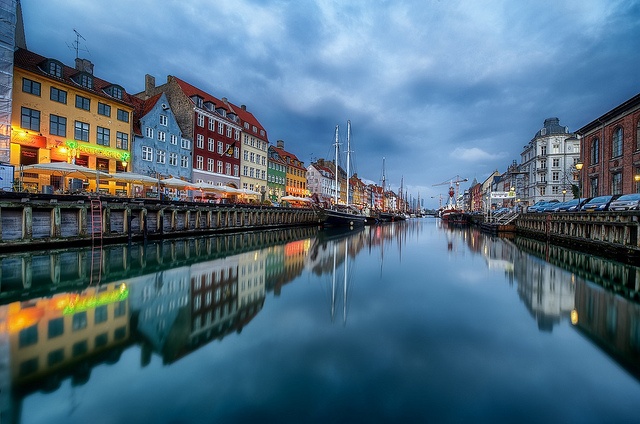
- Color weather: Warm stone against cool sky, neon against dusk blue, wet asphalt mirrors.
- Human scale: Even without people, does the scene leave room for a body to stand?
- Exit path: Does your eye have a way out of the picture, or does it bounce endlessly inside contrast?
Those questions keep Jim Nix’s work connected to place. HDR can become a style costume; here it more often functions as amplification of a real vantage point. The exaggeration has a job: make you feel the hour you would have wanted to be there. If a frame fails that test, no amount of saturation will save it. If it passes, the color feels earned.
It is also worth noticing what Nix does not do. The gallery is not a gear flex. It is not a lecture on sensor size. It is a sequence of decisions about looking—decisions a reader can steal without copying a single preset. Stand where the lines converge. Wait until the sky has a gradient worth keeping. Merge carefully. Finish until the place still feels like itself, only more awake.
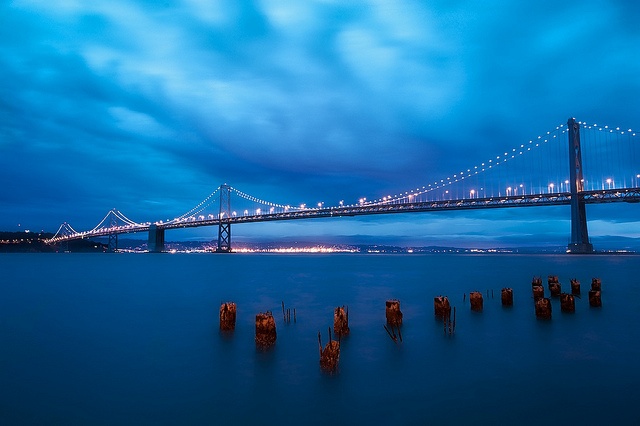
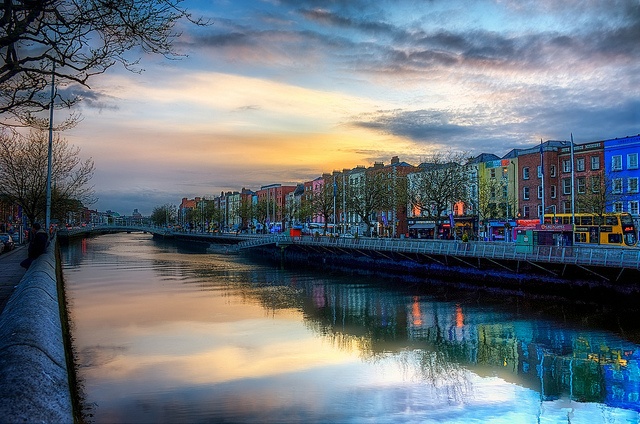
Take the last frame you liked and reverse-engineer one decision: where Nix must have stood, how long the wait for light might have been, whether a tripod was non-negotiable. That small reconstruction is more useful than copying a preset. Jim Nix’s travel HDR works when observation comes first and the merge only finishes what the eyes already chose.

Comments
Continue reading
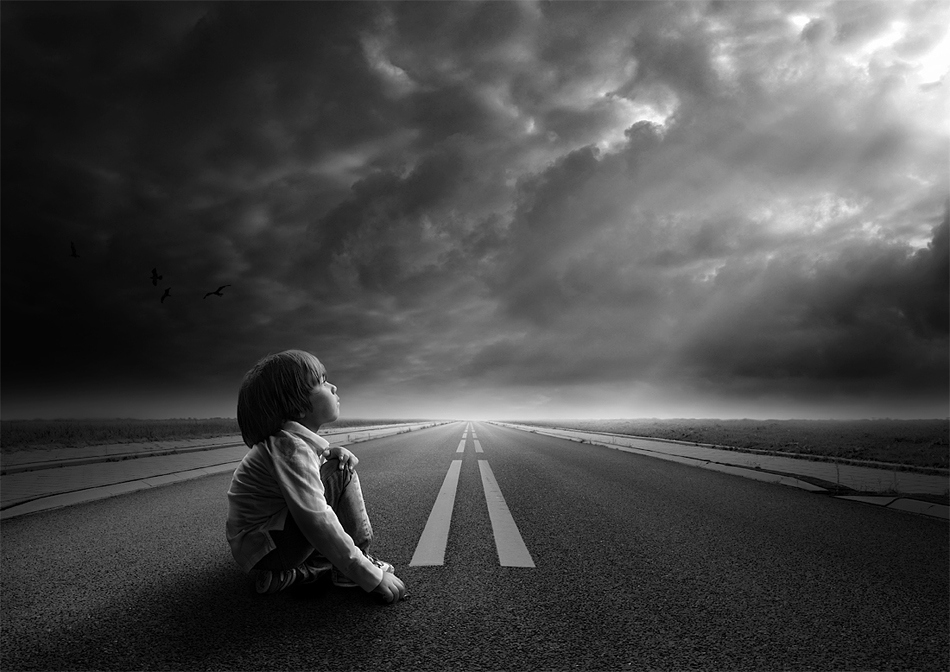
Adrian Sommeling’s HDR Photo-Stories
Dutch photographer Adrian Sommeling compresses whole narratives into single HDR frames—one child, one empty road, and storm light that behaves like plot.
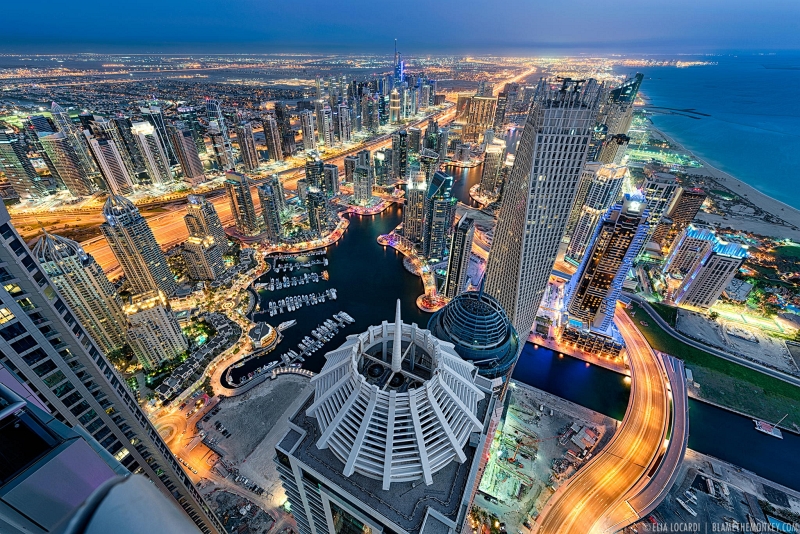
Elia Locardi’s HDR Travel Photography: Light, Place, and Life on the Road
A look at Elia Locardi’s HDR travel photography—balanced exposure blending, immersive location work, and the location-independent path he and his wife took after 2012.
Dramatic Photo Art by Sukron Ma’mun (Ipoenk Graphic)
Cirebon, Indonesia photographer Sukron Ma’mun uses theatrical natural light to frame village life, play, and place in lyrical photo art.