
15 DIY Rug Projects: Paint, Crochet, Weave, Rope, and Upcycle
Fifteen crafty rug ideas—painted geometrics, T-shirt crochet, rag weaves, pom-poms, latch hook, coffee bags, and rope coils—for slow homemade floors.
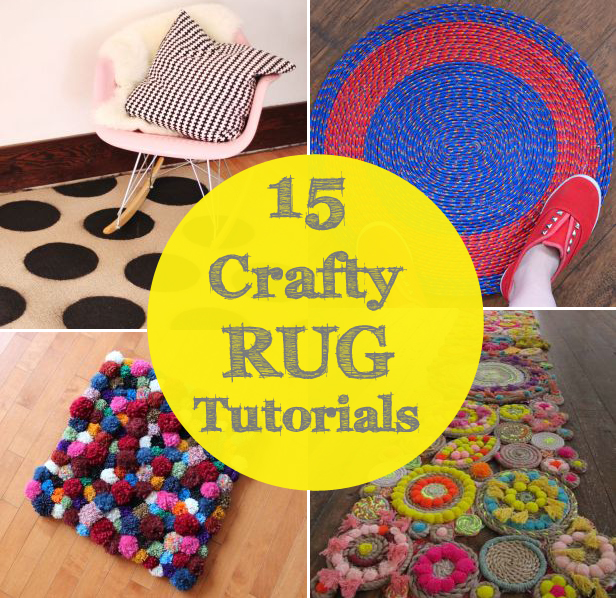
Handmade rugs reward slow craft. A rainy afternoon, a cup of tea, and a pile of yarn, rope, fabric scraps, or paint can turn into a floor piece that fits your room better than anything off the shelf. The fifteen crafty rug projects below cover painted canvas and geometric patterns, crochet from T-shirts, woven and rag rugs, pom-pom accents, latch hook, coffee-bag upcycling, tablecloth conversions, and rope rugs—ideas suited to fall and winter evenings when you want a project that lasts longer than a single sitting.
You do not need to be a professional textile designer. You need patience, a clear method, and materials that can handle foot traffic. Browse the gallery for a technique that matches your skill level and the look of your space, then commit to finishing—rug projects teach pacing as much as they teach craft. If you tend to rush every hobby, a rug is a useful teacher: progress is visible, but completion only arrives after many quiet sessions.
Painted and patterned floors
Painted rugs start with a blank base—often drop cloth, canvas, or a plain flatweave—and turn it into pattern with fabric paint or outdoor-rated paint sealed for wear. Geometric pink blocks, Moroccan-inspired motifs, and bold grids photograph beautifully and can be scaled to a hallway runner or a living-room accent. Masking tape is your friend: crisp edges make DIY paint look intentional rather than craft-fair accidental. Sketch the layout lightly in chalk or pencil before you commit paint to fabric.
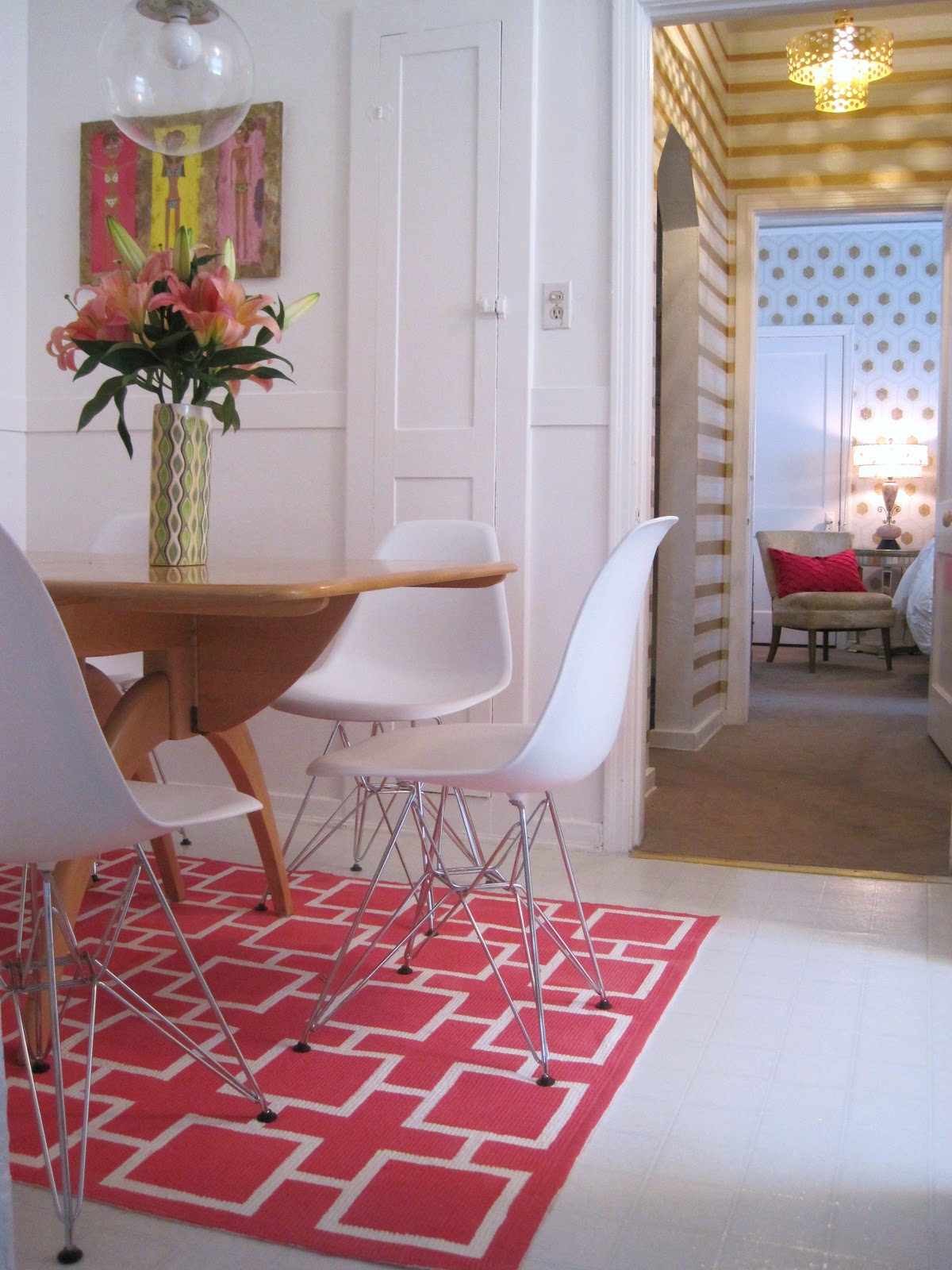
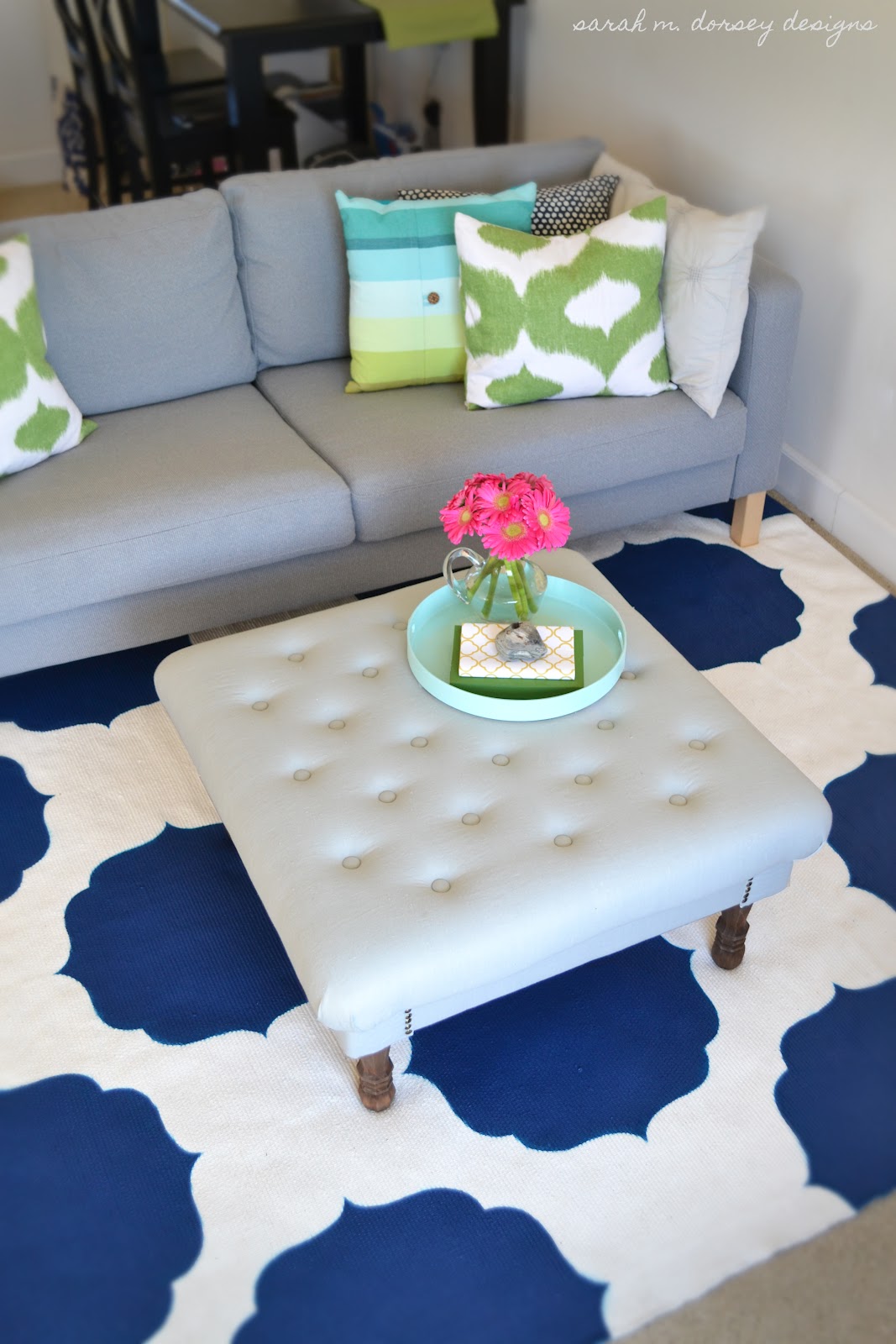
Before you paint, wash and iron the base if the fabric allows. Prime if needed. Work in thin coats. Seal with a clear finish rated for floors or fabric, and put a non-slip pad underneath so the piece does not skate across hardwood. Painted rugs are ideal when you want custom color without learning crochet or weaving first. They also let you match wall paint or sofa fabric with unusual precision—something store rugs rarely offer at a small budget.
Crochet, T-shirts, and soft texture
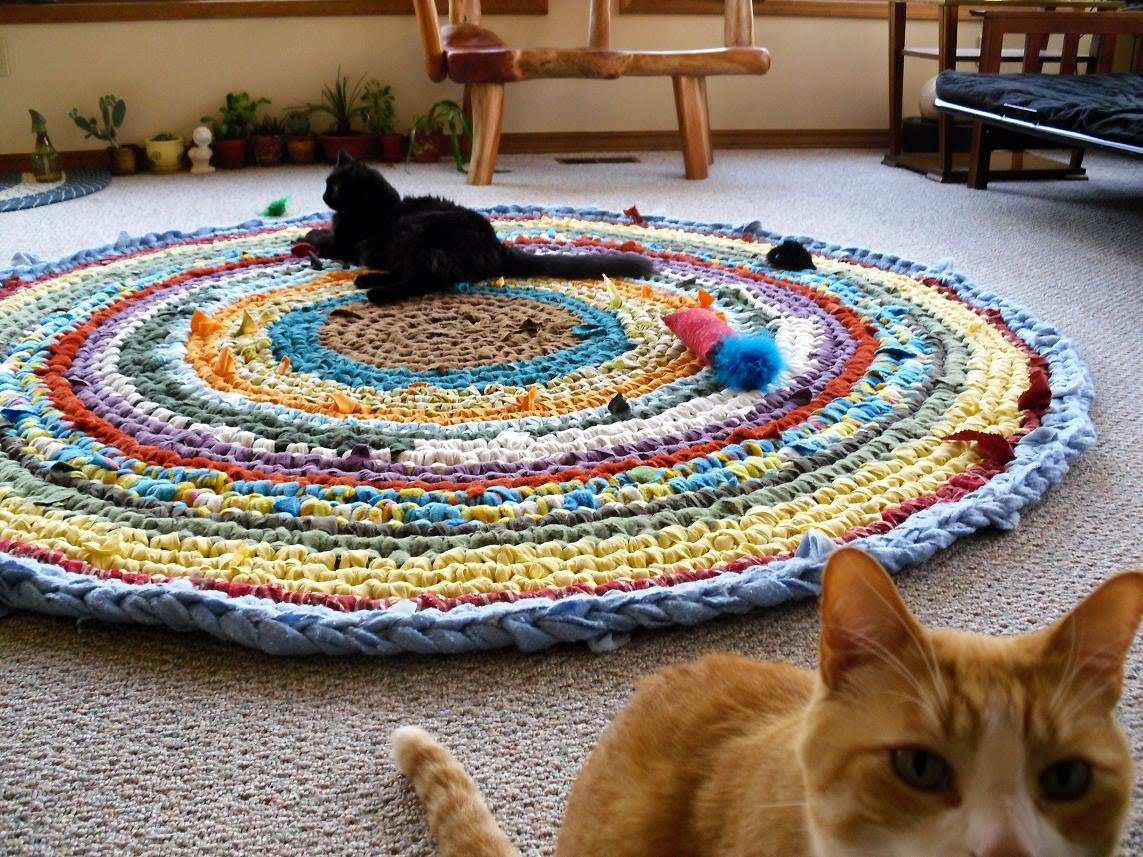
Big crochet rugs feel like soft landings. Bulky yarn or multiple strands held together build thickness quickly. Circular medallions and sunburst shapes suit reading nooks; rectangular pieces work as bedside mats. Expect them to take time—that is part of the appeal for anyone who likes a long, goal-oriented make. Keep stitch tension even; a looser edge will ripple when the rug hits the floor.
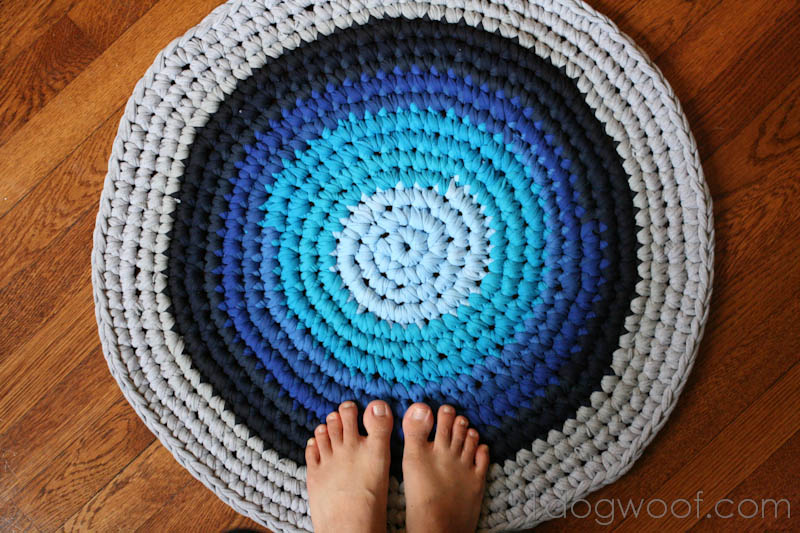
T-shirt yarn (sometimes called jersey yarn) is a thrifty path: cut old shirts into continuous strips, then crochet a dense rug that is washable and colorful. Stretch the strips gently as you work so the fabric does not bag. Mix solids and stripes for a scrap-quilt energy without sewing seams. Sort shirts by color families before you cut—pre-planning the palette saves a muddy final look.
Dots, weaving, and rag techniques
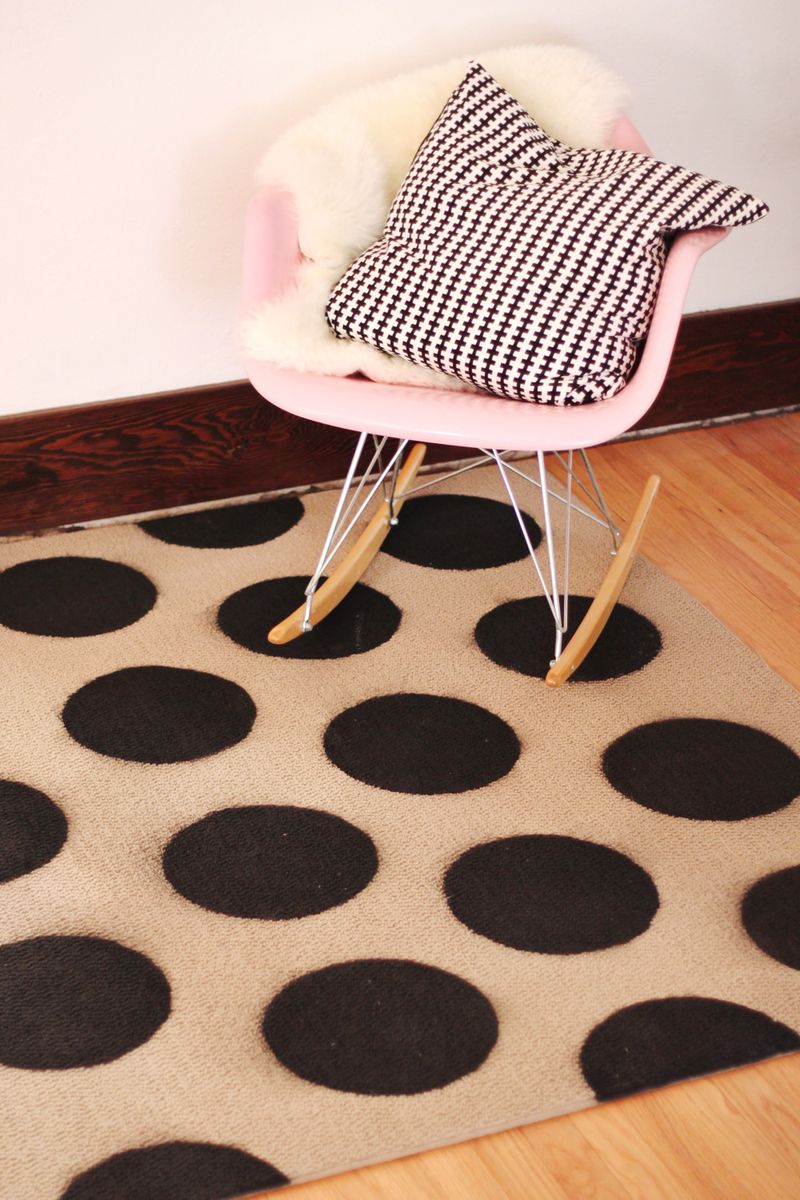
Polka-dot rugs prove that simple motifs still look graphic when spacing is even. Stencils, fabric paint, or appliqué circles can create the pattern. Keep contrast high—dark dots on pale ground, or the reverse—so the design reads from standing height, not only in close-up photos. Measure spacing with a cardboard template rather than eyeballing every circle.
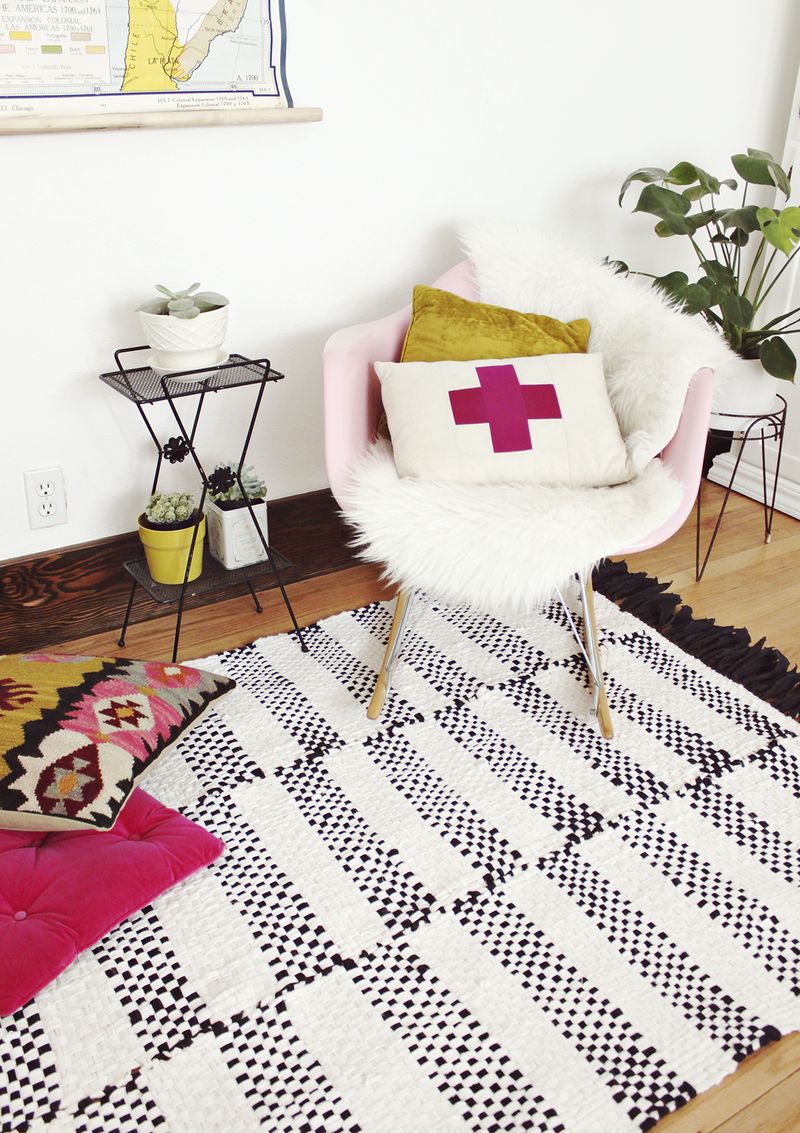
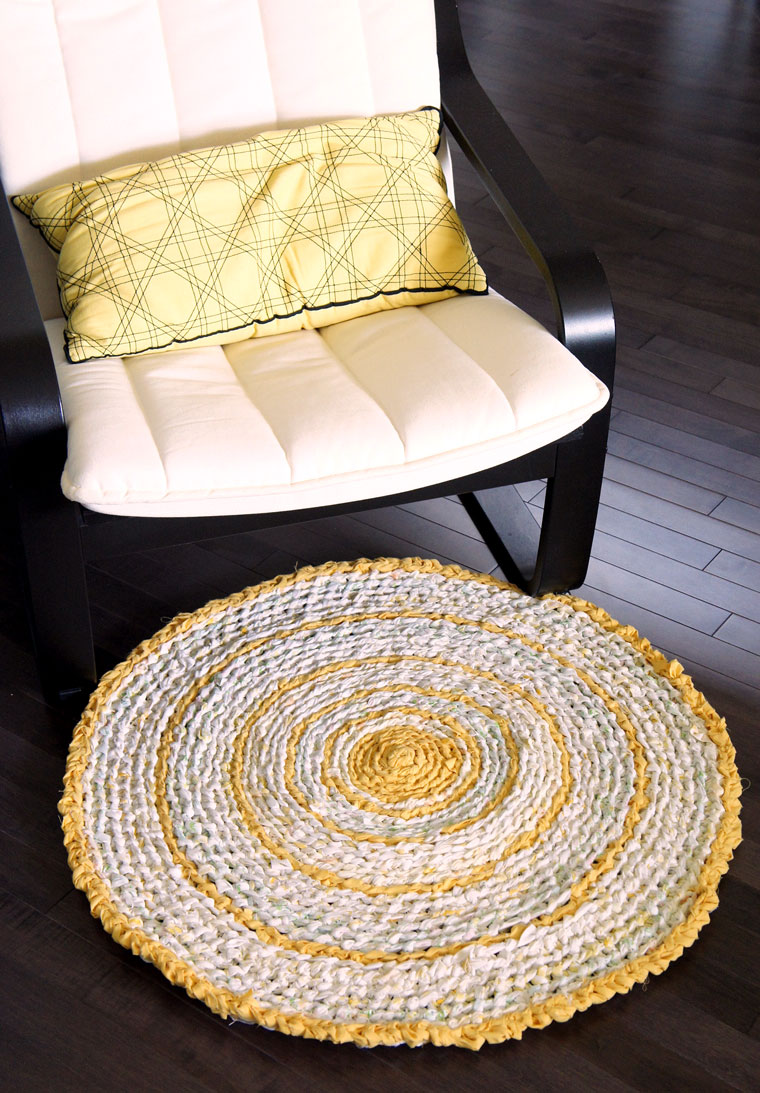
Woven rugs and rag rugs reconnect you with traditional home textile skills. A simple loom, a frame, or even cardboard can hold warp threads while you weave weft strips of cotton, wool, or recycled sheets. Braided rugs coil fabric into ovals and rounds that feel cottage-warm. Tension consistency matters more than speed; uneven pull shows as waves on the floor. Join fabric strips with diagonal seams where possible so bulk does not build into lumps underfoot.
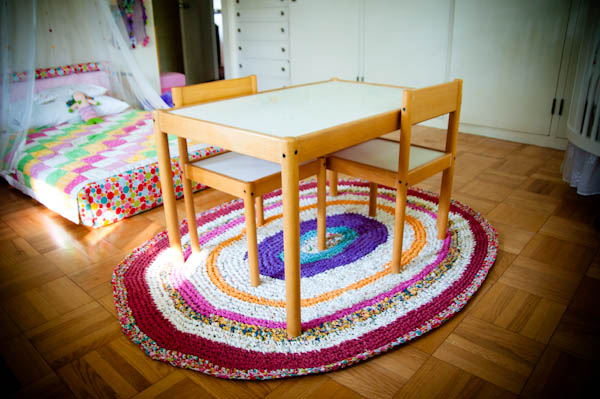
Rag rugs are also a quiet recycling project. Sheets, towels, and worn clothing that cannot be donated still have life as weft. Wash and dry fabrics before cutting so shrinkage does not warp the finished rug later. Work in short evening sessions; the rhythm of weaving is repetitive in a good way.
Upcycled bases and playful accents
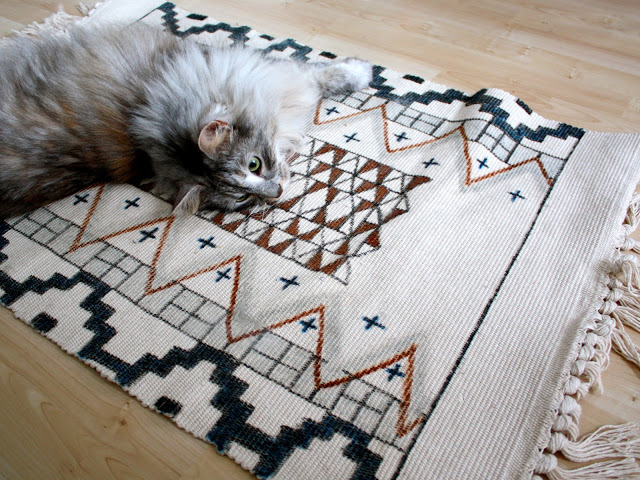
Some makers build rugs from unexpected bases—carpet remnants cut and bound, or layered textiles stitched into a new shape. Binding edges cleanly is what separates a “project” from a fraying experiment. Zigzag stitch, binding tape, or hand-whip finishes keep strands from escaping underfoot. If you cut remnant carpet, seal the cut edge promptly so backing does not crumble.
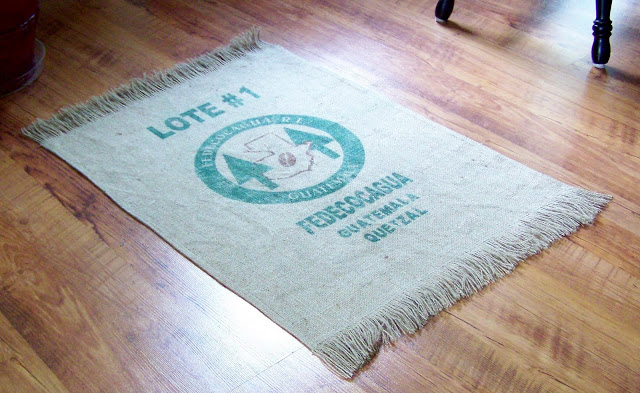
Coffee-bag rugs lean into graphic burlap and printed logos. Flatten bags, sew panels, and reinforce with a sturdy backing. They suit mudrooms and kitchens where a rustic texture fits the room’s job. Vacuum gently; burlap sheds more than commercial carpet. A washable mat underneath protects floors from any grit that works loose over time.
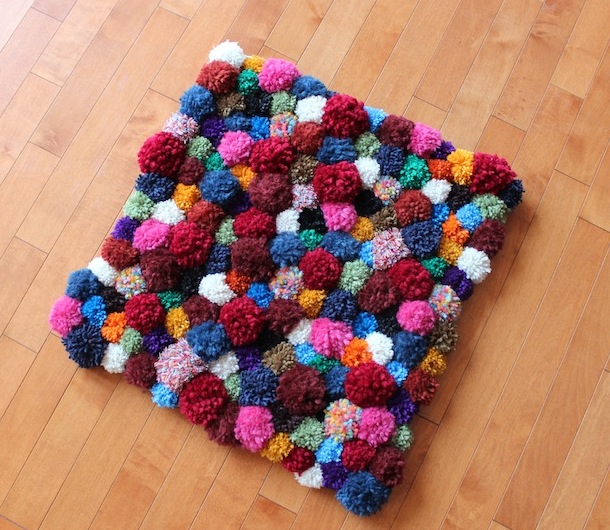
Pom-pom accent rugs are joyful and tactile. Make dozens of pom-poms in coordinated colors, then sew or tie them to a sturdy mesh or canvas base. Leave denser packing in high-traffic zones if you want longevity; sparse pom-poms look airy but flatten faster. These pieces shine in kids’ rooms and playful corners more than formal dining rooms. Trim pom-poms to a uniform height after attaching so the surface feels even under bare feet.
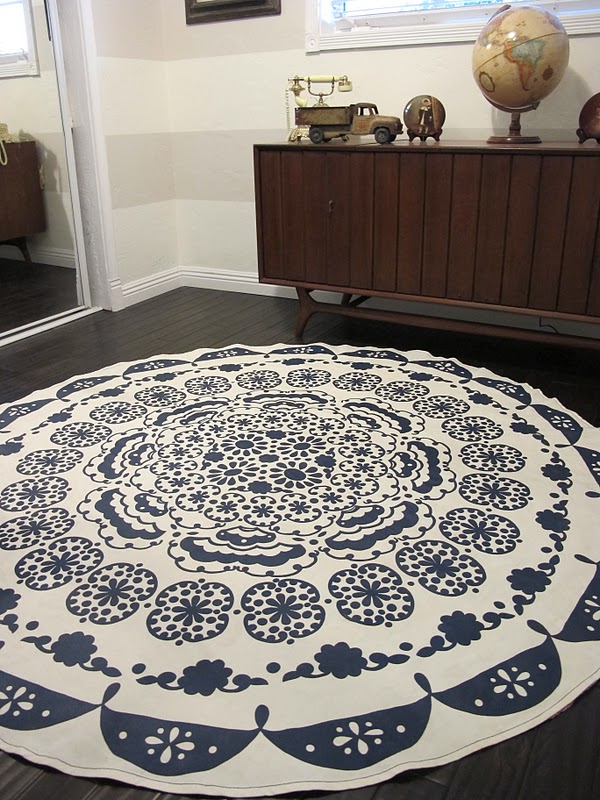
Turning a tablecloth into a rug is a clever reuse when the fabric is heavy enough. Add a non-slip backing, reinforce hems, and consider a clear protective spray if the cloth is delicate. Patterned linens that felt too dressy for the table can look striking on the floor beside a bed or sofa. Avoid thin party linens that will tear under chair legs.
Latch hook, rope, and durable finishes
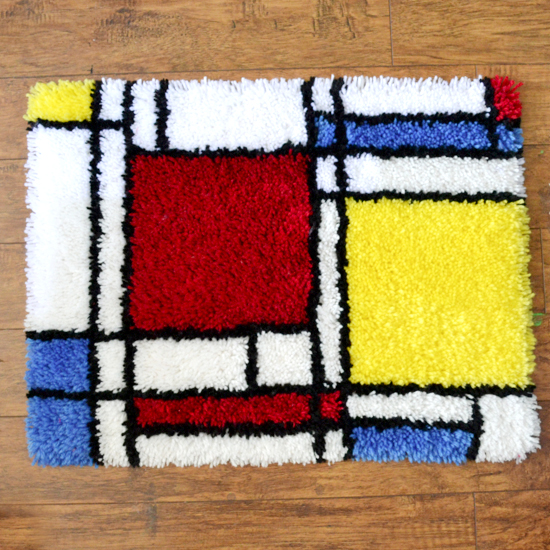
Latch-hook rugs use a canvas grid and short yarn lengths hooked through each square. They are meditative, beginner-friendly, and perfect for graphic pictorial designs. Finishing the edges—binding or folding the canvas back—matters as much as the hooked face. Follow a clear finishing method so the rug does not unravel at the border. Work from the center outward if your design is symmetrical; it helps keep the motif aligned.
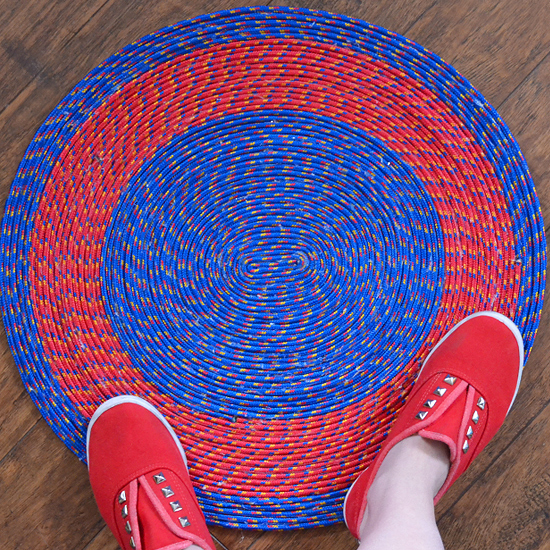
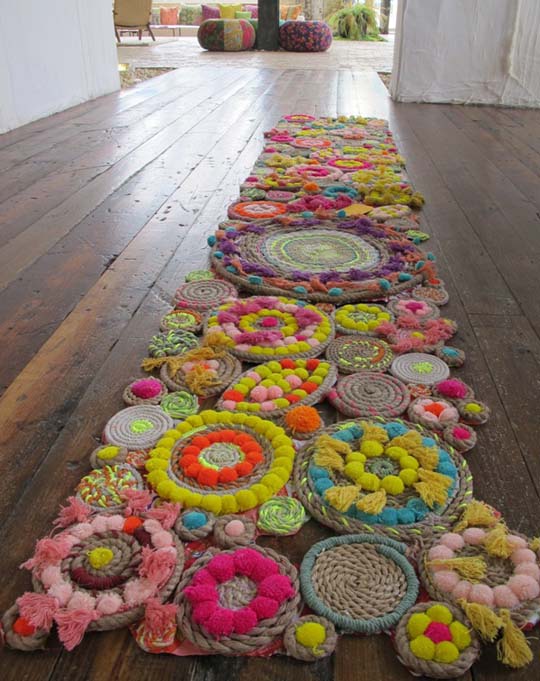
Rope rugs—poly rope coils or cotton rope sewn in spirals—are tough, washable in many cases, and graphic in a modern way. Hot glue or heavy stitching holds coils; sewing machines with walking feet handle thick rope better than delicate domestic setups. Colorful poly rope reads playful; natural rope reads coastal or minimal. Either way, keep the coil tension even so the rug lies flat. Build the spiral on a large clean floor so you can see waves early and correct them before the piece grows too big to fix.
Choosing a project and finishing well
Match method to room. Painted and rope rugs suit entryways and kitchens. Soft crochet and pom-pom pieces suit bedrooms. Rag and woven rugs suit living areas where texture matters. Latch hook works anywhere you want a picture-like surface that still feels handmade. Coffee-bag and remnant projects are best where rustic wear is welcome, not where formal guests will scrutinize every fiber.
Budget time honestly. A small painted canvas might finish in a weekend. A large crochet circle might take weeks of evenings. Starting in autumn so the rug is ready for colder floors is a practical rhythm many makers still follow. Lay a non-slip pad under every finished piece, vacuum according to the material, and treat spills quickly—especially on painted or burlap surfaces. Rotate rugs occasionally if one side gets more sun so fading stays even.
Pick one idea from this set of fifteen, gather materials before you begin, and enjoy the process as much as the finished floor. A crafty rug is not only décor; it is proof you can make something useful with your hands—and leave a warmer, more personal room behind when the project is done.

Comments
Continue reading
Garden Decoration Beyond Beds: Lace, Mosaiculture, and Upcycled Yard Art
From dressed topiary and floral cyclists to license-plate dragonflies and lace between trees—garden decorations that give a yard a voice.
Kitchen Design Ideas: Layout, Storage, Light, and Finishes That Work
Practical kitchen design ideas—work zones, cabinetry, lighting, and durable finishes—so inspiration translates into rooms that cook and gather well.

25 Cool Room Partition Ideas That Actually Divide Space
From frosted sliders and pallet screens to book towers and branch walls—twenty-five ways to carve rooms without building solid walls.