
Floral Crowns for Spring Brides: Blooms, Weather, and Princess Ease
A practical spring-bride guide to floral crowns—seasonal stems, wind and heat, hair anchors, and how to keep the princess feeling outdoors without fighting the weather.
The crown makes every woman feel like a princess—and spring is the season when that feeling needs almost no costume help. Soft light, flowering hedges, and cooler mornings do half the styling work. If you are going to be a spring bride, a floral crown is not a novelty accessory; it is often the most natural way to finish a garden, meadow, orchard, or courtyard ceremony. This second chapter is the practical companion to the visual gallery: seasonal blooms, weather, hair, and how to keep the fairy-tale mood without fighting April wind or June heat.
Browse the earlier inspiration set here: Floral Crowns for Brides – Part 1. Use this page when you already love the look and need to decide what will actually survive your spring timeline.
What “spring bride” asks of a crown
Spring weddings are not one climate. Early spring can mean bare trees and sudden cold. Late spring can mean humidity, insects, and strong midday sun. A floral crown for March behaves differently from one for late May. Before you fall for a Pinterest stem list, name three facts:
- Date range. Which flowers are truly local and open then?
- Outdoor exposure. Shade ceremony, full sun portraits, or both?
- Day length. Long photo timelines wilt soft petals faster than short chapel schedules.
Princess energy in spring comes from freshness more than from glitter. Dewy greens, open blossoms, and hair that moves in a breeze read as celebratory. Heavy crystal clusters and dense winter roses can look oddly formal against spring grass. Let the season lead the materials.
Blooms that behave in spring crowns
Florists know which flowers look bridal in a vase and which flowers still look bridal after an hour on a moving head. For spring crowns, favor stems that hold shape, take wire, and do not shatter when brushed by a veil or a hug.
Reliable spring-friendly options often include:
- Spray roses and garden roses — classic bridal scale; choose tighter buds for longevity.
- Ranunculus — layered petals, soft color range; handle gently but photograph beautifully.
- Sweet peas — romantic and seasonal; fragrance is lovely in moderation near the face.
- Lilac and stock — spring scent and volume; use as accents rather than the entire band if weight matters.
- Waxflower, baby’s breath, and small fillers — keep the circlet airy and hide mechanics.
- Ivy, eucalyptus, olive, and soft ferns — structure and movement when flower supply is still thin early in the season.
Tulips and peonies are spring icons, but they are not always crown heroes. Tulips keep growing and bending after cutting; peonies are heavy and bruise. If you love them, use a few as focal points and build the rest of the ring with tougher supporting stems. Or keep peonies in the bouquet and let the crown echo their color with smaller cousins.
Princess without pageant: proportion for spring light
Spring daylight is bright and relatively cool. It flatters pale petals and soft metallics, but it also exposes every gap in wiring and every plastic-looking leaf. Aim for:
- A circlet or crescent that frames the face rather than shading the eyes.
- Petal sizes mixed so the silhouette stays interesting in full-length photos.
- Greens that look matte and living, not shiny and store-bought.
- Color temperatures that match your gown—ivory with warm blush, true white with cooler pinks and lavender.
The princess feeling comes from continuity: crown, bouquet, and maybe a few boutonniere echoes for the wedding party. It does not require every guest to wear a matching wreath unless that is a deliberate theme. One strong bridal crown is enough fairy-tale signal for most ceremonies.
Hair strategies for wind and humidity
Spring weather is restless. A crown that sits perfectly in a still salon can slide when a courtyard gust arrives. Ask your stylist for:
- Anchor points. Hidden pins through the wire base into a braid, twist, or low bun.
- A soft under-band. Ribbon or thin covered wire that grips without digging.
- Texture that grips. Slightly lived-in waves or a loose braid hold flowers better than glass-smooth straight hair.
- A humidity plan. Anti-frizz serum at the hairline so the crown does not sit on a halo of flyaways in photographs.
If you want a veil as well, decide the order early. Many spring brides wear the crown for portraits and ceremony, then remove or slim it for dancing. Others place a birdcage or short veil behind a crescent of blooms. Full cathedral veils plus full circlets can fight for the same vertical space—choose which story leads.
Outdoor practicalities the mood boards skip
Living flowers near the face mean logistics:
- Delivery timing. Crowns should arrive as late as your getting-ready schedule allows.
- Cool storage. A box in a cool room beats a sunny windowsill “for the light.”
- Touch-up kit. Extra pins, a spare filler sprig, and blotting papers for forehead shine under the band.
- Allergy check. Strong spring pollen near eyes can ruin makeup; test a sample if you are sensitive.
- Exit plan. After the first dance, store the crown in water tubes or a cool box if you want it for next-day photos.
Heat waves in late spring are harder on crowns than light rain. A brief sprinkle can look romantic; an hour of direct sun on delicate petals cannot. Ask for flower choices rated for outdoor wear, or a mixed fresh-and-preserved design that keeps silhouette when soft blooms tire.
Color stories for spring ceremonies
Spring palettes that stay bridal while feeling seasonal:
- Ivory, cream, and soft green — orchard and garden chapels; safest with lace.
- Blush, peach, and warm white — golden-hour portraits; flatters many skin tones in cool spring sun.
- Lilac, lavender, and silver-green — late spring lilac season; cool and slightly fairy.
- Butter yellow accents — daffodil and forsythia months; keep yellow muted so it does not shout.
Avoid a single high-chroma accent that belongs to another holiday. A lone hot orange bloom in an otherwise ivory crown can read accidental in photos. Spread color or keep it tonal.
Matching bouquet and crown for spring
The fairy-tale pair still works in this season: crown and hand bouquet sharing a language. In spring, share temperature and one hero flower family, then let the bouquet carry more volume. Crowns need lightness for comfort; bouquets can afford denser romance.
Scent deserves a spring-specific warning. Lilac, hyacinth, and some lilies are potent. Beautiful in a room; intense at brow level during vows. Keep the strongest fragrance in arrangements away from your face, or use lightly scented varieties in the crown itself.
Quick decision map
If you are choosing this week, use a simple map:
- Early spring, still chilly: more greenery, tight buds, fewer soft open blooms.
- Peak blossom season: balanced circlet with one or two hero flowers and airy fillers.
- Late spring heat: tougher petals, more foliage structure, consider partial preserved elements.
- Windy outdoor aisle: lower placement, strong anchors, skip ultra-tall statement blooms on the crown.
- Indoor spring loft or hall: you can go slightly fuller; still match bouquet temperature.
Try the final crown on with your actual earrings and neckline. Princess is a feeling of ease in the mirror, not a measurement of how many flowers you stacked. If the piece makes you lift your chin and smile without adjusting it every ten seconds, you are ready for spring.

Comments
Continue reading
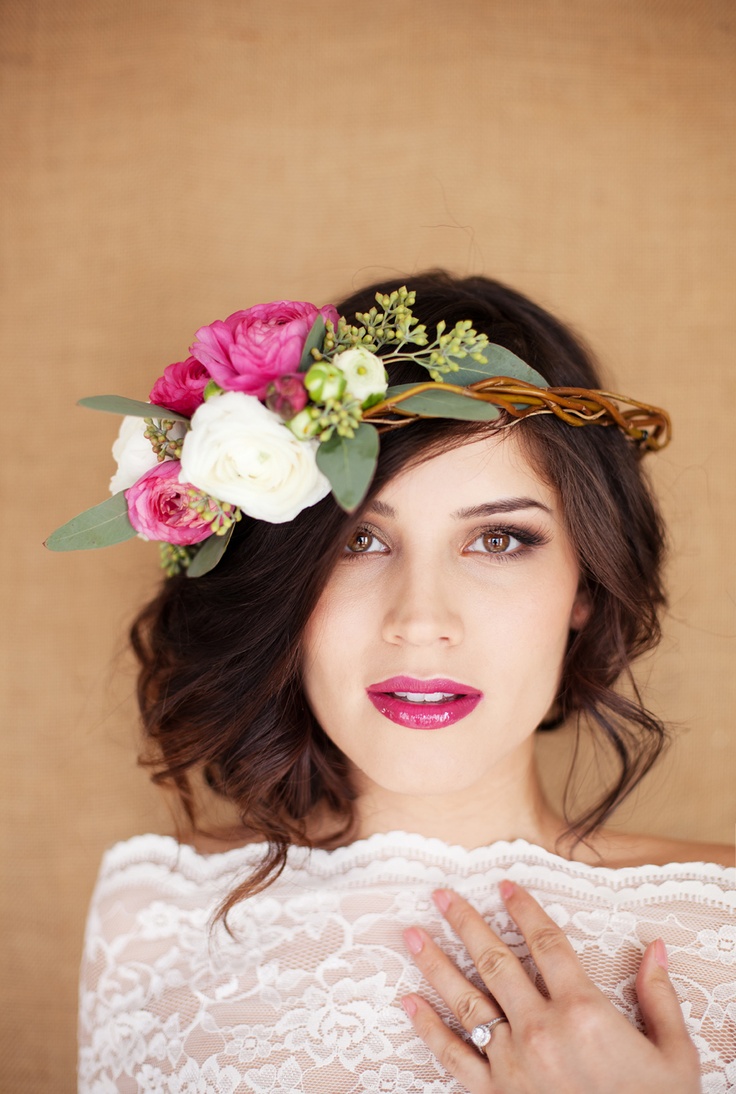
Floral Crowns for Brides: Fairy-Tale Looks and Matching Bouquets
A first-gallery tour of bridal flower crowns—silhouettes, colour, hair, and pairing the circlet with a fresh bouquet so the look reads as one fairy-tale story.
Funny Animal Signs That Warn People (While Animals Ignore Them)
From a seagull on a no-birds disc to classic zoo and park ironies—why animal warning signs get funny, and what the rules are still for.
How to Find Local Amenities on Vacation: Mechanics, Haircuts & More
Locate trustworthy local services and everyday spots while traveling or settling in—using publications, reviews, map apps, neighbor tips, and low-pressure exploration.