
Closet Office Ideas on a Budget: Measure, Build, and Outfit a Tiny Workspace
Practical DIY closet-office plans—desk builds, vertical storage, lighting, and a weekend checklist—for remote work without spending for a full room.
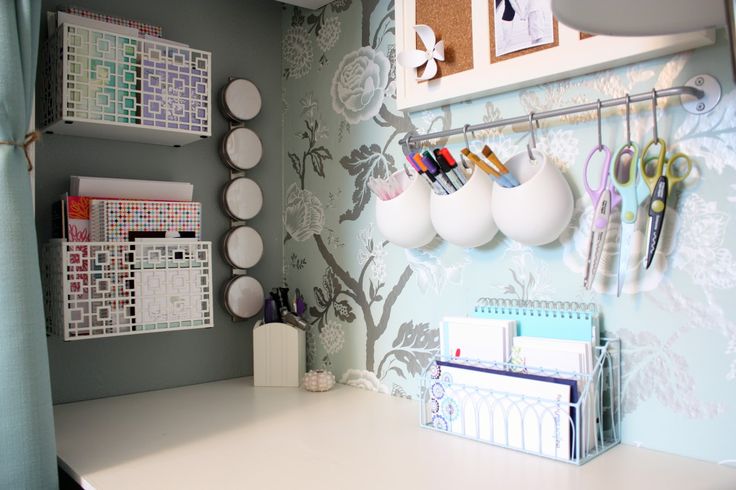
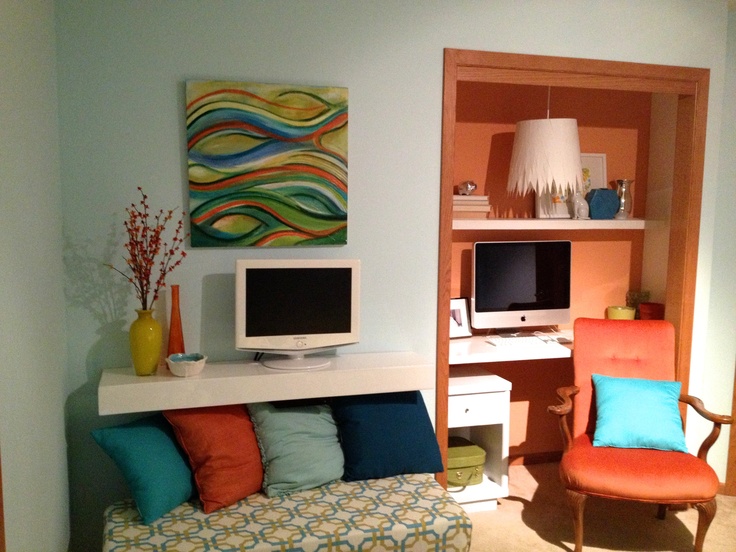
A closet office is the smallest honest footprint for working at home. If you need a laptop perch for remote work, evening admin, or school paperwork—and you cannot spare a whole room—a converted wardrobe or reach-in closet can become a closed-door studio. The pitch is simple: shelves, a shallow desk, decent light, and a door you can shut when kids, guests, or clutter arrive.
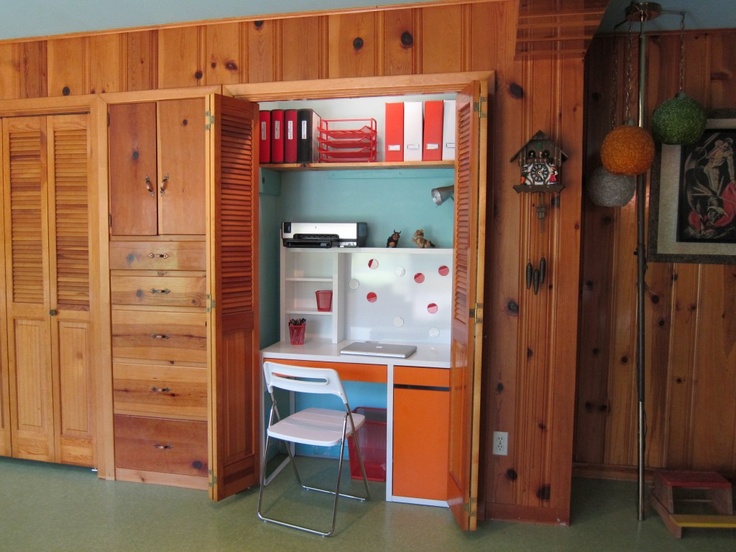
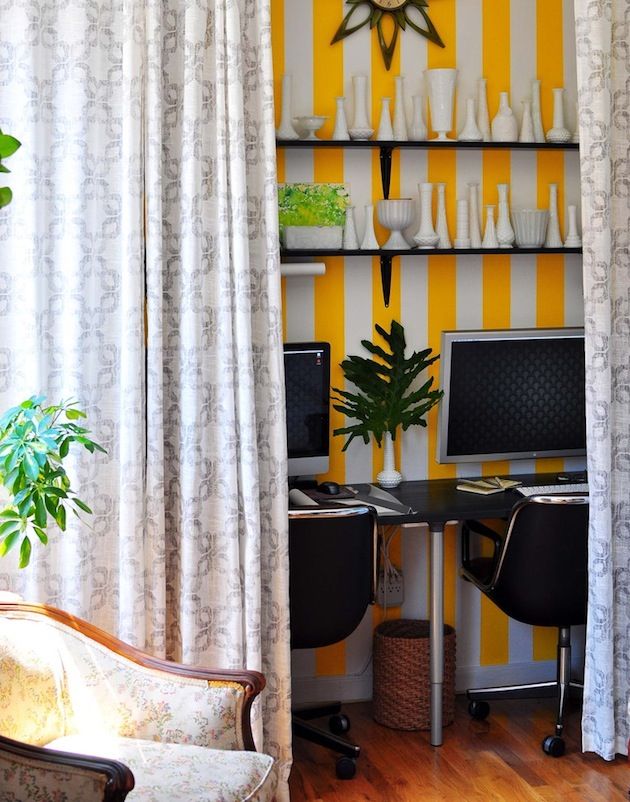
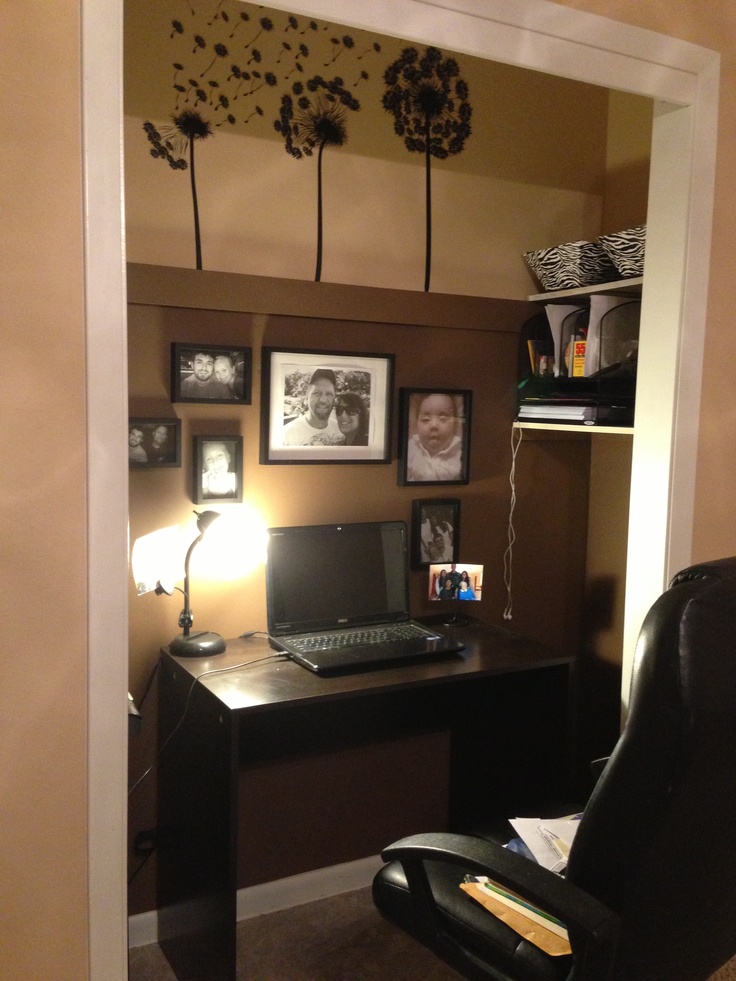
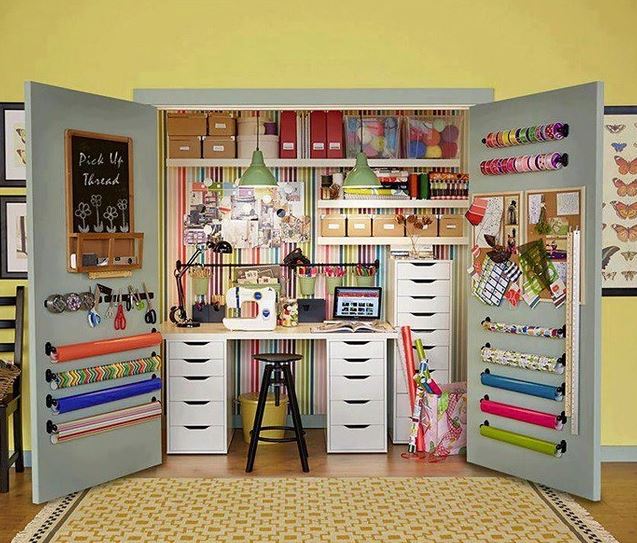
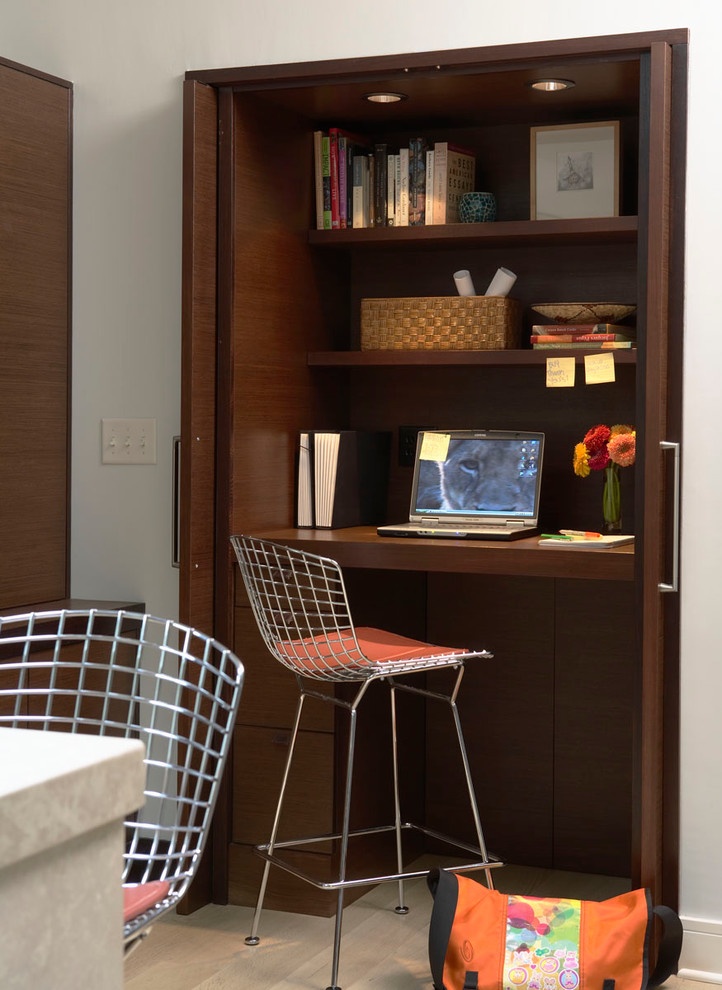
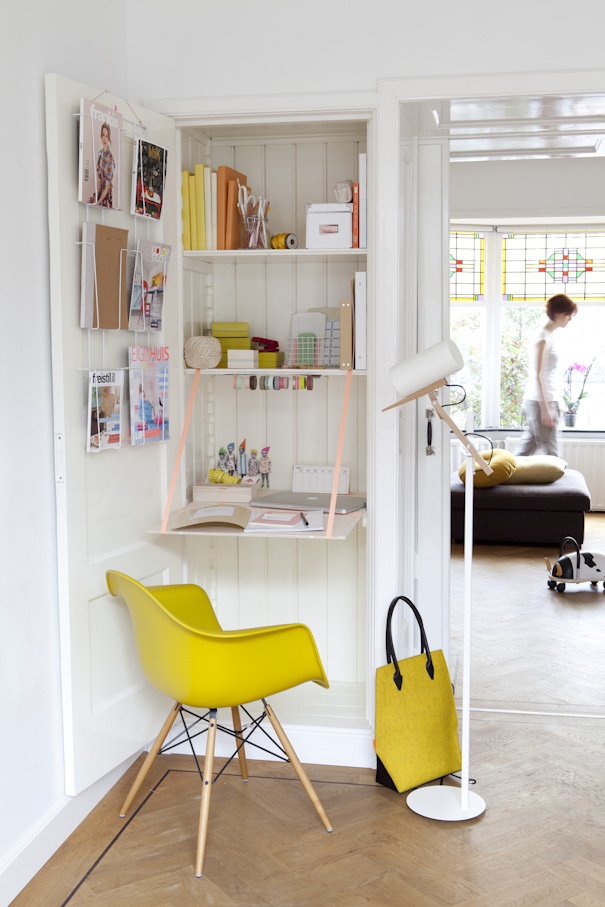
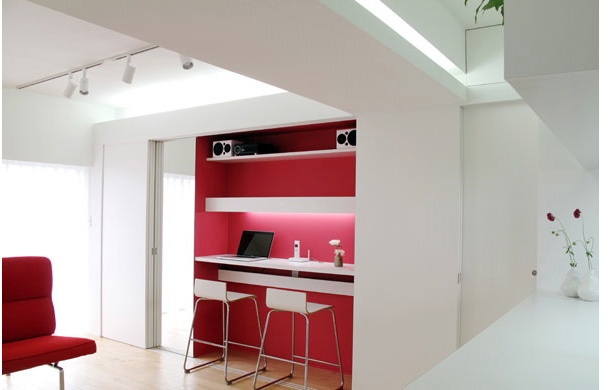
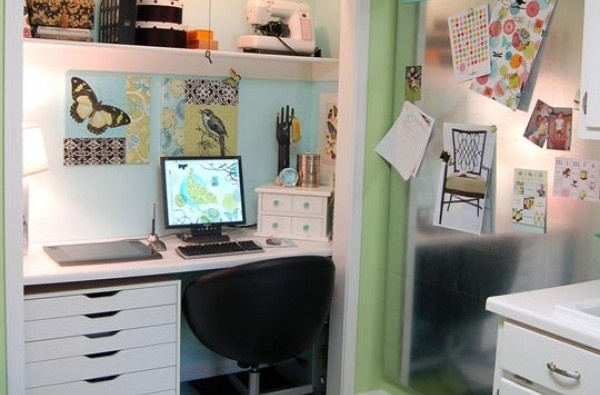
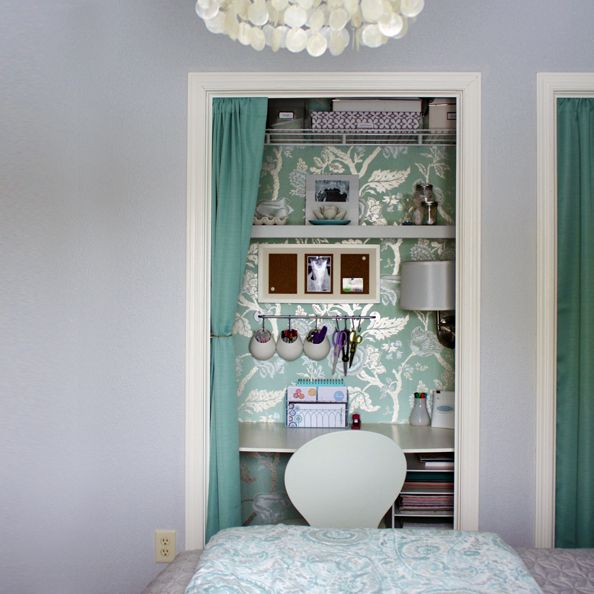
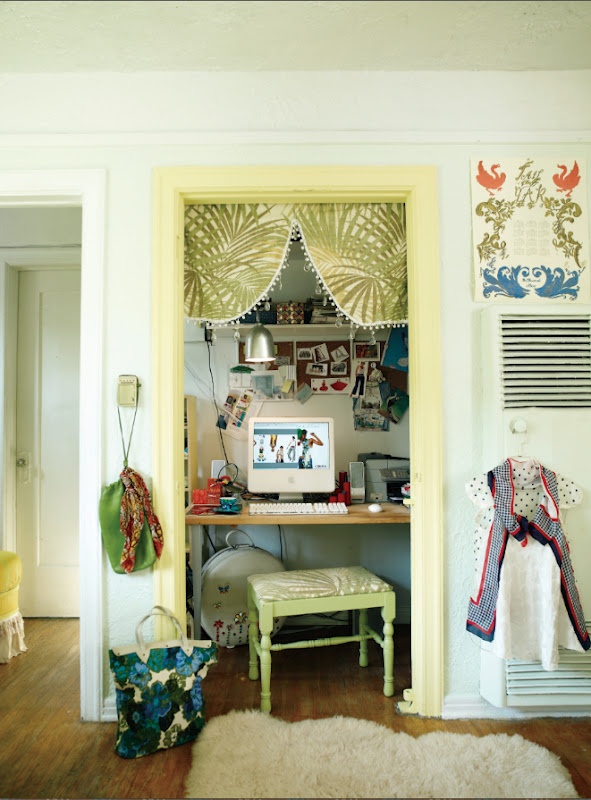
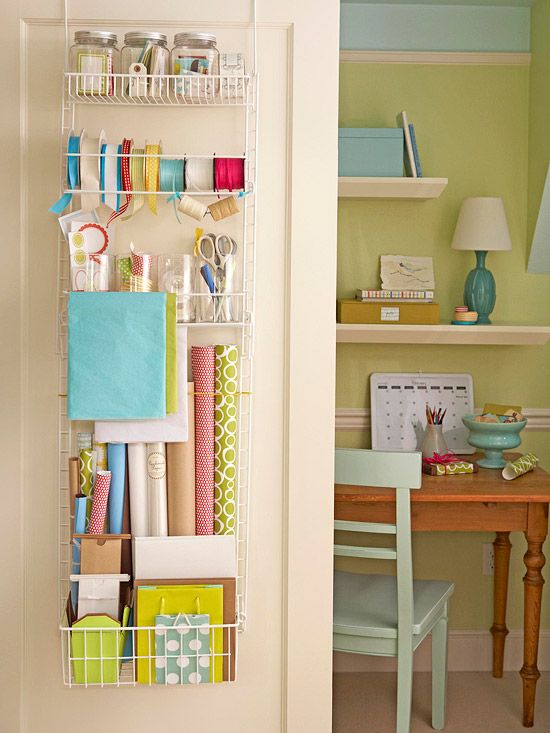
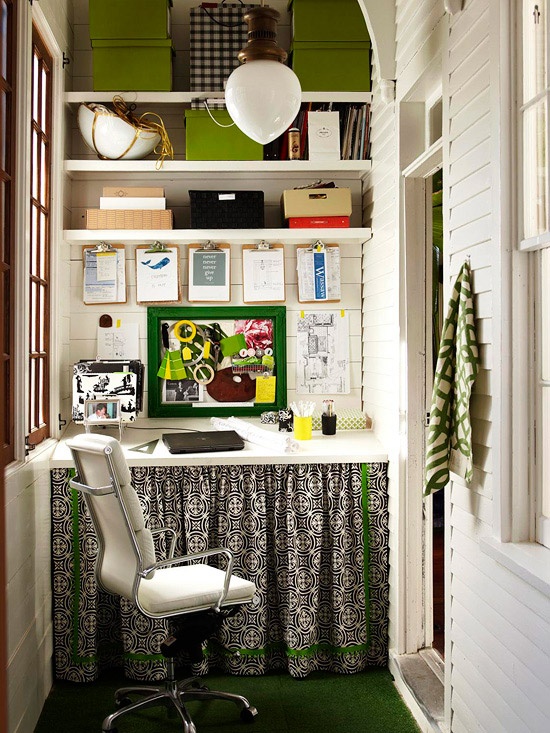
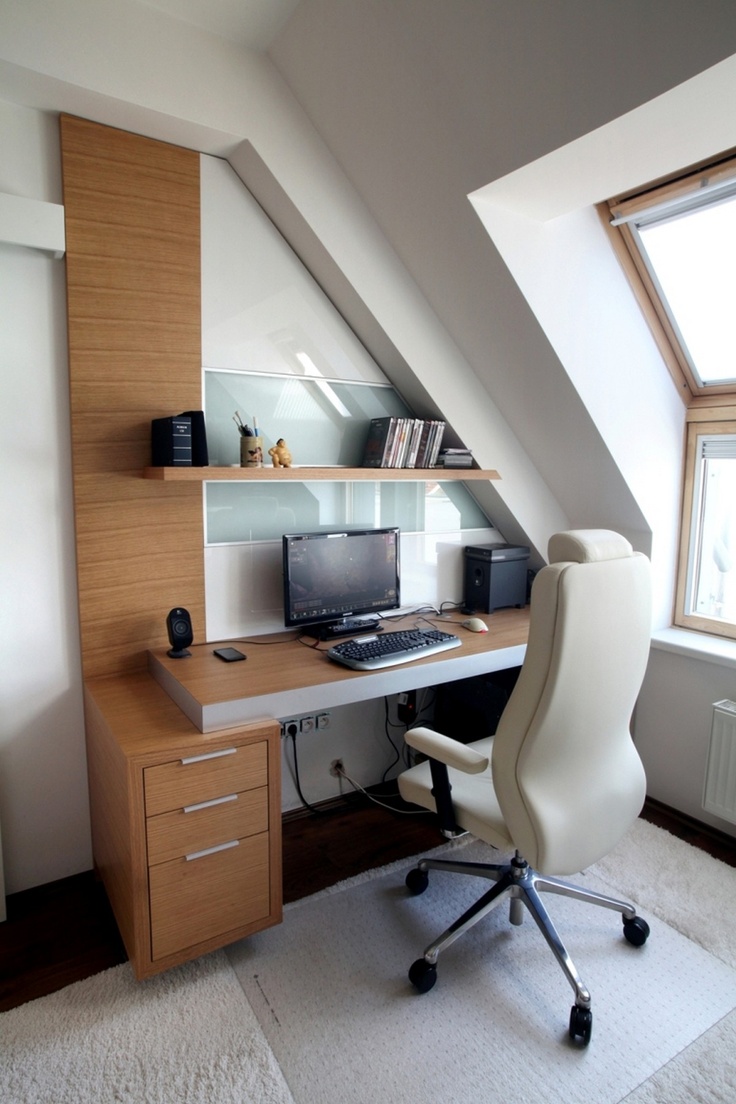
Budget is the other half of the idea. You do not need custom millwork. Many of the strongest closet offices start with pine boards, adjustable brackets, thrifted file boxes, and a chair that already lives in the house. The goal is function you can afford in a weekend, not a magazine set that eats the renovation fund. The images in this gallery show how different households solve the same constraints—narrow width, limited cash, need for a door—with clear zones and vertical storage.
Measure before you buy anything
Open the closet and write down width, depth, and clear height. Most reach-in closets are deep enough for a laptop and a keyboard, but not for a deep desk plus a rolling chair. Plan for a shallow worktop—often 18–24 inches deep—and leave knee space by skipping a full-height pedestal under the entire surface. Check door swing: bifold or sliding doors waste less floor when open; a hinged door may need a temporary hold-open while you work.
Note outlets. If power is outside the closet, plan a short, safe cable path and a power strip mounted off the floor. Avoid daisy-chaining extension cords. If you need a monitor, confirm the shelf or desk can hold the weight and that the screen will not block the door from closing. Measure chair height against the planned desk height before you cut wood; a beautiful top at the wrong height becomes a posture tax you pay every day.
Decide the job of the space. A closet used for video calls needs different lighting and backdrop control than a closet used only for quiet writing. Name the primary task first; storage and decoration come second. If the closet must still hold coats part-time, plan a fold-down desk or a section that remains hanging storage so the office does not declare total war on the wardrobe.
Build the desk from cheap, sturdy parts
A closet desk can be a cut shelf board on heavy-duty brackets, a floating wall-mounted top, or a small ready-made table shoved against the back wall. Brackets and a solid board are usually the best cost-to-strength ratio. Use a level, find studs where you can, and choose brackets rated for more weight than you expect. Paint or seal the board so coffee rings do not become permanent décor.
Leave a gap at the back for cables, or drill a single grommet hole. Mount a small hook or adhesive cable clips so chargers do not hang in your lap. If the closet is narrow, a fold-down desk that stores flat against the wall can reclaim space when the workday ends—useful when the closet must still hold coats on busy days.
Skip the matching office suite. One good work surface and one comfortable seat beat a cheap matching set that wobbles. If budget allows only one upgrade, make it the chair height and lumbar support; your back will notice before anyone notices that the organizers do not match. A kitchen stool is a short-term compromise, not a six-month plan.
Use vertical storage like a toolbox
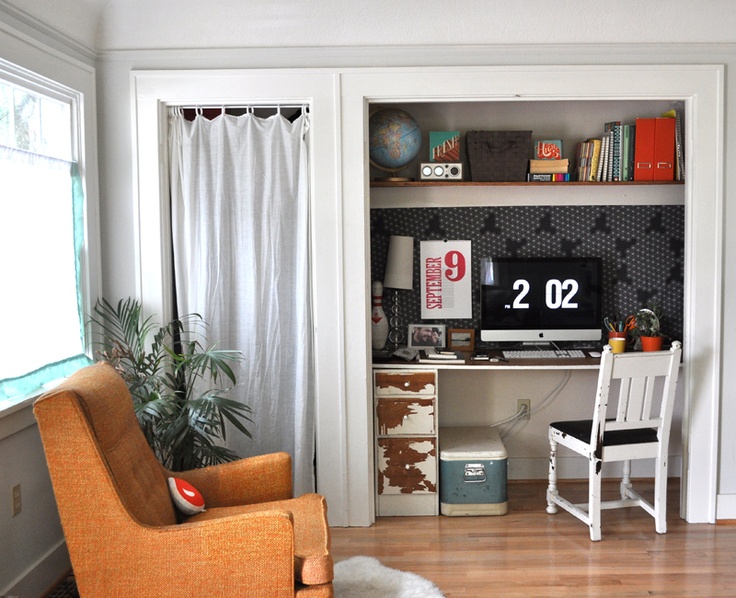
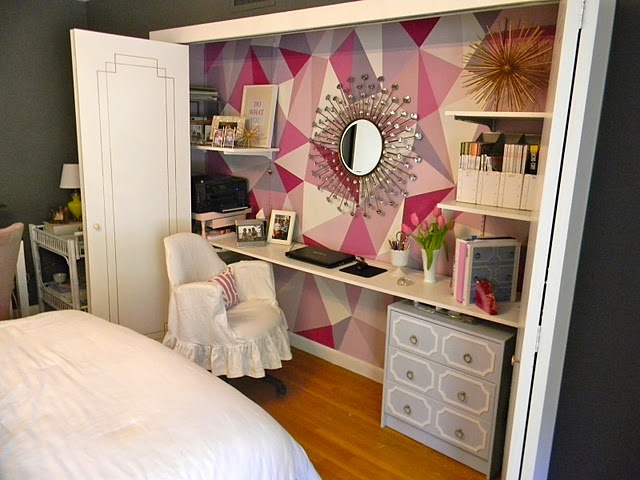
Above the desk, install two or three shelves for the items you touch weekly: notebooks, a printer if it fits, labeled file boxes, and a small bin for chargers. Below or beside the desk, keep only what belongs to work. Seasonal clothes and sports gear should migrate elsewhere, or the closet will slide back into storage chaos within a month.
File boxes and magazine files keep paper vertical. Baskets hide the ugly but necessary: ink, envelopes, spare cables. A narrow pegboard or a few adhesive hooks on the side wall can hold headphones, scissors, and a stapler without eating desk real estate. Label everything once; future-you will thank present-you during a rushed morning.
Door backs are free square footage. Over-door organizers or shallow racks can hold pads, sticky notes, and charging bricks. Keep heavy items on wall-mounted shelves, not on the door, so hinges stay happy. If kids share the home, put sharp tools and important documents on higher shelves and keep the lower zone for safe supplies only.
Light and air on a thrift budget
Closets are dark by design. A clip-on LED lamp, a battery puck light under a shelf, or a small desk lamp with a daylight-balanced bulb can turn the space from cave to usable. Place light so it hits paper and keyboard without bouncing hard glare off a monitor. If you take video calls, face soft light toward you and keep the background simple—a painted back wall or a hung fabric panel beats a forest of hanging shirts.
Ventilation matters for long sessions. Crack the door when you can, or schedule focused blocks with the door open and close it only when privacy or quiet is required. A tiny USB fan helps if the closet traps heat from a laptop. Battery lights are fine for evening admin; for full workdays, prefer a wired lamp on a safe circuit rather than hoping disposable batteries last through back-to-back meetings.
Style without spending like a showroom
Paint the back wall a calm color or add peel-and-stick wallpaper for a finished look that still closes behind a door. A cork board or magnetic strip turns one side into a command center for calendars and sticky priorities. Keep décor minimal: one plant that tolerates low light, one framed print, and clear surfaces. Visual quiet is a productivity feature in a tiny footprint.
Match finishes loosely—wood tones within a family, black hardware repeated twice—rather than buying a branded “office system.” Thrift stores and leftover house paint do more for cohesion than a matching set of plastic organizers in three sizes you do not need. A single rug scrap under the chair can mark the “office zone” psychologically even when the closet door is open to the bedroom.
Safety, privacy, and kid-proofing
Closing the door protects equipment from curious hands and keeps work mess out of living rooms. Anchor tall shelves. Keep liquids off the top of electronics. If the closet shares a bedroom, use a soft close or a doorstop so late-night work does not slam anyone awake.
Privacy for calls can be as simple as a fabric drape inside the door opening and a pair of headphones. You do not need acoustic foam; you need fewer hard echoes and a habit of closing the door before joining the meeting. A small “on air” note on the outside of the door is cheaper than arguing about interruptions mid-call.
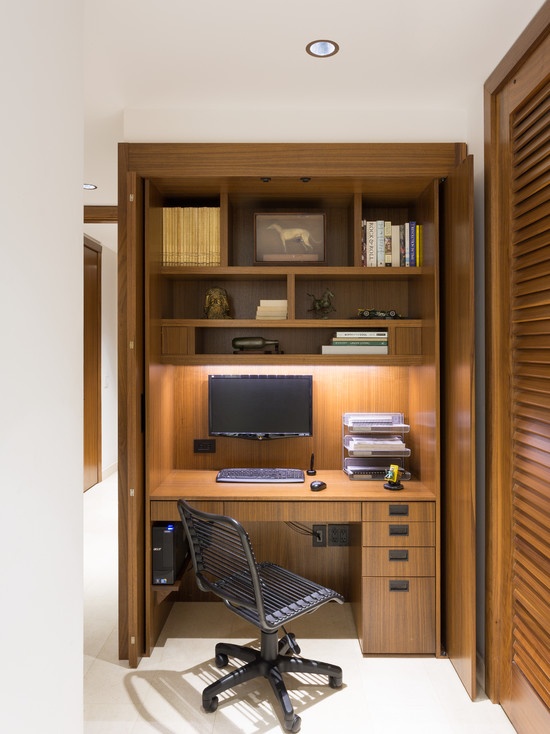
A weekend build checklist
- Day 1 morning: Empty the closet, measure, patch holes, paint the back wall if needed.
- Day 1 afternoon: Mount desk brackets and work surface; add one upper shelf.
- Day 2 morning: Install lighting, route power safely, add remaining shelves.
- Day 2 afternoon: Sort into labeled boxes, hang a cork strip, sit and test posture for thirty minutes.
Stop when the space supports a full work block without you hunting for a charger. Extra accessories can wait. Scroll the examples below for layouts that fit tall narrow closets, wider reach-ins, and hybrid closet-desk nooks.
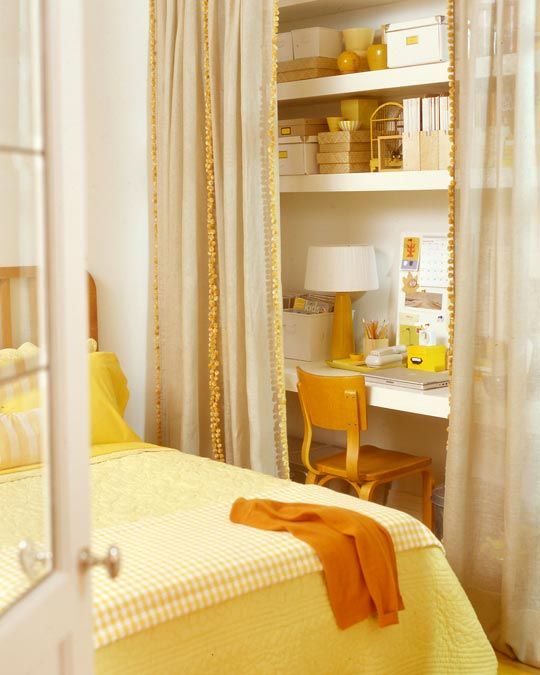
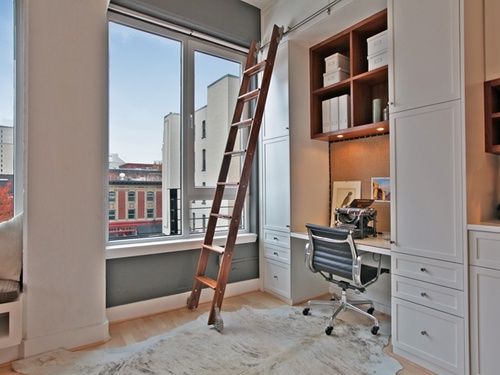
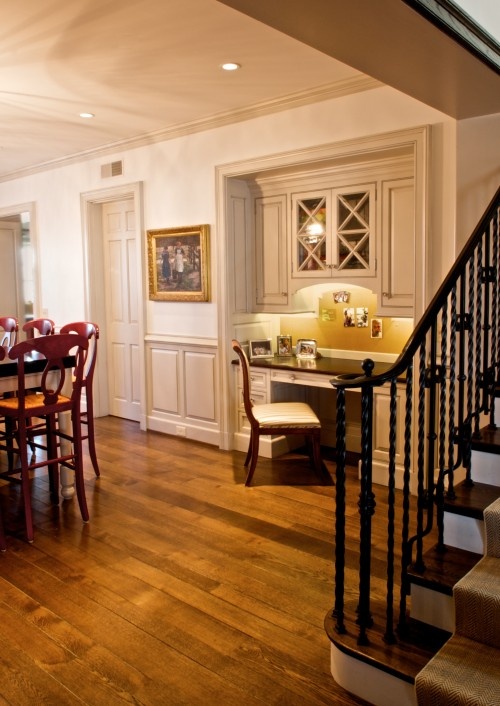
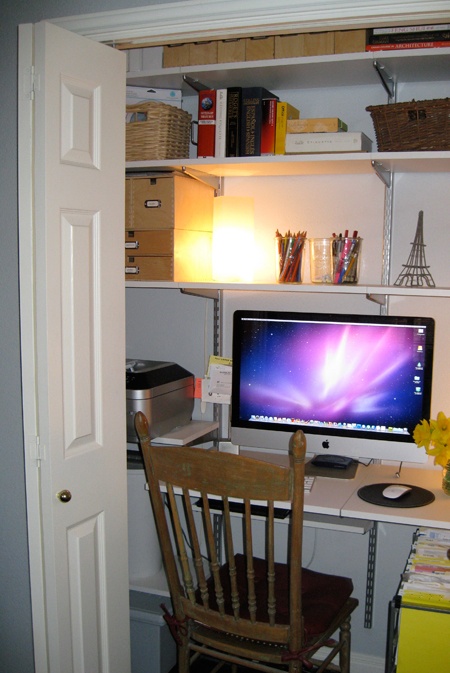
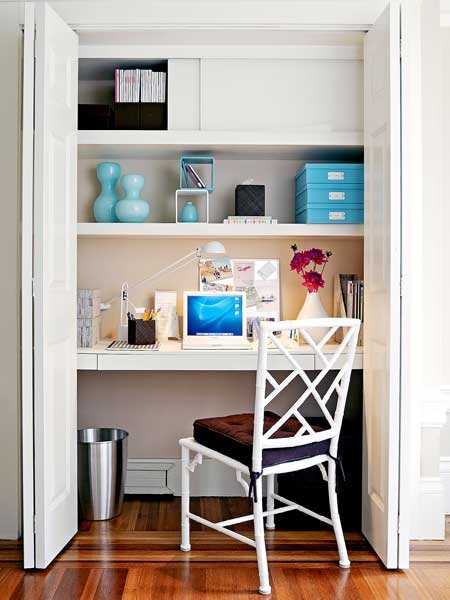
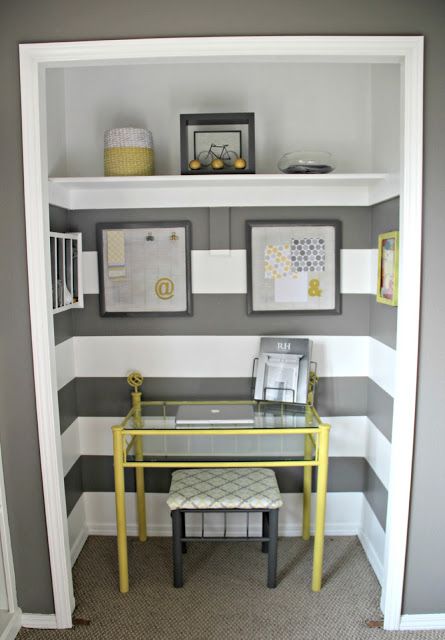
If money is tight, buy in this order: secure desk surface, safe lighting, chair comfort, then storage boxes. Everything else is optional polish. A closet office earns its keep the first week you close the door and actually finish the work you meant to do—without turning the rest of the house into a desk farm.

Comments
Continue reading

Google’s Tel Aviv Offices: Workspace Design in Electra Tower
A period design reading of Google’s late-2012 Tel Aviv workplace by Camenzind Evolution with Setter Architects and Studio Yaron Tal—themes, collaboration landscapes, and the photo record.
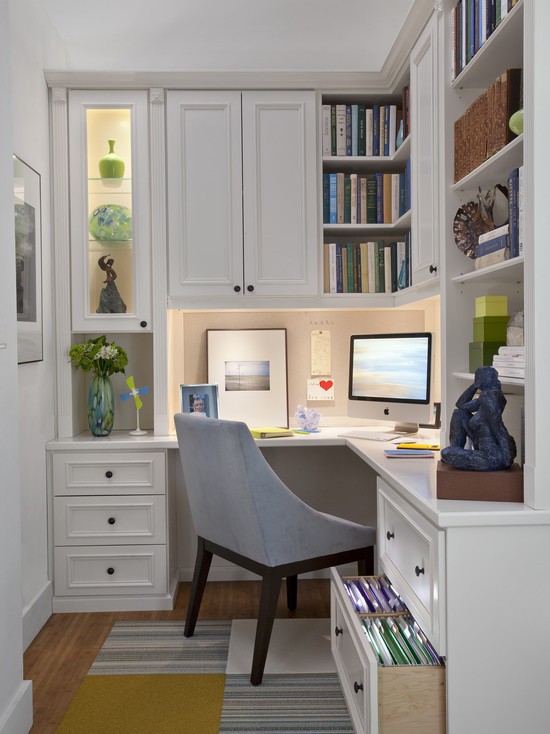
Neatly Designed Home Office Ideas That Actually Work
Practical home-office design: desk placement, light, storage, seating, and visual boundaries—so the room looks calm and supports real work.
Functional Attic Office Designs That Actually Work
Turn a quiet top floor into a real workspace—design criteria for light, layout, and storage, plus when structural and safety work needs a pro.