
Doutzen Kroes for Victoria’s Secret: The October 2012 Lookbook
A historical look at Doutzen Kroes fronting Victoria’s Secret’s October 2012 fall lingerie lookbook—catalog craft from the Angel-era retail calendar.
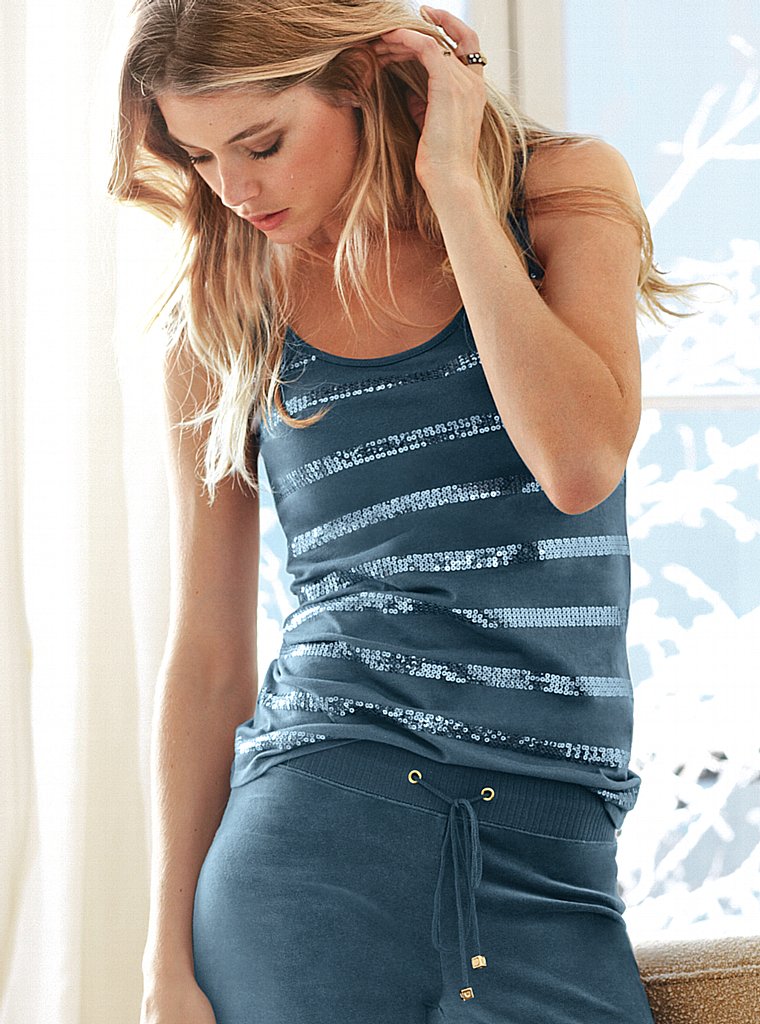
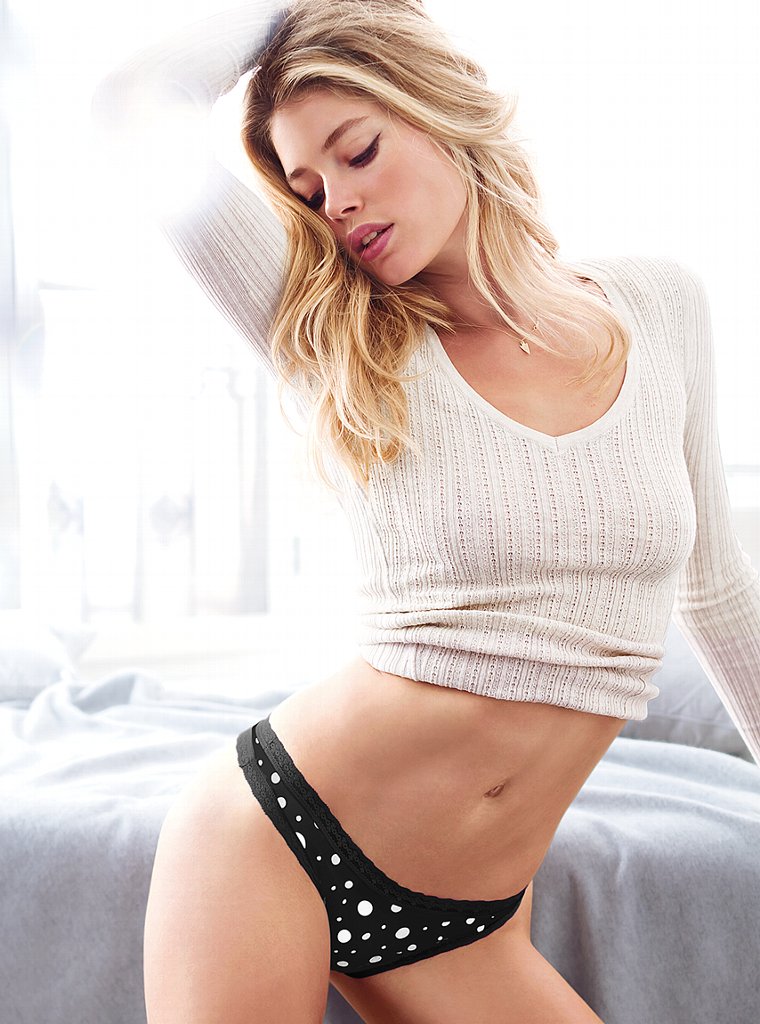
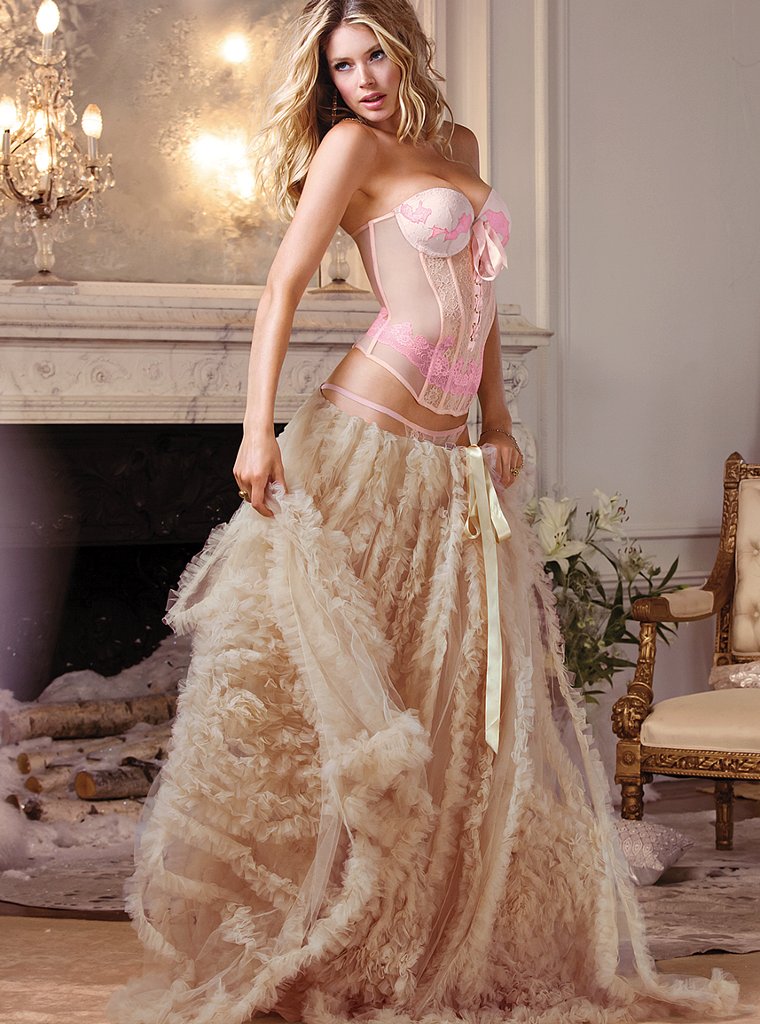
October 2012 was a catalog season for Victoria’s Secret, and Dutch model Doutzen Kroes was the face of one of its fall lingerie lookbooks. The pictures moved the way commercial fashion imagery moved then: through brand channels, style blogs, and shoppers comparing floral prints and lace trims for the cooler months ahead. Revisiting the gallery now works best as historical framing—an Angel-era retail chapter with a clear date—rather than as a “just dropped” story pretending the shoot is happening in the present tense.
By 2012 Kroes had already spent years as a Victoria’s Secret Angel. She walked the annual fashion show, appeared in campaigns, and returned repeatedly in lookbooks that sold bras, panties, and sleepwear as much as glamour. The October set sits between summer swim stories and the heavier holiday machinery that typically arrived later in the autumn. Floral prints, lace edges, and soft studio light dominate the frames. The tone is polished commercial sensuality built for e-commerce grids and print pages, not for experimental editorial narratives. That job description is the right lens for everything that follows.
The lookbook is merchandising first. Readers who want Doutzen Kroes in Victoria’s Secret imagery from October 2012 are looking for that set—not a biography of Kroes alone, and not a rundown of every Angel season. The pictures are the primary text. The prose around them exists to place those pictures in time and explain how catalog craft worked in that moment.
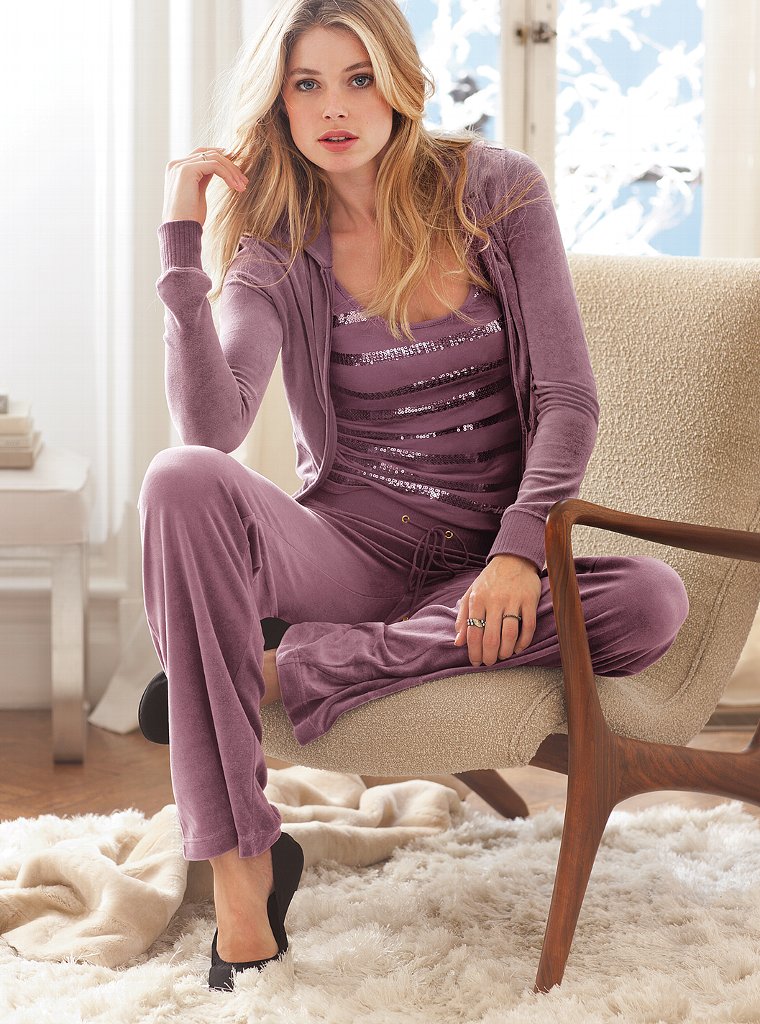
Fall lingerie as a retail story
Victoria’s Secret refreshed lingerie continuously through the early 2010s. Assortments rotated push-up and balconette shapes, molded cups, strapless options meant to disappear under evening dresses, and panty styles ranging from minimal strings to boyshorts. Contemporary write-ups of the Fall 2012 range pointed to floral motifs that had already been fashionable that spring, then carried into cooler-season colors and lace detailing. Babydolls, soft tops, and short sleep pieces filled out a familiar “lounge to evening” ladder that the brand could photograph week after week.
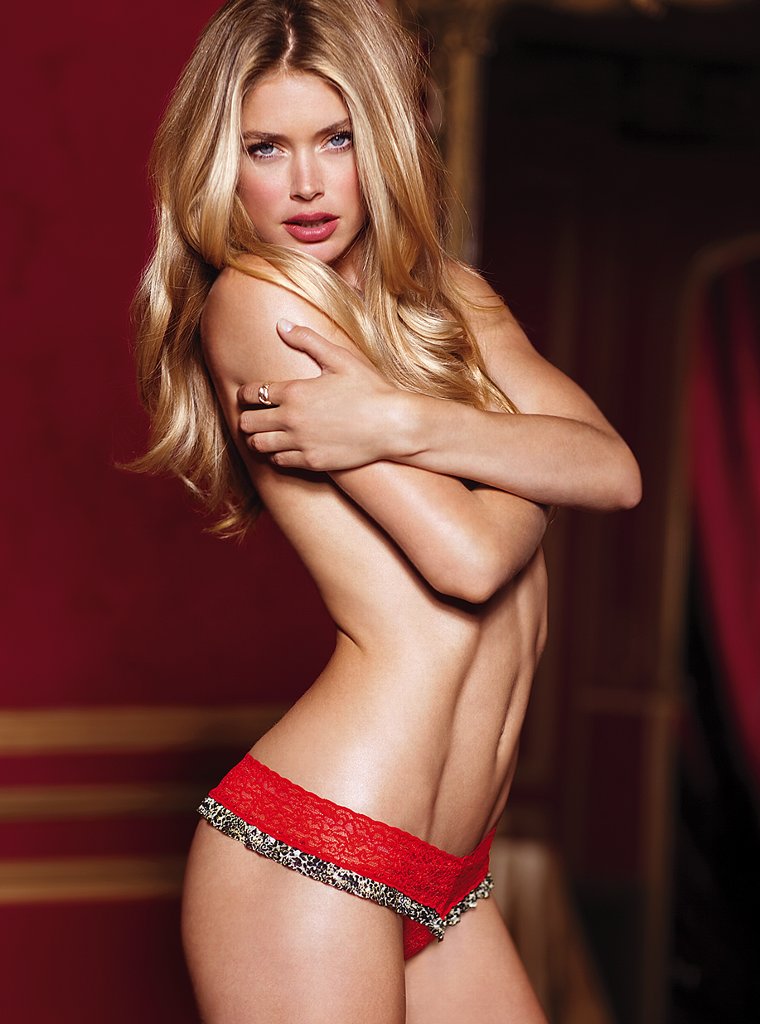
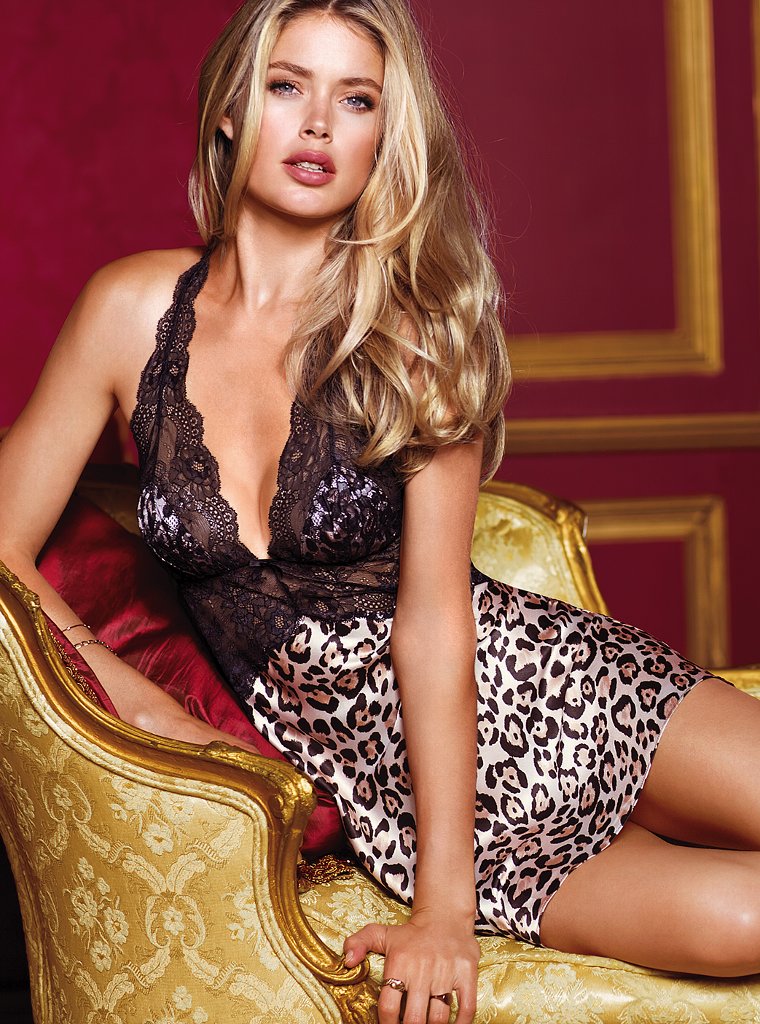
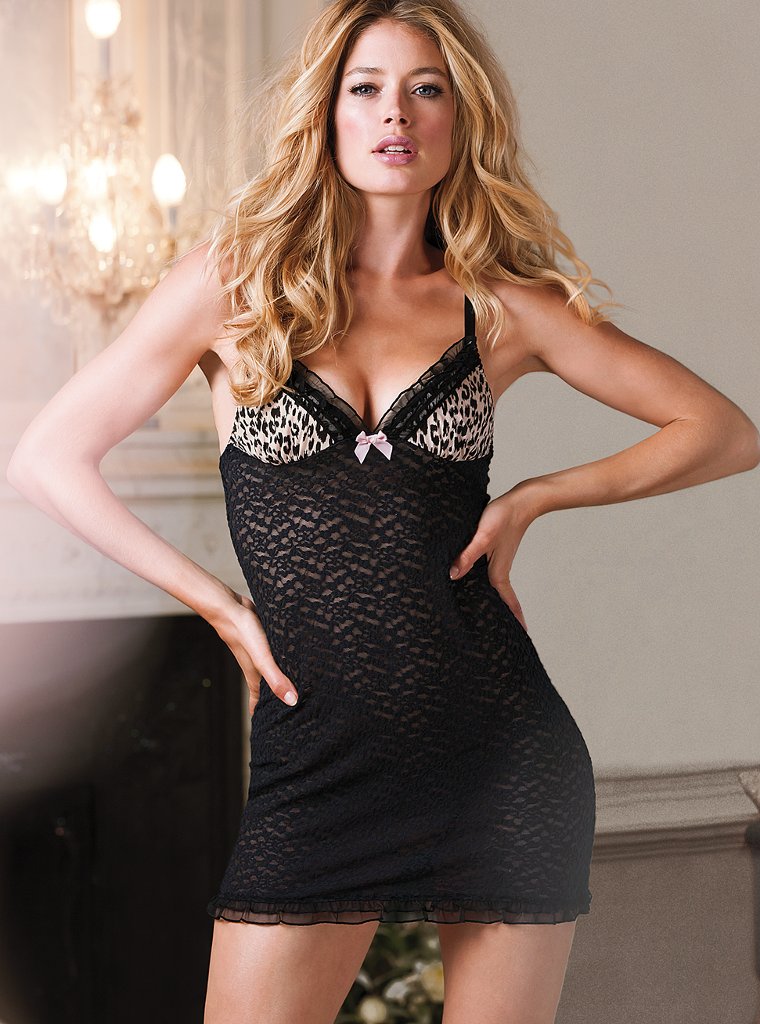
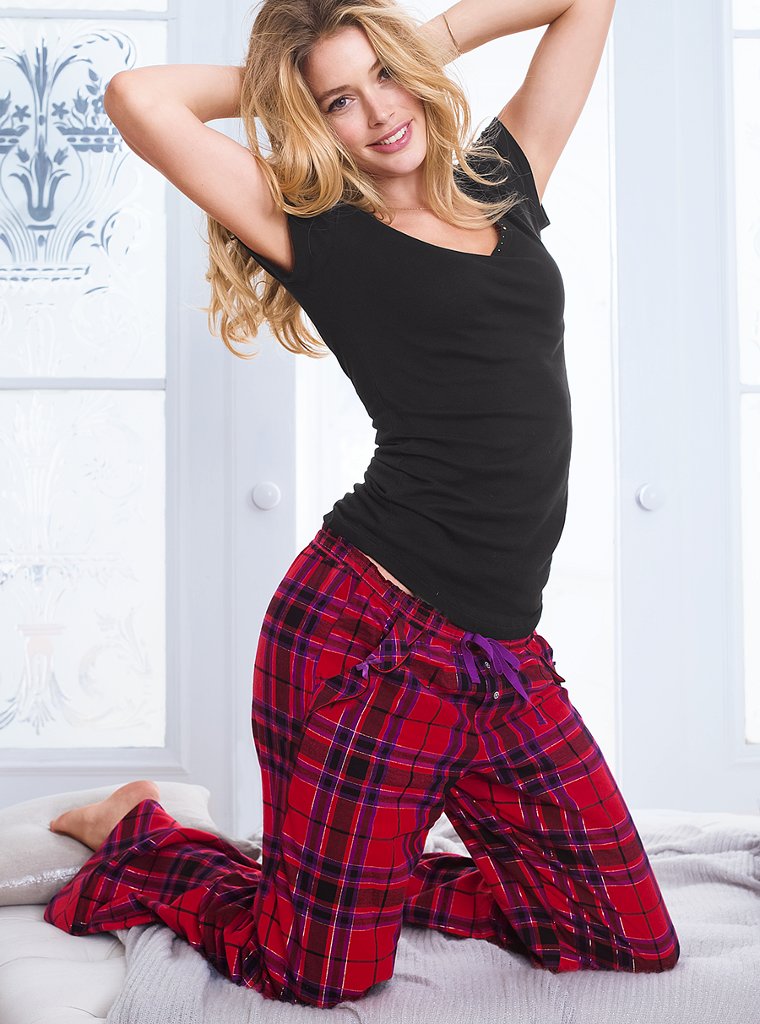
Kroes was a logical face for that ladder. Her posing in these frames is direct and camera-aware: open shoulders, steady gaze, body language tuned for product clarity. Catalog photography rewards readability—how a bra sits, how a print scales across a cup, how a color reads against skin—more than cinematic narrative. The October lookbook does that work without pretending to be high-fashion editorial. It sells assortment and mood in a sequence shoppers could skim on a laptop the way they now skim a product grid on a phone.
Style blogs that saved the set treated it as seasonal catalog news. That remains the honest frame. The interest now is partly nostalgic and partly documentary: a dated record of how the brand packaged fall lingerie through one of its most recognizable Angels. Calling it more than that would exaggerate a lookbook’s cultural weight. Calling it less would miss why fans still search for the exact month and model pairing.
Catalog craft on the page
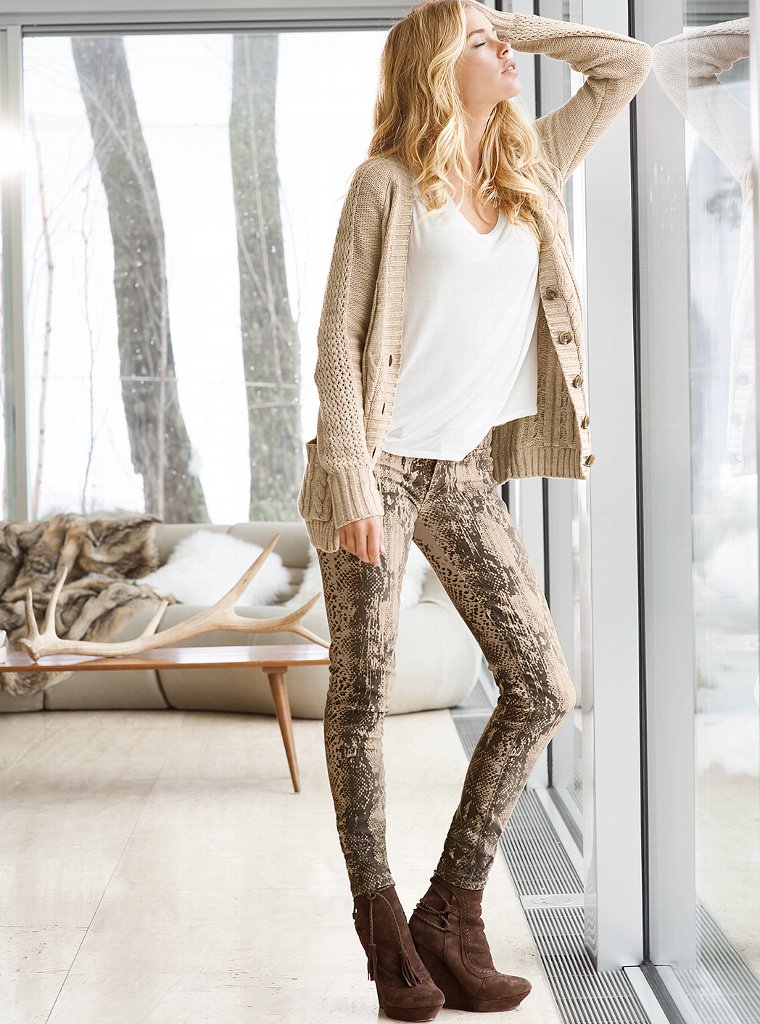
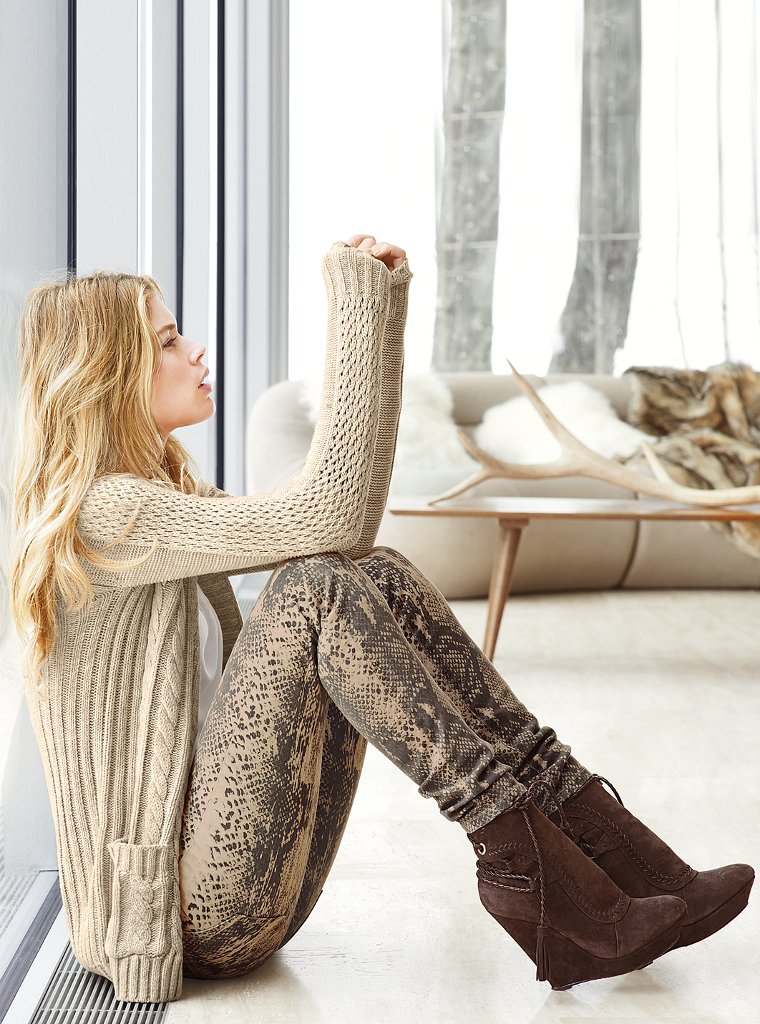
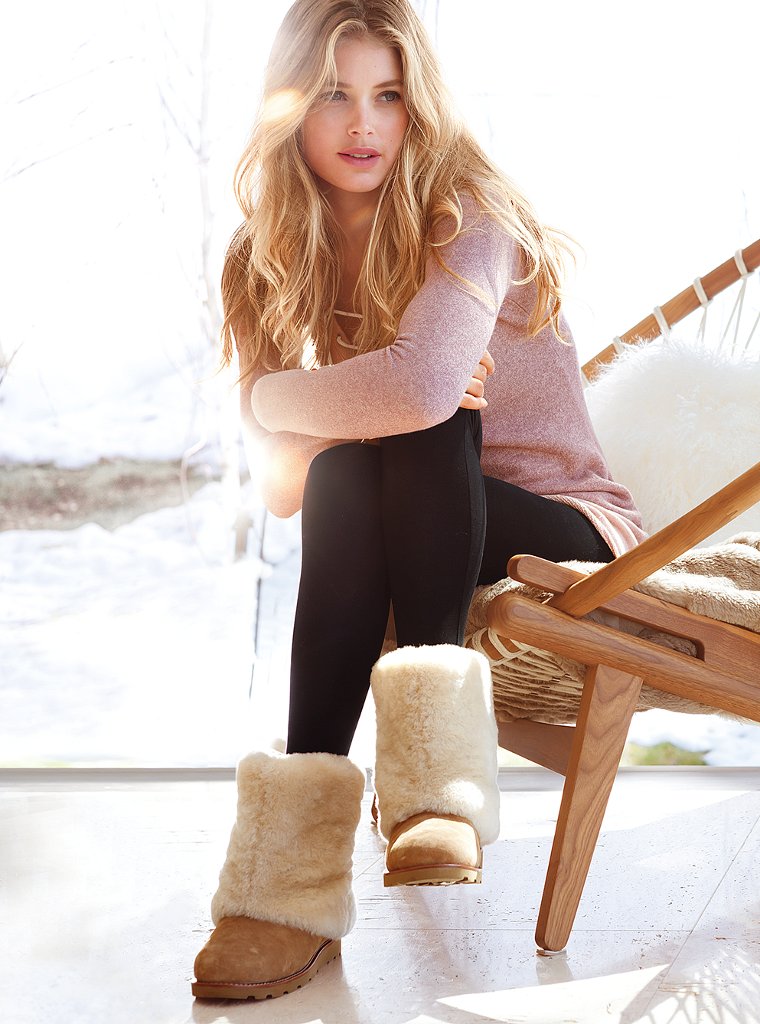
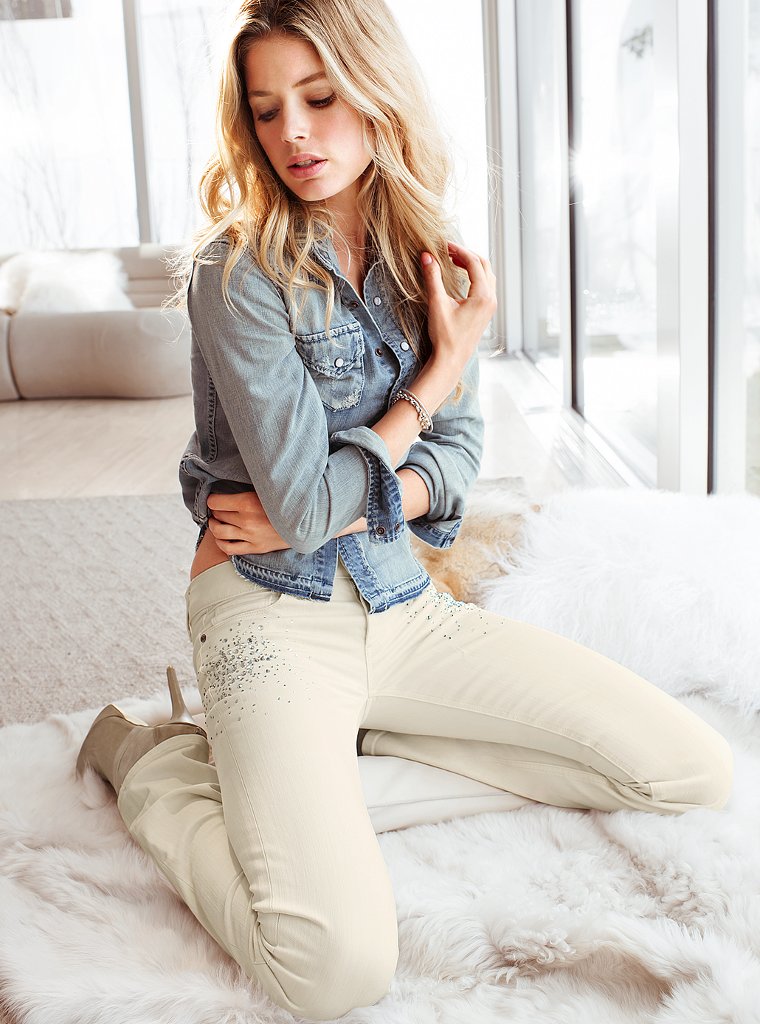
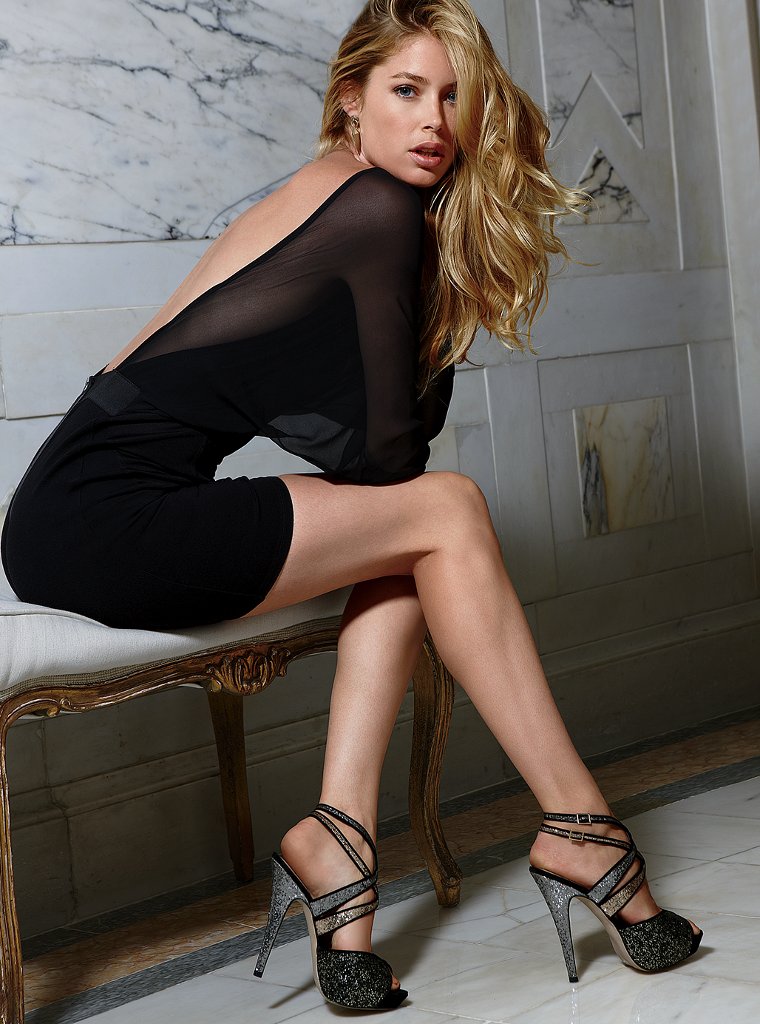
Studio backdrops stay simple so garments remain the subject. Hair and makeup follow the polished Angel template of the period—glow over grit, glamour over experiment. Crops alternate between three-quarter product views and tighter beauty frames, a rhythm catalogs used to keep attention moving before infinite social feeds made that pacing feel native. Lighting prefers flattery and clarity. Seams, lace edges, and print scale had to survive early-2010s screen compression and magazine reproduction without turning muddy.
Print and lace carry much of the seasonal storytelling. Florals announce “new for fall” without needing outerwear, street casting, or location permits. Lace softens structured cups and adds a tactile cue even in a flat photograph. Color shifts from soft neutrals toward richer seasonal tones as the sequence progresses. None of this was avant-garde in 2012. It was Victoria’s Secret doing what it then did best: turning lingerie into a continuous visual campaign that could refresh often and still feel like one brand world.
Watch how Kroes’s posture changes only enough to reset attention. Too much variation would break the catalog voice; too little would feel like one pose copied across the whole set. The middle path is professional catalog acting—an underrated skill that keeps product heroism intact while giving each frame a slight emotional temperature of its own. That discipline is why the gallery still reads as coherent rather than random.
One chapter in a busy Angel year
The October lookbook was only one node in Kroes’s and the brand’s 2012 calendar. The same season moved toward holiday campaign work and the November fashion show—the televised spectacle that, for many viewers, defined Victoria’s Secret’s cultural peak. Lookbooks like this one were the quieter retail layer under the wings and runway numbers: images meant to sell bras and sleepwear week by week, not only to generate post-broadcast chatter.
Casting Kroes at the center of a fall assortment also reinforced continuity. Angels were not interchangeable in marketing terms; each carried a recognizable presence on screen and in print. Her blend of athletic clarity and classic glamour made her especially useful for product-forward frames where the garment must win without the model vanishing into pure celebrity. Fashion media that archived these photos was documenting that commercial partnership as much as celebrating a single shoot day.
From later years, the Angel system and catalog cadence look like a specific media ecology—one that has since changed in format, tone, and cultural status. Keeping these pictures filed under October 2012 keeps that ecology visible instead of collapsing every Victoria’s Secret image into vague nostalgia. The month is part of the meaning.
What the sequence argues
Consistency is the feature, not a flaw. Expression and posture shift only enough to refresh attention while the brand voice stays intact. Product variety does the narrative work: different cuts, prints, and coverage levels move through the same lighting scheme. Anyone hunting a single “iconic” frame may settle on one beauty close-up or one full-length floral look. The set as a whole is a merchandising argument more than a hero-image hunt.
The gallery also preserves a retail-media habit that has partly faded. In 2012, a lookbook could still feel like an event worth blogging end to end. Similar imagery today often dissolves into endless product detail pages with no named seasonal chapter. Walking this October sequence from first frame to last restores an older rhythm: a named Angel, a named month, a coherent visual story you can finish.
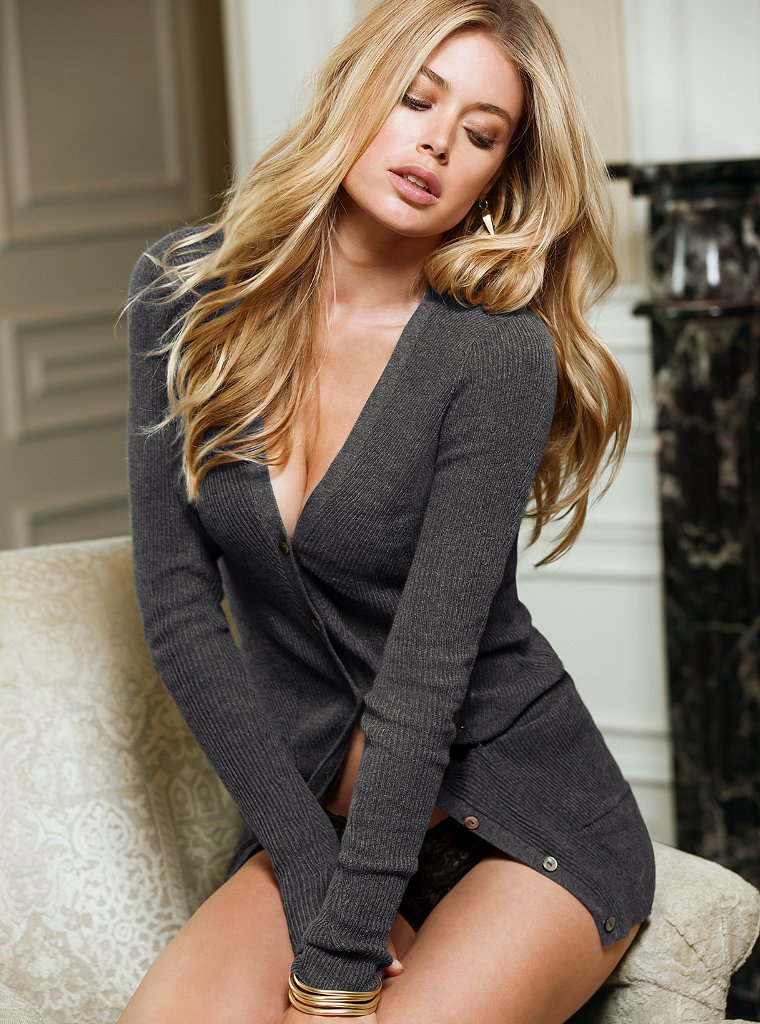
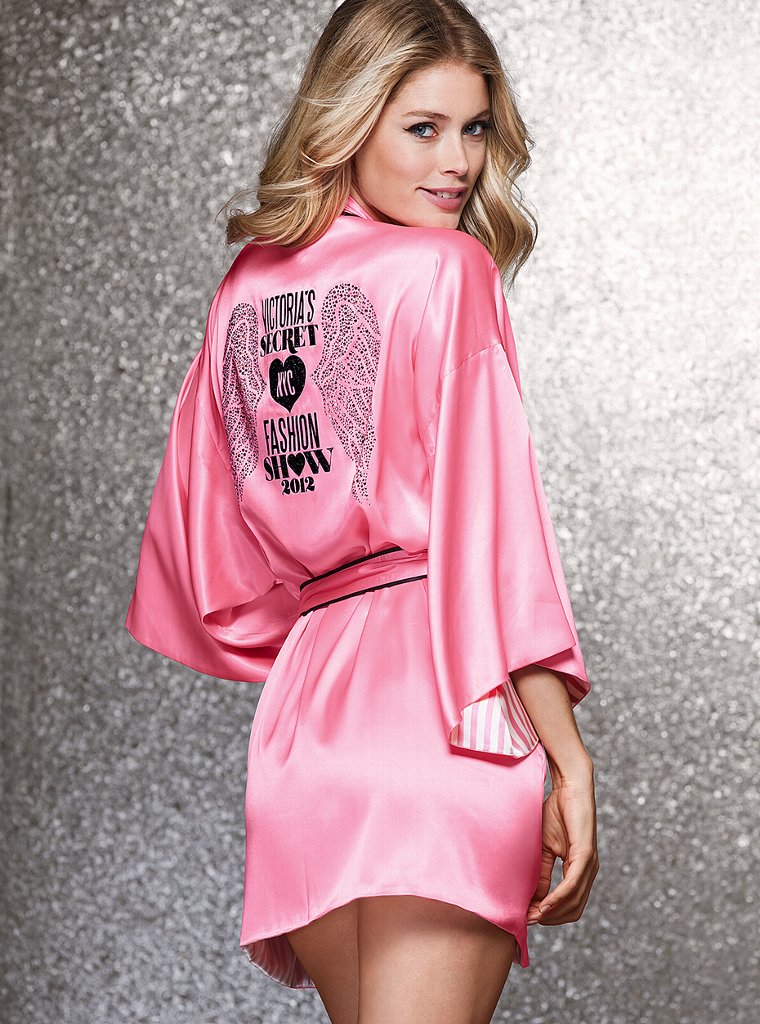
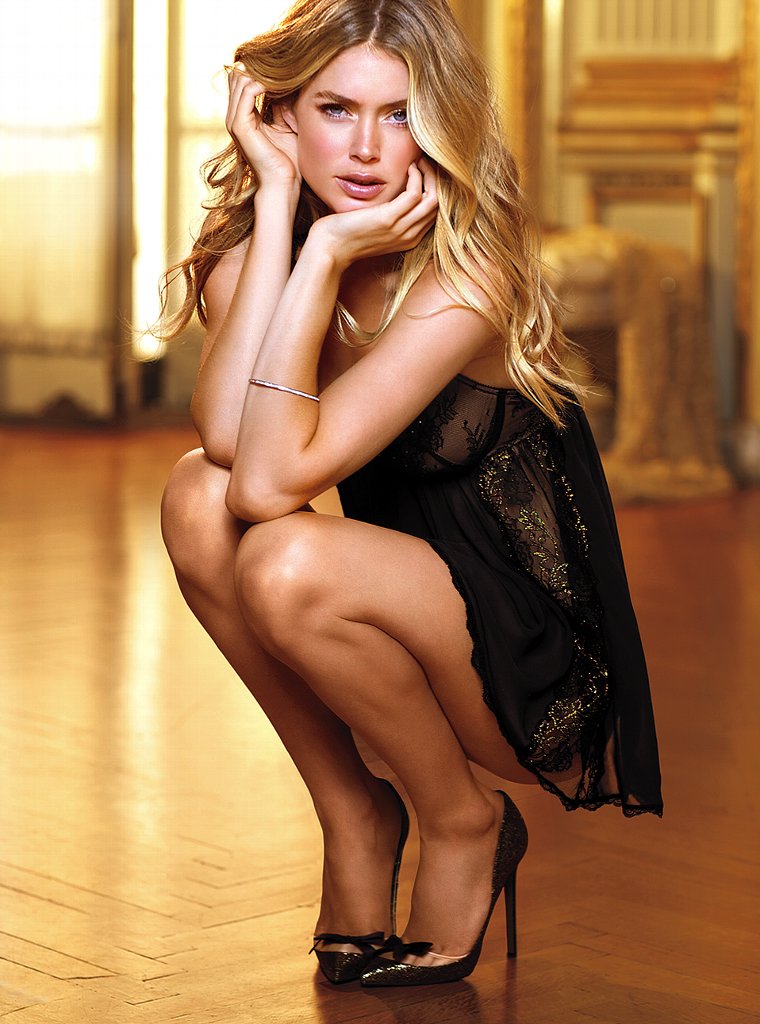
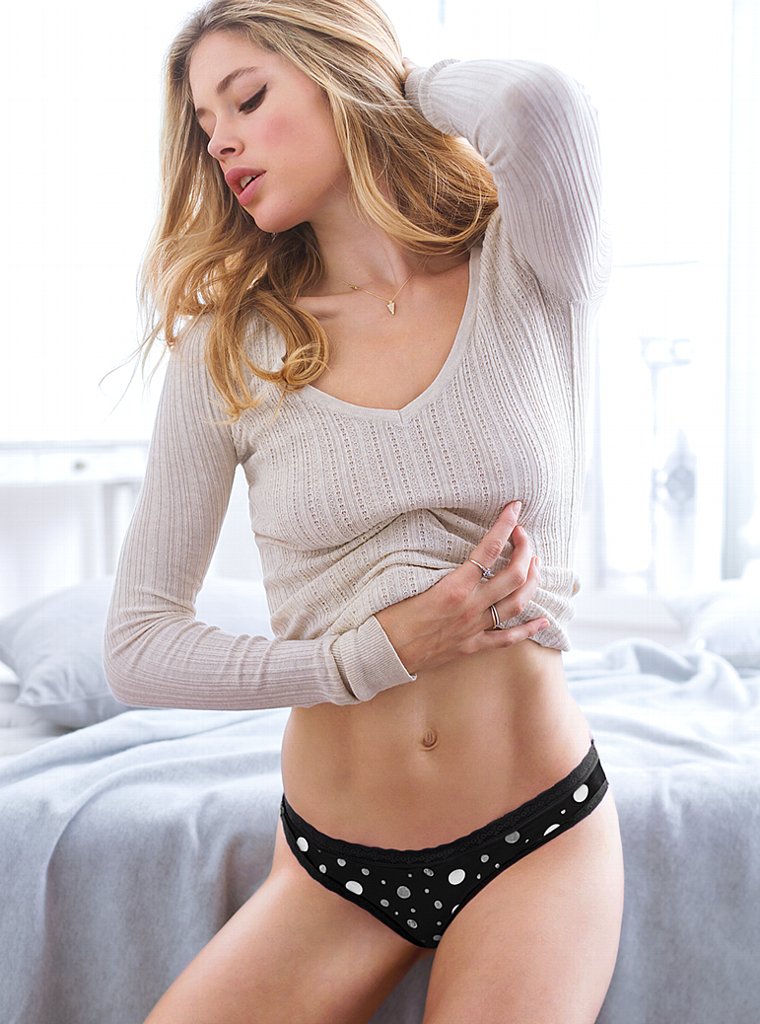
Leave the last frame open for a moment and notice what the whole run has been selling: not a runway fantasy, but a closet possibility dated to fall 2012. Floral season, studio gloss, Doutzen Kroes as Angel-era face—catalog history, filed under October, and left there on purpose.

Comments
Continue reading
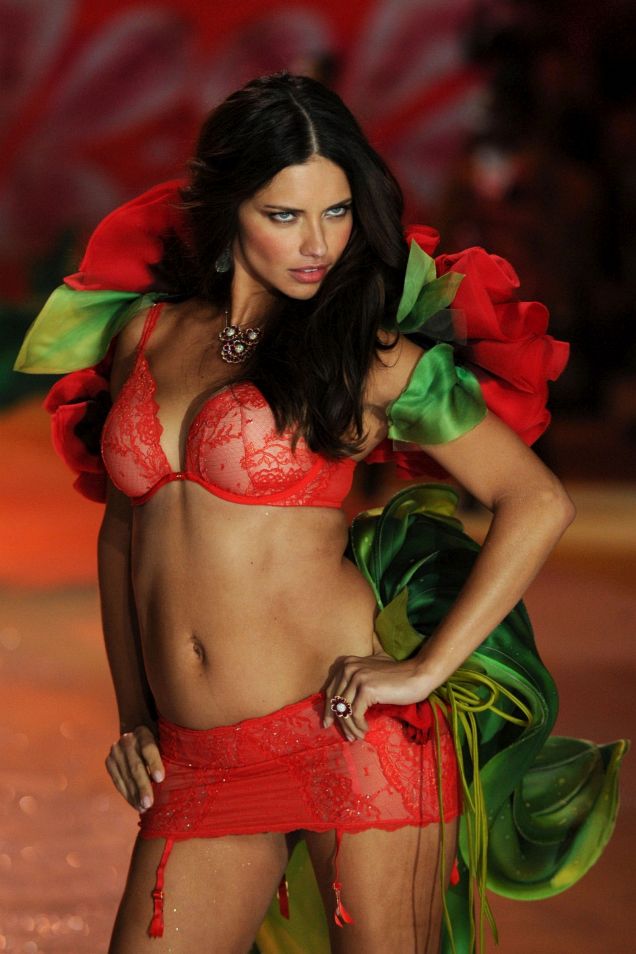
Victoria’s Secret Fashion Show, New York 2012
Six runway segments, live sets by Rihanna, Justin Bieber, and Bruno Mars, and the costume spectacle at the 69th Regiment Armory after Hurricane Sandy.
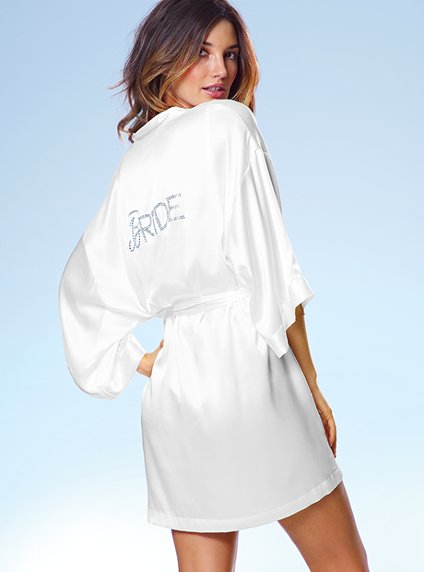
Victoria’s Secret Bridal Lingerie: Lace, Ivory, and Early-2010s Romance
A tasteful look at early-2010s Victoria’s Secret bridal lingerie—lace, soft colour, campaign mood, and how commercial bridal codes shaped intimate fashion.
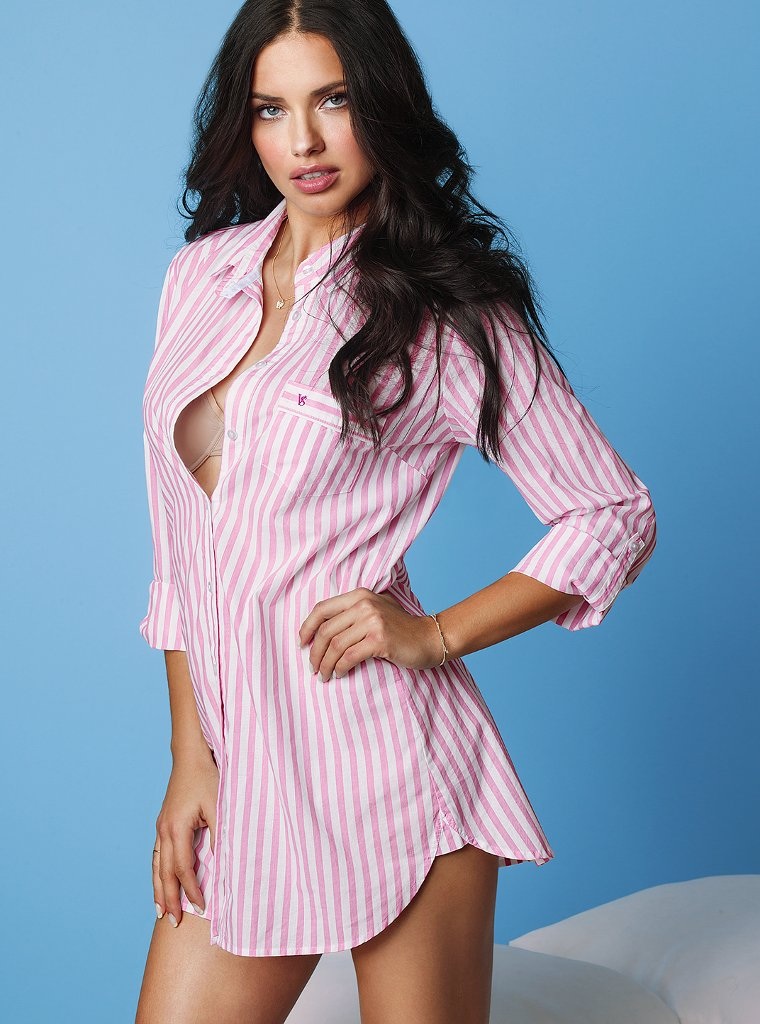
Adriana Lima in Victoria’s Secret’s April 2013 Lookbook
Pink-striped sleep shirt, sky-blue seamless, gold chains—Adriana Lima’s surviving frame from Victoria’s Secret’s April 2013 lookbook.