
Victoria’s Secret Fashion Show, New York 2012
Six runway segments, live sets by Rihanna, Justin Bieber, and Bruno Mars, and the costume spectacle at the 69th Regiment Armory after Hurricane Sandy.
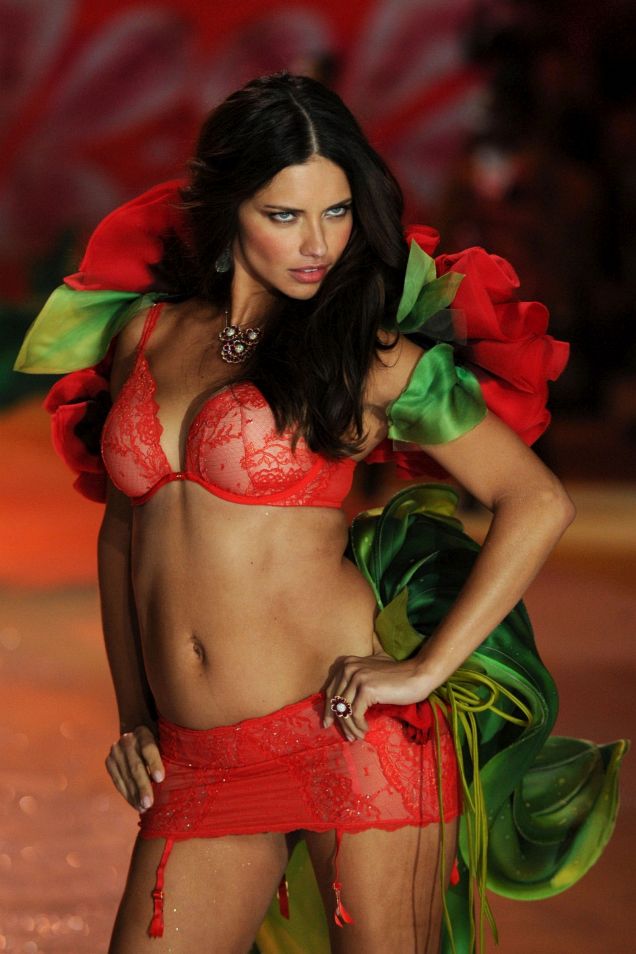
On November 7, 2012, Victoria’s Secret staged its annual Fashion Show at the 69th Regiment Armory in New York City—a televised lingerie runway built as holiday-season spectacle. The production sat weeks after Hurricane Sandy; the venue had lost power, and the brand lent generators to the National Guard unit housed there so the Armory could function. That detail alone places the night in a specific New York moment: fashion theater returning to a city still recovering.
What follows is a year feature on that runway—segments, staging, music, and the visual language of the 2012 show—not a product drop guide for seasonal intimates sold in February. The television special later aired on CBS in early December, extending the Armory night into living rooms as a one-hour hybrid of concert and catwalk.
Six segments, one night
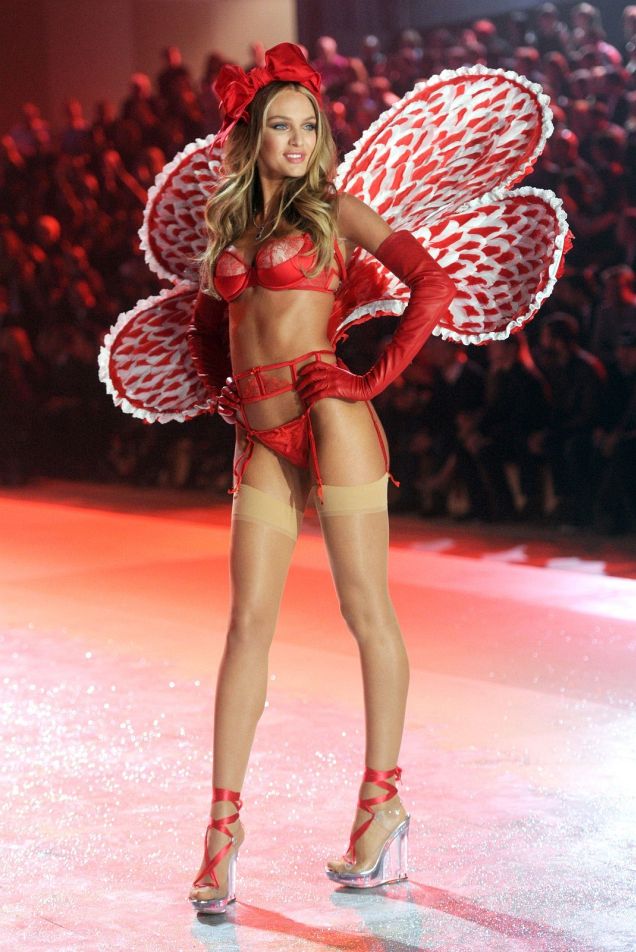
The 2012 show moved through six themed blocks: Circus; Dangerous Liaisons; Pink Is Us; Silver Screen Angels; Angels in Bloom; and Calendar Girls. Each section had its own props, wing constructions, and music cues. The point was narrative variety—reset the eye every few exits—so the broadcast never felt like a single endless lingerie loop. In fashion-television terms, the segments functioned like chapters in a variety special.
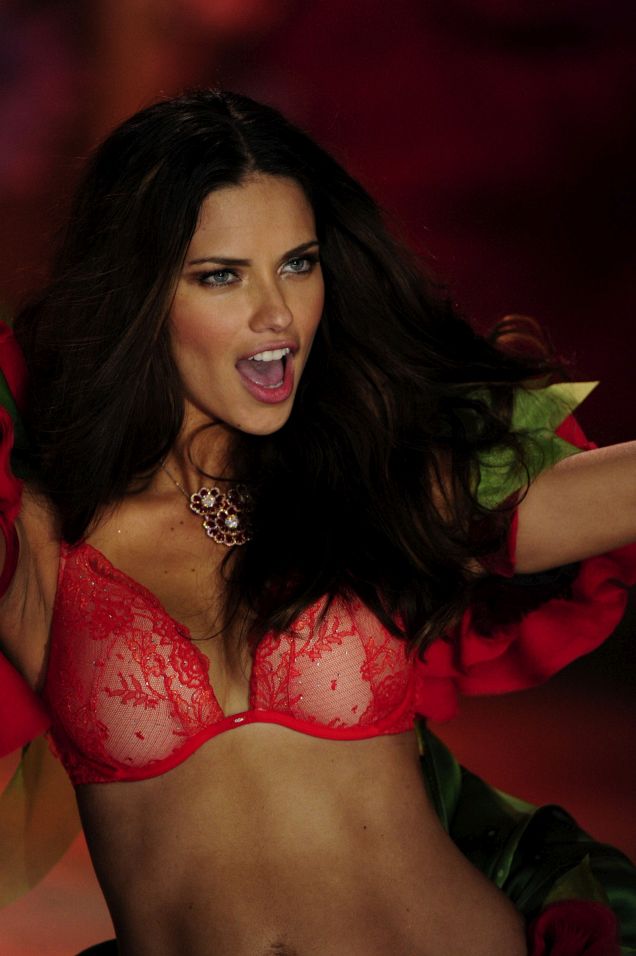
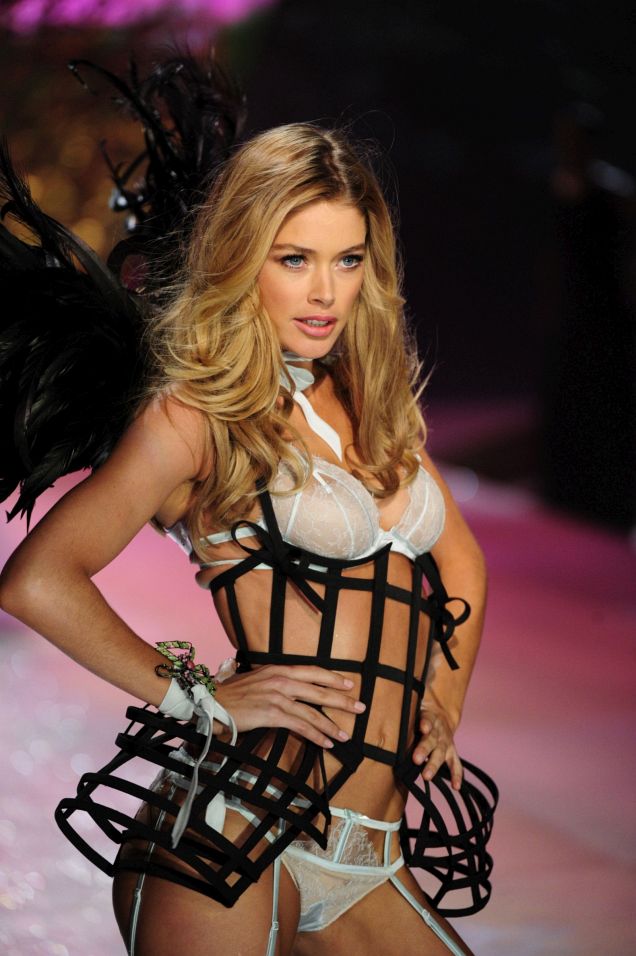
Circus opened with carnival energy: acrobats, contortionists, even a sword swallower sharing air with the models. Ringmaster props and showmanship gestures set a maximal tone from the first song cue. Dangerous Liaisons shifted toward darker glamour and theatrical tension—corsetry, sharper attitude, and a mood closer to stage noir than clown brightness.
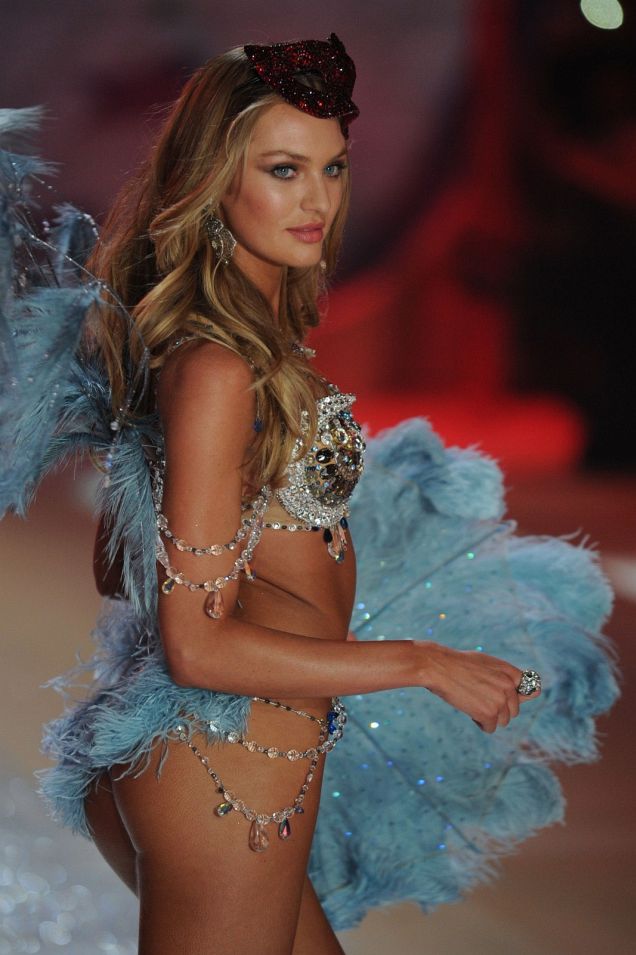
Pink Is Us leaned into the younger PINK universe—collegiate, peppy, built for camera smiles and lighter choreography. Silver Screen Angels chased Old Hollywood shine: crystal density, retro silhouette drama, references that nodded toward classic screen glamour rather than sportswear. Angels in Bloom brought floral fantasy, oversized botanical wings, and romantic excess. Calendar Girls turned the runway into a month-by-month pageant, timed tightly to live performance so each exit felt like a page flipping.
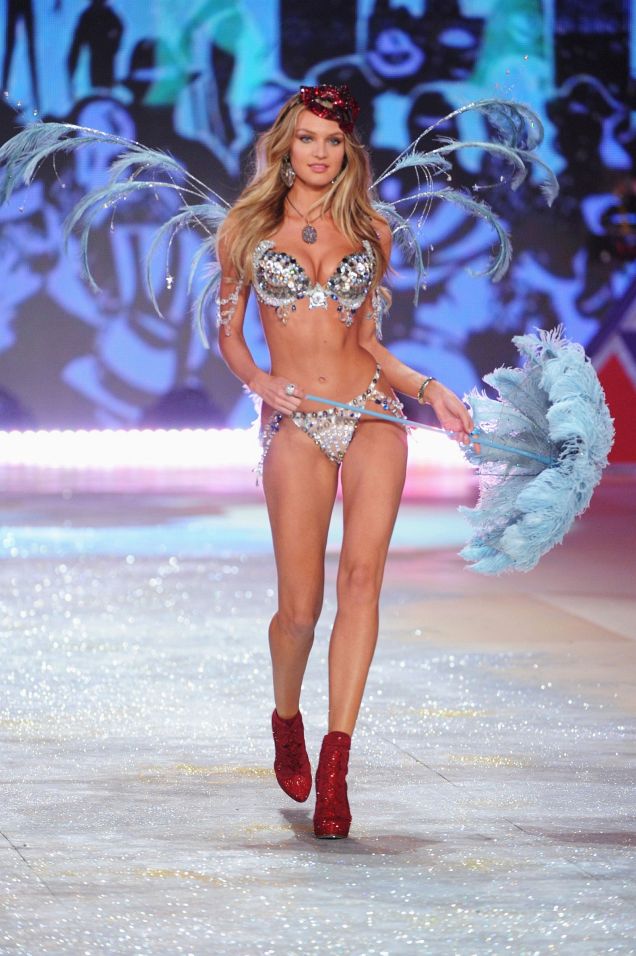
Read as costume design, those six chapters are the show’s real content. Feathers versus crystal deco, athletic pink versus bloom fantasy—each block solves a different visual problem for television distance and wide shots. Comparing a Circus exit to a Silver Screen exit is more useful than ranking “best look” lists: you are watching two departments share one logo.
Music as co-headliner
Rihanna, Justin Bieber, and Bruno Mars performed live—an unusually strong pop trifecta even by the show’s standards. Rihanna moved through multiple looks and songs, including “Diamonds” and “Phresh Out the Runway,” sometimes sharing the visual field with the models rather than staying marooned on a side stage. Her presence blurred the line between musical guest and fashion participant, which is why contemporary coverage treated her as a highlight of the night rather than background soundtrack.
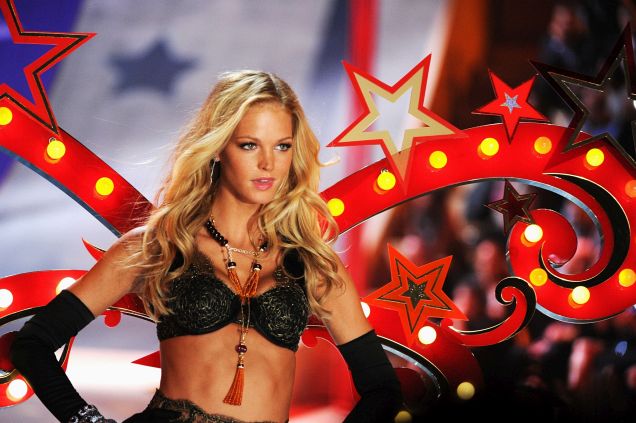
Bieber’s set mixed a quieter guitar-led moment with a high-energy routine staged around a giant pinball-machine set piece during the PINK segment—youth-pop staging matched to the collegiate color story. Bruno Mars threaded nostalgia and sheen through Silver Screen Angels and the Calendar Girls stretch, including “Locked Out of Heaven,” giving the crystal-heavy costumes a musical partner that felt deliberately retro-glam.
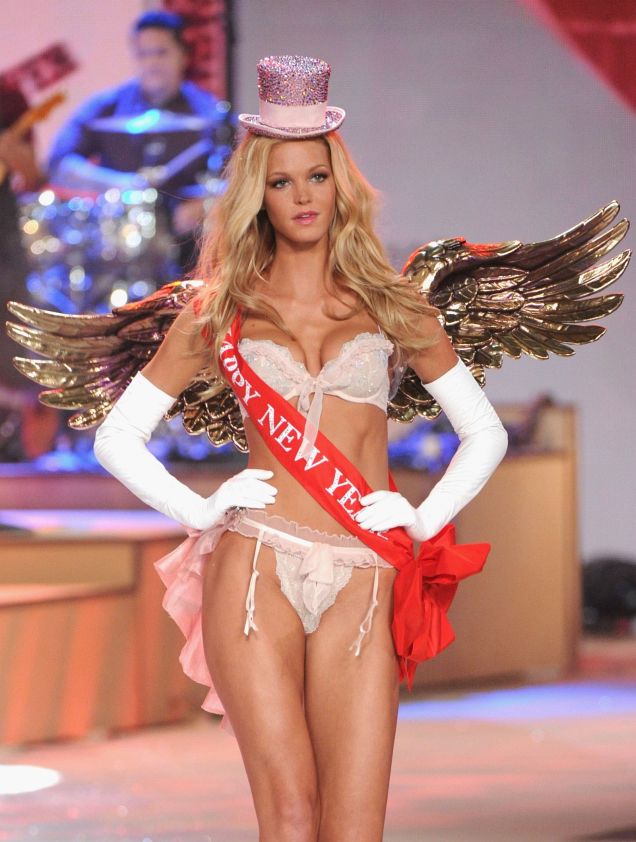
That music-first structure is why the night reads as entertainment design as much as apparel presentation. The clothes were engineered for television distance: crystals, feathers, metallic finishes, and wing spans that read in a wide shot. Wearability for a Tuesday commute was never the metric. Impact under lights was. Retailers have used holiday fashion shows for decades; Victoria’s Secret simply scaled the formula into a pop-culture appointment-viewing event.
Wings, props, and fantasy bras
Signature oversized wings dominated conversation after the show: swan-like feather volumes, giant poppy constructions, star-spangled pairs that released sparkles on cue. Props—from cages to ringmaster wands—turned exits into short characters with a beginning, middle, and exit bow. The wings were not accessories in the boutique sense; they were set pieces worn on the body, heavy enough that models discussed preparation and balance in pre-show interviews.
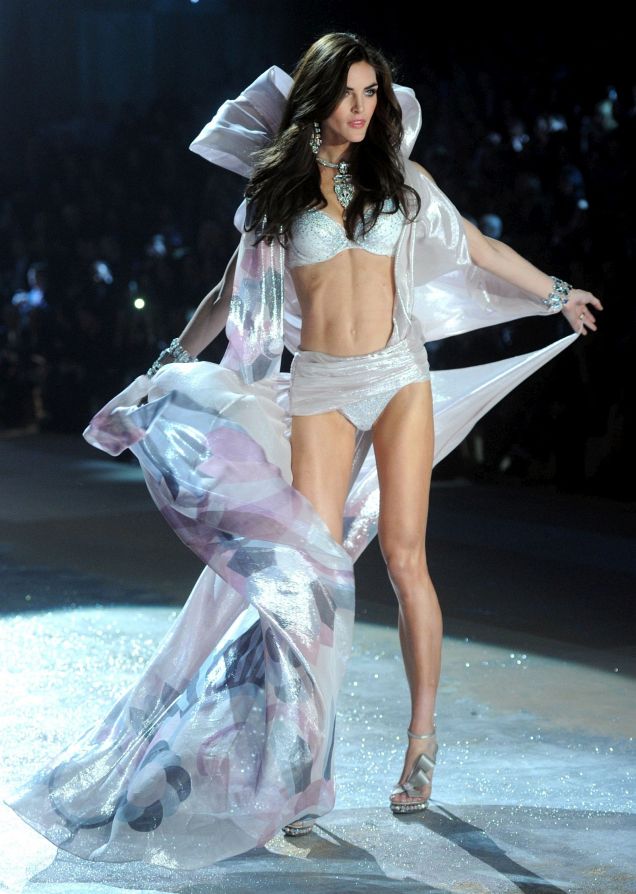
Alessandra Ambrosio wore the jewel-heavy Fantasy Bra of the year, reported in contemporary coverage as a multi-million-dollar piece set with amethysts, rubies, sapphires, and diamonds, including a large center stone. In show grammar, the Fantasy Bra is the annual MacGuffin: a single object that concentrates press attention and gives the broadcast a jewelry subplot. Whether one loves or questions the tradition, it belongs to the 2012 archive as industrial theater.
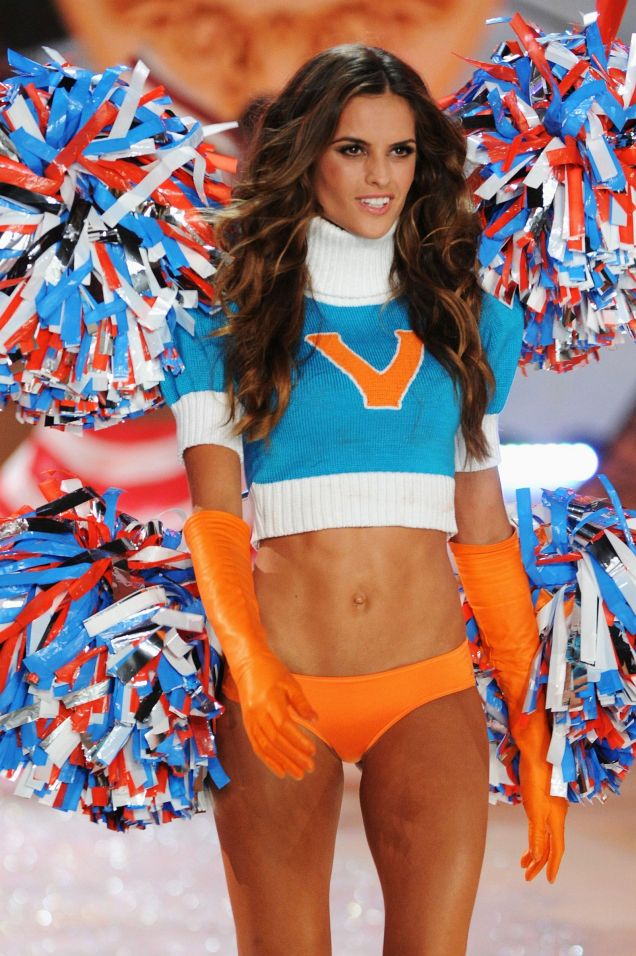
The cast mixed established Angels and high-profile models of the moment—names such as Adriana Lima, Doutzen Kroes, Candice Swanepoel, Lily Aldridge, Miranda Kerr, Joan Smalls, Karlie Kloss, Toni Garrn, and others circulating through segments. Within the show’s own logic, they worked as dancers-with-clothes, timed to music cues and camera marks. Smiles, pace, and comfort under weight were part of the craft, closer to musical staging than to a silent Paris couture walk.
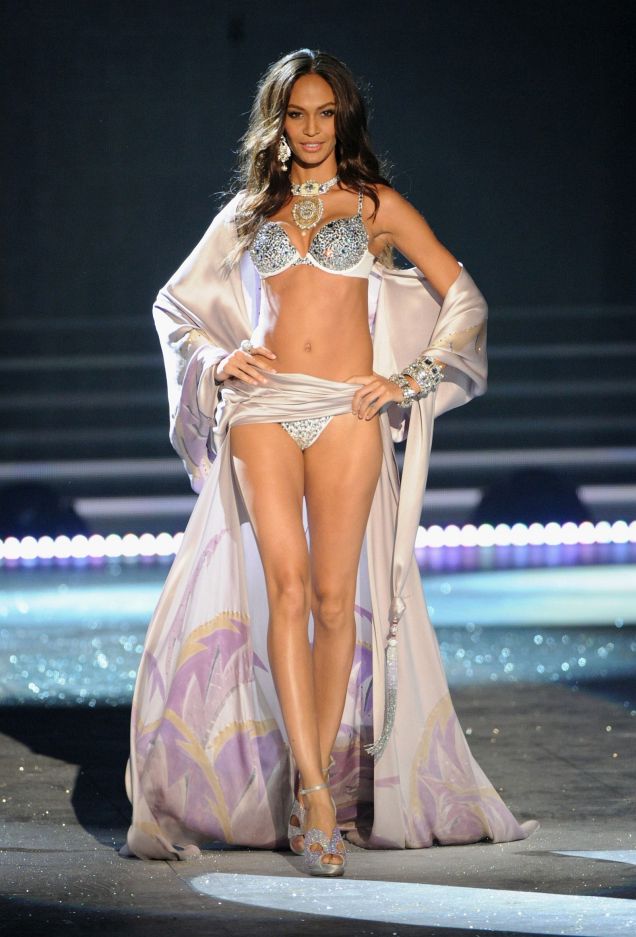
Fashion framing, carefully
Lingerie runways can tip into leer. A clearer way to archive 2012 is as industrial costume design: materials, choreography, brand mythology, and broadcast craft. The show sold a fantasy of glamour and confidence to fund a retail calendar. Looking at the photographs for silhouette, color story, and staging choices keeps the conversation on fashion production rather than objectifying commentary.
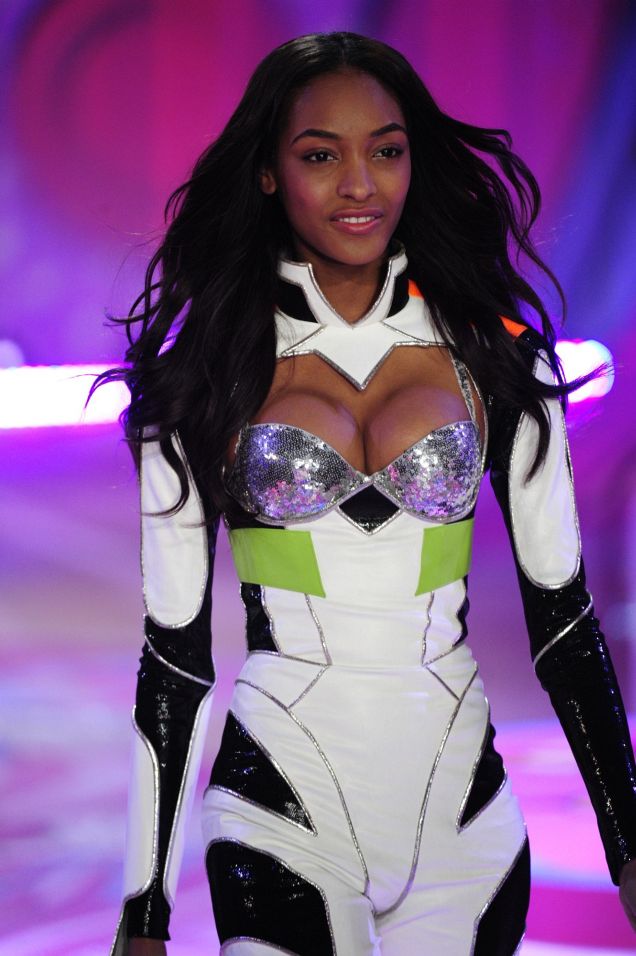
Ask practical design questions while you scroll. Which materials catch light at twenty meters? How do wing shapes change the walker’s center of gravity and stride? Where does color block against skin and against the Armory’s darker architecture? Those questions treat the images as costume references—useful to stylists, students, and anyone mapping early-2010s brand spectacle—without reducing the people in them to punchlines.
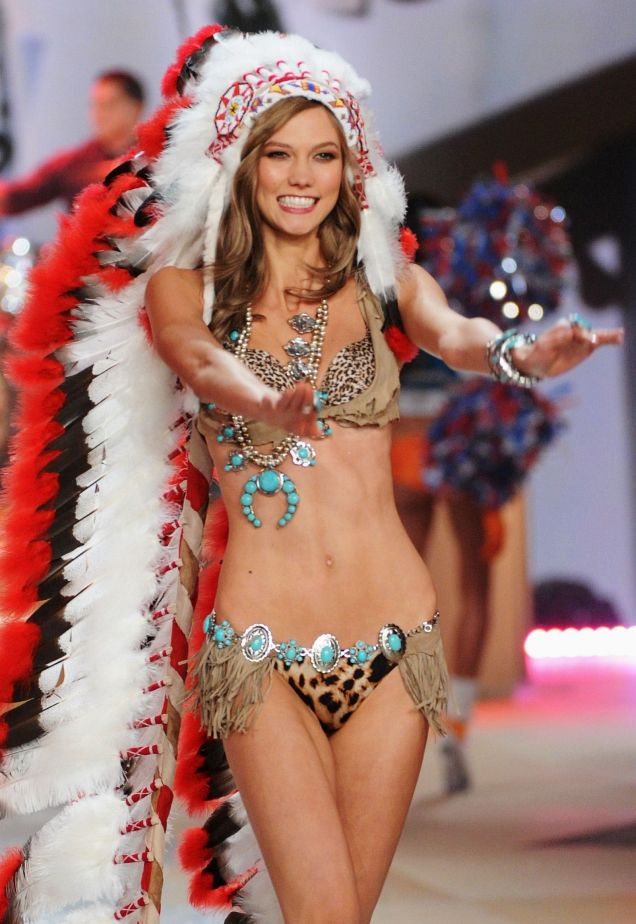
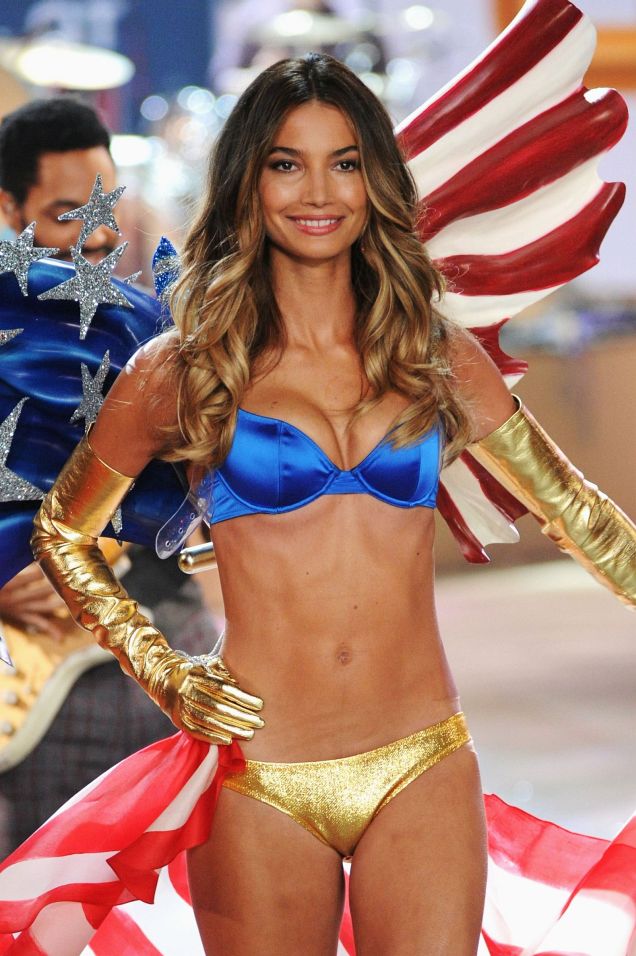
It also helps to keep this November runway separate from the brand’s February Valentine’s floorsets. The Fashion Show manufactures attention through wings, crystals, and live pop. A Valentine’s assortment manufactures sell-through through red lace and gift tables. Shared glamour DNA exists; the jobs differ. This feature stays with the Armory night.
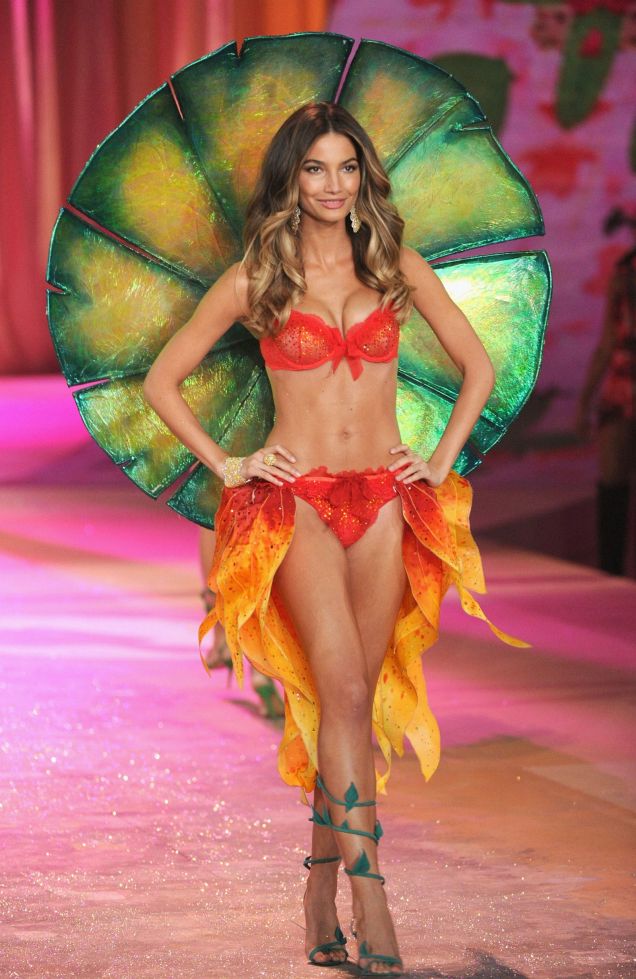
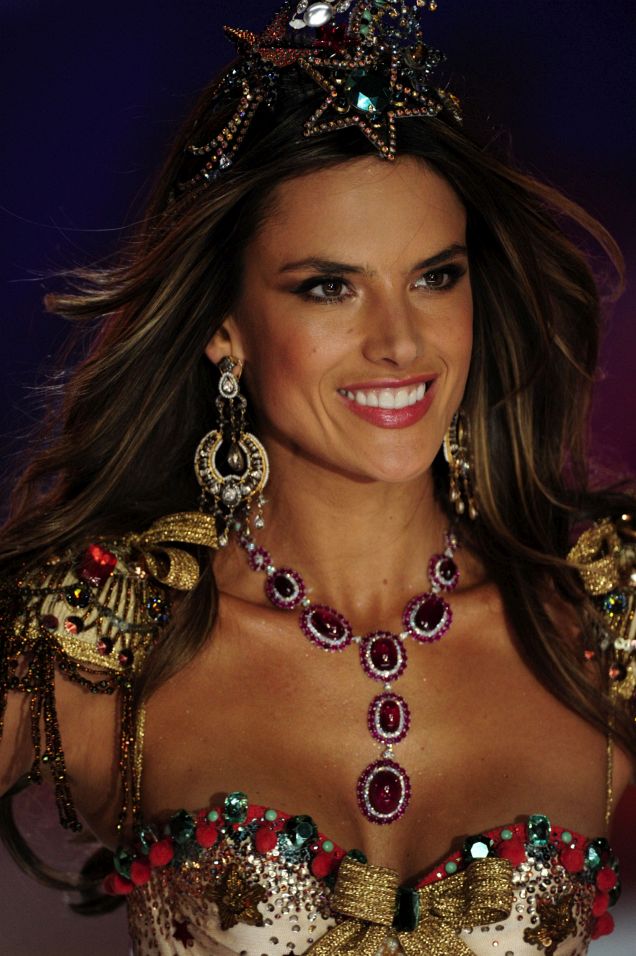
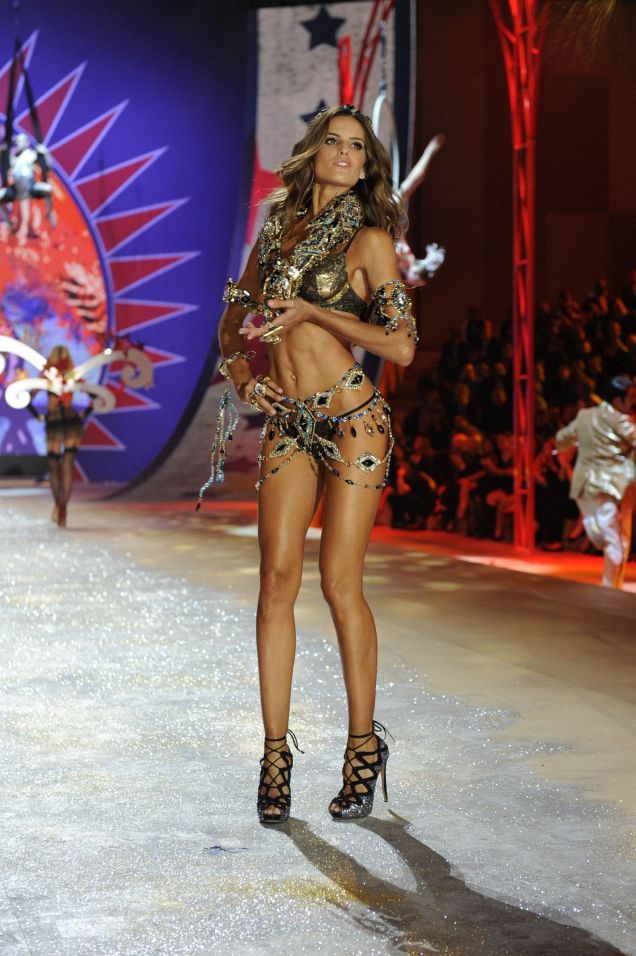
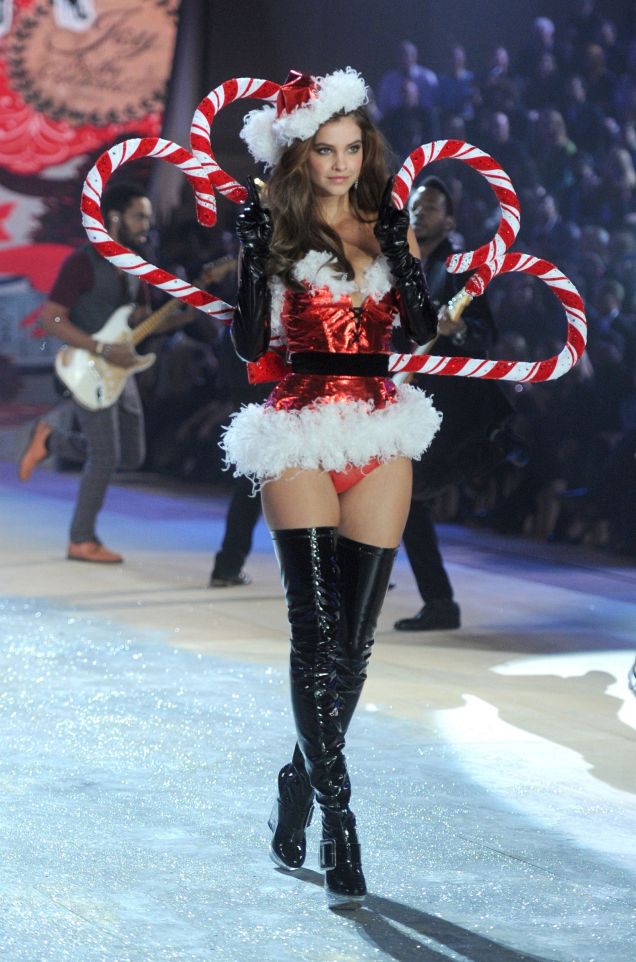
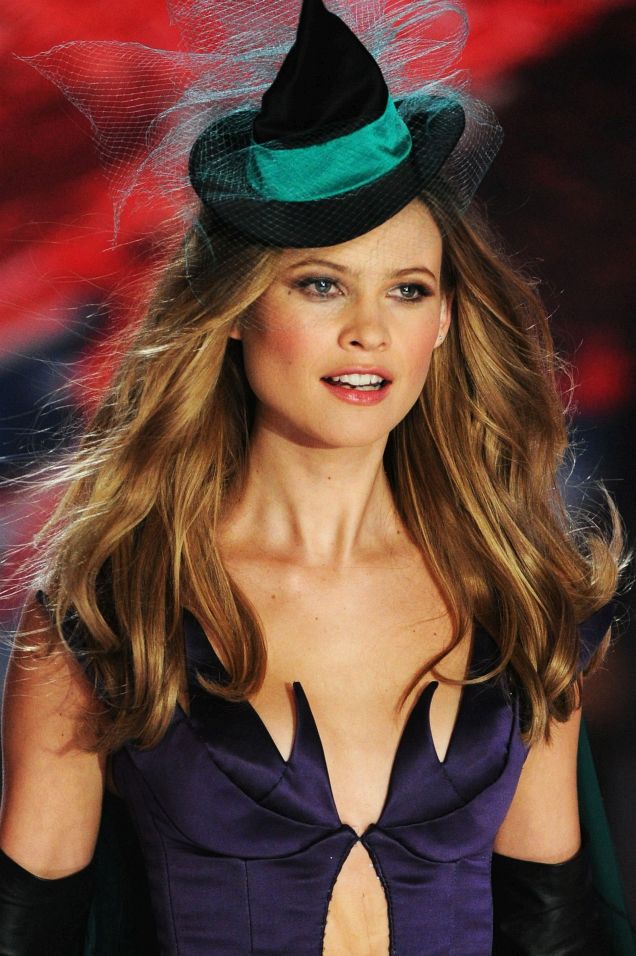
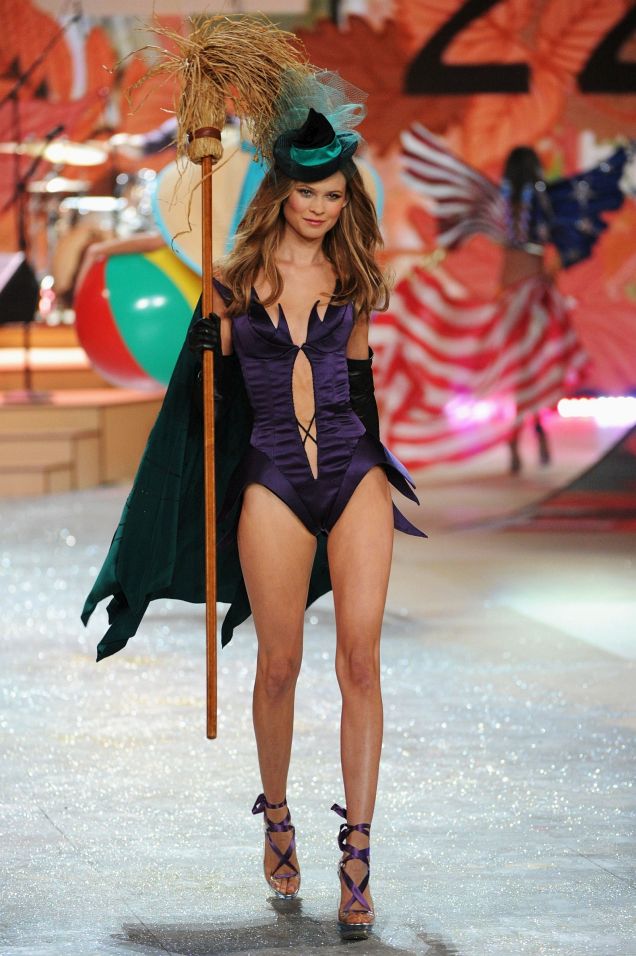
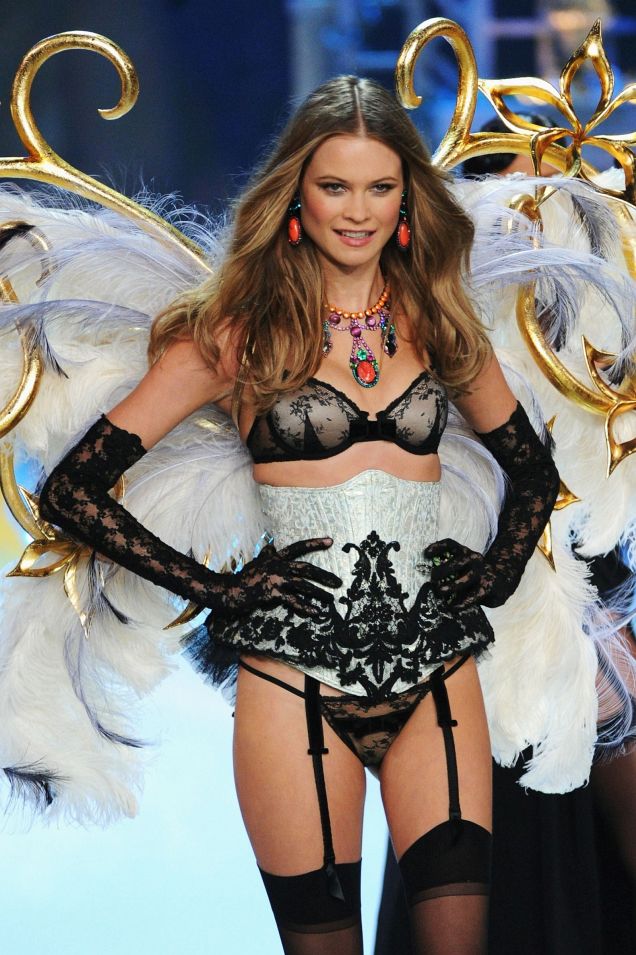
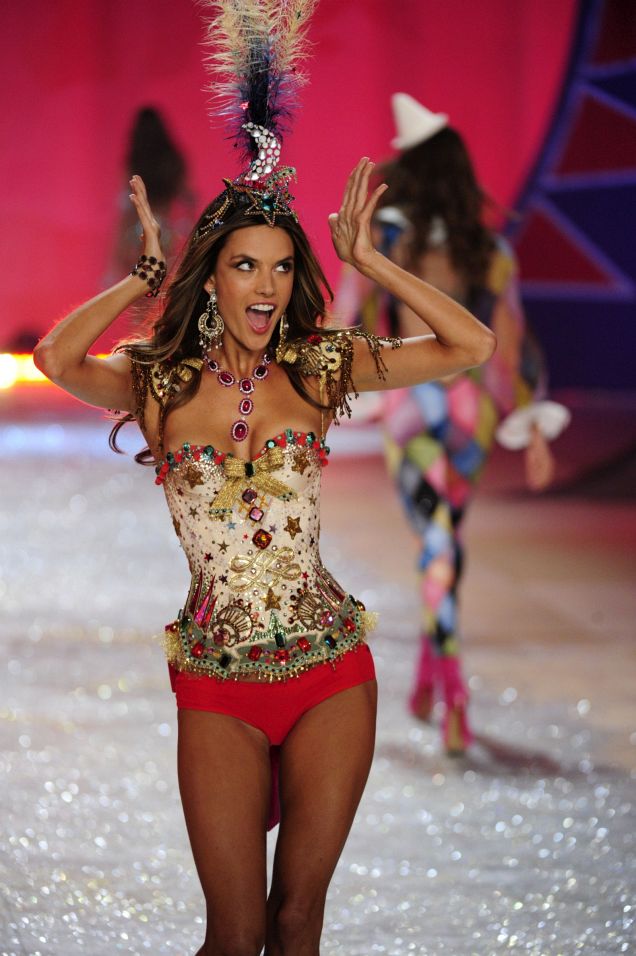
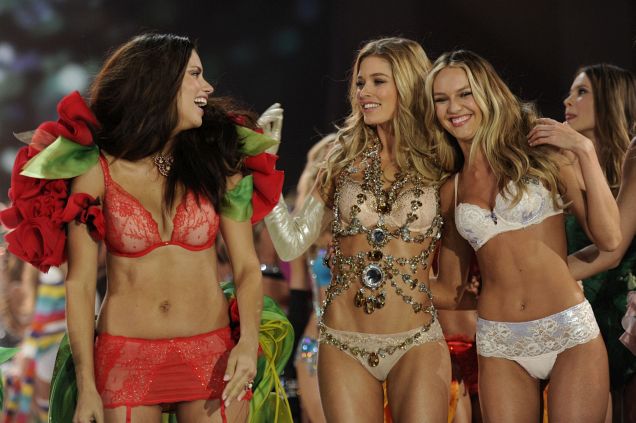
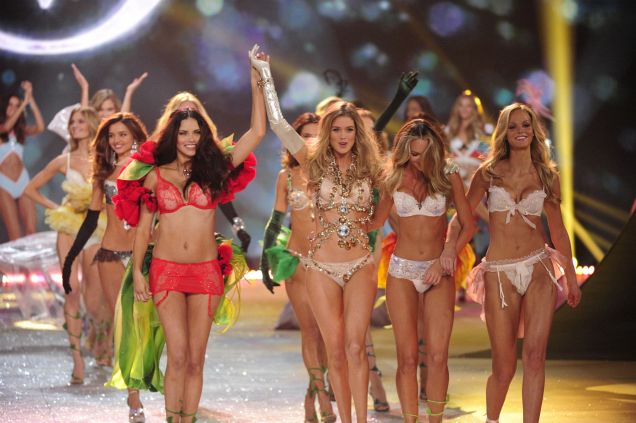
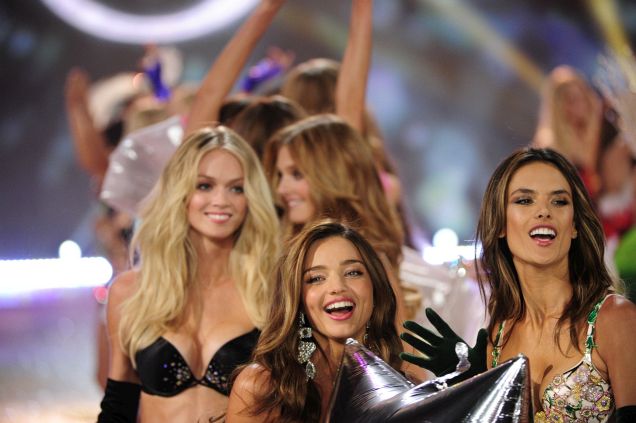
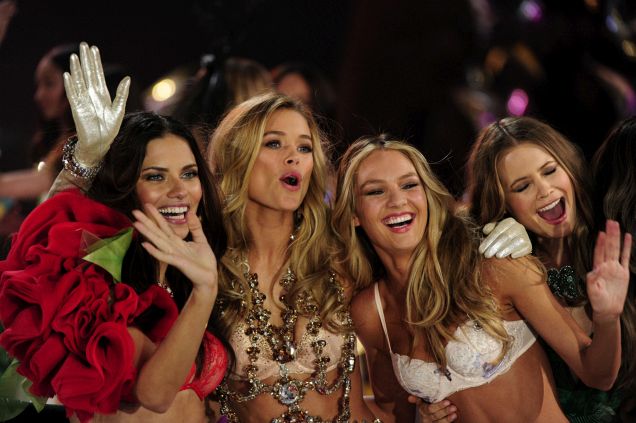
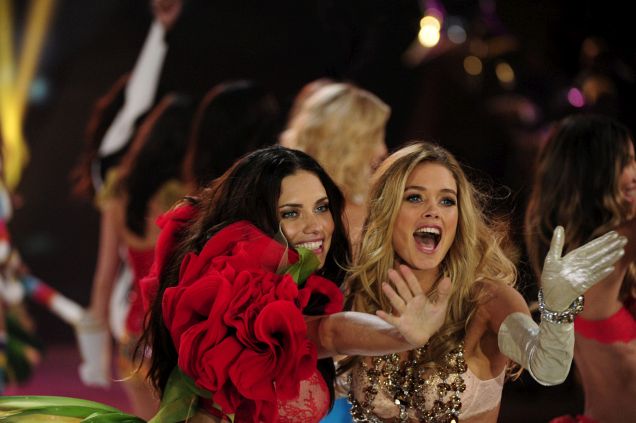
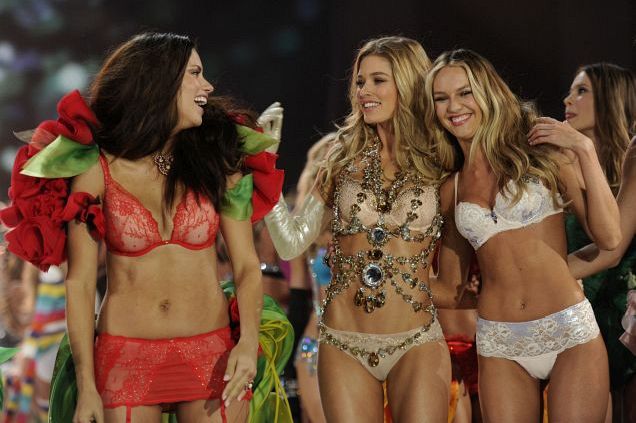
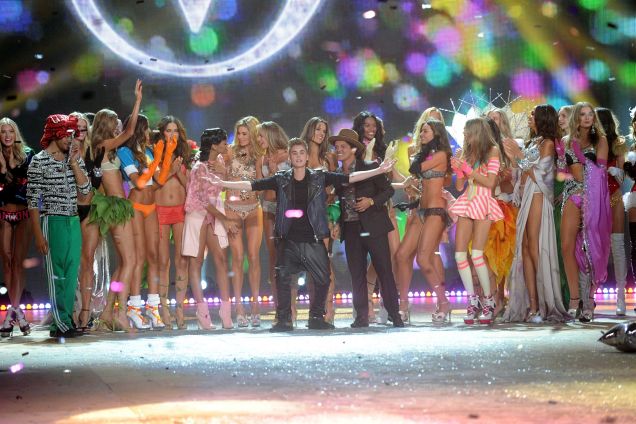
For anyone mapping early-2010s brand spectacle, the 2012 New York show remains a clean case study: six chapters, three pop headliners, wings built like set pieces, a Fantasy Bra as press magnet, and a retail calendar launched through live theater in a post-storm city. Scroll for costume grammar—how crystal, feather, pink collegiate, and floral fantasy take turns owning the frame. The night explains itself as fashion television, staged in an armory, aimed straight at December.

Comments
Continue reading
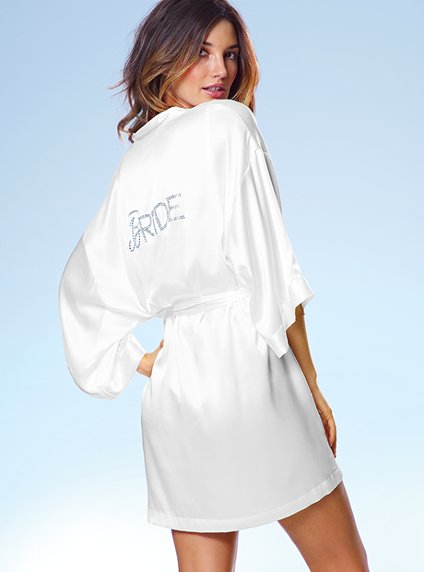
Victoria’s Secret Bridal Lingerie: Lace, Ivory, and Early-2010s Romance
A tasteful look at early-2010s Victoria’s Secret bridal lingerie—lace, soft colour, campaign mood, and how commercial bridal codes shaped intimate fashion.
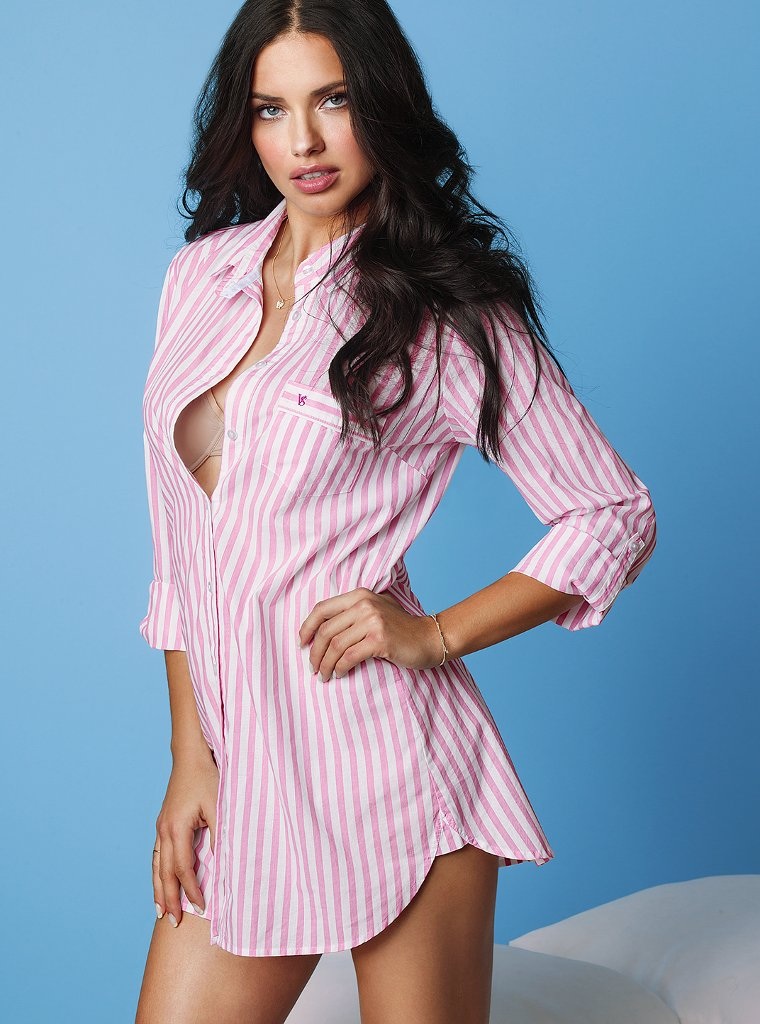
Adriana Lima in Victoria’s Secret’s April 2013 Lookbook
Pink-striped sleep shirt, sky-blue seamless, gold chains—Adriana Lima’s surviving frame from Victoria’s Secret’s April 2013 lookbook.
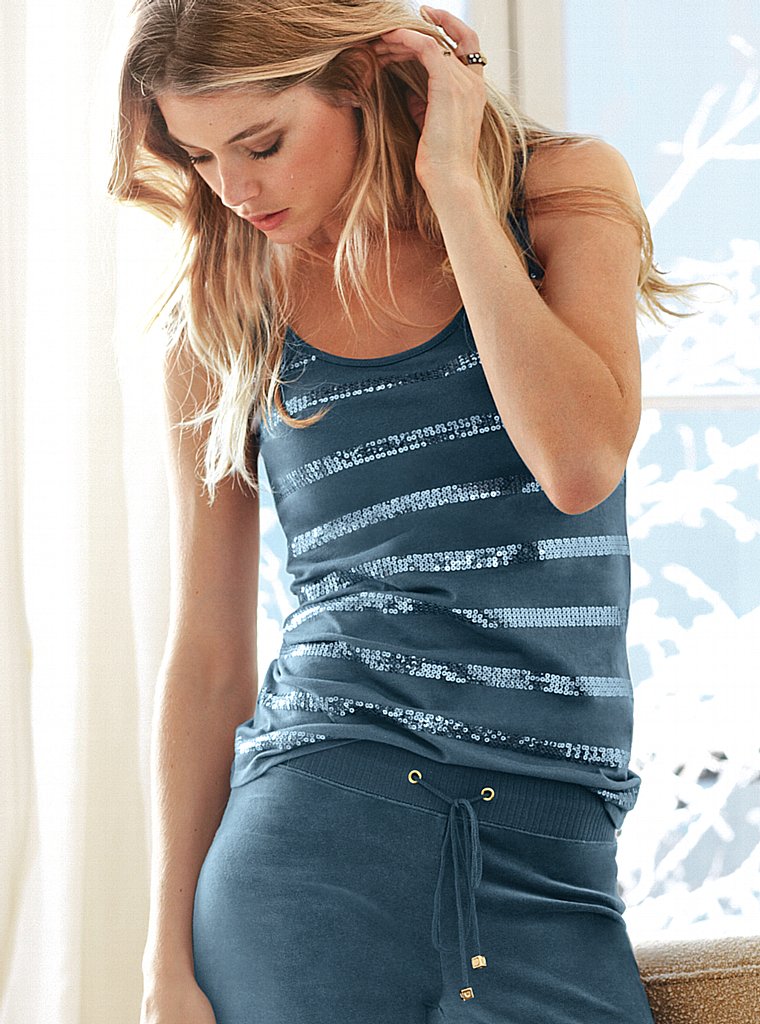
Doutzen Kroes for Victoria’s Secret: The October 2012 Lookbook
A historical look at Doutzen Kroes fronting Victoria’s Secret’s October 2012 fall lingerie lookbook—catalog craft from the Angel-era retail calendar.