
Flattering Bang Hairstyles for Women: Side-Swept, Blunt, and Curtain Fringes
How to match bangs to face shape, texture, and real-life maintenance—plus side-swept, blunt, and curtain options illustrated in the gallery.

Bangs—called fringes in some places—are one of the quickest ways to change how a face reads without committing to a full restyle. They can soften a forehead, balance a strong jaw, add polish to long layers, or give short cuts a finished edge. The flattering versions are not one universal shape; they are cuts that respect face shape, hair texture, density, and how much daily styling you will actually do.
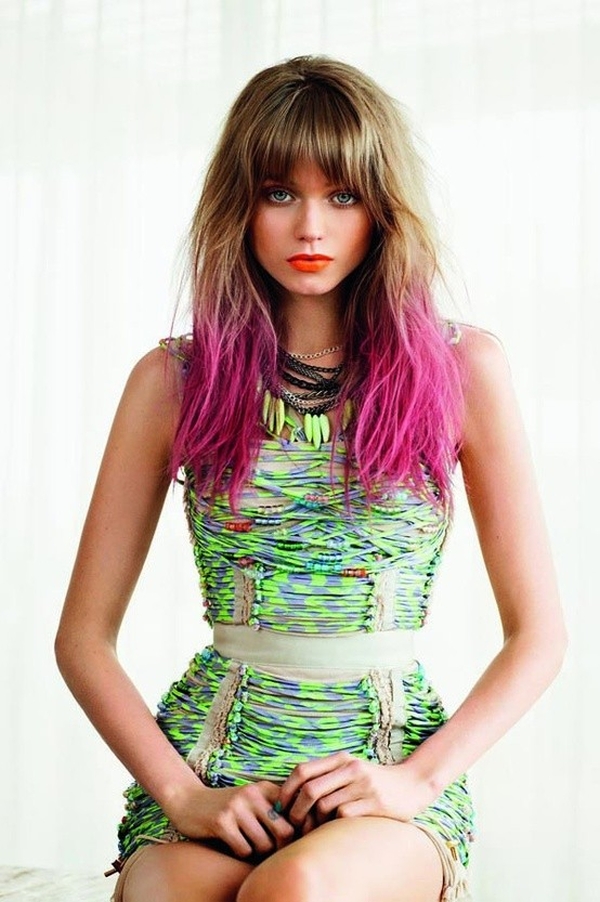
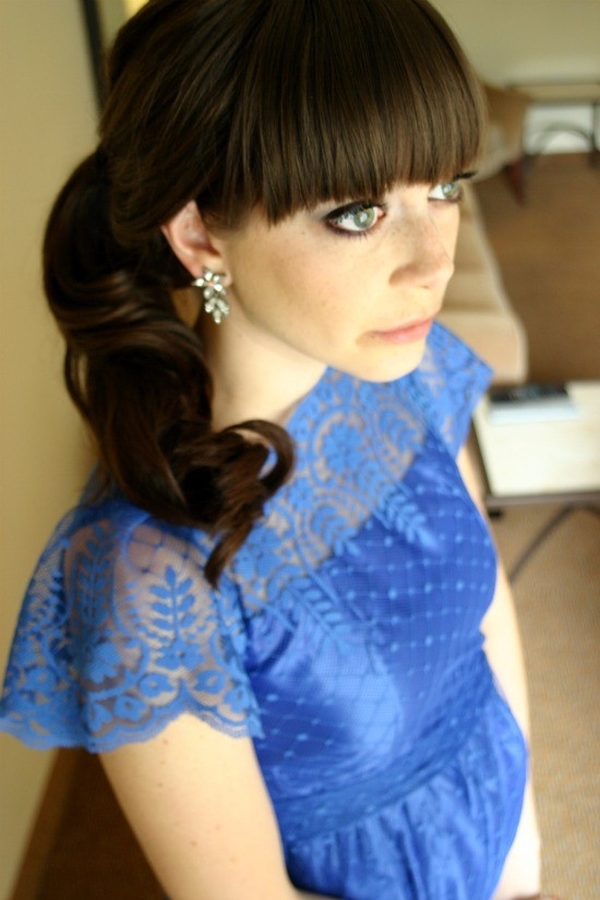
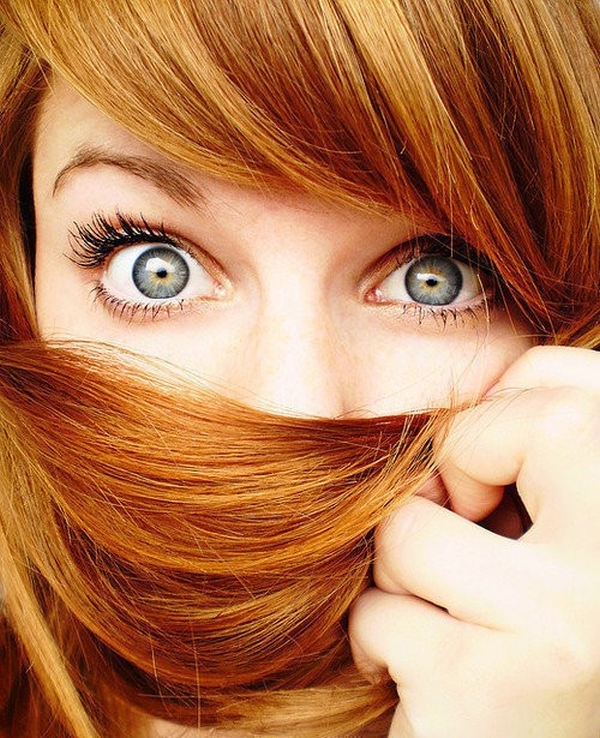
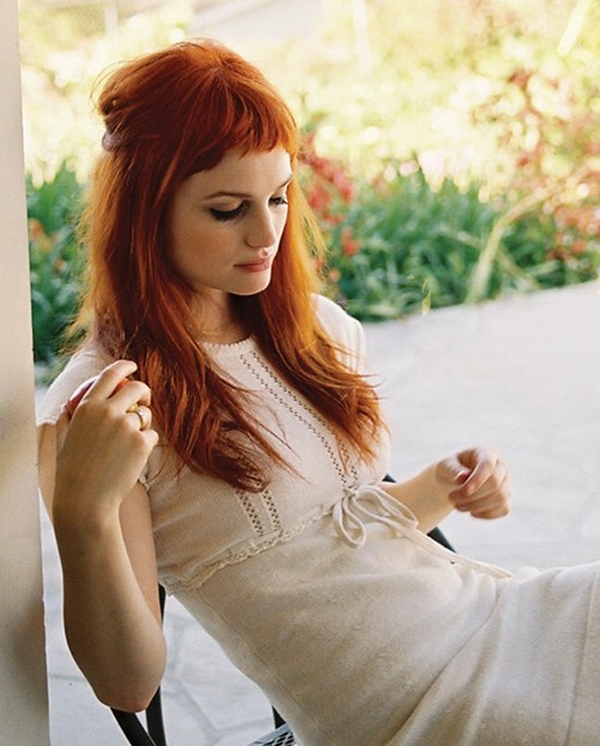
Whatever your color or length, a well-chosen fringe acts like a frame: it directs attention toward the eyes and can make the rest of the cut look intentional. The looks below cover side-swept, blunt, curtain, textured, and longer fringe styles. Use the photographs as a menu of silhouettes, then match the idea to your hair’s behavior rather than to a single celebrity still.
Start with face shape and forehead, not trends
Oval faces usually tolerate most fringe lengths. Round faces often look more elongated with longer, side-swept or curtain bangs that open the center of the face rather than a heavy horizontal line across the brows. Square jaws can soften with wispy or diagonal fringes that break the angular outline. Heart-shaped faces frequently suit fuller bangs that balance a wider forehead, while longer faces benefit from bangs that add width—think brow-grazing cuts with a bit of density rather than ultra-thin strands that disappear into the rest of the hair.
Forehead height and hairline matter as much as the classic face-shape chart. A high forehead can wear a denser fringe; a low hairline may need a lighter, see-through cut so the face does not feel closed in. Cowlicks at the front are a practical constraint, not a personal failure. A skilled cutter will place the parting and length so the fringe falls with the growth pattern instead of fighting it every morning.
If you wear glasses, bring them to the consultation. Frames and bangs compete for the same visual real estate; a stylist who sees both together will cut length that does not constantly collide with lenses. The same goes for frequent hat wearers and people who pull hair back for work—those habits should shape the cut.



Side-swept bangs: the flexible default
Side-swept bangs remain the most forgiving everyday option. Cut longer and angled, they blend into layers, grow out with less awkwardness, and work across many face shapes. They photograph well with soft waves and suit people who want face-framing without the maintenance of a perfect straight line across the brows.
Ask for length that can sit near the cheekbone when swept, not only at the brow; that extra length is what makes the grow-out stage wearable. If your hair is fine, keep the section moderately dense so the fringe does not look sparse by midday. If your hair is thick, request internal thinning or texturizing so the sweep does not sit like a heavy flap that separates into chunks.
Styling is usually a round brush blow-dry directed across the forehead, or a large iron bend set with a cool shot of air. A pea-size amount of cream or a light mist keeps flyaways down without making the fringe greasy. On second-day hair, a touch of dry shampoo at the roots of the bangs often restores shape faster than washing the whole head.

Blunt and brow-skimming cuts
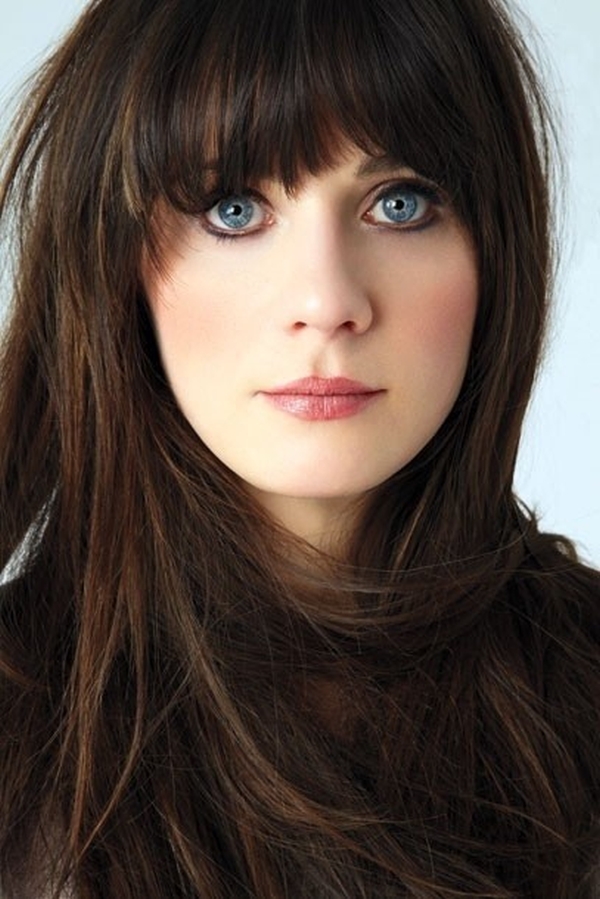
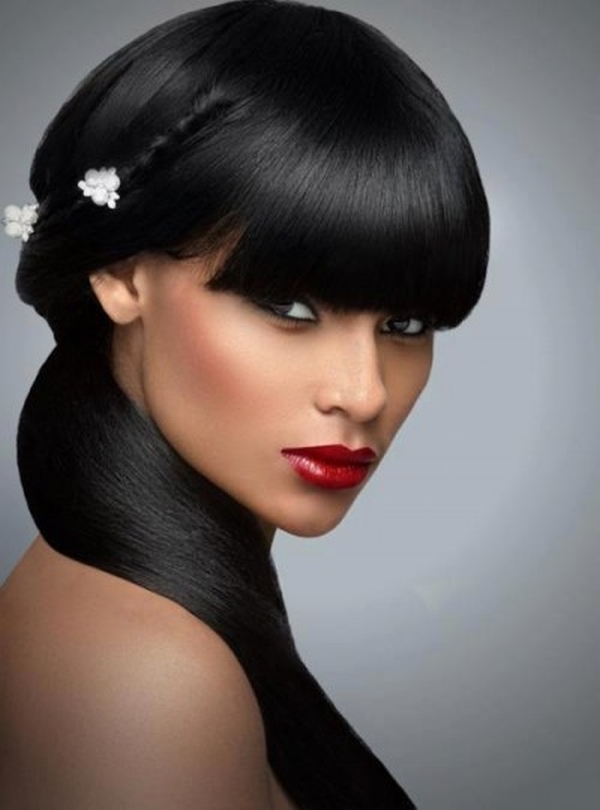
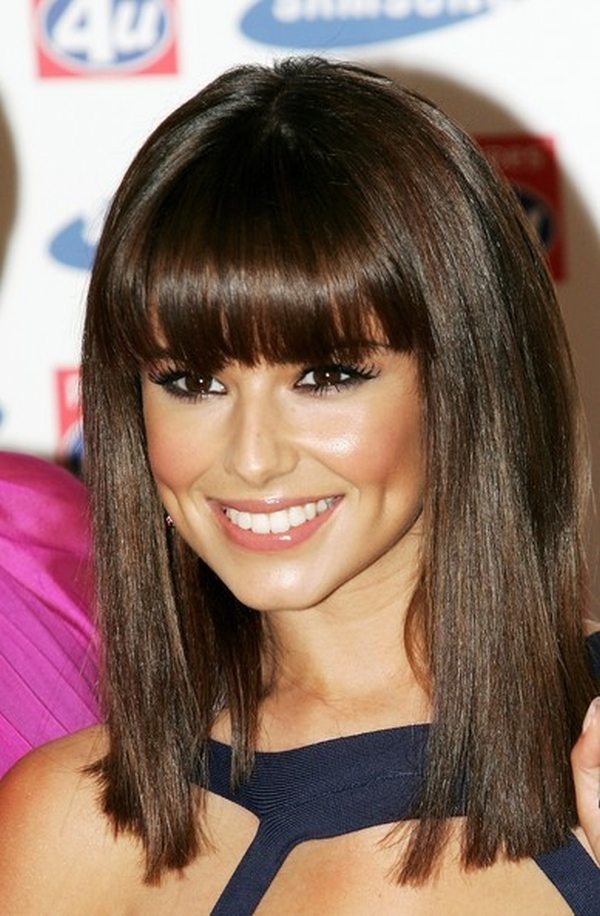
A blunt fringe is a statement: a clean horizontal line that draws attention to the eyes. It flatters strong bone structure and works especially well with straight or gently waved hair that can hold a polished finish. The risk is maintenance. Blunt bangs show every millimeter of growth and every bit of oil at the roots of the fringe, so they ask for more frequent trims than a soft sweep.
Brow-skimming length is often more wearable than ultra-short graphic bangs unless you are committed to salon visits and a bold look. Ask your stylist to check the cut while you are standing, sitting, and smiling; expression changes how short a fringe feels against the brows. For curly hair, blunt bangs should usually be cut dry or with curl pattern accounted for, so they do not spring up shorter than intended after the first wash.
If you love the look in photos but doubt the upkeep, ask for a soft blunt—still mostly straight across, but with slight point-cutting so the line is less severe and the grow-out is kinder.

Curtain and center-part fringes
Curtain bangs split toward both sides, longer at the outer edges and shorter or face-framing near the center. They suit people who want openness at the forehead and a soft, contemporary look that still references older center-part styles. They also grow out more gracefully than a hard blunt line because the longest pieces already merge into the rest of the hair.
Center parts emphasize symmetry; if your features are asymmetrical, a soft off-center curtain can look more natural. Thick hair may need point-cutting so the curtains move instead of forming two heavy panels. Fine hair may need a slightly denser center so the part does not expose too much scalp when the fringe separates during the day.
Styling curtains often means drying them forward first, then parting and sweeping each side with a brush or fingers. That sequence helps them sit with body rather than collapsing flat against the forehead.
Texture, density, color, and lifestyle
Hair that is naturally oily at the front will show bangs’ weak spot first: midday shine and separation. Dry shampoo at the roots of the fringe, not the mid-lengths, helps. Very curly or coily textures can wear beautiful bangs, but the cut must respect shrinkage and the styling method you use daily—twist-outs, wash-and-go, stretched styles, or heat styling all change how a fringe sits by evening.
Consider your mornings honestly. If you will not blow-dry, choose a cut that looks intentional air-dried—often a longer, piecey, or curtain shape. If you already heat-style daily, a sharper blunt fringe is more realistic. Swimmers and heavy exercisers should plan for sweat at the hairline; clips, headbands, or a slightly longer fringe that can be pinned become part of the design, not an afterthought.
Color interacts with shape. High-contrast roots growing into a pale fringe can look intentional or unfinished depending on the overall color plan. Discuss root touch-up timing when you cut bangs so you are not surprised two weeks later. Highlights through a fringe can add softness; a solid dark fringe against lighter lengths can look graphic and deliberate.
Salon talk, grow-out, and a quick decision checklist
Bring reference photos that show angle and density, not only a celebrity’s face. Say what you dislike as clearly as what you like: too short, too heavy, needs to sweep, must work with sunglasses. Ask how often trims are recommended for that specific cut. A good stylist will also offer a soft entry—leaving length that can be adjusted after you live with the fringe for a week.
If you are growing bangs out, micro-trims keep ends healthy while you train hair back into layers. Side-swept styling, barrettes, and blending cuts turn the awkward stage into a longer face-framing piece rather than a stubborn shelf across the brows.
- What problem should bangs solve—softening, balancing, or finishing a cut?
- How many minutes will you style them on a normal weekday?
- Do glasses, hats, workouts, or humidity change the plan?
- Is your front hairline cooperative, or does it need a longer, angled cut?
Answer those four before you sit in the chair. The flattering fringe is the one that still looks like you on a Tuesday morning, not only under salon lights.

Comments
Continue reading

Braided Bangs Ideas for Every Hair Length
From soft side sweeps to French and Dutch fringe braids, explore braided bang styles that work for everyday looks, updos, and growing-out fringes.
Funny Animal Signs That Warn People (While Animals Ignore Them)
From a seagull on a no-birds disc to classic zoo and park ironies—why animal warning signs get funny, and what the rules are still for.
How to Find Local Amenities on Vacation: Mechanics, Haircuts & More
Locate trustworthy local services and everyday spots while traveling or settling in—using publications, reviews, map apps, neighbor tips, and low-pressure exploration.