
Braided Bangs Ideas for Every Hair Length
From soft side sweeps to French and Dutch fringe braids, explore braided bang styles that work for everyday looks, updos, and growing-out fringes.
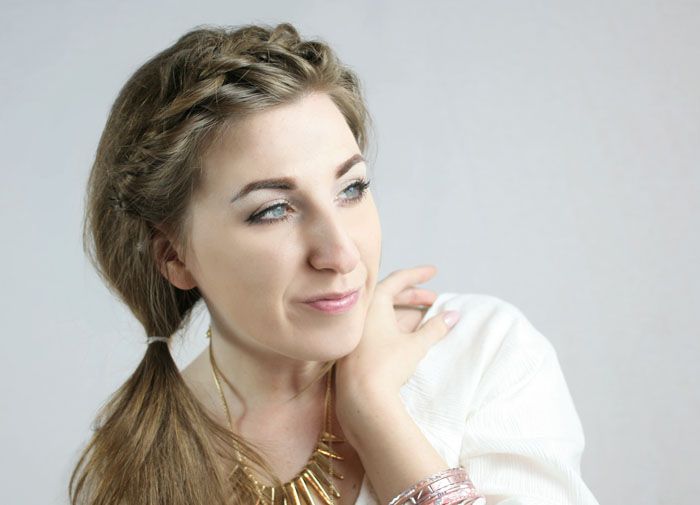
Most people do not fall out of love with their hair overnight. They simply get tired of the same parting, the same tuck-behind-the-ear move, the same silhouette in every mirror selfie. Braids, updos, and ponytails remain the reliable fix—but braided bangs deserve their own spotlight. They freshen a familiar cut without forcing a full restyle, and they work across short, medium, and long lengths. Done well, a braid at the front can look polished enough for an evening out and soft enough for a weekday commute.
This guide gathers different approaches to braided bangs: classic side sweeps, crown-hugging plaits, playful mini braids, and wedding-ready combinations. The ideas below are meant as inspiration you can take to a stylist—or practice at home with a mirror, a few clips, and patience for a second attempt.
Why braided bangs travel so well
Bangs frame the face. When you braid that framing section, you add texture where the eye lands first. The result can look neat without looking severe, romantic without looking costume-like. A single braid along the hairline can replace a blunt fringe on humid days. A pair of braids can hold layers away from the eyes while still showing off cheekbones. For growing-out bangs, braiding is often kinder than constant pins and spray.
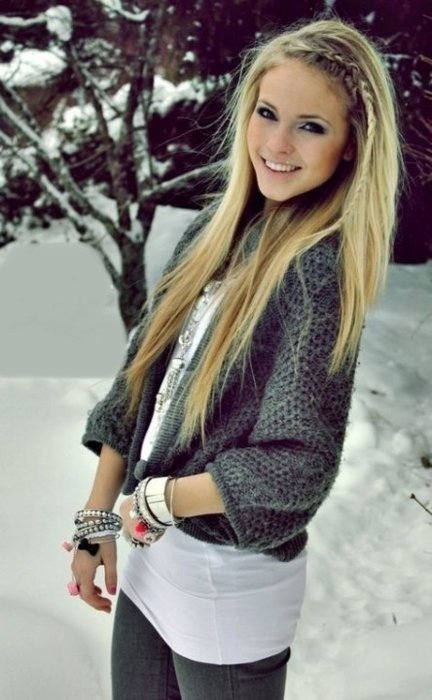
Outfit range is another reason these styles stick. A soft side braid sits comfortably with a sweater and jeans. A tighter French braid across the forehead can hold its own next to a blazer. For weddings and formal events, braided bangs tuck into larger updos so the front stays intentional even when the back is elaborate.
Soft side sweeps and face-framing plaits
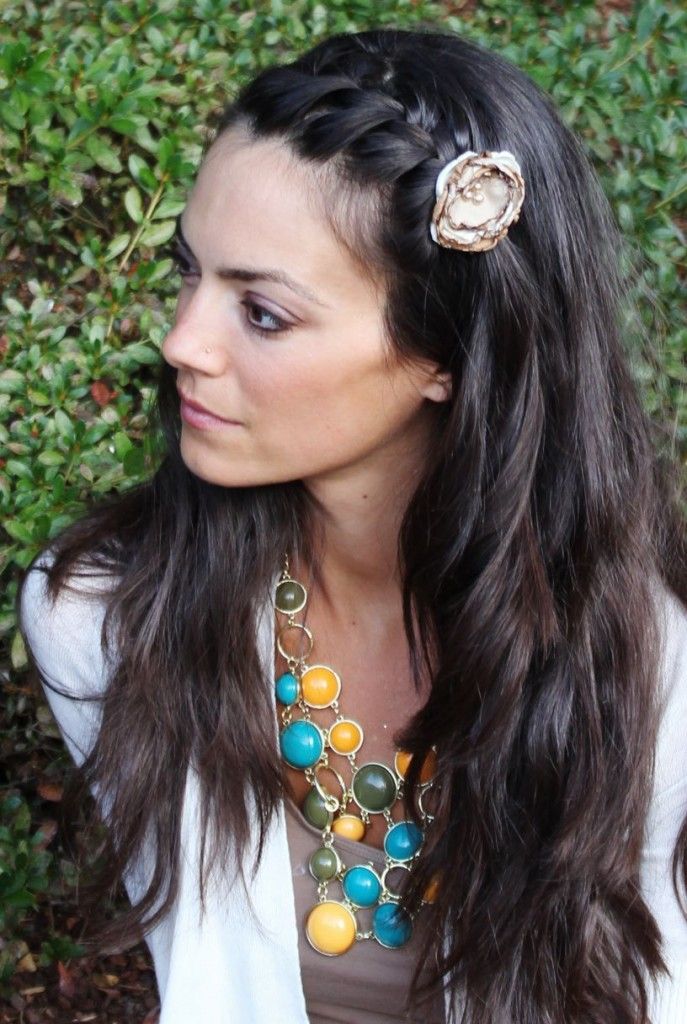
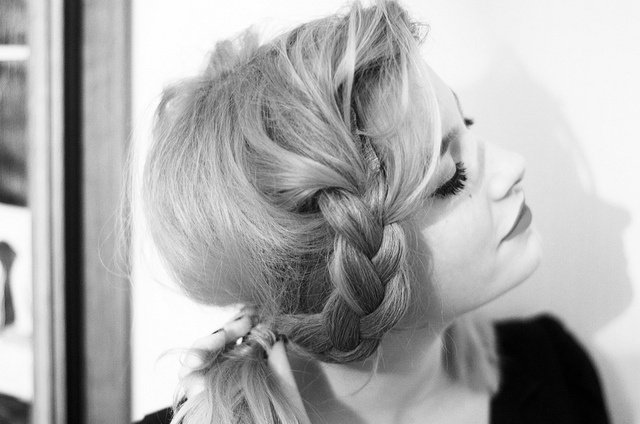
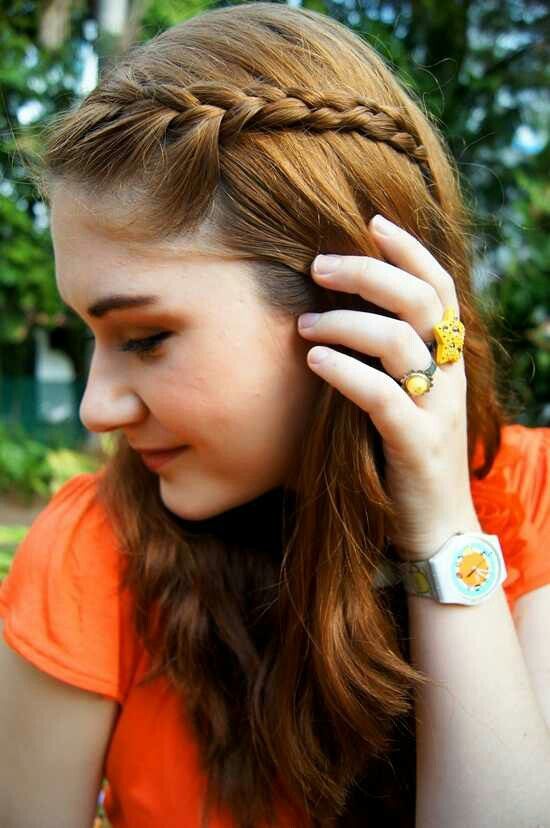
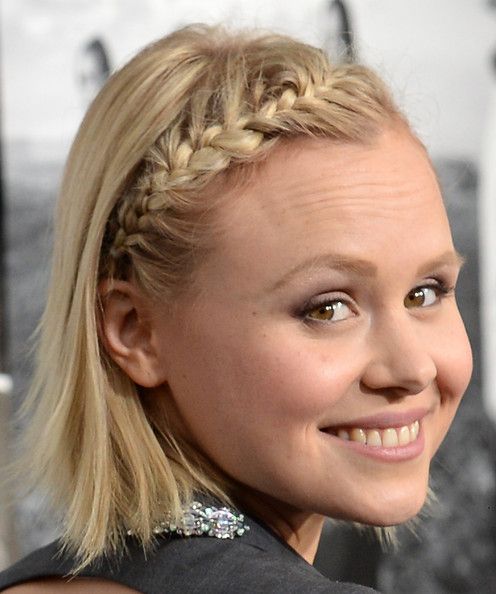
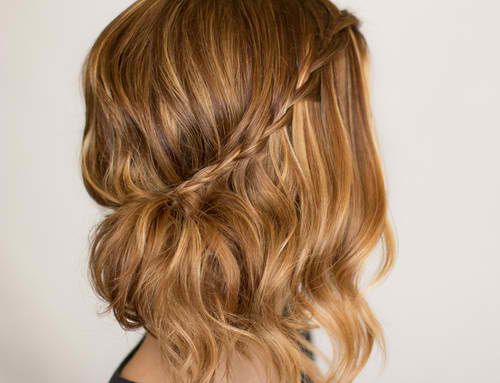
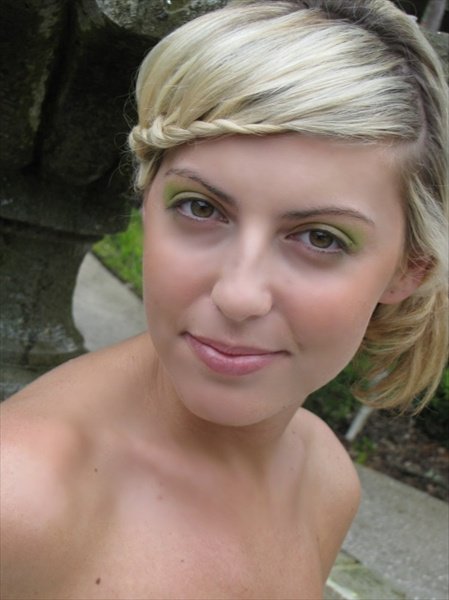
The gentlest entry point is a side-swept braid that begins near the part and travels toward the temple or ear. Leave the rest of the hair down or loosely waved. The braid does the styling work; the length can stay simple. This look suits people who want change without committing to a full braided hairstyle.
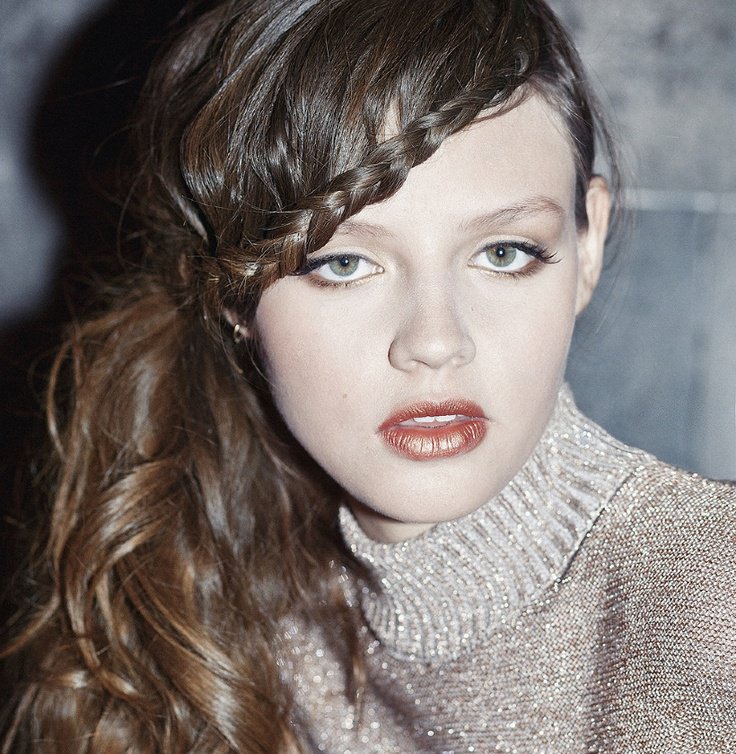
A slightly thicker face-framing plait—started with a deeper section at the hairline—reads more deliberate. It can follow the curve of the brow or sit just above it, depending on how much forehead you want to show. If your natural bangs are growing out unevenly, this braid can disguise the awkward mid-length stage while still looking finished.
French and Dutch braids across the fringe
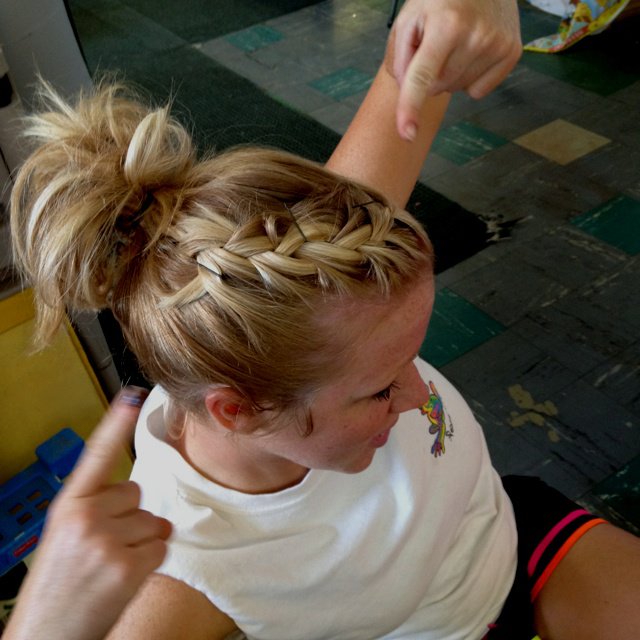
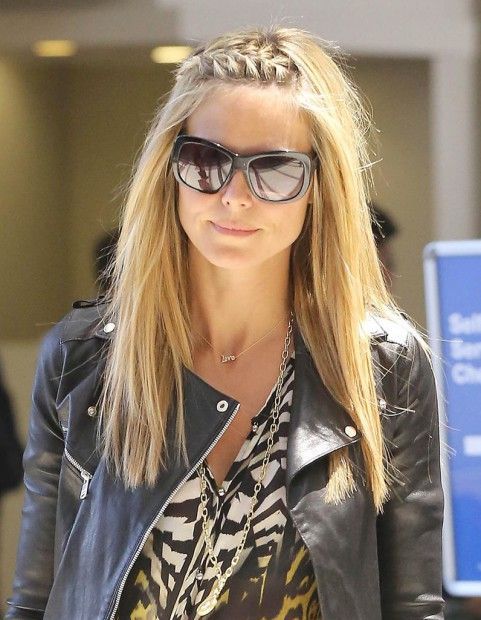
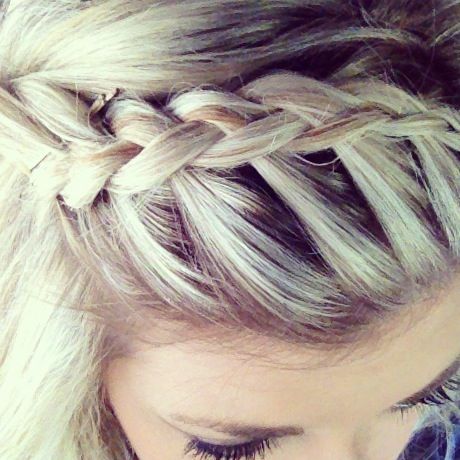
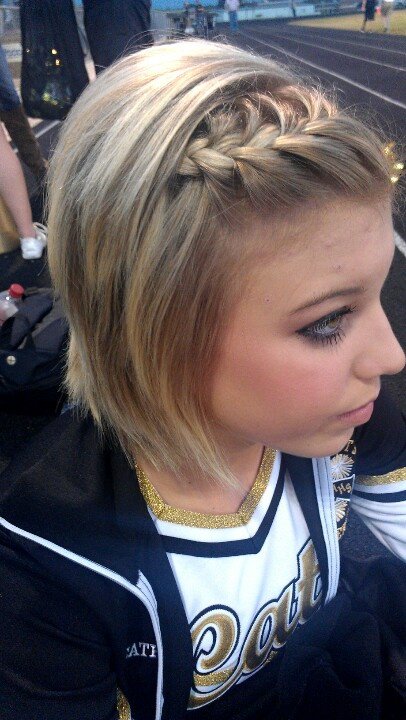
French braids (picking up new hair as you go) and Dutch braids (the inverted version that sits raised on top of the head) are the workhorses of braided bangs. A French braid across the fringe keeps the surface smooth and elegant. A Dutch braid creates a raised ridge that photographs well and holds better through movement.
Try starting at one temple and braiding toward the opposite side, then pinning the end behind the ear or weaving it into a low pony. Or begin at the center of the forehead and split into two mirrored braids for a more graphic, balanced look. Fine hair often benefits from a light texturizing spray before you start; thick hair may need smaller sections so the braid does not become bulky at the front.
Mini braids, ladders, and playful details
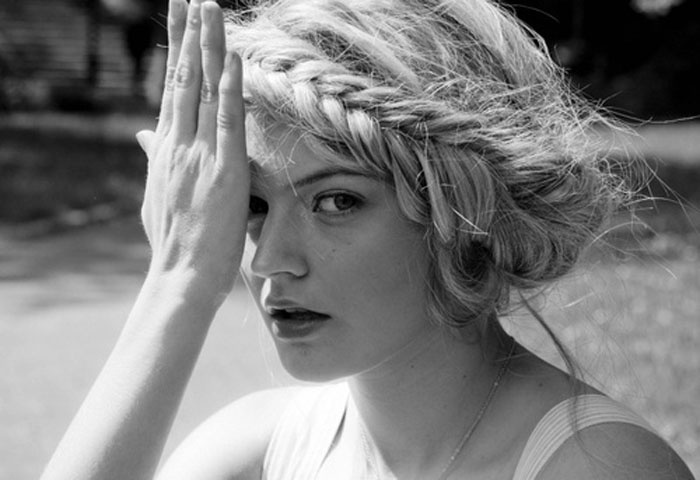
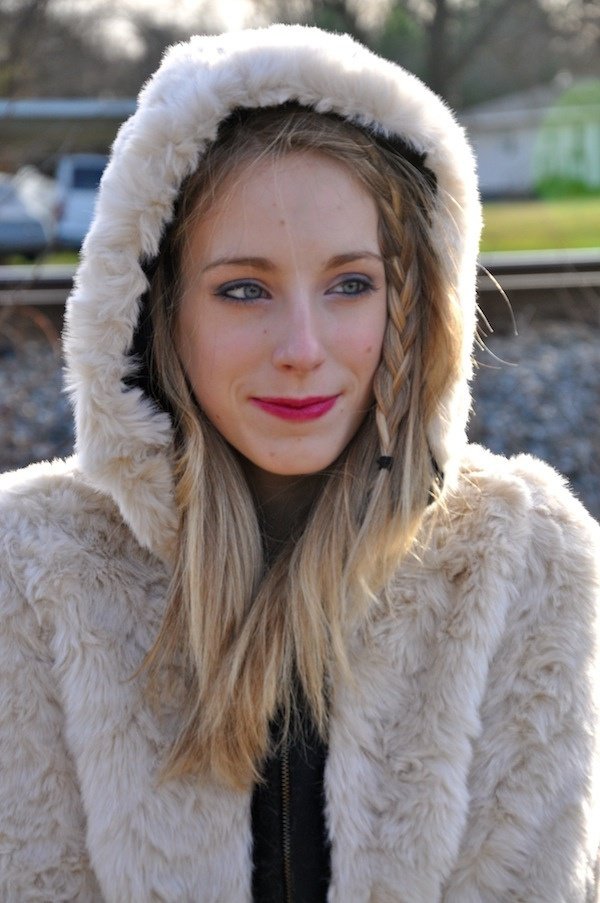
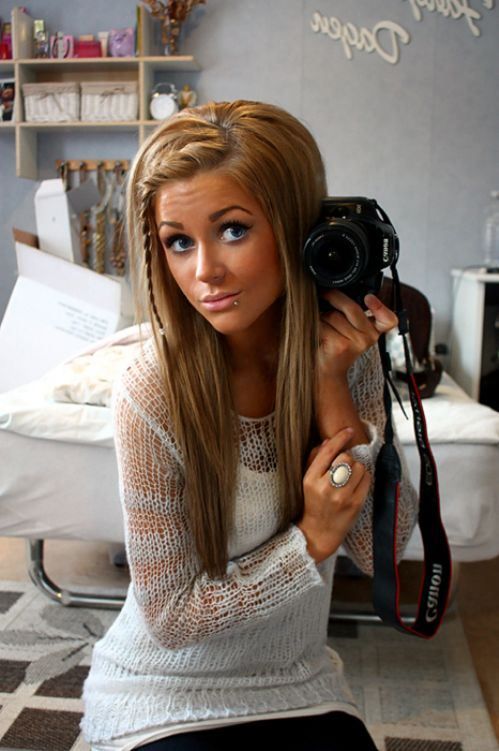
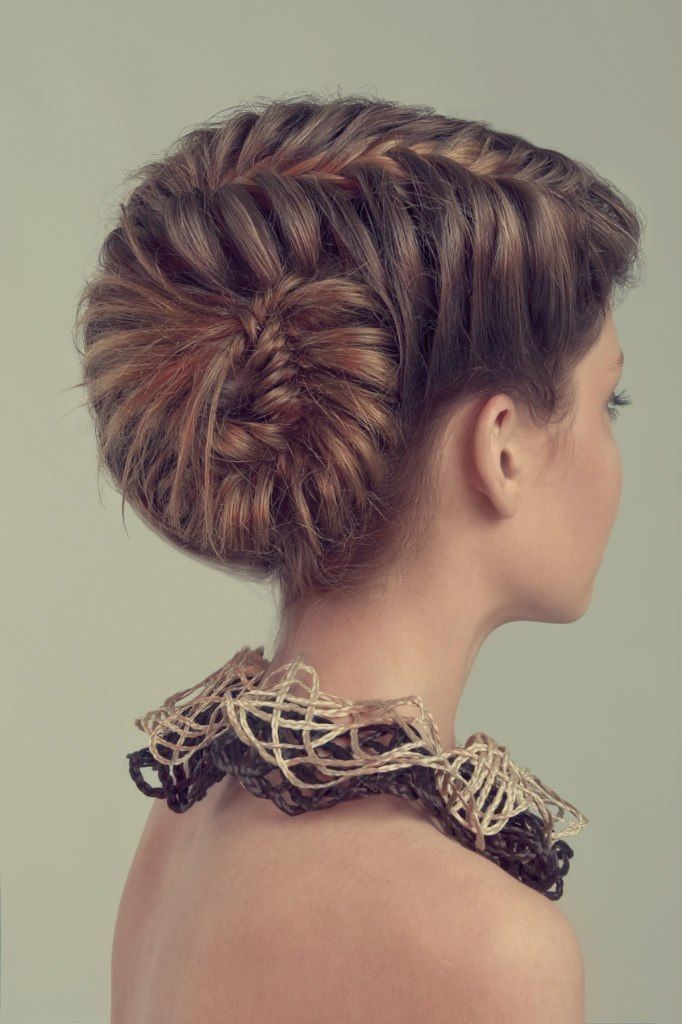
Not every braided bang has to be a single statement plait. Tiny braids scattered through the fringe add detail without changing the overall silhouette much. Ladder braids and fishtail sections can sit within longer bangs as accents. These styles suit festivals, creative workplaces, and anyone who likes hair that rewards a second glance.
Keep scale in mind. On short bangs, one or two mini braids are usually enough. On longer curtain bangs, you can braid only the outer pieces and leave the center soft. Secure ends with clear elastics, then gently pancake (pull apart) the braid loops for a softer, thicker look—or leave them tight for a sharper line.
Braided bangs with updos and formal looks
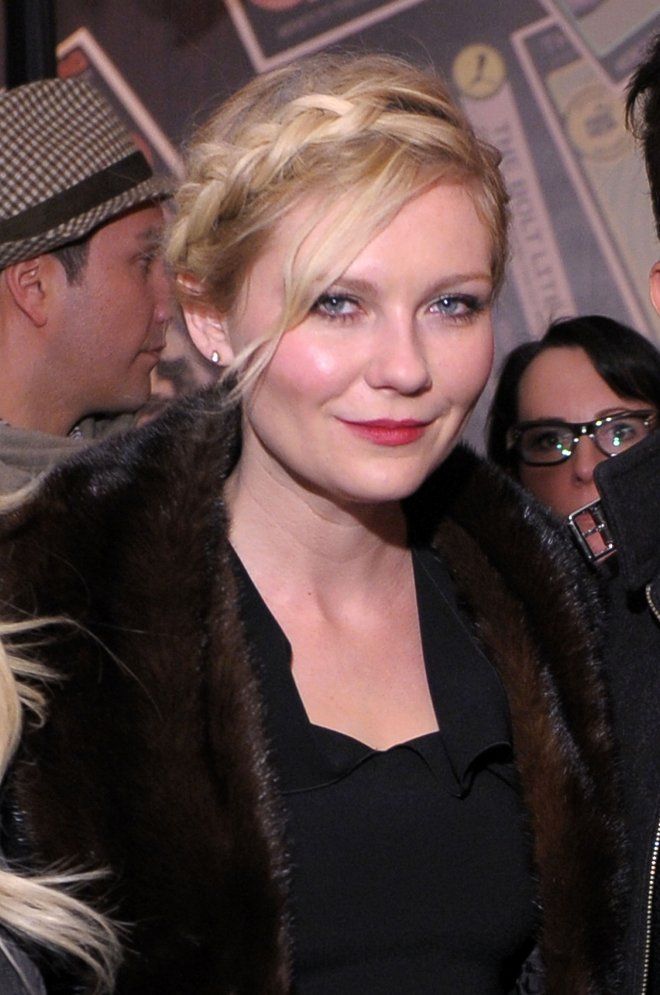
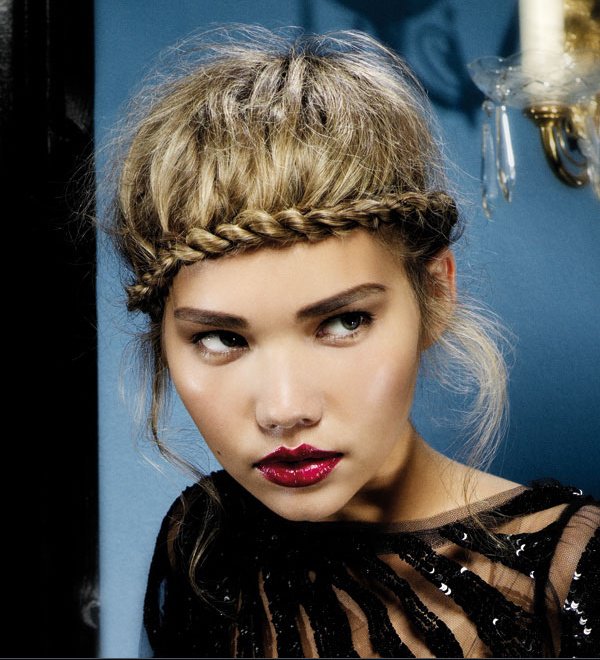
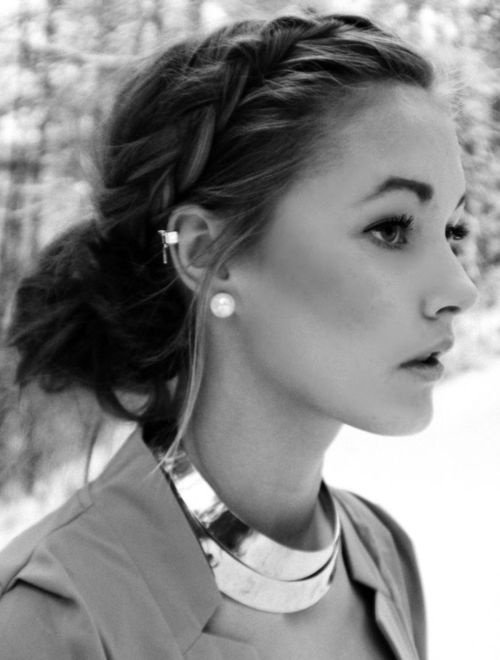
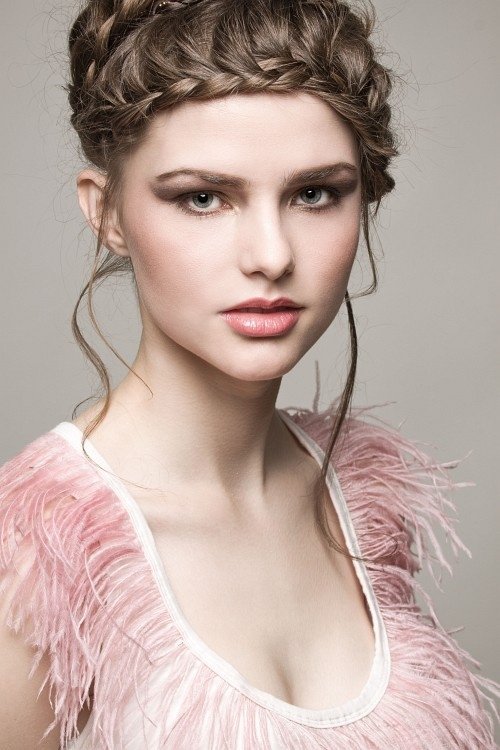
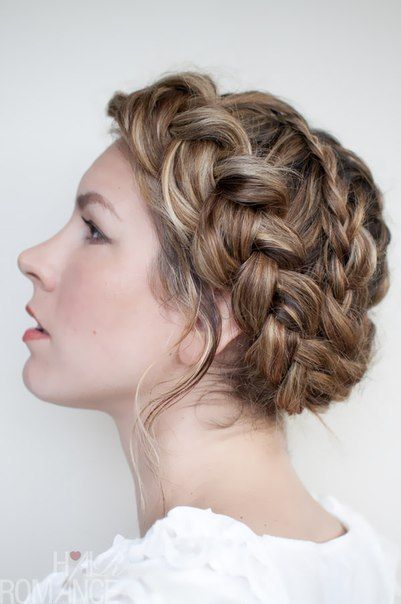
For weddings, parties, or any day you want hair off the neck, braided bangs become the front chapter of a larger style. A braid can lead into a low bun, a twisted crown, or a classic chignon. The advantage is control: pins alone can slip; a braid gives the stylist a structure to wrap around.
Ask for a braid that starts soft at the hairline and tightens as it joins the updo. That gradient keeps the face approachable while the back stays secure for dancing and photos. Flowers, pins, and thin ribbons can sit along the braid path, but they are optional—the braid itself is already decoration.

Short hair, long hair, and in-between lengths
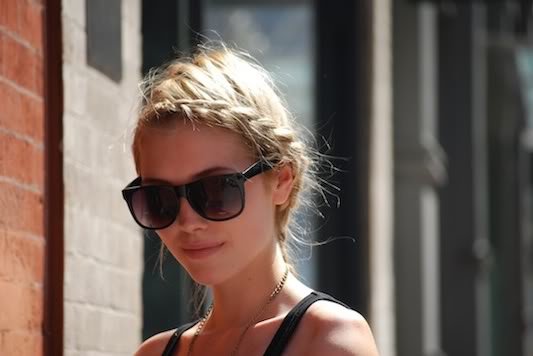
Short cuts can still wear braided bangs if there is enough length at the front to form three strands. A micro side braid or a short Dutch ridge along the part can redefine a pixie or bob without needing length down the back. Medium lengths are the most flexible: braid the fringe, leave the rest wavy, and you have a complete look in minutes.
Long hair offers drama—braided bangs can continue into a full side braid, or stop at the temple while the length stays free. If your hair is very long and heavy, secure the braid end firmly so it does not drag and loosen through the day. A hidden bobby pin at the ear is often enough.
Messy versus polished: choosing a mood
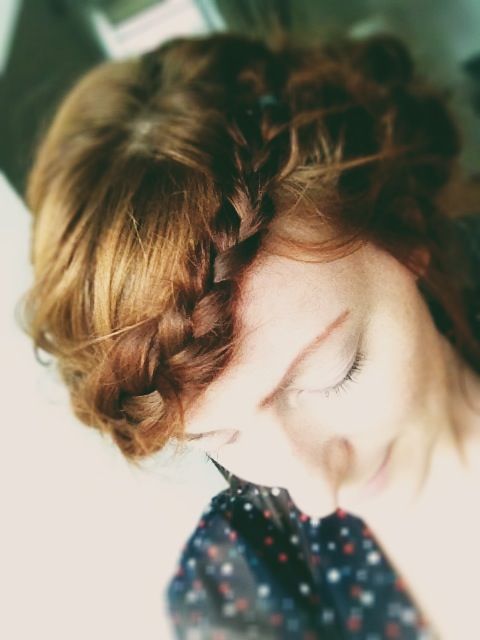
Some braided bangs are meant to look lived-in: flyaways left alone, ends tugged wide, a little volume at the crown. Others are sleek, with every strand smoothed into the plait and a light shine spray at the finish. Neither is more “correct.” Match the braid’s finish to the rest of your outfit and the occasion.
If you wear bold makeup or statement earrings, a cleaner braid usually balances better. If your look is casual—denim, soft knits, minimal jewelry—a looser braid feels more natural. Practice both. The same braid pattern can read completely differently once you change tension and finish.

Practical tips before you start
Work on hair that is not freshly slippery from heavy conditioner if you want grip; second-day hair often braids more easily. Section cleanly with a fine-tooth comb. Keep elbows lifted so your braid stays even. If one side of your fringe is thinner, start with a slightly smaller section on that side so the finished braid does not look lopsided.
Finish with a light mist of flexible hairspray rather than a helmet-hard formula—you still want the bangs to move a little. For sleep or travel, wrap the braid loosely and secure with a soft scrunchie so you do not wake up with a sharp crease across the forehead.
- Choose side-sweep for everyday ease; French or Dutch for hold and structure.
- Match braid tension to the occasion—loose for casual, tighter for formal.
- Use braided bangs to grow out a fringe without constant clips.
- Pin ends behind the ear or into an updo so the front stays intentional all day.

Comments
Continue reading
Elegant Updo Hairstyles: Braids, Buns, and Soft Coils
Polished updos that stay wearable—braided structure, low knots, texture tips, and how to match the silhouette to neckline and occasion without looking overdone.
Flattering Bang Hairstyles for Women: Side-Swept, Blunt, and Curtain Fringes
How to match bangs to face shape, texture, and real-life maintenance—plus side-swept, blunt, and curtain options illustrated in the gallery.
Funny Animal Signs That Warn People (While Animals Ignore Them)
From a seagull on a no-birds disc to classic zoo and park ironies—why animal warning signs get funny, and what the rules are still for.