
Logan Zillmer’s Surreal Photography and the 365 Daily Challenge
American conceptual photographer Logan Zillmer turns props, Midwest fields, and Photoshop finish into surreal illusions forged during his year-long 365 project.
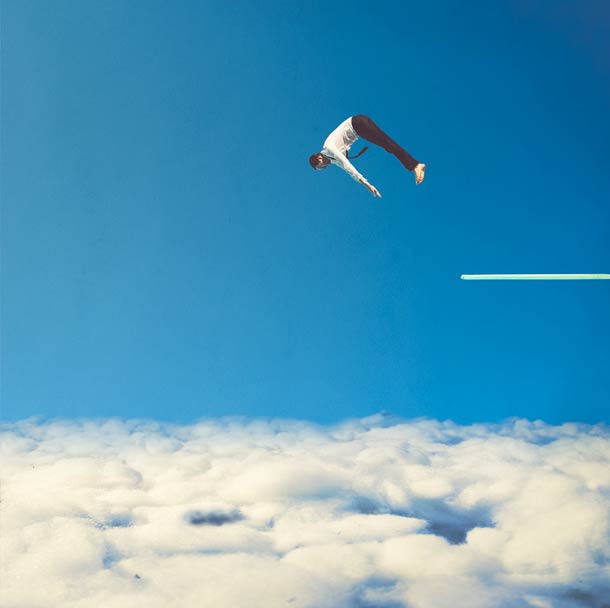
Logan Zillmer builds photographs the way a set designer builds a scene: start with an idea, gather props and light, shoot what can be made real in front of the lens, then finish the illusion where practical methods stop. An American conceptual photographer from the Midwest—often associated with Grand Rapids, Michigan—he became widely known through a daily practice that forced invention on a calendar. Beginning around New Year’s Day 2013, he committed to a “365” project: one fresh image a day, collected into a year-long series of surreal and conceptual frames.
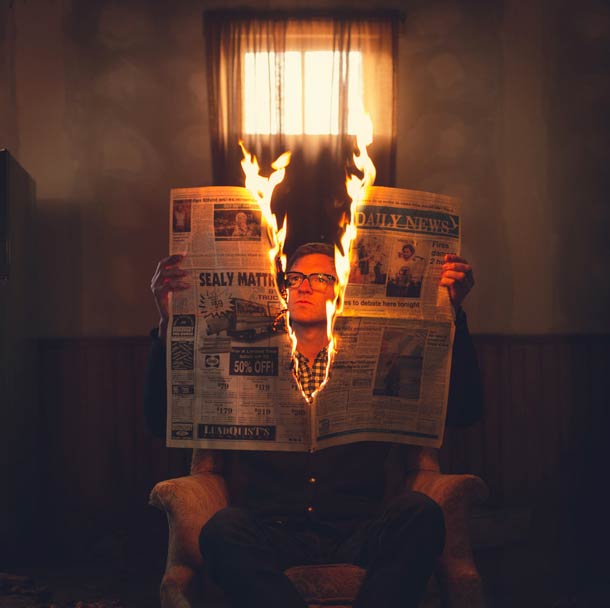
That challenge did more than fill a Tumblr feed. It turned photography from occasional craft into a daily problem-solving habit. Everyday objects, empty fields, office furniture, and solitary figures become materials for visual riddles. Physics looks negotiable. Scale slips. A ladder, a chair, a beam of light, or a carefully held reflector can become the hinge of an entire narrative. Scroll the selection below and you meet that vocabulary in concentrated form: clean compositions, odd premises, and just enough realism to make the impossible feel photographed rather than drawn.
The 365 project as creative pressure cooker
Zillmer has said he was not practicing conceptual surreal photography in a serious way until the daily project began. Before that, film-school training and earlier portrait experiments had left him unevenly attached to the camera. The New Year resolution changed the terms. Instead of waiting for inspiration or for a “pure” documentary moment, he let imagination dictate the frame. One image a day is a merciless teacher. Some days yield elegant ideas; other days force imperfect solutions. Over months, the imperfect solutions teach technique, and the elegant ones teach taste.
By the end of a year, expectations rise faster than available hours. That tension is part of why 365 projects are famous and exhausting. Zillmer has noted that completing the run solidified his love of the medium and helped him develop a recognizable method: sketch an idea, solve it like a puzzle with in-camera tricks and props, then use self-taught Photoshop work to arrange and refine. The finished pictures often look seamless. Behind them sits a maker’s logic—remove enough reality from a real photograph that a different scene can take its place.
The series also functioned as a public diary of growth. Early images can feel simpler; later ones stack more ambitious practical effects. Viewers who followed day by day watched a style harden in real time. For everyone else, the archive still reads as a catalog of experiments: isolation, absurd humor, suburban critique, quiet wonder, and the occasional office-world nightmare staged outdoors. The Midwestern backdrop is not incidental. Sparse fields and quiet roads give the surreal object room to dominate without competing with dense city clutter.
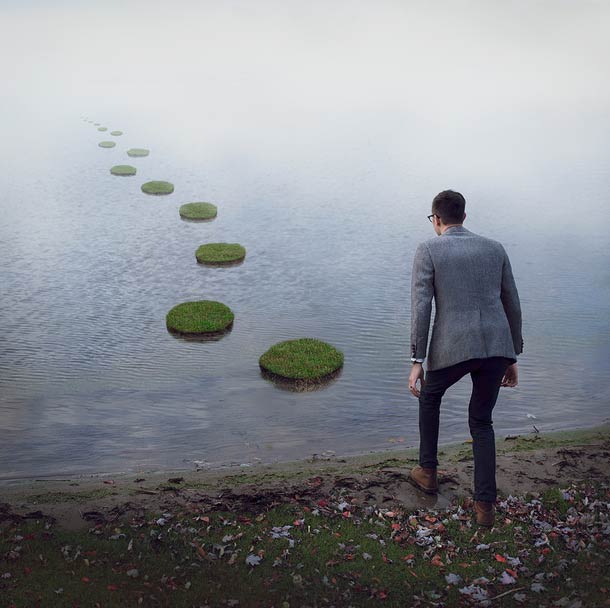
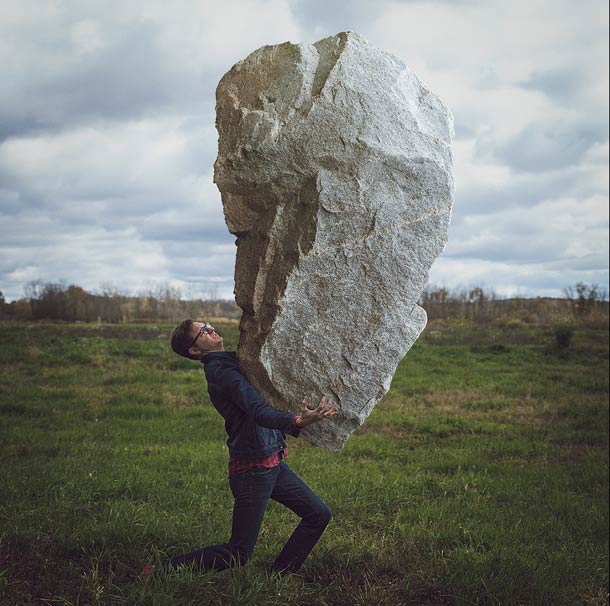
How the illusions are built
What separates Zillmer’s surrealism from pure digital collage is the visible respect for photographic light. Shadows usually behave. Horizons stay believable. Figures cast weight. That credibility comes from doing as much as possible on set—jerry-rigged lighting, DIY props, carefully timed exposures—before composite work begins. A shining square over a landscape might begin as a person holding a reflector rather than as a painted shape. A floating object might start as something suspended, photographed, then cleaned. Photoshop becomes the final carpenter, not the only architect.
That hybrid process matters for how the pictures feel. Pure CGI can invent anything; Zillmer’s best frames invent just enough while still smelling like Midwestern air and real dirt. The empty fields and spare backdrops of his region become stages. Minimal landscape is useful: fewer competing details mean the conceptual object can dominate. Surrealism here is not baroque excess. It is a single strange premise given room to breathe.
Practical photography also sets limits that improve ideas. If you must burn, lift, dig, or hold something in wind, the concept has to be worth the effort. That filter weeds out lazy metaphors. When an image survives the day of shooting and the night of editing, it usually has a clear visual thesis: one contradiction, one scale shift, one object asked to behave wrongly in a world that otherwise looks correct.
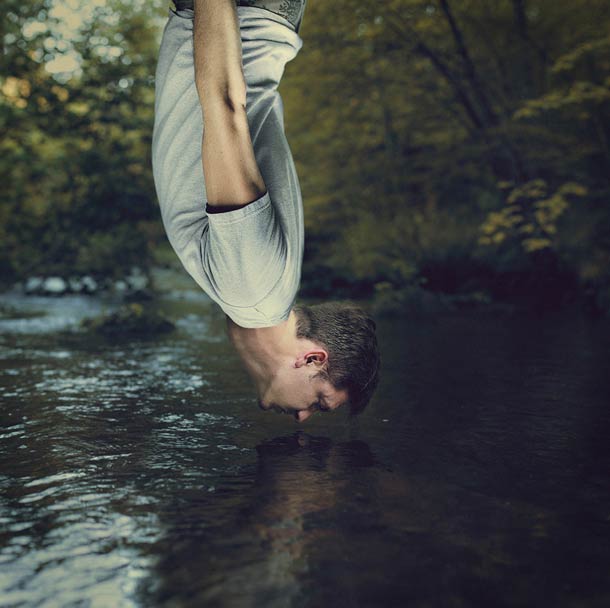
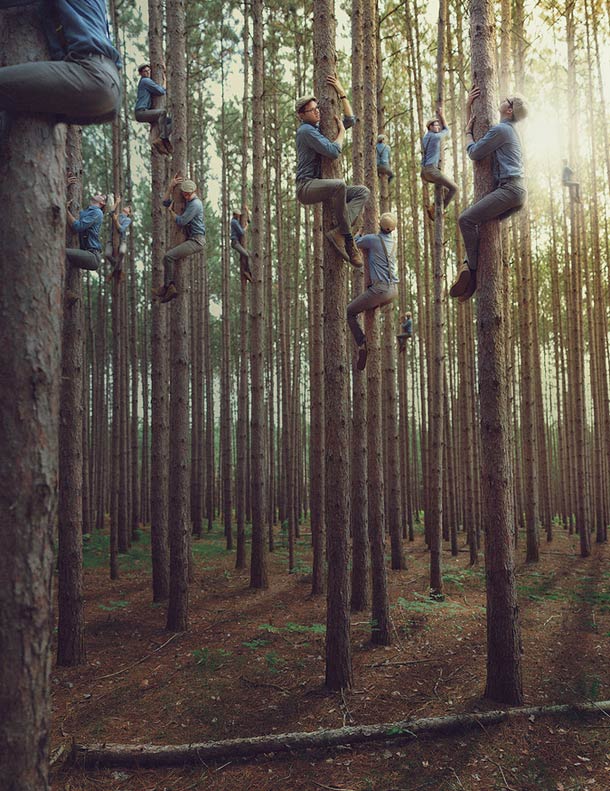
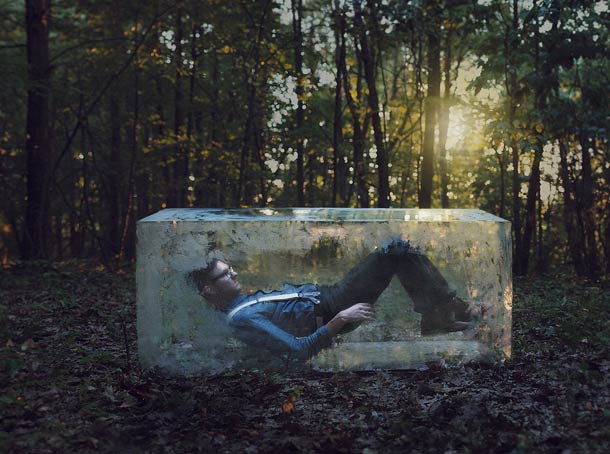
Themes inside the gallery
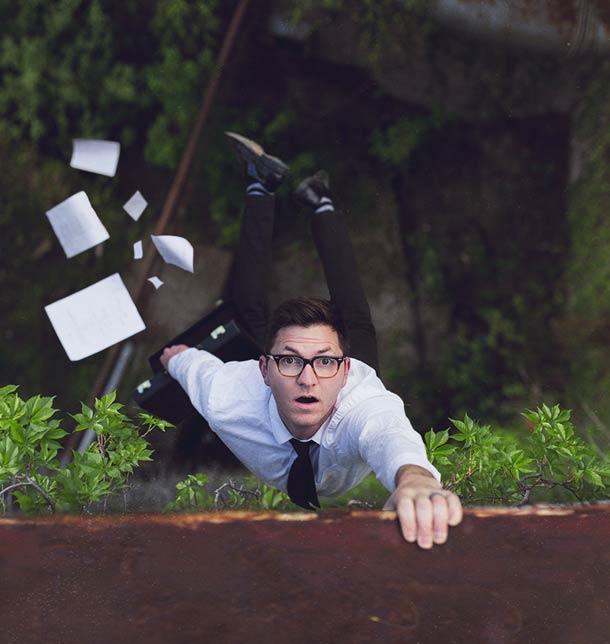
Across the images gathered here, several themes recur. Solitude appears often: a lone body negotiating an open space or an impossible task. Humor appears too—deadpan rather than slapstick—when ordinary furniture or gestures are pushed into dream logic. There are hints of self-scrutiny and workplace absurdity, the kind of ideas that arrive after a long day and demand to be staged before they evaporate. Some frames feel almost allegorical; others feel like one-line visual jokes that somehow stay eerie.
Color and negative space do heavy lifting. Many compositions keep backgrounds quiet so the central anomaly can read instantly. That graphic clarity is why the work travels well in a scroll: you understand the premise in a second, then return to study how the edges were sealed. Look for seams and you may find them; look for intention and you will find more. The “how” is interesting, but the “why this object, why this scale” is what keeps the pictures from becoming mere trick shots.
Vertical frames and wide frames ask different questions. A tall composition can stack imbalance—ground, figure, sky anomaly—into a single tower of attention. A wide frame can isolate a small impossibility inside a large calm landscape, which is often more unsettling than filling the rectangle with effects. As you move through the gallery, notice which images use emptiness as a character. In Zillmer’s stronger pieces, emptiness is not leftover space; it is the silence that makes the wrong note audible.
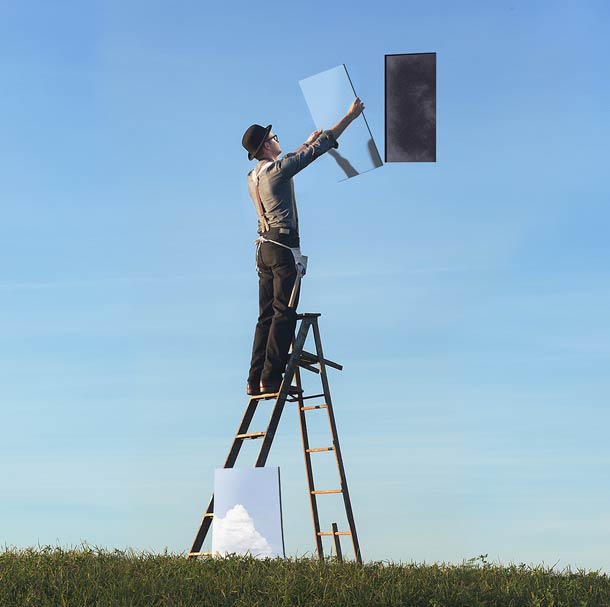
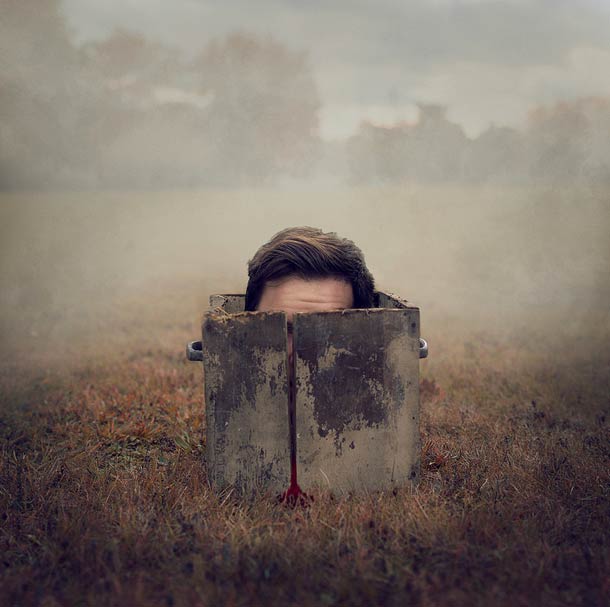
From daily posts to a recognizable voice
The 365 project eventually ended, but its lessons stayed. Zillmer continued making conceptual work with the same hybrid toolkit, and the daily discipline had already done its career-shaping job: it taught him to live creatively under deadline and to trust odd ideas enough to build them. Recognition followed in photography and art media that highlighted his illusions alongside other contemporary surrealists who mix practical sets with digital finish. Being listed among photographers to watch during the Tumblr-era circulation of the project was less a finish line than proof that a private challenge could become a public language.
For viewers, the useful takeaway is not “do a 365 or else.” It is that constraint can be a style engine. A day is short; an idea must be staged with whatever is available. That pressure favors bold premises and efficient compositions—exactly the qualities that make these frames memorable in a gallery scroll. Constraint also teaches editing: when you must publish something, you learn which ideas deserve more time tomorrow and which were only clever for an afternoon.
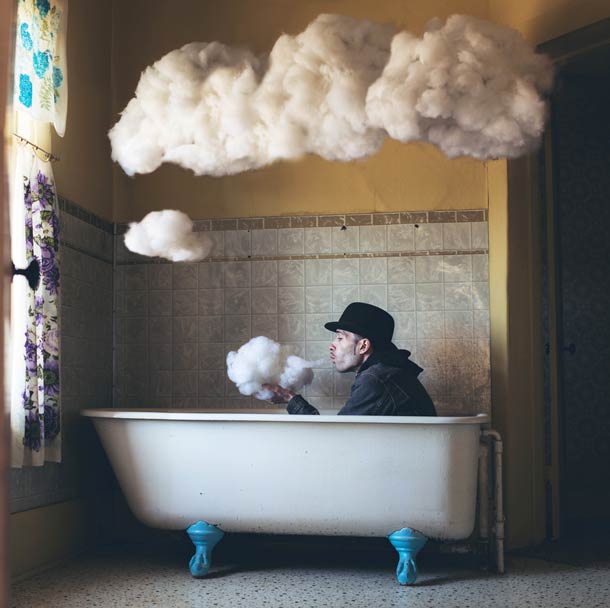
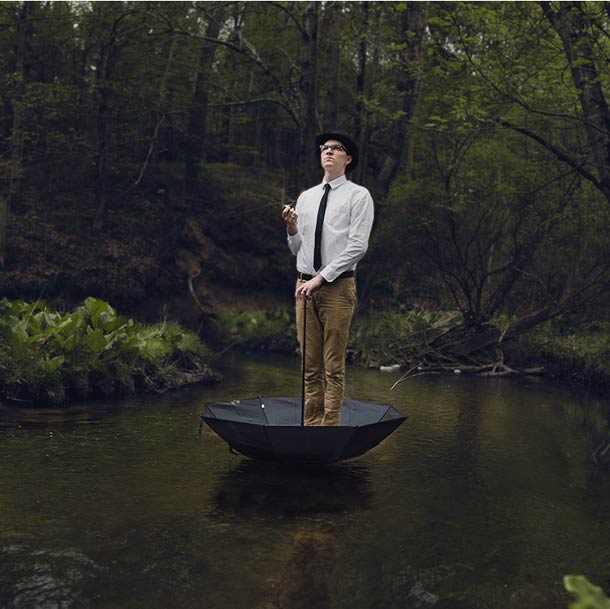
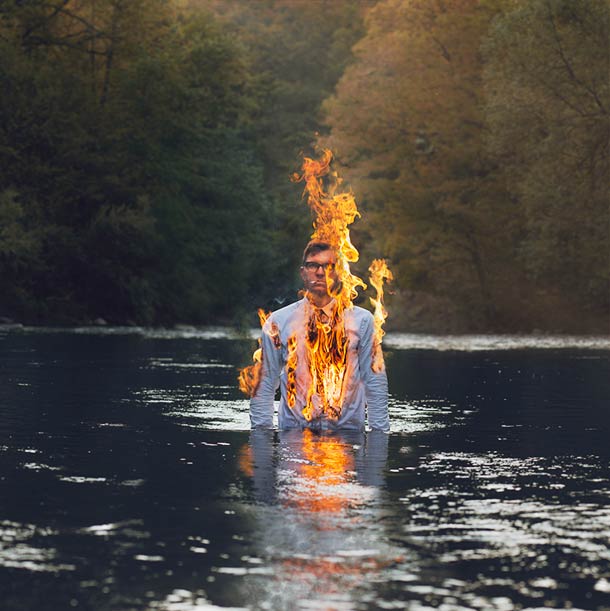
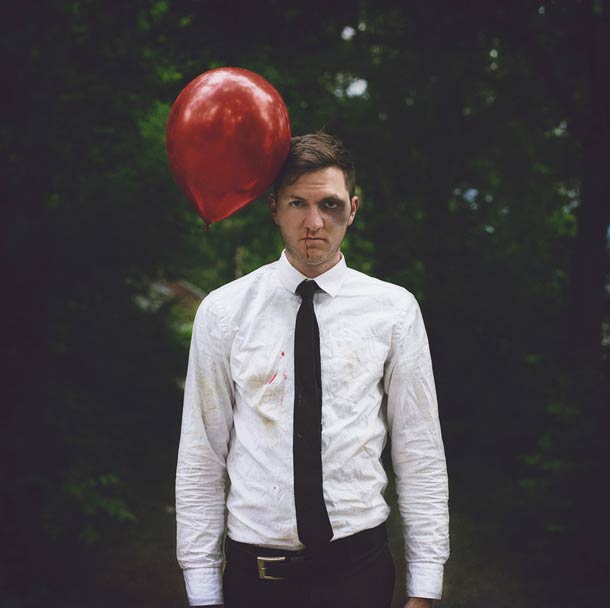
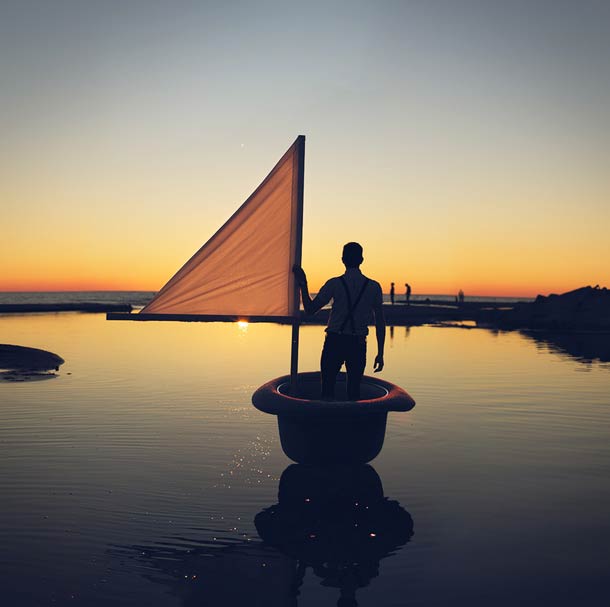
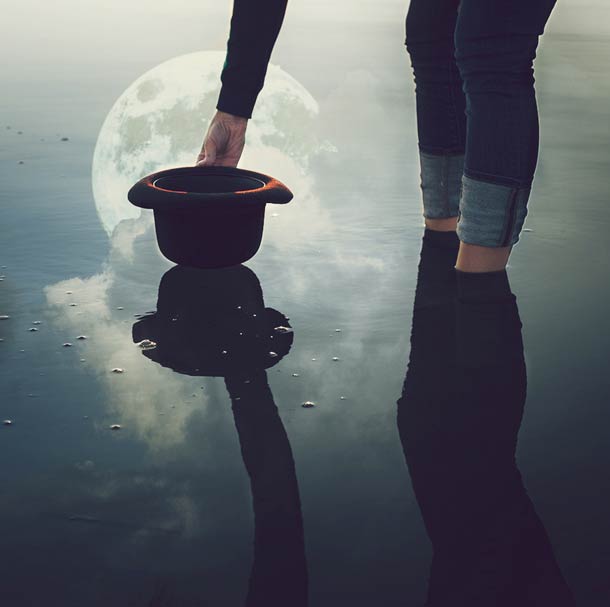
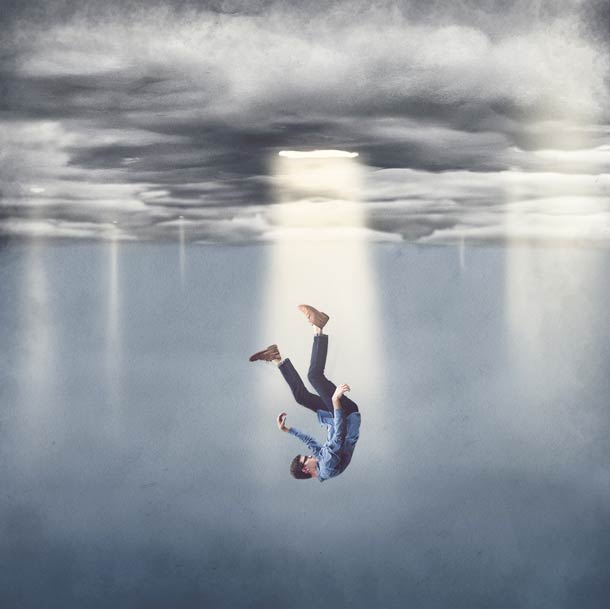
Return to any single frame—the vertical puzzle, the wide quiet landscape with one wrong detail, the figure locked in a task that should not be possible—and ask what had to be true on the day of the shoot for the illusion to hold. That question is the lasting pleasure of Logan Zillmer’s surreal photography: not only what you see, but how stubbornly a day’s idea was made to stand up in front of a camera.

Comments
Continue reading
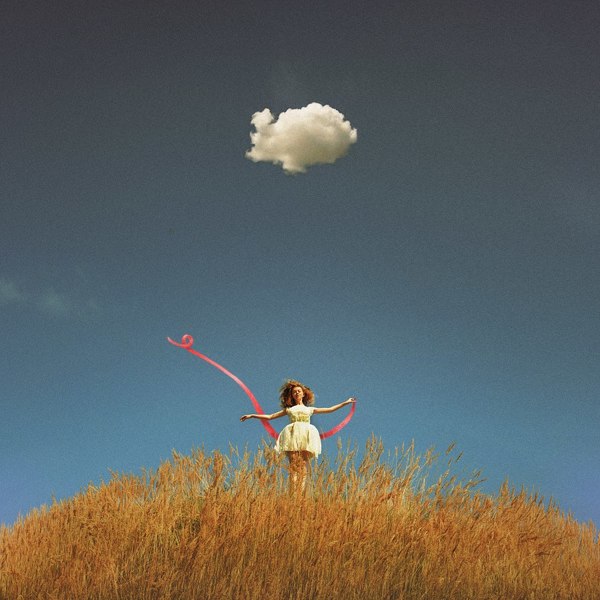
Surreal Photography by Nikita Sergyshkin
Belarusian photographer Nikita Sergyshkin stages dream-logic portraits—fashion-adjacent light, controlled estrangement, and surreal mood without collage monsters.
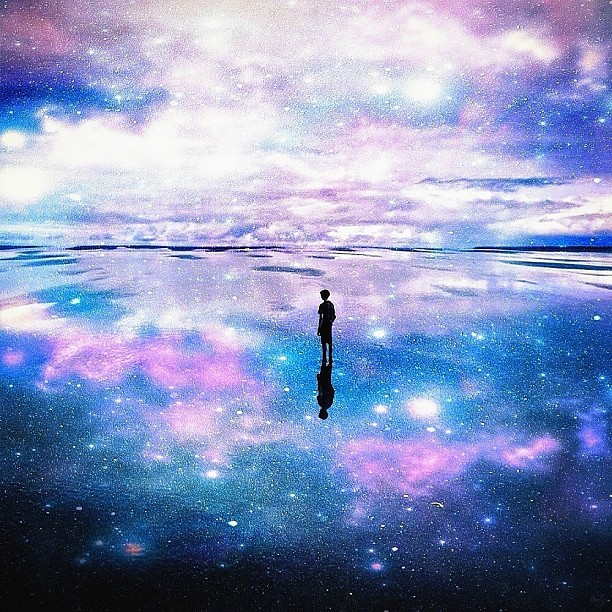
Surreal Worlds by Nois7: Robert Jahns’s Dream Composites
Hamburg artist Robert Jahns—known as Nois7—builds travel photographs into seamless surreal scenes. A look at the mood, craft, and Instagram-era gallery that made his work famous.
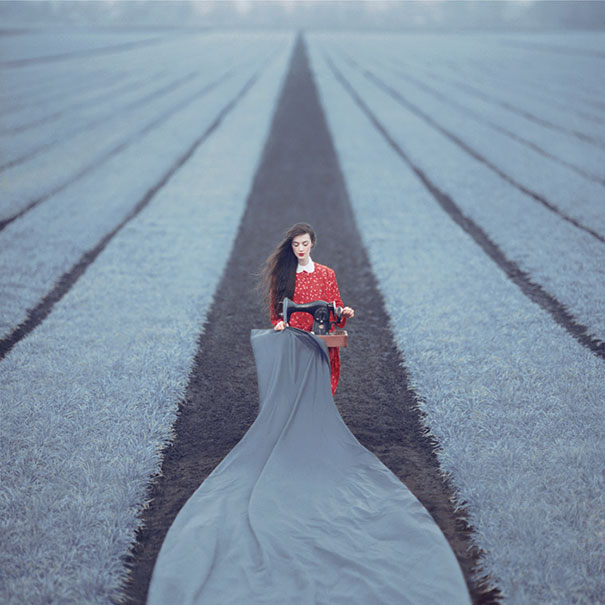
Oleg Oprisco’s Surreal Film Photography on Kiev 6C and Kiev 88 Cameras
Kyiv photographer Oleg Oprisco builds dreamlike conceptual scenes on older Kiev medium-format film cameras—soft color, quiet staging, and surreal mood without the rush of digital spray-and-pray.