
Easy Pet Bed Ideas That Prioritize Comfort
Homemade dog and cat beds judged by size, materials, washability, and safety—nests, bolsters, crate pads, and upcycled options pets will actually use.
A pet bed should do one job well: give your dog or cat a clean, stable place to rest that fits their body and habits. Fancy shapes are optional. Comfort and safety are not. Many homemade beds need little sewing skill—folded blankets, bolstered cushions, crate pads—but every option should be judged by size, materials, washability, and where the animal actually chooses to sleep.
Watch for a week before you build. Does your cat curl into a bowl shape or stretch long? Does your dog lean against furniture for back support? Prefer cool tile or soft carpet? Build toward that behavior instead of forcing a style that looks good in photos and sits unused in a corner.
Comfort and safety criteria first
Start with measurements. The bed should let the animal lie fully on one side with a little margin, or curl naturally without perching on the rim. Too small causes joint stress; too large can feel exposed for nervous pets who prefer a nest. For older dogs with arthritis, lower entry sides matter more than high bolsters they must climb.
Materials should be non-toxic and free of loose strings, button eyes, and chewable plastic parts. Avoid cedar shavings or strongly scented fillers if your pet has respiratory sensitivity. Foam should be dense enough not to bottom out, covered so it cannot be shredded and swallowed. If your pet destroys fabric, choose tougher covers and supervise until you know the bed is not a chew toy.
Washability is part of health. Removable covers, blanket layers you can launder weekly, and waterproof liners under cushions reduce odor and allergens. Spot-cleaning alone is not enough for beds used every night. Skip decorative pillows with fringe if they will end up in a stomach.
Placement affects use. Put the bed where the animal already rests—near you in the evening, away from drafts, not in a busy doorway. Elevate slightly off cold floors in winter if joints need it, but keep the surface stable so it cannot tip. Keep cords, heaters, and toxic plants out of reach from the sleeping spot.
No-sew nest from blankets and towels
Fold a thick blanket into a rectangle the size of your pet’s curl, then roll a second towel into a bolster ring and tuck it around the edge inside a larger duvet cover or fitted sheet pocket. Many cats prefer this nest feeling. Shake and refold weekly; wash when hair mats or smells build up.
For dogs, layer a folded comforter inside a washable duvet cover and add a non-slip rug pad underneath so the bed does not slide when they turn. No sewing required—tie cover corners in simple knots if needed. Replace layers that flatten rather than stacking endless thin throws that bunch into lumps.
Cushion and crate pad upgrades
A plain foam cushion cut to crate size, wrapped in a waterproof liner and a removable cotton cover, is one of the most useful homemade beds. Measure the crate floor, cut foam slightly smaller so the cover closes easily, and use a zipper or envelope closure. If you cannot sew, use a zippered pillow protector as the outer shell.
Orthopedic-style denser foam helps large or senior dogs. Keep thickness appropriate to the animal’s weight so hips do not hit the floor. Cover must be chew-resistant enough for your individual pet; some dogs need ballistic fabric covers sold for crates, even if the foam itself is homemade.
Bolster beds and corner dens
Animals that lean while sleeping like a bolster on two or three sides. Roll towels tightly, wrap them in fabric sleeves, and arrange them in a U on top of a flat cushion. Secure with a few stitches or fabric ties so rolls do not wander. Leave the front open for easy entry.
A corner den uses two walls of a room plus a soft mat. Add a low cardboard or wooden frame only if edges are taped smooth and the structure cannot collapse. Never use enclosed plastic boxes without airflow. Cats may enjoy a covered hide; dogs that overheat need open sides.
Upcycled sweater and pillow beds
An old sweater can become a small pet bed: sew or fabric-glue the neck and cuffs shut, stuff the body with polyfill or another pillow, and close the bottom. This suits cats and tiny dogs. Check seams after the first week of use. If stuffing escapes, retire the bed.
Two old pillows inside a durable sham create a quick soft bed. Replace pillows that go flat. Avoid feather fills if your pet digs and tears; loose feathers are messy and can be inhaled. Memory foam scraps work if fully encased.
Elevated and cooling options
In warm climates, a raised cot-style bed (fabric stretched on a frame) keeps air under the body. Homemade versions need a sturdy frame and tightly stretched, chew-aware fabric. Check bolts and corners for sharp edges. Offer a softer mat nearby so the pet can choose.
Cooling is often about location—tile, shade, airflow—more than gel packs. If you use a cooling mat, choose pet-safe designs and follow temperature guidance; do not improvise with chemical packs meant for human injuries.
Species and life-stage notes
Puppies need easy-clean covers and may not be ready for expensive foam they will shred. Keep beds washable and replaceable. Kittens need low sides and no dangling strings. Senior pets benefit from traction (non-slip bottoms), softer landings, and beds that do not require jumping into a deep basket.
Multi-pet homes may need more than one bed so animals are not forced to share when they prefer distance. Wash all beds on a rotating schedule. If one animal guards a bed, add a second identical option in another room rather than punishing the behavior.
What to skip
- Raw foam without a cover
- Beds with glued-on plastic eyes, bells, or long ribbons
- Unstable stacks of slick pillows
- Enclosed boxes with poor ventilation
- Strong essential oils “for calm” on fabric—many are unsafe for cats especially
- Placing beds next to space heaters or under heavy objects that could fall
A simple build plan for this weekend
Measure your pet stretched and curled. Buy or reclaim foam or a thick folded comforter. Add a washable cover and a non-slip base. Place the bed in the favored spot with a familiar blanket on top so the scent is known. Give it three days before deciding it “failed”—many pets inspect before committing.
If your pet still prefers the couch, you have information: either move a bed cushion onto a allowed couch cover, or improve the homemade bed’s height and softness to match what they already chose. The goal is rest they will use, not a craft project that looks finished while they sleep on your laundry pile.
Reassess every season. Summer may call for a thinner layer; winter may need an extra blanket. Joints change with age. A bed that worked at two years old may need denser foam at ten. Keep safety checks—cover integrity, stuffing containment, stable placement—on the same mental list as food and water.

Comments
Continue reading

Creative Photos of Pets and Their Owners: Zachary Rose’s Pet Headz
Toronto photographer Zachary Rose’s Pet Headz series puts pet faces on owners by holding a DSLR playback screen—clever, low-tech mashups that went viral on Instagram.
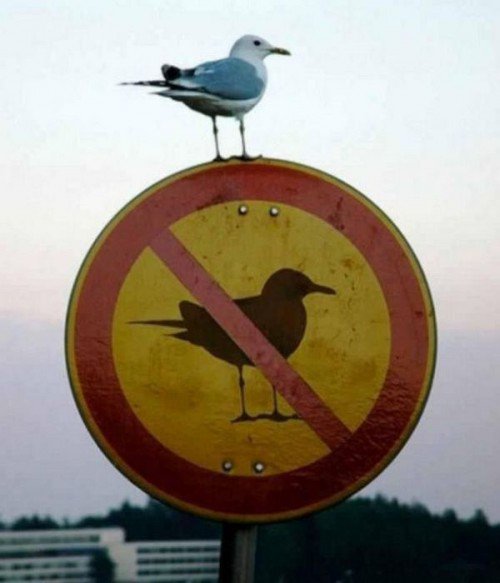
Funny Animal Signs That Warn People (While Animals Ignore Them)
From a seagull on a no-birds disc to classic zoo and park ironies—why animal warning signs get funny, and what the rules are still for.

How to Find Local Amenities on Vacation: Mechanics, Haircuts & More
Locate trustworthy local services and everyday spots while traveling or settling in—using publications, reviews, map apps, neighbor tips, and low-pressure exploration.