
Dreamlike Surreal Photography by Rebeca Cygnus
Spanish fine art photographer Rebeca Cygnus stages melancholic, blue-toned self-portraits where solitude, nature, and fiction meet at the edge of night.
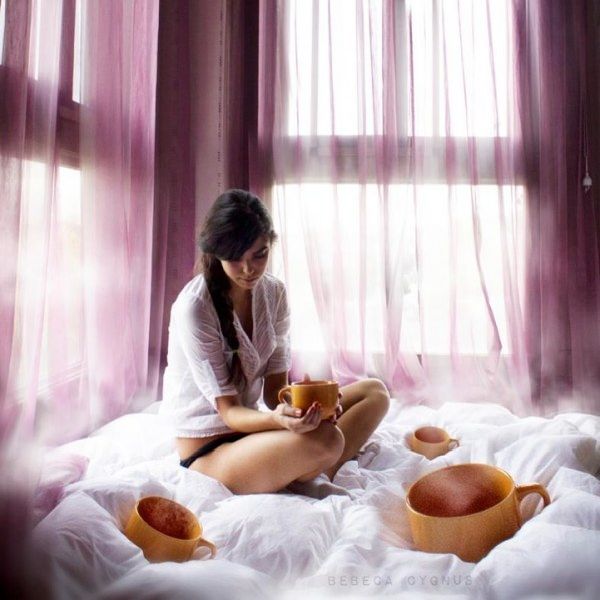
Rebeca Cygnus builds photographs the way some writers build private myths: carefully, from lived feeling, then released into images that look like memories you almost had. Better known under her artistic name than her birth name, Rebeca Carpintero, she is a Spanish fine art photographer whose surreal self-portraits sit at the edge where solitude turns luminous. The work is dreamlike without becoming sweet, melancholic without collapsing into gloom, and feminine without reducing women to decoration. Blue often threads through the frames like a weather system of mood.
Cygnus studied photographic arts and later fine art photography at EFTI in Madrid. Her pictures have appeared in contexts such as Photoespaña and gallery exhibitions, and she won first place in the Florence Shanghai Prize for photography in 2013. Those credentials matter less than the internal logic of the images: she treats the camera as a journey of self-knowledge, acting as director and subject so that an emotion can be staged, tested, and finally let go during the shoot. The name Cygnus—the swan constellation—hints at a skyward pull she has linked to feeling connected with stars and the universe.
Self-portrait as visual poetry
Many of Cygnus’s strongest works are self-portraits made in darker hours, when daylight’s documentary confidence fades and fiction can slip into the frame. She has described photography as a journey rather than a goal, and her process often begins with reading, films, writing about daily life, sketching an idea, then choosing color, location, and emotion before the camera comes out. Control first; surrender later. That sequence shows in the finished pictures. They feel planned enough to hold a concept and loose enough to retain breath.
The “character” in a Cygnus photograph is rarely a simple stand-in for the artist’s diary. She builds a figure who can carry solitude, longing, conflict, or quiet resolve—someone viewers might recognize in themselves. She has said she wants people to see themselves as if in a mirror, to think about life and identity, and, as a woman, to explore connection with nature through art. The surreal elements are not shocks for their own sake; they are metaphors made visible. A gesture, a prop, or an impossible quiet becomes a way of naming a feeling that ordinary portrait lighting would leave unspoken.
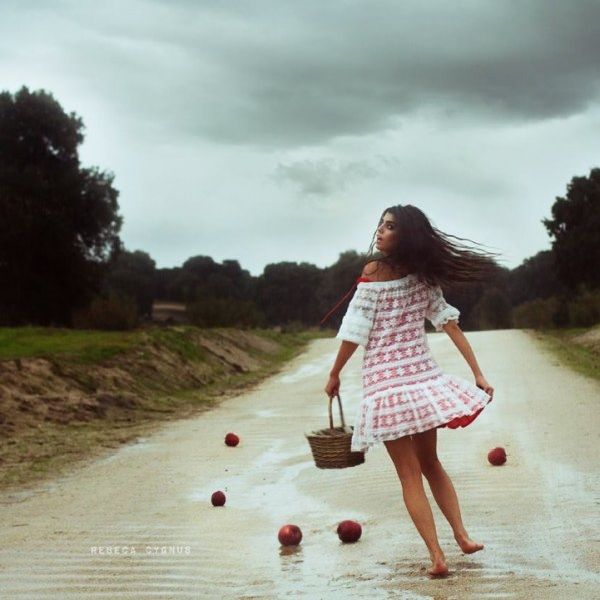
Stars, night, water, and soft animal or natural symbols recur as companions rather than props. The photographs often suggest a conversation between body and landscape: mist, trees, rooms, or open air answering a human posture. Even when the setting is sparse, it behaves like a second character—witness, shelter, or mirror.
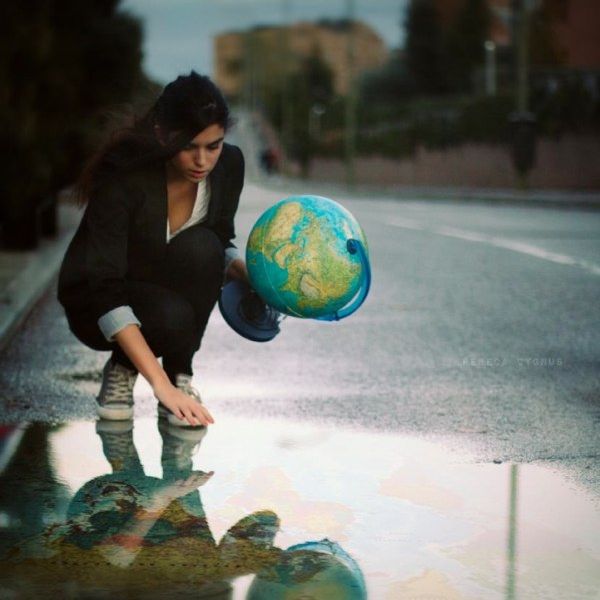
Blue, solitude, and the soft surreal
Color in Cygnus’s work behaves like a score. Cool blues and muted tones unify series, deepen night atmospheres, and keep drama from tipping into melodrama. Where some surreal photographers punch with high contrast and impossible architecture, she often prefers atmosphere: a figure half-dissolved into dusk, a gesture that feels ritual, a setting that is ordinary until one detail refuses to behave. The surreal arrives as mood rather than special-effect fireworks.
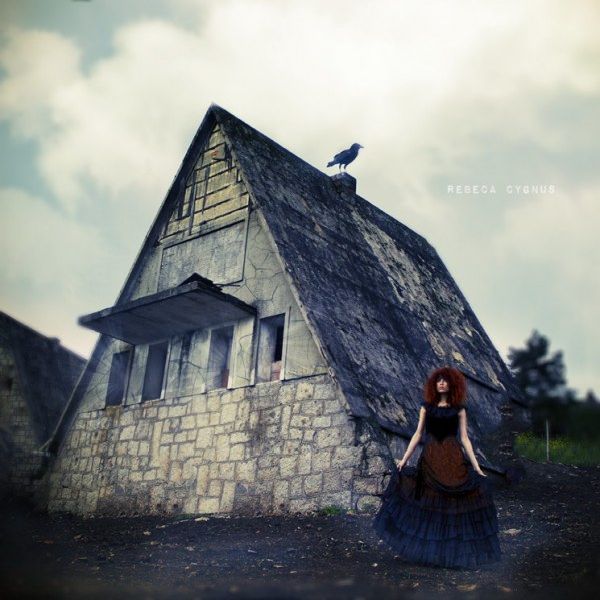
Solitude here is not loneliness as social failure. It is a condition with beauty in it—time alone in which emotion can be heard. That is why the pictures feel intimate even when the staging is elaborate. You are not looking at a crowd scene or a street story. You are looking at a private weather system made public with unusual care. Galleries and writers have described collections of her self-portraits as nostalgic, melancholic, and feminine at once. Those adjectives fit, provided “feminine” means emotional intelligence and embodied narrative rather than soft focus as stereotype. Cygnus’s women look inward and outward at the same time. They inhabit conflict without explaining it away.
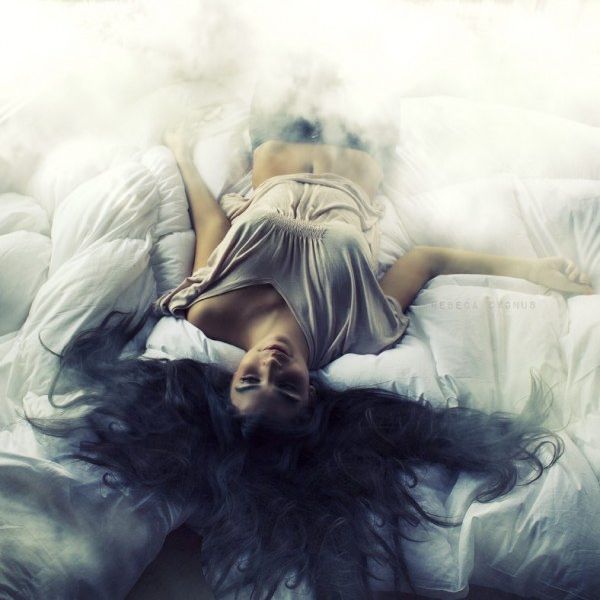
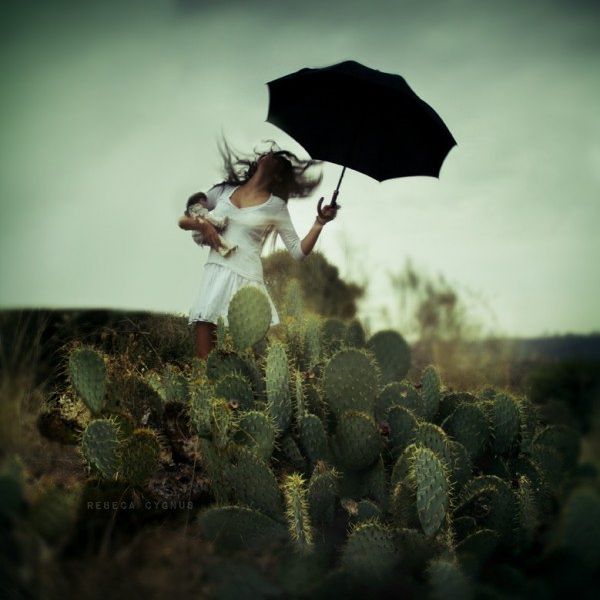
Reality and fiction on a shared edge
The phrase “union between reality and fantasy,” used around her early online popularity, is accurate if you keep the emphasis on union. Cygnus does not abandon the real world for pure collage chaos. She starts from reality—places, bodies, emotions—and lets fiction clarify what daylight cannot say. A surreal gesture becomes a way to tell the truth of an inner state more precisely than a straight documentary portrait might. Reality, she has noted, is one of her biggest inspirations; art is a way to connect life to image so viewers can enter.
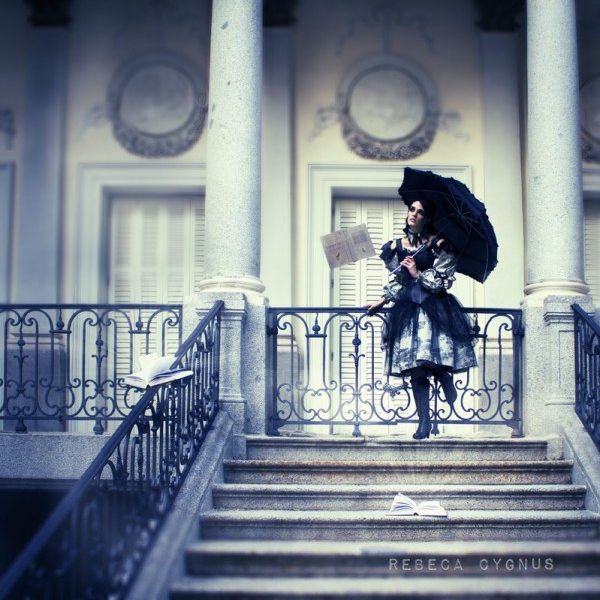
That approach places her in a contemporary fine-art conversation about staged photography and self-portraiture: artists who use themselves not for vanity but for control of narrative. When you are both model and maker, timing, gesture, and concept stay aligned. The risk is solipsism; Cygnus’s answer is invitation. The image should open outward toward anyone who has felt the same quiet storm. Madrid as a base also matters culturally—the city’s photography schools, festivals, and galleries helped frame her work inside a serious fine-art context even as internet roundups spread the dreamlike surfaces to wider audiences.
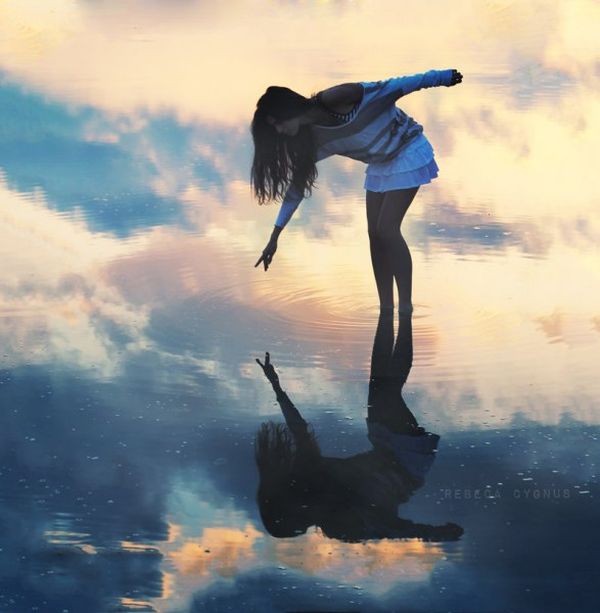
Look at lighting as emotional architecture. Dark hours soften edges and enlarge mystery. Highlights on hair, fabric, or skin become islands in a larger dusk. Backgrounds often feel like extensions of mood rather than documentary addresses. Even when a setting is recognizable as outdoors or a room, it behaves like a psychic climate. Color, in her own remarks about craft, is a tool for emotion as much as for beauty; palette choices are part of the storytelling, not afterthought filters.
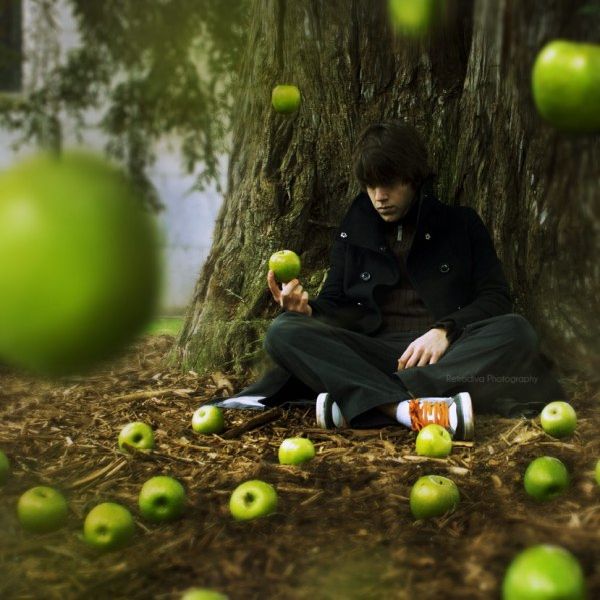
How to read this gallery
These images reward a slower, almost literary attention. Instead of hunting for “the trick,” try reading each frame as a short poem:
- Name the dominant emotion in one word before you invent a plot.
- Notice what the figure is doing with hands, gaze, and posture—not only costume or effect.
- Ask where nature enters: as shelter, witness, mirror, or threat.
- Track the blue or cool tones: do they soothe, chill, or deepen mystery?
- Decide what would remain if every surreal detail vanished. That residue is often the real subject.
- Return after a minute away. Does the first impression still hold, or has a quieter detail taken over?
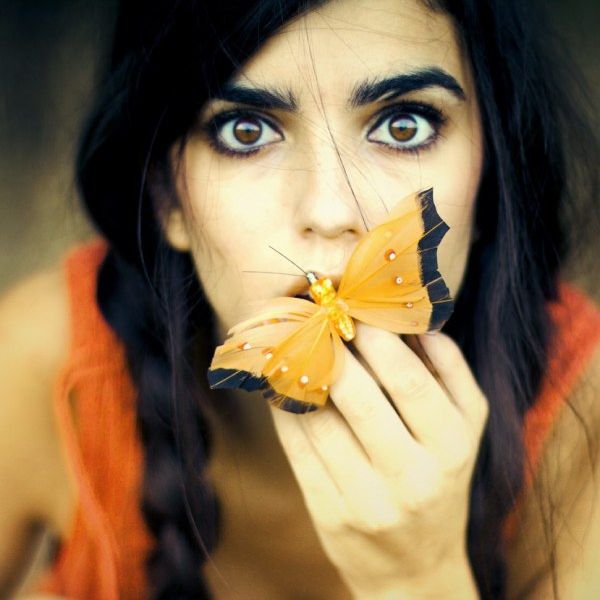
On a screen, Cygnus’s work can look like mood boards for melancholy fashion. In a proper print or careful full-size view, the craft of transition—how body meets fog, how fiction meets skin—becomes the point. The dream is constructed, but the feeling is earned. Early internet circulation in the early 2010s arrived as audiences were hungry for photographic work that felt personal and cinematic at once. The pictures still travel well because they refuse to date themselves with trendy props. Night, solitude, and the question of self are durable materials.
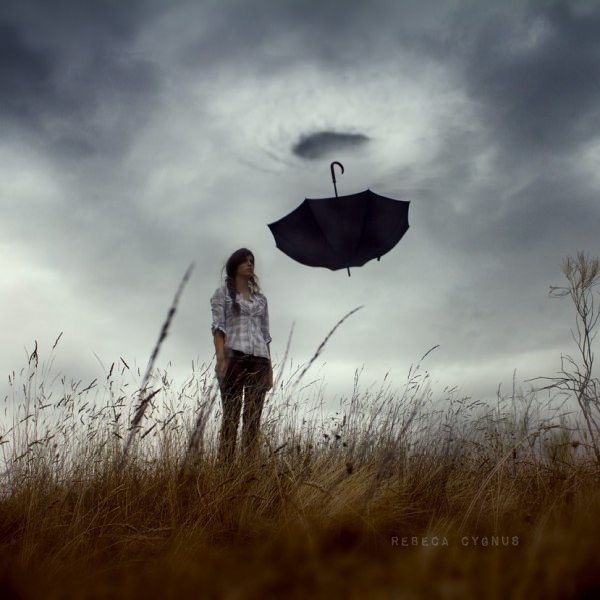
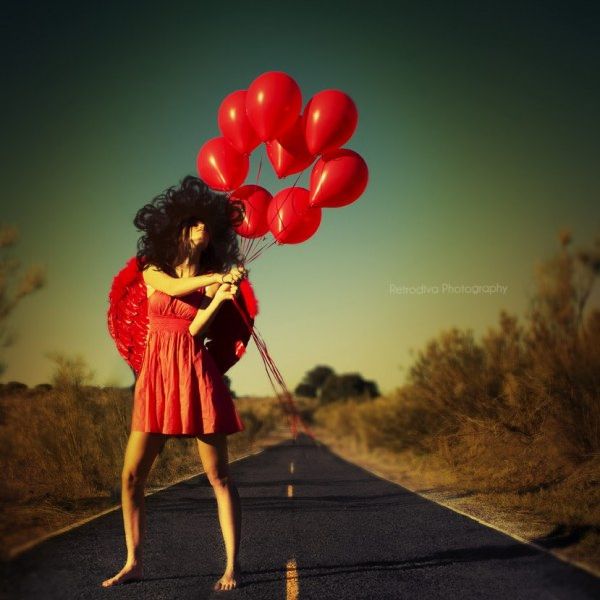
Compared with harder digital surrealism that leans on glitch, violence, or glossy impossibility, Cygnus stays close to visual poetry. The strangeness is quiet. That quiet is demanding in its own way: it asks you to stay with one figure long enough to feel the inner conflict beneath the beauty. If one image from this set stays with you, do not rush to decode it into biography. Sit with the atmosphere first. Her best photographs are less answers than thresholds—places where a private emotion becomes shareable without becoming loud. That is their particular gift: dream logic used not to escape the self, but to meet it more clearly in the dark.

Comments
Continue reading
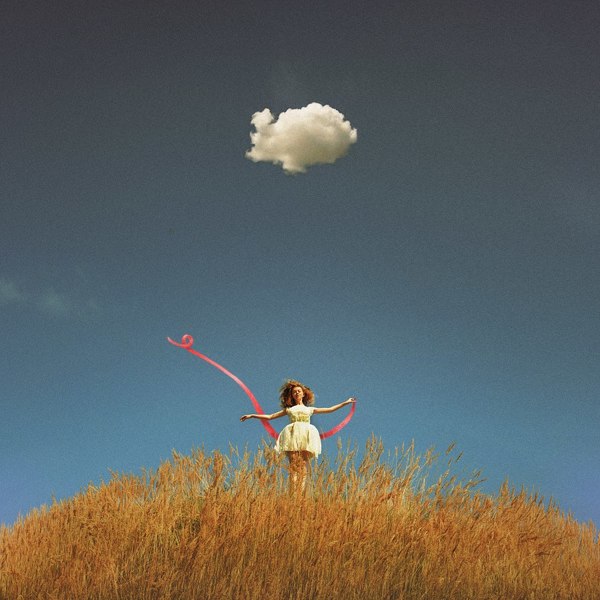
Surreal Photography by Nikita Sergyshkin
Belarusian photographer Nikita Sergyshkin stages dream-logic portraits—fashion-adjacent light, controlled estrangement, and surreal mood without collage monsters.
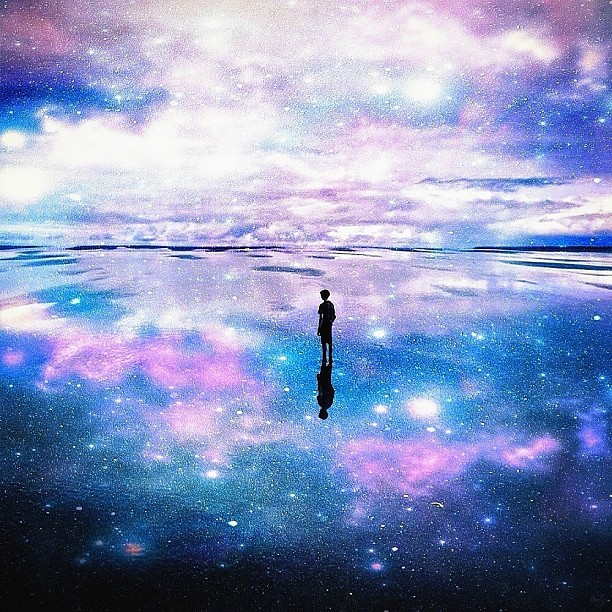
Surreal Worlds by Nois7: Robert Jahns’s Dream Composites
Hamburg artist Robert Jahns—known as Nois7—builds travel photographs into seamless surreal scenes. A look at the mood, craft, and Instagram-era gallery that made his work famous.
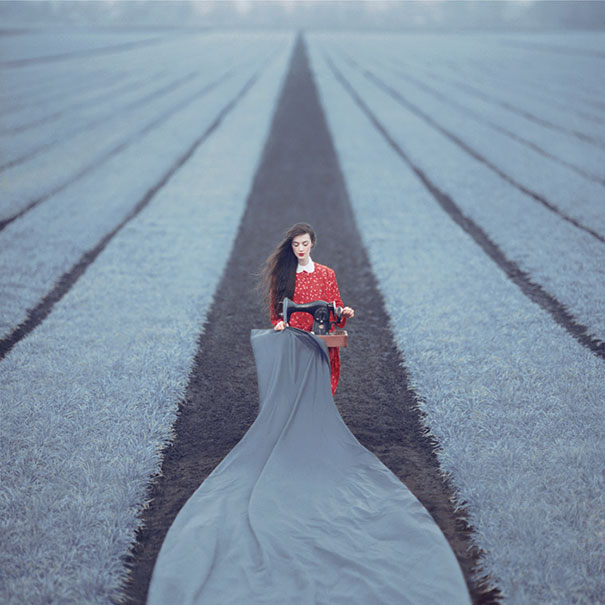
Oleg Oprisco’s Surreal Film Photography on Kiev 6C and Kiev 88 Cameras
Kyiv photographer Oleg Oprisco builds dreamlike conceptual scenes on older Kiev medium-format film cameras—soft color, quiet staging, and surreal mood without the rush of digital spray-and-pray.