
DIY Valentine’s Day Crafts for Kids: Cards, Mailboxes, and Sensory Makes
Age-friendly Valentine crafts for kids—mailboxes, heart stamps, suncatchers, treat holders, stick puppets, and play dough—with adult-handled scissors, glue guns, and crystal safety.
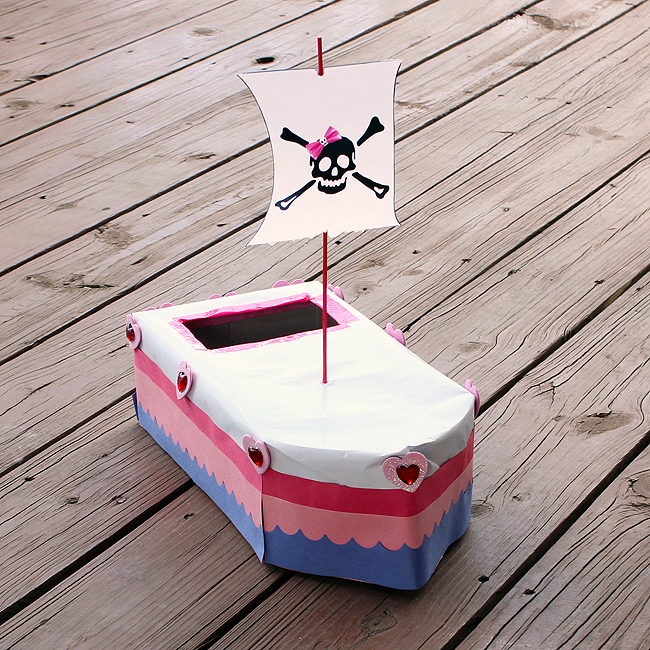
Valentine’s Day crafts for kids work best when the steps fit small hands, the mess stays manageable, and adults handle the sharp or hot parts. The holiday is not only for couples; it is also a chance for children to make cards, classroom exchanges, and simple decorations that feel like their own work. The projects below range from pirate-ship mailboxes and chalkboard teacher gifts to suncatchers, stamps, play dough, puppets, and hanging hearts. Choose by age, available time, and how much supervision you can give—not by how polished the finished photo looks online.
Safety first, every session: child-safe scissors only for kids who are ready, non-toxic glue and washable paint, and hot glue guns kept in adult hands. Glitter, small beads, and Borax crystal projects belong with older kids and close supervision—choking hazards and chemistry are not preschool busywork. Taste-safe play dough still should not become a snack. Cover the table, roll sleeves, wash hands after crafts, and keep food off the craft surface until cleanup is done.
Mailbox and delivery crafts
A Valentine mailbox—whether shaped like a pirate ship, a rocket, a simple box, or a decorated paper bag—gives kids a place to “deliver” cards at home or in class. Cover a cereal box or shoe box with construction paper, cut a slot an adult measures and cuts first, and let children decorate with stickers, markers, and paper hearts. Name labels on the front reduce mix-ups during a classroom exchange. Reinforce the slot edges with tape so the cardboard does not tear after the twentieth card.
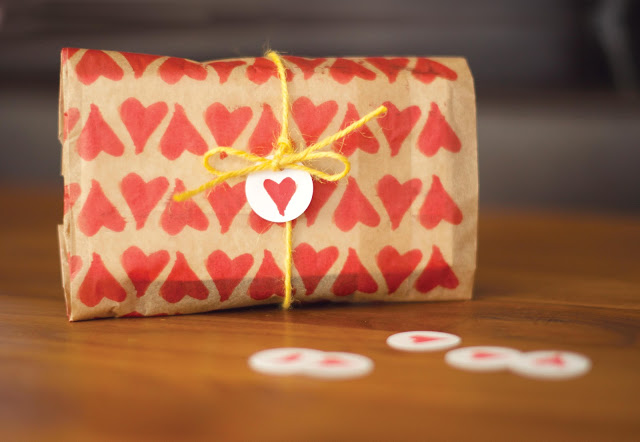
Lunch-bag Valentines are fast for busy weeks: flatten a paper lunch bag, stamp or draw a face or monster, fill with a few cards or a small treat (allergen rules permitting), and staple or sticker closed. Pre-cut shapes help preschoolers finish without frustration. If the school bans candy, fill with stickers, pencils, or a handmade coupon for a playground game instead.
Teacher gifts kids can help make
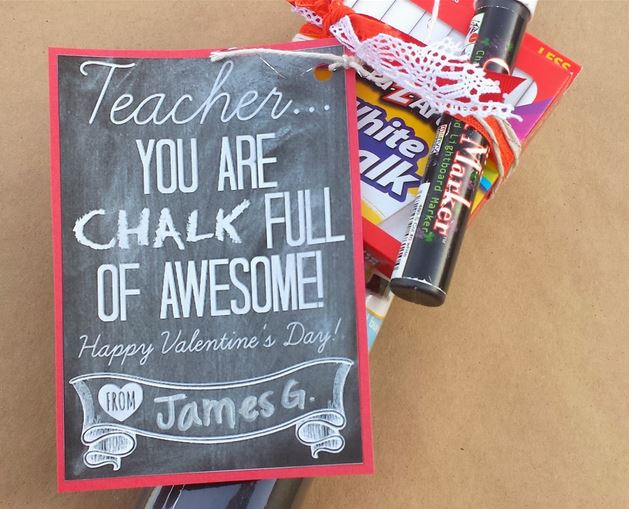
Chalkboard-style teacher gifts—small frames, painted boards, or jars with chalk markers—let kids write a short thank-you while adults prep the surface and season chalkboard paint if needed. Keep messages short and sincere: a first name and “thank you” are enough for emerging writers. Avoid fragile glass if the gift travels in a backpack; wood, thick cardboard, or a plastic chalk frame travels better.
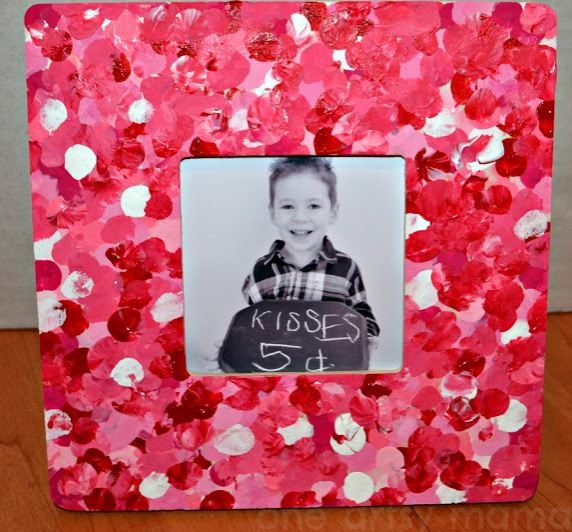
Fingerprint or handprint frames make keepsakes when kids press washable ink or paint onto cardstock inside a thrift or craft frame. Adults wipe excess paint, label the date on the back, and seal outdoors with clear spray only if the print will be handled a lot. Use washable products, have wipes ready, and never force a child who hates paint on their skin—offer a stamped heart instead.
Hearts: suncatchers, wreaths, and stamps
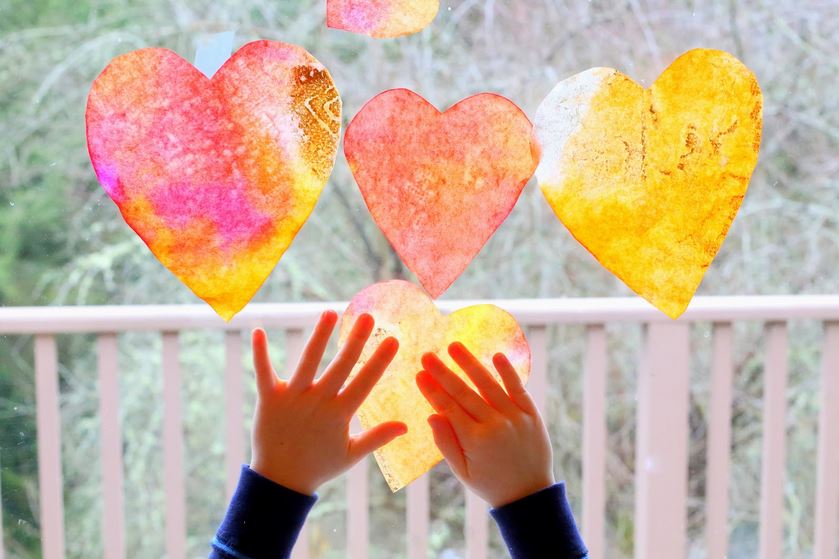
Heart suncatchers for toddlers can be contact paper and tissue scraps: peel the backing, stick tissue pieces inside a heart outline drawn on the sticky side, seal with a second sheet, and trim. Hang on a window with tape. No glass cutting required, and the process is forgiving when pieces overlap.
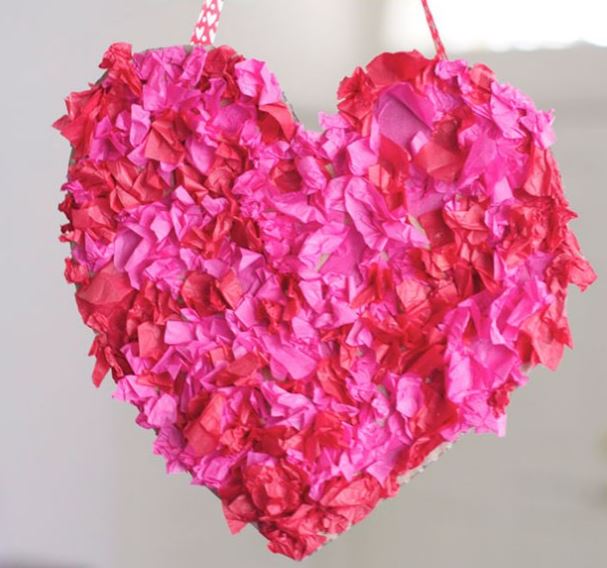
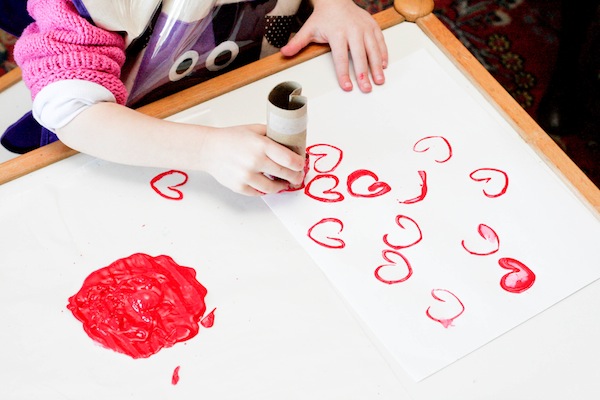
Tissue-paper heart wreaths use a cardboard ring and crumpled tissue squares glued on until full. This is a good group table project: one adult spreads glue dots, kids place tissue, another adult hangs finished wreaths to dry. Toilet-paper-roll heart stamps are free—pinch a cardboard tube into a heart cross-section, dip in a shallow paint tray, and stamp cards. Protect the table with newspaper, and limit colors to two or three so cards dry before bedtime.
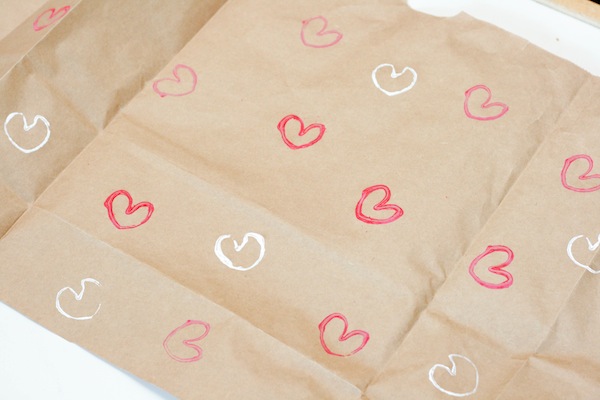
Bubble-print hearts are another low-stress option: blow bubbles in a cup of paint-tinted bubble solution (adult mixes), catch prints on paper, then cut heart shapes when dry. Keep solution away from eyes and mouths, and supervise closely so “craft” does not become tasting paint.
Treat holders and edible-looking crafts
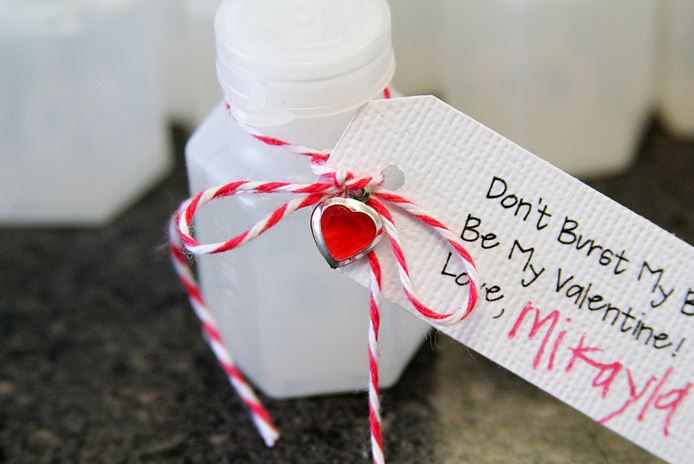
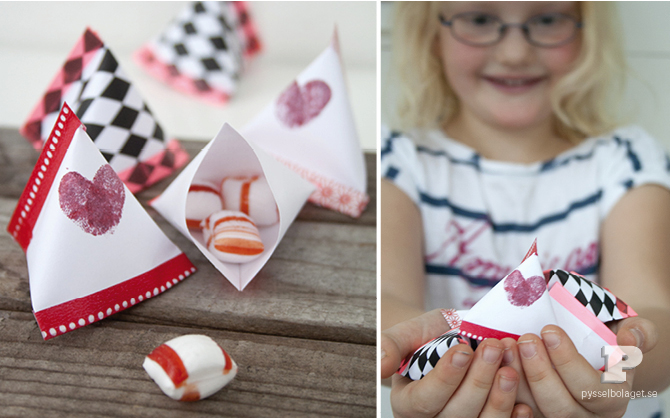
Gummy or candy holders with a twist—paper cones, decorated cups, or small boxes—should follow classroom allergy rules. Offer a non-food option such as stickers, erasers, or pencils when food is restricted. Adults portion candy; kids decorate the wrapper and write names. Double-check class lists for nut, dairy, and dye sensitivities before you shop.
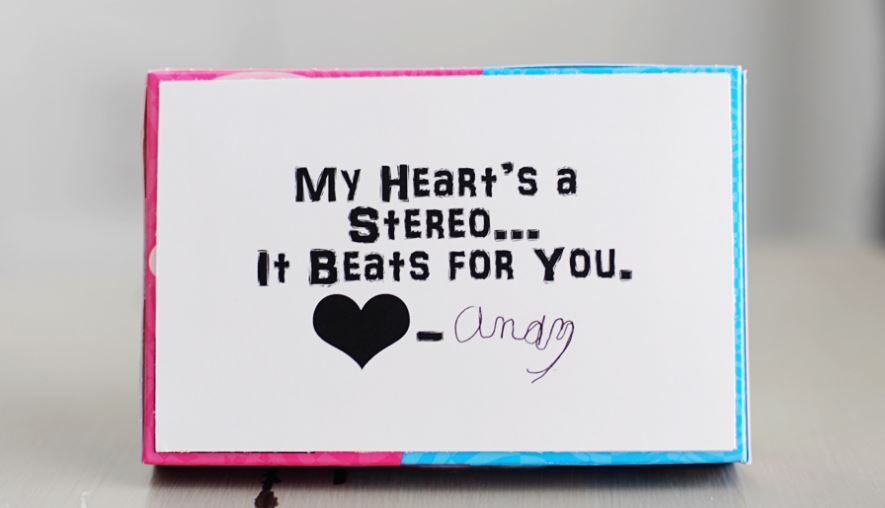
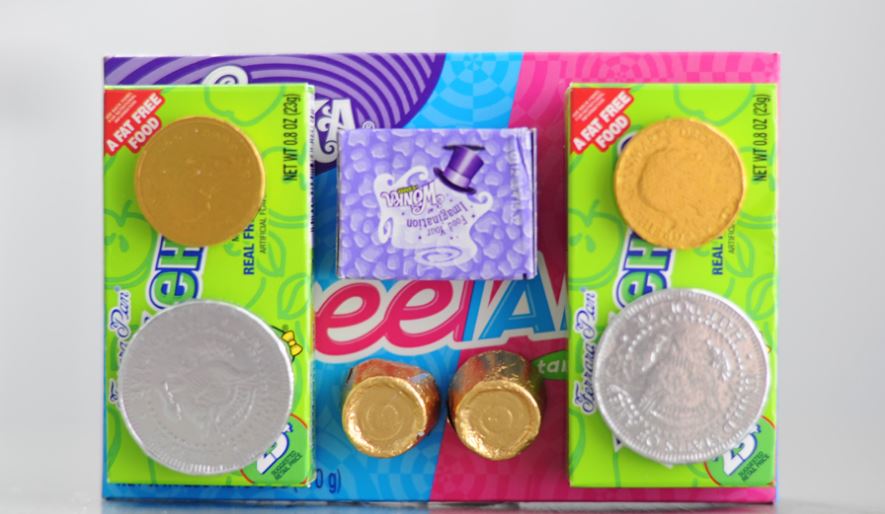
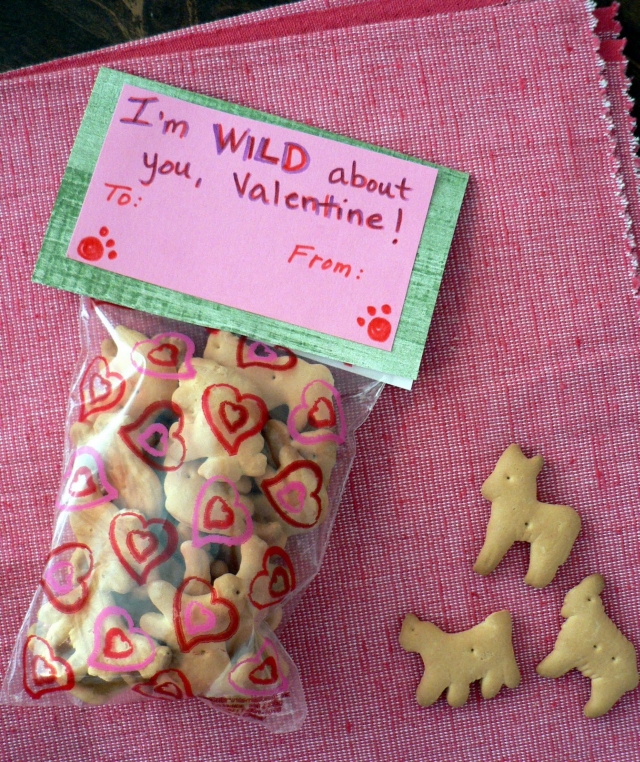
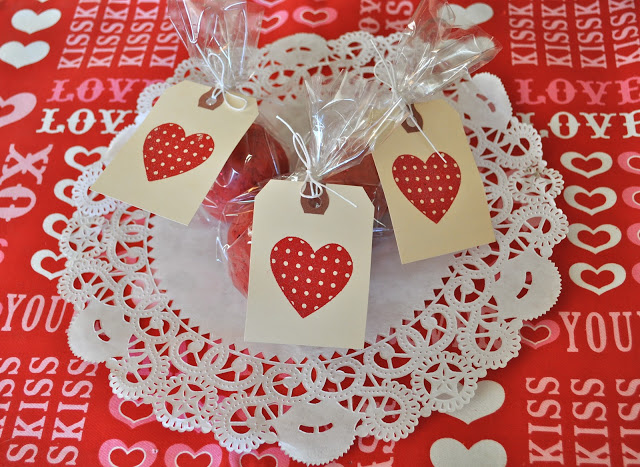
Healthier treat packs might include fruit leather, pretzels, or a packet of cocoa with a handmade tag. Label ingredients clearly. Keep chocolate out of hot cars on delivery day, and pack ice packs for soft treats if the walk to school is long.
Popsicle sticks, arrows, and puppets
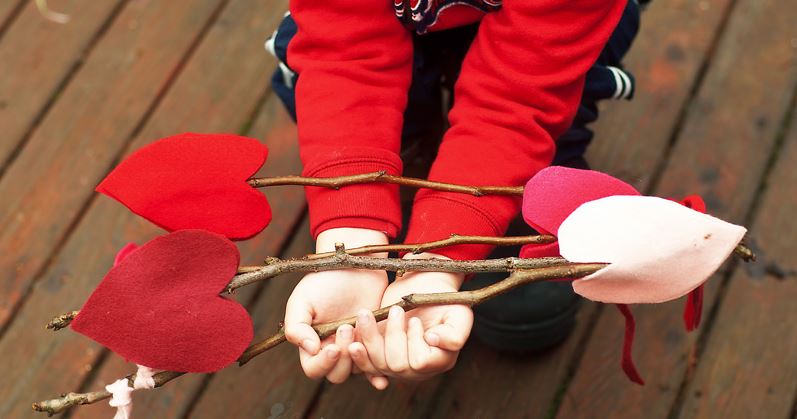
Popsicle-stick Valentines and heart-and-arrow sticks are sturdy for little hands. Glue sticks into a heart outline or a simple arrow, decorate with markers once dry, and add a paper message. Adults handle wood glue or hot glue; kids add color and stickers after the structure sets. Sand rough stick ends so no one gets a splinter during play.
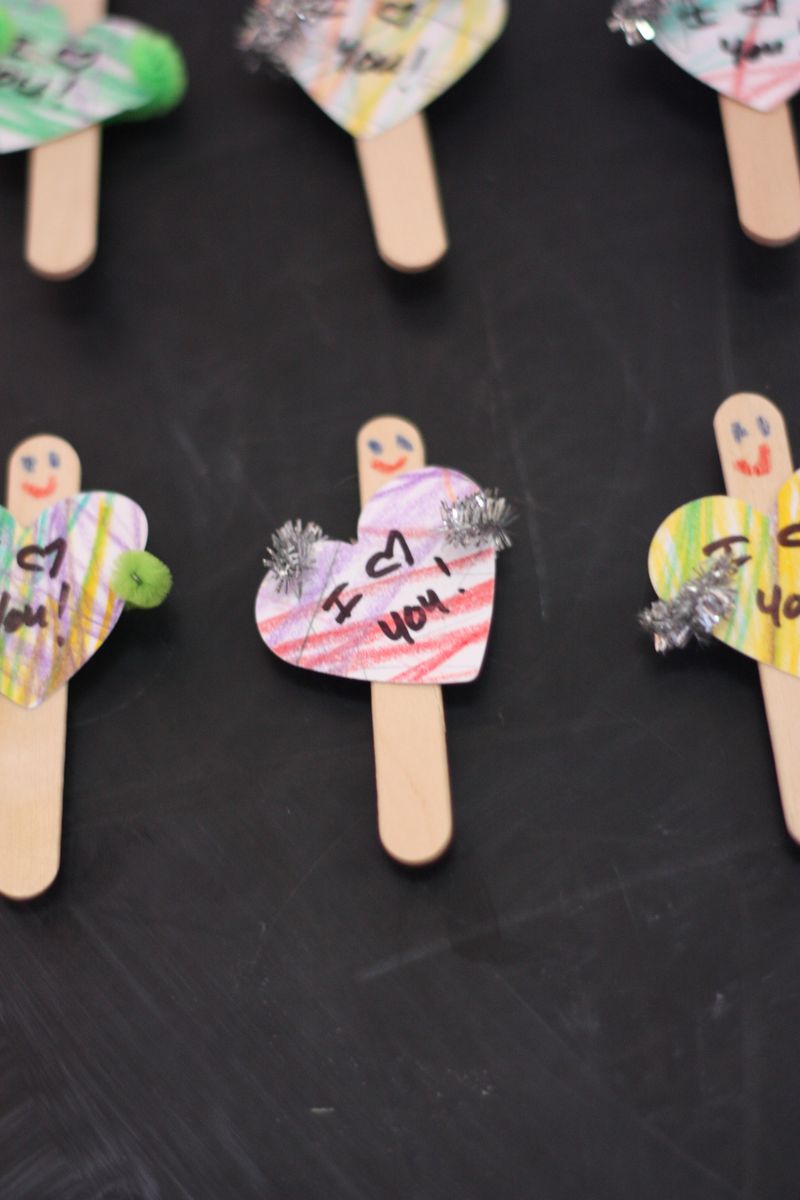
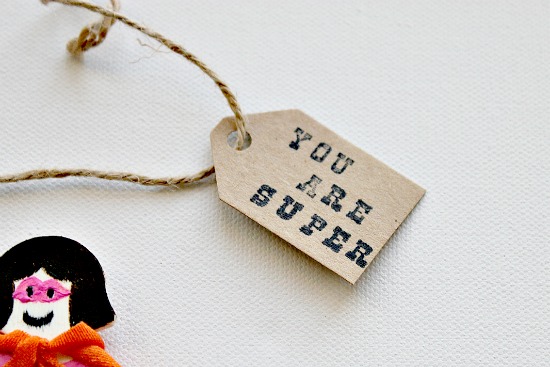
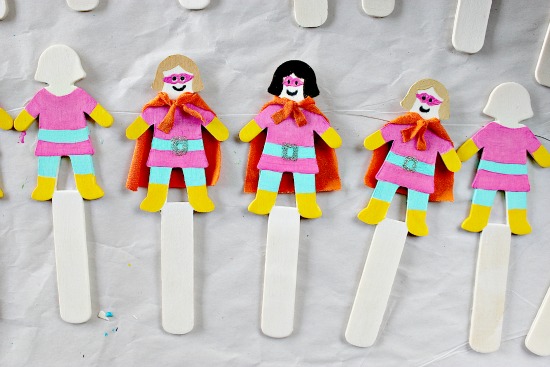
Super-hero stick puppets turn Valentine themes into play: paper faces on craft sticks, then a short puppet show about kindness or sharing. This extends the craft past the card exchange and suits kids who prefer characters to hearts alone. Store puppets in a jar so they survive the week after February 14.
Crystals, glitter letters, and sensory dough
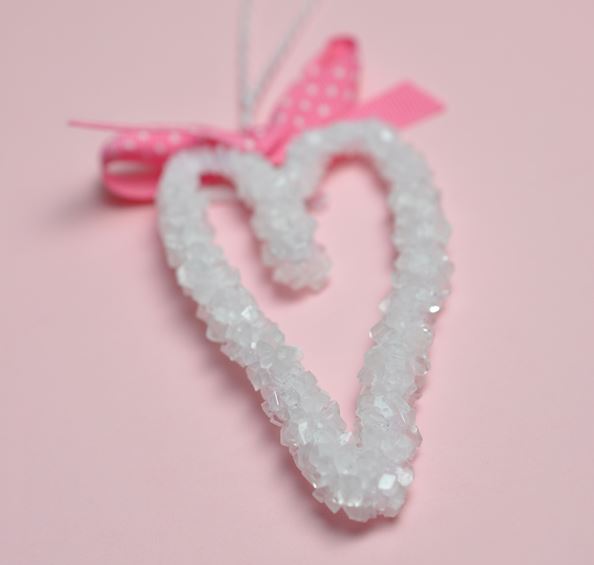
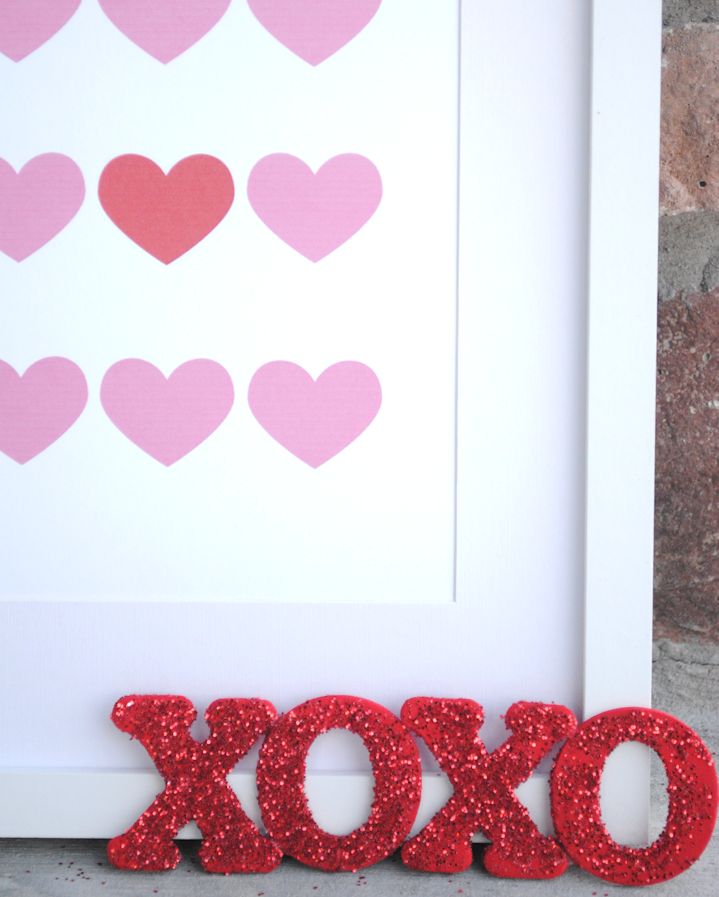
Heart-shaped Borax crystal ornaments are a science-leaning project for school-age kids with adult supervision. Adults mix the hot Borax solution and handle the heat; kids shape pipe-cleaner hearts and hang them to grow crystals overnight. Wear eye protection if splashing is likely, keep the solution off skin and counters, do not taste anything, and dispose of cooled liquid according to local guidance—not down a drain if your area restricts it. Younger kids can skip to glitter letters on cardboard with glue sticks and chunky glitter contained in a tray with raised edges.
Cinnamon-scented glitter play dough is a sensory bin favorite. Use a cooked or no-cook dough recipe with flour, salt, oil, and cream of tartar as you prefer; add cinnamon carefully so it does not irritate eyes, and use cosmetic-grade or craft glitter only if kids might touch their faces—or skip glitter and use red dough alone. Store sealed in a labeled bag, and toss when it dries out, smells off, or looks dirty. Wash hands before and after play, especially before snacks.
Cards, hangings, and simple gifts
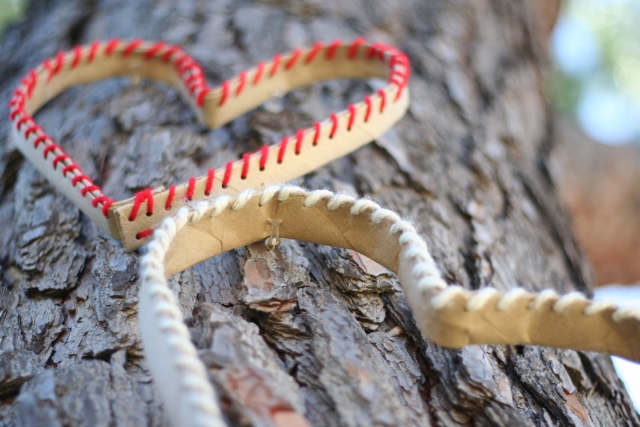
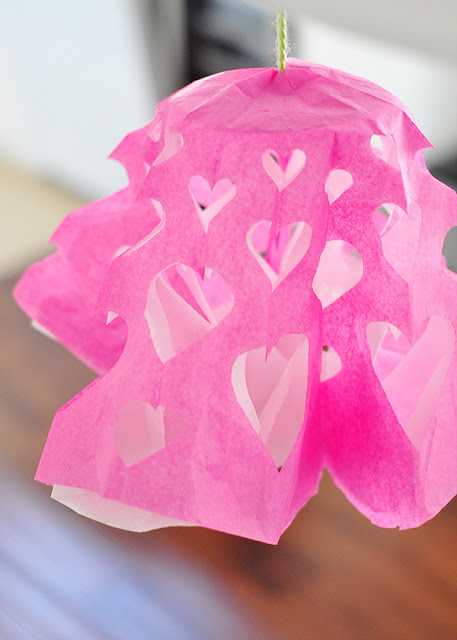
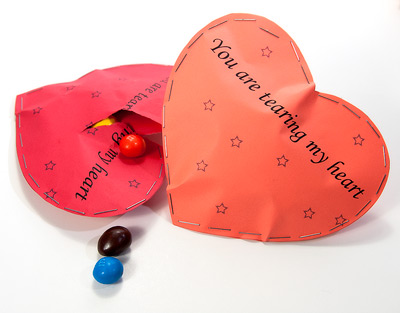
Hanging decorations from paper hearts on string, folded ornaments, or punched hearts on yarn brighten a doorway without much cost. Heart cards with layered paper need only glue sticks and scissors with supervision. Pre-fold cards for preschoolers so the session stays about decorating, not fighting stiff cardstock. Write recipient names in advance for kids who are still learning letters, then let them add drawings.
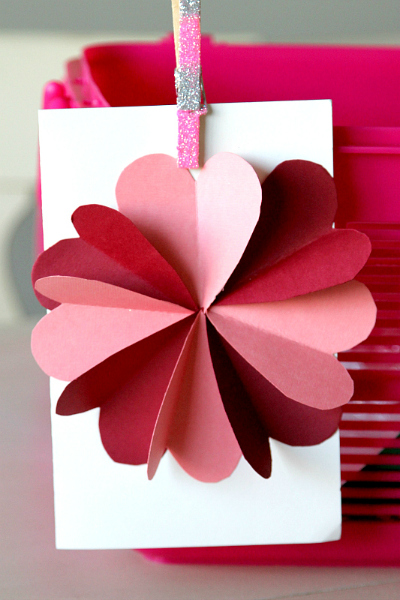
- Adults: cut slots, mix crystals, run hot glue, check allergens, and set time limits.
- Kids: stamp, stick tissue, decorate bags, and write short names or drawings.
- Contain glitter and paint on a tray; wipe tables before snacks.
- Offer a non-food classroom option when required.
- Stop while energy is high—one finished mailbox beats three unfinished wreaths.
Cleanup checklist before anyone leaves the table: lids on markers, glitter vacuumed or wiped, dough sealed, wet brushes rinsed, scraps in the bin, and finished cards in a labeled bag for school. Tomorrow’s morning is calmer when tonight’s craft ends with a clear surface and one project ready to give.

Comments
Continue reading
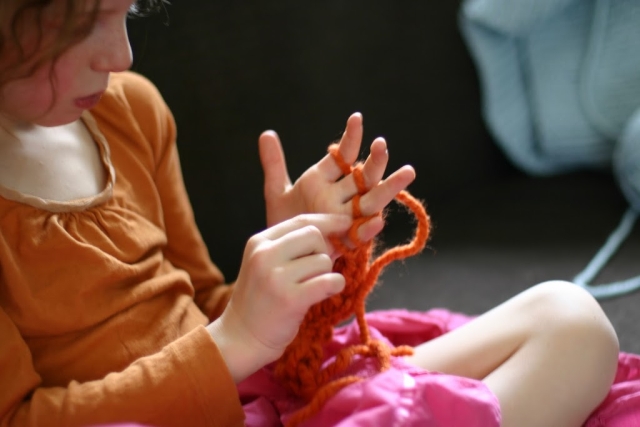
16 Weekend Art and Sensory Activities to Do with Kids
Sixteen kid-friendly weekend projects—finger knitting, potato stamps, sidewalk chalk, slime, rainbow ice, and more—using simple materials and clear setup tips.
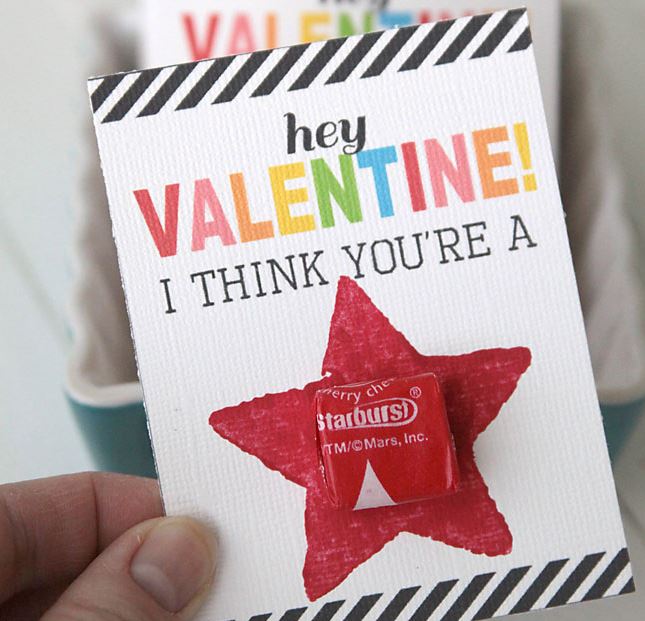
30 Free Valentine Printable Ideas for Cards, Tags, and Classroom Favors
Thirty printable Valentine ideas—cards, treat toppers, tags, and classroom favors—you can cut, color, and personalize without scrambling for last-minute store kits.
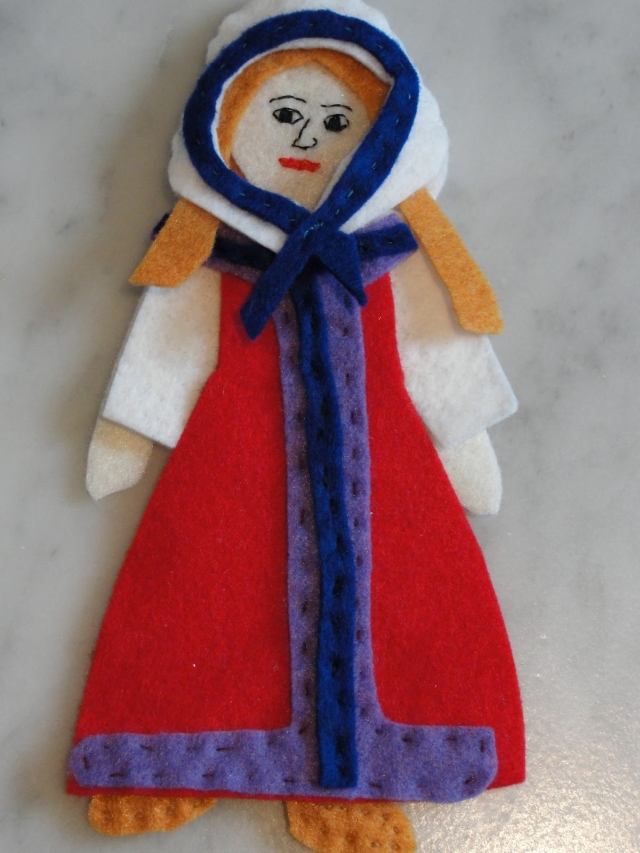
DIY Handmade Dolls: Felt, Fabric, Socks, and Topsy-Turvy Softies
Simple patterns and scrap-friendly methods for felt dolls, fabric rag dolls, sock softies, dollhouse figures, and upcycled doll clothes kids can help make.