
DIY Handmade Dolls: Felt, Fabric, Socks, and Topsy-Turvy Softies
Simple patterns and scrap-friendly methods for felt dolls, fabric rag dolls, sock softies, dollhouse figures, and upcycled doll clothes kids can help make.
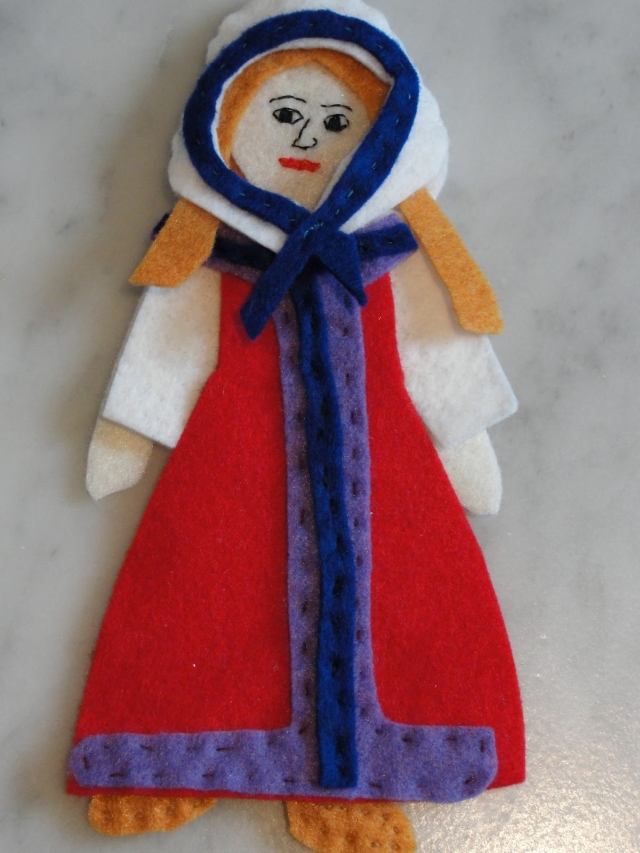
Handmade dolls stick around because they carry time and attention, not a plastic mold number. A felt figure, a sock softie, or a topsy-turvy rag doll becomes the toy a child names and drags through the house. The projects below stay simple when you use clear patterns, choose forgiving fabrics, and invite kids into safe steps—stuffing, choosing buttons (for older children), and decorating clothes—while adults handle sharp tools and small parts.
You do not need a full sewing studio. Sharp scissors, a hand needle, embroidery floss, stuffing, and scrap fabric or felt cover most of these dolls. Start with one style that matches your skill level, finish it cleanly, then decide whether a second doll should match or contrast.
Felt dolls for clean shapes
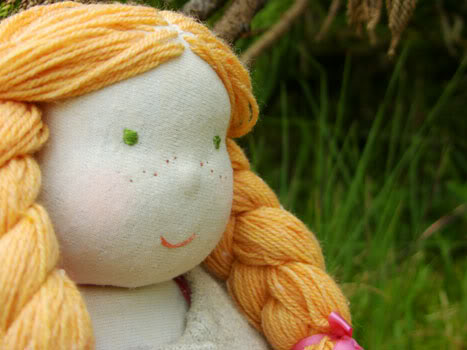
Felt does not fray, so body shapes stay crisp with a simple blanket stitch or whipstitch around the edge. Cut two identical body pieces, embroider or stitch a face on the front before sewing the sides, then stuff lightly so limbs still bend. Wool-blend felt holds up better than thin acrylic craft felt, which can pill and stretch at stress points.
Keep facial features simple: two French knots for eyes, a small stitched smile, maybe yarn hair glued or sewn along a scalp seam. Over-detailed faces look busy on small dolls and are harder for kids to “read” during play. Leave cheeks plain or add a tiny dab of fabric-safe blush if you want warmth without plastic eyes.
Classic fabric and rag dolls
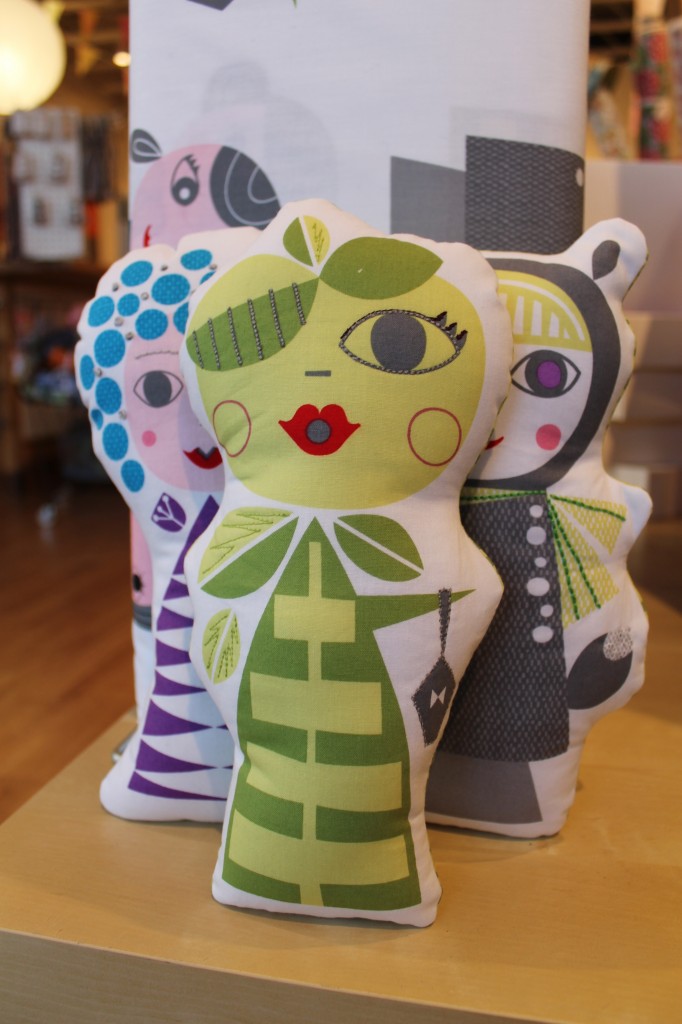
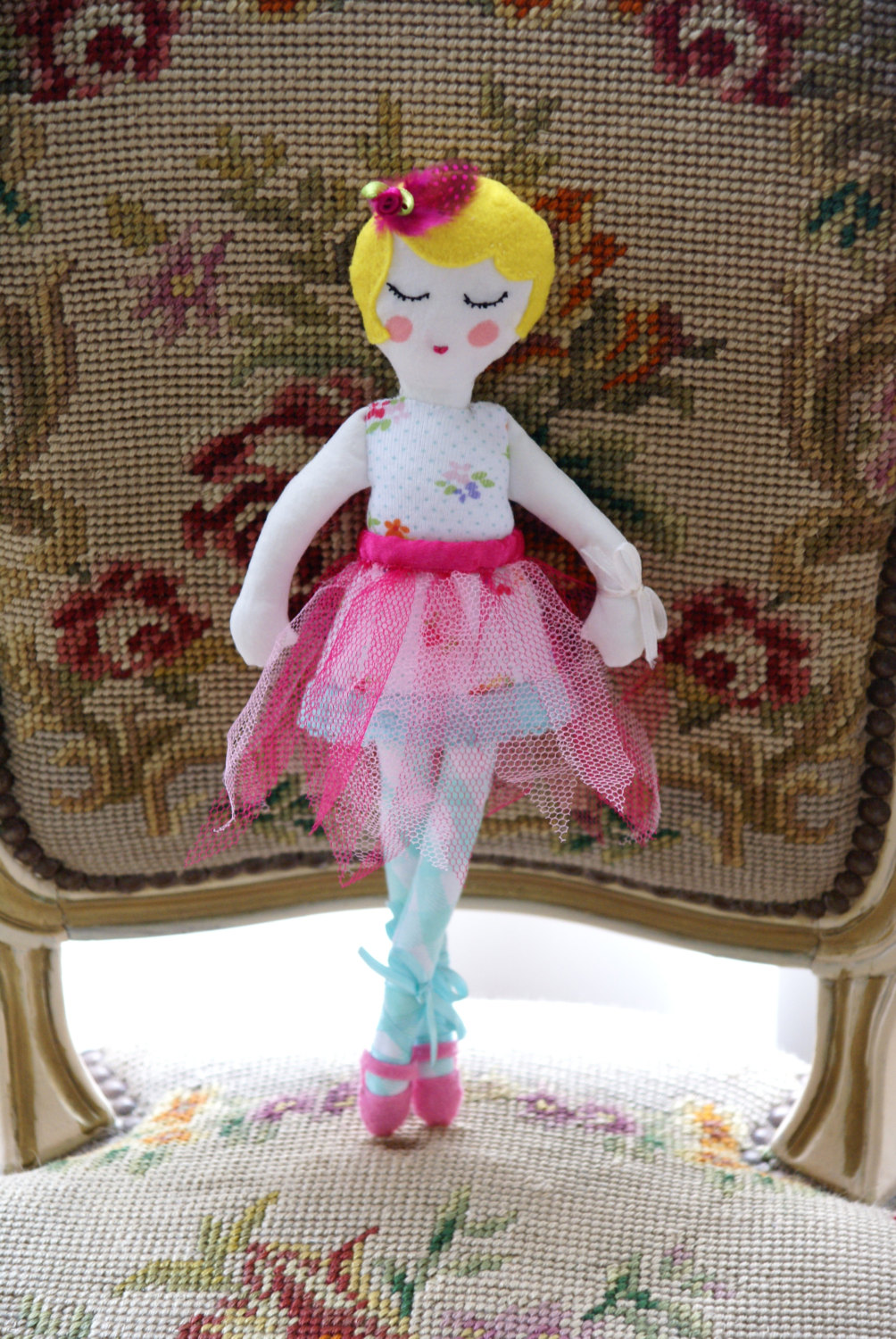
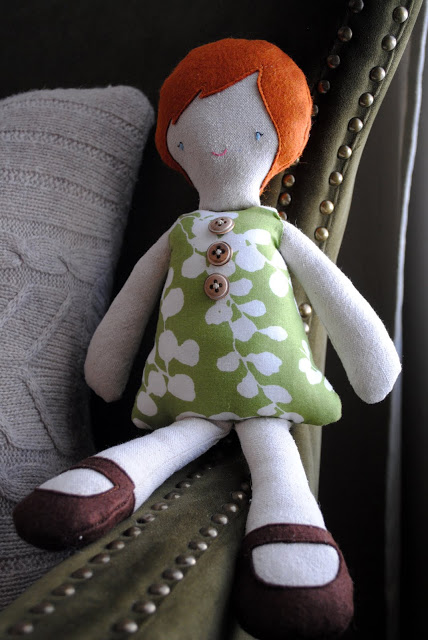
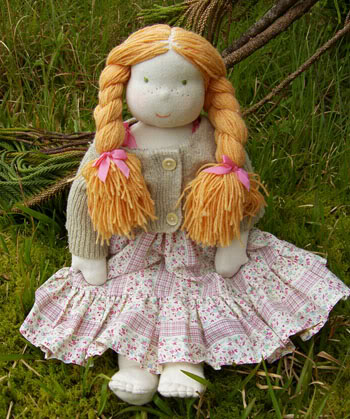
Woven cotton dolls follow the familiar pattern: body front and back, separate limbs if you want jointed play, and clothing cut from lighter fabric. Use a basic body template—many free patterns exist in the same soft, elongated proportions—and sew with a short stitch length so curves stay smooth. Clip seam allowances at curves before turning right side out.
Stuff in small pinches. Overstuffed arms stick out stiff; understuffed limbs flop and look unfinished. A chopstick or stuffing tool helps reach hands and feet. Close the turning gap with ladder stitch so the seam disappears. If you are making dolls for young nieces or nephews as gifts, skip glued-on beads and use embroidery for eyes.
Sock and glove softies
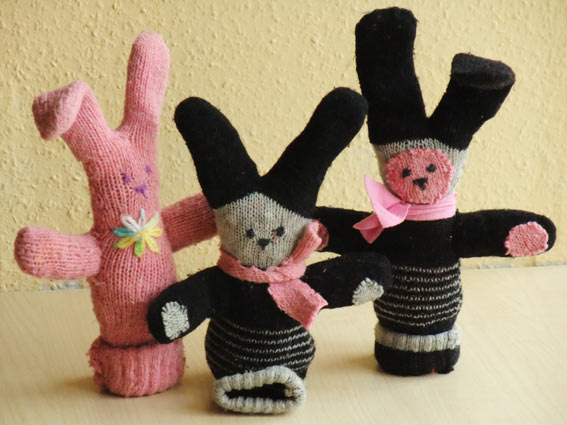
Clean, hole-free socks become bodies with almost no pattern drafting. Stuff the foot for a head and torso, tie or sew a neck, then cut and restitch legs from leftover cuff fabric—or leave a mitten shape for a simpler creature. Gloves and mittens follow the same idea: fingers become limbs with light stuffing.
Choose socks with character—stripes, soft neutrals, or gentle patterns—rather than scratchy dress socks. Embroider faces so nothing loosens in the wash. These dolls are ideal when kids want to help immediately: they can choose the sock and help stuff while you sew openings closed.
Topsy-turvy and reversible dolls
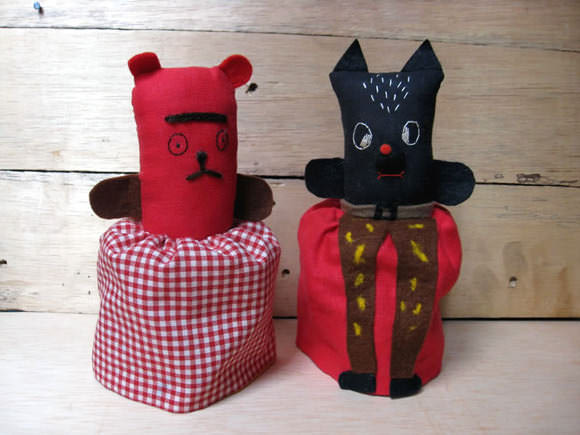
Topsy-turvy dolls hide a second character under a shared skirt: flip the skirt and a different head appears. Construction takes more planning—two bodices, a full skirt that covers whichever head is down—but the play value is high. Keep both faces distinct with hair color and expression so the flip feels like a real change.
Work from a tested pattern the first time; proportions matter so the skirt fully covers the hidden head. Use lightweight cotton for the skirt so flipping is easy for small hands. These make memorable gifts because they feel like two toys in one without doubling the stuffing budget.
Small-scale dollhouse figures
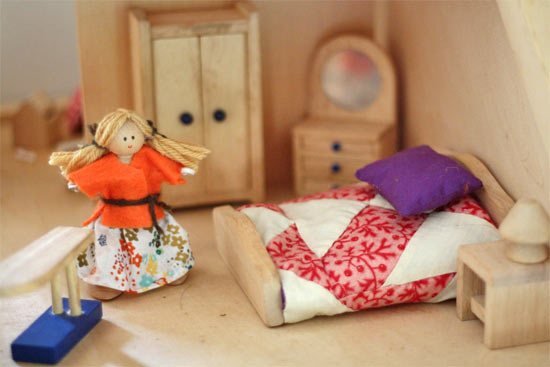
Dollhouse dolls stay tiny: wire or pipe-cleaner armatures wrapped in fabric, or simple stitched tubes with bead or embroidered heads. Scale them to your furniture—roughly matching the height of chairs and beds—so play scenes look intentional. Clothes can be glued or sewn as tubes and skirts rather than tailored garments.
Supervise wire ends carefully; tape or wrap tips so nothing pokes through fabric. For households with toddlers who mouth toys, skip wire and make soft-only mini dolls that bend less but stay safer.
Clothes from upcycled fabric
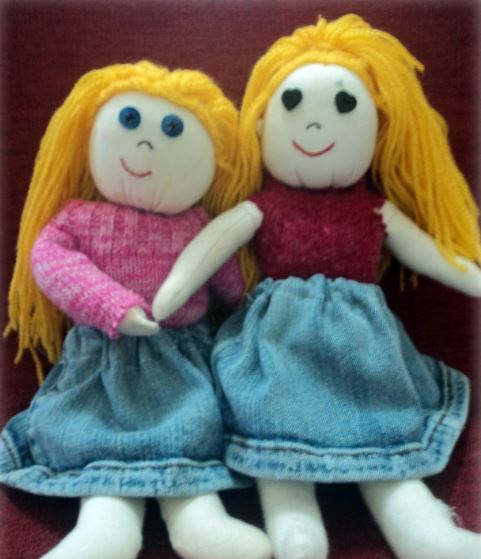
Old T-shirts, flannels, and thrifted cotton become doll wardrobes without buying specialty prints. Knit scraps stretch onto tiny bodies easily; woven scraps need a little ease or a back opening with Velcro. Simple A-line dresses, tube pants, and wrap skirts sew faster than fitted jackets.
Involve kids in choosing colors and adding one detail—a pocket, a ribbon belt, a felt flower—so the outfit feels theirs. Keep a small bag of leftover buttons and trims reserved for dolls so adult clothing projects are not raided mid-seam.
Seasonal and cultural motifs
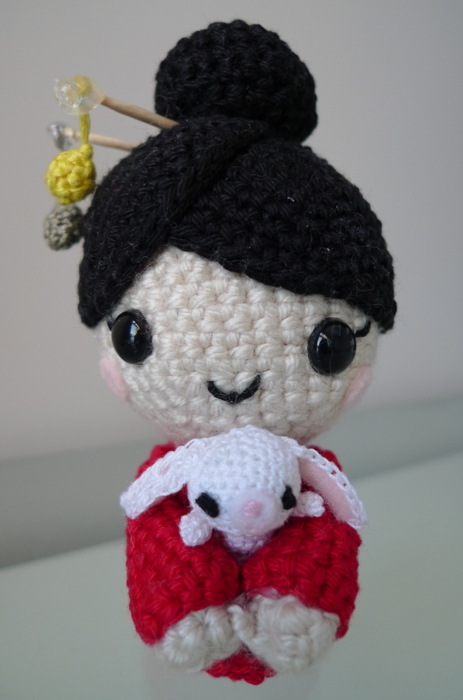
Holiday or celebration dolls—lunar new year figures, winter softies, spring pastels—work when costume details stay respectful and simple: color choices, hats, and embroidered motifs rather than costume stereotypes. Use patterns from makers who share cultural context when you follow a specific tradition, and focus on craftsmanship over novelty.
Seasonal dolls also make calendar gifts: one soft figure for a birthday, another for a winter holiday, building a small collection instead of a single overwhelming project.
Hand-sewn felt heirlooms
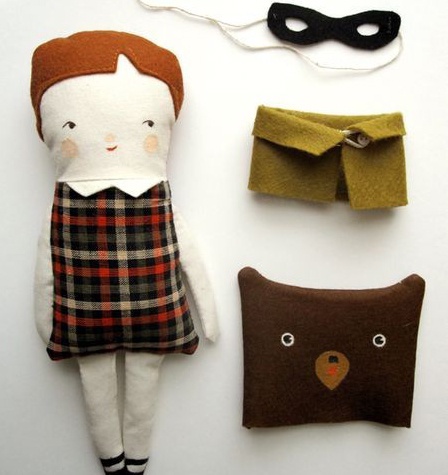
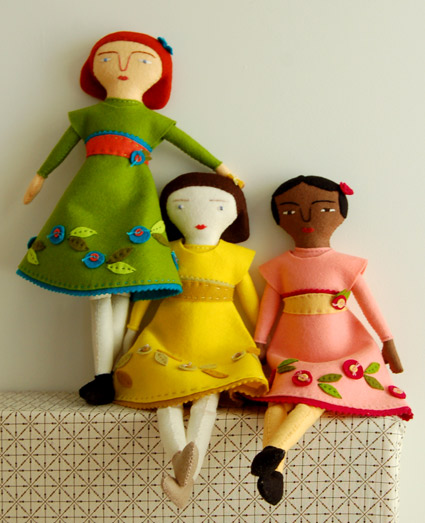
Fully hand-sewn felt dolls reward patience: even stitches, carefully placed features, and hair made from yarn or embroidery floss strands. Work in short sessions so the face stays consistent. Press seams with your fingers as you go; felt responds well to shaping without an iron.
These are the dolls you date quietly on a tag inside a seam for future keepers. Use quality stuffing that stays soft after washing, and sew a small fabric heart or initial inside before closing if you want a private detail only the maker knows.
Safety, washing, and play
- Embroider faces for children under three; avoid buttons, beads, and glued parts they can swallow.
- Use tightly woven fabrics and secure seams; reinforce crotch and underarm points that get pulled.
- Wash finished dolls on gentle in a mesh bag when fabrics allow, or spot-clean felt.
- Store spare clothes in a labeled pouch so outfits do not vanish under sofas forever.
Lay out your felt scraps tonight, cut one body template, and stitch only the face before bed. Tomorrow’s stuffing session will feel shorter when the expression is already done—and the doll will already look like someone waiting to be finished.

Comments
Continue reading
16 Weekend Art and Sensory Activities to Do with Kids
Sixteen kid-friendly weekend projects—finger knitting, potato stamps, sidewalk chalk, slime, rainbow ice, and more—using simple materials and clear setup tips.
DIY Valentine’s Day Crafts for Kids: Cards, Mailboxes, and Sensory Makes
Age-friendly Valentine crafts for kids—mailboxes, heart stamps, suncatchers, treat holders, stick puppets, and play dough—with adult-handled scissors, glue guns, and crystal safety.
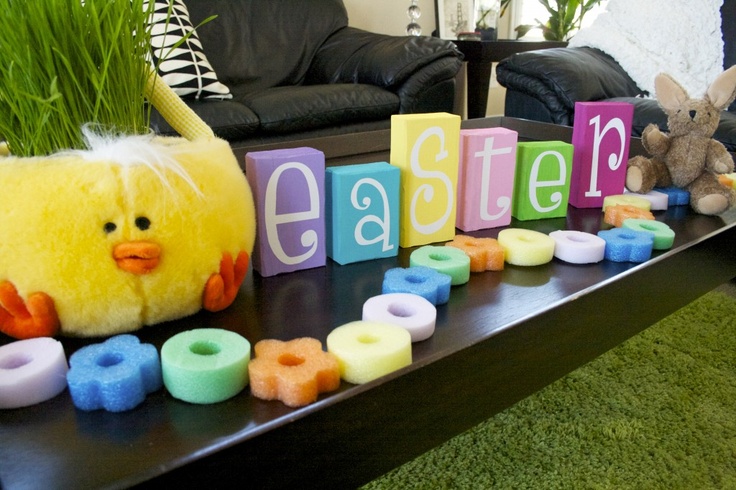
Pool Noodle DIY Ideas Kids Actually Use
Turn leftover foam noodles into rockets, counters, bed bumpers, soft swords, and outdoor course markers—with safety notes and a short project checklist.