
16 Weekend Art and Sensory Activities to Do with Kids
Sixteen kid-friendly weekend projects—finger knitting, potato stamps, sidewalk chalk, slime, rainbow ice, and more—using simple materials and clear setup tips.
A free weekend with kids does not require a theme park budget. It needs a clear activity, materials you can find in a drawer, and permission for the table to get a little messy. The sixteen ideas below lean toward art and sensory play—projects that finish in an afternoon and still leave room for a bike ride, a shared meal, or a movie later.
Set expectations before you open the glue: who wears the smock, where wet trays live, and what “done” looks like. Then pick one indoor and one outdoor option so weather cannot cancel the whole plan. If attention spans are short, run two twenty-minute projects instead of one ambitious marathon.
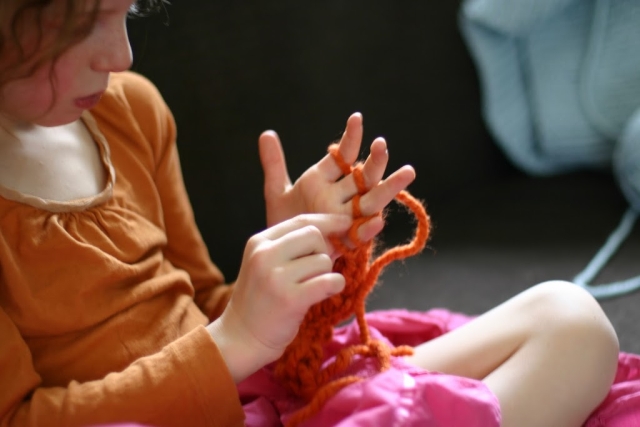
1. Finger knitting
Chunky yarn and two hands make a soft rope without needles. Show the loop-over-finger rhythm slowly, then let kids produce a scarf segment, a belt, a coaster coil, or a silly snake. Younger children may need help casting on; older ones often race ahead and teach siblings, which is half the pleasure of the afternoon.
Keep scissors nearby for tidy ends, not for frustration cuts mid-row. If hands tire, park the work on a clothespin so stitches do not unravel on the couch. Washable yarn forgives outdoor play afterward.
2. Rice kaleidoscope tube
A cardboard tube, clear plastic end caps or tightly taped plastic wrap, and colored rice or beads create a turnable viewer. Seal thoroughly so grain does not escape into carpets—double tape is cheap insurance. Talk about patterns as kids rotate the tube; symmetry shows up without a worksheet.
Decorate the outside with washi or markers so each kaleidoscope is claimed. Store upright in a cup so end caps are less likely to pop in a backpack.
3. Bubble-wrap printmaking
Roll washable paint over bubble wrap, press paper on top, and peel for dotted textures that look like rain, fish scales, or planet surfaces. Use a tray under everything. One sheet of wrap can print several times before it collapses; rotate to a fresh patch when dots blur.
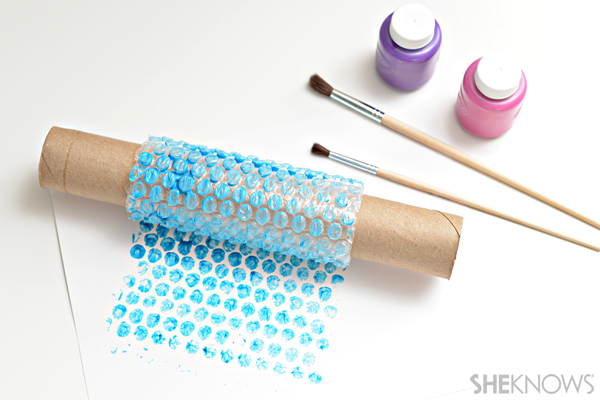
Hang prints on a clothesline of painter’s tape. Label the backs with names and dates while paint is wet so Friday’s masterpiece does not become an anonymous stack by Sunday night.
4. Potato stamp cards
Cut a potato in half, carve a simple star, heart, or letter, blot dry, dip in paint, and stamp blank cards. Adults handle knives; kids handle stamping, layering colors, and stuffing envelopes. Make a set for thank-you notes after birthday parties so the craft has a job beyond the fridge door.
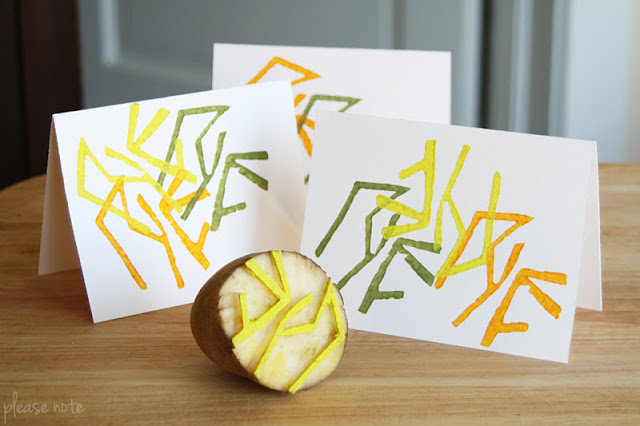
Discard used potato pieces promptly; they do not keep well as future stamps. A quick wipe of the table with vinegar water cuts the earthy smell.
5. Painted sky blocks
Wooden cubes or scrap blocks painted with sky gradients, clouds, and suns become a building set with atmosphere. Let coats dry fully between colors. Seal with a child-safe varnish if the paint is chalky and will see rough floor play.
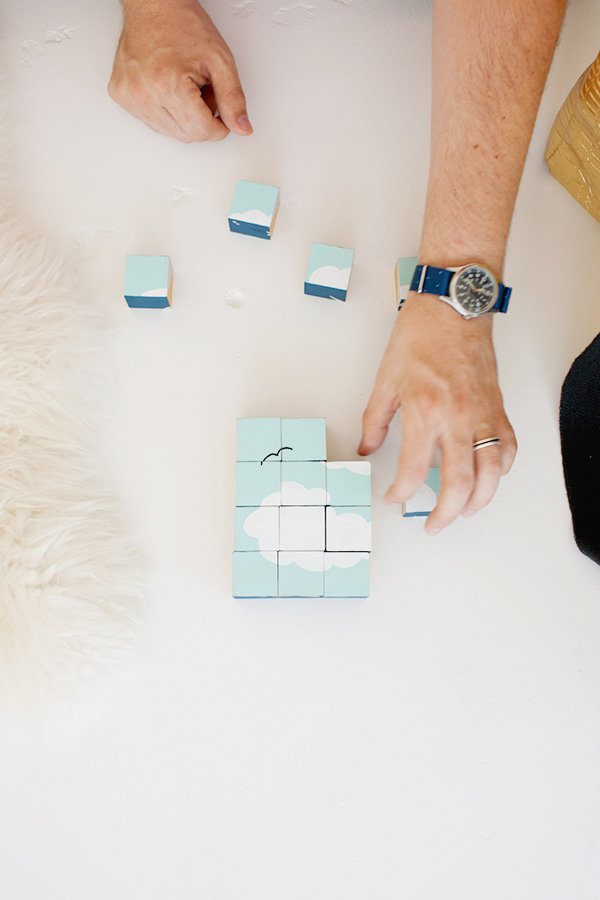
Sorting by color before building is half the play. Store in a clear bin so the “sky set” does not disappear into the general block pile.
6. Homemade flubber or stretch slime
A classic glue-based stretch recipe (follow current child-safe ratios for your chosen activator) yields material for pulling, poking, and quiet desk fidgeting. Supervise closely, skip tasting, and store in a sealed container overnight if you want a second day of play.
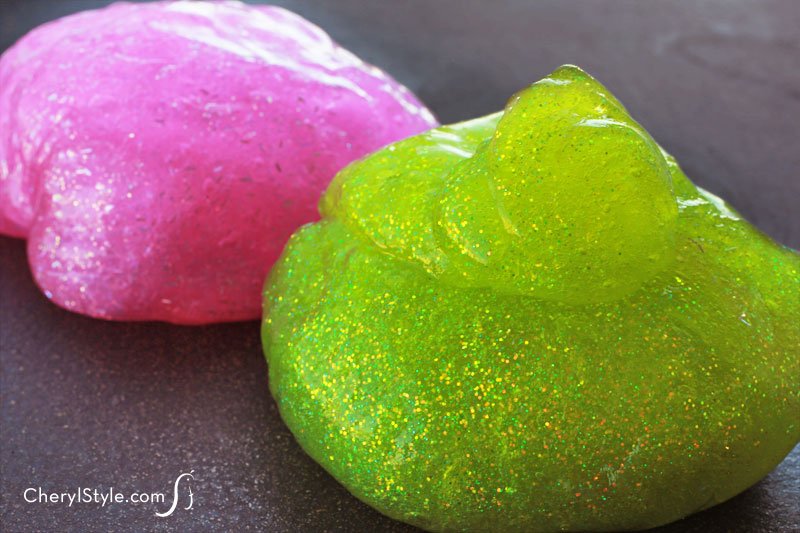
Cover the table and keep hair ties handy. This is glorious and sticky; that is the point, as long as clean-up is built into the schedule before anyone is late for dinner.
7. Sidewalk chalk from scratch
Plaster of Paris, water, and tempera mixed in molds become chunky chalk sticks. Dry fully before outdoor use—rushing leads to crumbly disappointment. Drawing a neighborhood mural on the driveway turns a craft into a social afternoon.
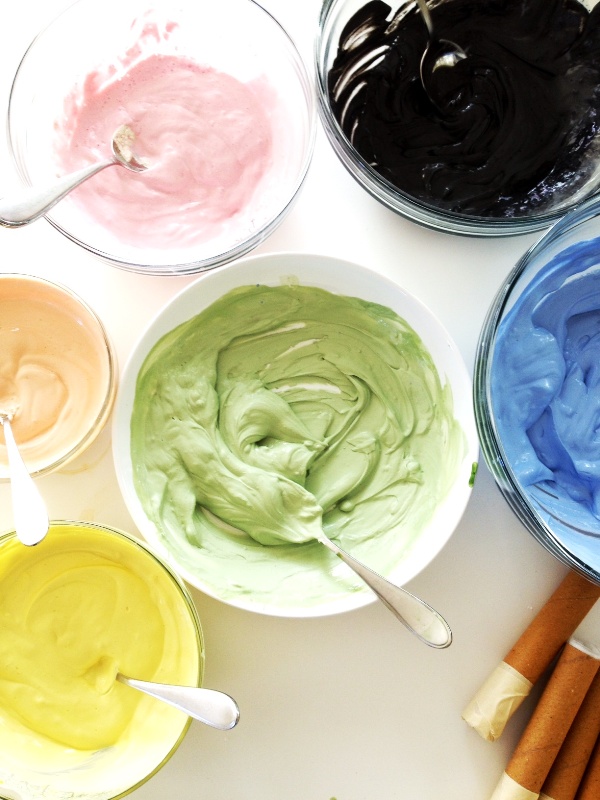
Invite a friend with a bucket of water for clean-up games afterward. Photograph the mural; rain will edit it for you by Monday.
8. Night-sky playdough
Dark playdough studded with glitter “stars” and planet beads invites quiet storytelling on a cookie sheet. Add a flashlight under a tent of blankets for evening play after the sun goes down.
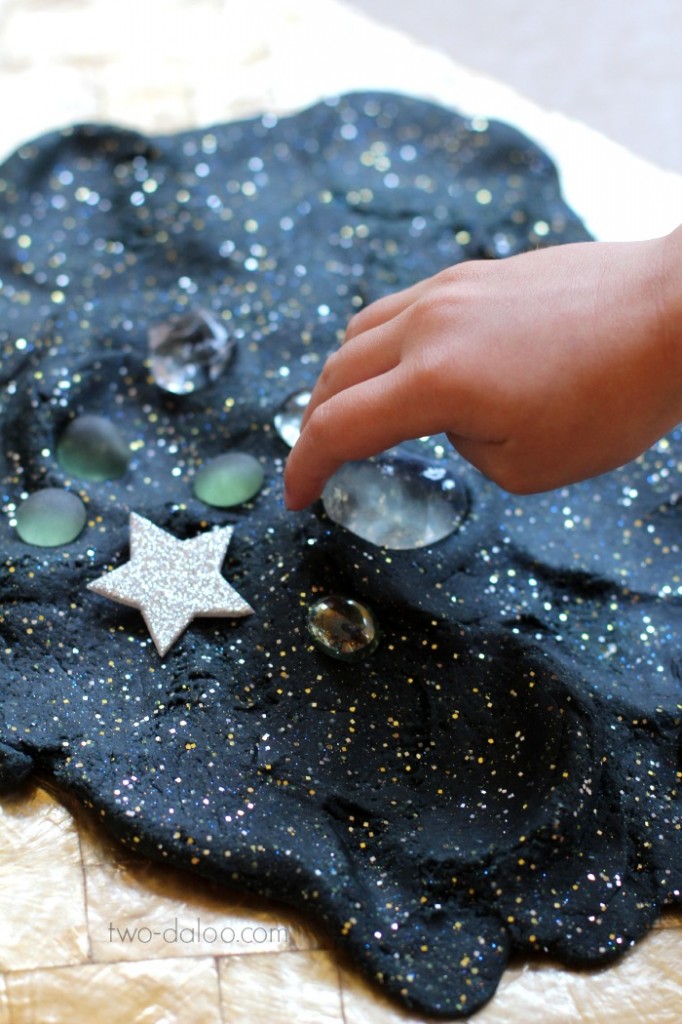
Keep glitter contained with a tray rim. Vacuum day can wait until the weekend is actually over.
9. Geometric foam stamps
Cut craft foam into triangles, circles, and strips, glue to bottle caps or wood scraps, and stamp repeating patterns on paper or fabric scraps. Talk lightly about shapes without turning the session into homework.
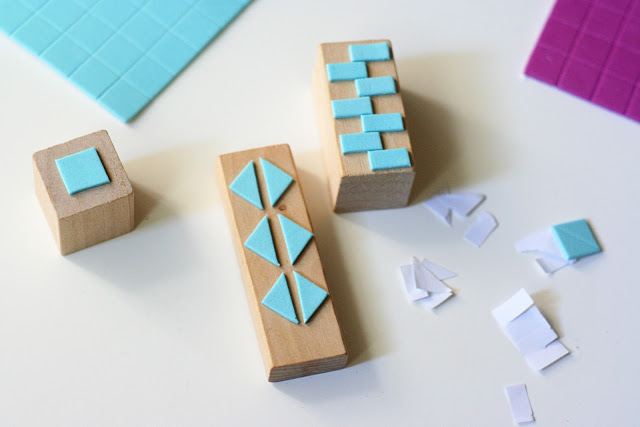
Wrapping paper made this way beats store rolls for teacher gifts at the end of a school year. Let kids sign a corner so the gift feels personal.
10. Water-play basket outdoors
A plastic bin, cups, funnels, and a few floating toys turn the yard into a lab. Add ice cubes on hot days. Towels at the door save the hallway from becoming a second activity.
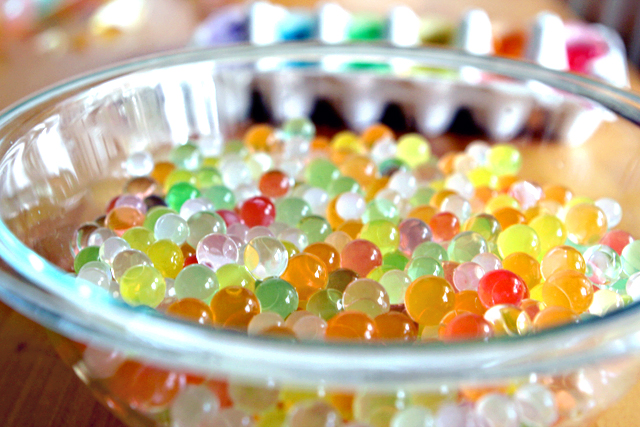
This is less “craft” than regulated chaos—and often the weekend favorite when glue fatigue sets in. Empty and dry toys before storage so the next Saturday does not start with a mildew surprise.
11. Rainbow ice blocks
Freeze colored water in layers in clear containers, then set the blocks in a shallow tray for melting, stacking, and observation. Use food coloring sparingly; skip licking experiments if that will derail the science mood. Salt and warm water speed the melt for impatient researchers.
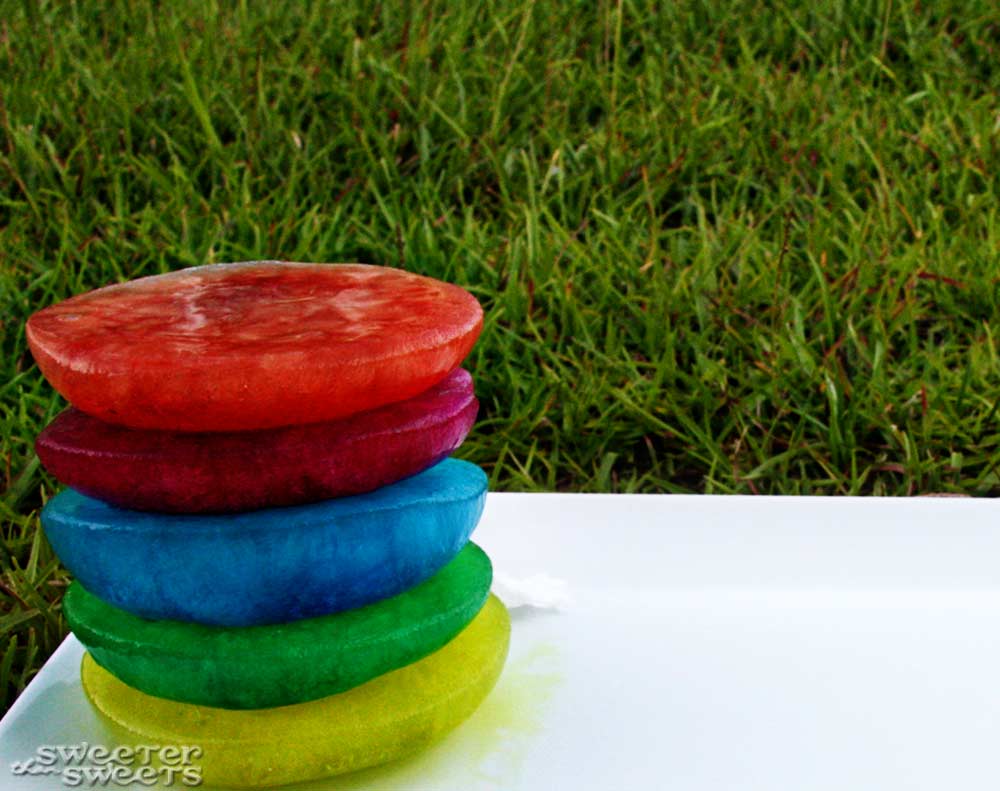
Start freezing the night before so the activity is ready when energy is high, not when everyone is waiting on the freezer door.
12. Glow slime for evening
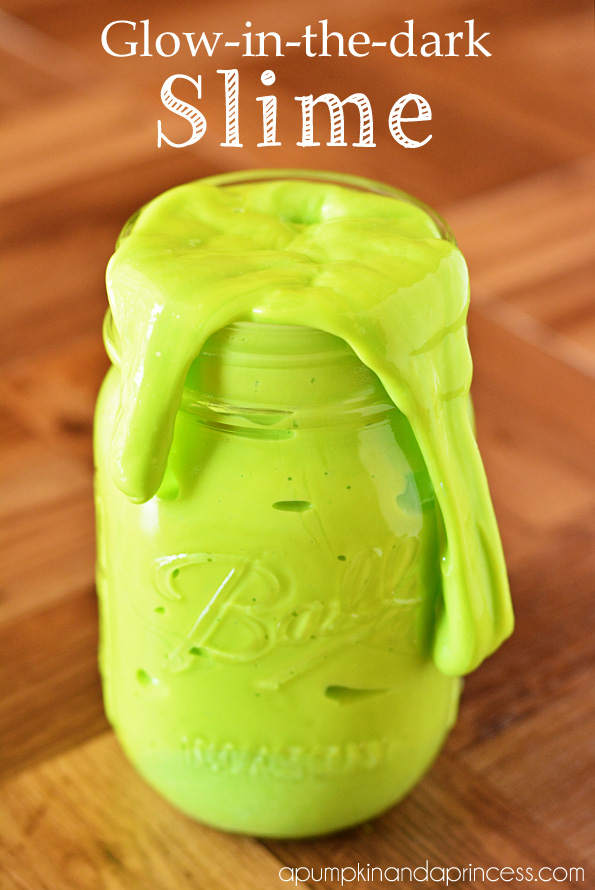
A glow additive in slime (age-appropriate products only) turns lights-out into a feature. Charge under a lamp, then play in a dim bathroom or closet fort. Wipe surfaces afterward; glowing residue looks dramatic on dark towels and needs a wash pass.
13. Melted crayon shapes
Broken crayon bits in silicone molds melt in a low oven into new chunky crayons. Adults run the oven and timers; kids sort colors into molds. Cool completely before popping out—impatience cracks edges.
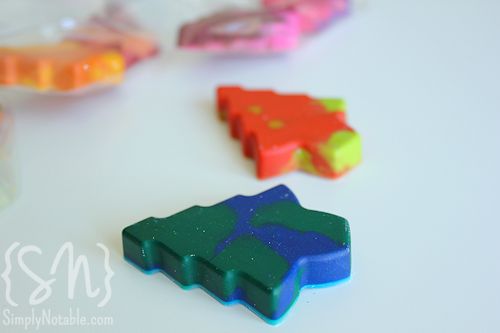
Holiday cutters make seasonal sets; plain rounds are fine for everyday coloring books and restaurant kits.
14. Bathtub crayons
Soap-based or glycerin crayon recipes (or a store kit if time is short) let kids draw on tub walls that rinse clean. Test a corner first on older enamel. Ventilate the bathroom and keep the floor dry so the art session does not end in a slip.
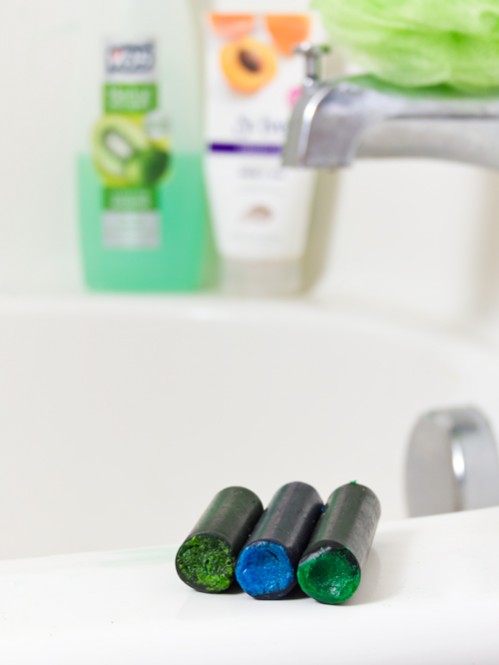
Pair with an early bath on Saturday so wet hair and bedtime stories still fit the evening.
15. Milk tray color races
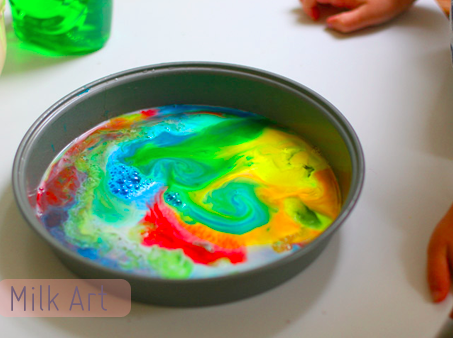
A shallow tray of milk with drops of food coloring and a cotton swab dipped in dish soap sends color racing outward—a classic rainy-day demo. Photograph the patterns; the milk itself is not a keepsake. Dump promptly and wash the tray so the kitchen recovers.
16. Scrap collage storyboards
Magazine scraps, ticket stubs, and colored paper on a big sheet become a comic strip or weekend diary page. Ask kids to narrate as they glue. No perfection required—overlapping layers often look braver than neat grids.
Tape finished boards to a hallway for a week, then recycle without guilt. The story was the weekend; the paper was only the prop.
Making the weekend feel easy
Prep materials in a bin the night before. Put a trash bag under the tablecloth. Decide which projects are “adult knife” or “adult oven” projects and which are fully kid-led. If energy crashes, switch to water play or chalk outdoors instead of forcing a second glue session.
Display one finished thing—a card, a chalk-drawing photo, a finger-knit coil—then store or recycle the rest. Shared time and a creative stretch matter more than a museum of every experiment.
When Monday returns, you will remember the afternoon by the color on someone’s hands and the sentence that started with “Can we do that again?” Keep the bin stocked; next weekend will ask sooner than you think.

Comments
Continue reading
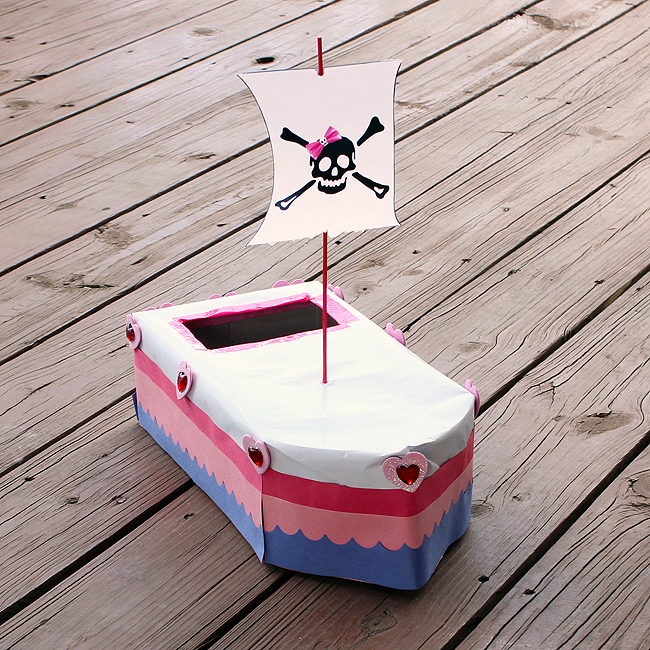
DIY Valentine’s Day Crafts for Kids: Cards, Mailboxes, and Sensory Makes
Age-friendly Valentine crafts for kids—mailboxes, heart stamps, suncatchers, treat holders, stick puppets, and play dough—with adult-handled scissors, glue guns, and crystal safety.
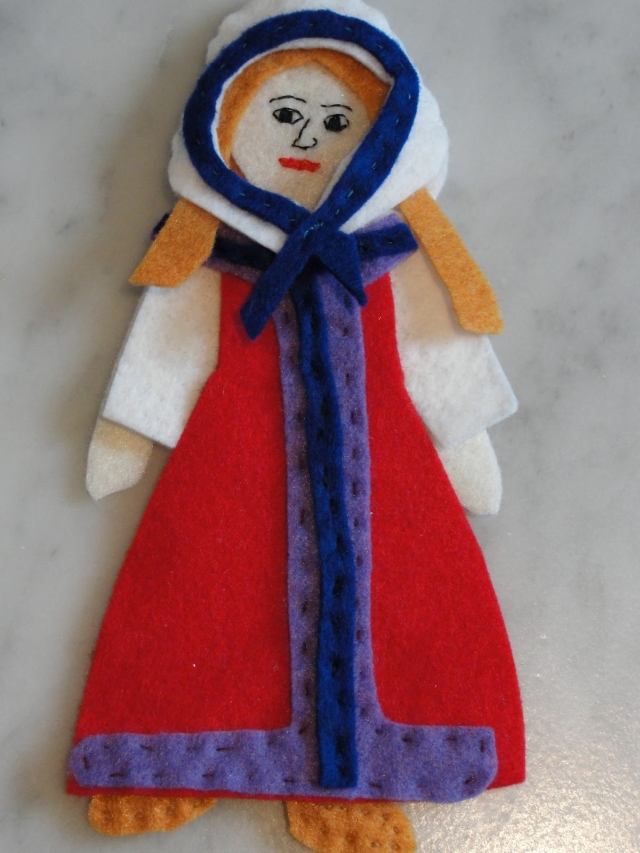
DIY Handmade Dolls: Felt, Fabric, Socks, and Topsy-Turvy Softies
Simple patterns and scrap-friendly methods for felt dolls, fabric rag dolls, sock softies, dollhouse figures, and upcycled doll clothes kids can help make.
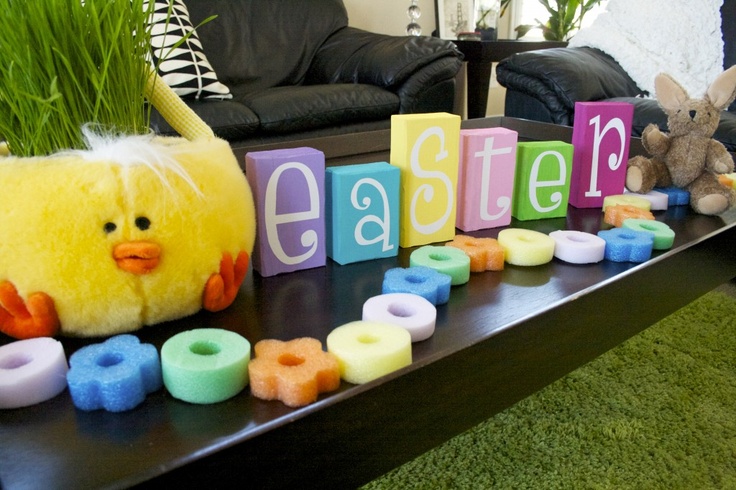
Pool Noodle DIY Ideas Kids Actually Use
Turn leftover foam noodles into rockets, counters, bed bumpers, soft swords, and outdoor course markers—with safety notes and a short project checklist.