
Svetlana Belyaeva: Artistic Fashion, Beauty, and Motion Photography
A portfolio roundup of Russian photographer Svetlana Belyaeva—fashion, beauty, and kinetic fabric images that treat glamour as crafted spectacle.
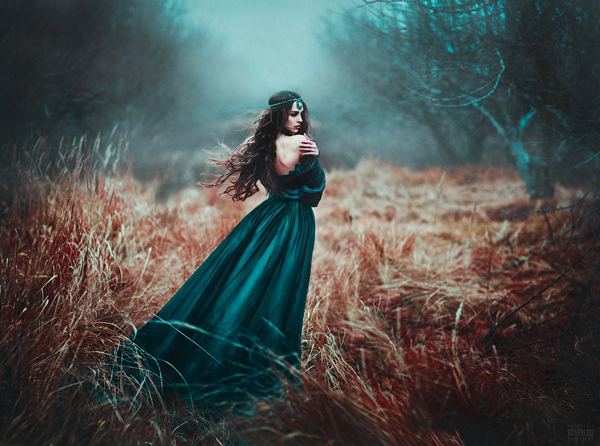
Svetlana Belyaeva’s photographs sit at the meeting point of fashion editorial, beauty portraiture, and art-directed motion. Working from Russia—often associated with Belgorod and later with broader fashion and portrait circuits—she built a recognizable look around feminine glamour, controlled lighting, and fabrics that behave like weather systems around a body. The images collected here are not a complete catalogue. They are a portfolio roundup: a way to see how her camera turns studio craft into atmosphere.
Viewers who first encounter her work through fashion blogs or photo digests usually notice the same things within a few frames. Skin is treated with care rather than heavy shock. Color is saturated but rarely muddy. Models are posed to suggest movement even when the shutter freezes them. And cloth—chiffon, silk, tulle, metallic sheers—often becomes a co-star, not a prop.
From wedding work to artistic fashion
Like many photographers who later specialize in high-glamour portraiture, Belyaeva’s public biography is frequently sketched as a shift: early wedding and commercial practice, then a turn toward more deliberate artistic photography. That path matters less as career folklore and more as an explanation of craft. Wedding photography trains speed, rapport, and the ability to find flattering light under pressure. Artistic fashion work keeps those instincts and slows them down—more styling, more set control, more patience with a single gesture until the fabric settles into the frame.
By the early 2010s her images were circulating widely on design and photography showcase sites. Editors highlighted feminine portrait series, beauty close-ups, and fashion nudes that treated the body as line and volume rather than as scandal. The work sits comfortably beside contemporary European fashion photography of that period: polished, romantic, occasionally theatrical, and built for screens as much as for print.
What defines the look
Several recurring choices shape Belyaeva’s signature.
Motion as composition. Hair, scarves, and dresses are often caught mid-arc. The model may be jumping, turning, or simply lifting an arm so that fabric draws a curve through the negative space. Stillness is rare; even quiet portraits feel as if air is moving through the frame.
Fabric as architecture. Instead of hanging clothes on a body, she uses cloth to build temporary structures—tunnels of color, wings of gauze, cascades that hide and reveal. Fashion becomes sculpture for a fraction of a second.
Beauty lighting with editorial polish. Catchlights are clean. Skin tones stay luminous. Backgrounds are frequently simple enough that color and gesture do the storytelling. The photographs feel “finished,” which is why they travel well as portfolio highlights.
A consistent emotional register. Sensuality is present, but it is usually staged as elegance or dream rather than confrontation. That tone is part of why her work is often described as artistic fashion rather than purely commercial catalogue photography.
Reading the first frame
In the opening image, color and gesture do most of the talking. The model’s pose is open, the fabric active, the lighting tuned to keep skin and textile equally important. Notice how little environmental clutter is allowed. When the background stays calm, every fold becomes a design decision. That is a practical lesson for photographers who want fashion images to feel artful: remove competing information, then let one strong motion carry the frame.
Also watch the relationship between face and cloth. Belyaeva often keeps the face readable while letting fabric exaggerate scale. The portrait remains human; the fashion becomes spectacle.
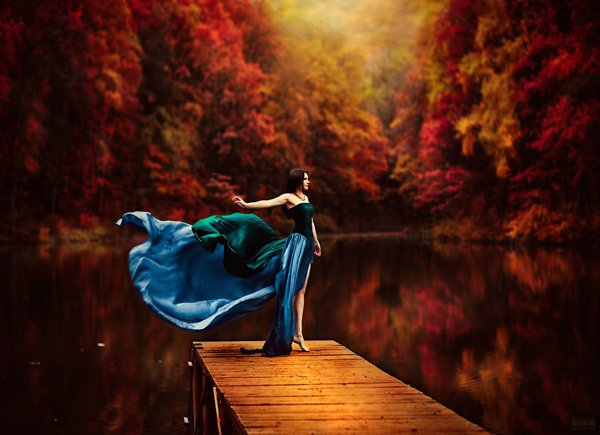
Beauty, fashion, and the art-nude edge
The middle of her range is especially interesting because it refuses a hard border between categories. A beauty close-up can share the same lighting language as a full-length fashion frame. An art-nude study can borrow the poise of a runway pose. What links them is direction: models are guided into shapes that photograph as calligraphy.
This is why her work is often filed under “artistic fashion photography” rather than only “nude photography” or only “beauty.” The nude images, when present in her broader portfolio, tend to emphasize line, rhythm, and controlled sensuality. The fashion images emphasize texture and motion. The beauty images emphasize surface and gaze. Across those modes, the photographer’s hand stays visible in styling choices and in the timing of the shutter.
For students of portraiture, that crossover is useful. It shows how a single lighting and color philosophy can support different levels of clothing without reinventing the entire aesthetic each time.
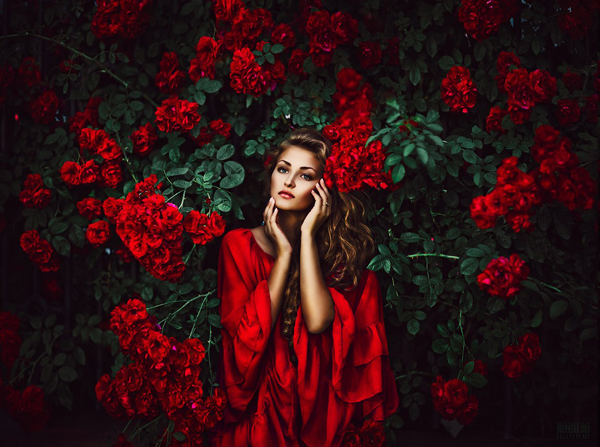
Motion figures and glamorous textiles
The third image leans into what many viewers remember most: figures that seem to fly inside glamorous fabrics. Capturing motion at this quality is not luck. It usually means a combination of fast enough shutter for sharpness where you need it, continuous or carefully timed lighting, and a model who understands how to move for the lens rather than for a mirror.
Practical takeaways from frames like these:
- Ask for large, readable gestures. Tiny movements disappear when fabric is busy.
- Shoot bursts, then edit ruthlessly for the one instant when cloth forms a clean shape.
- Keep the color story intentional. Competing hues fight motion for attention.
- Leave breathing room in the composition so the fabric’s arc has somewhere to go.
Belyaeva’s strongest images make those decisions look inevitable. The model, the textile, and the light arrive at the same conclusion in the same tenth of a second.
Why the portfolio still reads clearly
Trends in fashion photography change quickly—grit one season, hyper-gloss the next, then documentary flatness again. Belyaeva’s circulated work from the period around these images holds up because it commits to a coherent fantasy: feminine glamour as crafted spectacle. That does not mean the photographs are unreal in a careless way. It means they accept artifice as part of fashion’s job.
If you are building a mood board, her frames are useful references for:
- how to photograph flying fabric without chaos;
- how to keep beauty retouching subordinate to gesture;
- how to stage sensuality with elegance rather than shock;
- how a simple background can make expensive-looking fashion from relatively controlled studio means.
Look at the three images as a short essay rather than as isolated pretty pictures. First, the open glamorous pose. Second, the beauty-fashion bridge. Third, the motion climax. Together they sketch the range that made her work easy to recognize in online roundups: polished, feminine, and kinetic.
When you return to your own shoots, borrow method more than makeup. Decide what the fabric must do. Decide where the face must stay clear. Decide which single motion the frame is about. Belyaeva’s photographs succeed when those three decisions agree—and that agreement is available to anyone willing to practice it with patience and a willing model.

Comments
Continue reading

Dramatic Photo Art by Sukron Ma’mun (Ipoenk Graphic)
Cirebon, Indonesia photographer Sukron Ma’mun uses theatrical natural light to frame village life, play, and place in lyrical photo art.
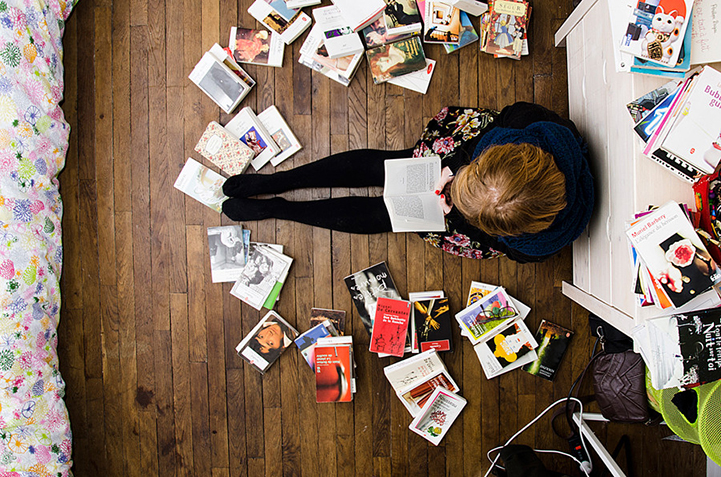
Bird’s-Eye Views: Florian Beaudenon’s Instant Life
Paris photographer Florian Beaudenon’s Instant Life series captures people in their rooms from above—intimate, collaborative overhead portraits of everyday joy.
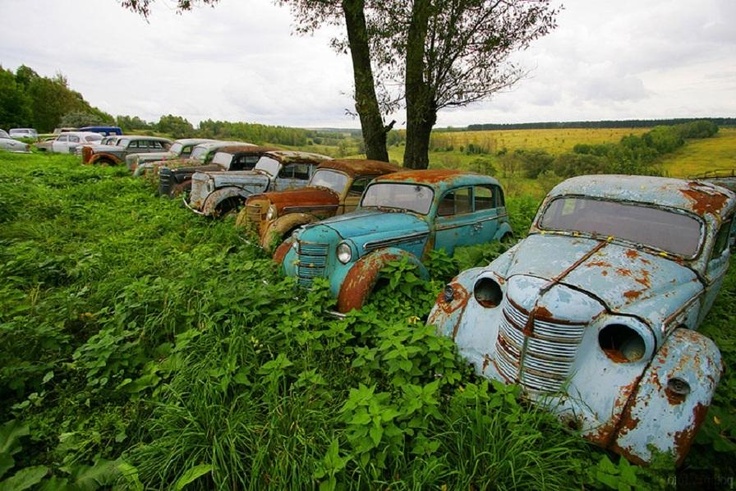
Abandoned Cars Reclaimed by Nature: Rust, Growth, and Quiet Ruin
When neglected vehicles are left outdoors long enough, rust, moss, and trees rewrite them into strange still lifes—sad, photogenic, and slowly returning to the ground.