
Aurélien Buttin’s Travel Photography: Ordinary Moments, Deeper Places
French photographer Aurélien Buttin’s travel images find story in daily life—streets, landscapes, and encounters shaped by the environments behind them.
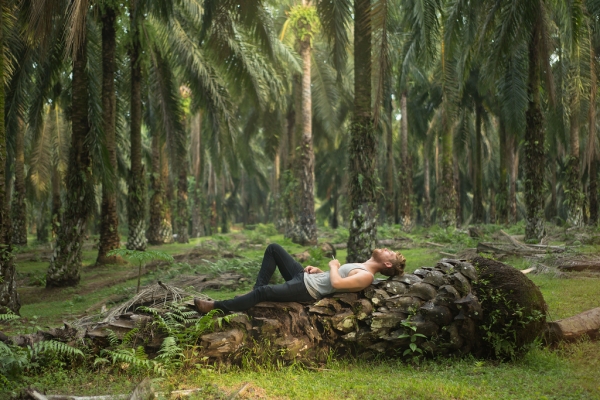
Aurélien Buttin is a French photographer whose travel work often looks, at first glance, like ordinary life caught in passing: a street corner, a doorway, a stretch of road, a face met between errands. Stay with the frame and the ordinary becomes specific. Backgrounds are not decoration; they are part of the sentence the photograph is speaking. Landscape, architecture, and weather give daily gestures a place to mean something.
Based for years around Amiens, Buttin has built a practice that sits between lifestyle, reportage, and the loose documentary mood of travel photography. Profiles of his work have long noted journeys across dozens of countries—figures commonly cited around forty destinations spanning multiple continents—where he collects not only monuments but also the texture of days: markets, alleys, festivals, and chance meetings. The selection here belongs to that traveling eye: images that treat place as character rather than postcard.
Travel photography that refuses the checklist
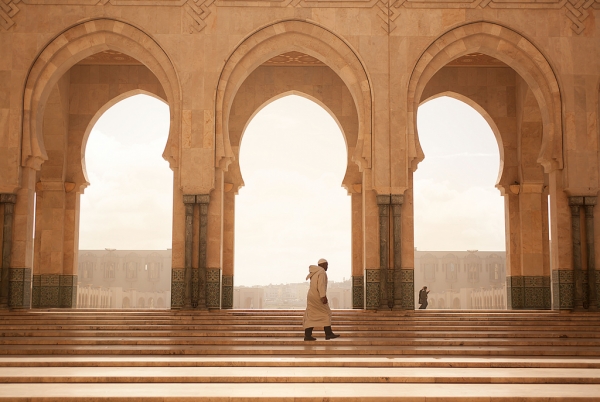
Plenty of travel portfolios are inventories—famous façades, sunset viewpoints, the same angles sold on postcards. Buttin’s stronger frames push past that inventory. He notices how light falls in a narrow passage, how a figure occupies a plaza, how color in clothing answers color in walls. The subject may be “ordinary,” yet the timing is not. Ordinary moments become exceptional when the photographer waits for balance: gesture against geometry, stillness against crowd, a quiet interval in a loud place.
That approach rewards viewers who like narrative without captions. You do not need the city name to feel the temperature of the scene. A dusty road implies distance. A shaded courtyard implies pause. A shoreline or desert edge implies scale that dwarfs the traveler. The environment deepens meaning because it refuses to stay neutral. In an era when phones make everyone a tourist photographer, this kind of work still stands out by refusing to prove presence and choosing instead to prove attention.
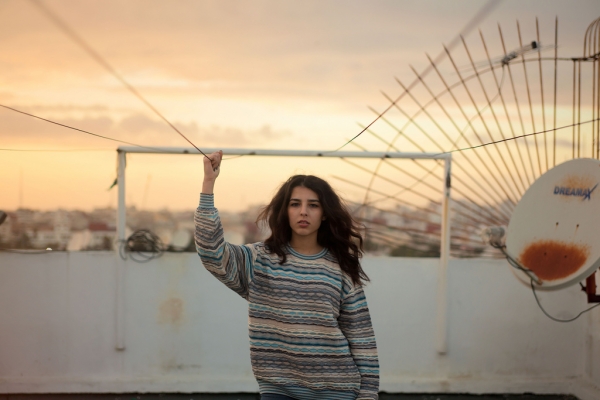
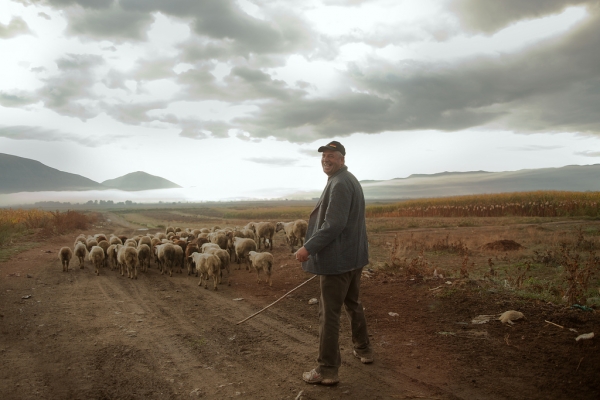
Place as collaborator
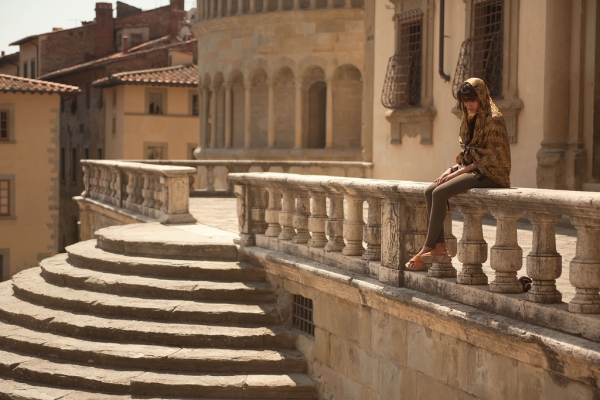
In Buttin’s travel pictures, location behaves like a co-author. Architecture frames people the way a doorway frames a portrait. Weather softens or hardens edges. Vehicles, cables, market stalls, and signage—the “mess” of real streets—stay in the frame when they earn their keep. Cleaning a scene into pure tourism would erase the very friction that makes a place feel inhabited.
This is especially clear in work associated with longer routes rather than single-city weekends. Series such as journeys from coastal cities into desert interiors—routes that take a photographer from dense souks and alleys toward open sand—show how Buttin links disparate geographies through attention to people met along the way. Portraits and environmental frames bind the itinerary. The desert is not only landscape; it is the space after the crowd. The alley is not only texture; it is the space before the horizon. Distance becomes a narrative device: how far someone has come, how far the road still goes, how small a figure becomes against weather and sand.
People, distance, and respect
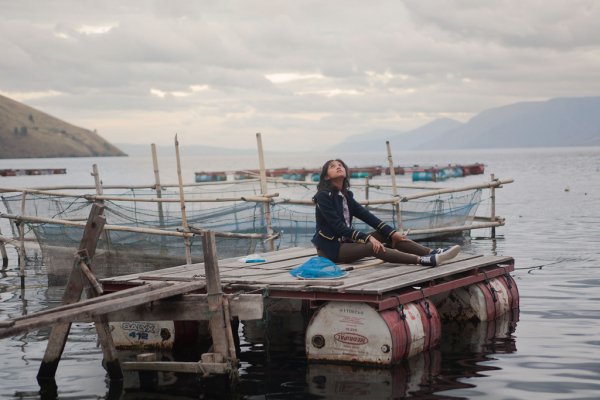
Travel photography lives or dies on how it treats strangers. Buttin’s published selections often favor encounters that feel mutual rather than snatched: subjects who occupy the frame with dignity, settings that explain more than they expose. Even when faces are central, the photographs tend to keep context—work, rest, passage—so the person is not reduced to an exotic souvenir.
For photographers learning from this kind of work, the lesson is pacing. Arrive, watch, ask when asking is right, and accept that some scenes are not yours. A successful travel frame is not proof of access; it is proof of attention. The difference shows up in posture, eye contact, and the absence of predatory cropping. Ethical travel craft also means knowing when not to lift the camera: ceremonies, private grief, and situations where a visitor’s lens would change the power balance of the room.
Color, light, and the everyday spectacular
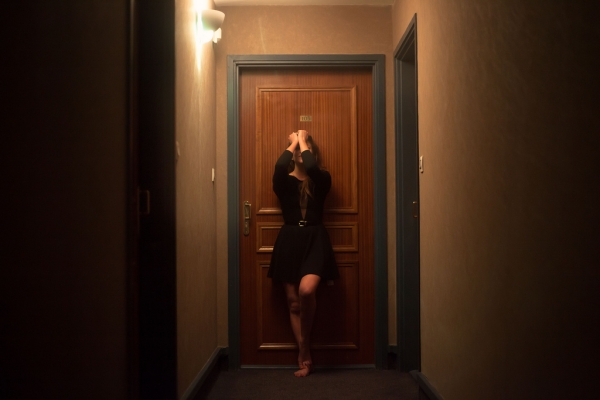
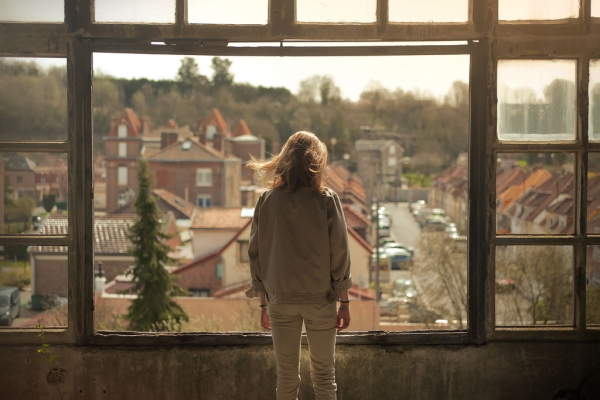
Buttin’s images frequently rely on available light rather than theatrical setups. Midday bounce off pale walls, late sidelight on roads, the cooler shade of covered markets—these are tools of observation. Color can be saturated when the place is saturated, or restrained when haze and dust mute the palette. Either way, the photograph seems to accept the climate instead of fighting it into a studio ideal.
Compositionally, many frames use strong horizontals and verticals—streets, horizons, building edges—to steady busy content. A single figure or vehicle becomes a scale marker. Negative space is allowed to remain empty when emptiness is the subject. That patience separates travel craft from snapshot tourism. It also explains why his pictures reward a second look: the first glance gets the subject; the second glance gets the geometry that makes the subject hold.
From itinerary to body of work
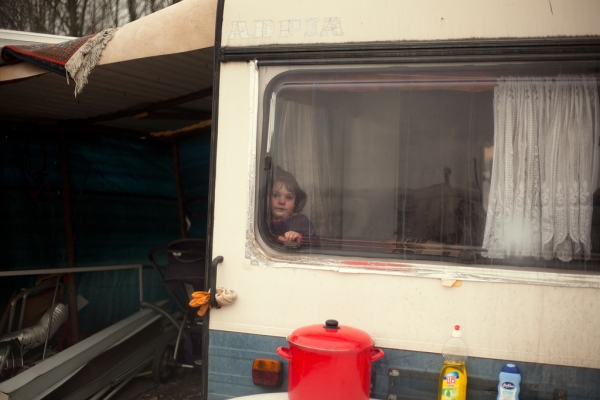
A photographer who moves through many countries risks a scattered archive: pretty singles that never cohere. Buttin’s stronger presentation treats travel as chapters. Sequences matter—narrow streets before open desert, crowd before solitude, interior before expanse. Viewers then experience not only destinations but transitions. That editorial sense is what turns a gallery habit into something closer to a photo essay, even when images are shown as a set of stills.
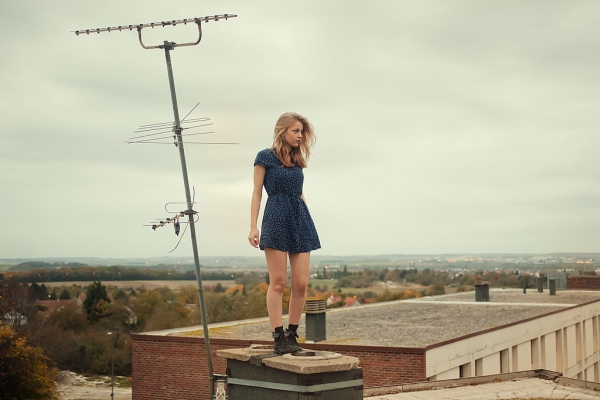
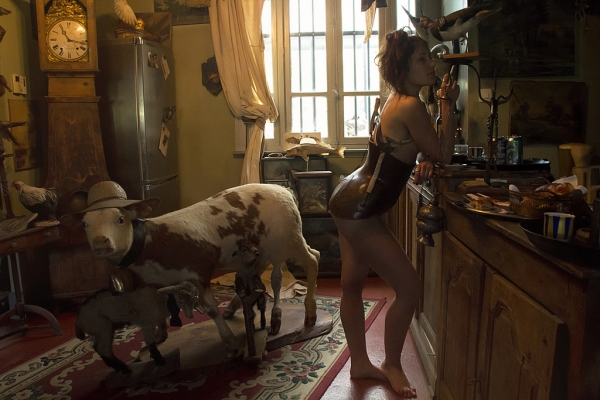
Away from the road, his practice has also included lifestyle and fashion-adjacent commissions, which helps explain the comfort with gesture and wardrobe in candid settings. The travel work still leads with place, but the eye for how people occupy space carries across genres. Cross-training between assignment work and personal travel can sharpen both: commissions demand clarity; travel demands curiosity; together they keep pictures from becoming either sterile or aimless.
What to look for in the gallery
As you move through the photographs, notice how often the environment completes the story. Ask where the light is coming from, what the background adds that a tighter crop would lose, and whether the “ordinary” subject would still hold without place. Those questions are a useful training exercise for anyone who photographs while traveling.
Also notice what is absent: heavy filters shouting for attention, staged tourist poses, and captions that over-explain. The images trust visual clarity. That trust is part of their brilliance—not brilliance as spectacle, but brilliance as clarity of seeing. If a picture can survive without a clever title, it is doing real work.
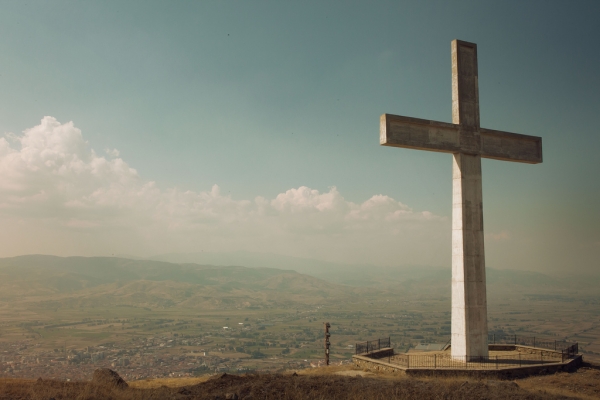
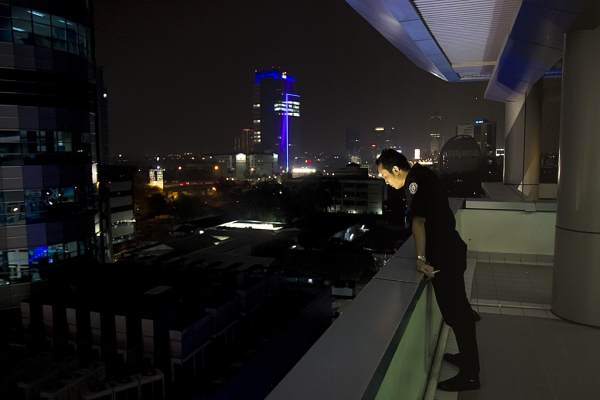
If you photograph on your next trip, try one constraint borrowed from this kind of work: for an hour, do not chase landmarks. Photograph only thresholds, roads, and people moving through them. You may come home with fewer “proof I was there” images—and more pictures that remember how the place actually felt.

Comments
Continue reading
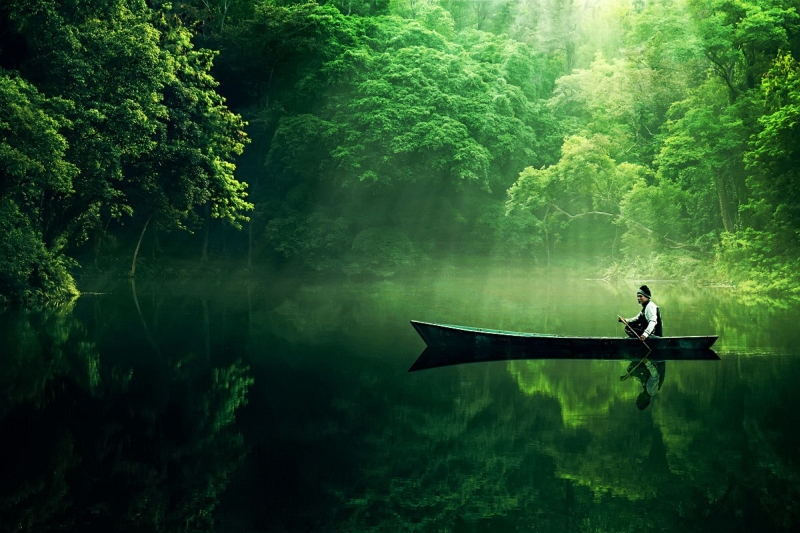
Dramatic Photo Art by Sukron Ma’mun (Ipoenk Graphic)
Cirebon, Indonesia photographer Sukron Ma’mun uses theatrical natural light to frame village life, play, and place in lyrical photo art.

Bird’s-Eye Views: Florian Beaudenon’s Instant Life
Paris photographer Florian Beaudenon’s Instant Life series captures people in their rooms from above—intimate, collaborative overhead portraits of everyday joy.
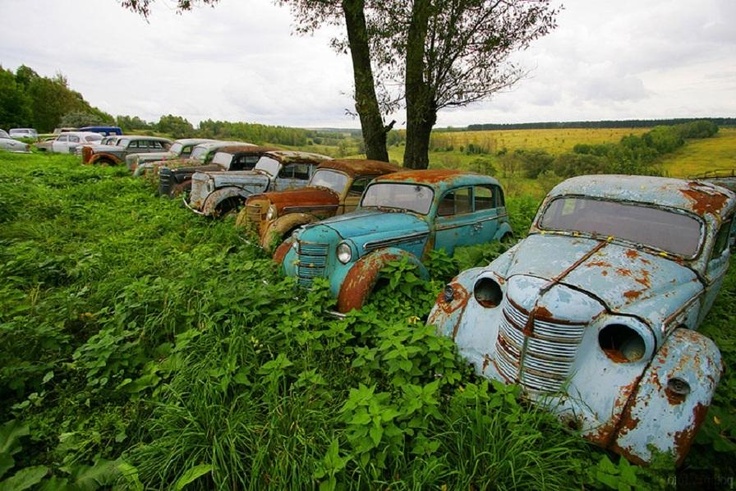
Abandoned Cars Reclaimed by Nature: Rust, Growth, and Quiet Ruin
When neglected vehicles are left outdoors long enough, rust, moss, and trees rewrite them into strange still lifes—sad, photogenic, and slowly returning to the ground.