
DIY Elbow Patches: Felt, Leather, Lace, and Sequin Ways to Refresh Knits
Place patches on the true elbow bend, then choose felt, leather, lace, or sequins to refashion tired pullovers and cardigans without buying new ones.
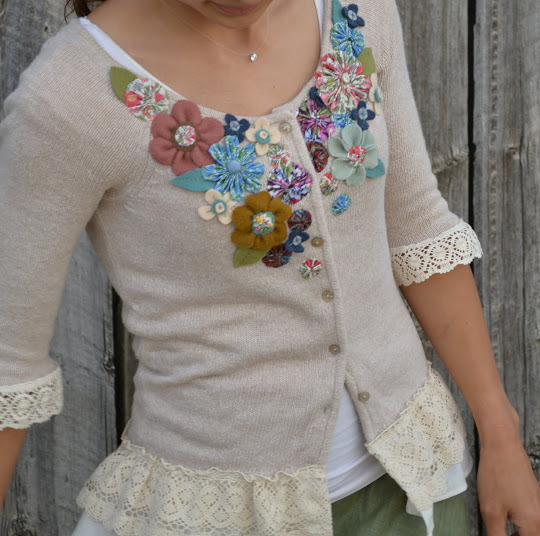
A closet full of wearable but tired knits is a refashion problem, not a shopping problem. Pullovers and cardigans from last season still fit; they just look the same every time you reach for them. Elbow patches fix that with a small surface change that reads intentional—schoolhouse classic, soft romantic, or flashy sequin—without rebuilding the whole garment. They also reinforce the place sleeves wear thin first, so the upgrade is practical as well as decorative.
Before winter layers take over, pick one sweater you already love and treat the elbows as a design decision. No-sew felt works when you want speed and leftover craft scraps; leather, lace, denim, and sequins ask for a little more planning and usually a needle. The methods below cover placement, materials, and finishes so you can match the patch to the fabric you already own.
Where the patch should sit
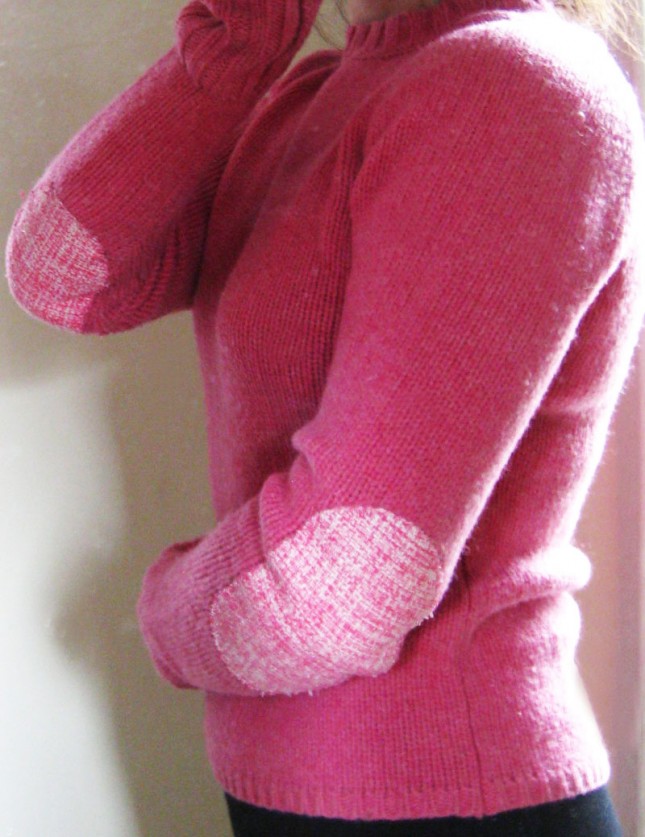
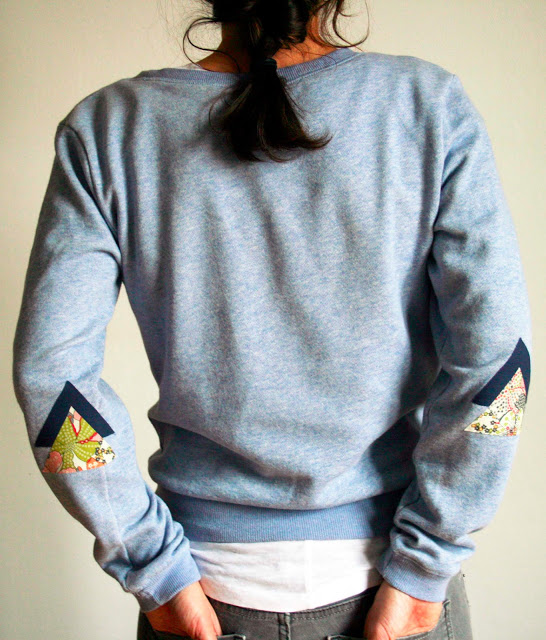
Put the sweater on, bend your arm naturally, and mark the center of the bend with tailor’s chalk or a pin. That spot—not the absolute lowest point of the hanging sleeve—is where the patch should land. Trace a paper oval, hexagon, heart, or triangle, then check the shape against the sleeve width. Patches that are too large look like bumper stickers; patches that are too small disappear once the arm moves.
Cut two identical shapes. Mirror them so the grain or print direction matches left and right. On cardigans, measure from the cuff up so both elbows sit at the same height when the garment hangs open. On pullovers, pin both patches while the sweater is on a flat surface after one sleeve is marked, then fold the sweater in half to transfer the placement.
No-sew felt for quick refreshes
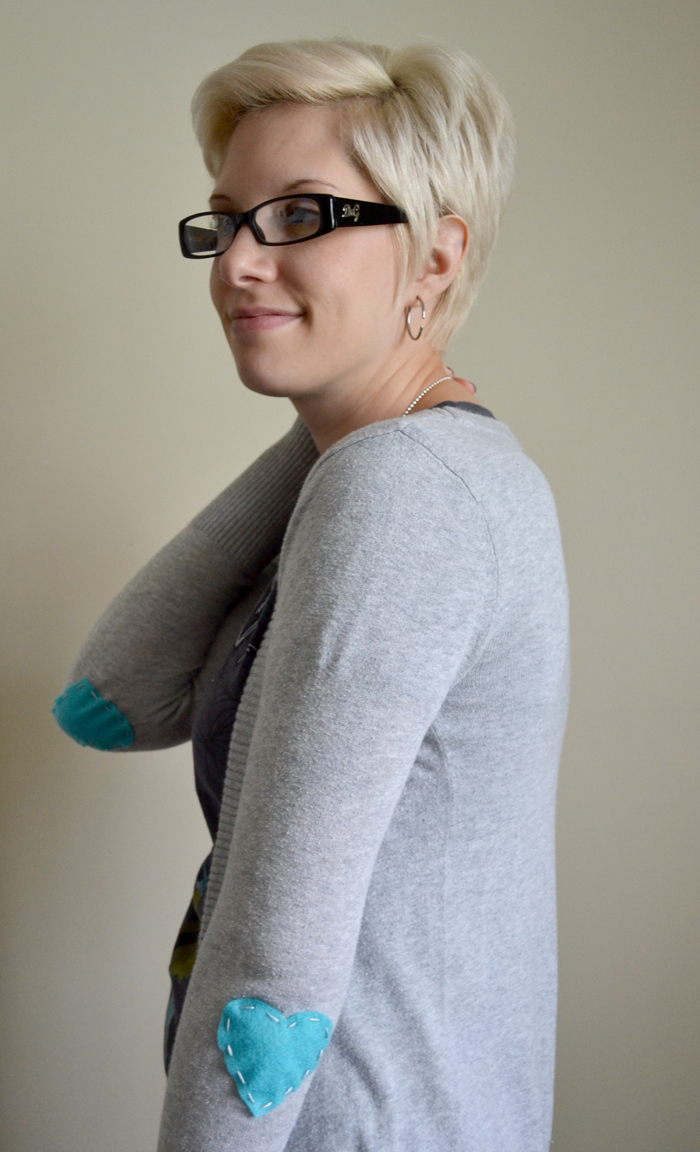
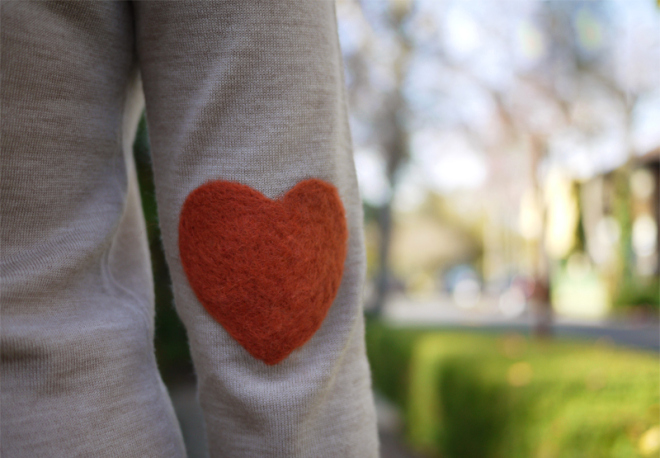
Felt is forgiving: it does not fray, leftovers from other projects are usually enough for two elbows, and adhesive options get a garment wearable the same afternoon. Use wool or wool-blend felt when you can; craft acrylic felt pills faster and can look plasticky under bright light. Cut clean edges with sharp scissors or a rotary cutter on a mat.
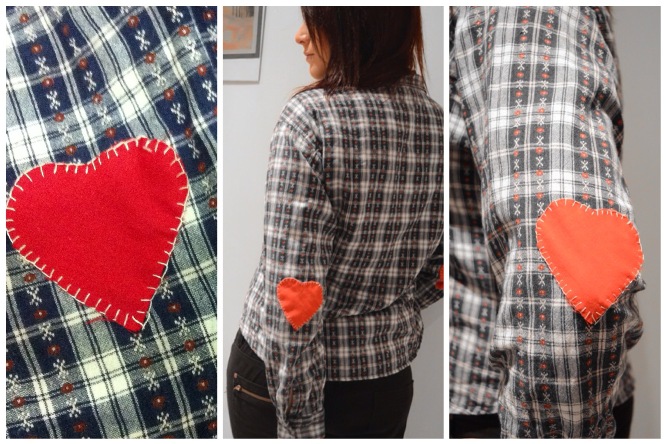
Fusible web or fabric glue designed for washable wear keeps the patch down without stitching. Press according to the adhesive instructions—too much heat can shine synthetic sweaters. If you prefer a soft edge, blanket-stitch around the perimeter after the glue sets; the stitch is optional decoration, not structural, when the adhesive is solid. Felt also takes embroidery well: a few running stitches or a tiny initial in the center turns a plain oval into something personal.
Shapes that change the mood
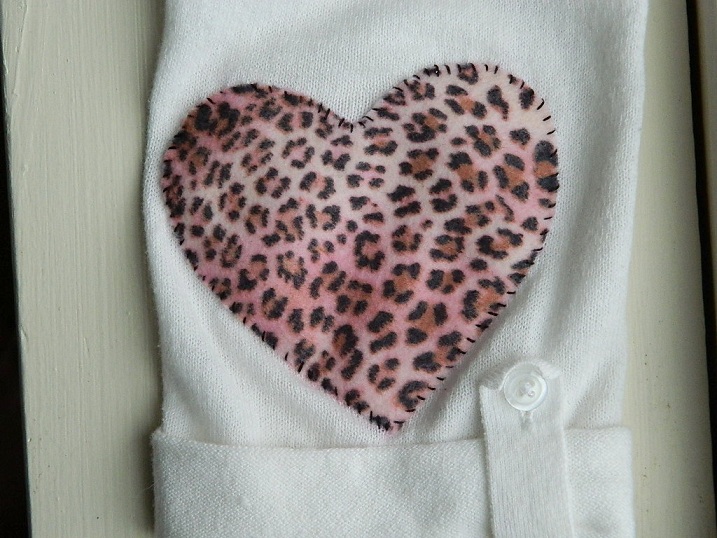
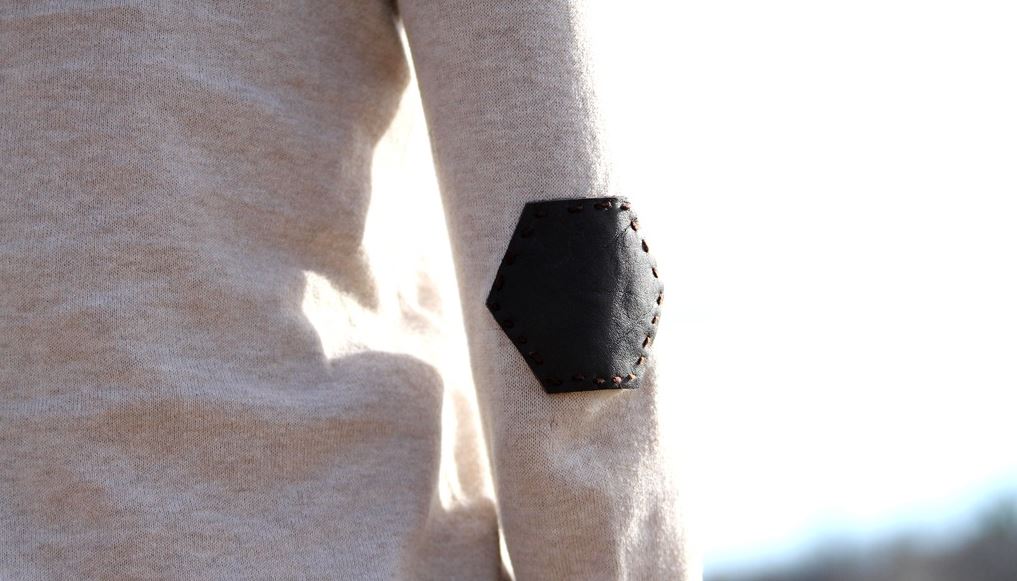
Classic ovals and rounded rectangles read academic and quiet. Hearts lean playful—useful on soft cardigans and Valentine-adjacent knits without needing a full holiday makeover. Triangles and hexagons look sharper on structured jackets and denser knits; leather hexagons especially suit that geometry because the material holds a crisp edge.
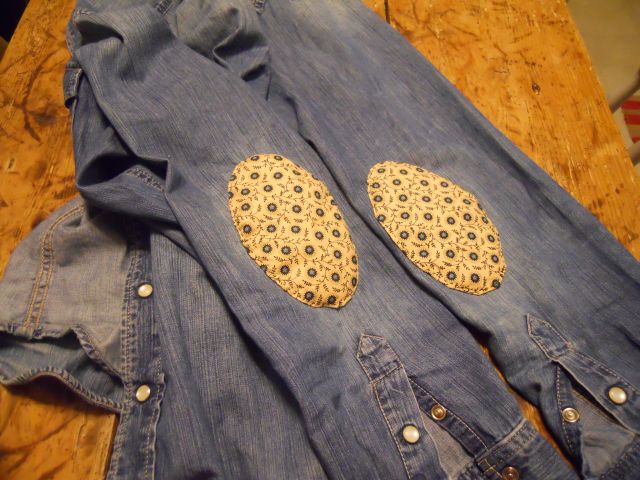
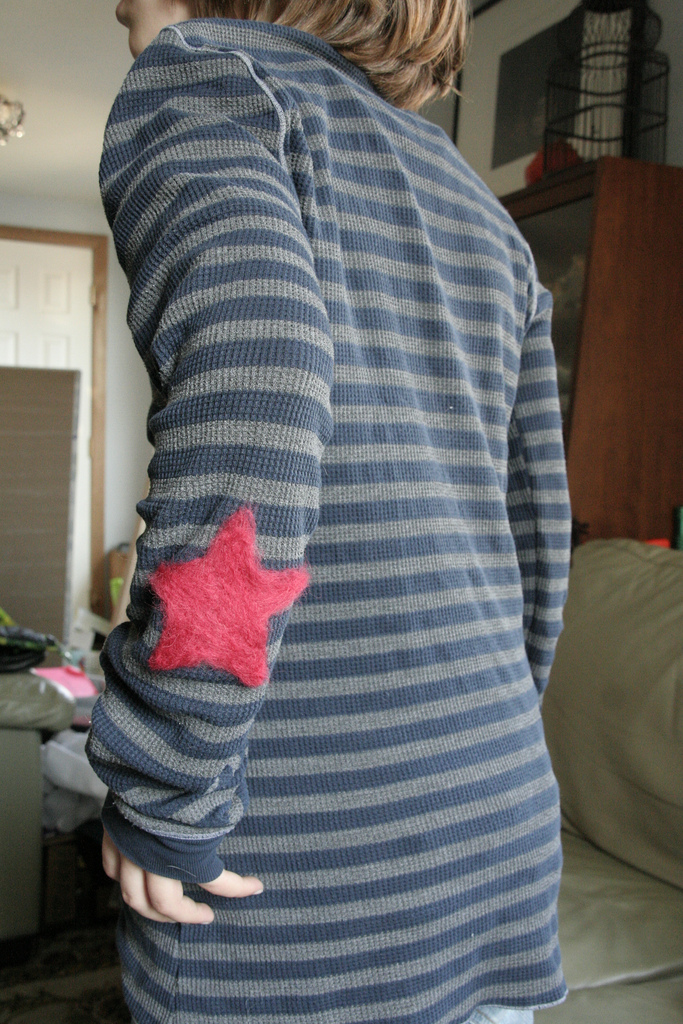
Match shape to the sweater’s personality. A cable-knit cream cardigan loves a muted suede oval. A lightweight spring cardigan can take a lace overlay or a sequin heart. Denim patches on indigo sweaters nod to workwear; needle-felted stars or motifs suit chunky wool where you want texture more than shine.
Leather, suede, and denser materials
Leather and faux leather need a stronger attachment than felt. Use a leather needle, heavier thread, and either a tight whipstitch around the edge or a machine zigzag if your machine can handle it. Punch starter holes with an awl if hand stitching fights the hide. Soft suede behaves more like fabric and is kinder on fine-gauge knits.
Keep leather patches slightly smaller than you think you need; stiff material can restrict bend if it covers too much of the elbow. Condition real leather lightly so it does not crack when the arm flexes. Faux leather that peels at the cut edge can be sealed with a thin line of clear fabric glue along the perimeter before sewing.
Lace, sequins, and decorative overlays
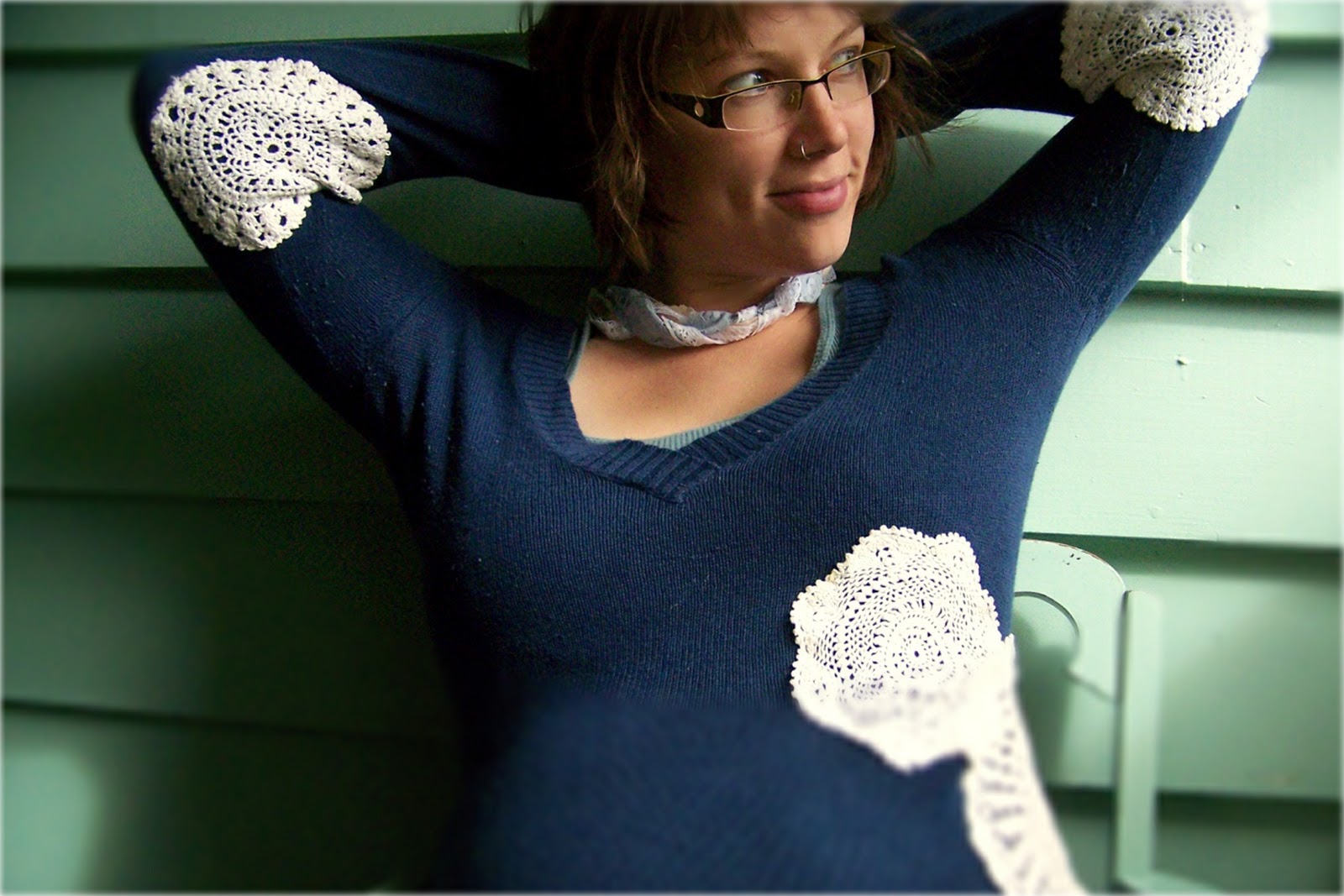
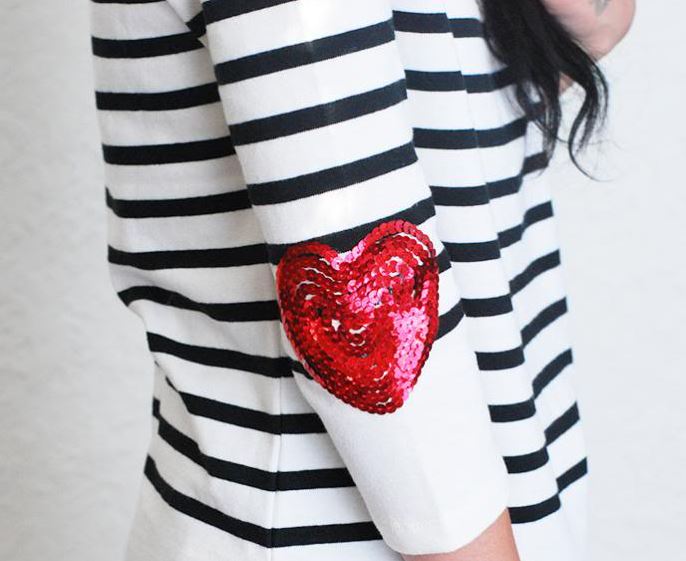
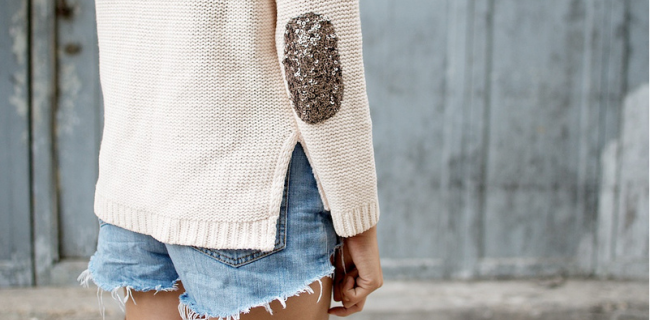
Lace patches work best as overlays on solid knits where the base color shows through. Pin generously, sew with fine thread in a matching or contrasting shade, and trim stray threads so they do not catch on bags. Sequined hearts and panels want a sturdy backing—felt or interfacing behind the sequin fabric—so sequins do not pull through the sweater loops.
Hand-sew sequin patches with small stitches that catch the backing rather than individual sequins whenever possible. Machine sewing over sequins can shatter them and dull the needle. For a quieter sparkle, use sequin trim only on the patch border and leave the center plain fabric.
Working with different sweater fabrics
Chunky knits hide stitches and forgive slightly uneven edges. Fine merino and cashmere need gentler handling: use silk or fine polyester thread, shorter needles, and avoid heavy leather that can pull holes in the yarn. Stretchy jersey-blend “sweaters” may need a ballpoint needle and a patch material with a little give—felt still works; stiff leather may buckle.
If the elbow is already thinning, reinforce from the inside with a scrap of lightweight interfacing or a small felt circle before adding the outer patch. That sandwich keeps the decorative layer from stressing weak yarn. Wash the garment once before patching when possible so later shrinkage does not pucker a perfect oval into a weird egg.
Stitch choices and lasting wear
Blanket stitch and whipstitch are the usual edge finishes; a tiny running stitch just inside the edge looks cleaner on leather. Contrast thread turns the stitch into a design line; matching thread disappears. Knot securely on the wrong side of the sleeve and bury tails so they do not rub skin.
After attaching, flex the elbow a few times and check for gaps. Add a few extra stitches where the bend lifts the patch. For no-sew versions, reheat or reglue any corner that lifts after the first wear. Hang the sweater to dry after washing rather than tumbling hot adhesive or sequin work.
Pairing patches with other refashions
Elbow patches play well with other small upgrades—new buttons, a fabric flower at the neckline, contrast cuff binding—but one hero change is usually enough. If the cardigan already has heavy embellishment at the front, keep elbows quiet. If the body is plain, patches can carry more personality.
Save scraps from the project: a leftover leather hexagon becomes a pocket detail later, and felt offcuts make matching patches for a second sweater in the same color story. Consistency across two pieces in a wardrobe reads like a deliberate style, not a one-off repair.
Start with the sweater you reach for most and the material already in your scrap bin. Two matched patches, placed on the true bend of the arm, will do more for that closet than another identical pullover on a hanger.

Comments
Continue reading

How to Refashion Old Boots: Belts, Paint, Cutouts & More
Practical ways to update boots you already own—belts, cutouts, paint, fabric, knit cuffs, and embellishment—with wearability and weather sense in mind.

Refashion Sunglasses You Already Own
Paint, stones, florals, embroidery, and stripes: practical ways to customize plastic frames at home without buying a new pair every season.
DIY Ideas for Old Socks: Rugs, Puppets, Mittens, and More
Sort leftover socks by fiber, then turn them into braided rugs, hand puppets, soft toys, mittens, and pin cushions with practical cutting and sewing tips.