
Dirty Little Secrets: Sarah Rosado’s Dirt Sculptures
New York artist Sarah Rosado shapes park dirt into fleeting sculptures—guns that bloom hearts, ants with bread, cameras and ducklings—then keeps only the photograph.
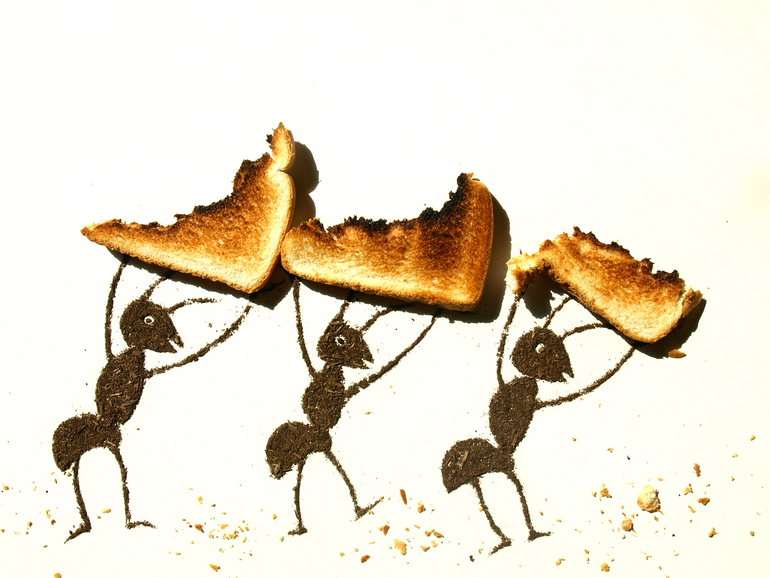
Artists choose materials for many reasons—habit, symbolism, availability, defiance. New York artist, illustrator, and photographer Sarah Rosado chose dirt. In her series Dirty Little Secrets, launched around mid-2013, she gathers soil from local parks, shapes it by hand into temporary sculptures of everyday objects and creatures, and photographs the results against clean white space. The sculpture itself is short-lived; the photograph is the work that remains.
That simple contract—earth as medium, camera as archive—turns a substance most people scrape off their shoes into something precise, whimsical, and oddly tender. The images look almost like illustrations until you notice texture, grit, and the small household props she sometimes nests into the dirt. Then the joke and the craft land together.
From pencil to park soil
Rosado has described drawing as an early discovery: a pencil at age five that led from letters in class to shapes and forms she taught herself over years of practice. Illustration and digital work came later; photography joined the toolkit as her practice widened. Dirty Little Secrets sits at the intersection of those skills. She still needs the draftsman’s eye—proportion, silhouette, the decision of what to include and what to leave out—but the mark-making happens in three dimensions, with a material that refuses the neat control of ink.
She has said she wanted a challenge different from the food art and object assemblages she had seen elsewhere. Dirt was underused, literally underfoot, and full of resistance. Scoop a pile onto a table and it does not hold a pose until you persuade it. That persuasion is the point. Park soil becomes a duckling, a camera, a tuxedo, a game controller, a smoking revolver—forms that toggle between the natural world the dirt comes from and the manufactured world humans build on top of it.
How a Dirty Little Secret is made
The process is physical and deliberately unglamorous. Rosado collects dirt from parks, brings it into the workspace, and shapes it with tools until the silhouette reads clearly. She has emphasized that the images are not digitally perfected afterward: no cropping to rescue a weak composition, no enhancement to fake sharpness that was not in the setup. What you see is what she built and shot.
Accessories from around the house sometimes complete a piece—small objects that add scale, humor, or a flash of color against the brown. The white background is essential. It isolates the form the way a museum plinth isolates a sculpture, and it makes the grit visible instead of lost against a busy field. Contrast does the storytelling: messy medium, immaculate ground.
Then comes the cut. Once the photograph exists, the sculpture is destroyed. It will not be remade as a twin. Like a sand mandala or a cake before the first slice, the physical object is temporary by design. Rosado has framed that impermanence with a fairy-tale logic: something considered ugly can become beautiful for a moment, and the picture is the happy ending. The camera does not merely document; it grants the only permanence the work is allowed.
Messages in the mud
Rosado’s stated themes reach beyond clever craft. In conversation about the series she has pointed toward happiness, laughter, environmental awareness, and social questions. One piece shows a gun with a twisted barrel aimed upward, hearts emerging instead of bullets—an image that trades violence for a symbol of peace. Another shows ants carrying leftover bread, a small reminder that discarded food still has use for lives people often ignore.
Those works sit beside lighter inventions: animals, gadgets, clothing. The range matters. If every piece were a slogan, the series would feel like a pamphlet. If every piece were only cute, it would feel like a novelty feed. Mixing play with pointed metaphor lets viewers enter through delight and stay for meaning—or the reverse. Rosado has also spoken about leaving interpretations open so each image can hold more than one reading. Dirt shaped into a camera can be a joke about photography, a comment on what we record, or simply a satisfying form. The white field refuses to lecture; it presents.
Material choice sharpens those readings. Dirt is humble, local, and renewable in the sense that parks keep offering it—yet it is also the ground of gardens, graves, and construction sites. Using it to depict a tuxedo or a video-game controller collapses high and low, organic and plastic, permanent aspiration and throwaway culture. You do not need a wall text to feel that friction. The eye feels it first.
Why the photographs stick
Part of the appeal is optical. From a distance, many pieces read as flat illustrations or soft digital renders. Up close, particles and shadows insist on reality. That double take—illustration, then sculpture, then photograph—rewards slower looking in a culture of fast scroll. The series circulated widely on design and illusion blogs in 2013 precisely because it photographed so cleanly and explained itself so quickly, then deepened on a second glance.
Craft explains the rest. Shaping soil into a convincing duckling or revolver requires the same spatial intelligence as drawing, plus patience with a medium that can collapse. Rosado has named favorites among her own works, including the smoking revolver, the little duckling, and the tuxedo—pieces that show range from playful to slightly sinister to formal. Favorites aside, the consistent white field and handmade integrity give the body of work a signature even when subjects change.
There is also an ethic of attention. Collecting dirt from parks ties the studio to public green space. Photographing without digital rescue insists that the hours of shaping are the art, not a preliminary to software. Destroying the sculpture after the shot refuses the collector’s urge to own the object; what can be shared is the image. In an art market that often fetishizes unique objects, Rosado’s “happy ending” is deliberately dematerialized.
Looking at the work now
Seen years after its first wave of online attention, Dirty Little Secrets still reads as a complete idea rather than a trend stunt. The constraints are clear. The humor is gentle even when the subject is a gun. The environmental and social notes never drown out the pleasure of form. New York parks remain the quiet co-authors: whatever soil she scooped that day carries its own color and grain into the picture.
If you return to a single image—the one on this page or another from the series—try reading it twice. First as silhouette: what object is this, and how cleanly does it resolve? Then as substance: where does light catch a ridge of dirt, where does a household prop interrupt the brown, where does the white field do most of the work? That second pass is where Rosado’s practice lives. The dirt was never meant to last on the table. The looking was.
What would you shape if your only materials were park soil, a white surface, and one afternoon before the broom came out?

Comments
Continue reading
Still-Life Photography by Margareth Perfoncio
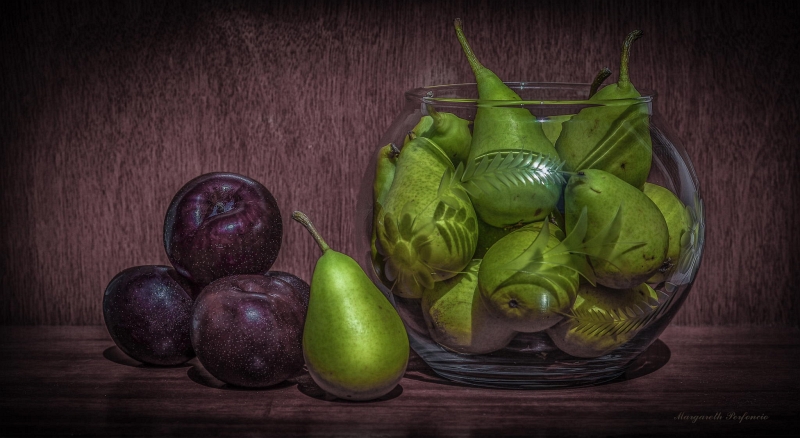
São Paulo photographer Margareth Perfoncio’s still lifes of food and flowers—Old Master light, dark wood, and tables that feel inevitable.
Meaningful Love Quotes for Inspiration (and Ink)
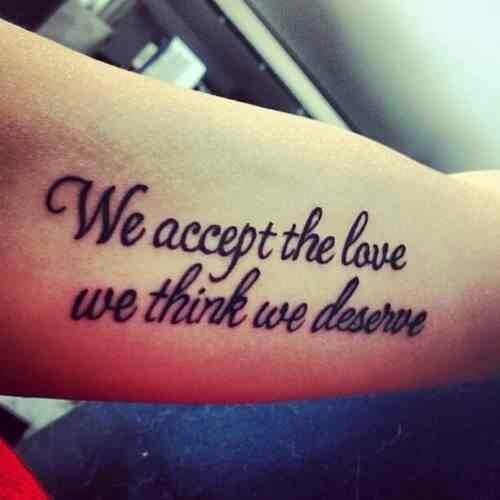
Meaningful love quotes that still feel true — short lines for tattoos, gifts, and everyday reminders, with placement and wording tips.
Christina Hess’s Animals From History: Costumed Pets as Playful Portraits
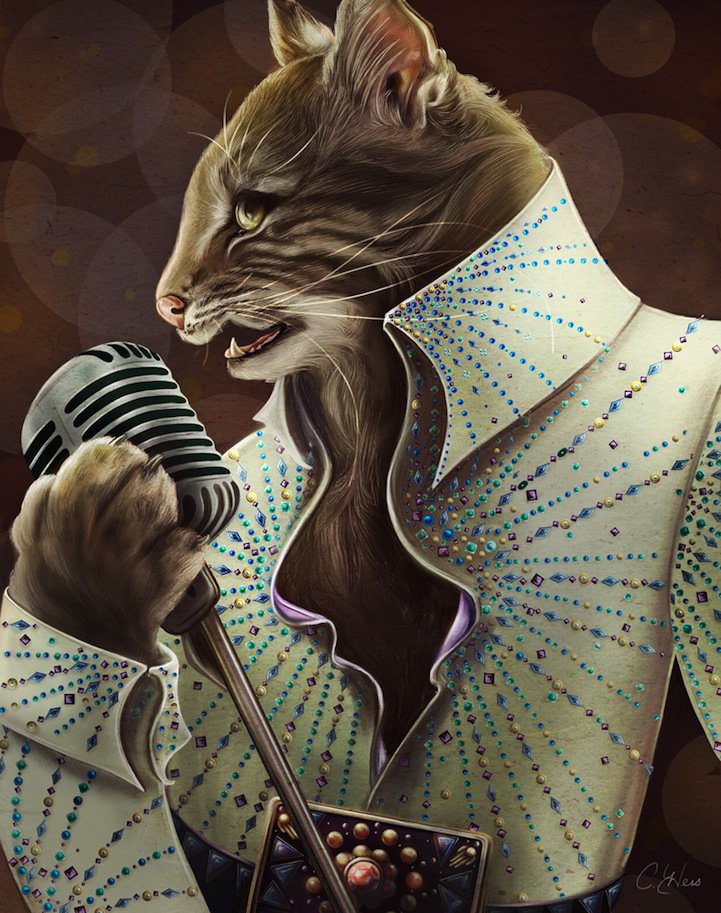
Illustrator Christina Hess reimagines historical icons as ornate animal portraits—Elvis Petme and friends—mixing puns, costume detail, and soft history lessons.