
Clever Storage Ideas for Every Room: Zones, Vertical Space, and Habits That Stick
Room-by-room storage strategies—kitchen density, entry dumps, closets, bathrooms, and offices—built around zones, reach, and weekend-sized projects.
Storage problems rarely announce themselves as design problems. They show up as a kitchen counter that never clears, a hallway dump zone, a closet that fights you every morning, and a garage where useful tools hide behind seasonal clutter. Clever storage is less about buying more boxes and more about giving every frequent object a home that matches how you actually move through a room.
The best projects share a few traits: they use vertical space, they make categories visible, they keep daily items within arm’s reach, and they hide bulk without hiding access. You do not need a showroom budget. You need a plan that respects traffic, light, and habit.
Start with zones, not furniture
Before you hang a single shelf, walk each room and name its jobs. Entry: keys, bags, shoes, mail. Kitchen: cooking tools, food, cleaning. Living room: remotes, books, chargers, blankets. Bedroom: clothes, laundry, bedside essentials. Bathroom: towels, toiletries, extras. Office: paper, cables, reference. Garage or utility: tools, seasonal gear, bulk supplies.
When a room tries to do every job, storage collapses. Move orphan categories to the room that owns them. Chargers belong near outlets people actually use. Gift wrap belongs near a work surface, not under the guest bed forever. Seasonal clothes belong high or elsewhere so daily clothes can breathe.
Measure before you shop. Note wall widths, door swings, and the height you can reach without a stool for daily items. Clever ideas fail when they ignore the body’s real reach.
Kitchen: the hardest-working room
Kitchens reward density done carefully. Use the inside of cabinet doors for spice racks, lid holders, or narrow towel bars. Deep drawers with pegboards or adjustable dividers keep pots from becoming landslides. A rail with S-hooks near the stove holds utensils you grab every night; leave decorative-only tools in a drawer.
Vertical tray and baking-sheet files turn dead cabinet corners into usable slots. Under-sink tension rods create hanging space for spray bottles. Clear, stackable canisters for dry goods beat mystery bags that spill and hide expiry dates. If counters stay messy, the issue is usually landing space: add one shallow tray for mail and keys that do not belong in the kitchen, and one open crock for the three tools you always leave out anyway.
Pantry logic is the same as retail: eye level for daily, high for rare, low for heavy. Lazy Susans help corners; risers help cans. Label edges facing out. Visibility prevents duplicate buying—the silent enemy of kitchen storage.
Entry and hallway: stop the dump
Entries fail when everything lands on one surface. Split the dump into hooks, a shoe plane, and a small inbox. Hooks at two heights serve adults and kids. A bench with shoe cubbies or a low rack keeps grit off the floor without demanding a full mudroom. A narrow wall shelf or rail with a tray catches keys and wallet; a vertical file or wall pocket catches mail that would otherwise migrate to the kitchen.
If the hallway is the only extra space you have, think skinny: floating shelves, a tall bookcase with baskets, peg rails. Depth matters more than width. Eight inches of well-planned depth can hold more daily life than a deep table that becomes a horizontal attic.
Living room: hide the clutter without hiding the remote
Living rooms need storage that does not look like storage. Closed cabinets beat open bins for visual calm, but keep one open basket for the throw you actually use. Cord channels and a labeled power strip behind the media unit prevent the weekly tangle hunt. Remotes belong in one shallow tray—not three sofa cushions.
Books work as both storage and architecture when grouped by size or color with intention; leave breathing room so shelves do not look stuffed. Baskets under a console can hold games, chargers, or kids’ toys if lids or fabric hides the chaos. The clever move is often subtraction: fewer display objects mean every remaining object has a place.
Bedroom and closet: daily path first
Closets improve fastest when you sort by frequency. Front and center for the week’s clothes; high shelves for luggage and off-season; drawers for folded knits that stretch on hangers. Matching hangers buy visual quiet and unexpected space. Double hanging rods where shirts and trousers allow it; shelves for bags and baskets where hanging wastes air.
Under-bed boxes only work if they roll or pull easily and if you label the short end facing out. Bedside storage should hold tonight’s book, a glass, and maybe a charger—not a second junk drawer. A wall shelf or narrow tall unit beats stacking piles on a chair that was never meant to be a wardrobe.
Laundry zones help bedrooms stay calm: a hamper that is easy to open wins over a beautiful lid people avoid. If clean clothes pile up, the bottleneck is folding space or hanger count, not motivation speeches.
Bathroom: small footprint, high turnover
Bathrooms suffer from product sprawl. Limit the shower ledge to what you use this week; store backups in a labeled caddy under the sink or in a linen closet. Magnetic strips or narrow shelves can hold metal tools and small bottles. Over-toilet shelves use air that usually does nothing.
Towels fold or roll better when shelves are sized to the fold. A single open basket for everyday towels and a closed cabinet for extras keeps humidity and visual noise under control. Medicine and first-aid supplies deserve a dedicated, elevated box—not a mixed drawer of expired samples.
Home office and work corners
Paper is not a personality trait; it is a workflow failure. Use three landing places: inbox, action, archive. Vertical files beat horizontal stacks. Cable labels and a single charging tray prevent the desk from becoming a electronics yard sale. Wall-mounted pegboards or shallow shelves keep tools visible without eating the work surface.
If you work at a dining table, a rolling cart or lidded boxes that can leave the room in one trip are more “clever” than built-ins you will never install. Storage that packs away is still storage.
Garage, laundry, and leftover space
Walls beat floors. Pegboards, track systems, and high shelves reclaim parking and walking space. Clear bins with large labels beat mystery cardboard. Keep a “donate / recycle / trash” triad near the door so decision fatigue does not refill the room.
Above-washer shelves or cabinets hold detergent where spills are survivable. A folding station—even a wall-mounted leaf—stops clean laundry from colonizing sofas. Seasonal decorations belong in labeled bins by holiday, not by “stuff.”
Principles that make ideas actually clever
- One home per category. If batteries live in three drawers, they live nowhere.
- Daily within reach, rare up high. Stools are for exceptions.
- See it or list it. Opaque bins need labels; clear bins need discipline.
- Leave empty space. Packed storage has no room for Tuesday’s surprise.
- Match the container to the object. Soft things in baskets, sharp things in drawers, liquids in trays.
Buy containers last. Cardboard boxes and temporary baskets can test a layout for a week. When the traffic pattern works, upgrade only what you still touch.
A weekend path that sticks
- Pick one room and one pain point—not the whole house.
- Clear a surface completely; only return what belongs.
- Add one vertical solution: hooks, shelf, rail, or riser.
- Label the new homes while the logic is fresh.
- Live with it for seven days before the next room.
Clever storage is not a single genius product photographed in perfect light. It is a sequence of small assignments that match your habits. When the first room stays clearer for a month, expand. The house teaches you what it needs once you stop asking a single basket to solve every room at once.

Comments
Continue reading
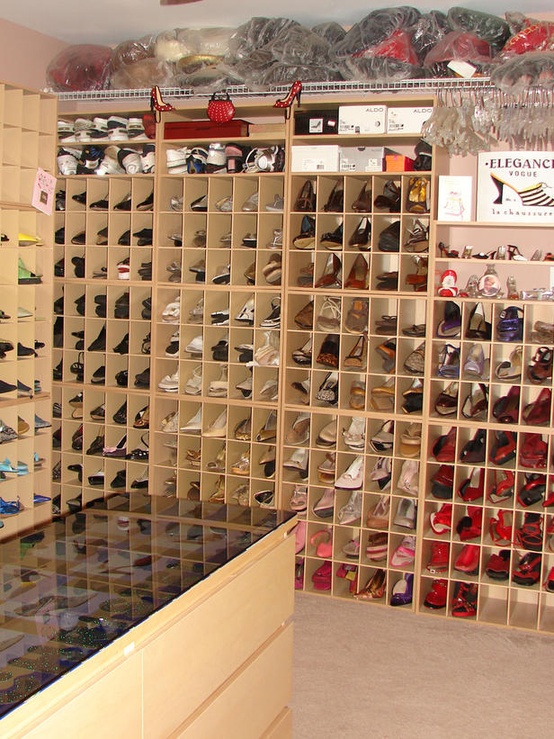
Shoe Storage & Organization Solutions
Practical closet and hallway shoe storage—triage pairs, use vertical space, and set simple entry rules without a product hard-sell.
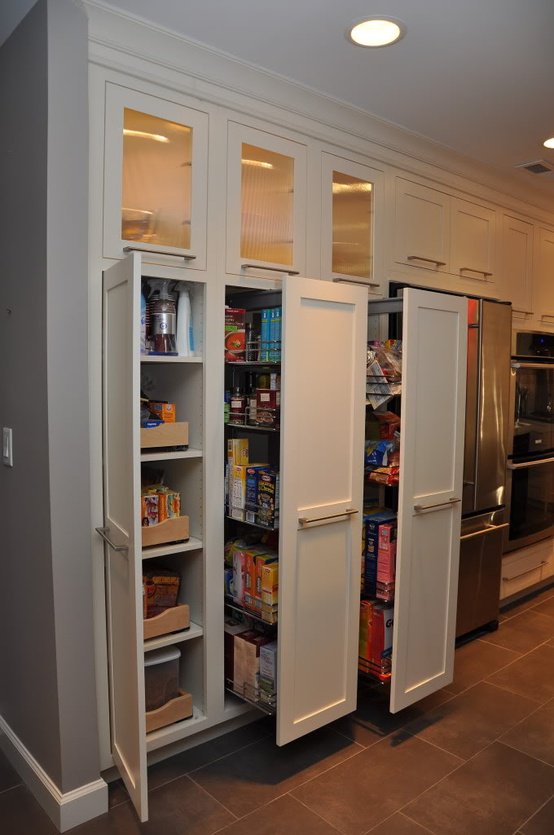
Organized Kitchen Pantry Design Ideas That Actually Work
Zone shelves, choose containers wisely, and use risers, bins, and door space—practical pantry design ideas for real kitchens.

Garden Decoration Beyond Beds: Lace, Mosaiculture, and Upcycled Yard Art
From dressed topiary and floral cyclists to license-plate dragonflies and lace between trees—garden decorations that give a yard a voice.