
Bridal Boudoir Photos: A Tasteful Planning Guide
Plan a respectful bridal boudoir session—purpose, photographer trust, wardrobe, posing, boundaries, and how to keep the finished images private and intentional.
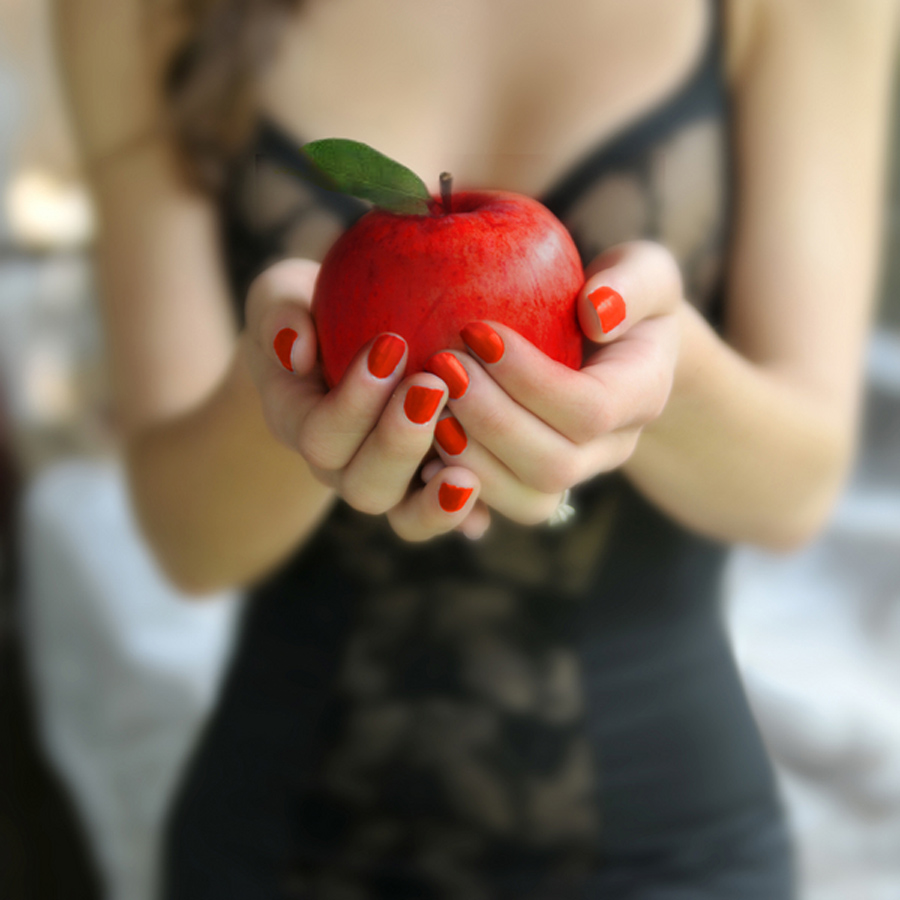
Bridal boudoir photography is a private portrait session planned around intimacy, confidence, and care—not a performance of someone else’s idea of seduction. Many people book one as a gift for a partner before the wedding; others keep the images for themselves as a record of a moment when they chose to be seen with intention. Either reason is valid. What matters is consent, comfort, and a photographer who treats the session as collaborative portraiture rather than a checklist of provocative tropes.
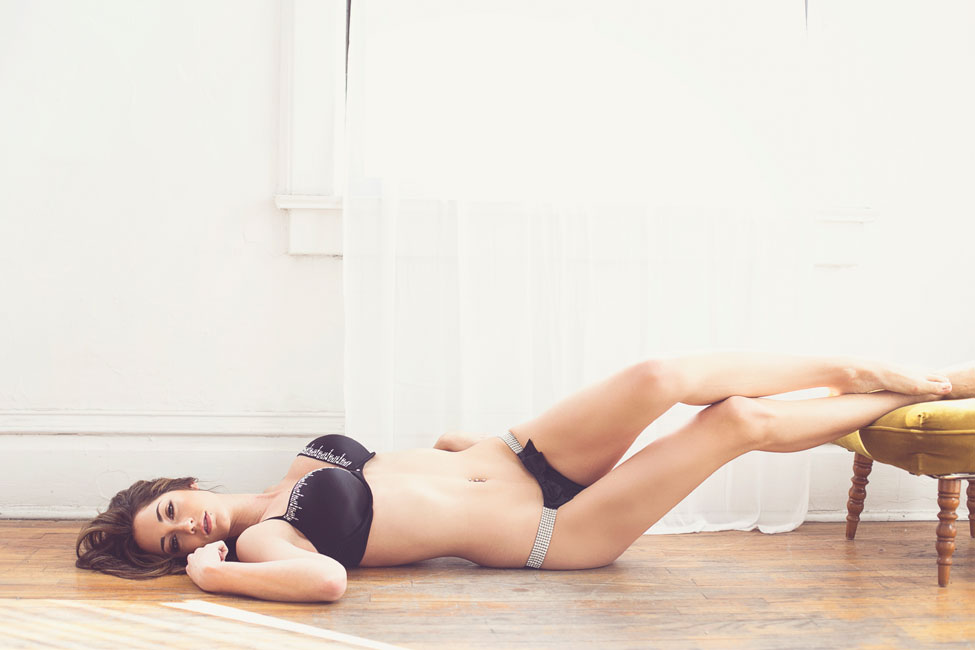
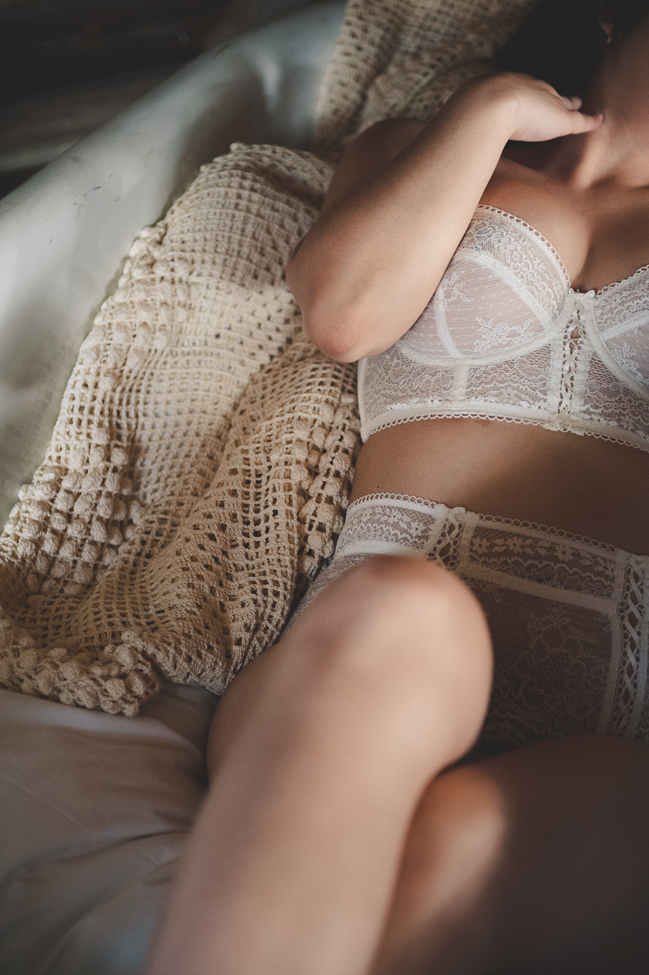
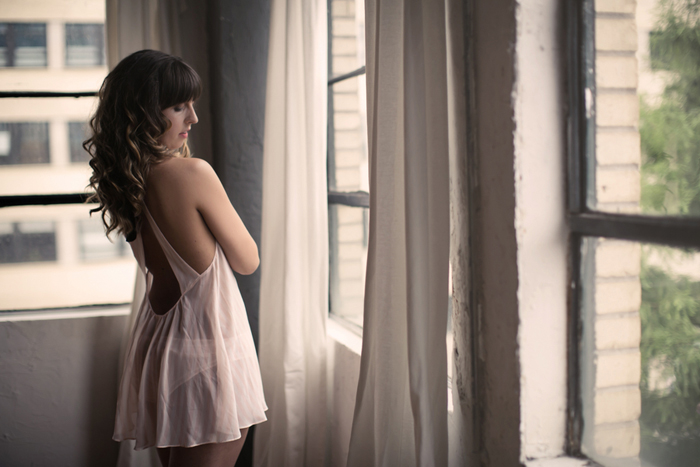
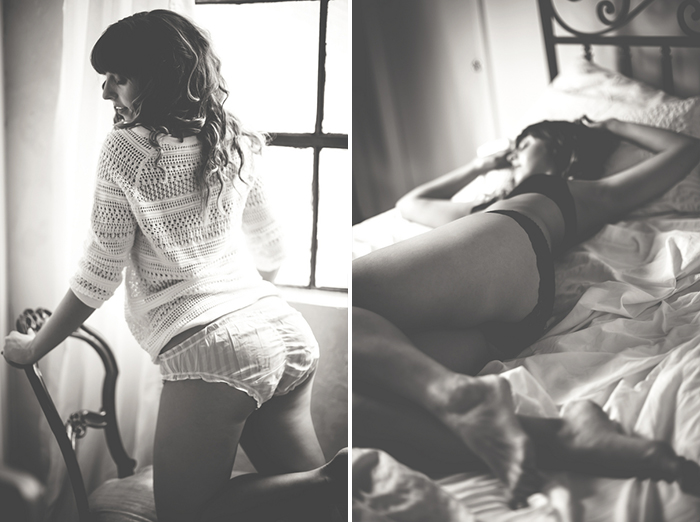
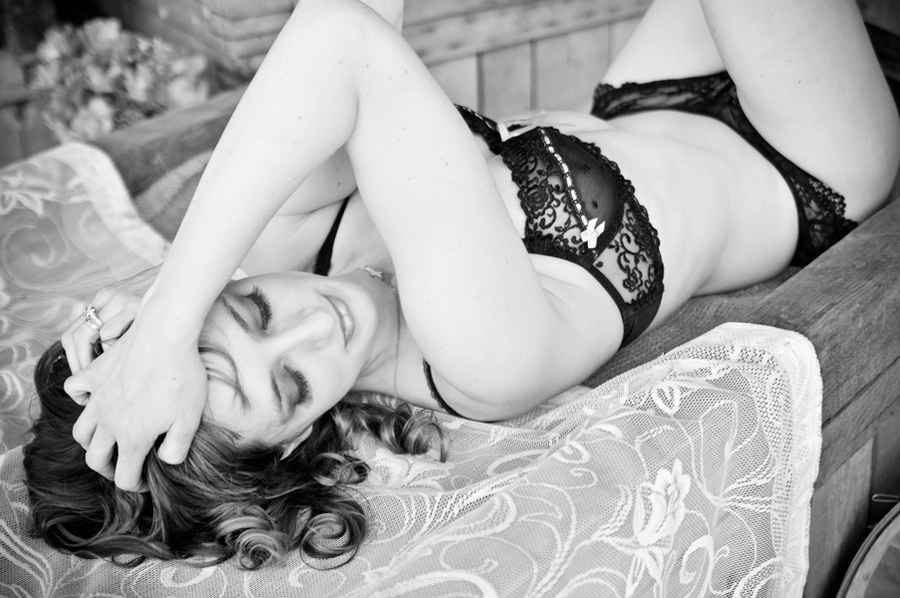
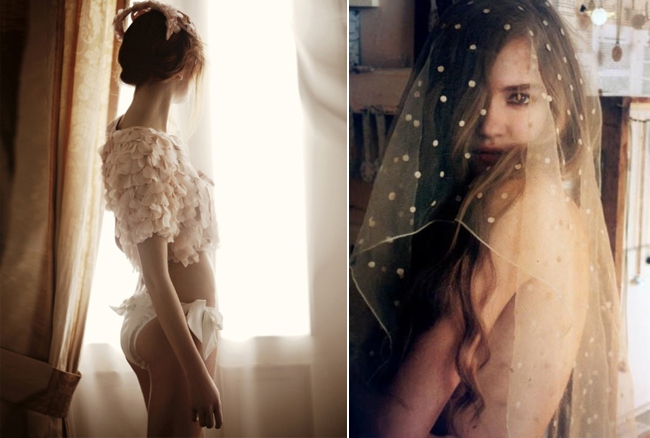
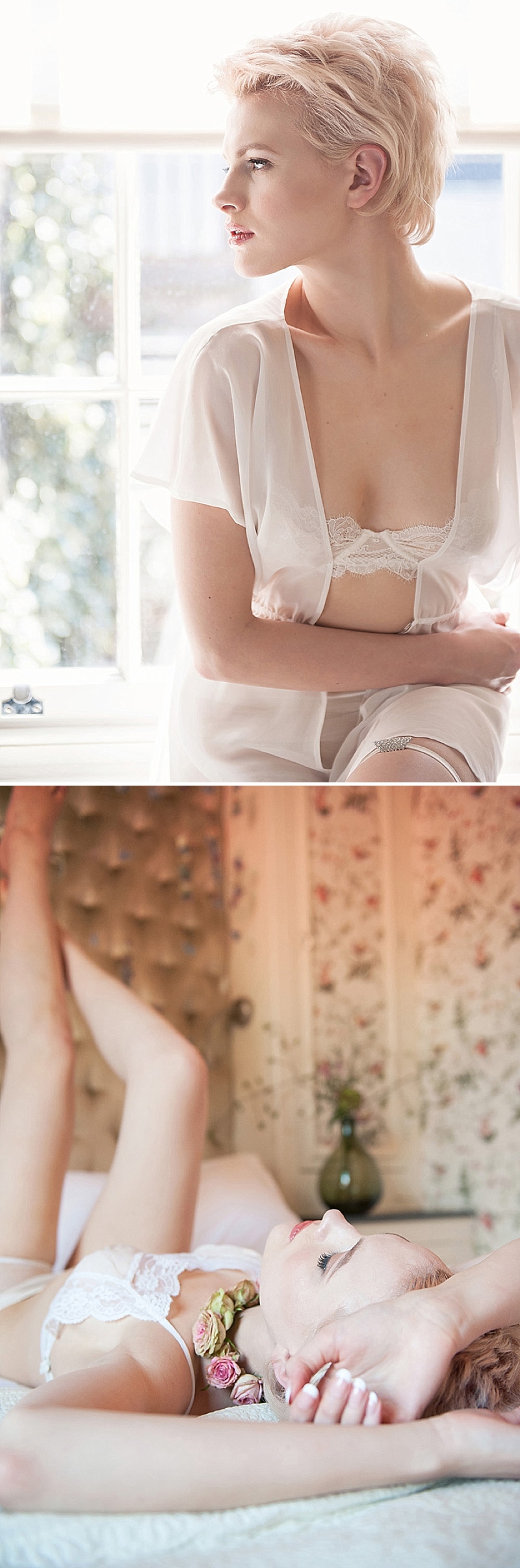
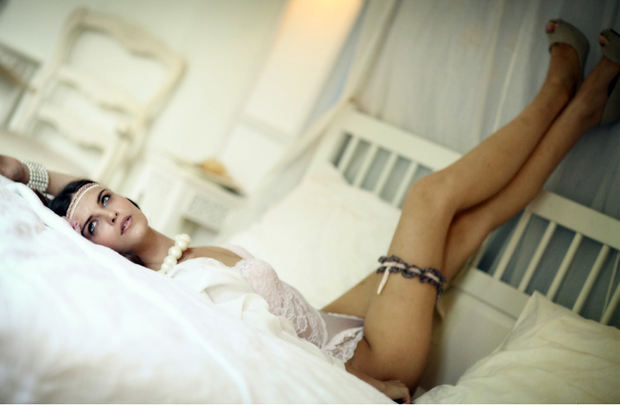
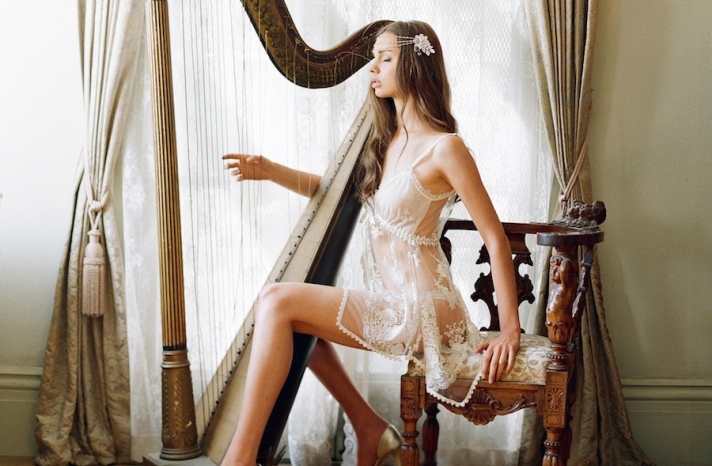
This guide walks through planning: mindset, wardrobe, photographer choice, posing and light, boundaries, and how to use the finished images thoughtfully. The gallery below offers visual reference for mood and styling. Use it as inspiration, not as a script you must recreate pose for pose.
Decide the purpose before you book
Clarify who the images are for and how private they will stay. A gift album curated for a fiancé is a different editing job from a personal confidence project you may never share. Tell the photographer the intended audience. That conversation shapes posing direction, wardrobe suggestions, and how bold or restrained the final selects should feel.
Schedule with buffer time. A session too close to the wedding can add stress; too early, and you may feel disconnected from the person you are becoming through wedding planning. Many people choose a quiet weekend several weeks out, with time afterward to review proofs without rushing.
Build a small mood board before you inquire. Cap it at a dozen images that share a feeling—soft daylight, quiet confidence, playful warmth—rather than a random pile of unrelated “sexy” pins. Note what you like in each: the robe, the window light, the smile, the crop. Share that board with the photographer so direction starts from your taste instead of guesswork. If something on the board feels exciting online but uncomfortable in your body, remove it. Desire that only exists on a screen is a poor plan for a real hour in front of a camera.
Choose a photographer for trust, not only style
Portfolio chemistry matters. Look for consistent lighting, respectful posing, and clients who look comfortable in their bodies—not only for dramatic post-processing. Read the contract for image usage, turnaround, and privacy. Ask how the photographer directs people who feel shy. A good answer sounds practical: start covered, build gradually, offer breaks, never force a pose.
Studio, hotel suite, or home each change the mood. Studios offer control; hotel rooms offer anonymity and clean backdrops; home offers personal texture if you can clear clutter. Visit or request a prep checklist. Clean sheets, steamed robes, and a cleared vanity do more for elegance than expensive props.
Ask practical questions early: how long is the session, how many wardrobe changes are realistic, whether a friend or planner may attend for support, and what happens if you need to pause. Support people can help with steaming and nerves; too many spectators can make the room feel like a stage. Decide what helps you specifically. Privacy is not antisocial—it is part of the craft of intimate portraiture.
Wardrobe that supports you
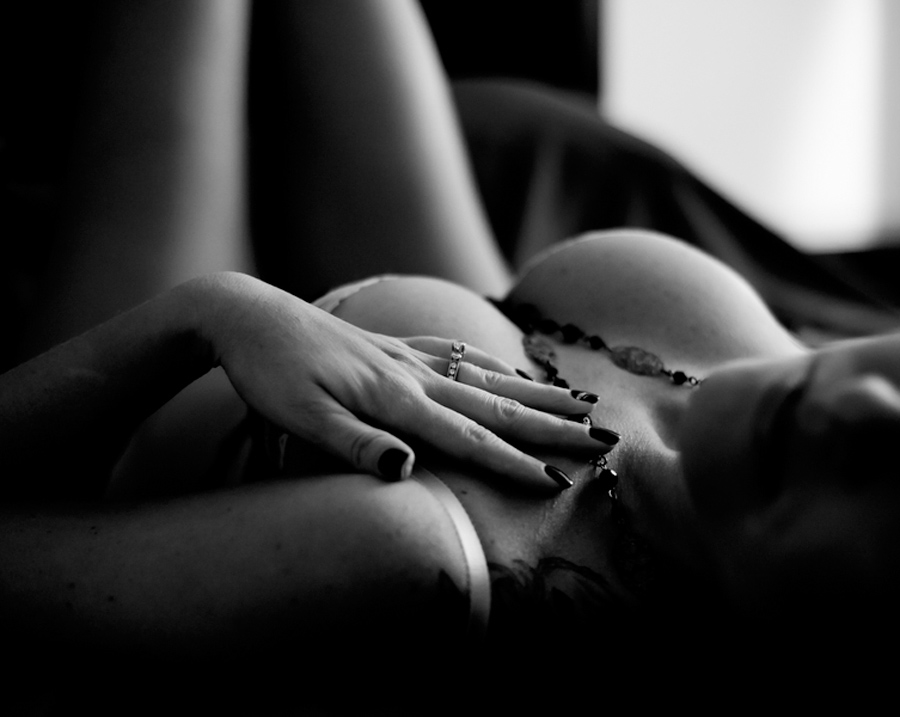
Bridal boudoir wardrobe can include robes, slips, lace sets, button-down shirts, heels you can actually stand in, and the veil or jewelry you will wear on the wedding day. Coverage is a creative choice. Soft fabrics that move photograph kindly; anything that digs, slips constantly, or makes you self-conscious will show in your shoulders and jaw.
Bring two or three looks maximum for a standard session so you are not spending the hour changing. Neutrals and soft tones keep attention on expression and light; a single deeper color can add contrast if that feels like you. Steam everything the night before. Pack fashion tape, safety pins, and a lint roller.
Hair and makeup should flatter skin under the photographer’s lighting. Soft glam or natural bridal makeup usually photographs more kindly than heavy glitter. If you hire a makeup artist, share the mood board and ask for longevity without stiffness. Bring blotting papers.
Think about how wardrobe interacts with movement. A robe that opens cleanly gives you options; a complicated corset that requires assistance for every adjustment will eat clock time. Jewelry should be secure. If you want wedding-day pieces in the frame—engagement ring, heirloom earrings, a veil—pack them in a labeled pouch so nothing goes missing in the rush of changes. Sensual does not require novelty props. Familiar objects that belong to your story usually photograph with more honesty than rented drama.
Posing, light, and the pace of the hour
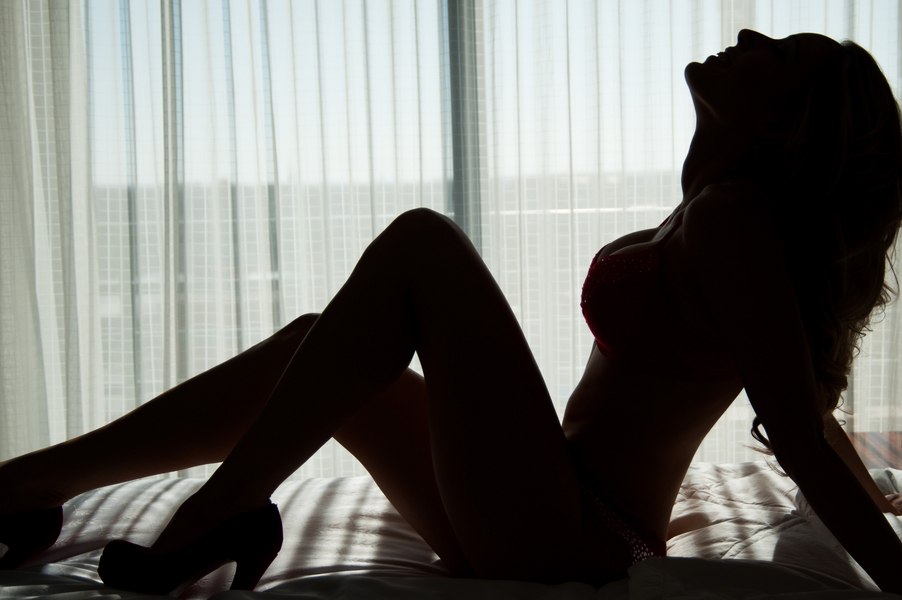
Expect direction. Good boudoir photographers give you something to do with your hands—robe ties, a sheet edge, hair, a chair—so you are not frozen. Weight shifts, over-the-shoulder glances, seated curves, and standing silhouettes near a window are common starting points. You can always say no to a suggestion. Comfort is visible; so is tension.
Window light with sheers, or soft continuous light bounced into a wall, flatters skin. Hard overhead bulbs flatten mood. Ask what the photographer plans and whether you should avoid certain makeup textures that flare under their lights.
Between setups, breathe. Play music you like if the photographer welcomes it. The frames between “official” poses—laughing at a direction, adjusting a strap—often become favorites because they look like you.
A simple shot list can reduce anxiety without turning the session rigid: two standing looks, two seated or lounging looks, one detail set (hands, jewelry, fabric texture), and one quieter frame where expression leads. Tell the photographer which of those matter most if time runs short. Priorities protect the album when the clock is real.
Boundaries, gifts, and aftercare
Agree on boundaries in writing when possible: wardrobe limits, no-go poses, whether any images may appear in the photographer’s public portfolio, and how files will be stored. If the session is a gift, consider delivering a curated album or a small print box rather than every frame. Curation protects the mood and keeps the present feeling intentional.
After the shoot, drink water, eat something, and give yourself time before judging proofs on a harsh laptop screen at midnight. First reactions to seeing yourself in intimate frames can be loud; second looks are often kinder. Request edits that keep skin honest enough that you still recognize yourself.
Storage and sharing deserve a plan too. Decide whether files live only on your drives, in a private gallery with a password, or in a printed album kept offline. If images will ever appear online, agree on crops and watermarks with the photographer in advance. Bridal boudoir can be deeply personal; treating the files with the same care you gave the session is part of respect for your future self.
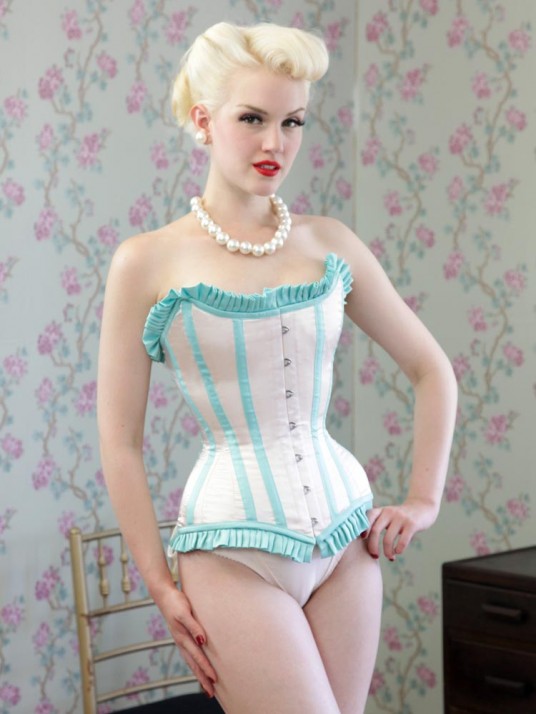
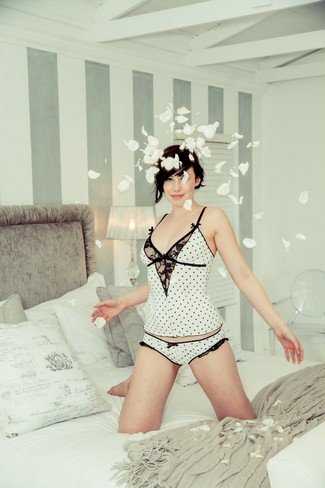
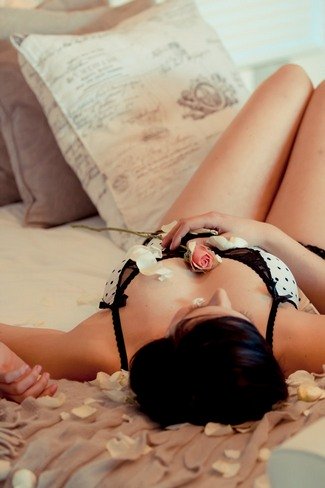
Bridal boudoir works best when it feels like a portrait of trust—trust in the photographer, in your own timing, and in the reason you wanted the pictures. Plan the practical pieces, protect your boundaries, and let the sensuality come from ease rather than from pressure. The strongest images are rarely the most revealing. They are the ones where you look at home in your own skin.

Comments
Continue reading
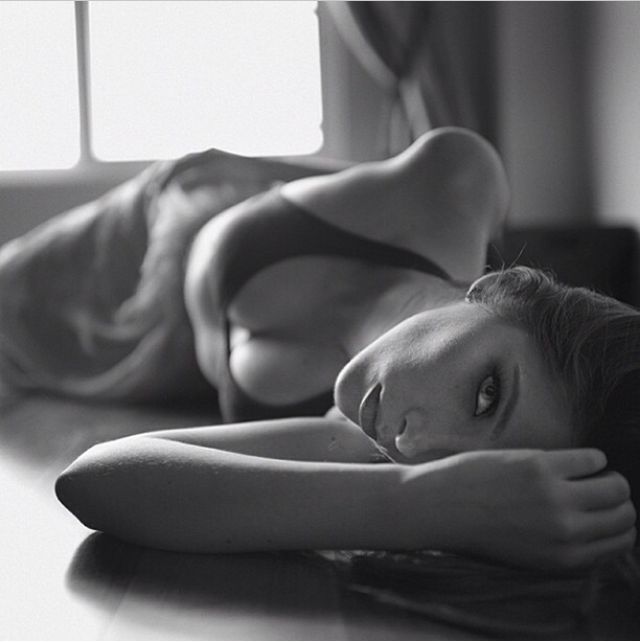
Black and White Boudoir Photoshoot Ideas: Light, Consent, and Tasteful Framing
Respectful monochrome boudoir ideas—consent and comfort, wardrobe and fabric, posing without stiffness, privacy-minded crops, and a practical session checklist.

Pin-up Girl Boudoir Photography Ideas
Tasteful pin-up boudoir ideas—hair, makeup, color stories, poses, and props—for a playful vintage-glamour portrait session.

Dramatic Photo Art by Sukron Ma’mun (Ipoenk Graphic)
Cirebon, Indonesia photographer Sukron Ma’mun uses theatrical natural light to frame village life, play, and place in lyrical photo art.