
Pin-up Girl Boudoir Photography Ideas
Tasteful pin-up boudoir ideas—hair, makeup, color stories, poses, and props—for a playful vintage-glamour portrait session.
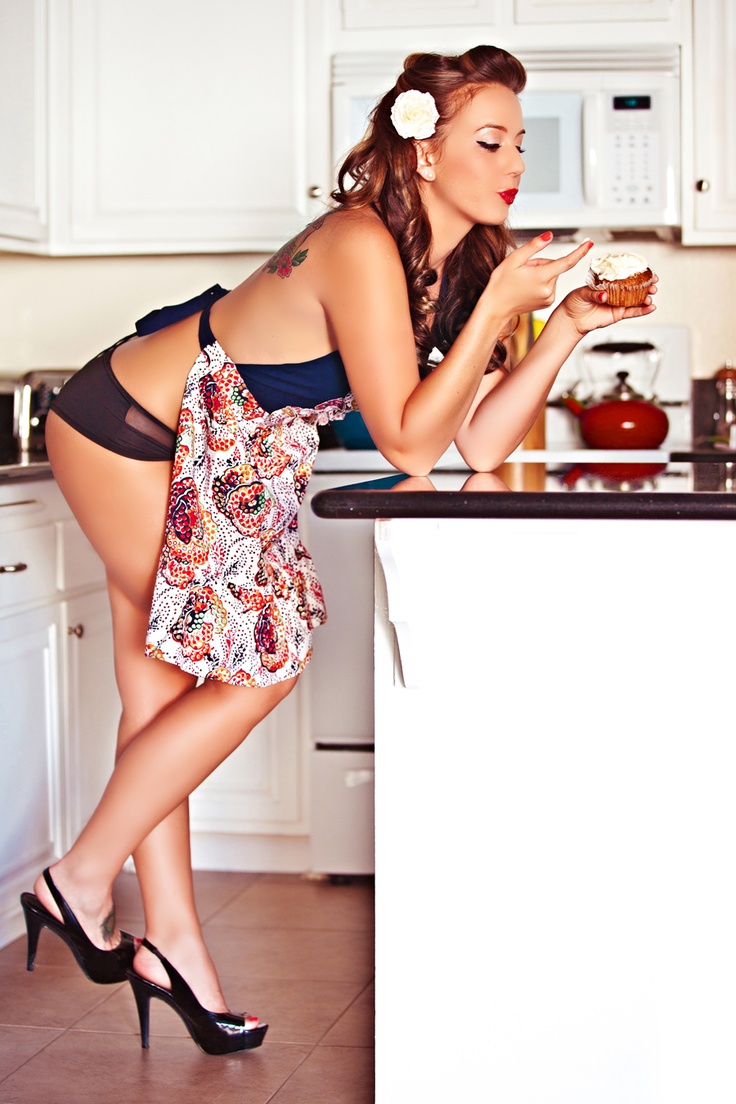
Pin-up styling and boudoir photography share a practical overlap: both treat confidence as something you can design for the camera. A pin-up-themed boudoir session borrows the cheerful glamour of mid-century illustration—curled hair, winged liner, bright lips, a smile that knows it is being watched—and places those cues in a private, flattering portrait setting. The goal is playful intimacy, not shock. When styling stays intentional and direction stays respectful, the pictures feel flirtatious without becoming crude.
Many people book boudoir as an anniversary gift, a personal confidence project, or a way to see themselves with more care than a rushed mirror glance allows. A pin-up theme gives that session a clear costume language. Instead of guessing what “sexy” should look like, you choose era references, a color story, and a short list of poses that already read as pin-up. Theme reduces decision fatigue and raises the odds that the finished album feels coherent rather than random.
Tasteful pin-up boudoir also respects history. Classic calendar art celebrated silhouette, gesture, and attitude as much as skin. Robes, slips, tailored shorts, vintage-inspired swimsuits, seamed stockings, and half-buttoned shirts all belong. Coverage is a creative choice, not a scoreboard. Comfort reads on camera; discomfort does too.
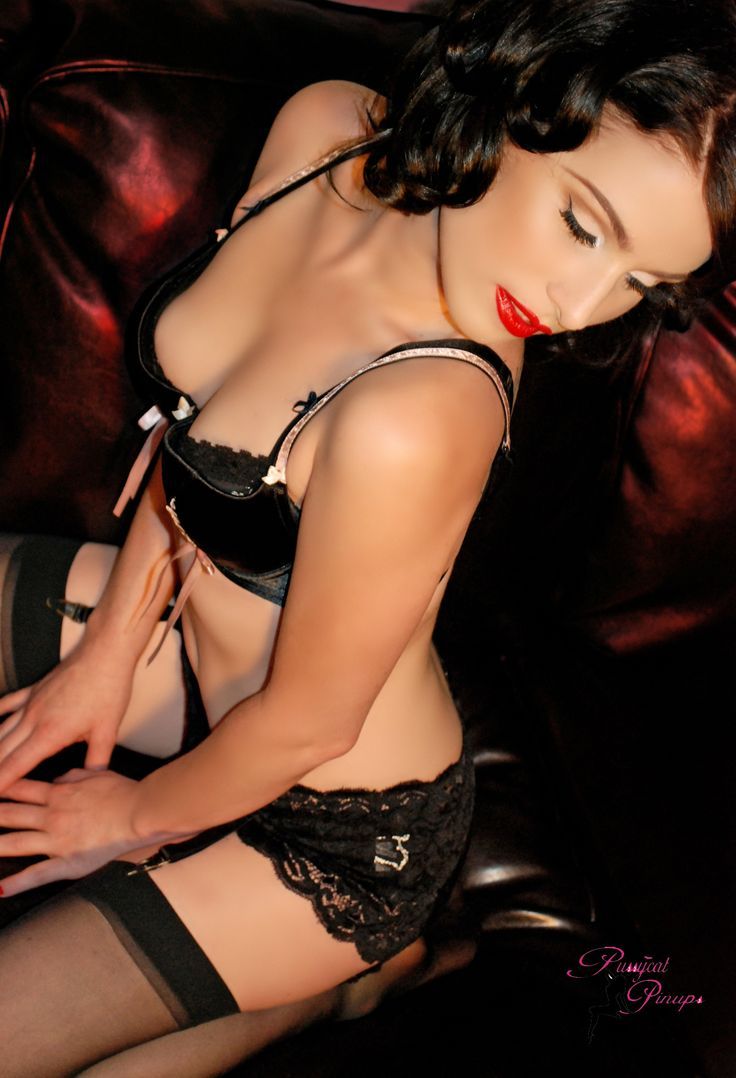
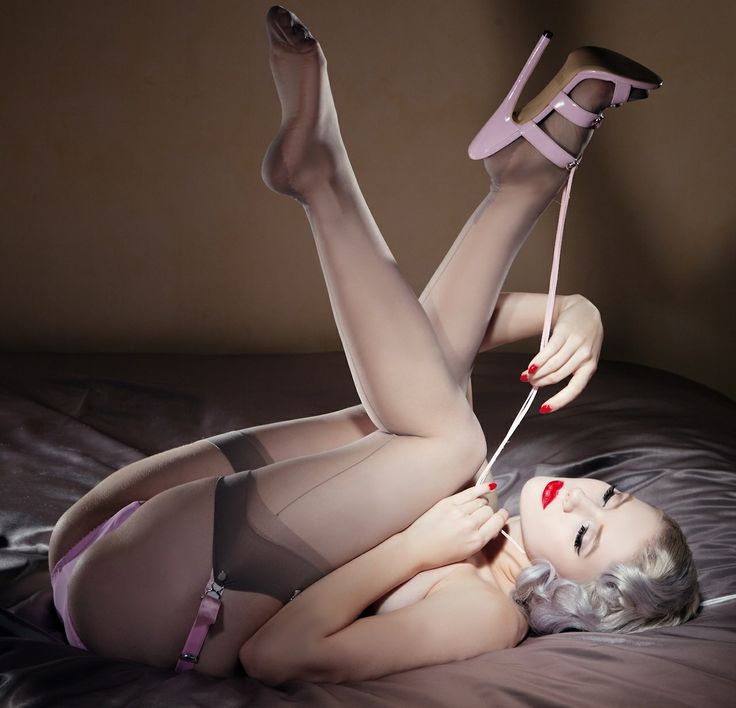
What “pin-up boudoir” means
Pin-up is a style family, not a single outfit. One session might lean 1940s victory-roll hair and a high-waist silhouette. Another might lean 1950s polka dots and cherry lipstick. A third might keep modern lingerie and borrow only the makeup and posing vocabulary of pin-up. All three count when the photographs read as playful glamour rather than generic bedroom snapshots.
Boudoir, likewise, is a portrait genre defined by intimacy of setting and wardrobe intention, not by how little clothing appears. Hotel suites, daylight studios with a vanity, and carefully prepared bedrooms are common locations. Clean surfaces help. Busy wallpaper, laundry piles, and cluttered nightstands compete with hair and makeup for attention, and they usually win for the wrong reasons.
Before the shoot, build a small mood board with three columns: hair and makeup, wardrobe, and pose mood. Cap each column at five references. Too many pins create contradiction; a short board creates a brief the photographer can actually execute.
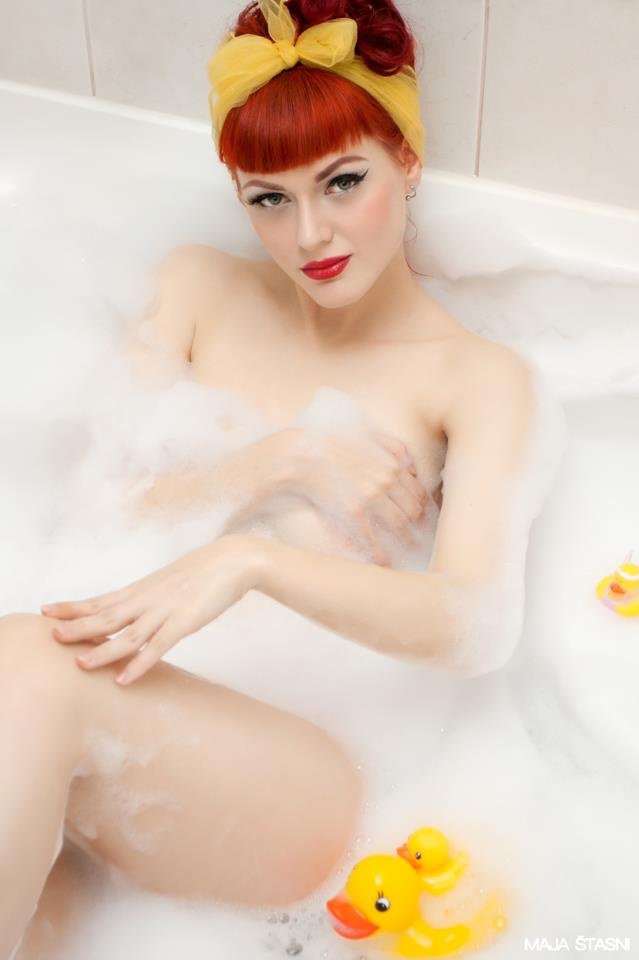
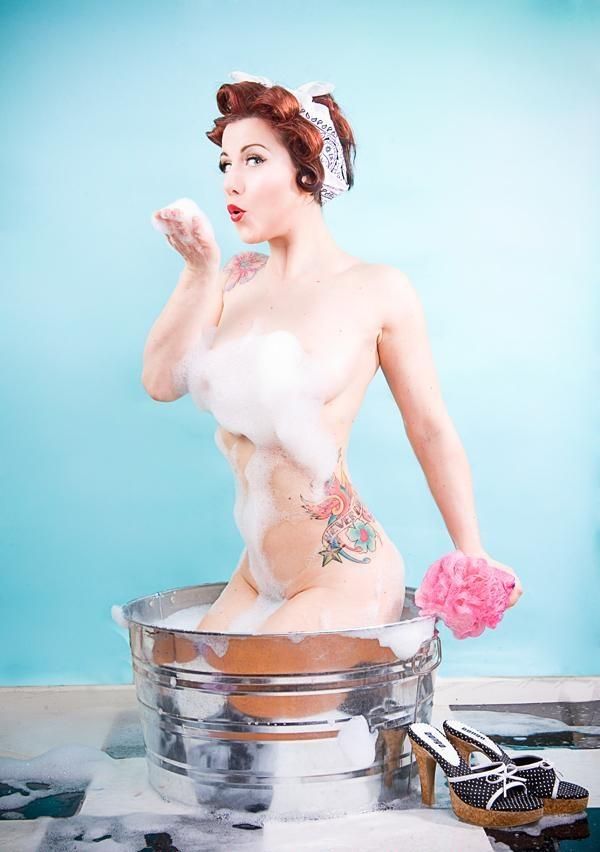
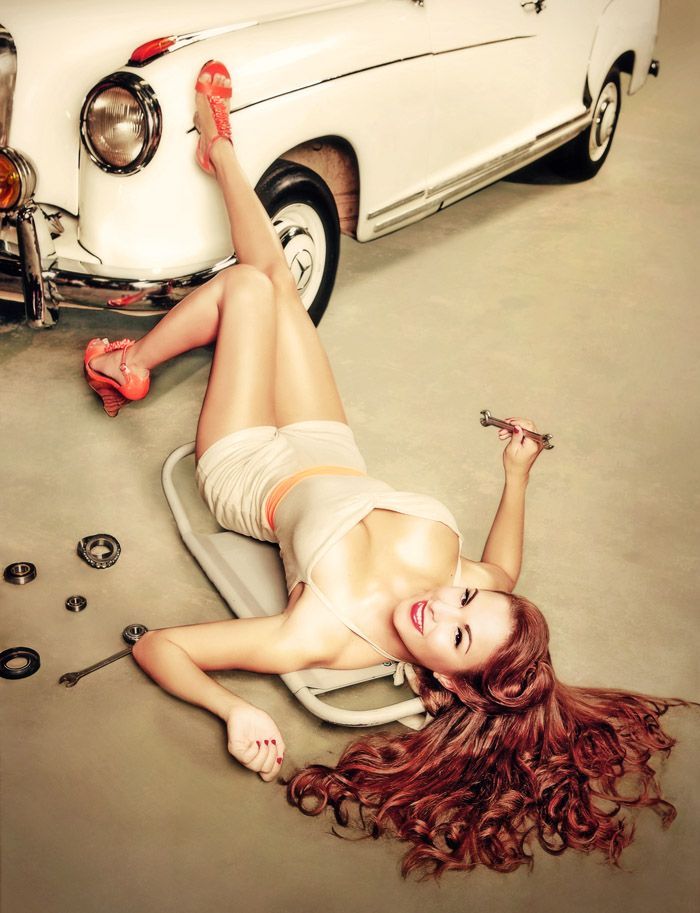
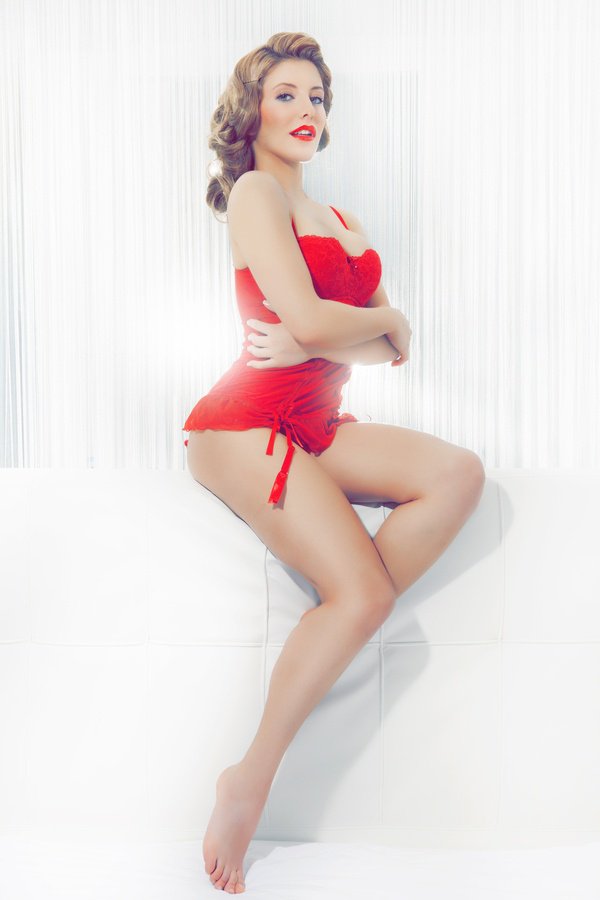
Hair, makeup, and color that carry the theme
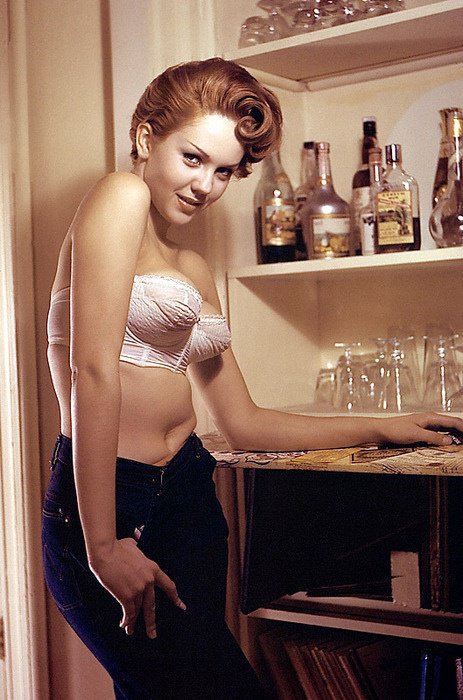
Hair often does more work than any prop. Soft waves, victory rolls, or a high ponytail with volume can announce pin-up even in a simple white slip. If elaborate styling feels intimidating, choose one strong element—side-part waves or a red lip—and keep everything else restrained. A single decisive cue beats three half-finished ones.
Makeup usually favors a defined eye and a confident mouth. Winged liner, brushed brows, and a satin or matte lip photograph cleanly. Contour can help under soft window light, but heavy shimmer often turns into hotspots on forehead and cheekbones. Ask the photographer how they light faces before committing to glittery products. Bring blotting papers; pin-up makeup looks better slightly matte than shiny under continuous light.
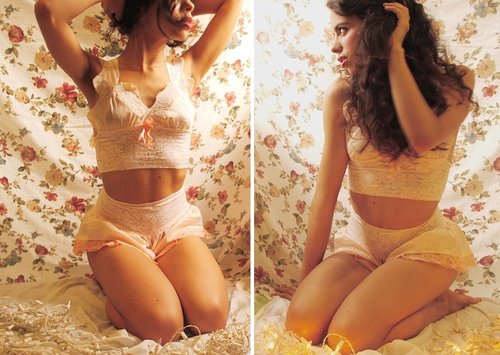
Color stories matter more than people expect. Cherry red, teal, black, cream, and pastel pink all appear in classic pin-up art. Pick two main wardrobe colors and one accent. A crowded rainbow of pieces photographs as costume chaos; a tight palette photographs as intention. If you love both red and teal, assign one to lipstick and one to a prop rather than wearing both at full strength.
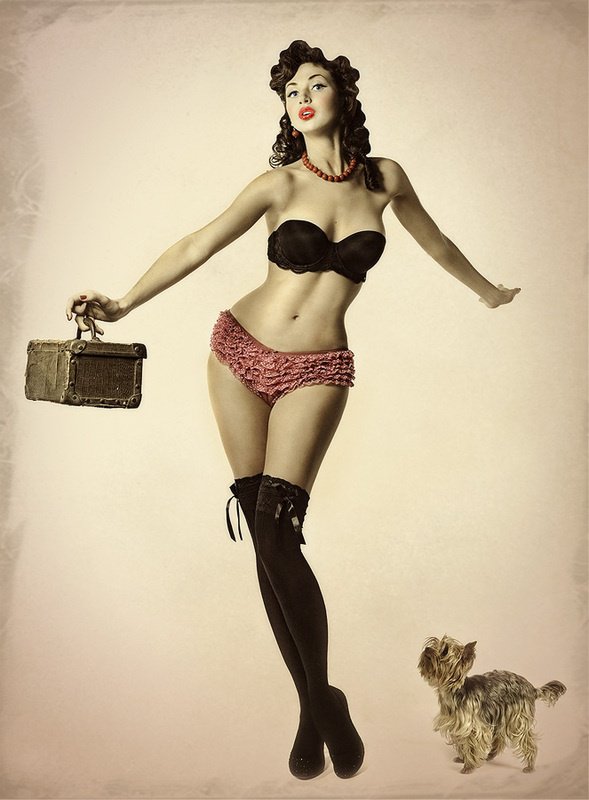
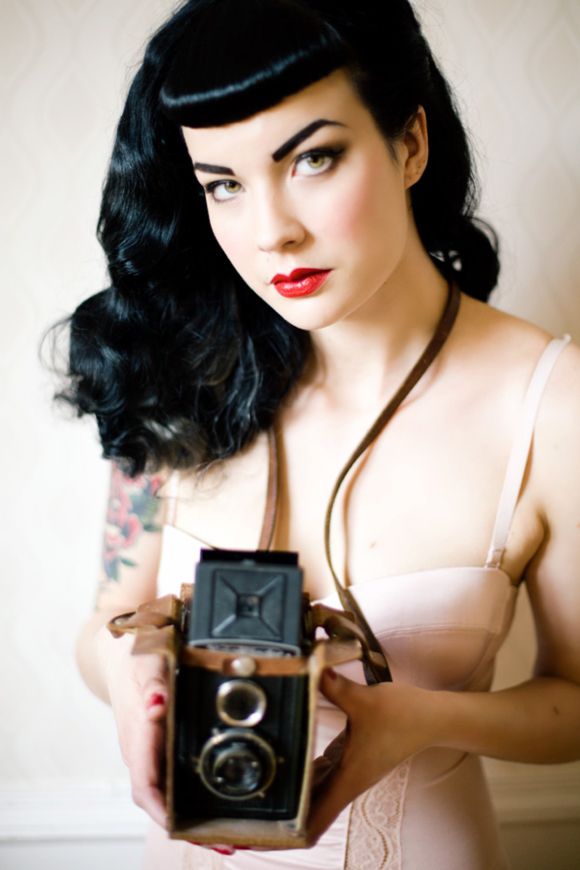
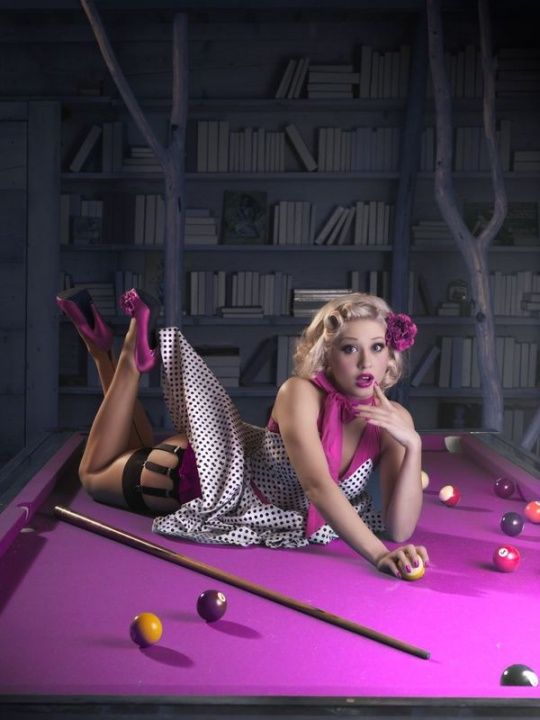
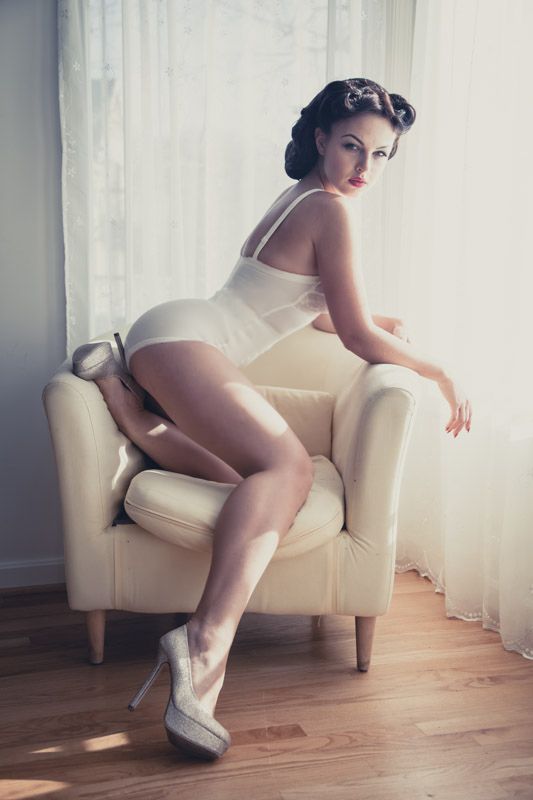
Posing ideas that feel playful, not forced
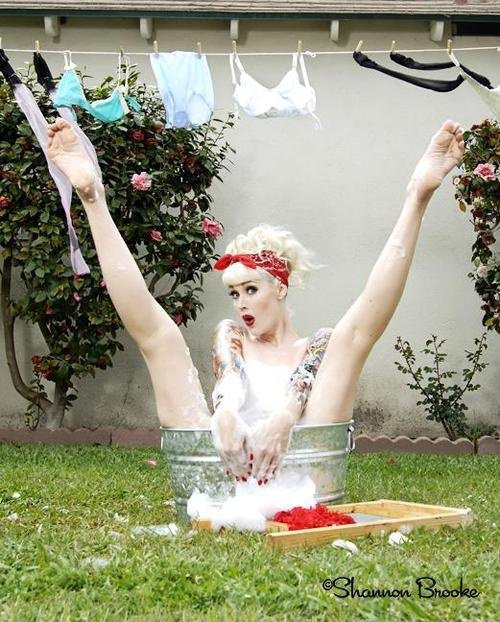
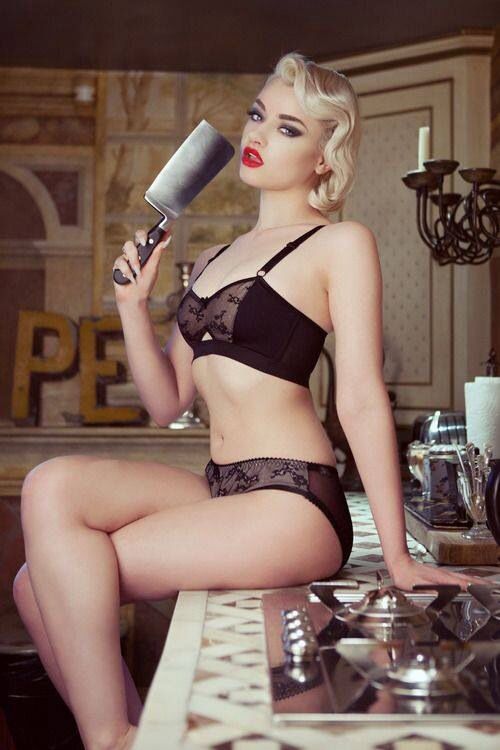
Pin-up poses are often exaggerated for illustration. On a real person, exaggeration should be dialed to comfort. Useful starting points include weight on the back hip with a soft front knee and open shoulders; hands occupied with a robe tie, compact mirror, coffee cup, or chair edge; over-the-shoulder glances that show hair and eye makeup; seated poses with crossed ankles or one knee raised; and standing “calendar” silhouettes with a slight arch and a smile that reaches the eyes.
Direction helps more than mimicry. Instead of copying a famous poster exactly, ask for the feeling: cheeky, elegant, windblown, morning-light lazy. The photographer can translate feeling into camera height and crop. Between directed frames, leave room for a breath and a laugh. Those in-between pictures often become favorites because the costume stops looking like homework.
If you feel stiff, change one variable at a time—shoes off, robe on, music on, window seat instead of standing. Small changes unlock posture faster than coaching that stacks five instructions at once.
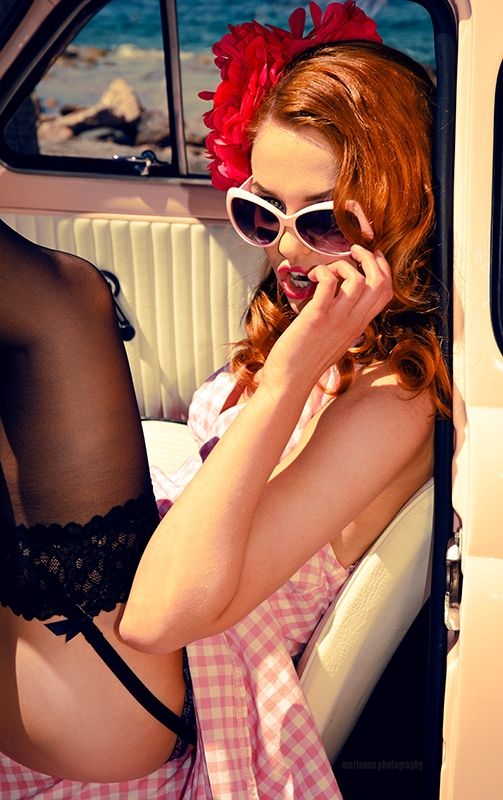
Locations, light, and props
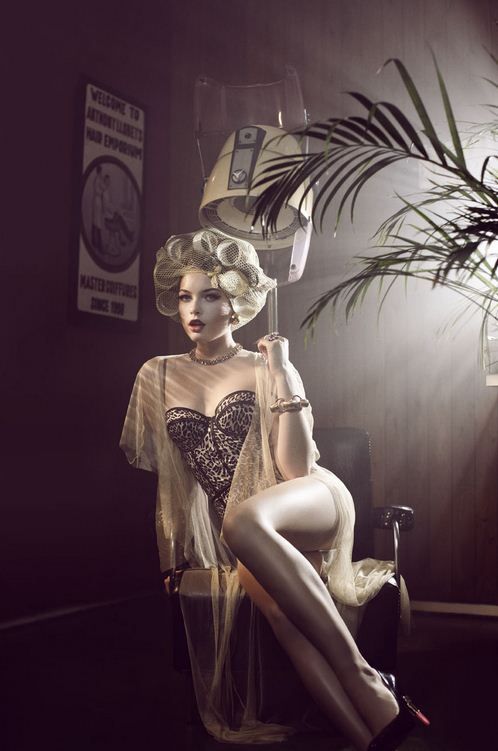
A hotel suite, a daylight studio with a vanity, or a prepared bedroom can all work. Look for clean surfaces, one interesting chair, and window light you can soften with sheers. Hard overhead bulbs flatten mood; turn them off when possible and work from the window, or ask for a simple continuous light bounced into a wall. Soft light flatters pin-up makeup’s graphic edges without turning them into masks.
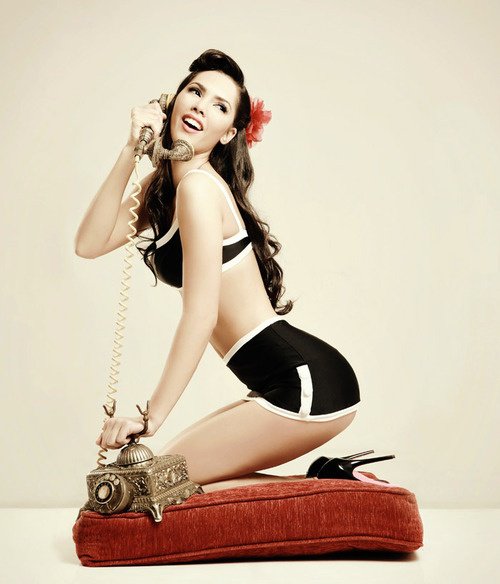
Props should earn their place. A rotary-style phone, soft robe, pair of gloves, small suitcase, or handheld mirror can suggest era without turning the set into a museum. Food props such as cherries appear in classic pin-up art; use them sparingly so the portrait remains about the person. If a prop makes you self-conscious, leave it in the bag. Awkward props photograph as awkward props.
Boundaries, gifts, and a short shot list
Discuss boundaries before the shoot. Share mood boards, mark poses that feel off-limits, and agree on wardrobe changes. Comfort is not optional styling—it is the performance. For gifts meant for a partner, consider printing or delivering a curated edit rather than every frame. Curation protects the mood and keeps the album feeling intentional.
A practical shot list might include two standing looks, two seated looks, one detail set (hands, lips, jewelry, stockings), and one candid-feeling frame between outfit changes. That structure keeps a pin-up boudoir session fun, finished, and easy to edit into a small set worth keeping.
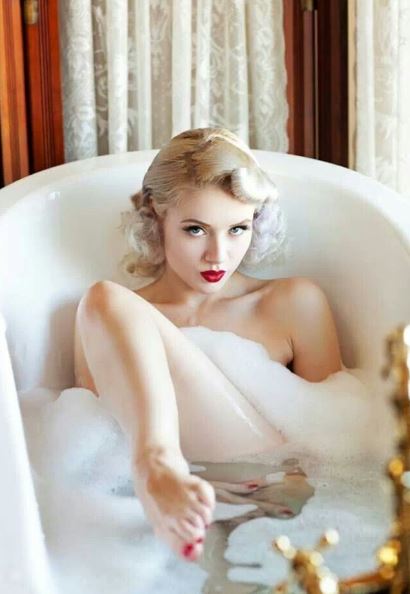
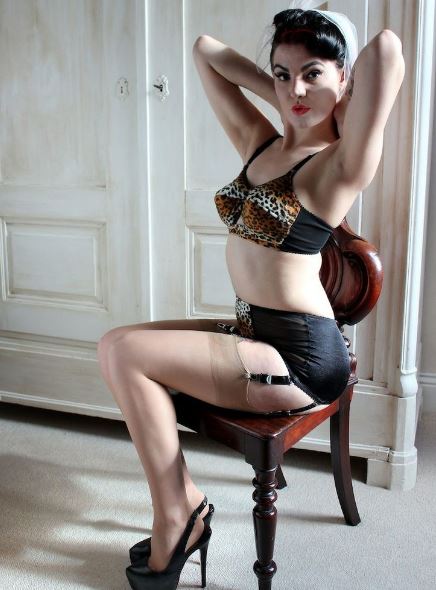
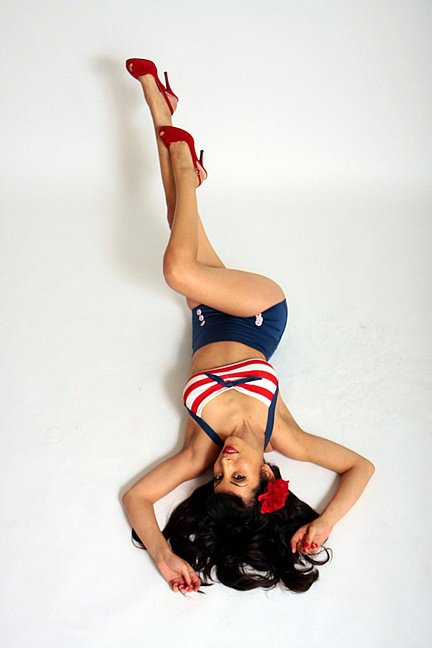
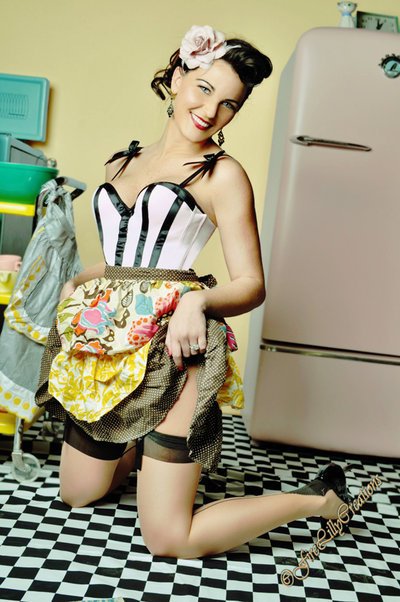
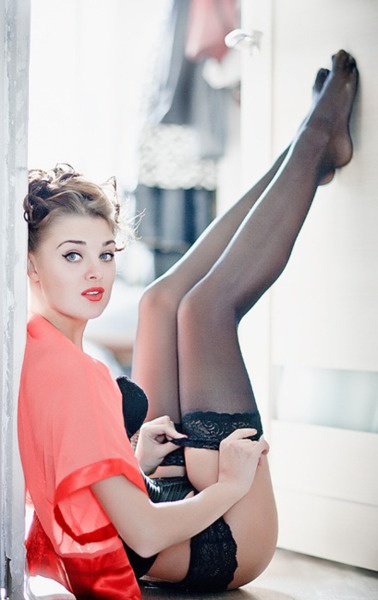
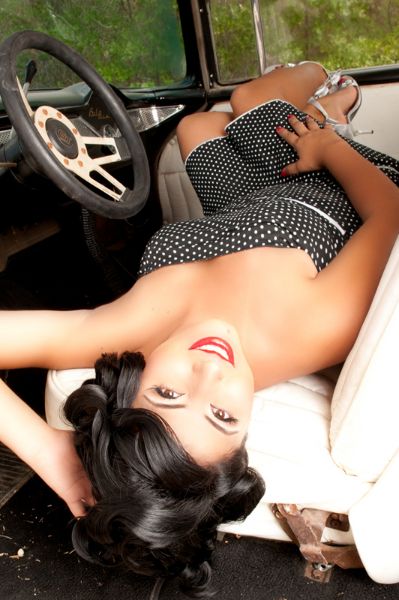
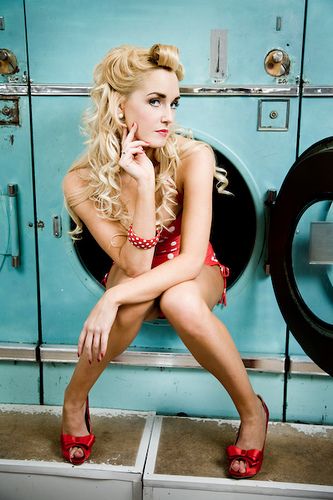
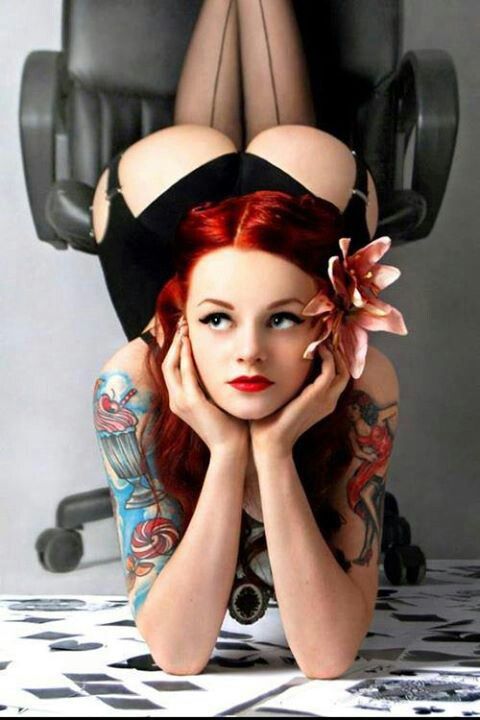
Pack for the day the way you would pack for a short costume rehearsal: two outfit changes that share a color story, one prop you enjoy holding, blotting papers, a robe for breaks, and a one-sentence note describing the feeling you want when you look at the pictures a year later. The gallery here shows standing power poses, vanity moments, soft window light, and brighter graphic color—all inside that same brief. Start there, and the pin-up theme will do the rest of the talking.

Comments
Continue reading
Black and White Boudoir Photoshoot Ideas: Light, Consent, and Tasteful Framing
Respectful monochrome boudoir ideas—consent and comfort, wardrobe and fabric, posing without stiffness, privacy-minded crops, and a practical session checklist.
Bridal Boudoir Photos: A Tasteful Planning Guide
Plan a respectful bridal boudoir session—purpose, photographer trust, wardrobe, posing, boundaries, and how to keep the finished images private and intentional.
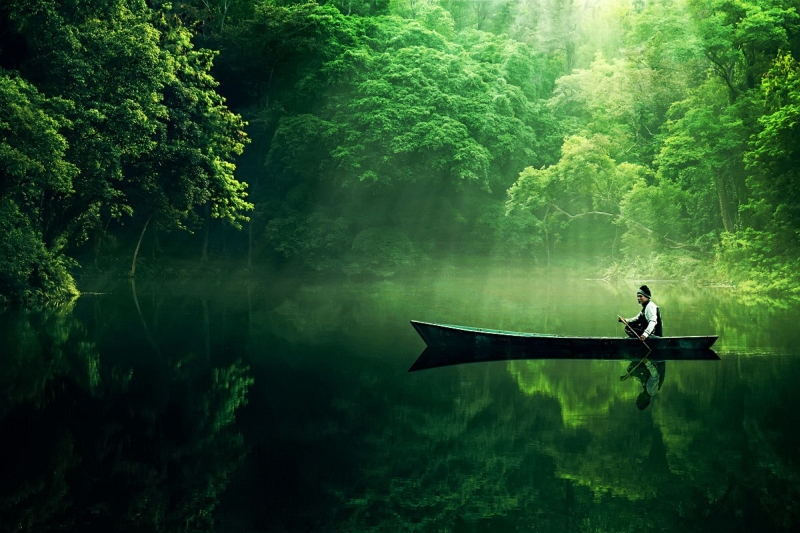
Dramatic Photo Art by Sukron Ma’mun (Ipoenk Graphic)
Cirebon, Indonesia photographer Sukron Ma’mun uses theatrical natural light to frame village life, play, and place in lyrical photo art.