
Levitation and Surrealism Through Christopher James’s Lens
Hawaii photographer Christopher James blends levitation portraiture with mild surrealism—implausible cliff leans and dock hangs that still feel almost real.
Hawaii-based Christopher James works in travel and portrait photography, but the images that travel farthest under his name are levitation frames: people suspended over cliffs, docks, and open landscape in ways that feel almost believable. The trick is not cartoon impossibility. It is mild surrealism—implausible enough to start a conversation, real enough that viewers argue about how the shot was made.
That sweet spot is the point of his best-known work. A model appears to lean past a point of safety; a figure hangs above water as if the next frame will be a splash. The photographs swing between documentary light and dream logic until the boundary blurs. For viewers tired of either straight travel portraits or heavy fantasy composites, James’s portfolio sits in a rarer lane: surrealism that still respects gravity’s rumor.
Implausible, not impossible
In interviews, James has described an obsession with mild surrealness rather than spectacle that announces itself as fake. People leaning off cliffs are a recurring example. The pose is not physically magical in the comic-book sense; it is socially and physically tense. Your nervous system reads danger before your editing brain starts hunting for cloned backgrounds. That delay is where the image lives.
One of his favorite examples is quieter than a cliff edge: a woman on a dock over a small pond. Viewers wrote to assume the shoot demanded a perfect single take and that she must have ended up soaked. The production reality included a harness. The narrative was so strong that audiences completed the story themselves—she fell, or almost fell—and that misdirection made the surrealism work. The photograph wins when the brain invents the ending.
That approach separates levitation-as-gimmick from levitation-as-story. Floating for floating’s sake becomes a before-and-after Photoshop demo. Floating because the scene implies a choice, a risk, or a pause mid-fall becomes a picture people argue about at dinner. James aims for the second category: conversation pieces that refuse to resolve into either pure documentary or pure fantasy.
How levitation reads in a travel-portrait practice
James’s base in Hawaii matters to the look. Wide vistas, bright coastal light, cliffs, and water give levitation a stage that studio seamless paper cannot. A centered subject against expanse creates isolation and freedom at once—someone small in a big frame, weightless over a real place. The landscape is not wallpaper; it is the other actor.
Travel photography usually promises access: you are there, the light was like this, the cliff was this steep. Levitation borrows that documentary credit and then spends it on a single impossible-seeming beat. Because the environments feel specific, the suspension feels consequential. The same pose in a blank void would read as illustration. Over a recognizable shoreline it reads as an event you almost believe.
Portrait craft still applies. Expression, wardrobe simplicity, and clean limb lines matter more when the body is the special effect. Busy clothing and tangled poses fight the silhouette. James’s stronger frames keep the figure readable at thumbnail size—an important test for work that spread through Instagram-era feeds where he also built early attention with hashtags, beach approaches, and the kind of shareable strangeness social platforms reward.
Couples and travelers appear in his broader practice too; levitation is the specialty that makes the portfolio distinct, not the only tool in the bag. The same eye that finds a clean horizon for a travel portrait can later place a suspended figure on that horizon and let scale do the storytelling.
Process without spoiling the spell
Public conversations around his workshops and demonstrations describe practical supports—stools, harnesses, careful spotting—removed or minimized in the final composite so the body appears unsupported. The ethical line for this genre is ordinary for commercial surrealism: the final image is a constructed photograph, not a secret claim of supernatural flight. What makes James’s version distinctive is how little the construction advertises itself. Viewers should feel a hitch in the stomach before they feel impressed by software.
Composition choices help. Horizon lines stay honest. Shadows and color grades stay close to the location’s real light. When composite edges are invisible, the brain has fewer excuses to dismiss the scene. The “sweet spot” he describes is partly technical discipline: do not overcook the unreal.
There is also direction. A levitating subject needs a performance cue—reach, lean, inhale, look toward emptiness—so the body sells intention. Without that, the figure looks pasted. With it, the frame becomes a still from a story the viewer finishes alone. Workshops that teach the method often emphasize scouting and environmental problem-solving as much as the float itself: the location has to carry half the myth, or the levitation becomes a floating stock pose.
Themes that keep returning
Freedom and isolation sit close together in these pictures. A tiny centered body over a massive expanse can look liberated or abandoned depending on the tilt of a hand or the emptiness of the gaze. James has spoken about weightless running-away images as the ones that hit hardest—emotional escape rendered as literal lift. That reading keeps the work from collapsing into pure spectacle. The surreal gesture is a feeling with a body attached.
Risk theater is another thread. Cliff leans and water hangs borrow the grammar of stunts and daredevil stills, then slow them into fashion-adjacent calm. The subject is rarely mid-scream. The tension is quiet, which makes it stranger. Quiet danger photographs differently from loud danger; it invites prolonged looking instead of a flinch-and-scroll response.
Why the blend of levitation and surrealism feels scarce
Levitation photography has trends and tutorials; surrealism has a century of art history. Combining them without sliding into either pure trick photography or heavy symbolic clutter is harder than it looks. Too much prop symbolism and the image becomes a poster. Too little narrative and it becomes a floating stock pose.
James’s cliff and dock pictures work because they borrow cinematic tension—the beat before disaster or miracle—while staying inside fashion-adjacent portrait clarity. Clothes are usually simple. Locations do the mythology. The surrealism is spatial and postural, not overloaded with floating clocks or impossible architecture. That restraint is why the portfolio feels fresh even though neither levitation nor surreal portraiture is new alone.
For photographers, the lesson is transferable: choose one implausible hinge, keep everything else photographically sober, and let viewers invent the physics. For viewers, the pleasure is the argument—the harness debate, the splash that never comes, the cliff lean that should not hold.
Looking at the work
When you spend time with Christopher James’s levitation images, ask a few practical questions:
- Where does your eye invent motion—fall, flight, or freeze?
- How much of the emotion comes from landscape scale versus facial expression?
- Does the pose look like a stunt, a dream, or a fashion hold?
- What would break if the same body language moved indoors?
- Is the unreal element one decision or a pile of effects?
- Would you still care about the frame if you knew the exact support used?
Those questions keep the conversation on craft. They also explain why mild surrealism travels: it invites participation. A picture that is obviously fake ends the talk; a picture that might be a harness and a cliff edge starts one.
James’s lane remains specific—Hawaii light, travel-portrait grounding, bodies caught in implausible pause. Look there if you want surrealism as quiet pressure rather than costume drama: not because people float, but because they almost make you believe the next second will answer whether they fall.

Comments
Continue reading
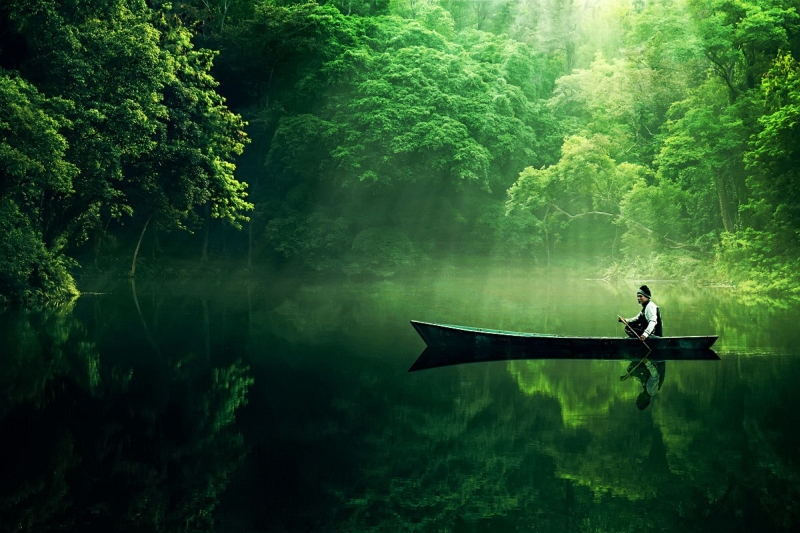
Dramatic Photo Art by Sukron Ma’mun (Ipoenk Graphic)
Cirebon, Indonesia photographer Sukron Ma’mun uses theatrical natural light to frame village life, play, and place in lyrical photo art.
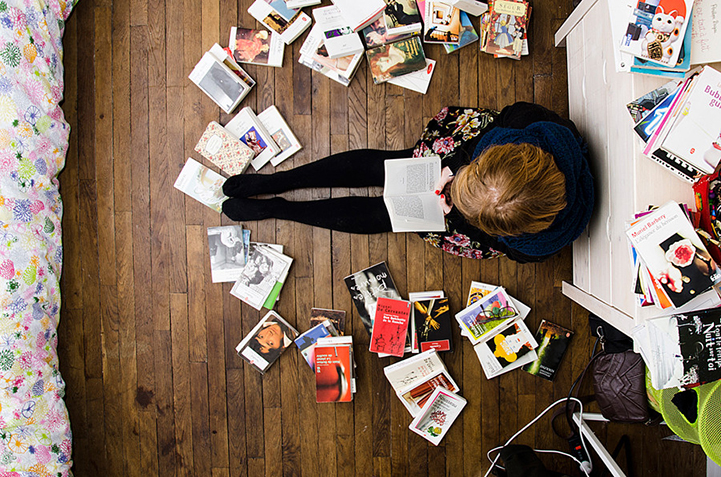
Bird’s-Eye Views: Florian Beaudenon’s Instant Life
Paris photographer Florian Beaudenon’s Instant Life series captures people in their rooms from above—intimate, collaborative overhead portraits of everyday joy.
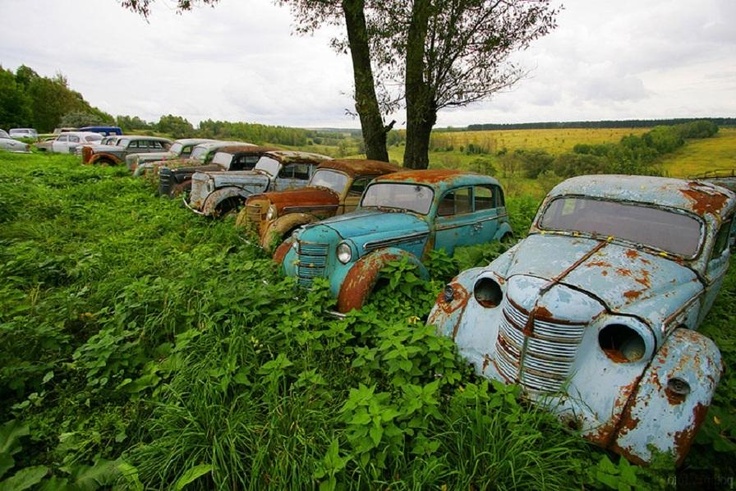
Abandoned Cars Reclaimed by Nature: Rust, Growth, and Quiet Ruin
When neglected vehicles are left outdoors long enough, rust, moss, and trees rewrite them into strange still lifes—sad, photogenic, and slowly returning to the ground.