
Classic Car Photography by Ken Brown: Black Studios and Polished Icons
Ken Brown’s cinematic classic-car photographs—museum-trained looking, black-box studio light, and vintage machines treated as formal portraits.
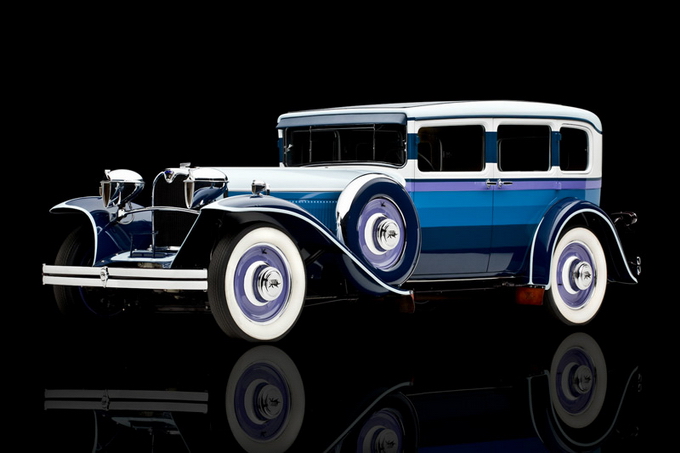
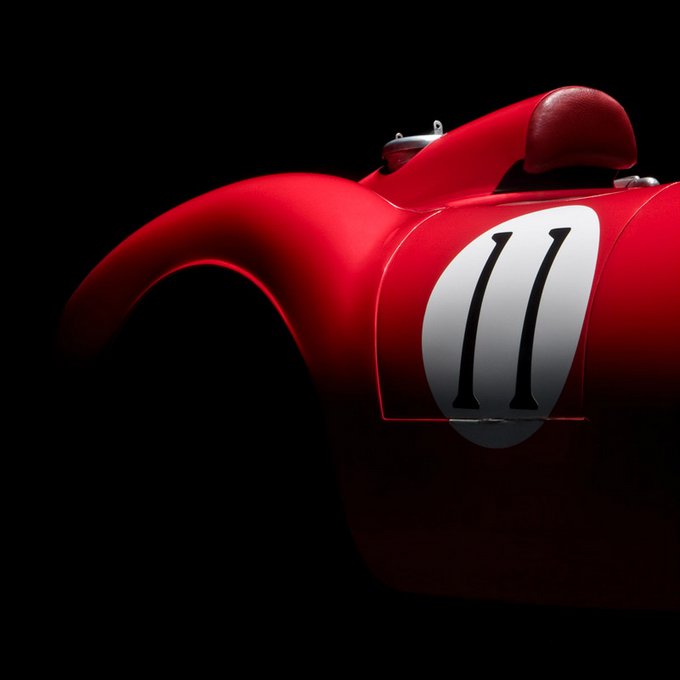
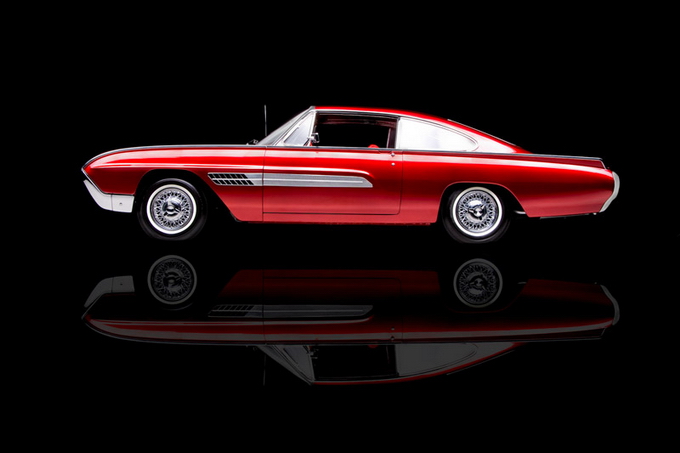
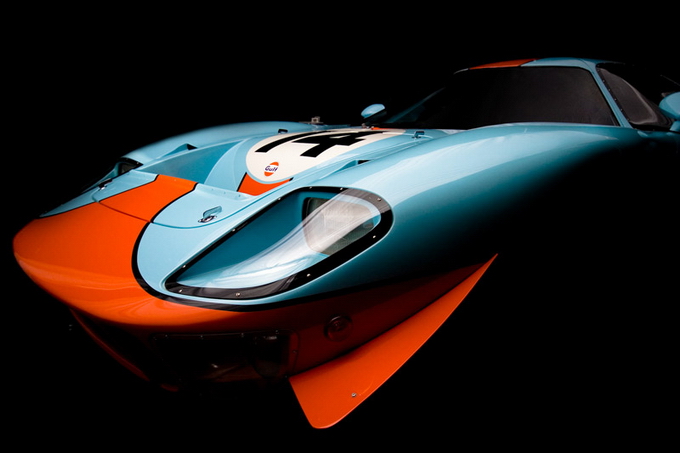
Ken Brown’s classic car photographs treat vintage automobiles as cinema subjects more than inventory. Against deep black backgrounds, polished paint and chrome hold the light while reflections pool on dark floors. The cars—often from the middle decades of the twentieth century, with some earlier Art Deco presence—arrive already sculptural. Brown’s job is to make that sculpture read as mood: glamour, silence, and controlled drama.
This gallery gathers that studio language. Looking through it is useful both for car lovers and for photographers who want to study how isolation, reflection, and careful highlight control turn metal into portraiture.
A photographer shaped by collections
Brown’s path into automotive work is often told through museums and early access rather than through a sudden advertising break. As a teenager he worked security at the Blackhawk Museum in Danville, California, photographing cars and events for a personal portfolio. That informal archive later led to formal museum photography, including long work with a large classic collection and related exhibits. The lesson for viewers is simple: proximity to extraordinary machines teaches proportion, surface, and patience before clients ever arrive.
Family interest in vintage automobiles also threads through accounts of his early attraction to restored classics. Whether the subject is a famed Mercedes-Benz 300 SL Gullwing or a multi-banded luxury sedan from the Art Deco years, the photographs assume the car deserves gallery seriousness. These are not casual parking-lot snaps. They are controlled, emotive frames designed to balance blackness and beauty.
Brown’s broader practice has also included commercial automotive work, landscape imagery, and later directing and cinematography. The classic-car set shared here sits in the fine-art and editorial lane: museum quiet, advertising polish, and a taste for Italian design houses and French coachbuilders that show up in interviews as personal favorites even when a given gallery spans many marques.
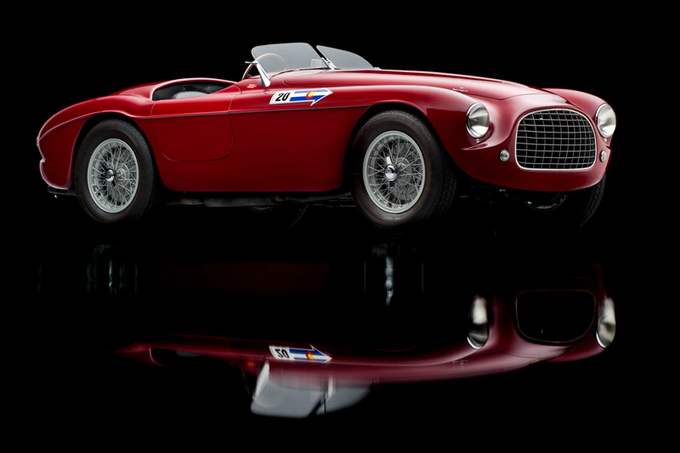
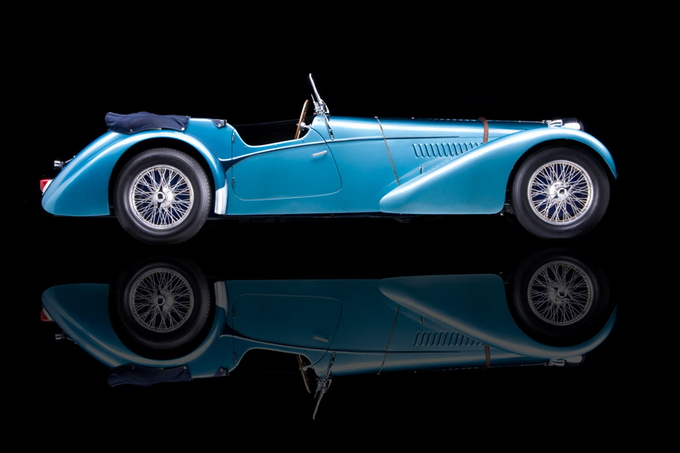
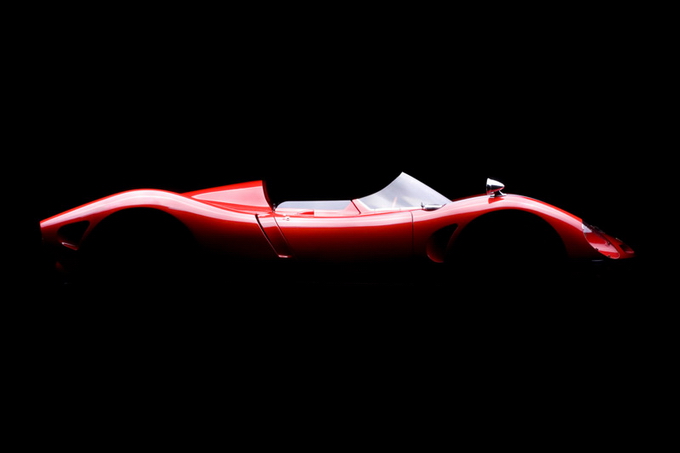
The black-box studio language
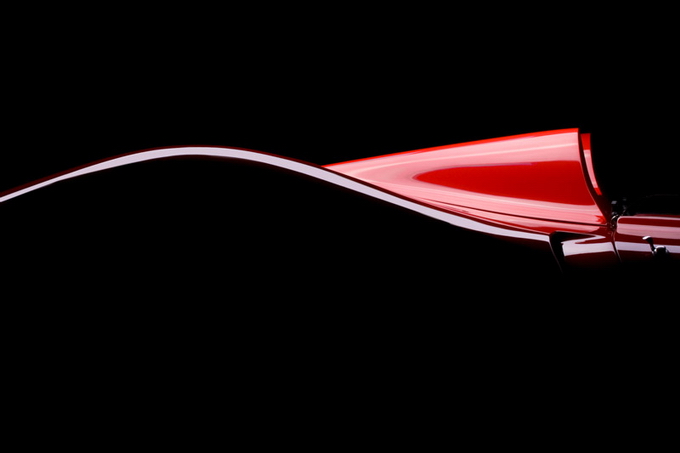
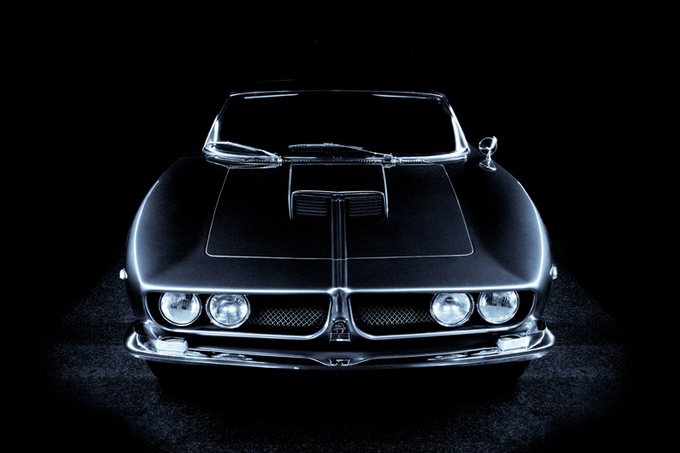
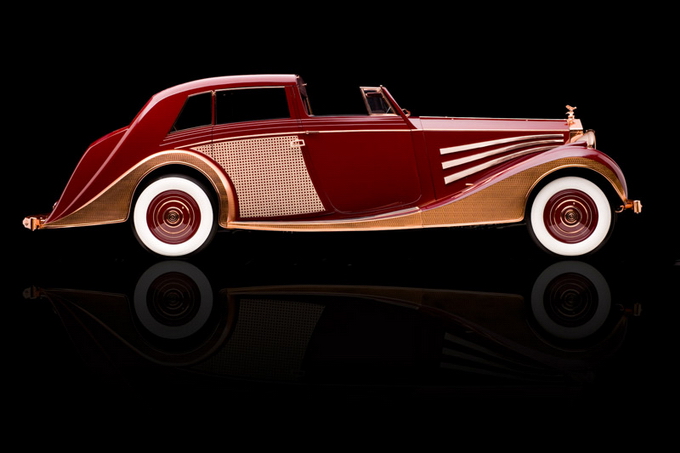
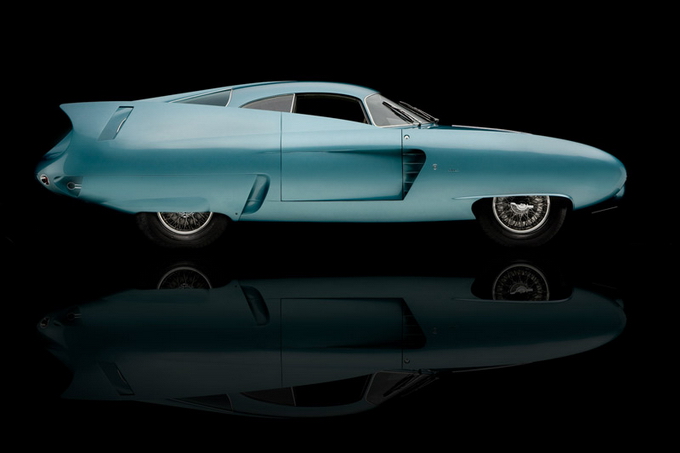
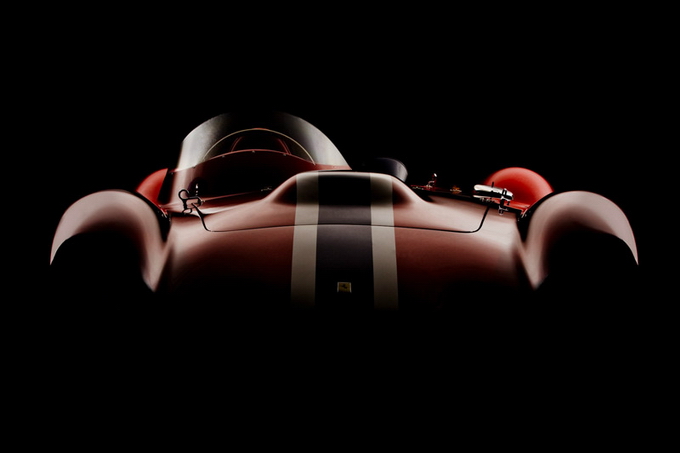
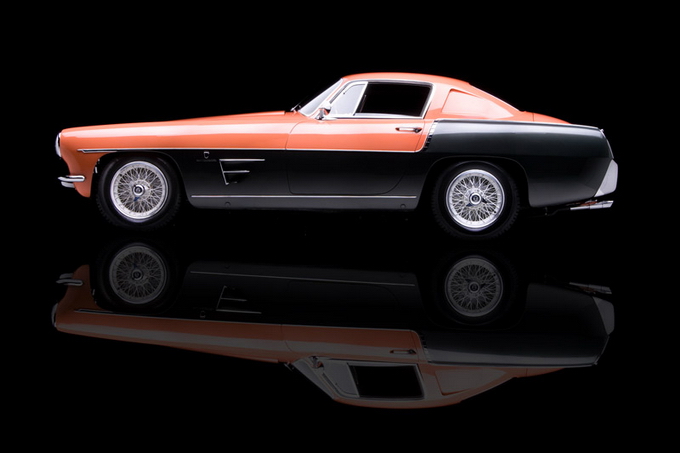
The recurring visual contract is stark: a seamless dark field, a reflective floor, and a car lit so body curves stay readable without dissolving into glare. Blackness does two jobs. It removes street context that would date or distract, and it turns chrome into a drawing tool—thin bright lines against void. Reflections under the wheels and rocker panels double the form and imply a showroom that exists only for the camera.
Color becomes theatrical in this void. A sedan painted in horizontal bands of pale blue, lavender, and deep royal blue reads almost like costume design. Whitewall tires and chrome headlights punch forward. Without background clutter, paint transitions and pinstriping get the attention they rarely receive in outdoor snapshots.
Three-quarter front views dominate for good reason: they show length, grille character, and side sculpture in one glance. Occasional tighter crops—wheel, mascot, door handle, headlamp—remind you that classic cars are collections of details. Brown’s frames often feel as interested in the leap of a hood ornament as in the full silhouette.
What the light is doing
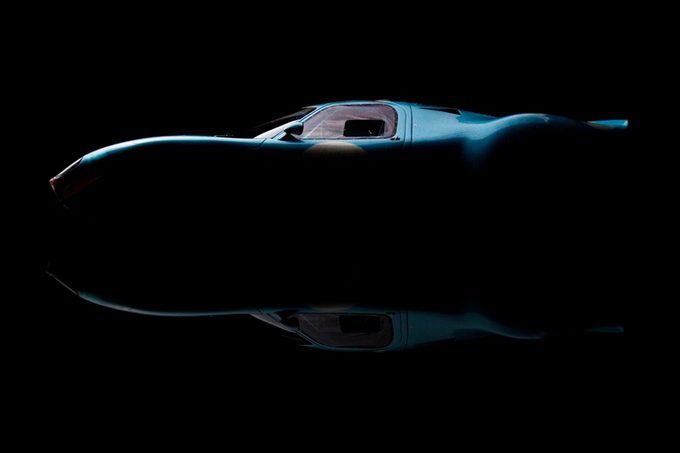
Automotive photography fails when highlights blow out into white patches that erase paint, or when lighting is so soft the car looks dusty and undefined. Brown’s successful frames keep specular highlights shaped: long soft rolls across fenders, brighter kicks on chrome, enough shadow in wheel wells to preserve depth. The car should feel three-dimensional, not sticker-flat.
Reflections are managed, not accidental. A black floor means every light source can appear twice. Flags, large soft sources, and careful placement keep unwanted room lines out of door panels. When a reflection is beautiful—a clean gradient across a fender—it stays. When it is a ceiling grid, it goes.
Photographers studying these images should also notice stillness. Doors closed, angles squared to intention, no half-open props unless the story needs them. The cars look ready for a formal portrait session. That calm is part of the luxury signal.
Subjects from the 1930s through the 1960s
The body of work associated with this gallery spans famed automobiles from roughly the 1930s to the 1960s—the period when coachbuilt luxury, early sports-car myths, and postwar design icons overlap. A Gullwing is an obvious star: doors, proportions, and cultural fame do half the communication. Quieter sedans and less famous shapes still hold the frame when paint, stance, and lighting are this deliberate.
Brown has spoken in interviews about affinities for Italian design—Zagato and Allemano among them—and for French coachbuilding names such as Saoutchik, alongside personal soft spots for cars one might actually drive, like a mid-1950s Chevrolet. Taste like that matters because it trains the eye toward proportion and character, not only badge prestige. Even when a published set mixes marques, the photographer’s preference for strong design lines shows in how the camera honors curves and chrome jewelry.
Viewers do not need every chassis identified to learn from the pictures. Ask instead: Where does the highlight land? How much of the car is cropped? Is the reflection symmetrical or broken on purpose? Those questions transfer to any classic you might photograph at a show, in a museum, or in a rented studio.
How to look—and how to shoot afterward
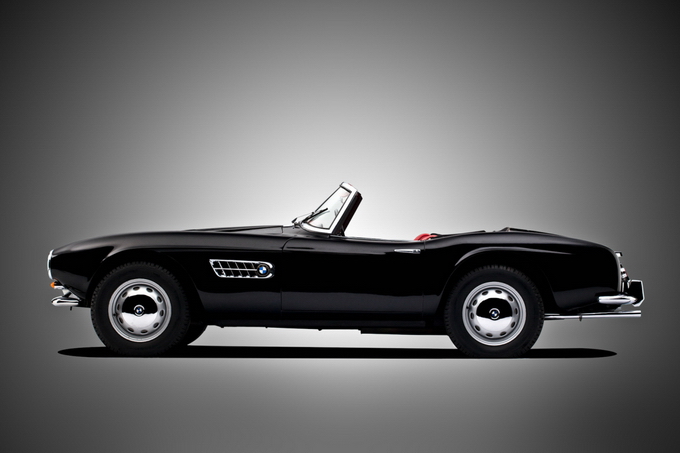
If you are here as a fan, linger on surface. Notice how paint bands separate, how whitewalls punctuate dark fenders, how a sidemount spare continues the wheel’s graphic. Classic cars reward slow looking the way sculptures do.
If you are here as a photographer, steal process, not logos. Darken or simplify backgrounds when the location allows. Polish thoughtfully—dust photographs louder than people expect. Use large soft light for paint and smaller controlled kicks for chrome. Shoot a hero three-quarter, then a few honest details. Keep people and modern clutter out of reflective panels unless they are part of the concept.
Outdoor shows will never give you a perfect black void. You can still borrow the attitude: isolate the car against a clean wall or sky, wait for shade that softens chrome explosions, and compose as if the vehicle were a person sitting for a portrait. The studio look is an ideal; the discipline travels.
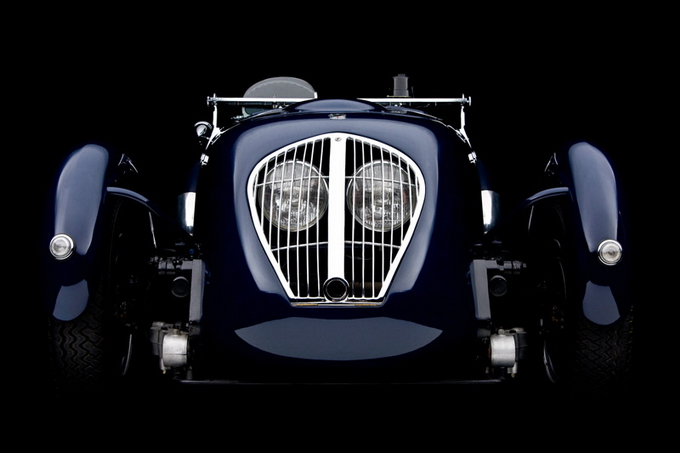
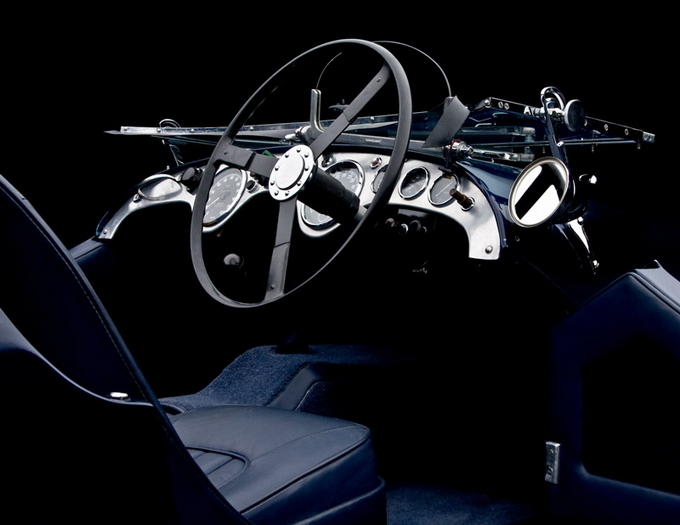
Before you leave the set, pick one panel—a fender curve, a headlamp, a band of paint—and decide whether the highlight on it is shaped or accidental. That single check is how Brown’s kind of classic-car photography stays intentional when the machine itself is already beautiful.

Comments
Continue reading
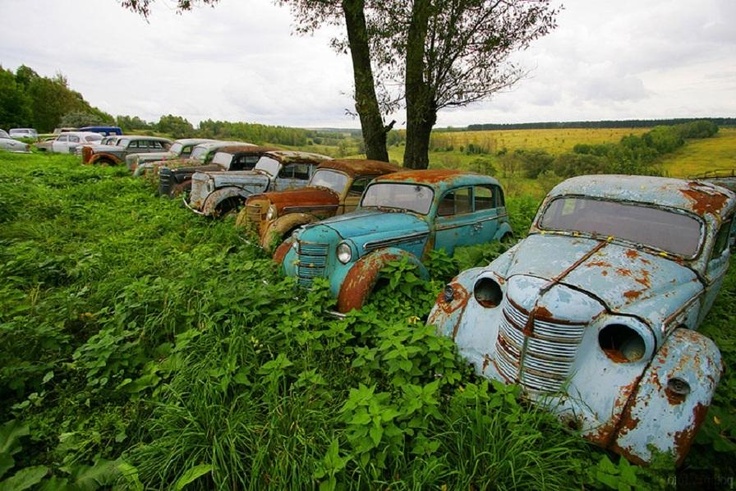
Abandoned Cars Reclaimed by Nature: Rust, Growth, and Quiet Ruin
When neglected vehicles are left outdoors long enough, rust, moss, and trees rewrite them into strange still lifes—sad, photogenic, and slowly returning to the ground.
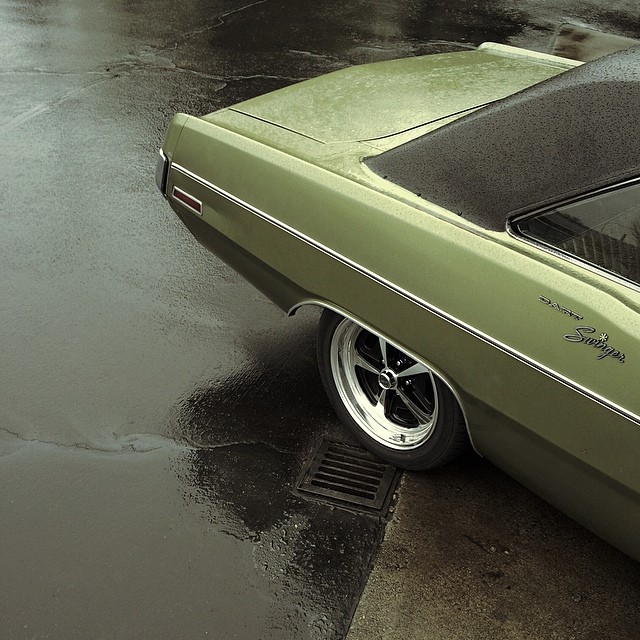
Scott Brown’s Old Car Photography: Seattle Streets on an iPhone
Seattle photographer Scott Brown (Supersangron) finds weathered classics on ordinary streets—close crops, rain light, and phone-camera honesty.
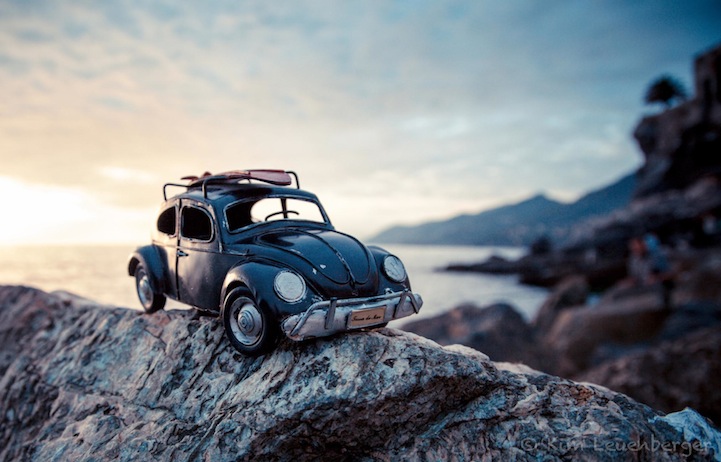
Kim Leuenberger’s Traveling Cars Adventures
Swiss photographer Kim Leuenberger stages vintage toy cars in real landscapes—a playful forced-perspective series about miniature road trips and story.