
Scott Brown’s Old Car Photography: Seattle Streets on an iPhone
Seattle photographer Scott Brown (Supersangron) finds weathered classics on ordinary streets—close crops, rain light, and phone-camera honesty.
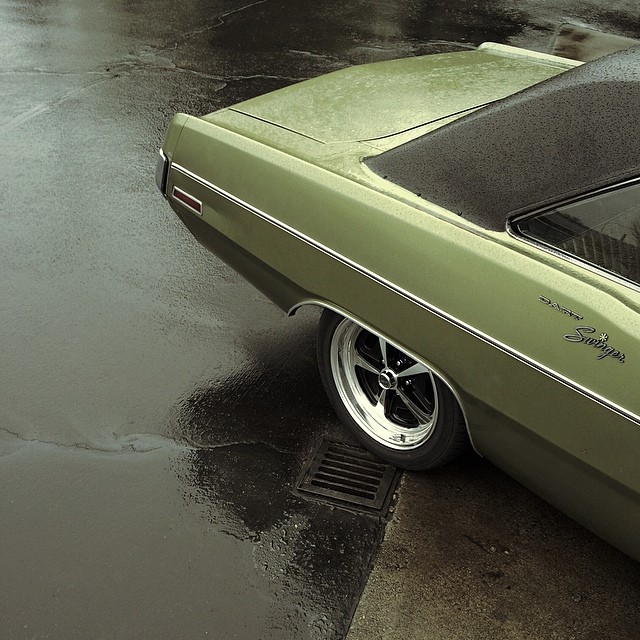
Some photographers chase rare exotics on closed tracks. Others wait for golden hour over a carefully staged driveway. Seattle photographer Scott Brown — better known on Instagram as Supersangron — built a quieter habit: he walks ordinary streets with an iPhone and looks for cars that still carry the weight of earlier decades. Chrome that has fogged, paint that has chalked, body lines that no longer appear on new sheet metal. The pictures feel less like car ads and more like found portraits of machines still living in the weather.
That approach is why his work lands so well with people who like classic cars but do not need showroom perfection. Brown’s frames treat rust, rain streaks, and uneven light as part of the story. The phone in his hand is not a limitation he apologizes for; it is the tool that keeps him mobile enough to catch a coupe parked crooked under a gray Pacific Northwest sky before the owner drives away. In a feed crowded with polished automotive lifestyle shots, his curb finds feel almost documentary.
Street cars, not show cars
What separates this kind of photography from typical automotive imagery is subject choice. Brown is not hunting concours winners under tents. He photographs the cars you still meet in neighborhoods: older American iron, weathered imports, workhorses with mismatched panels, survivors that never got a full restoration. In a city like Seattle — mild winters, less road salt than the Midwest, and a culture that rarely treats every vehicle as a status prop — those machines linger longer on the curb.
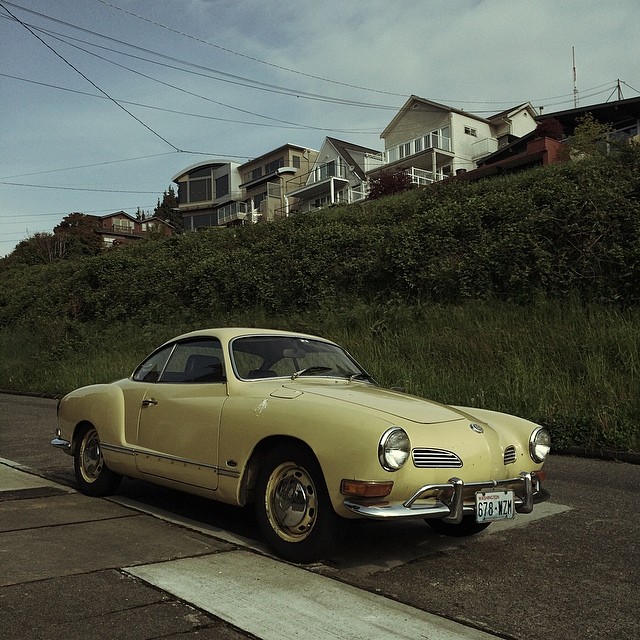
Because the cars are found rather than staged, each frame carries a little documentary honesty. A reflection in a fender might include a power line or a damp sidewalk. A grille might sit half in shadow because the sun never cooperated. That messiness is useful. It reminds you that these objects still move through real streets, not only through nostalgia calendars. You can almost guess the neighborhood from the background alone: wet pavement, brick, evergreens, the muted palette of a city that spends half the year under cloud.
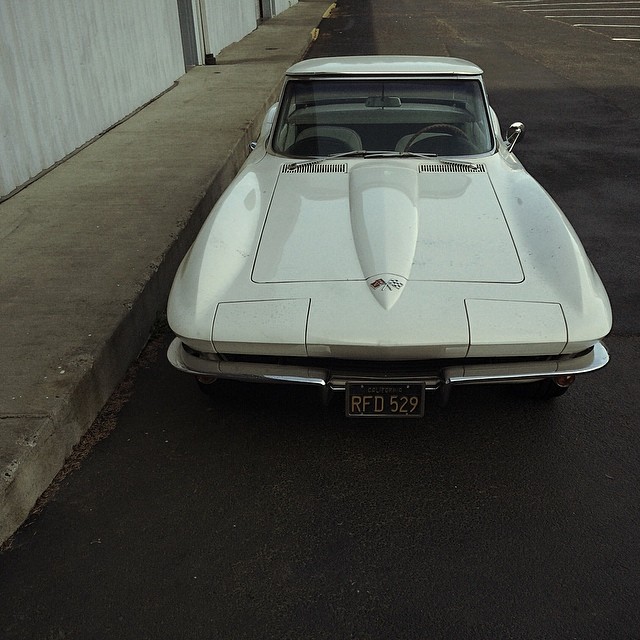
There is also an ethical quietness to this way of shooting. Brown’s best images rarely feel invasive. He works from public sidewalks, favors detail and silhouette, and leaves owners out of the drama. The car remains the character. That restraint helps the photographs travel beyond hardcore car culture into a wider audience that simply likes well-seen objects.
Composition over horsepower talk
Brown’s strongest images often ignore the full profile. He crops into a headlamp, a badge, a curve of hood, or the gap where a bumper meets a quarter panel. Close detail turns metal into abstract shape: circles against chrome, faded lettering, the soft blur of rain on glass. Viewers who do not know model years still understand the feeling — age, craft, and a little defiance against disposable design.
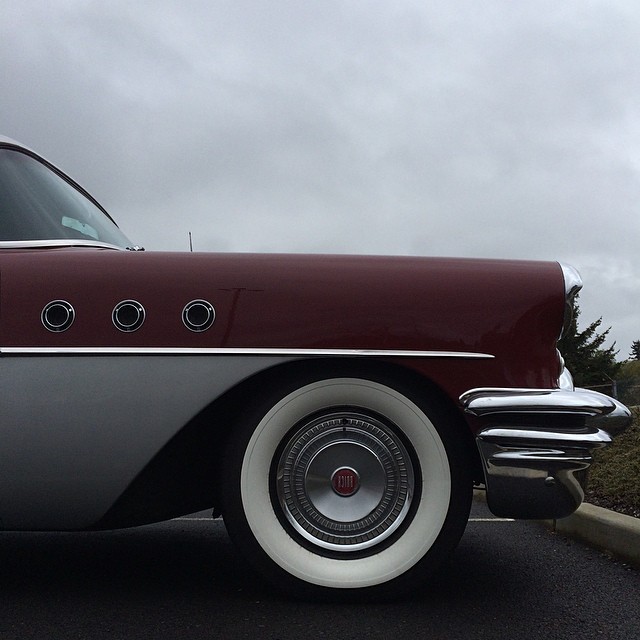
When he does pull back for a wider shot, the surrounding city matters. Wet asphalt, brick walls, parked neighbors from newer decades — all of it places the older car in a present tense. The photograph is not pretending the 1960s never ended. It shows what happens when an older design keeps working inside a newer landscape. That collision of eras is half the interest: a tailfin beside a hatchback, a chrome bumper reflecting a modern glass facade.
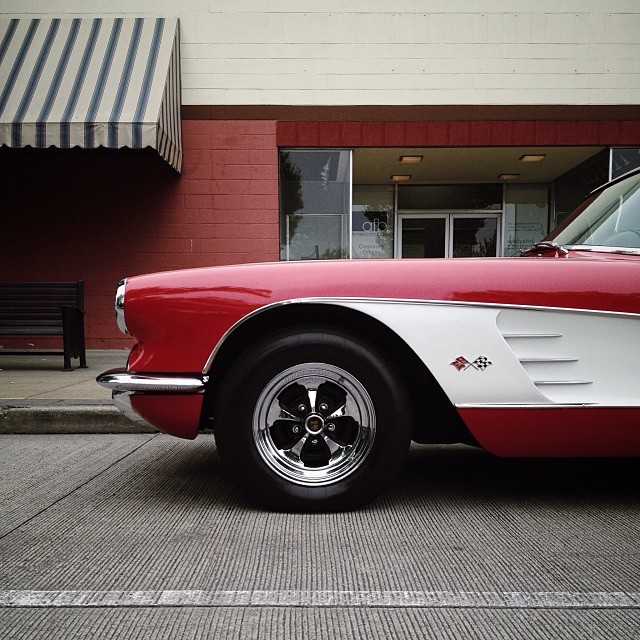
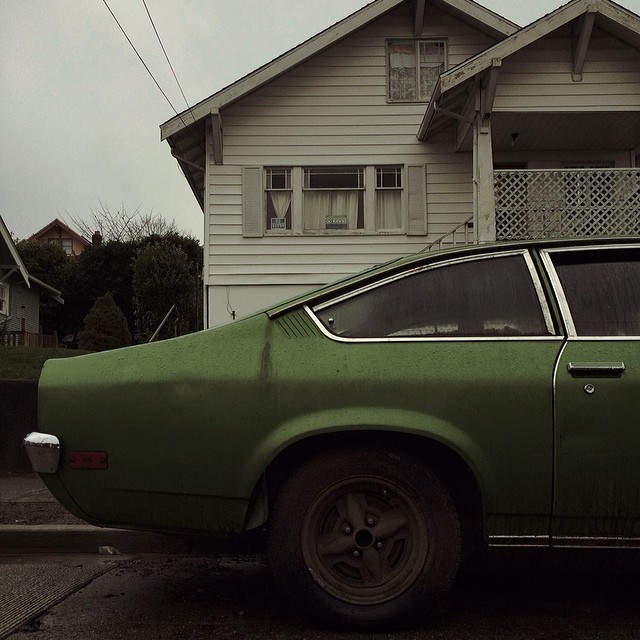
Look closely and you will also notice how often he uses negative space. Empty pavement, a blank wall, or a stretch of sky can make a weathered sedan feel monumental. That compositional patience is what separates a “nice car I saw” snapshot from a picture that holds attention after the scroll has moved on.
Weather as collaborator
Pacific Northwest light is rarely dramatic in a postcard way. Overcast days flatten contrast; rain turns paint into a darker, more reflective surface. Brown uses those conditions instead of waiting them out. Soft light reveals dents and patina without hard glare. Water beads give a body panel a temporary gloss that studio polish cannot fake. Fog and wet roads mute backgrounds so the car’s silhouette reads more clearly.
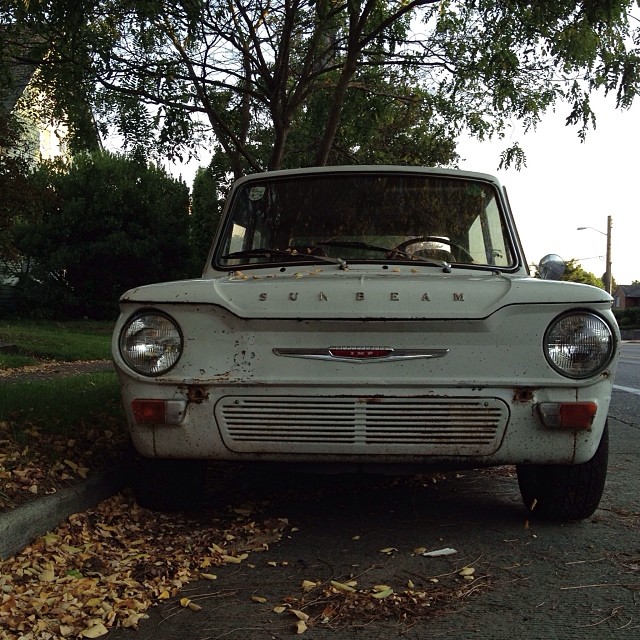
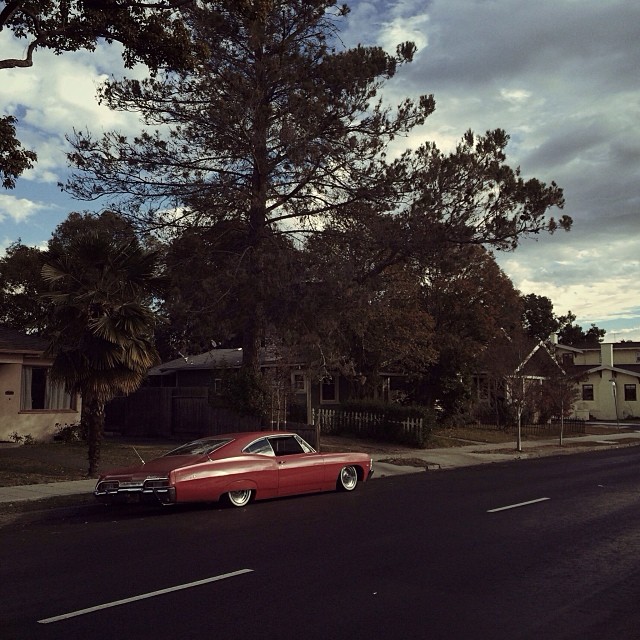
That weather-first habit is also practical for phone photography. Harsh midday sun can blow highlights on chrome and bury shadow detail in deep paint. Diffused skies are kinder to a small sensor. Brown’s feed reads as a reminder that “bad” weather for tourism can be excellent weather for texture. If you only shoot classics on blue-sky weekend shows, you miss half of what aged metal can do in rain.
Why the iPhone matters here
Plenty of car photographers still prefer dedicated cameras, and for good reason. Brown’s choice of an iPhone is interesting less as a tech boast and more as a workflow decision. A phone is always with you. It is quiet. It does not announce a photo shoot to a stranger whose car you admire from the curb. You can frame, shoot, and move on before the light changes or a bus blocks the shot.
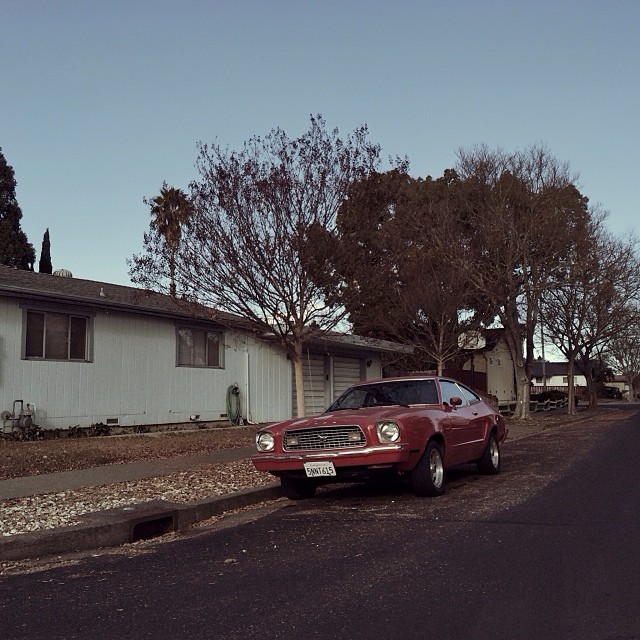
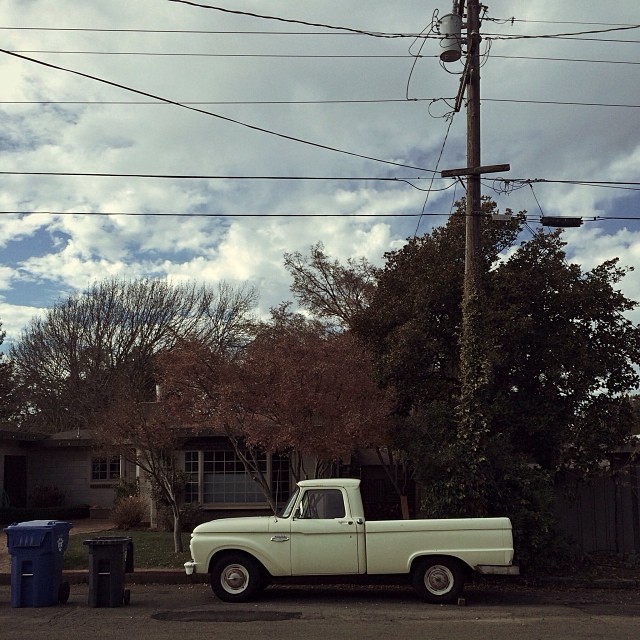
Phone constraints also push better seeing. When you cannot rely on exotic lenses for every look, you lean harder on angle, distance, and timing. Many of Brown’s images succeed because he stands in the right place relative to a reflection or a shadow edge, not because the camera erased the street around the car. The tool disappears; the seeing remains.
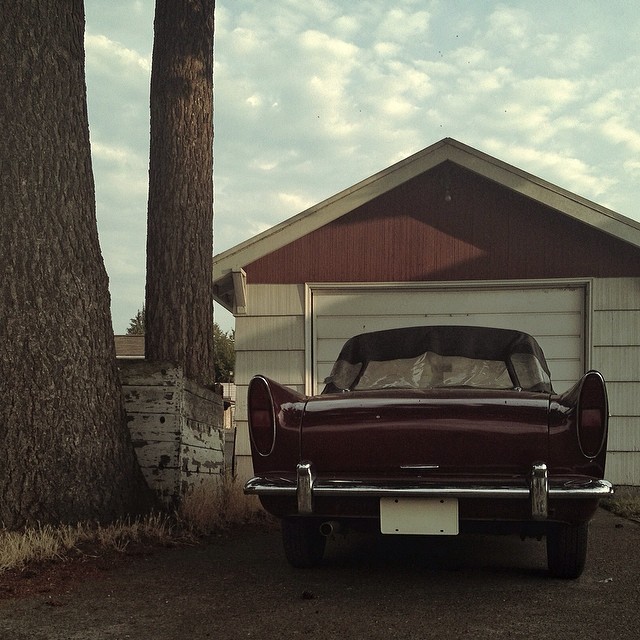
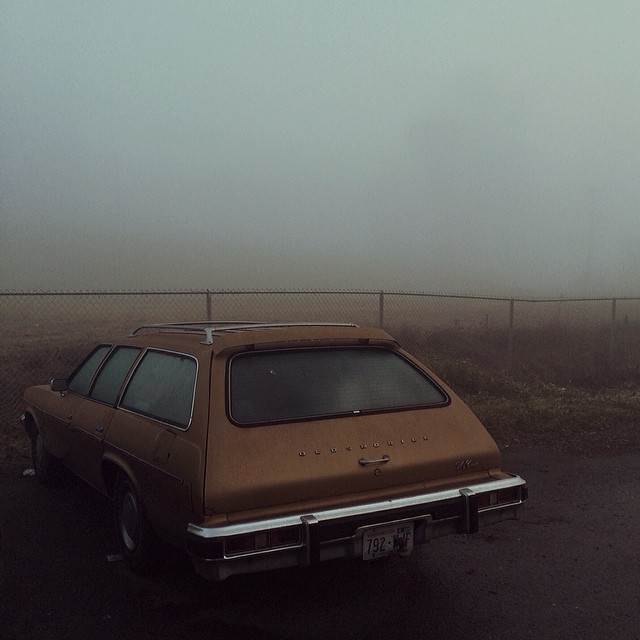
There is a social-media irony here too. An Instagram-native practice built on a phone camera ends up arguing against the idea that better gear automatically means better pictures. Scott Brown’s body of street work is a long demonstration that subject, light, and patience still outrank equipment envy.
What to look for in the gallery
As you move through the selection below, notice how often the most memorable shot is not the “hero” three-quarter front view. Watch for:
- Edges where chrome meets aged paint
- Reflections that fold the street into the bodywork
- Low viewpoints that make ordinary curb parking feel monumental
- Tight crops that turn badges and lights into graphic design
- Background clutter that somehow supports, rather than ruins, the subject
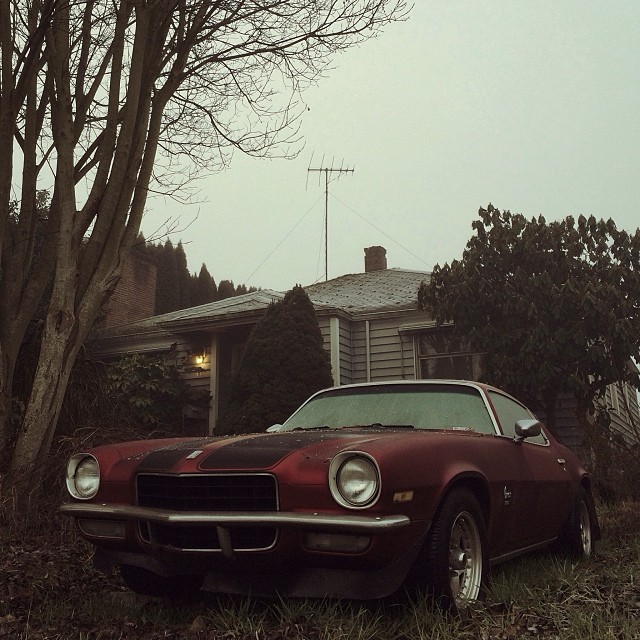
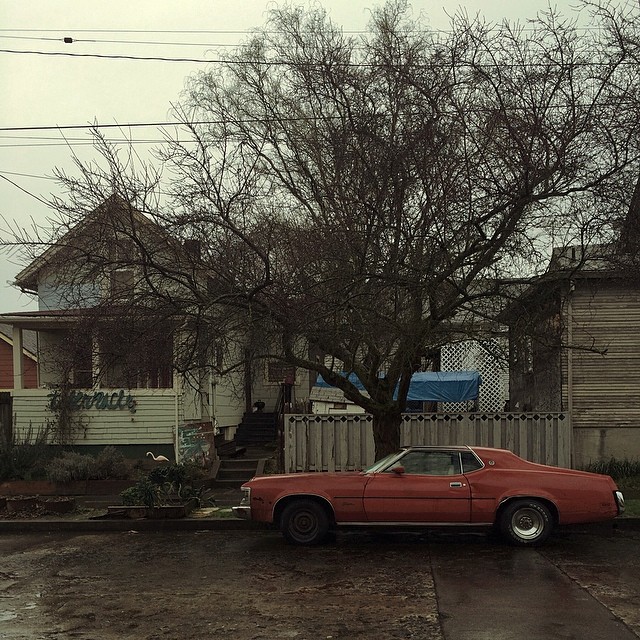
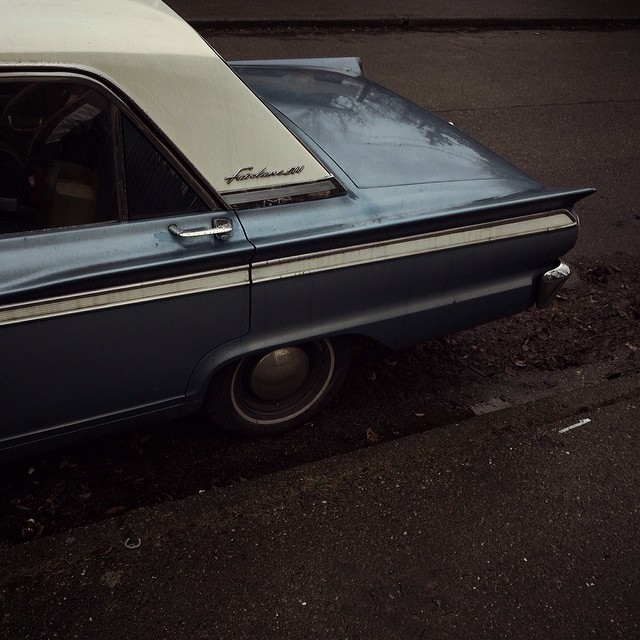
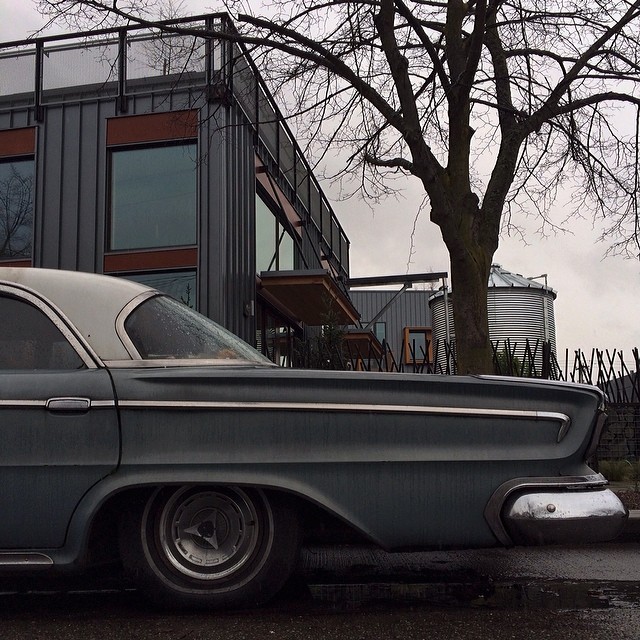
Those habits are easy to borrow even if you never photograph cars. The lesson travels: look closer at worn materials, wait for weather that reveals texture, and treat imperfect surroundings as context instead of failure. A bicycle, a doorway, or a weathered sign can teach the same discipline if you give it the same attention Brown gives a grille.
Old cars as everyday design history
Part of the pleasure in Brown’s work is historical without being pedantic. Older cars often display clearer ornament, thicker metal, and more idiosyncratic proportions than today’s homogenized shapes. A photograph of a faded emblem or a complex grille is also a small record of industrial design that once sat in every driveway and now mostly lives in memory, auctions, or slow restoration projects.
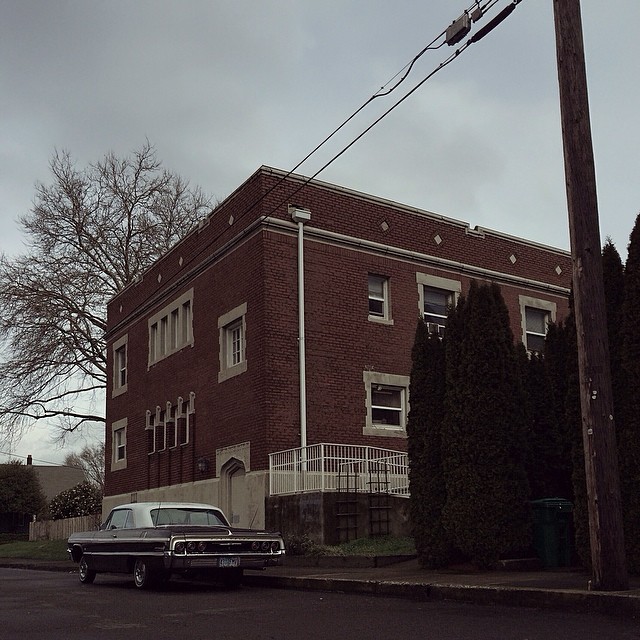
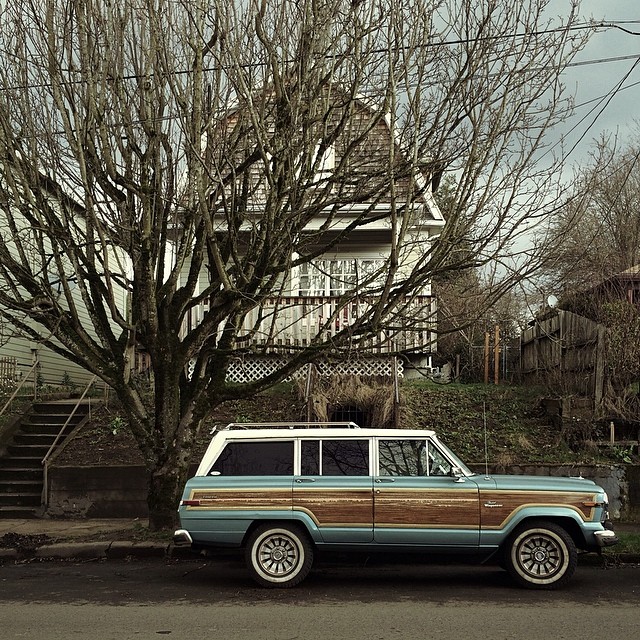
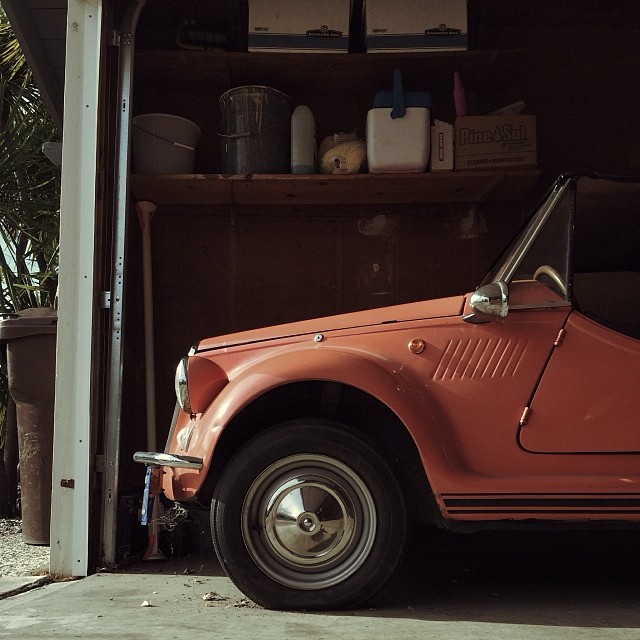
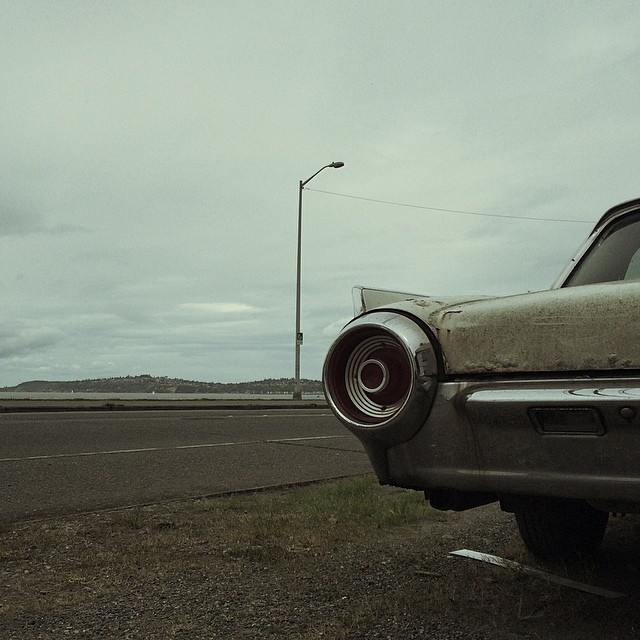
At the same time, these are not museum labels. The cars still get wet. They still cast shadows on asphalt. Brown’s Instagram-era street practice sits between enthusiast photography and urban observation: you can enjoy the machines as machines, or simply as sculptural objects left outdoors for anyone curious enough to notice. That double reading is why the gallery rewards both gearheads and people who mainly care about light and form.
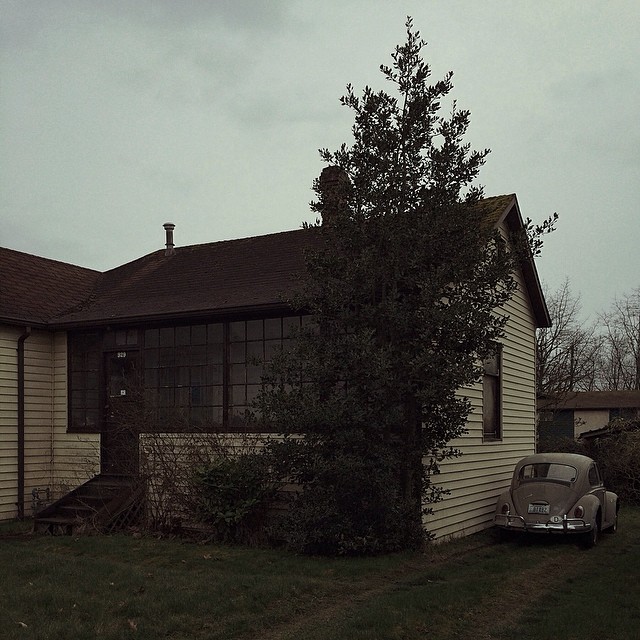
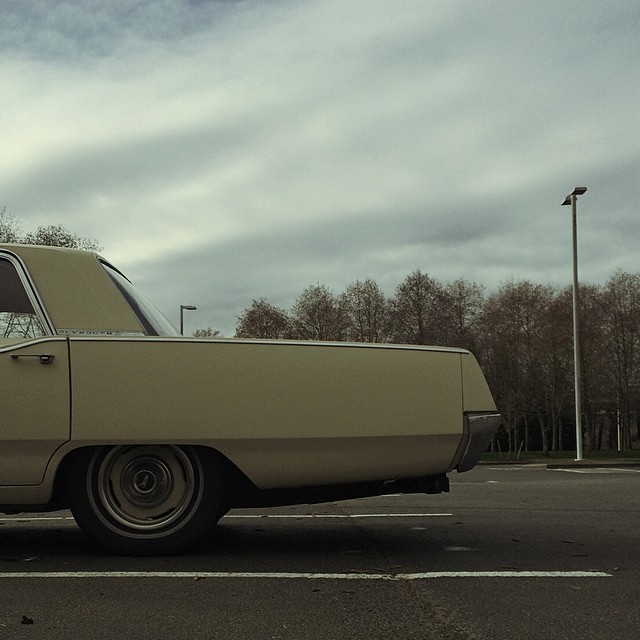
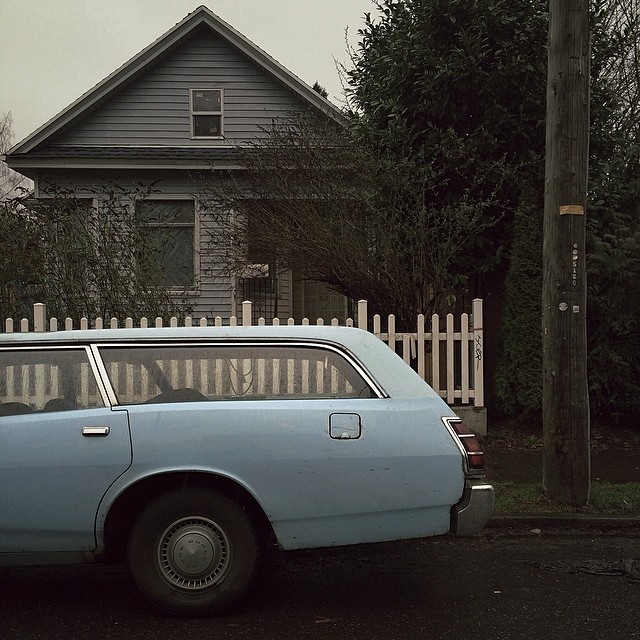
If you like this vein of work, try a single afternoon walk with your own phone and one rule: only photograph vehicles older than you, and only from angles that hide the whole car at first. Force yourself to find one detail worth keeping. You may not match Scott Brown’s eye for Seattle curb finds — but you will start seeing metal, weather, and street light the way his pictures teach you to look.

Comments
Continue reading
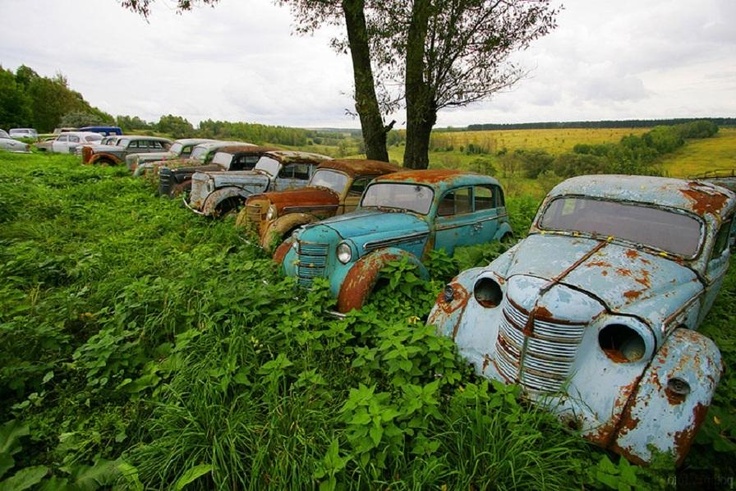
Abandoned Cars Reclaimed by Nature: Rust, Growth, and Quiet Ruin
When neglected vehicles are left outdoors long enough, rust, moss, and trees rewrite them into strange still lifes—sad, photogenic, and slowly returning to the ground.
Kim Leuenberger’s Traveling Cars Adventures
Swiss photographer Kim Leuenberger stages vintage toy cars in real landscapes—a playful forced-perspective series about miniature road trips and story.
Classic Car Photography by Ken Brown: Black Studios and Polished Icons
Ken Brown’s cinematic classic-car photographs—museum-trained looking, black-box studio light, and vintage machines treated as formal portraits.