
Cityscapes Around the World: Photographing New York
A look at New York cityscape photography—from Grand Central light beams to street canyons and waterfront skylines—plus practical notes on light, scale, and editing.
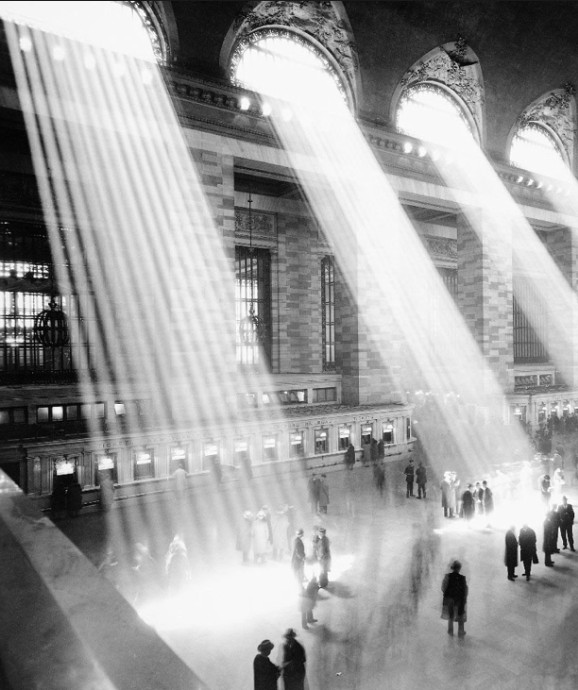
New York rewards cityscape photography because the city never holds one face for long. Vertical towers, bridges, water light, steam, street canyons, and interiors as grand as outdoor plazas all compete for the frame. A strong New York cityscape is less a postcard checklist and more a decision about weather, hour, elevation, and how much human motion you want inside the architecture.
This gallery gathers New York cityscape images that move between landmark interiors, street-level density, and wider skyline views. Use them as a study set: notice where light enters, how people scale the buildings, and which frames treat the city as geometry versus atmosphere. The series belongs to a broader “cityscapes around the world” idea, but New York remains the densest classroom for vertical living and public spectacle.
Interior cityscapes: Grand Central and public rooms
Some of New York’s most memorable “cityscapes” happen indoors. Grand Central Terminal’s main concourse is a classic example: vaulted volume, tall arched windows, and—when conditions align—hard beams of light cutting through particulate air toward the floor. The architecture supplies cathedral scale; the crowd supplies time. Hats, coats, and motion blur in historical frames turn transit into theater. Looking down from a balcony or stair landing compresses the floor into a stage where strangers become marks in a composition rather than individuals you must negotiate.
Photographing spaces like this asks for patience more than novelty angles. Wait for a clean shaft of light, a gap in the crowd, or a moment when figures arrange themselves without blocking the geometry. High viewpoints emphasize floor pattern and human scale. Ground-level frames emphasize faces and flow. Either way, respect rules about tripods, commercial shooting, and busy passenger paths. The building is a workplace, not only a backdrop. Arrive early if you can; midday tourism and rush hours change both the ethics and the choreography of where you can stand.
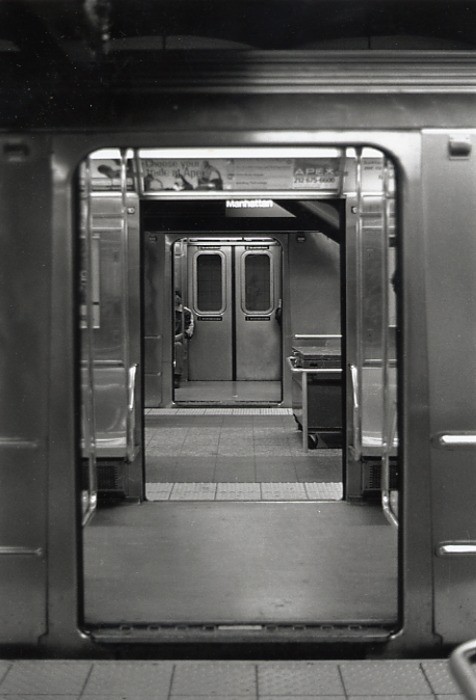
Other public interiors—libraries, ferry terminals, market halls, museum atriums—offer related lessons. Look for repeating arches, clerestory light, and the contrast between polished surfaces and moving people. Black-and-white still suits these rooms when contrast is the story; color wins when material—brass, stone, painted ceiling—matters more than silhouette. Carry a fast lens if handheld work is required. Grain is preferable to a soft frame caused by camera shake in dim grandeur.
Street canyons and the vertical habit
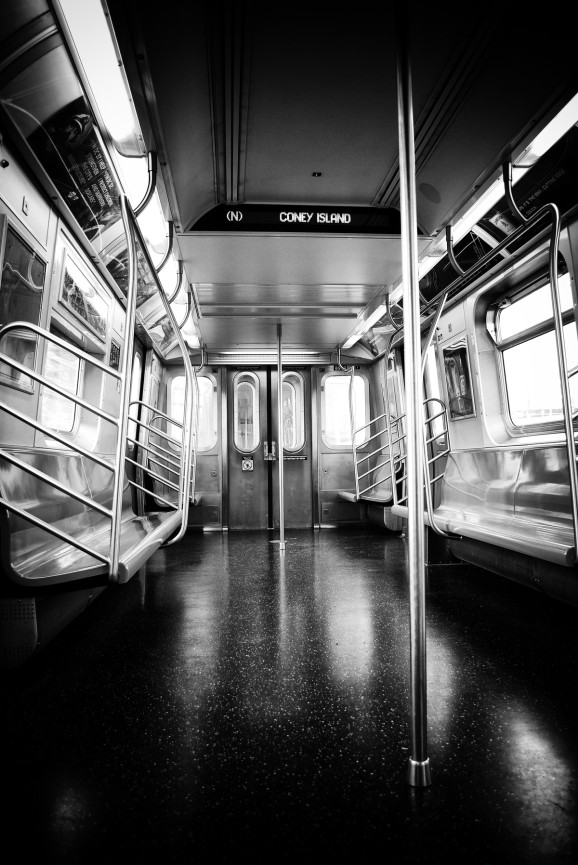
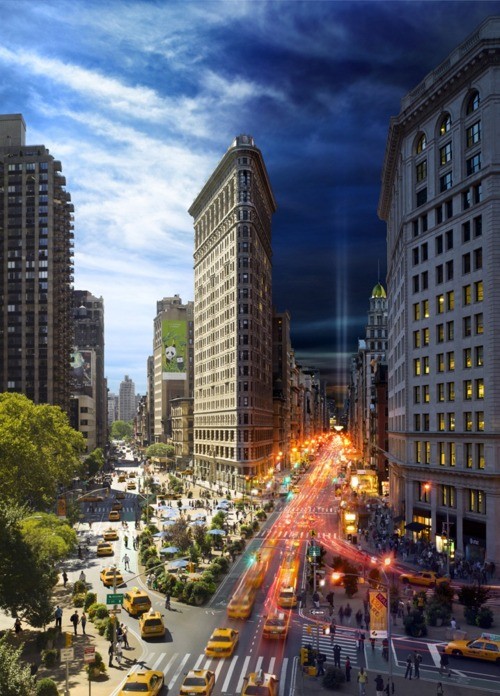
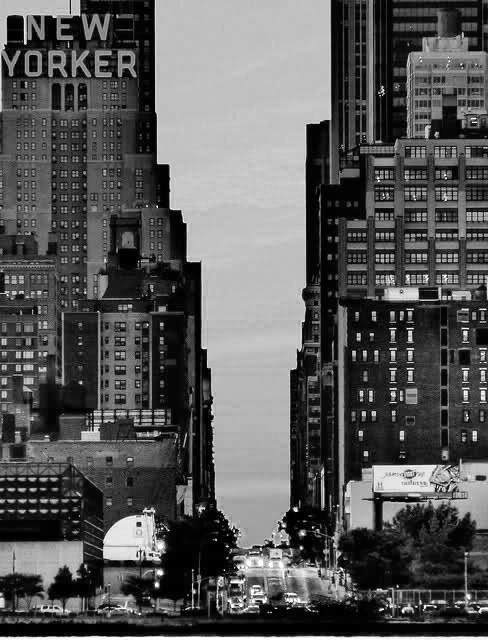
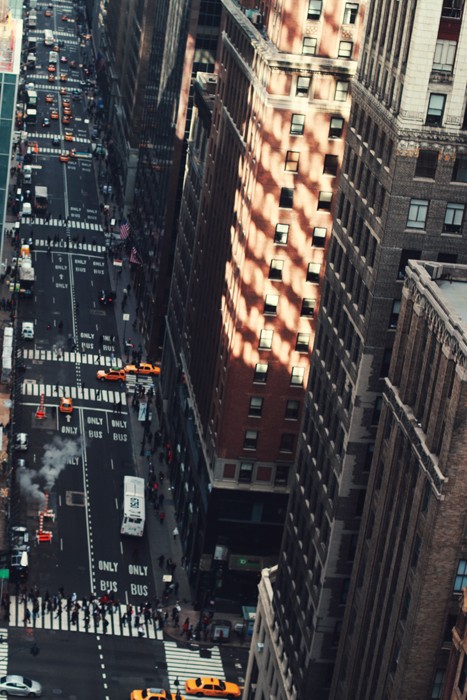
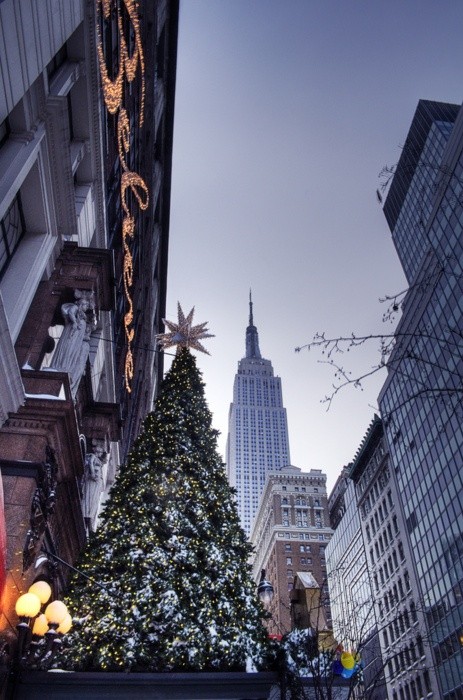
At street level, New York is a corridor city. Buildings make walls; the sky becomes a narrow ribbon; taxis and pedestrians supply rhythm. Cityscape frames here often tilt upward to catch façade grids, fire escapes, water towers, and the collision of old masonry with glass. A slight wide-angle exaggeration can feel honest to the experience of standing between towers—just avoid stretching faces if people are close enough to read as portraits by accident.
Overcast days flatten glare and reveal façade texture. Hard sun makes graphic shadows across avenues and turns crosswalks into high-contrast diagrams. Rain turns asphalt into a second skyline of reflections; puddles can hold inverted towers if you get low enough without blocking sidewalks. Steam vents, especially in colder months, add temporary atmosphere that no skyline overlook can fake. The trick is to treat weather as subject, not inconvenience. Pack a simple rain cover and accept that gloves will slow your dials.
Keep horizons deliberate. A crooked building line reads as carelessness unless the lean is clearly intentional. Watch edges for truncated signs and half-bodies unless you are making a deliberate collage of fragments. New York already offers visual noise; your job is to edit it in-camera. Sometimes the strongest canyon frame is nearly empty of signage—just brick, glass, and a single moving figure giving scale.
Skyline, water, and distance
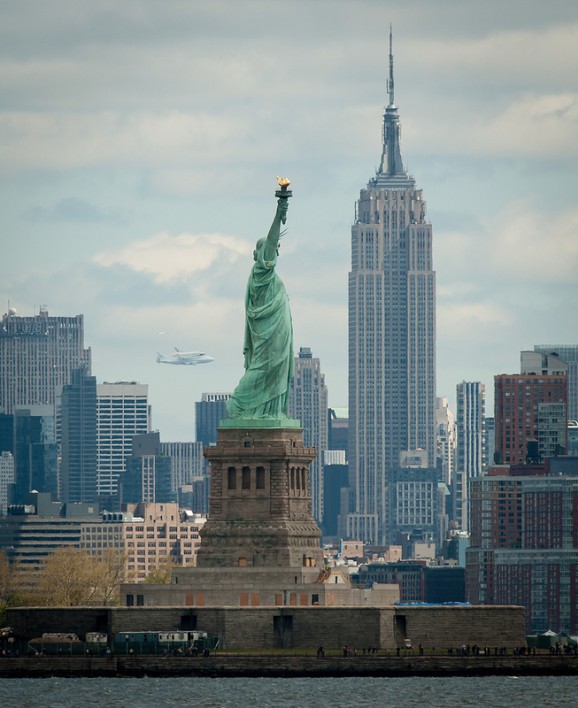
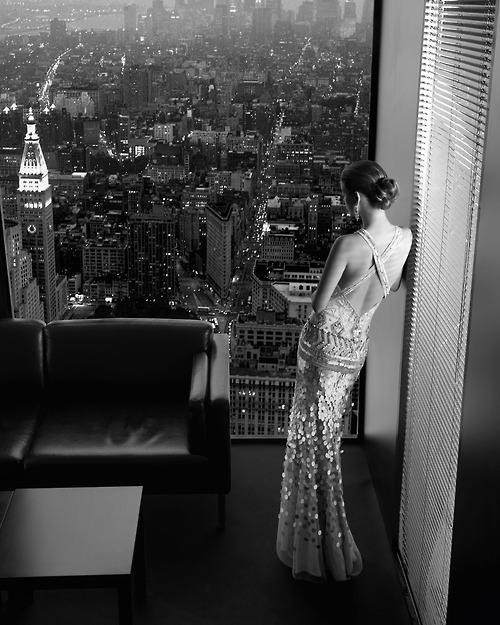
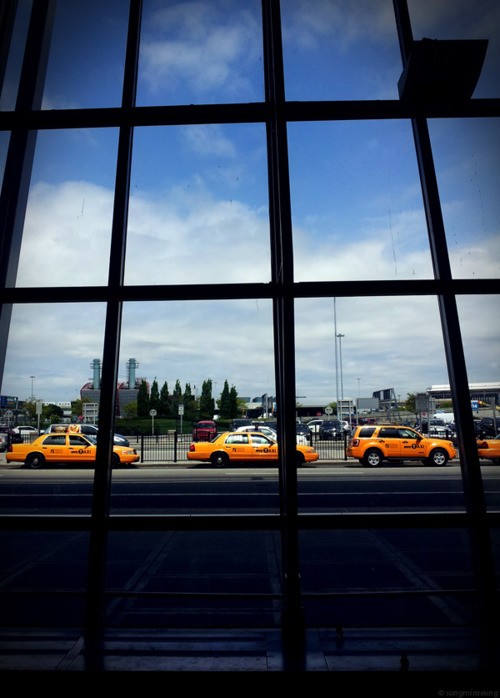
From the waterfronts, bridges, and outer vantage points, New York becomes a layered silhouette: pier, river, midrise band, towers, sky. Dawn and dusk remain the dependable hours because glass catches color and street grids begin to prickle with lights while some daylight remains for shape. Blue hour compresses the city into jewel tones; full night can become a glitter field unless you find a strong foreground—railing, ferry deck, park tree, bridge cable—to hold the frame and keep the eye from skating across undifferentiated sparkle.
Long lenses compress towers into dense stacks; wider lenses keep bridge structure and foreground water. Both are valid cityscapes. Compression emphasizes density and rivalry between buildings; width emphasizes setting and the city’s relationship to harbor and sky. Decide before you raise the camera whether the photograph is about the cluster of buildings or about place.
Historic and contemporary skylines can share a frame. Older water towers and newer glass slabs tell a continuous story if you do not crop one language out of existence. When haze softens distant detail, lean into mood instead of fighting for razor edges that the air will not give you. A slightly misted skyline can feel more true to a humid summer evening than a hyper-sharpened fantasy.
People as scale, not as souvenirs
Empty New York photographs can feel like stage sets. A few figures walking through light, waiting at a corner, or crossing a concourse restore scale and time. The goal is not to hunt strangers for novelty; it is to let human measure explain how large the architecture is. One person under a beam of terminal light can do more storytelling than a crowded street shot with no clear hierarchy.
Use shutter speed intentionally. A little blur in a crowd can imply motion while buildings stay sharp on a tripod or braced body. Faster shutters freeze gesture when gesture is the point—an arm raised for a taxi, a turn on a stair. In famous interiors and plazas, ethical practice is simple: do not block doors, do not harass subjects, and know when a space restricts photography. If someone objects, move on; the city will offer another frame within minutes.
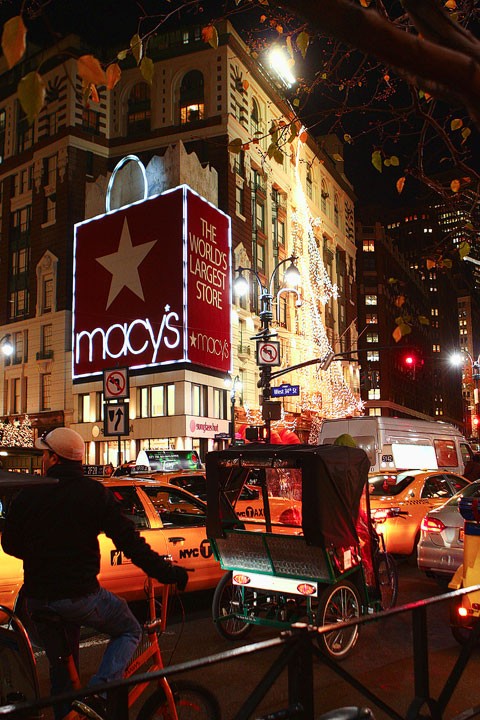
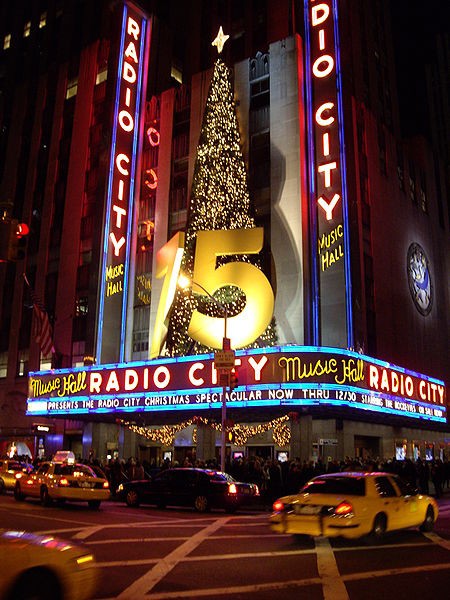
Night street cityscapes often mix neon, shop light, and residual sky. Expose for highlights if signs are blasting; lift shadows later if needed. Mixed color temperatures are part of the city’s truth—street sodium, LED white, warm window glow. Correct them only when the story requires harmony. Sometimes the clash of color is the New York note you came for.
A working approach for a New York day
If you have one day, pick a theme instead of a borough marathon. Morning light in a terminal or market; midday façade detail in a canyon street; late light from a waterfront or bridge approach; blue hour for skyline. Carry a flexible prime or a modest zoom, a spare battery in an inner pocket, and a plan for pockets and rain. Tripods help at dusk but slow you in crowds—know when handheld and higher ISO are the smarter craft. Comfortable shoes are not a joke accessory; cityscape days are walking days.
Scout digitally, then leave room for accident. A map of overlooks is useful; so is the willingness to stop when steam, weather, or an empty sidewalk suddenly cooperates. Edit tightly afterward. A New York cityscape set works better as a coherent essay—light beams, verticals, waterline, night grid—than as every frame you made between subway stops. Keep the images that explain place. Discard the ones that only prove you were there.
Print a few if you can. Screens flatten the difference between a competent skyline and a considered one. On paper, the Grand Central light shafts, the compressed towers, and the quiet ferry foregrounds declare which decisions were real.
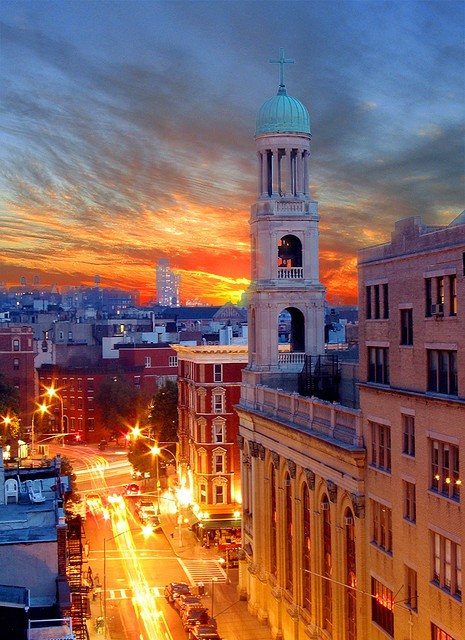
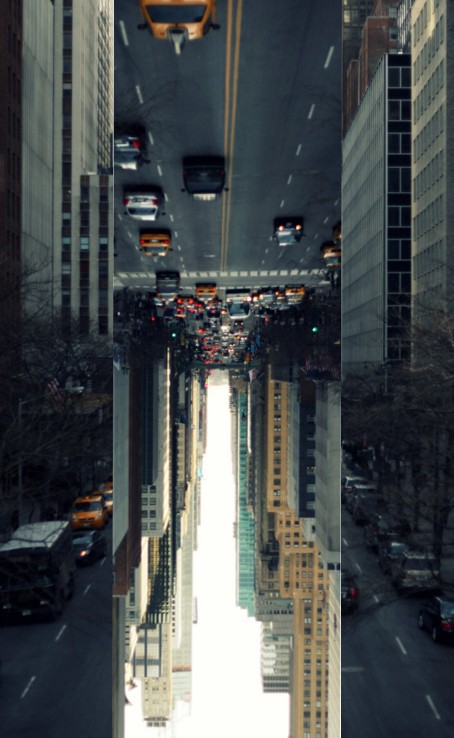
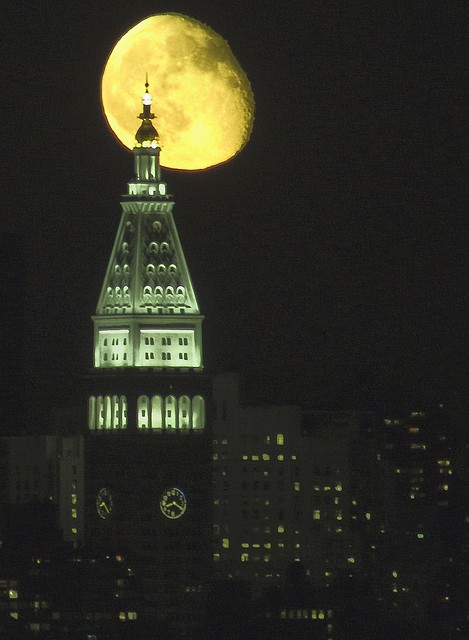
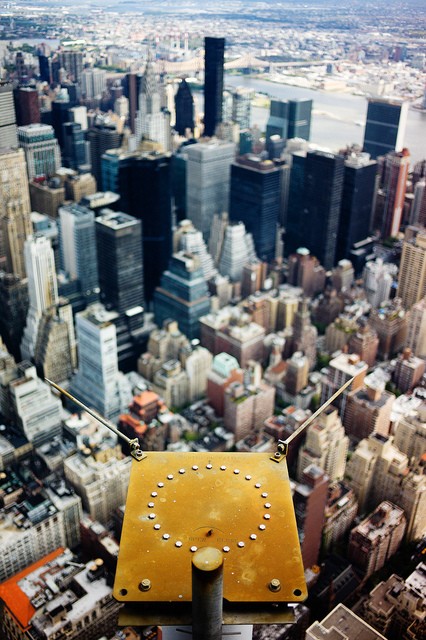
Whether the frame is a sunbeam on a terminal floor or a darkening harbor stacked with towers, New York cityscapes succeed when architecture, weather, and human scale share the same decision. The city will keep changing; the photographs that last are the ones that chose clearly.

Comments
Continue reading
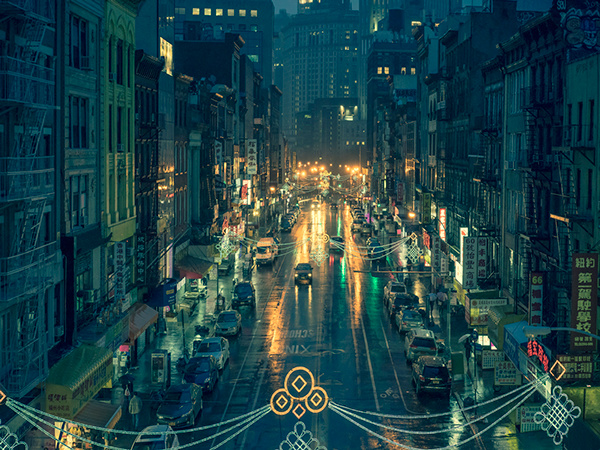
Enigmatic Pictorial of Manhattan’s Chinatown
Franck Bohbot’s 2014 nocturnal Chinatown series trades daytime crowds for deserted streets, cinematic light, and a quiet, science-fiction calm.
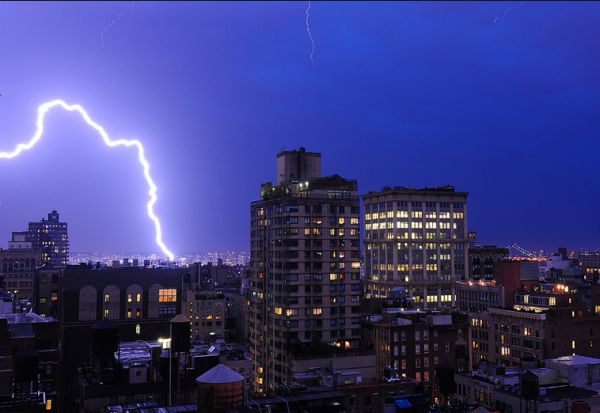
New York City Lights: Night Photographs by Ben Leshchinsky
Ben Leshchinsky’s New York night cityscapes—Midtown window grids, bridges, and long-exposure lights—from his early-2010s Flickr-era series.
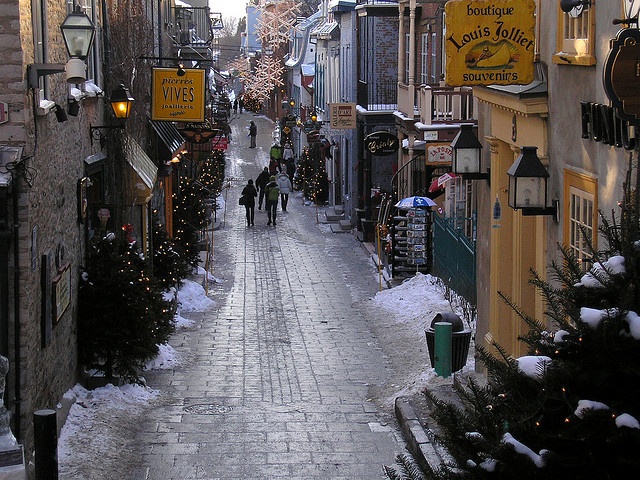
Frosty Winter Cityscapes From Quebec to Kyoto
Snow remakes streets and skylines—winter city photographs from Quebec, Reykjavik, New York, Amsterdam, Paris, and more, plus how to look at cold urban light.