
Frosty Winter Cityscapes From Quebec to Kyoto
Snow remakes streets and skylines—winter city photographs from Quebec, Reykjavik, New York, Amsterdam, Paris, and more, plus how to look at cold urban light.
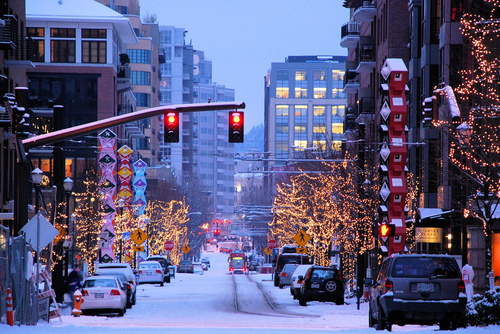
Winter changes a city’s personality. Streets that feel ordinary in June turn quiet and graphic when snow softens edges, lights bounce off wet pavement, and breath hangs in the air. Frosty winter cityscapes are less about “pretty snow” as decoration and more about how architecture, weather, and people share the same cold stage. The images gathered here move between European capitals, North American parks, and northern ports—places where winter is not a weekend novelty but a season that remakes the skyline.
What winter does to urban form
Snow is a temporary redesign. Rooflines sharpen. Dark facades gain contrast. Cars and clutter disappear under white planes. In a dense historic center, a light snowfall can turn cobbles and cornices into a single tonal drawing; in a modern downtown, glass towers pick up blue twilight and streetlight amber with almost metallic clarity. Photographers who chase winter cities are often chasing that temporary simplification—the moment when noise falls away and structure shows.
Cold also slows movement. Pedestrians hunch, bikes vanish, and plazas empty earlier. That emptiness is useful for looking: you notice the width of a boulevard, the height of a steeple, the way a river cuts a city in half. Winter cityscapes reward patience more than spectacle. The best frames often arrive after the storm, when the sky clears and the remaining snow is still clean enough to read as form rather than mess.
Quebec and the northern street
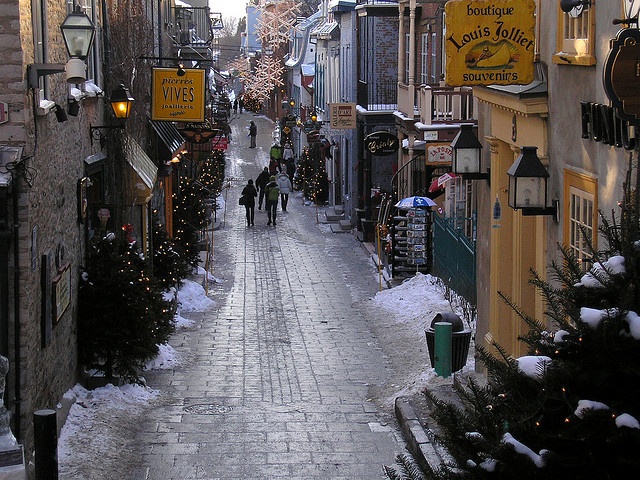
Old Quebec in winter feels built for cold: steep streets, stone walls, and a density that holds warmth between buildings. Snow gathers on dormers and window ledges; night lighting turns alleys into corridors of gold against blue shadow. The scene is both tourist postcard and working city—shops open, breath visible, boots careful on ice. It is a reminder that winter city photography works best when it includes lived detail: a parked bike buried to the seat, a café window fogged from inside, footprints cutting a diagonal across an otherwise blank square.
Reykjavik: low light and open sky
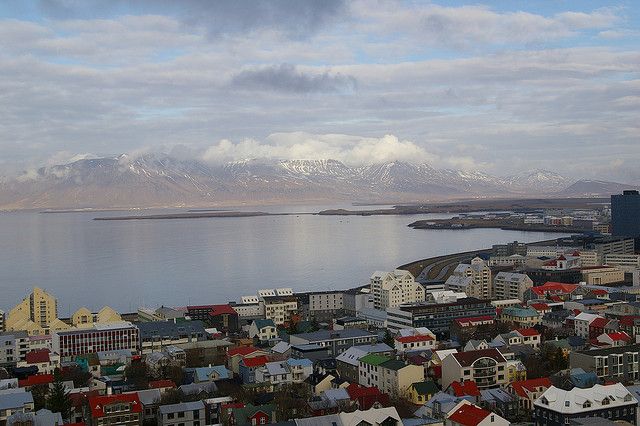
Reykjavik’s winter light is short and low. Color temperatures shift quickly from cool daylight to deep blue hour. Buildings sit under a wide sky, and snow makes the city feel smaller against weather that still feels oceanic. In frames like these, the horizon and the cloud edge matter as much as the architecture. Icelandic winter cityscapes often succeed when they leave room for atmosphere—mist, wind-driven flakes, a harbor edge—rather than packing every corner with landmarks.
New York and Central Park: density meets soft white
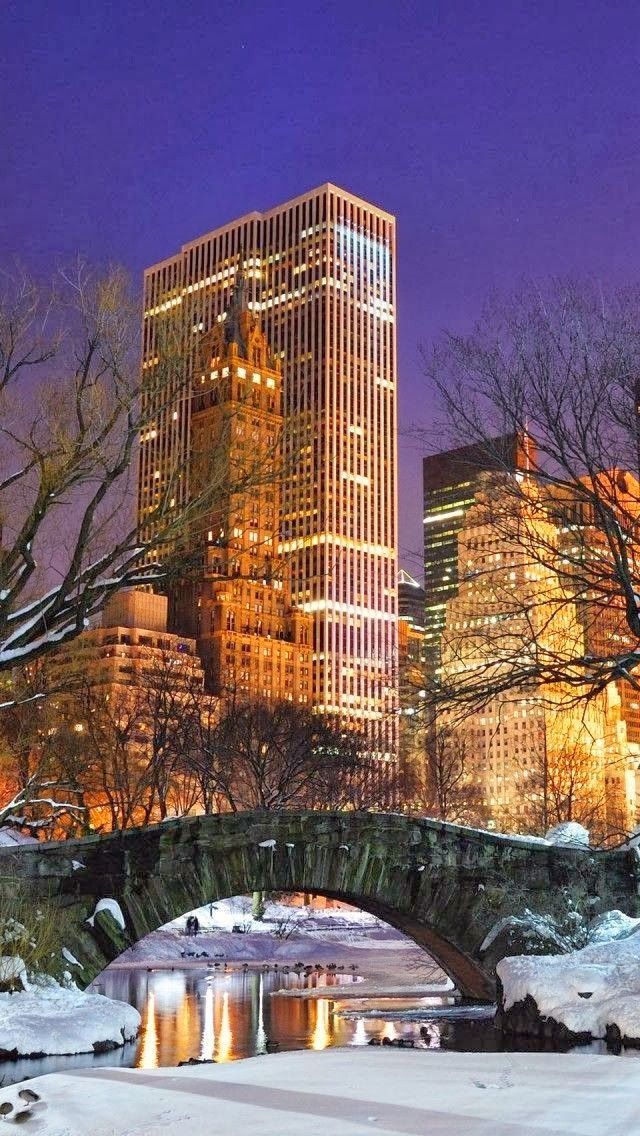
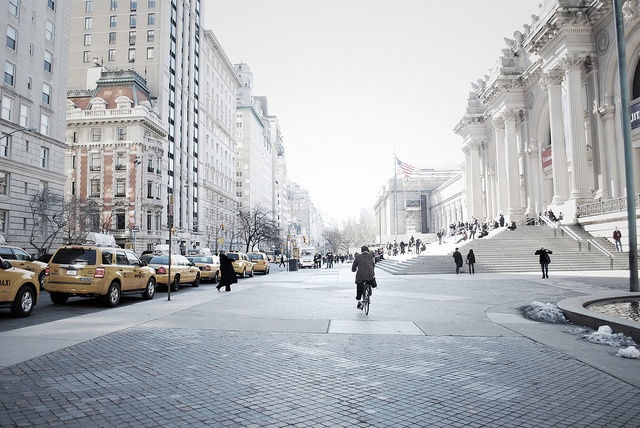
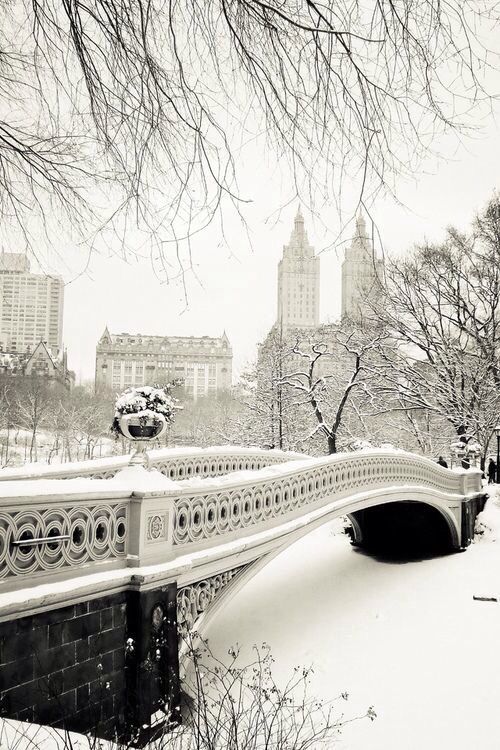
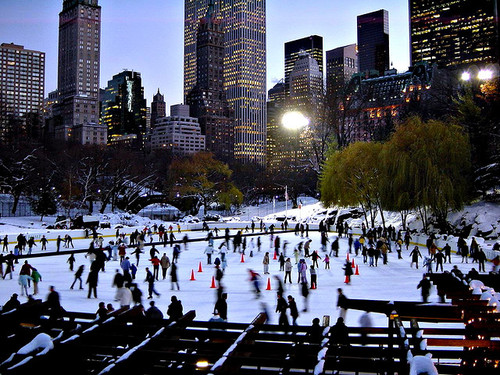
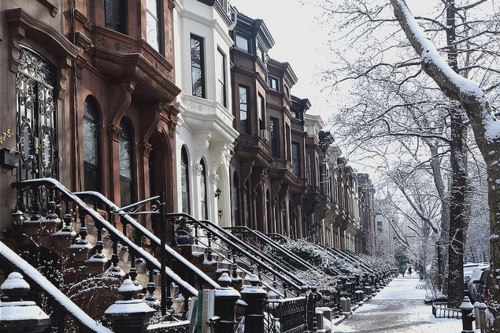
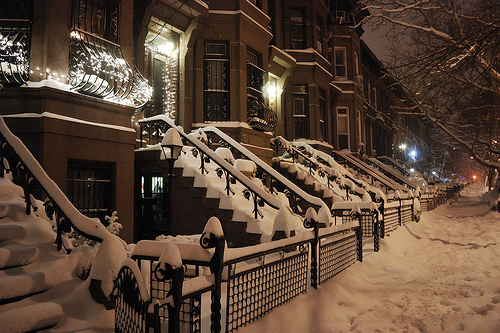
New York in snow is a study in contrast. Hard verticals—towers, fire escapes, black iron—meet soft horizontal snowfields. Sidewalks become temporary drawing boards of footprints and tire tracks. Midtown can look almost monochrome; residential streets gain a quieter intimacy. Central Park, meanwhile, becomes the city’s soft counterweight: bridges, lakes, and tree lines under snow, with skyline fragments peeking through bare branches.
Park winter scenes work when you choose a clear foreground anchor—a bridge railing, a bench, a path curve—and let the city sit as a distant chorus. Street winter scenes work when you accept mess: slush, yellow cab color, steam from subway grates. Both belong to the same season; they simply speak different dialects of cold.
Amsterdam canals under ice light
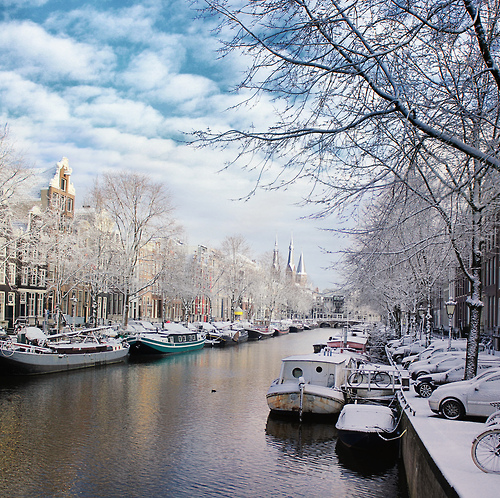
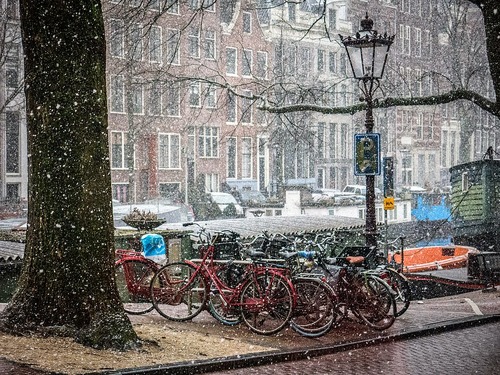
Amsterdam’s canal rings become mirrors when the water is still and the air is cold. Brick facades, gabled roofs, and bicycle clutter take on a quieter rhythm once snow settles on railings and houseboats. Winter here is often damp rather than deep powder, so reflections and gray skies matter as much as white ground cover. A good canal winter frame usually needs one strong horizontal—the waterline—and one vertical interruption, such as a bridge or a tree, to keep the eye from sliding forever along the canal.
Innsbruck, Prague, Tallinn: mountains, towers, old towns
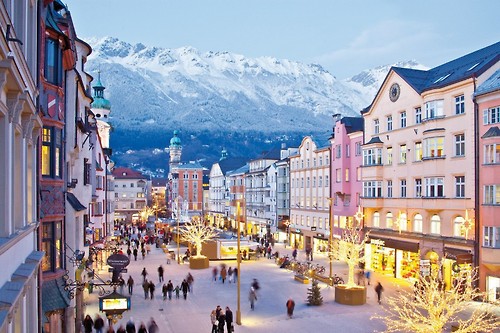
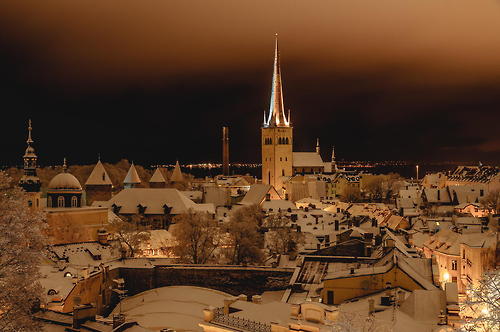
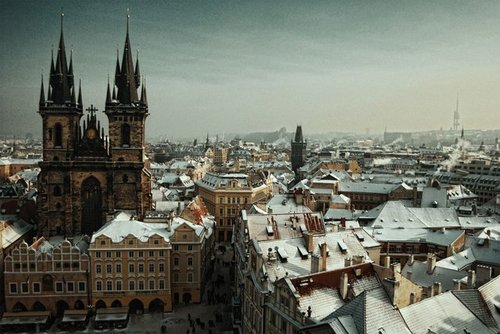
Alpine and Central European cities give winter a theatrical backdrop. Innsbruck sits against mountain walls that make even ordinary streets feel staged; snow on roofs and river edges ties the urban fabric to the landscape above it. Historic cores like Prague and Tallinn add towers, walls, and uneven roofscapes that catch snow in layered patterns. These places photograph well in soft overcast as well as hard sun, because stone and plaster already carry texture—the snow simply exaggerates relief.
In old towns, look for depth: a street that narrows, a church spire beyond a row of chimneys, a market square opening after a tight lane. Winter light late in the afternoon can turn warm stone gold while snow stays cool, giving a natural split-tone without heavy editing.
Paris and Kyoto: quiet monuments, seasonal calm
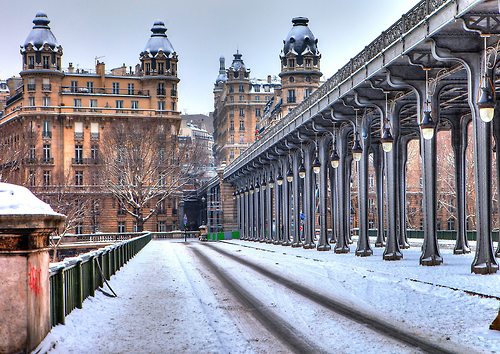
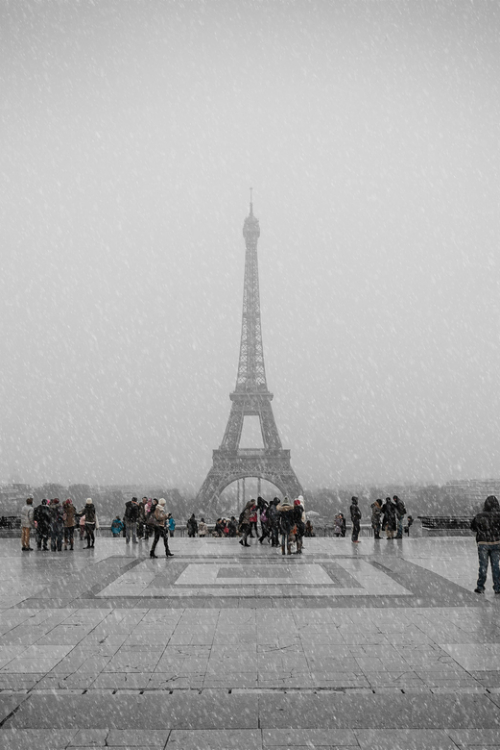
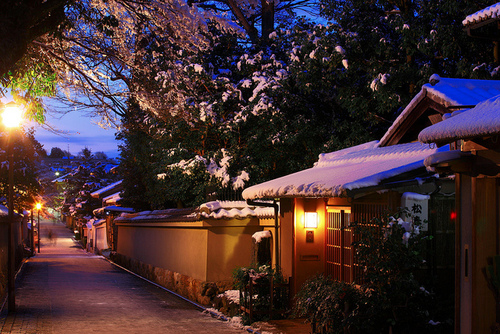
Paris under snow is rare enough to feel ceremonial. Domes, bridges, and long perspectives along the Seine become cleaner diagrams of the city’s planned grandeur. Kyoto’s winter mood is different: temple roofs, bare branches, and a softer cultural quiet. Even a light dusting can make familiar landmarks feel paused. In both cities, restraint helps—include the landmark, but leave breathing room so the weather remains the co-author of the picture.
How to look at a frosty city photograph
Start with temperature of light. Is the scene blue hour, overcast gray, or hard midday white? Then find the largest simple shapes—roof plane, street corridor, park meadow—and notice how snow unifies them. Only after that should you hunt for small human evidence: a figure with an umbrella, tire tracks, shop signs glowing behind frost. Strong winter city images usually balance emptiness and life; too empty and they feel deserted sets, too busy and the snow becomes clutter again.
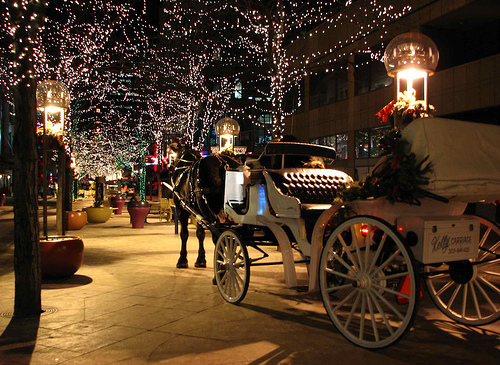
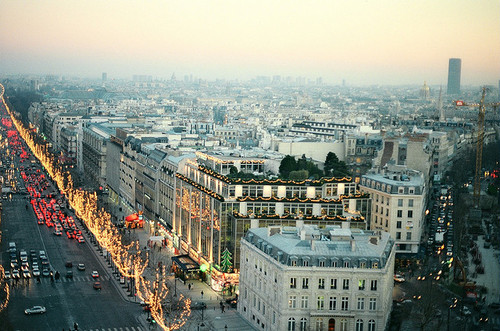
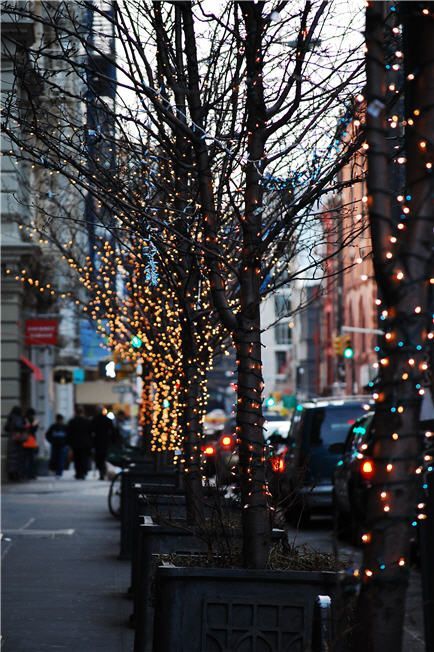
Also watch edges. Snow at the bottom of a frame can act like a stage floor. Dark trees or lampposts can pin the composition. Reflections in wet asphalt after a partial melt can be as interesting as fresh powder. Not every winter cityscape needs a blizzard; sometimes the most telling pictures arrive when the city is half returned to itself—slush at curbs, clean snow on roofs, people moving again.
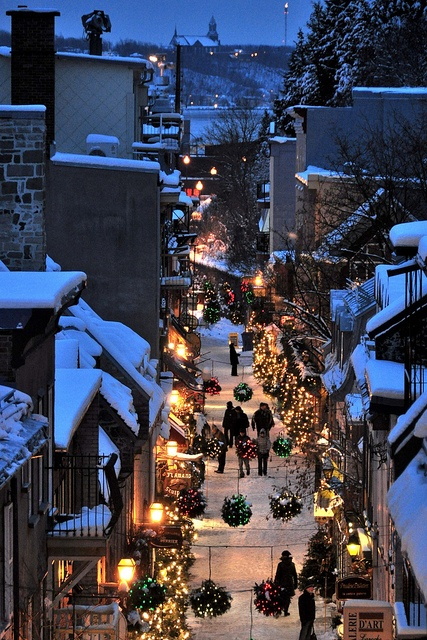
A practical note for winter city shooters
If you photograph in these conditions yourself, protect batteries from cold by keeping spares warm inside a coat, watch for ice underfoot more carefully than you watch for compositions, and be respectful of private windows and people who did not ask to be part of your postcard. Cities in winter are working places first. The beauty is real, but it is shared with salt trucks, early shifts, and residents clearing steps.
Places like Prague, Sofia, and other labeled frames in winter roundups remind us that frost is democratic: it visits famous capitals and quieter streets with the same indifference. What changes is how each city’s materials answer—stone, brick, glass, timber, canal water, park meadow. Collect enough of those answers side by side and you start to see winter not as a single mood, but as a family of urban weathers.
Next time snow is forecast where you live, walk one familiar block after the fall and look for the same qualities these scenes hold: simplified roofs, longer shadows, and the brief clarity that arrives before the melt turns everything gray again.

Comments
Continue reading
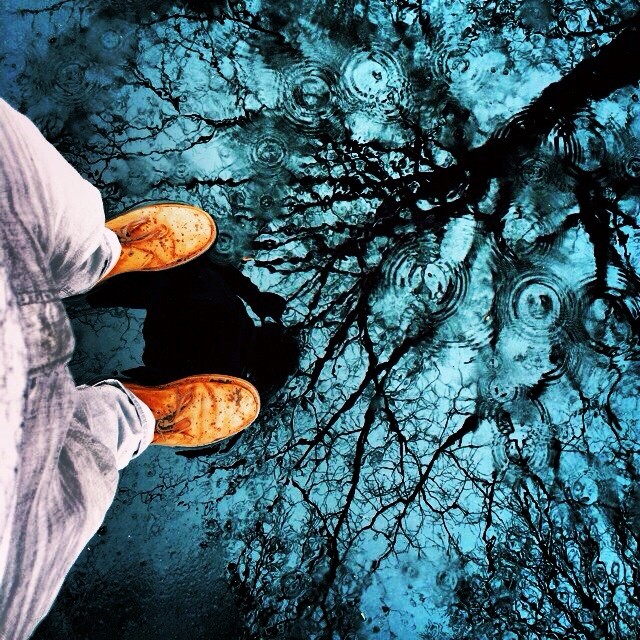
Puddle Reflections: Winter Streets Doubled in Rainwater
After rain, shallow puddles become street-level mirrors—a #puddlegram gallery of winter and city reflections from photographers who shoot low and wait for still water.

A Cup of Coffee for Winter: Cozy Mugs, Spices, and Slow Gatherings
Vanilla, caramel, cinnamon, knit socks, and candlelight—a photo essay on winter coffee, friend gatherings, and the small heat that makes cold days bearable.
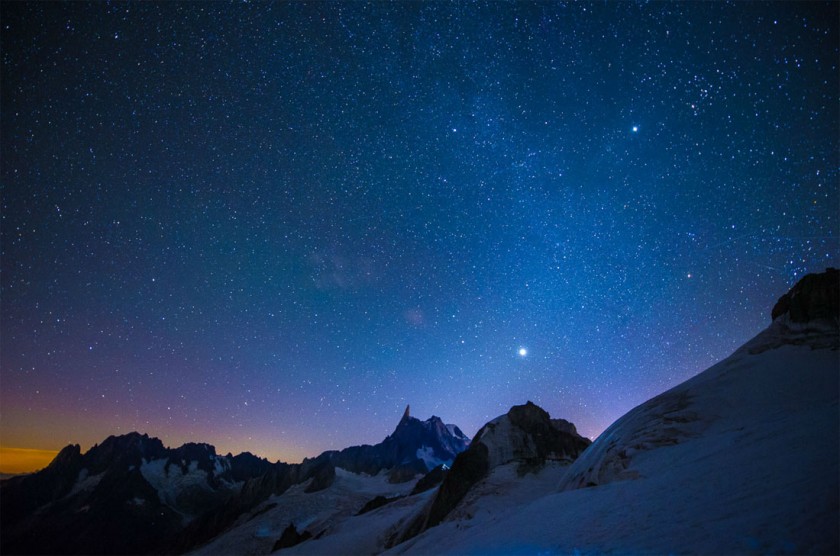
15 Winter Landscape Photos: Alpine Light, Snow, and Mountain Craft
Fifteen Alpine winter landscape frames—plus practical notes on cold light, snow exposure, storm weather, and field craft for mountain photography.