
Chic DIY Burlap Projects: Bunting, Pillows, Wreaths, and More
Practical burlap craft ideas—from bunting and stenciled pillows to luminaries, wreaths, runners, and coffee-sack stockings—plus prep tips for fray, sewing, and styling restraint.
Burlap—also sold as hessian—earns its craft reputation the hard way: it is inexpensive, tactile, and honest about being a textile that once lived closer to sacks than sofas. That roughness is the appeal. Against smooth paint and glossy furniture, a woven jute surface reads warm and slightly vintage without demanding a full rustic makeover. It takes paint, stamps, stencils, and simple stitches. It frays on purpose if you let it. And it shows up in enough forms—yardage, ribbon, coffee-sack remnants—that one bolt can cover party décor, soft furnishings, and small gifts.
The projects below stay in that spirit: decorative, doable, and more about patience than specialized tools. Natural tan is classic, but dyed and printed burlap exist if you want color without hiding the weave.
Before you cut: prep that saves frustration
Burlap sheds. Work over a sheet and vacuum when you finish. Pre-wash only if you accept shrinkage and extra fray; many décor projects skip washing and simply shake or air the fabric outdoors. Cut with sharp scissors or a rotary cutter. For clean edges, run a thin line of fabric glue or fray-check along the cut, or sew a tight zigzag. For soft edges, pull a few horizontal threads and let the fringe become part of the design.
Pair burlap with cotton backing when it will touch skin or when you need opacity—pillows and bags especially. Use a walking foot or tissue paper under the feed dogs if your machine eats the open weave. Hand-sewing with embroidery floss also suits small ornaments and banners.
Bunting for parties and porches
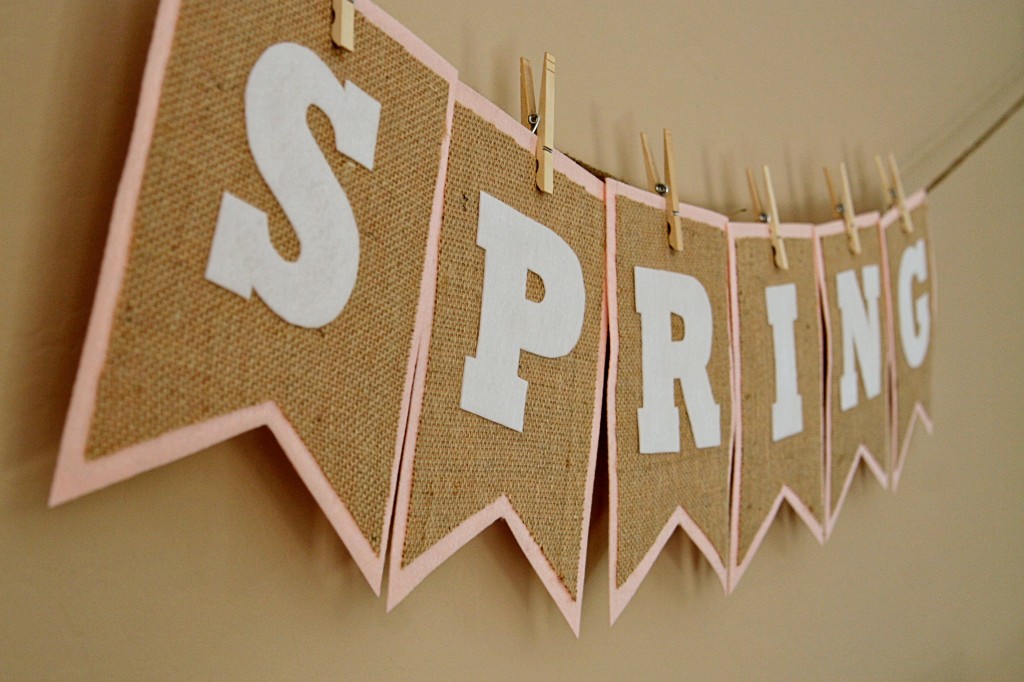
Bunting is the fastest way to see whether you like working with the cloth. Cut triangles or flags, seal or fringe the edges, and space them along twine, ribbon, or bias tape. Alternate plain burlap with felt, lace, or stamped letters if you want spring or wedding energy without losing the base texture. Hang slightly loose so flags can move; tight string makes the line look tense.
Pillows with a vintage punch
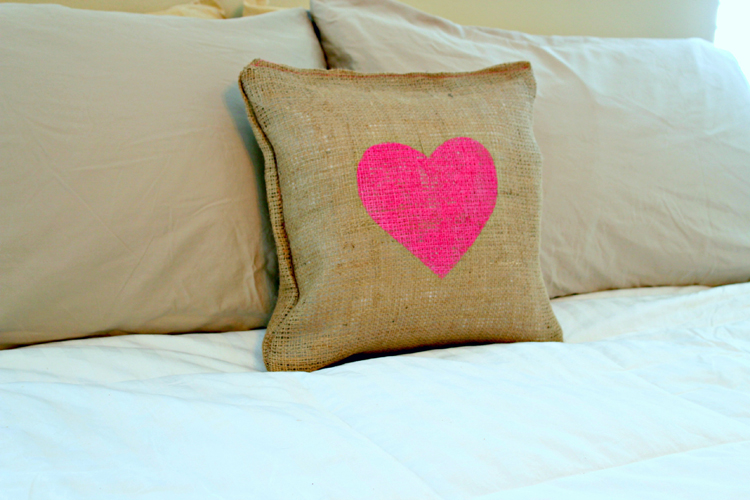
A burlap pillow cover turns a plain sofa into something slower and softer. Keep the envelope or zipper on a cotton inner; use burlap on the face only if shedding worries you. Stencil a heart, monogram, or geometric block with fabric paint—less is more, because the weave already supplies pattern. A dark stencil on natural jute feels graphic; white paint feels coastal. Insert a down or polyester form so corners fill; understuffed burlap looks sad fast.
Tea-light luminaries
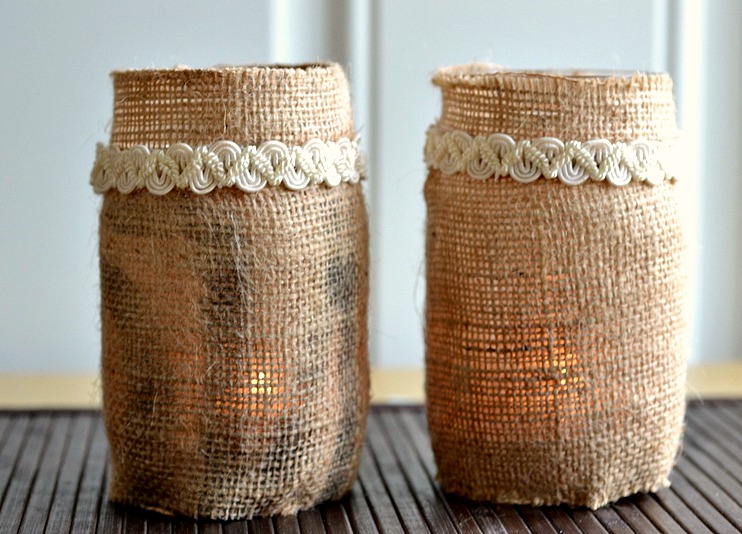
Wrap clean glass votives or jelly jars with a strip of burlap, secure with twine or hot glue, and add a button or small tag if you like. Use real tea lights only with fire-safe sense—or switch to LEDs for long evenings. The cloth diffuses glow and hides plain glass. Make a set of three in graduated heights for a table that needs warmth without flowers.
Burlap flowers
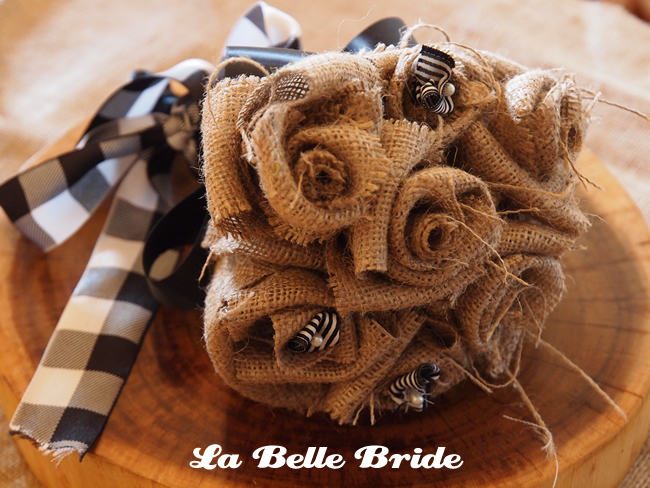
Strip burlap into ribbons, roll or petal-fold them around a felt circle, and stitch or glue as you go. Wire stems let you tuck blooms into wreaths, napkin rings, or gift tops. Keep petals irregular; perfect symmetry fights the material. A drop of hot glue in the center hides the mechanics. These flowers suit autumn tables and informal weddings better than porcelain centerpieces.
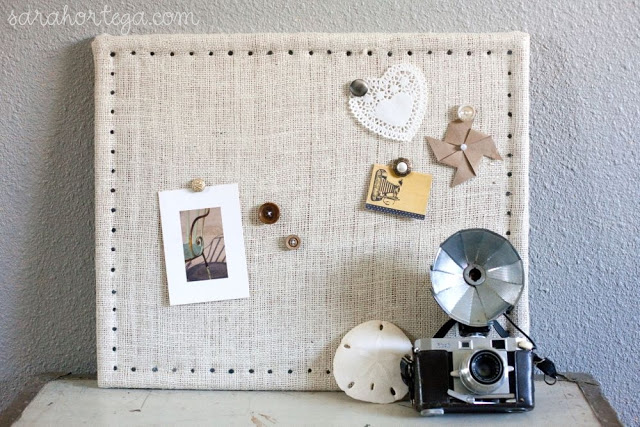
Cork boards dressed in jute
Stretch burlap over an existing cork board or a foam-core panel backed with cork tiles. Pull tight like a canvas, staple on the reverse, and trim. The weave hides pin holes visually and softens office clutter. Add a simple wood frame if the edges look unfinished. This is a one-hour project with a high “finished room” payoff.
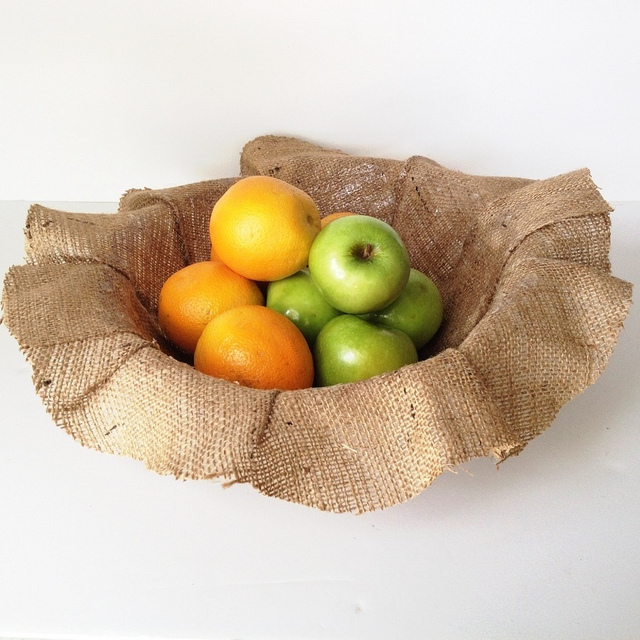
Shaped bowls and trays
Stiffen burlap with fabric stiffener or a white glue diluted with water, drape it over an overturned bowl lined with plastic, and let it dry hard. Peel away, trim the rim, and you have a catchall for keys or pinecones. Seal with a clear matte varnish if you want wipeability. These pieces are decorative more than dishwasher-proof—treat them like papier-mâché cousins.
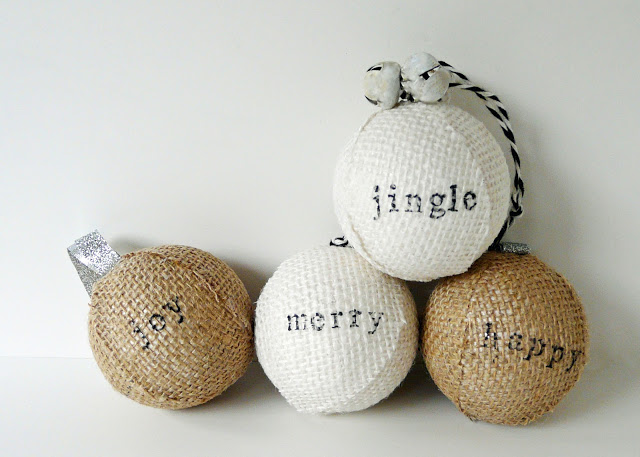
Stamped ornaments
Cut circles, stars, or trees from doubled burlap, stitch or glue the edges, stuff lightly, and stamp a year or initial before the paint dries into the weave. Twine loops hang them on trees or chair backs. Coffee-dyed burlap deepens the antique look. Make extras; they disappear as hostess gifts.
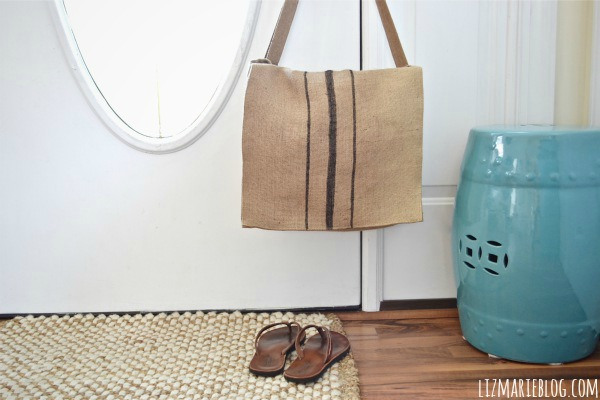
Messenger bags and everyday carry
A simple flap bag in burlap needs a sturdy lining, a real strap, and reinforced stress points. Interface the flap so it stays crisp. Leather belt scraps or webbing elevate the look past “craft fair.” Because burlap stretches and sheds, lining is not optional for anything that will hold books or a laptop sleeve. Topstitch boldly; tiny invisible seams fight the aesthetic.
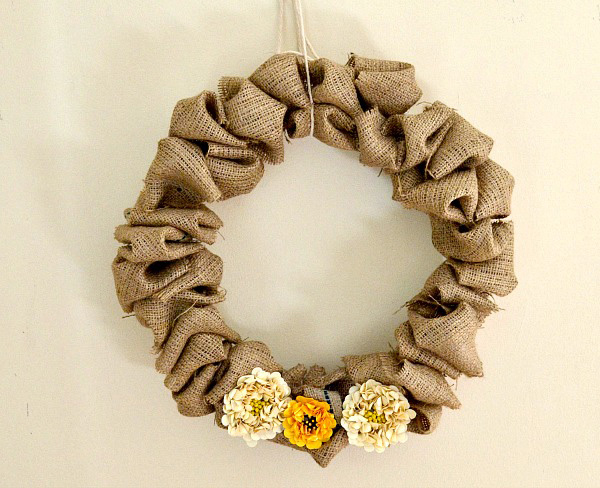
Wreaths with volume
Cut burlap into strips, tie or poke them through a wire wreath form, and fluff until the ring disappears under loops. This is repetitive work with a big visual return. Leave it natural, or tuck in a few fabric flowers and a simple ribbon—avoid burying the texture under too many picks. Hang with wide ribbon so the hook does not show.
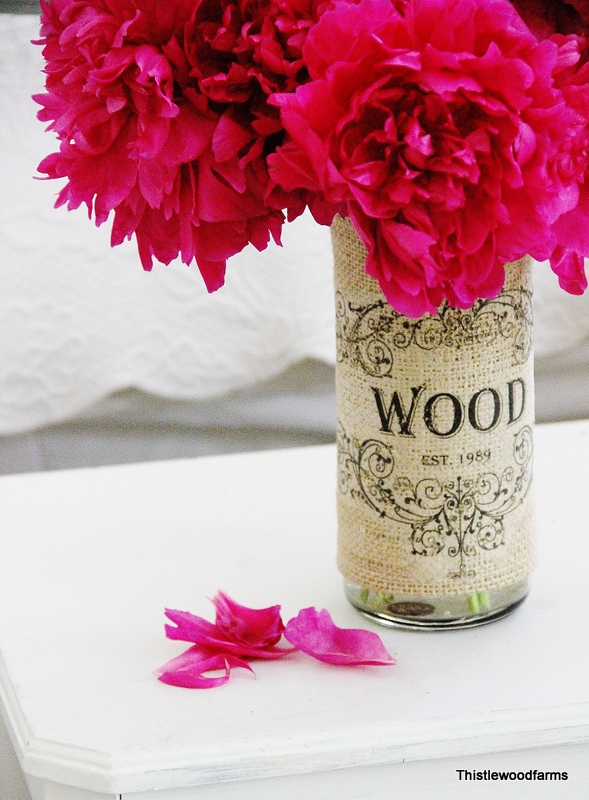
Vases and bottle wraps
Wrap a plain glass bottle or thrift-store vase with a burlap sleeve, glue the seam, and tie twine at the neck. Add a lace overlay or a stamped band if the table needs a little dress. Tall wraps look best with dried grasses, cotton stems, or eucalyptus—fresh heavy blooms can overwhelm the cloth.
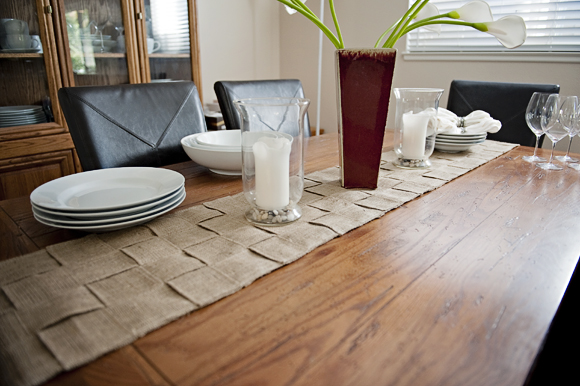
Table runners
A length of burlap down the table is almost too simple—and that is why it works. Fringe the ends by pulling weft threads. Keep the runner narrower than the table so plates sit on wood or cloth placemats; full coverage can feel scratchy and shed into food. For dining, consider a cotton underlayer or a washed, tightly woven jute blend. Stencil a subtle border if plain feels unfinished.
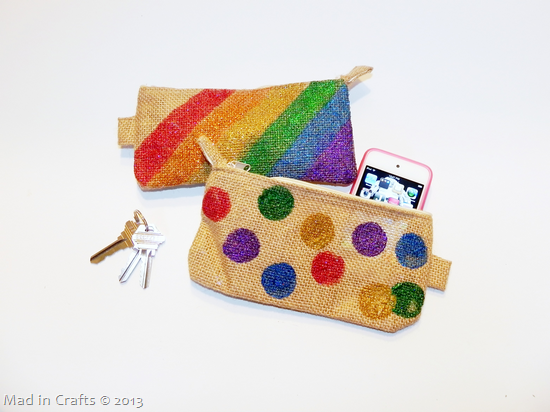
Painted clutches
Small envelope clutches take metallic or bright paint surprisingly well. Mask stripes or color blocks, paint lightly so the weave still shows, and seal with fabric medium. Add a sew-on snap or clasp. These are evening novelties more than daily work bags, which is fine—burlap likes occasions.
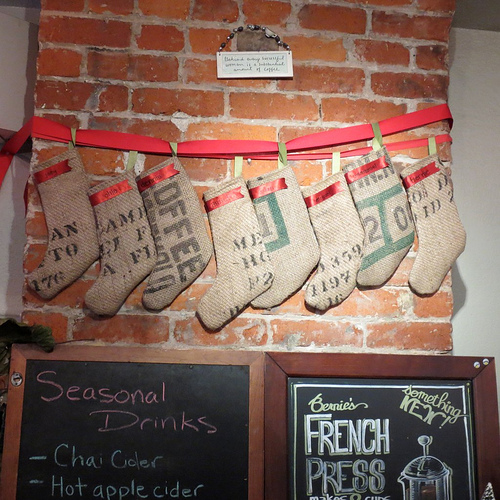
Stockings from coffee sacks
Printed coffee bags already carry typography and patches of logo color. Cut stocking shapes, line them, and blanket-stitch the edge. The graphic print does the decorating. Hang with leather loops. If you cannot source sacks, stamp plain burlap with simple block letters for a similar cargo aesthetic.
A sensible project order
Start with bunting or a vase wrap to learn cutting and fray control. Move to a pillow or cork board when you are ready to sew a rectangle. Save bags and stiffened bowls for a weekend with uninterrupted time. Buy more yardage than the pattern suggests; matching dye lots later is annoying, and scraps become ornaments and flower petals.
Keep one finished piece in natural tan and one in a dyed or painted variation so you can see how far the material stretches before you commit a whole mantel to jute. When the weave starts to look busy, stop adding bows. Burlap’s chic comes from restraint—texture first, trim second.

Comments
Continue reading
DIY Ideas for Old Socks: Rugs, Puppets, Mittens, and More
Sort leftover socks by fiber, then turn them into braided rugs, hand puppets, soft toys, mittens, and pin cushions with practical cutting and sewing tips.
DIY Ideas with Lace Doilies
Upcycle heirloom lace doilies into framed art, runners, pillows, lamps, and more—practical craft projects that keep the crochet visible.
Toilet Paper Roll Crafts: Organizers, Toys, and Ornaments
Cardboard tubes become pencil holders, wreaths, cord cubbies, monsters, race cars, ornaments, and more—structural DIY distinct from magazine-page crafts.