
Cameron Diaz for Esquire UK, November 2012
Period context for Cameron Diaz’s Esquire UK November 2012 cover—Terry Richardson’s shoot, turning forty, and the quotes about contentment that defined the feature.
In early October 2012, British Esquire put Cameron Diaz on the cover of its November issue and released a Terry Richardson shoot that fashion and entertainment sites treated as instant newsstand bait. The timing was deliberate. Diaz had recently turned forty. She had a Coen-scripted remake, Gambit, due that November, Ridley Scott’s The Counselor ahead with Brad Pitt and Michael Fassbender, and a fitness book in progress for HarperCollins. The magazine package sold glamour and physical confidence; the interview sold something quieter: contentment as a mid-career thesis.
Read the moment as a 2012 editorial event, not as a later career retrospective. This was a men’s-magazine cover story about aging on Diaz’s own terms, framed through provocative fashion photography and a handful of lines that newspapers and style blogs repeated within hours of the preview.
Why Esquire UK wanted her then
By late 2012, Diaz was one of Hollywood’s most bankable comic and romantic leads, still closely associated with the bright physical comedy of the late 1990s and 2000s even as her slate tilted toward thrillers and ensemble pieces. British Esquire’s November issue needed a cover subject who could carry both desire and a conversation about adulthood. Forty was the hook the press could not resist. Headlines leaned on disbelief that she had reached the milestone; the interview, as quoted across contemporary coverage, pushed back by treating age as an upgrade rather than a crisis.
The commercial logic was familiar for the era. A major actress nearing a round-number birthday, a photographer known for raw, sexually frank fashion images, and a film calendar that kept her name in trade columns. Preview galleries circulated before the issue hit stands on 4 October 2012. Aggregators ran the same frames: leather and lace, cut-offs, open shirts, poses designed to look athletic and unapologetic under studio light. The pictures did the magazine’s loud work. The quotes did the durable work.
Terry Richardson’s November 2012 frames
Richardson’s Esquire UK session for Diaz sat squarely in the photographer’s early-2010s magazine mode: high contrast, direct address to camera, wardrobe that flirted with lingerie and denim shorthand rather than red-carpet formality. Period reports described a leather bustier with thigh-highs and garters; daisy-duke cut-offs; a ripped white T-shirt with black lace details; open shirts and briefs styled for maximum graphic punch. Whether any given reader found the set empowering, exploitative, or simply on-brand for Esquire, the editorial intent was unambiguous. The magazine wanted a cover that stopped thumbs on newsstands and phones alike.
Controversy around Richardson’s broader practice was already part of fashion-media conversation by 2012. Coverage of this particular shoot still tended to treat the images as celebrity spectacle first—proof, in tabloid phrasing, that Diaz “still had it.” That framing says as much about men’s magazines of the period as it does about Diaz. The photographs were sold as evidence of fitness and desirability; Diaz’s interview answers insisted the real story was internal: knowledge, gratitude, capability.
What she said about turning forty
The line that traveled farthest was also the clearest summary of the feature’s emotional pitch. “For the first time in my life I’m content,” she told Esquire. “I’m so excited. Getting older is the best part of life. Like, I know more than I’ve ever known. I have gratitude. I know myself better. I feel more capable than ever. And as far as the physicality of it – I feel better at 40 than I did at 25.”
Those sentences matter because they refuse the usual Hollywood apology tour. There is no coded regret about lost youth, no defensive list of procedures, no performance of panic. Contentment is named as a first-time arrival. Physical feeling is claimed as improved, not merely preserved. In a media climate that often treated actresses’ forties as a problem to manage, Diaz offered a counter-script that editors could print beside lingerie shots without resolving the tension between image and speech.
Other quoted remarks from the same interview cycle filled in a personal philosophy of aging. She rejected the fantasy of anti-aging as time travel: you cannot go backward, so the useful work is living the present well. Contentment, in her phrasing, meant coming to terms with life as it is. That is quieter language than a cover line about heat, and it is why the feature still functions as a period document rather than only as a gallery of poses.
Marriage, possibility, and midlife choice
Interviewers pressed the usual midlife checklist: marriage, children, whether she regretted paths not taken. Diaz’s published answers, as reported in October 2012 roundups, declined neat regret. Marriage, she said, had simply not been the thing she was drawn to in her twenties or thirties. She left the door open—“we’ll see”—and described wanting a partner who took care of themselves and stayed engaged with life. On children, she kept possibility alive without turning the interview into a schedule. The tone was exploratory rather than defensive, which itself was newsy for a celebrity culture that often demanded women justify unmarried status at forty.
Those topics explain why the Esquire package traveled beyond fashion blogs into mainstream entertainment sites. The photos supplied the click. The quotes supplied a narrative about autonomy that readers could argue with, admire, or envy. For Esquire, that mix was ideal: desire on the cover, opinion-page fuel inside.
The career frame around the shoot
Magazine features rarely float free of product. In 2012, Diaz’s public calendar included What to Expect When You’re Expecting already in circulation, Gambit arriving that November with Colin Firth, Alan Rickman, and Stanley Tucci, and The Counselor still ahead for 2013. She also spoke about a forthcoming fitness book intended, in her description to the magazine, to engage and empower women—an advance marketing thread Hollywood Reporter and others noted when previewing the shoot.
That context keeps the Esquire moment honest. It was not a random birthday portrait. It was a coordinated visibility spike: body-confident imagery, wellness-book positioning, and film titles waiting in the wings. Understanding the November 2012 issue means holding those industrial facts beside the philosophical quotes. Celebrity magazines of the era almost always did both at once.
How the coverage circulated
Once first-look images and quotes hit the wires, the story fragmented the way early-2010s celebrity media usually fragmented. Some outlets led with age-shock headlines. Others led with the “I feel better at 40” line. Fashion-leaning sites lingered on Richardson’s styling choices. Almost everyone treated the package as confirmation of Diaz’s durable star power rather than as a deep profile of craft. That shallowness is part of the historical record too. Men’s magazine covers in 2012 often preferred a few sharp quotes and a strong gallery over long reported biography.
For readers searching the feature years later, the useful approach is to keep the calendar fixed. November 2012 Esquire UK. Diaz at forty. Richardson photographs. Quotes about contentment, capability, and refusing anti-aging fantasy. Films and a book in the near future. Nothing after that timeline needs to be imported for the page to make sense.
What the package still shows
The November 2012 Esquire UK cover remains a clean example of how a major actress negotiated visibility at a culturally loaded age. The magazine wanted heat; Diaz supplied it on her terms and then redirected attention toward feeling more capable than before. Whether the images and the interview sit comfortably together is still a fair question. Period media rarely asked it. They printed both and let the contradiction sell copies.
If one detail from the package still organizes the rest, it is that contentment line delivered without apology. In a shoot built to prove she could still command a men’s-magazine cover, Diaz’s most lasting contribution was insisting that forty felt like arrival—knowledge, gratitude, and a body she trusted more than the one she had at twenty-five.

Comments
Continue reading
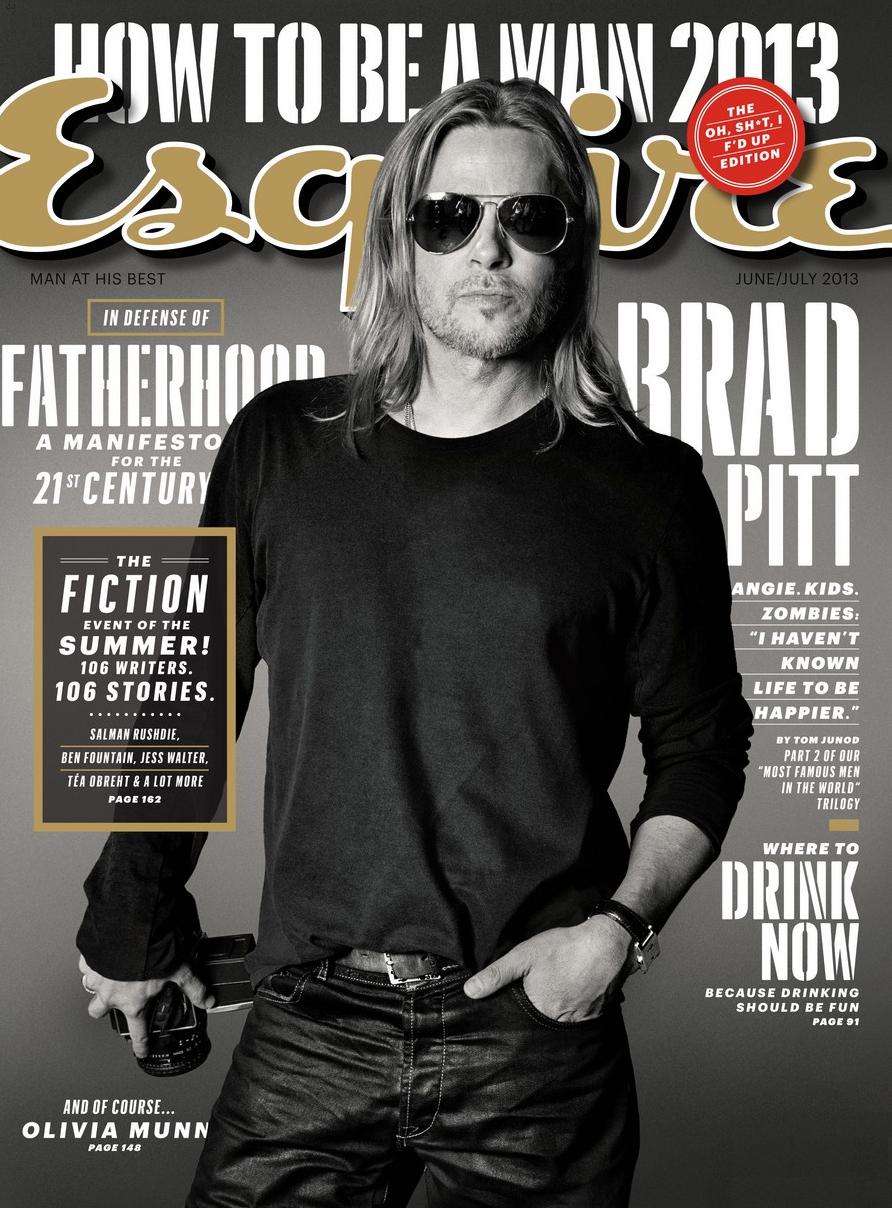
Brad Pitt for Esquire US, June/July 2013
Max Vadukul’s monochrome Esquire cover portraits—camera prop, aviators, Tom Junod’s “A Life So Large” summer 2013 package.
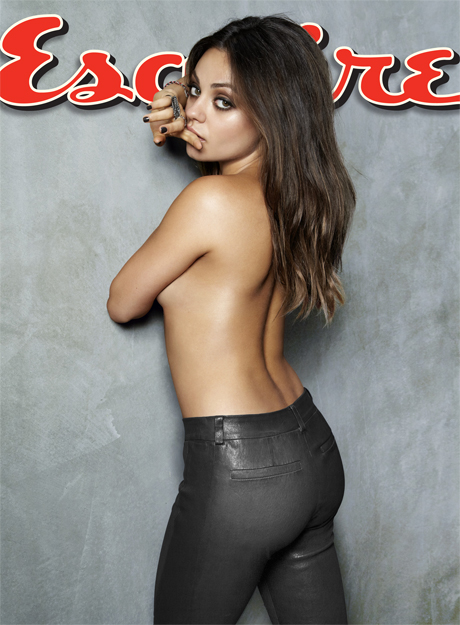
Mila Kunis on the Cover of Esquire, November 2012
A historical look at Esquire’s November 2012 issue naming Mila Kunis Sexiest Woman Alive—cover portraits, Ross McCammon’s interview notes, and the career context of that newsstand moment.
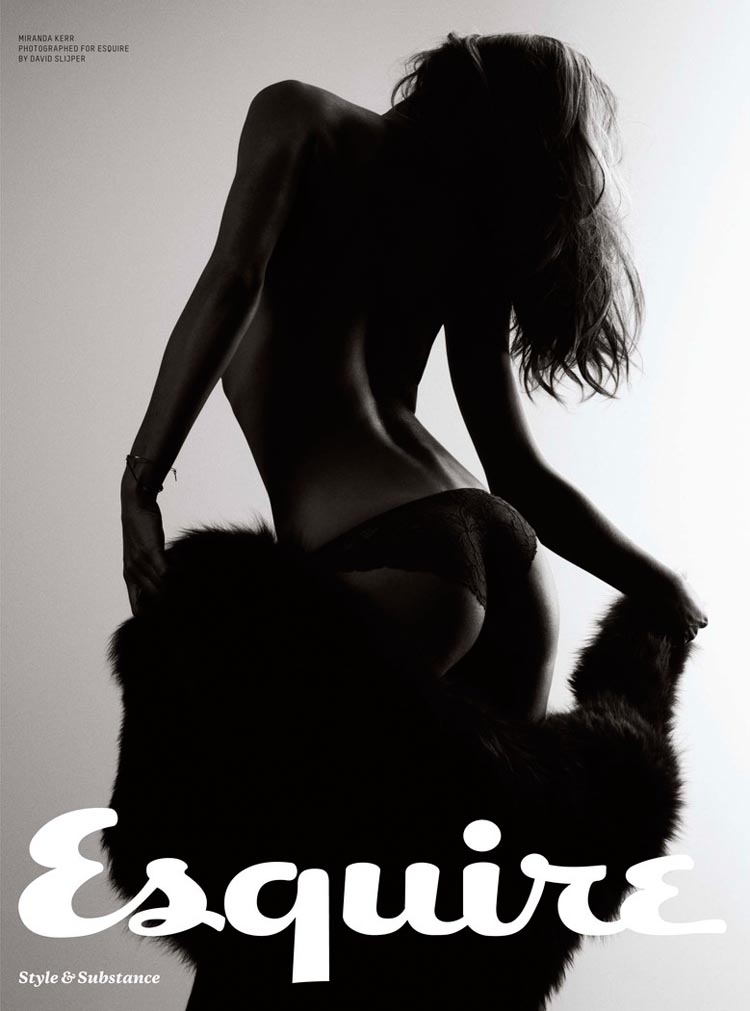
Miranda Kerr on Esquire UK’s December 2012 Cover
A historical look at Miranda Kerr as Esquire UK’s Sexiest Woman Alive 2012—David Slijper’s December cover story, interview notes, and newsstand glamour from late 2012.