
Plate Wall Ideas: Layouts, Color Rules, and How to Hang Them
How to arrange a plate wall—grids, clusters, color and pattern rules, hangers, and placement ideas for kitchens, dining rooms, and halls.
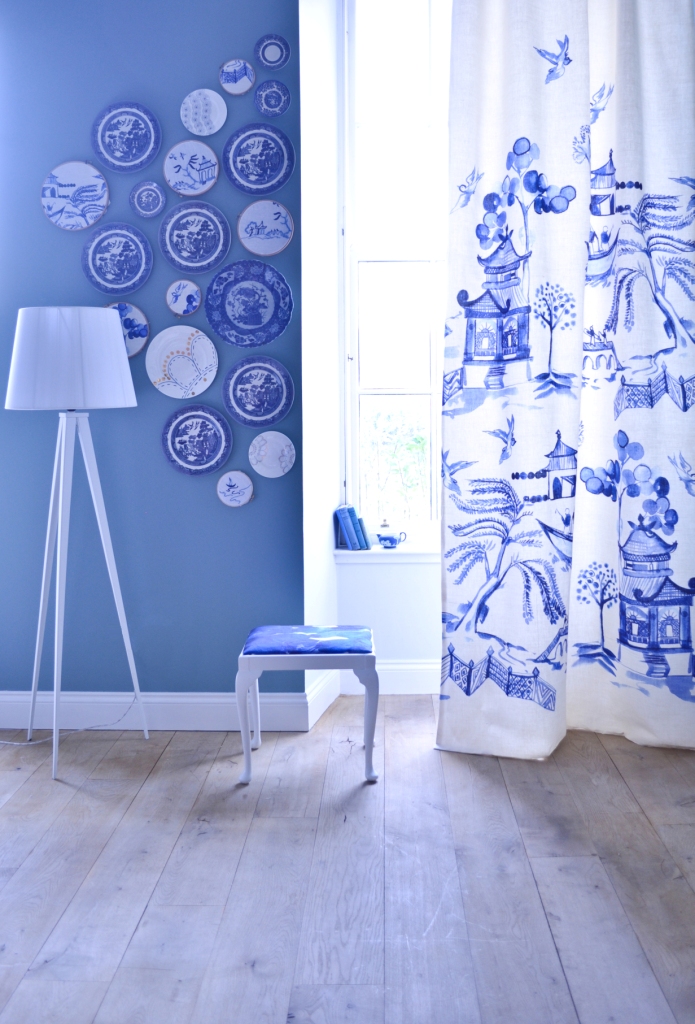
A plate wall is one of those decorating ideas that looks effortless in a photograph and slightly terrifying in an empty room. The plates themselves are ordinary: ceramic, porcelain, enamel, glass. Hung as a group, they become a kind of quiet architecture—circles that interrupt a flat wall the way windows interrupt a façade. The question is rarely whether plates can look good on a wall. The question is how to group them so the composition feels intentional rather than temporary.
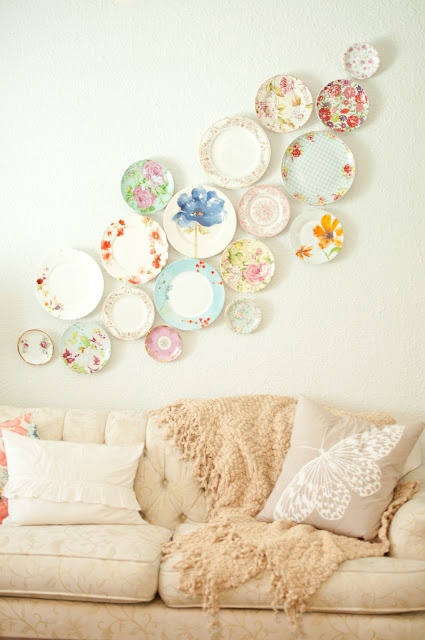
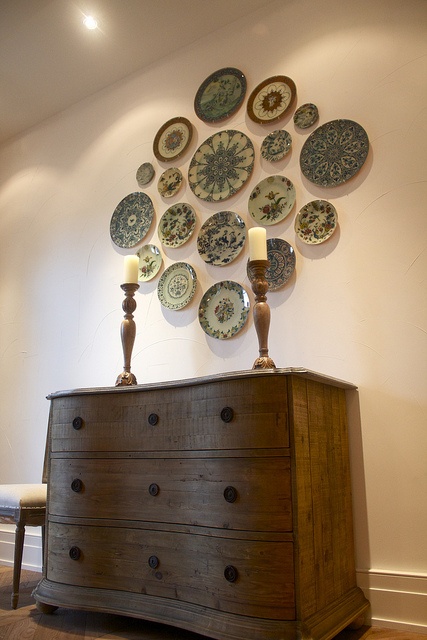
The gallery below gathers arrangement ideas that still work years after first circulating among DIY and interiors readers: tight grids, loose clusters, monochrome sets, patterned mixes, and displays that treat plates as both decoration and memory. Use the images as mood references, then build a layout that fits your wall height, light, and the plates you already own.
Start with the wall, not the plates
Before you open a box of hangers, stand back and name the job of the wall. Is it a kitchen backdrop behind a table? A hallway that people pass through quickly? A dining room that needs a focal point opposite a window? Those answers change spacing, scale, and color strategy.
Kitchen walls tolerate denser hangings because the room already holds visual activity—cabinets, counters, utensils. A quiet bedroom wall usually wants fewer plates and more breathing room. In a narrow hall, a vertical stack or a tall oval cluster reads better than a wide constellation that forces viewers to step sideways.
Measure the usable rectangle. Tape out the outer edges with painter’s tape so you can see the “canvas.” Leave at least a few inches of clear wall around the whole composition; plates that kiss crown molding or bump into a door casing look crowded even when each individual plate is lovely.
Choose a organizing idea
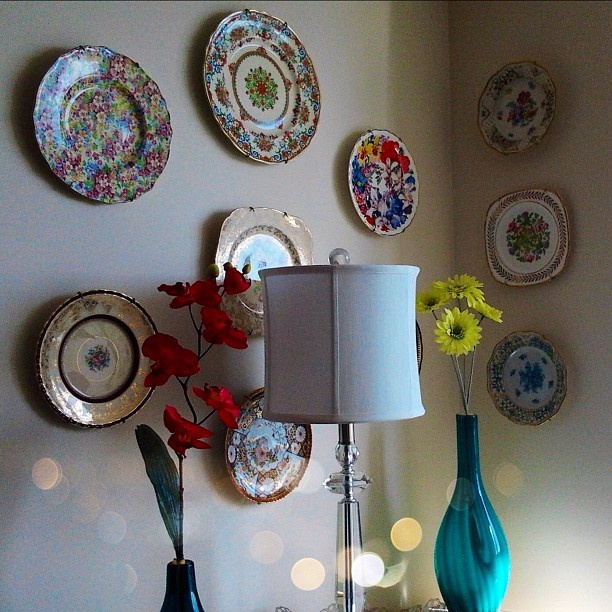
Successful plate walls usually obey one clear rule, then allow small exceptions. Without a rule, the eye reads clutter. Useful organizers include:
- Shape family: mostly round dinner plates, or a deliberate mix of rounds with a few ovals and square chargers.
- Color family: all white, all blue-and-white, warm earth tones, or a limited palette with one accent hue.
- Pattern family: florals, geometrics, transferware motifs, or solid glazes with a single patterned “hero.”
- Era or story: inherited pieces, travel finds, thrifted mismatched china that shares a decade’s character.
You can mix patterns if color holds the group together. You can mix colors if silhouette and spacing stay consistent. Mixing everything at once—size, color, pattern, era—asks the viewer to invent order that the wall never provides.
Layout patterns that read as design
Lay plates on the floor first, on a sheet or towel, using the same footprint as your taped wall rectangle. Photograph the floor layout with your phone; the camera flattens depth the way a wall will. Common layouts worth testing:
The grid. Even rows and columns feel architectural and calm. Best with similar diameters. Keep gaps consistent—often two to four fingers of space works for mid-size plates. Grids suit modern kitchens and rental apartments where you want polish without ornate furniture.
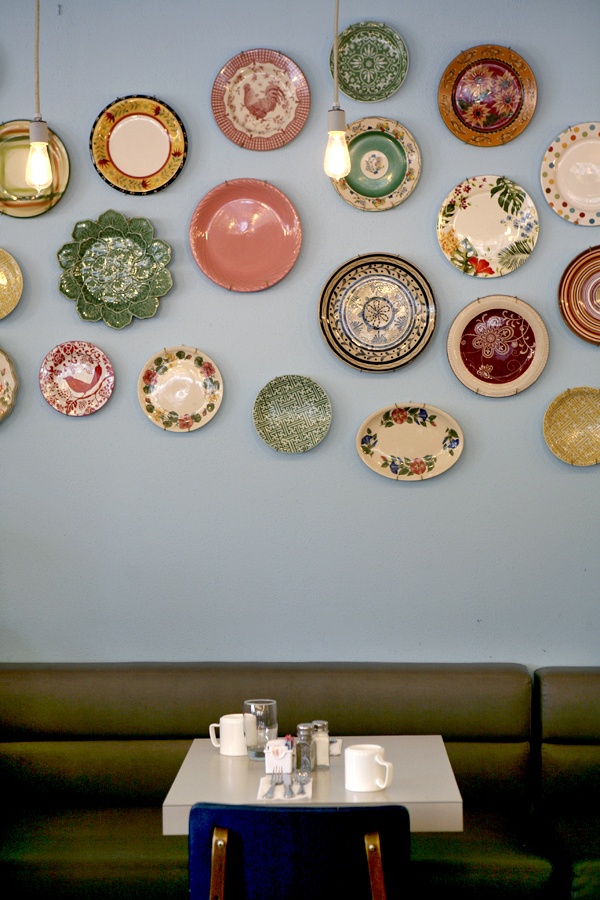
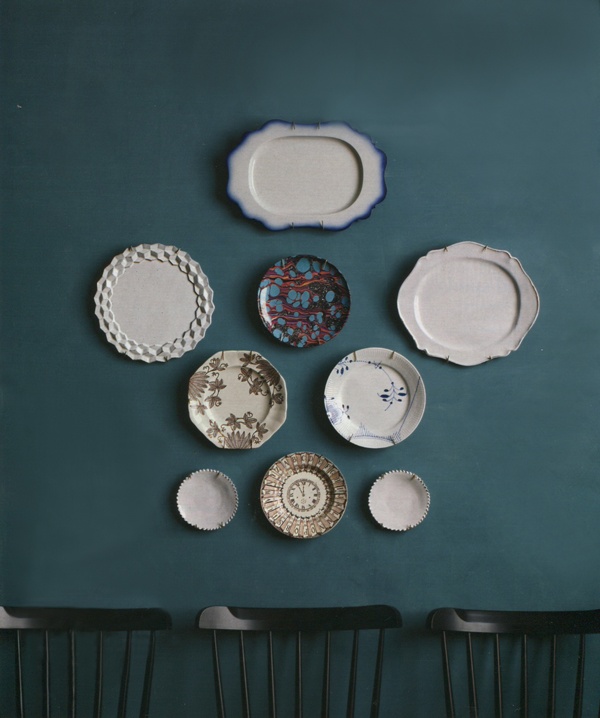
The salon cluster. A denser, less rigid gathering with a larger plate near the visual center and smaller plates orbiting. Overlap is usually a mistake on walls (plates need clearance to hang safely), so “overlap” here means visual proximity: edges close enough to read as one constellation.
The arc or crescent. Plates follow a soft curve that echoes an arched doorway, a round table below, or a pendant light. This softens a rectangular room and can bridge awkward wall widths.
The vertical spine. A tall column of plates beside a door, window, or open shelving. Useful on narrow walls where a wide grid would look truncated.
Size, weight, and hangers
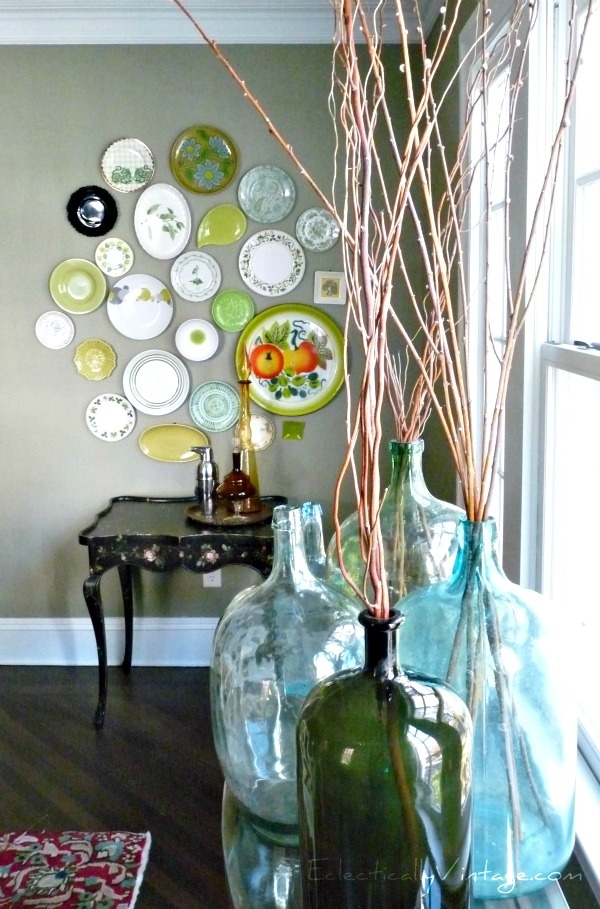
Diameter changes everything. A wall of salad plates can look delicate and busy; a wall of dinner plates looks bolder and needs fewer pieces. Mixing sizes is fine if you place the largest plates as anchors—corners of a grid, or the center and outer “shoulders” of a cluster—so small plates do not float without structure.
Weight matters more than people expect. Ceramic and porcelain are dense. Use hangers rated for the plate’s weight, and prefer spring wire hangers or plate hangers that grip the rim securely without glue unless you are committing to a permanent display. Invisible hangers keep the circle clean; decorative wire hangers become part of the look and should match the room’s metal finishes.
Studs are ideal for heavy pieces. For plaster or drywall without a stud, use appropriate anchors and err on the side of over-engineering. A plate that falls is not only a broken object; it is a safety problem in a kitchen or dining room.
Color strategies that photograph well
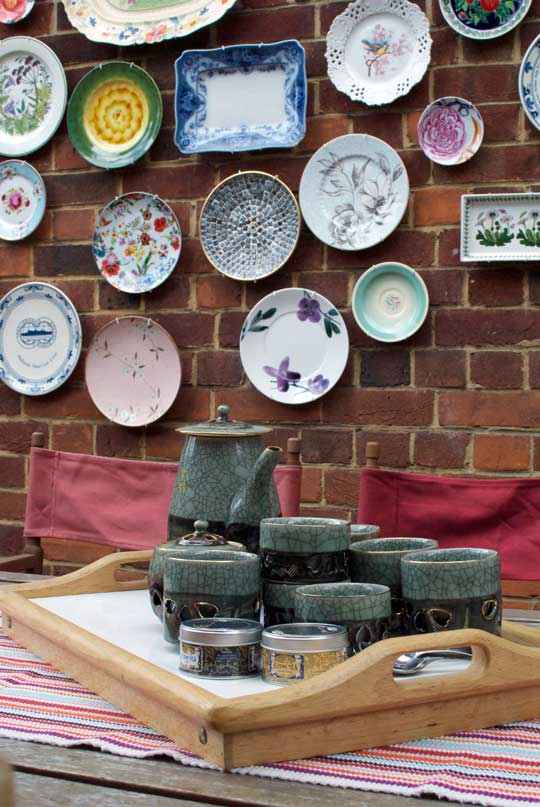
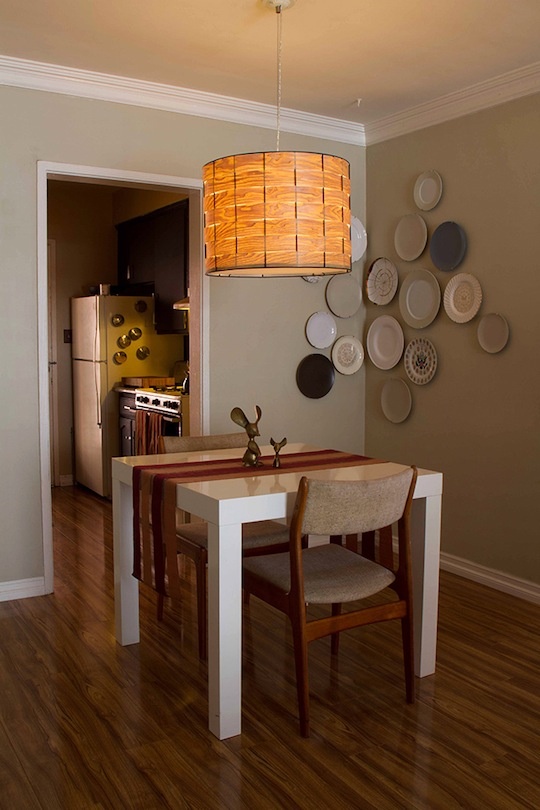
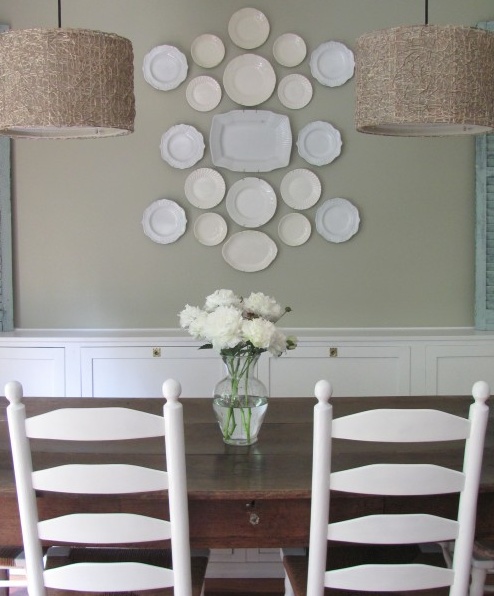
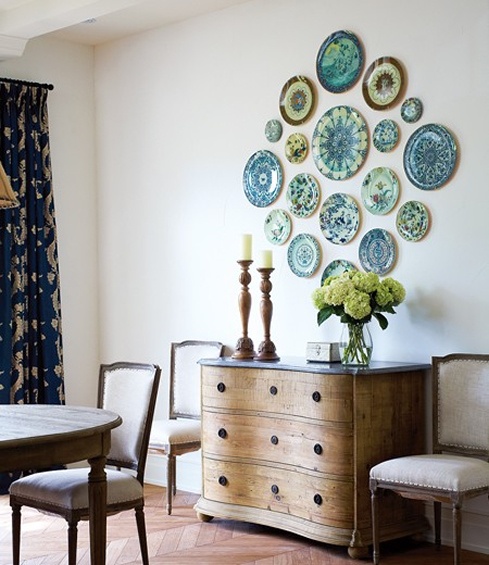
All-white plates on a white wall can disappear unless texture and rim profiles create shadow. In that case, slightly darker walls, warmer bulbs, or plates with embossed edges help. Blue-and-white china remains a classic kitchen language because the contrast reads clearly from across a room. Earth-toned stoneware suits rooms with wood, linen, and matte paint.
If your collection is mismatched thriftware, unify it with a painted background: a soft rectangle of contrasting paint behind the whole group can turn chaos into a framed gallery. Another approach is to paint the backs of inexpensive plates in a single matte color and hang them face-out only if the fronts already share a mood—or hang painted faces as a modern monochrome set.
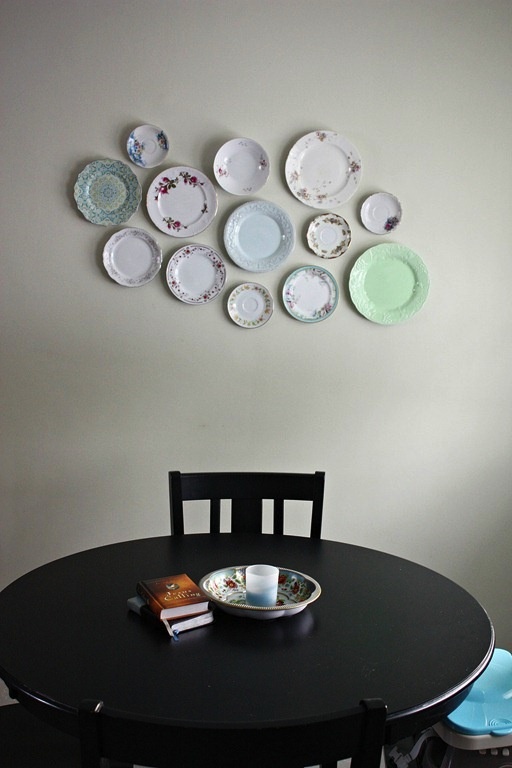
Pattern mixing without visual noise
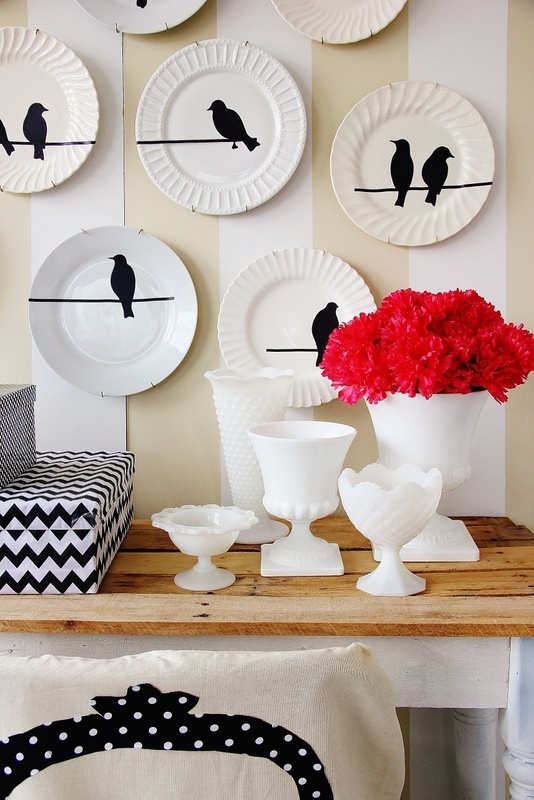
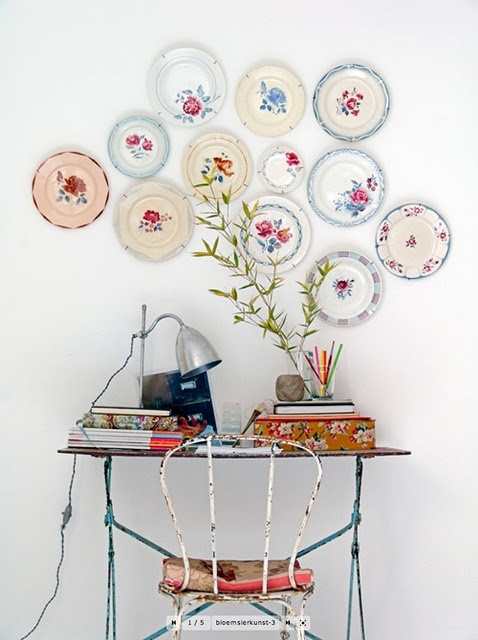
Transferware, florals, and geometric borders fight each other when every plate insists on being the hero. Pick one “loud” plate for every three quieter ones, or let pattern live only on rims while centers stay calmer. Repeating a motif—birds, botanicals, stripes—across several plates creates rhythm even when makers differ.
Negative space is part of the pattern. Gaps that are too small make the wall buzz; gaps that are too large make plates look lonely. Aim for consistency of gap more than perfection of alignment. The eye forgives a slightly crooked plate more readily than irregular spacing.
Where plate walls work best
Dining rooms and kitchens remain the natural homes for plate walls because the objects already belong to the culture of the room. Above a sideboard, a plate cluster can replace a large painting without competing with table settings. On a kitchen wall beside open shelves, plates continue the language of dishware already on display.
Elsewhere, treat plates as art, not leftovers. A small set of three to five plates in a powder room can feel witty. A bedroom usually wants restraint—perhaps a single vertical trio above a dresser. Avoid hanging heavy plates over beds or couches where a failed hanger could cause injury.
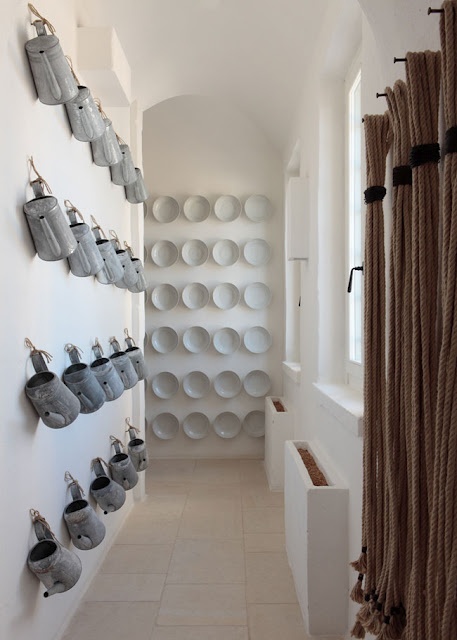
Practical hang checklist
- Clean plates; fingerprints show under side light.
- Map the layout on the floor; photograph it.
- Transfer centers to the wall with paper templates or measured marks.
- Install hangers; test each plate on the hanger before committing to height.
- Hang largest anchors first, then fill.
- Step back at eye level and from doorway distance; adjust one gap at a time.
Live with the arrangement for a day before declaring it finished. Morning light and evening lamps change contrast; what looked balanced at noon can look sparse after dark.
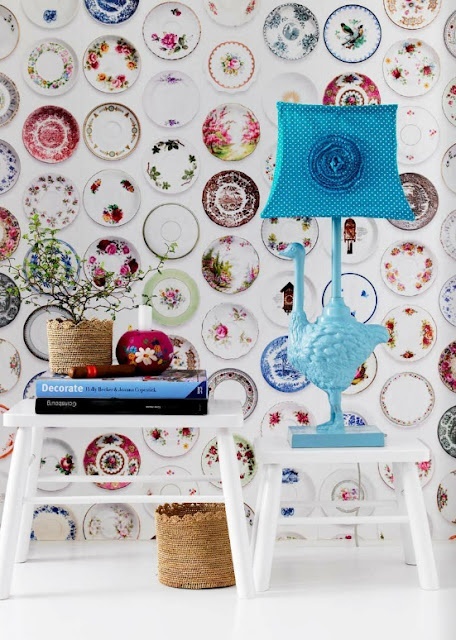
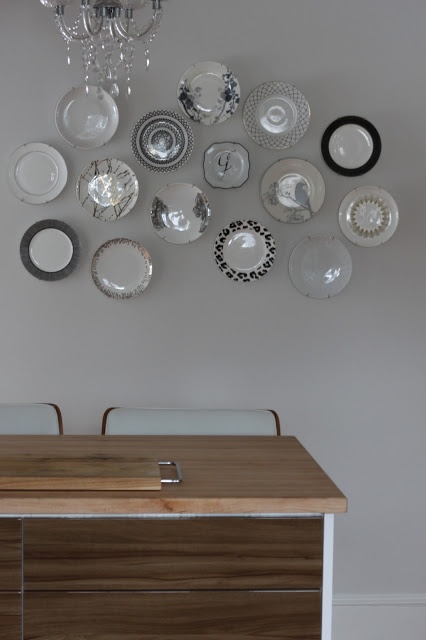
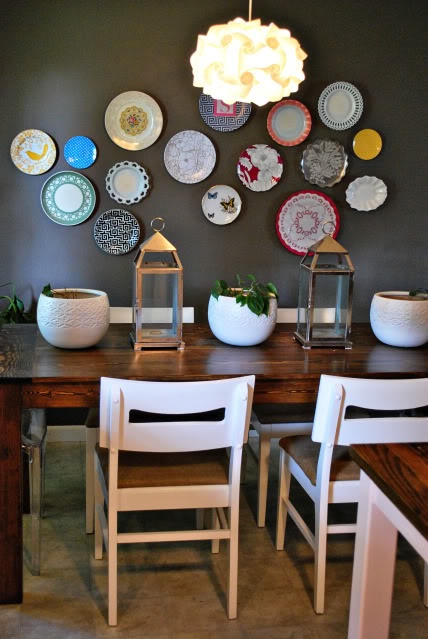
If you want a single test before drilling: hang three plates in a tight triangle using temporary adhesive hooks rated for the weight (or lean them carefully on a shelf while you decide). If that small group already feels like a conversation, expand outward using the same spacing language. The best plate walls rarely begin with eighteen plates and a perfect diagram. They begin with a few pieces that belong together—and a wall that finally has something to say.

Comments
Continue reading

DIY Dollar Store Decoration: Lamps, Vases, Mirrors, Sconces, and Candle Holders
Turn dollar-aisle glass, mirrors, and candle holders into lava-style light jars, enamel vases, a silverware starburst mirror, stone-look sconces, and finished candle bases.
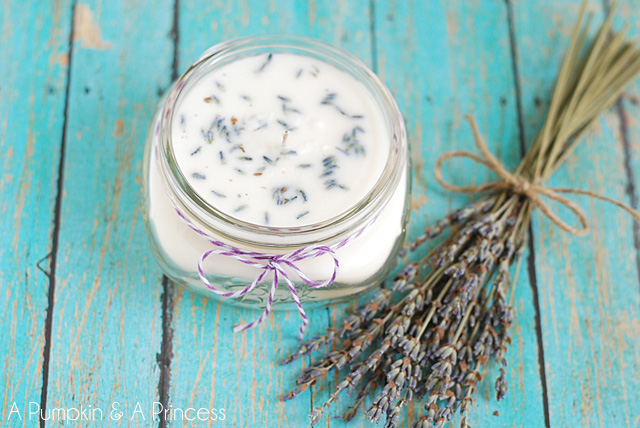
How to Make Mason Jar Candles: Pour, Tint, Hang, and Gift
Clean jars, size the wick, pour wax safely, then branch into coloured glass, hanging lanterns, lavender scents, remelted stubs, floating lights, and favor-ready finishes.
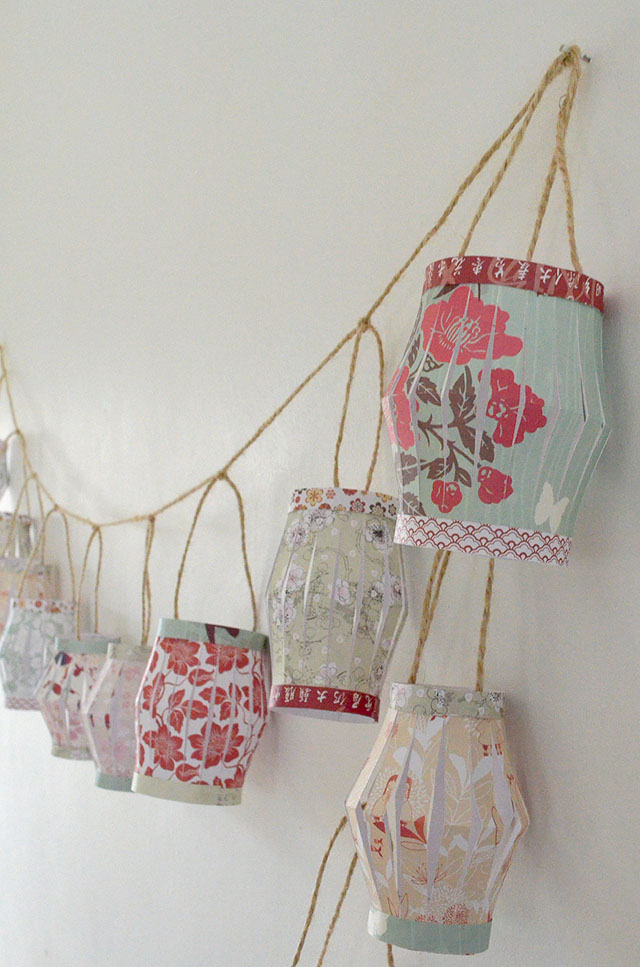
Colorful Paper Lantern DIY: Garlands, Flowers, Geometry, and Chandeliers
Build festive paper lanterns with safe LED lighting—garlands, floral skins, geometric overlays, and clustered chandeliers—using materials and a build order that actually hold up.