
Birdcage Veil Ideas for Stylish Brides
How to choose a birdcage veil—length, hair, necklines, trims, and styling tips—plus a gallery of looks for vintage and modern weddings.
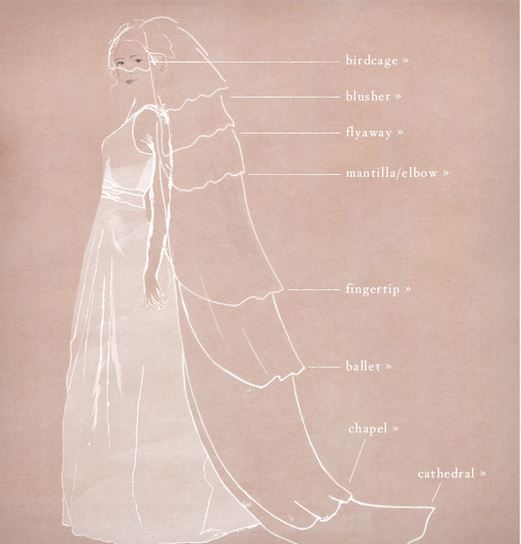
Bridal veils are often sorted by length, from cathedral trains that trail behind the dress to pieces that barely leave the hairline. The birdcage veil sits at the short end of that scale: a compact netting panel that typically falls to the brow, the nose, or just below the chin. It frames the face instead of covering the body, which is why it became a favorite for vintage-leaning ceremonies, city hall weddings, and anyone who wants a finished look without yards of tulle.
Choosing one is less about rules than about proportion. Height, neckline, hairstyle, and how much of your face you want visible all matter. The gallery below gathers birdcage ideas across nets, trims, and placements so you can match the veil to the dress you already love—not the other way around.
What a birdcage veil actually is
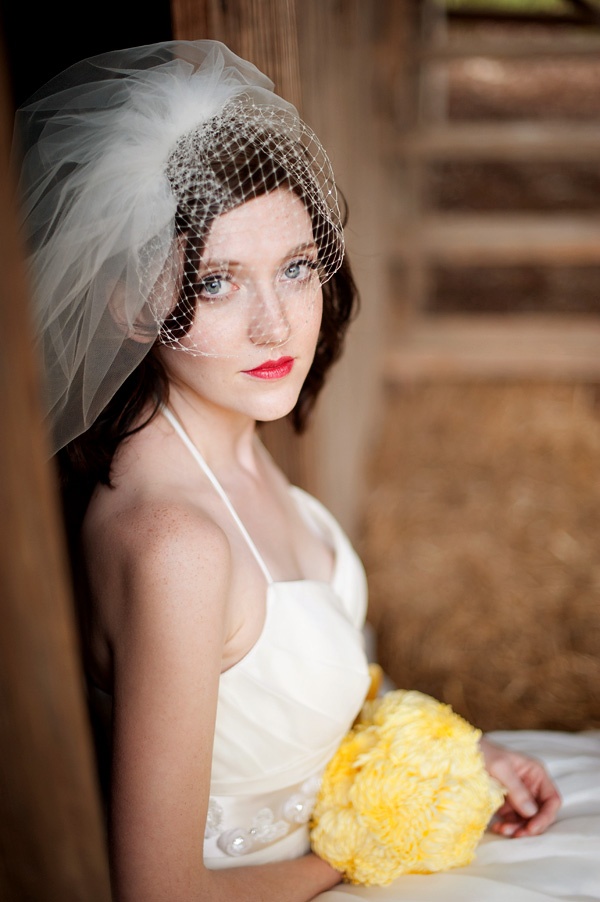
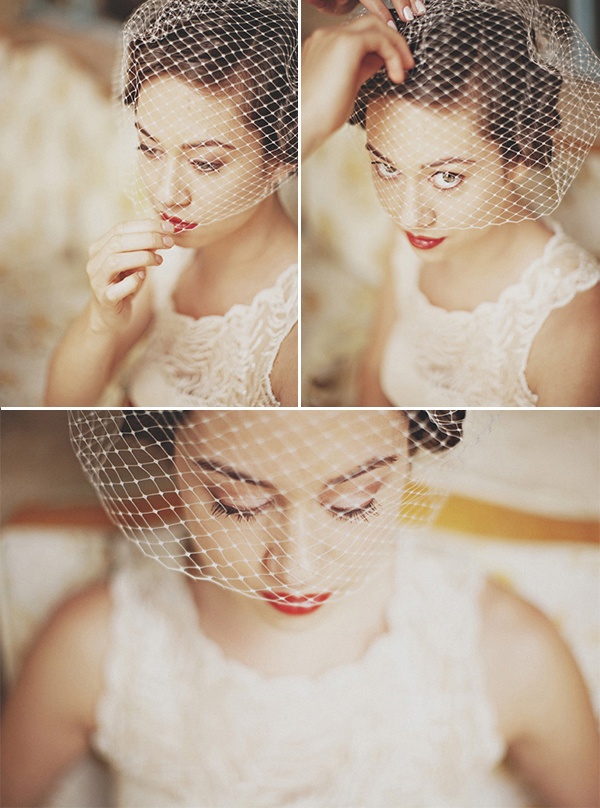
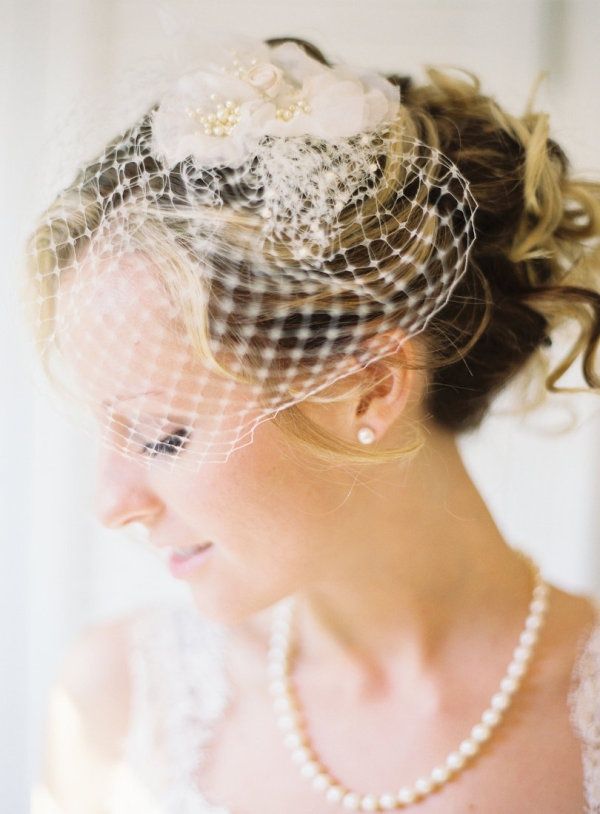
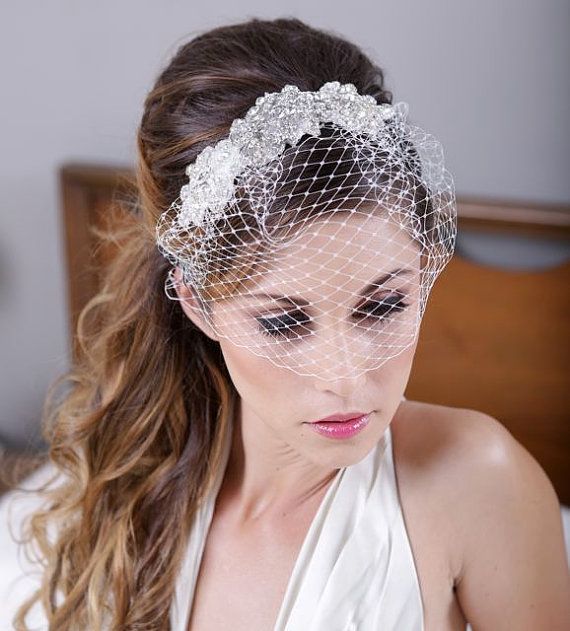
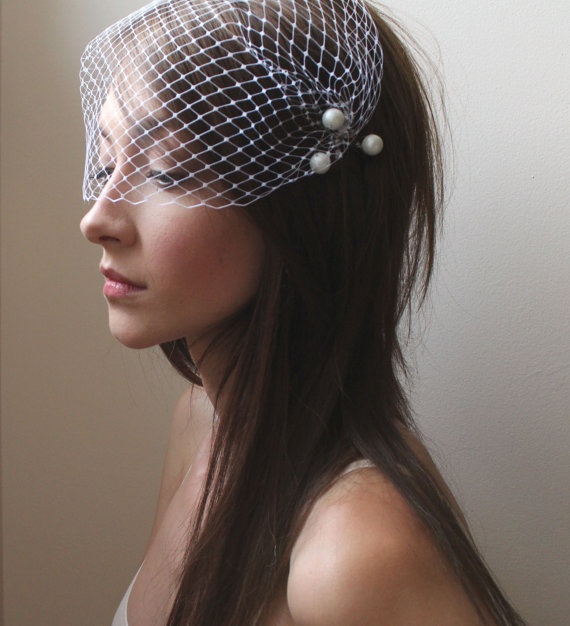
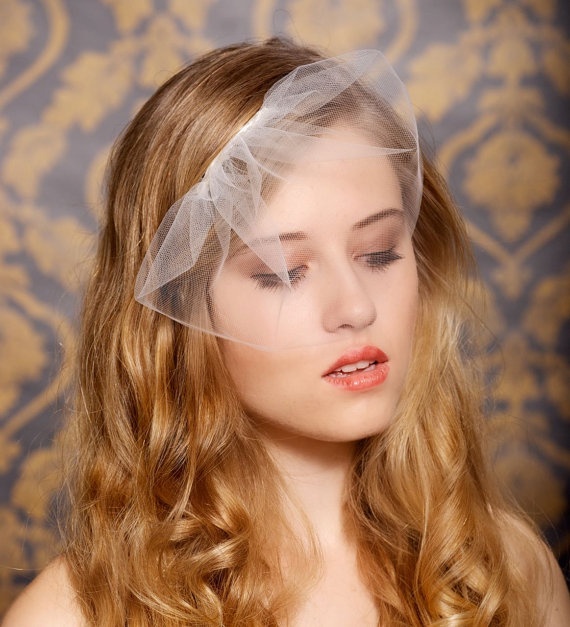
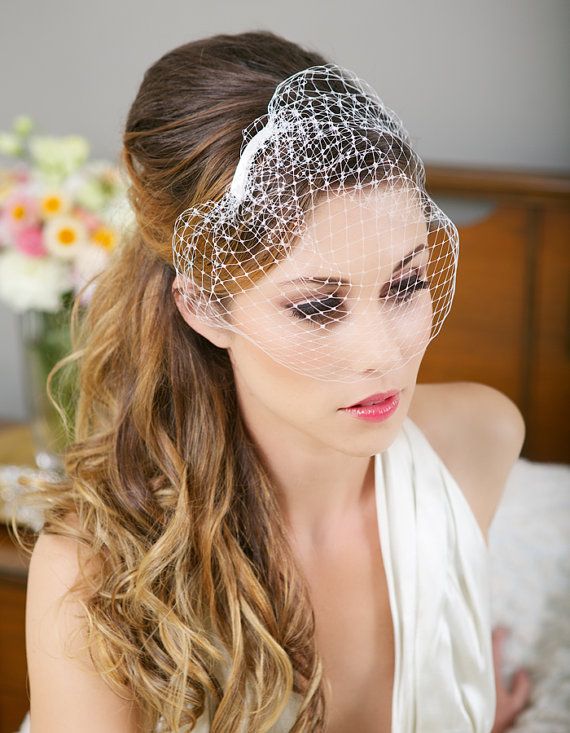
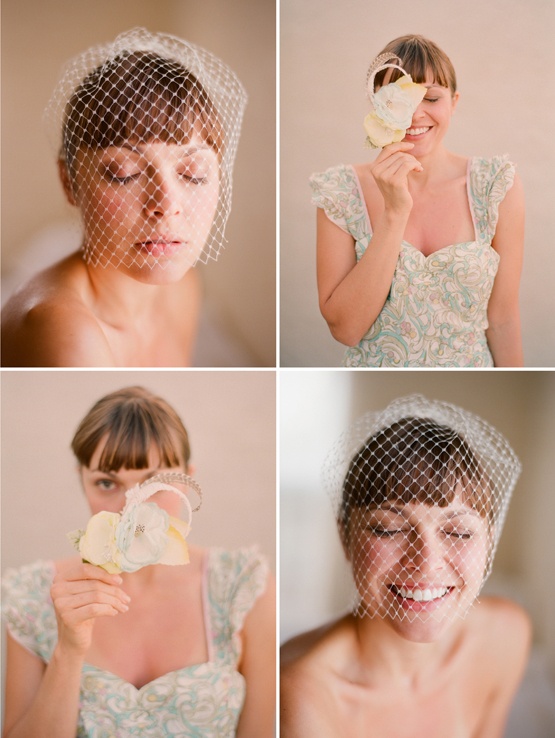
A birdcage veil is usually made of stiff Russian veiling or similar hexagonal net. Unlike soft illusion tulle, the net holds a sculpted shape. It can be gathered into a pouf at the crown, pinned flat across the forehead, or draped asymmetrically so one eye peeks through. Many versions end above the lips; others drop to the jawline and read more dramatic in photographs.
Historically, short face veils appear in mid-twentieth-century bridal and cocktail fashion—think structured hats, cocktail hats with net, and postwar wedding portraits where the veil is an accessory rather than a train. Today the style often signals a deliberate vintage or fashion-forward choice: less “princess procession,” more tailored romance.
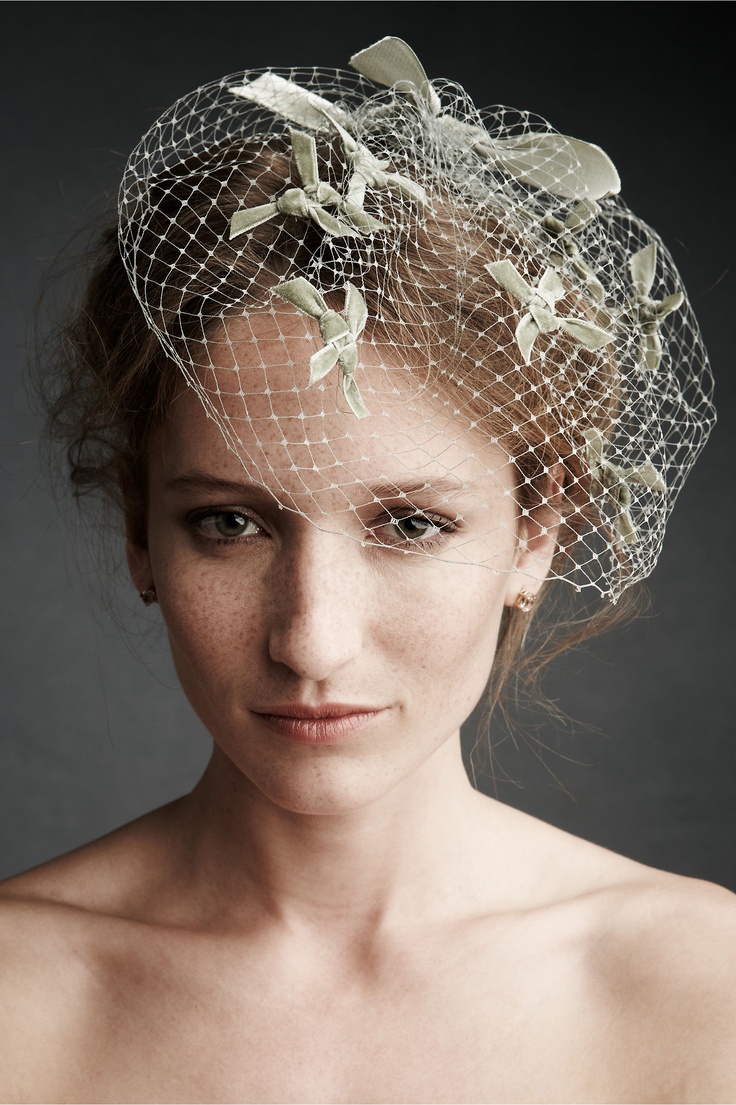
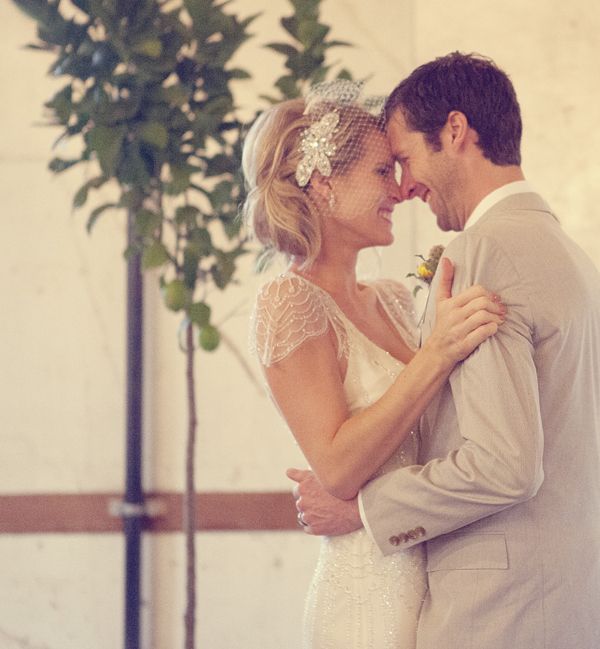
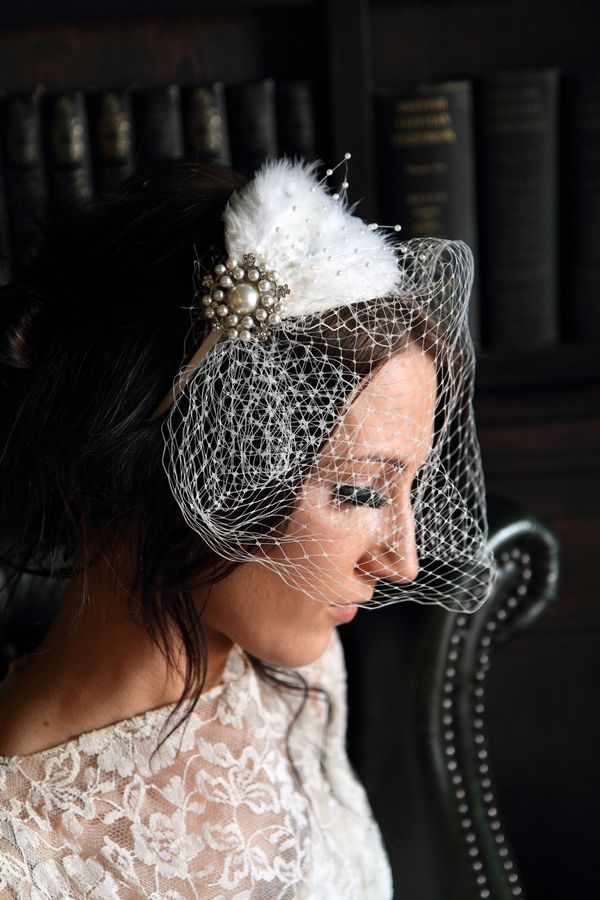
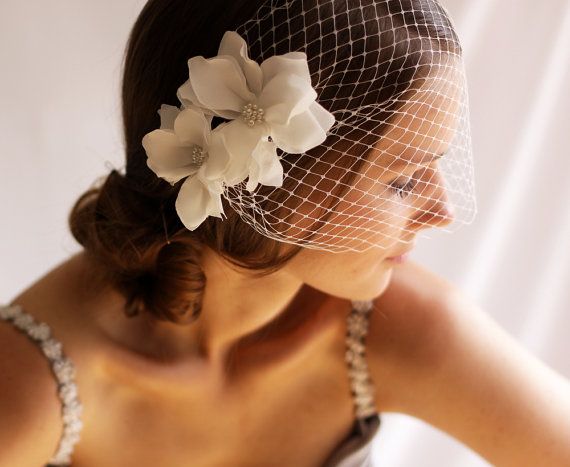
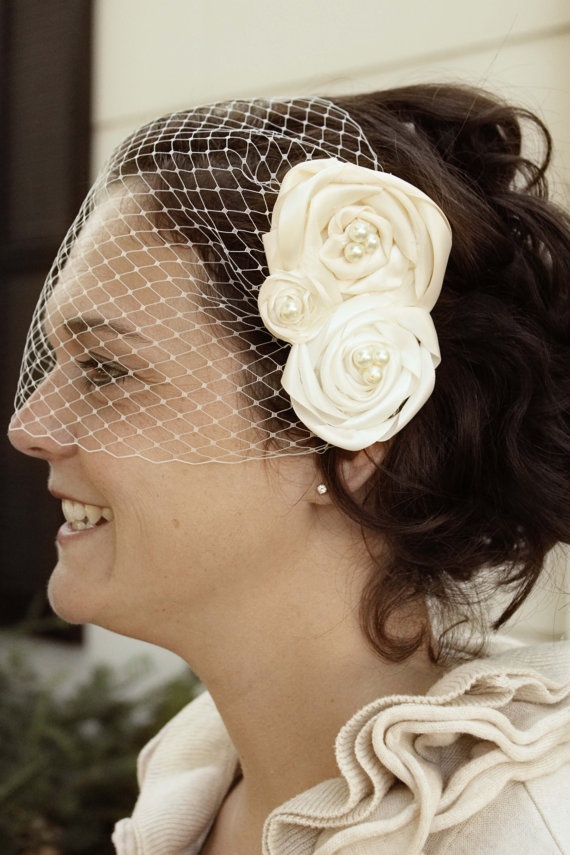
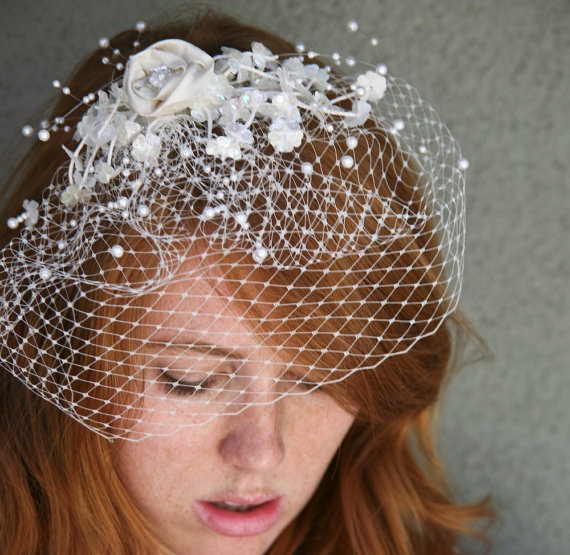
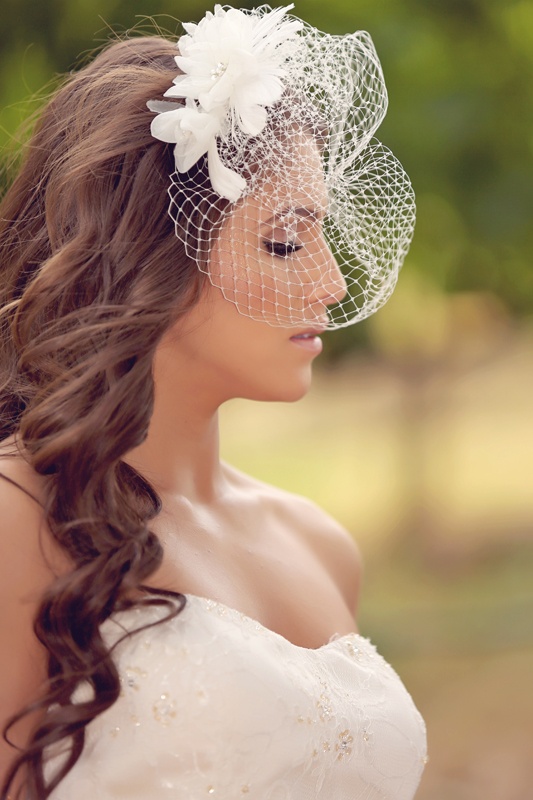
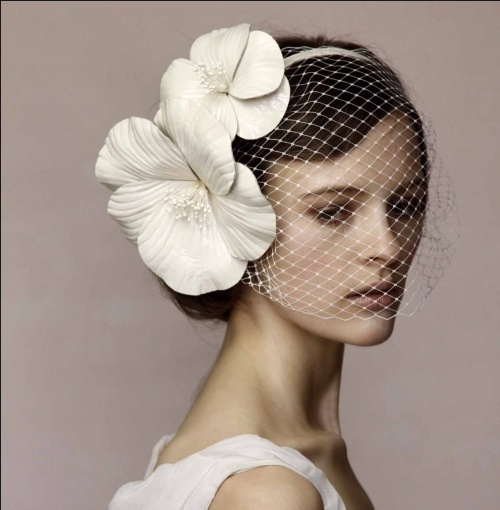
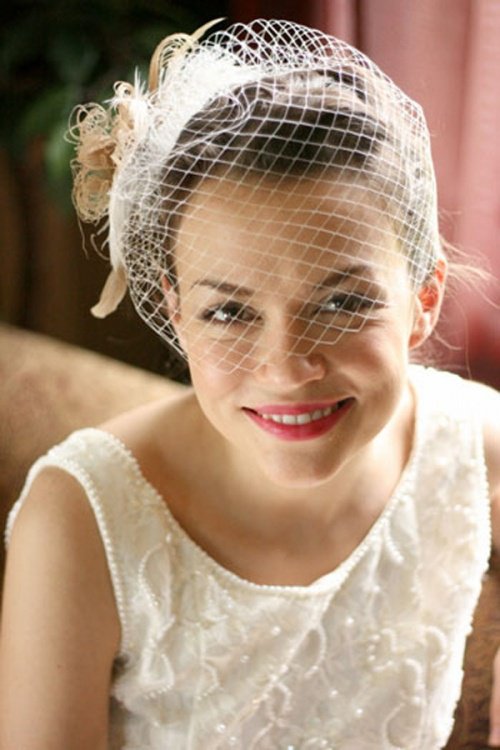
Because the piece is small, details do heavy lifting. Ribbon edge, satin binding, a single crystal, a silk flower, or a cluster of feathers can change the whole mood from graphic and modern to soft and bridal.

Who it flatters—and when it shines
Birdcage veils suit many face shapes when the drop and volume are adjusted. A shorter brow-length veil keeps features open and photographs cleanly for outdoor ceremonies. A longer chin-length cage adds mystery and pairs well with bold lipstick and sleek hair. Petite and medium-height brides often like how the scale stays balanced against shorter dresses; taller brides can wear the same style if the gown’s neckline and volume leave room for a compact headpiece.
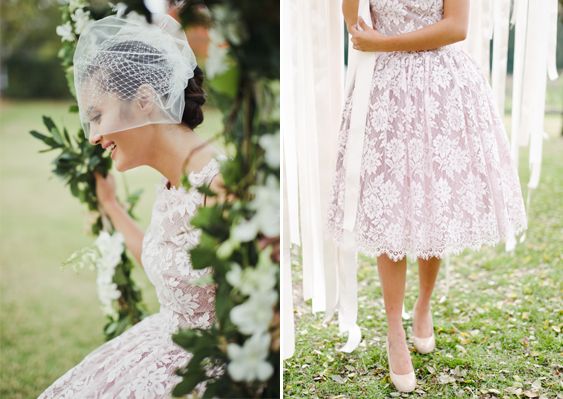
The style is especially strong with tea-length dresses, lace sheaths, satin column gowns, and any silhouette that already has a clear vintage or couture line. It can also work with contemporary minimal dresses when you want one strong accessory instead of a long veil. If your gown already has a dramatic train, a birdcage can replace a second long veil rather than compete with it—many couples use the birdcage for the ceremony entrance and portraits, then leave it off for dancing.
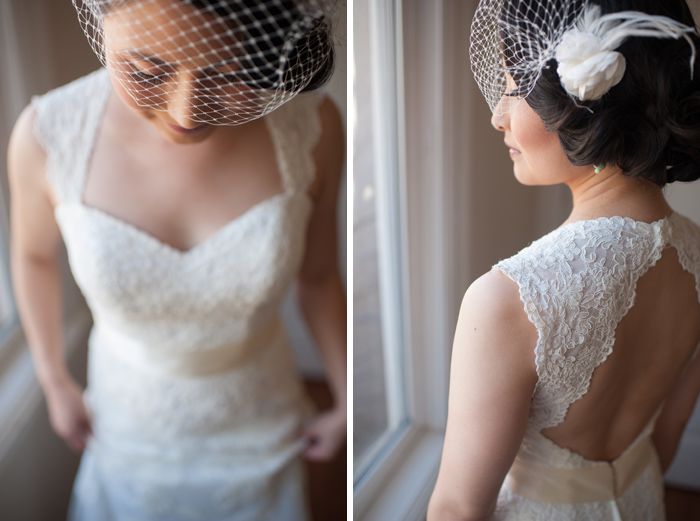

Hair, makeup, and placement
Hair decides half the success of a birdcage. Smooth waves, finger waves, low chignons, and side parts give the net a clean landing pad. Very high messy buns can fight the veil’s shape unless you pin carefully at the side or back. If you want volume at the crown, ask your stylist to leave a secure comb or pin zone where the veil attaches without crushing the style.
Makeup should survive being seen through mesh. Soft definition around the eyes and a lip color that holds under flash work better than ultra-sheer neutrals that disappear behind the net. Practice with the actual veil during a trial: some nets cast faint hexagons on the cheek in hard light; a slightly matte finish on the T-zone helps photographs stay flattering.
Placement options include:
- Center front: classic face-framing cage over both eyes.
- Side sweep: gathered at one temple for an asymmetrical look that shows more of one eye.
- Back-of-head pouf: net drapes forward from a comb or fascinator base.
- Hat or bandeau base: veil attached to a small hat, band, or jeweled clip for extra structure.
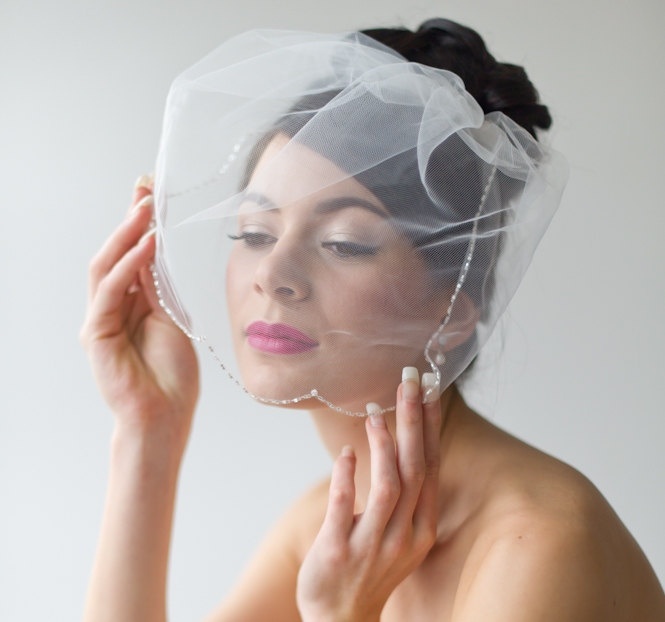
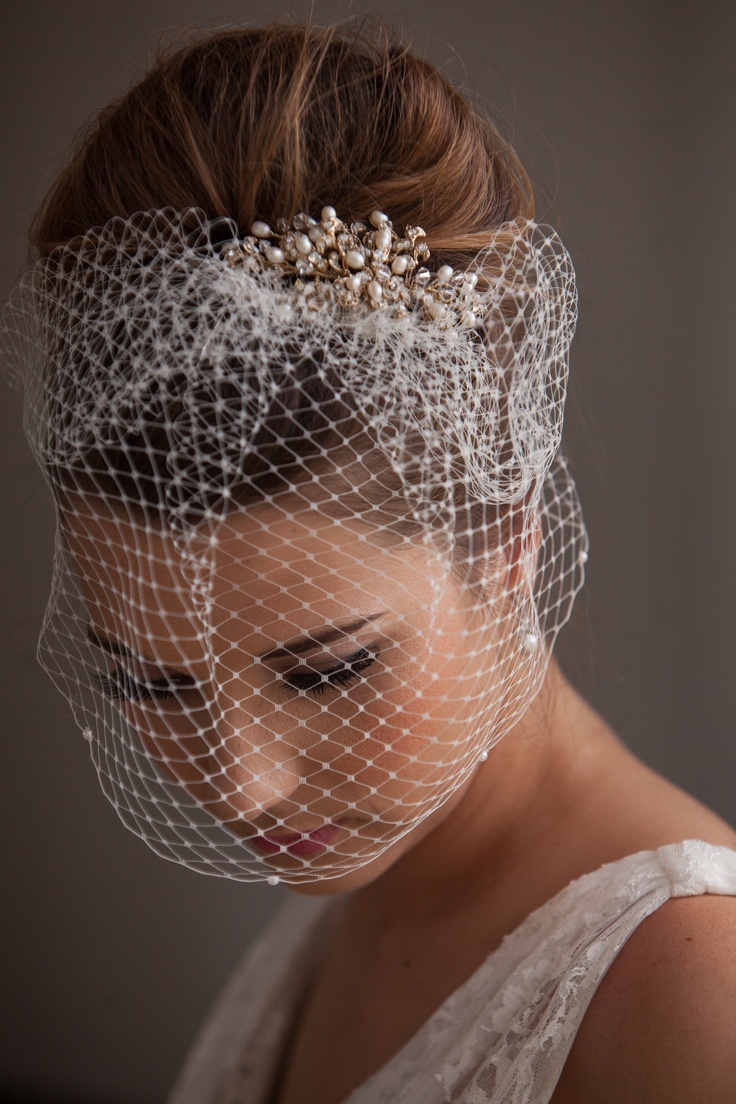


Materials, trims, and color
Ivory and soft white remain the most common bridal colors; pure white can look crisp against a cool-white gown, while champagne or blush net softens warmer fabrics. Black birdcage veils appear in fashion editorials and evening-inspired weddings—they read intentional and graphic rather than traditional.
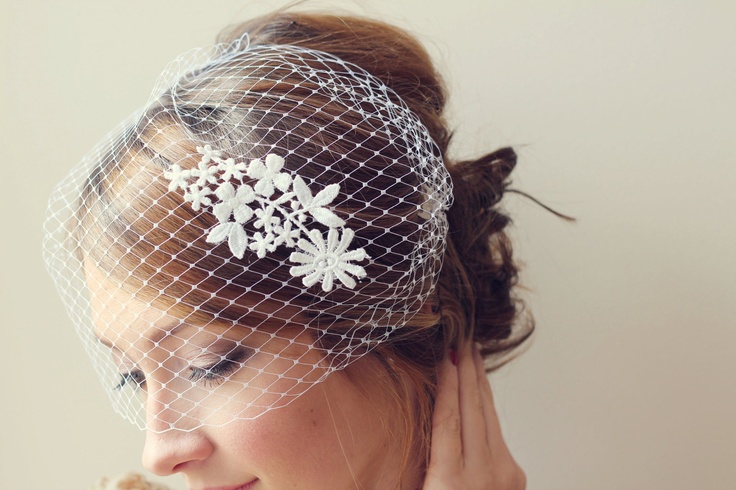
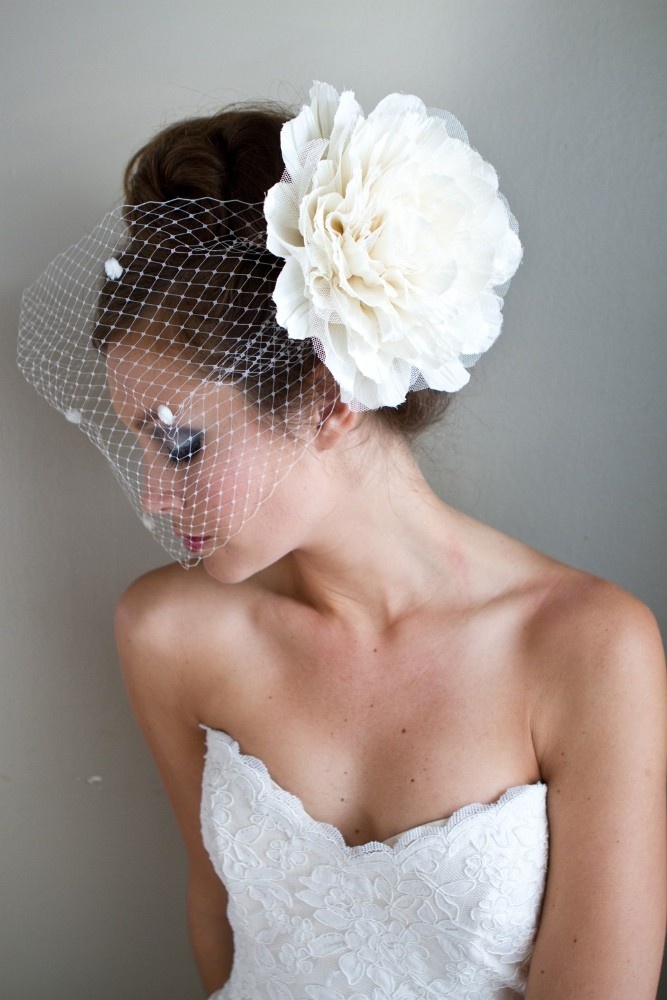
Trims change the story. A clean cut edge feels modern. Ribbon or satin binding feels finished and vintage. Scattered pearls, crystals, or tiny flowers lean bridal. Feathers or a sculptural flower push toward cocktail-hat territory. If your dress already has heavy beading at the neckline, keep the veil quieter so the two do not shout over each other.
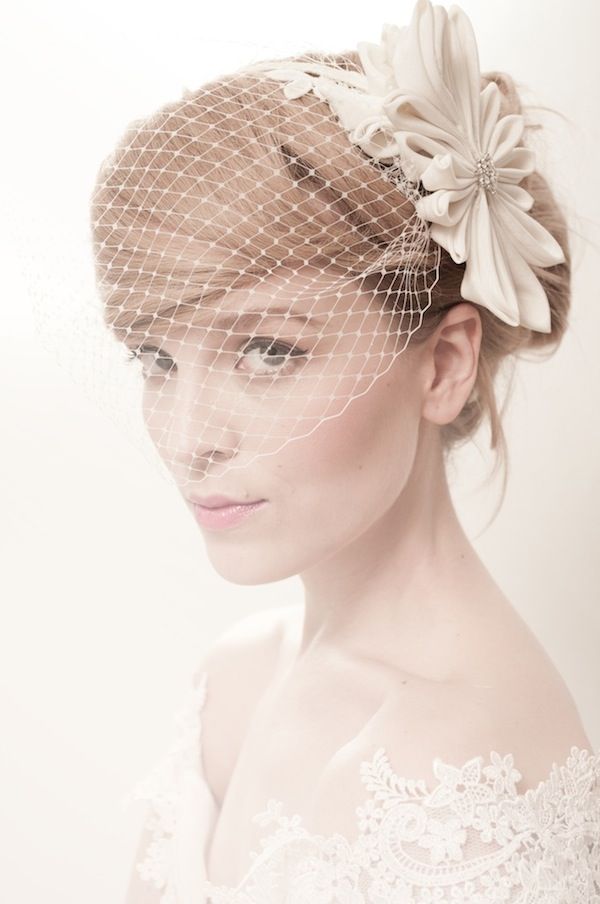
Dress necklines that pair well
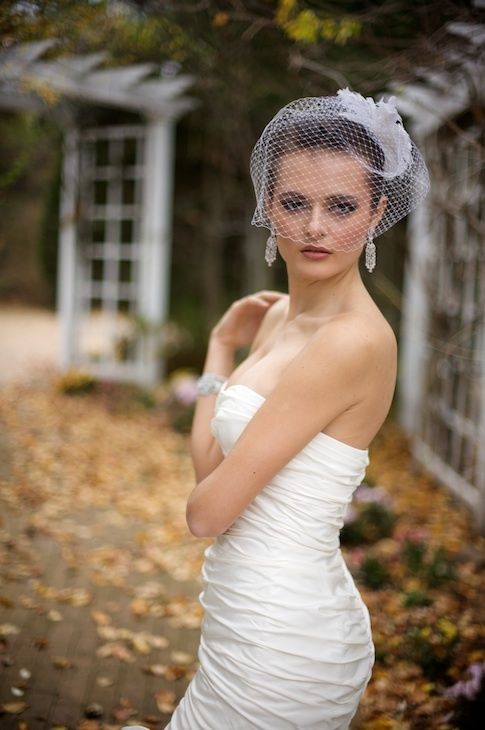
Boat necks, scoop necks, sweetheart shapes, and strapless bodices leave the face and collarbones clear, so a birdcage reads as the intended focal accessory. High lace necks and heavy illusion yokes can still work if the veil is shorter and lighter, but test the stack of textures in person. Off-the-shoulder gowns love a birdcage because the look stays balanced: bare shoulders below, structured net above.
For tea-length and short dresses, the birdcage often completes a coordinated retro silhouette. For long gowns without a cathedral veil, it offers bridal identity without adding length you have to manage on stairs, wind, or subway platforms after a city hall ceremony.
Practical tips before you buy or commission
Measure drop length against your own face in a mirror, not only against a model photo. Ask how the veil attaches—comb, bobby pins, elastic loops—and practice putting it on yourself or with one helper. Check whether you can kiss, sip a drink, or do first-look photos without constant adjustment. If you wear glasses, try the veil with them; some cages sit more comfortably above the frames.
For outdoor weddings, stiff net holds better in light breeze than soft tulle, but strong wind can still lift a short veil. A secure comb and a few extra pins are worth packing. For photography, tell your photographer you want both veiled and unveiled frames so you keep options for the album.
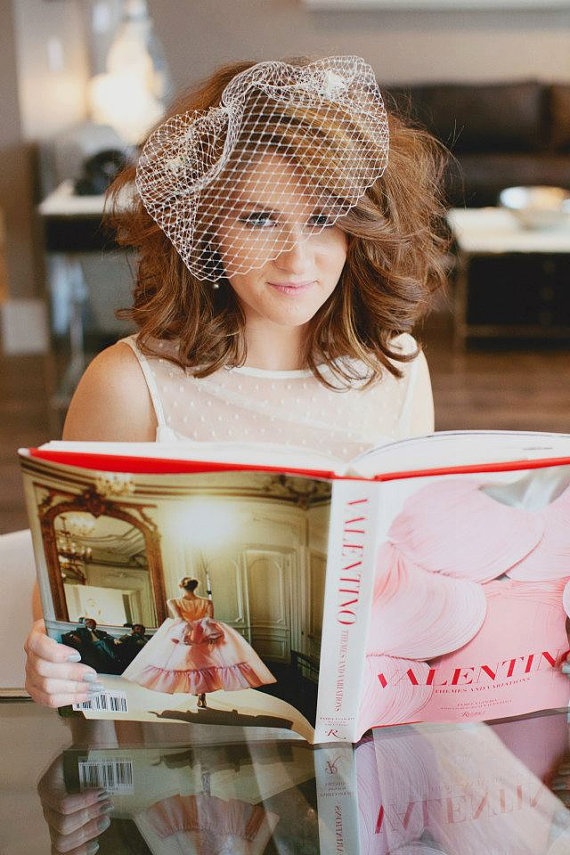


Before the wedding week, do one full dress rehearsal with shoes, earrings, and the veil together. If the net scratches, the comb slips, or the drop hides too much of your smile, adjust then—not in the getting-ready room. A birdcage veil works best when it feels like a natural part of your face in the mirror, not a costume you are enduring for the aisle.

Comments
Continue reading
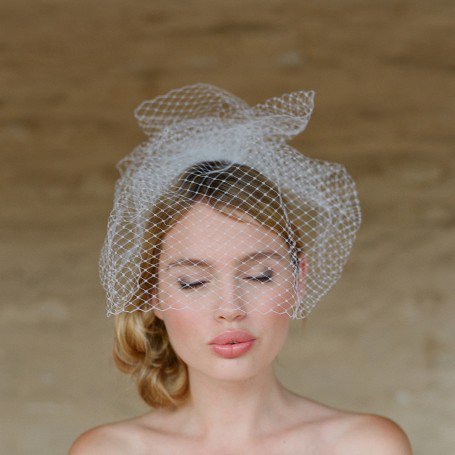
Wedding Veil Styles: Length, Edges, Fullness, and How to Match Your Dress
A practical guide to bridal veil lengths, edge finishes, blushers, and hair attachment—so the veil fits the gown, venue, and real wedding-day movement.
Funny Animal Signs That Warn People (While Animals Ignore Them)
From a seagull on a no-birds disc to classic zoo and park ironies—why animal warning signs get funny, and what the rules are still for.
How to Find Local Amenities on Vacation: Mechanics, Haircuts & More
Locate trustworthy local services and everyday spots while traveling or settling in—using publications, reviews, map apps, neighbor tips, and low-pressure exploration.