
Wedding Veil Styles: Length, Edges, Fullness, and How to Match Your Dress
A practical guide to bridal veil lengths, edge finishes, blushers, and hair attachment—so the veil fits the gown, venue, and real wedding-day movement.
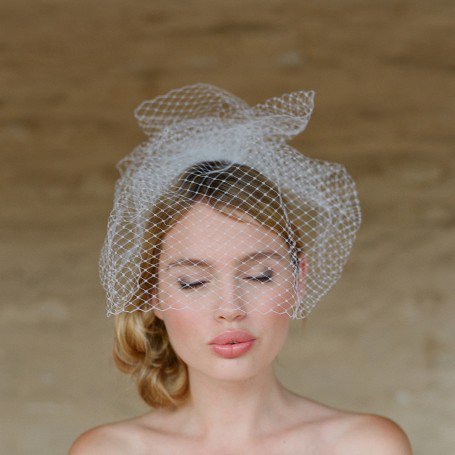
A wedding veil is optional, but when you wear one it becomes part of the dress architecture. Length, edge finish, fullness, and how it attaches all change the silhouette as much as a belt or overskirt. The goal is not to own every romantic stereotype of bridal tulle. The goal is a veil that fits the neckline, hair plan, and ceremony setting so the whole look feels deliberate from the first aisle step to the last dance.
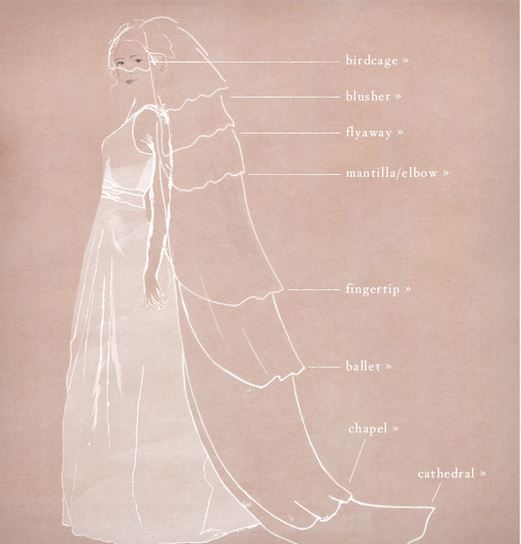
Use the notes below as a style map: from birdcage and fingertip lengths to cathedral drama, plus practical checks for fabric, blusher, and comfort. One clear reference image is enough to start; the rest is proportion and finish. If you are undecided, try length first—decoration is easier to adjust later than a veil that is simply the wrong scale for the room.
Photographs flatten volume and hide weight. When you try veils, move—turn, sit, walk—so you learn how the fabric behaves beyond a still pose. Bring the shoes you will wear; heel height changes how a long veil pools and how a short veil sits in full-length photos.
Match length to dress and venue
Birdcage and blusher-length pieces suit civil ceremonies, vintage-inspired suits, and short or tea-length dresses. They frame the face without competing with a dramatic skirt. Elbow and fingertip lengths are the everyday workhorses of bridal veils: enough presence for photographs, manageable for dancing, and friendly to most ballgown and A-line shapes. Waltz length adds romance without demanding a cathedral aisle. Chapel length creates train-like grace. Cathedral and royal lengths belong with formal churches, long aisles, and gowns that already have presence; they need space to land and a plan for bustling afterward.
If your dress has a long train, decide whether the veil should match that length, sit slightly shorter, or deliberately contrast. Matching lengths look unified; a shorter veil can showcase embroidery on the train; a longer veil can create layered drama if the fabrics do not fight each other visually. Measure the aisle and the altar steps before you fall in love with extreme length—beautiful veils that cannot turn in the space become logistics problems.
Edge finishes and decoration
A raw or gently cut edge looks modern and light. Pencil or corded edges add definition in photos. Ribbon edges feel classic and can echo sash colors. Lace appliqué edges connect to lace gowns when motifs are scaled carefully—busy lace on both dress and veil can blur into noise. Scattered crystals or pearls catch light; use restraint under strong flash so the veil does not sparkle louder than the face.
Decoration should concentrate where it helps: along the edge, near the comb, or in intentional clusters—not randomly everywhere. If the gown is heavily beaded, a quieter veil often looks more expensive than a second busy layer. Hold fabric swatches of dress and veil together in daylight and under warm indoor light; mismatches that seem minor in a boutique can shout in photographs.
Fullness, layers, and blushers
Single-layer veils keep the look airy and contemporary. Double layers add body and can include a blusher that drops over the face for the processional. Blushers are a tradition choice, not a requirement; if you want one, practice lifting it with your partner or officiant so the moment feels smooth on video. Too much fullness at the comb can overwhelm delicate updos; too little can look skimpy against a wide skirt.
Gather density at the comb changes everything. A tightly gathered veil creates volume at the crown; a gently gathered or flat-laid veil sits closer to the head and feels softer. Try both if your hair is fine or if you wear a statement headpiece. Ask whether the veil can be steam-freshened without damaging trim—shipping creases are common and last-minute panic is avoidable.
Attachment, hair, and headpieces
Combs, clips, and sewn-in loops each behave differently on fine hair versus thick hair. Secure the veil where it will stay through hugs and wind—often just below or within the updo, or under a half-up style. If you wear a tiara, floral crown, or sculptural clip, decide stacking order early: veil under, over, or integrated. Late decisions create last-minute pinning that shows in close-ups.
Down hairstyles can wear veils beautifully, but need stronger anchoring and sometimes a second hidden comb. Ask your stylist to do a veil trial with the actual piece or a weighted stand-in. Photos without the veil in the hair trial are incomplete rehearsals. If you plan to remove the veil for dancing, practice the removal so hair stays intact and the comb does not yank the style apart.
Fabric and opacity
Soft bridal illusion and fine tulle photograph as a haze of light. Stiffer tulles hold shape and create graphic silhouettes. Silk blends drape with luxury and can feel warmer; synthetics often take decoration well and resist wrinkling in transit. Opacity matters for photos: a denser veil can mute back detail on the dress; a sheer veil preserves embroidery and buttons.
Color matching is subtle but important. Bright white veils against warm ivory dresses can look disconnected on camera. Bring a swatch of dress fabric when ordering, especially for offline or custom pieces. If you are ordering online, request fiber content and width measurements—two “fingertip” veils from different makers can differ by many inches.
Practical comfort
You will wear this through outdoor breezes, seated dinners, and dancing. Confirm you can turn your head, hug parents, and sit without a face full of tulle. Assign someone to bustle or remove the veil after portraits if you want freedom later. Pack a mini kit: extra pins, clear elastic, and a steamer plan for creases. Veils shipped folded often need time to hang overnight.
Weather plans matter. Wind loves long veils. Humidity can cling fine tulle to lipstick. Rain turns cathedral lengths into weighted sails—have an indoor photo fallback or a shorter ceremony option. If children are in the wedding party, brief them not to step on the veil; it sounds obvious until the recessional.
Style pairings that usually work
Clean modern gown: sheer single layer, simple edge, fingertip or chapel. Lace romantic gown: soft gather, lace motif edge that echoes without cloning the dress pattern. Ballgown: enough length and fullness to balance skirt volume. Fitted sheath: birdcage, elbow, or slim fingertip so the body line stays visible. Jumpsuit or fashion-forward look: short structured veil or none; if you want tradition, keep it graphic and brief.
Strapless and deep-V necklines often benefit from a veil that starts cleanly at the crown or mid-updo so the neckline stays the hero. High necks and long sleeves can take more veil drama without looking top-heavy. When the bouquet is large and cascading, a quieter veil prevents the upper half from looking crowded.
When you cannot decide, stand in the dress, hold the bouquet, and try two lengths only. Take a phone photo from aisle distance, not only a mirror selfie. The right veil is the one that still looks like you at twenty feet—same face, clearer silhouette, no visual argument with the gown. Choose length for the room, edge for the dress detail level, and attachment for the hairstyle you will actually wear. Then stop collecting options.

Comments
Continue reading
Birdcage Veil Ideas for Stylish Brides
How to choose a birdcage veil—length, hair, necklines, trims, and styling tips—plus a gallery of looks for vintage and modern weddings.

Funny Animal Signs That Warn People (While Animals Ignore Them)
From a seagull on a no-birds disc to classic zoo and park ironies—why animal warning signs get funny, and what the rules are still for.
How to Find Local Amenities on Vacation: Mechanics, Haircuts & More
Locate trustworthy local services and everyday spots while traveling or settling in—using publications, reviews, map apps, neighbor tips, and low-pressure exploration.