
Best Photos from the 2014 Cannes Film Festival
Black-and-white red-carpet photography from the 67th Cannes Film Festival—AFP and Vincent Desailly frames, period stars, May 2014 atmosphere.
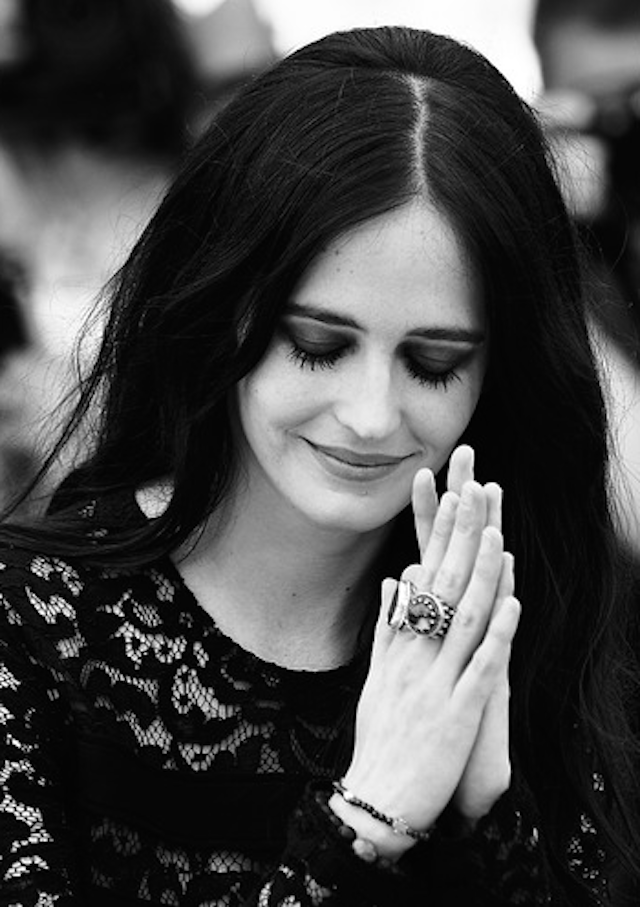
In May 2014, the 67th Festival de Cannes turned the Croisette into a temporary open-air studio. Every premiere night, the same staircase, the same flash wall, and a rotating cast of actors, directors, and models offered photographers a few seconds to make an image that would outlast the gown. This page gathers that season’s red-carpet atmosphere—especially the black-and-white press work associated with Loïc Venance, Valéry Hache, and Alberto Pizzoli of AFP, along with frames by Vincent Desailly—and treats it as a period gallery rather than a live dispatch.
Names that circulated through that year’s carpet coverage included Rosario Dawson, Ryan Gosling, Léa Seydoux, and Gaspard Ulliel, among many others who walked for screenings, photocalls, and side events. The point was never a complete cast list. It was the look of Cannes when wire photographers strip color and leave posture, fabric, and expression to carry the story.
Why 2014 still reads as a photography year
Cannes has always been two festivals at once: a competition for films and a competition for images. In 2014 the Palme d’Or went to Nuri Bilge Ceylan’s Winter Sleep, and the closing nights produced the usual mix of winners, presenters, and veteran stars onstage. Wire photographers such as Venance and Hache were everywhere in the syndicated record—arrivals for premieres, jury moments, and the ceremonial crush that follows a closing night. Their black-and-white selections, the ones that circulated through design and culture roundups that spring, treated the carpet less like a color catalog and more like a study in contrast.
That choice matters. Color at Cannes sells sequins and brand partnerships. Monochrome sells structure: the cut of a jacket, the angle of a chin, the way flash turns a satin dress into a plane of light. When AFP teams and independent shooters such as Desailly worked in that register, the festival looked closer to classic Hollywood press photography than to a contemporary livestream still. Viewers who returned to those frames years later were not chasing “who wore what tonight.” They were looking at how glamour survives translation into gray scale.
The carpet as a working set
Anyone who has only seen Cannes through fashion roundups can miss how mechanical the red carpet is. Barriers, security, timed arrivals, and a bank of lenses force a narrow choreography. Subjects pause on marks, turn for house photographers, then move on. The best frames from 2014 come from photographers who found a clean silhouette inside that chaos—an actor mid-turn, a pair of co-stars sharing a private joke, a gown reading as architecture rather than fabric swatch.
Ryan Gosling’s appearances that year, Léa Seydoux’s festival presence around French and international titles, Rosario Dawson’s carpet stops, and Gaspard Ulliel’s arrivals (including nights connected to the fashion-film orbit of Saint Laurent) all fed the same machine. Ulliel’s Cannes moments in 2014 remain especially vivid in period photo essays because fashion cinema and French stardom overlapped on those steps. The photographers named in contemporary gallery credits did not invent that overlap; they simply had the vantage and the deadline to freeze it.
Black-and-white editing helped. Without competing hues, the eye goes to gesture: a hand on a lapel, a glance off-camera, the geometry of a neckline against a dark tuxedo. Those are the details that make a festival archive feel intimate even when the event itself is industrial.
AFP craft and the Desailly eye
Loïc Venance and Valéry Hache were among the AFP photographers whose bylines appeared again and again on 2014 Cannes stills—opening-night crowds, jury selfies, prize moments, and celebrity arrivals for films as different as Foxcatcher and Two Days, One Night. Alberto Pizzoli’s AFP work from the same fortnight belongs to that same professional ecosystem: fast, precise, and built for global syndication. Vincent Desailly’s frames, often singled out in French photography roundups of the festival, sat beside the wire work as a complementary voice—still event photography, still Cannes, but with a slightly different editorial temperature.
Together they form the credit line that originally framed this gallery: festival coverage as craft, not gossip. The images that endure from that week are rarely the ones that only identify a celebrity. They are the ones that make the Croisette look like a stage with weather, pressure, and human timing.
Reading a black-and-white Cannes portrait
If you study the surviving 2014 carpet photographs with a photographer’s habits, a few patterns repeat. Flash is hard and frontal, so skin and fabric become graphic. Backgrounds are messy unless the photographer crops ruthlessly. A successful frame usually isolates one vertical subject or a tight pair, keeps the staircase or barrier as a soft suggestion rather than a distraction, and times the shutter for a settled expression rather than a mid-blink.
That is why monochrome suites from Cannes travel well on blogs and in print features years later. They do not date as quickly as a color trend report. A 2014 black dress photographed in gray still looks like cinema. A color page obsessed with that season’s exact shade of emerald can feel locked to a single awards cycle.
The gallery intent here follows that logic. Keep the people and the festival year exact. Keep the photographic temperament: high-contrast arrivals, formal wear treated as form, and the sense that May on the Riviera is as much about lenses as about screenings.
Stars, films, and the 2014 atmosphere
Beyond any single face, 2014 Cannes carried a familiar mix of Hollywood visitors, European auteurs, and fashion-forward premieres. Opening-night energy around Grace of Monaco, competition titles that would define the critical conversation, and out-of-competition spectacles all produced their own carpet chapters. Photographers moved between those chapters with little romance and a lot of muscle memory: change lenses, check exposure, wait for the pause, shoot, move.
For viewers, the pleasure is different. You get to linger on a still that someone else had a second to make. You notice how Seydoux holds a train, how Gosling’s formalwear reads in hard light, how Dawson’s presence cuts through a crowded step, how Ulliel’s tailored silhouette belongs as much to fashion history as to film promotion. Those observations are what a “best photos” roundup is for—not a ranked list with winners and losers, but a curated reminder of how one festival fortnight looked when skilled press photographers were allowed to simplify it.
What this gallery is for
Searchers who land on a page titled around the best photos of the 2014 Cannes Film Festival usually want three things at once: faces they recognize, the texture of that specific year, and images strong enough to study. The original roundup answered with AFP and Desailly credits and a black-and-white preference. This rewrite keeps that brief. It does not pretend the festival is happening tonight. It does not swap 2014 for a newer edition. It stays with the carpet, the named photographers, and the cast of arrivals that made that May feel photographic.
If you are looking at these frames as a photographer, notice how little the successful ones rely on novelty props. The tools are light, timing, crop, and the subject’s own composure. If you are looking as a film fan, notice how often a still communicates more about star presence than a red-carpet interview does. Either way, 2014 Cannes remains a useful case study in how an international festival becomes a portable archive of faces under pressure—and how black-and-white reporting can make that pressure look elegant instead of noisy.
One more practical note for anyone building a similar set today: credit the wire and independent shooters clearly, date the festival edition, and resist the urge to turn every arrival into a shopping caption. The photographs that still feel alive from May 2014 are the ones that treat the Croisette as a place where cinema people stood still long enough for light to do its work.

Comments
Continue reading
Funny Animal Signs That Warn People (While Animals Ignore Them)
From a seagull on a no-birds disc to classic zoo and park ironies—why animal warning signs get funny, and what the rules are still for.
How to Find Local Amenities on Vacation: Mechanics, Haircuts & More
Locate trustworthy local services and everyday spots while traveling or settling in—using publications, reviews, map apps, neighbor tips, and low-pressure exploration.
Kristen Stewart for V Magazine, Spring Preview 2013
V81’s Wild at Heart cover story—Kristen Stewart shot by Inez & Vinoodh, styled by Joe McKenna, in pale minimal spring glamour.