
Spine and Back Tattoo Designs: Vertical Quotes and Back Canvas Ideas
How midline lettering and back pieces use a tall canvas—typography, clothing visibility, and consult planning—without medical claims.
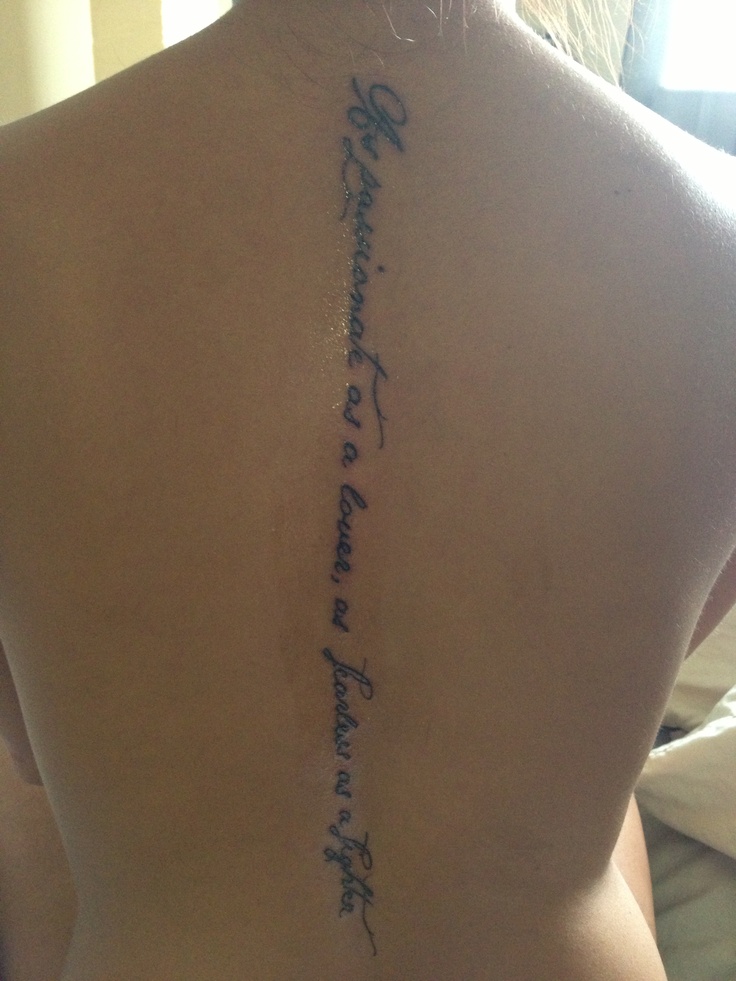
A spine or back tattoo is a composition problem before it is a quote board. The back is a tall, relatively flat plane that can carry a single vertical line of lettering, a stacked poem down the midline, or a wider piece that uses shoulder blades and lower back as margins. This gallery focuses on that architecture: how text and ornament travel along the spine, how back pieces read when clothing moves, and how to plan lettering so it stays legible years later. It is inspiration and design talk—not medical advice, and not a promise about how any session will feel.
Wrist, ankle, and rib lettering live on smaller curves. The back behaves differently. Gravity, posture, and garment necklines become part of the layout. Treat the examples below as a vertical-canvas mood board you can edit with an artist, not a checklist to copy stroke for stroke.
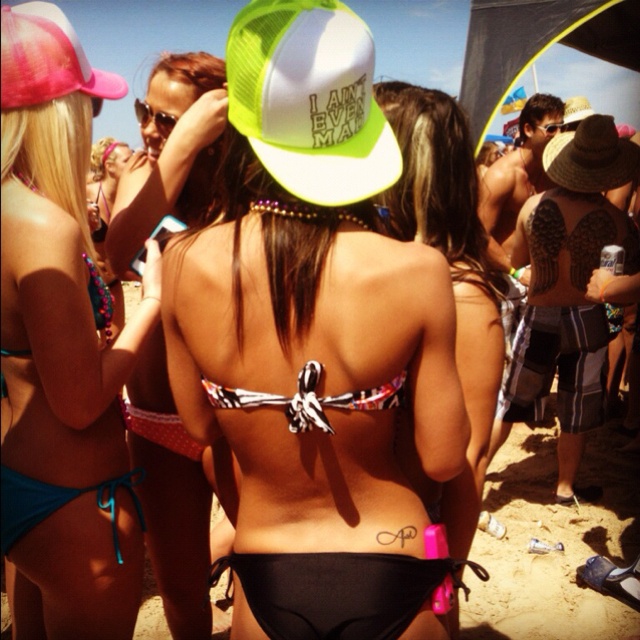
Why the midline is its own design language
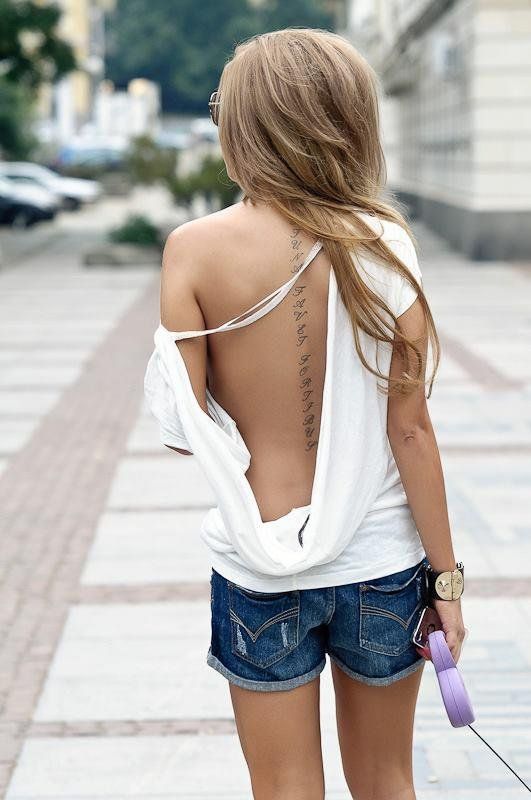
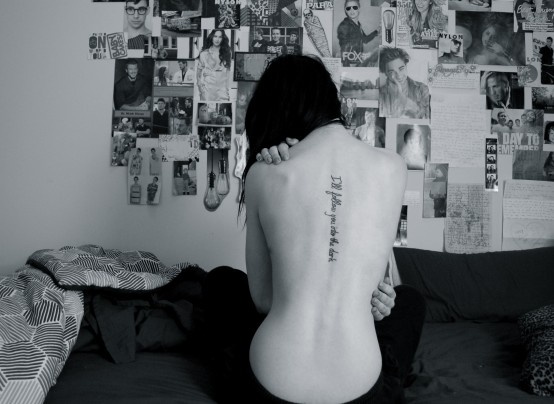
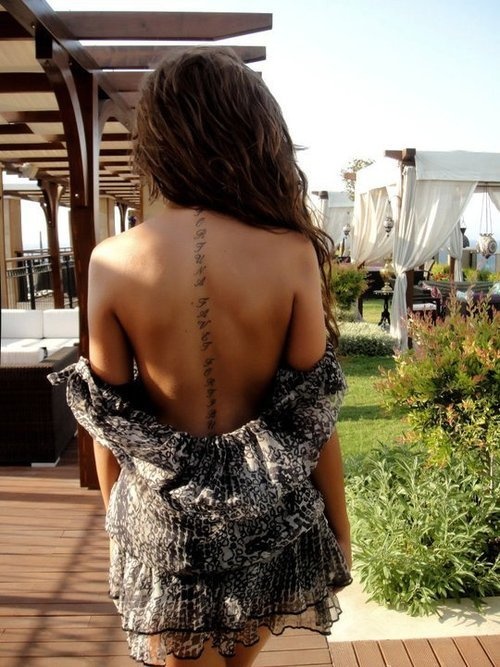
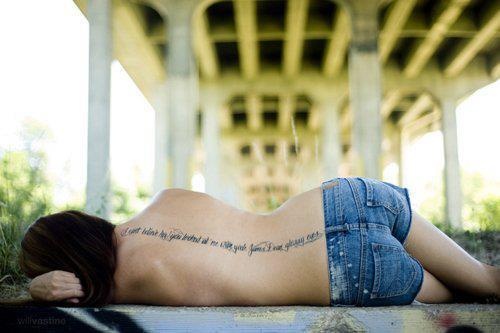
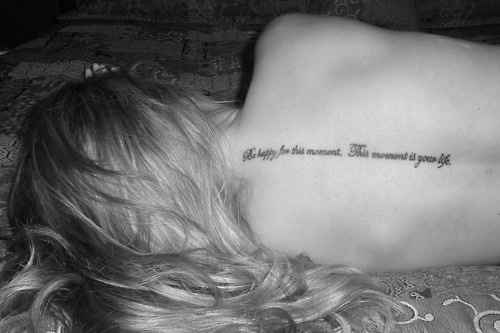
Vertical spine lettering uses the body’s center line as a column. Short phrases stacked one word per line create a ladder of meaning; longer sentences in a continuous script create a ribbon. Both can look intentional when letter spacing, line breaks, and stem height are planned for the real length of your torso—not for a phone screenshot. Ask the artist to mock the stencil at full scale on paper or transfer so you can stand and check balance from nape to lower back.
Symmetry along the spine can feel formal and ceremonial. Slight asymmetry—ornament blooming to one side of a quote—can feel more organic. Neither is “more tattoo.” Choose the mood you want when you see your back in a mirror over your shoulder, which is how you will meet the piece most days.
Scale the column to your torso, not to a celebrity reference. A short nape-to-midback run can hold a compact mantra; a full-length piece needs sturdier letterforms and deliberate pauses so the eye can rest. Negative space beside the spine is not wasted skin—it keeps the vertical idea from looking like wallpaper. If you plan future shoulder or rib work, leave a border so later pieces can approach the column without crowding it.
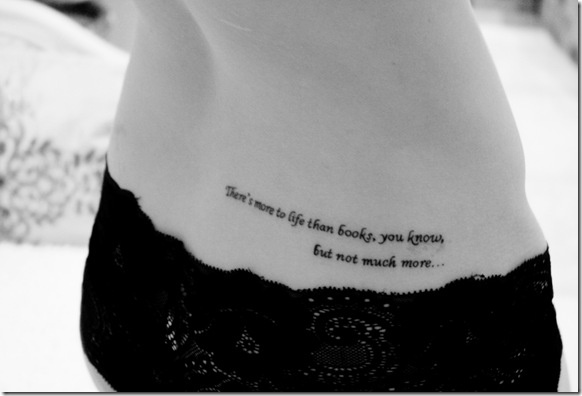
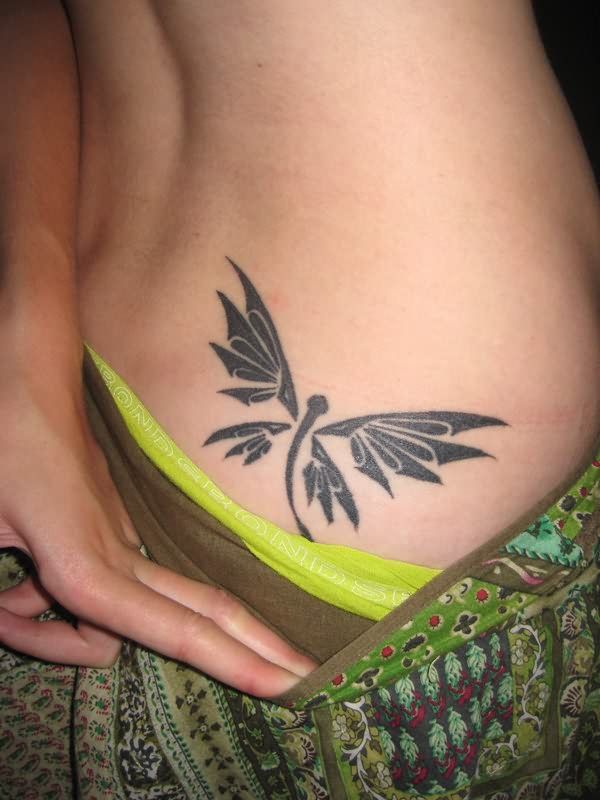
Quotes versus symbols on a tall plane
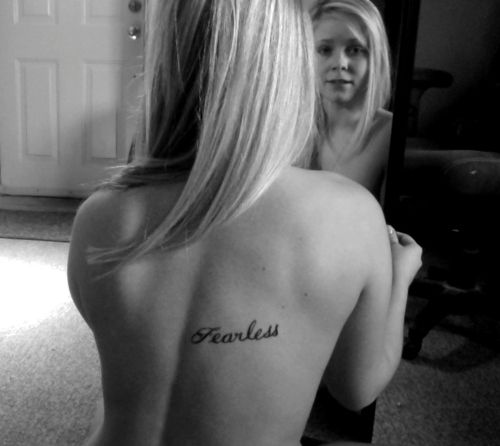
Text-forward spine work lives or dies on typography. Script fonts that look romantic at phone size can tangle when scaled to eighteen inches of height. Sans or serif lettering with clearer counters often ages more cleanly on a long vertical run. If the quote matters more than the flourish, prioritize readability: open apertures, consistent weight, and breathing room between lines.
Symbol-forward back pieces—mandalas, wings, botanical columns, geometric spines—use the same tall field differently. They can frame a short motto or replace words entirely. Mixing a dense ornamental back piece with a long paragraph of text usually forces one element to lose; pick a hierarchy. Hero text with quiet side flourishes, or hero ornament with a short epitaph, beats two heroes fighting for the same vertebrae.
Wide back pieces that ignore the midline entirely—landscape scenes, large animals, ornamental capes across the shoulder blades—are still “back tattoos,” but they answer a different brief than spine quotes. If your references mix midline lettering with full-back murals, separate those folders before the consult. Artists design differently for a column than for a mural that wraps toward the sides.
Clothing, visibility, and the “private public” back
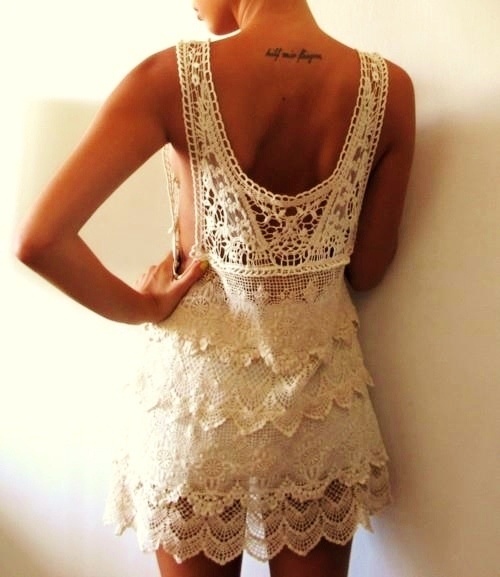
Back tattoos sit in a useful middle ground: fully covered in a high-neck shirt, dramatically revealed in open backs or swimwear. Decide whether you want a piece that is mostly for you, mostly for summers, or built to peek at the nape year-round. Nape-starting designs behave like a public signature; lower-back-only work stays quieter in conservative dress codes. Neither choice is morally loaded—just match the design to your wardrobe reality.
Straps, bra lines, and waistbands cross the canvas. Ask how the artist wants to handle those interruption zones: pause the design, design through with awareness, or keep critical lettering clear of habitual friction. Shoes and socks do not matter here; backpacks and chair backs sometimes do. Practical placement talk belongs in the consult alongside aesthetics.
Session planning for a large plane (logistics, not medical claims)
Large back or full-spine pieces often take more than one appointment. That is a scheduling and budget fact, not a toughness contest. Talk about how the artist prefers to break the work—outline first, then fill; top half then bottom; text first then ornament. Bring references that show density you like and density you do not. Leave recovery time between sessions according to the studio’s guidance.
Studio hygiene, licensing, and aftercare instructions come from the shop you choose. This article stays on looking and composing. If you have health questions about tattooing, ask a qualified clinician and your artist—do not take blog folklore as clinical guidance.
How to use this gallery in a spine/back consult
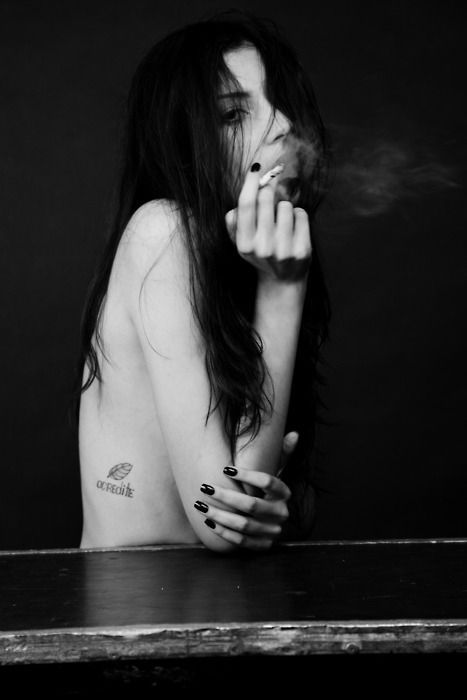
Save two images that nail vertical lettering and two that nail ornamental back structure. Circle line weight, stack pattern, and how far the design travels toward the shoulders. Cross out anything you only liked because of the model’s pose or the photo crop. Measure your own torso length roughly so an artist can sanity-check quote length. A twelve-word mantra and a four-line poem need different real estate.
If you already have shoulder, rib, or hip work, bring healed photos. Back pieces should converse with existing ink, not collide. Future sleeves and chest pieces also deserve a little unmarked border so later work can connect without crowding the spine column.
The best spine and back tattoos look inevitable when you turn around—text or symbol climbing a plane that was waiting for them. Use this set to clarify whether you want a midline voice, a wide back mural, or a hybrid with clear hierarchy. Then let an artist who draws strong vertical compositions translate the idea onto your actual proportions, not onto someone else’s photograph.

Comments
Continue reading
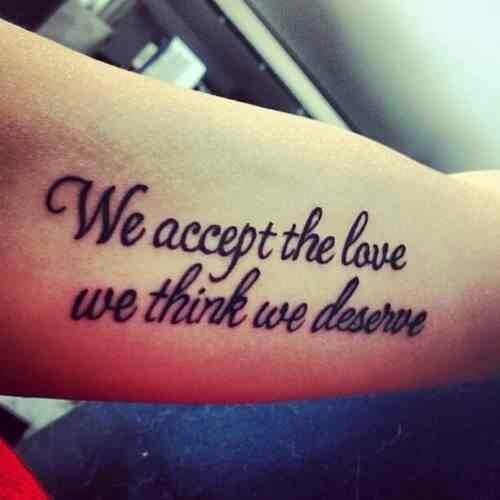
Meaningful Love Quotes for Inspiration (and Ink)
Meaningful love quotes that still feel true — short lines for tattoos, gifts, and everyday reminders, with placement and wording tips.
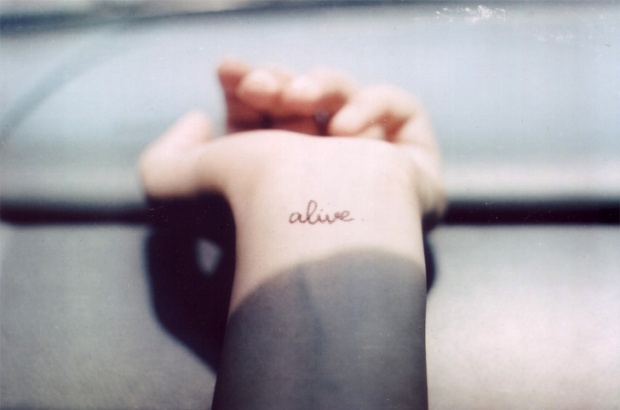
40 One-Word Tattoo Ideas: Placement, Type, and Meaning
A gallery of single-word tattoos—love, faith, strength, wanderlust, and more—with guidance on typography, body placement, and choosing a word that still fits years later.
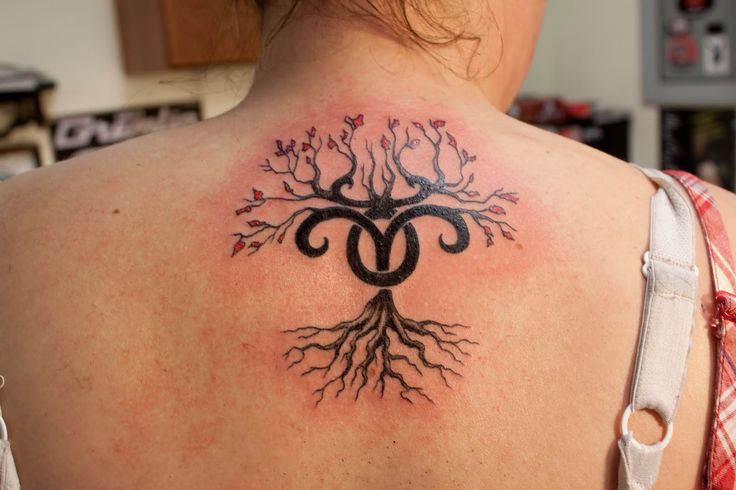
16 Taurus Tattoo Ideas: Bulls, Glyphs, and Venus-Inspired Ink
Sixteen Taurus tattoo directions—from minimal glyphs and constellation maps to floral bulls and bold blackwork—plus placement and artist tips for lasting earth-sign ink.