
How to Finish a Thesis Faster: Process Tips from Academic Writers
Speed up thesis work with clearer questions, organized sources, full outlines, legitimate tools, and scheduled drafting—without ghostwriting or essay-mill shortcuts.
A thesis feels slow when the work has no sequence. Days disappear into open tabs, half-notes, and a blank chapter file that never quite starts. Speeding up is not about cutting corners on rigor. It is about removing the stalls that professional academic writers learn to avoid: unclear questions, thin sources, missing outlines, and tools used too late. The habits below keep the project yours—your research, your analysis, your words—while compressing the calendar.
Think of “twice as fast” as a directional goal. You will not magic away fieldwork or ethics review. You can, however, stop rewriting the introduction five times before the literature review exists, and you can stop losing weeks to disorganized notes.
Clarify the question before you draft paragraphs
Unfocused topics create endless reading with little payoff. Spend early sessions narrowing to a question that is specific, answerable with methods you can actually run, and connected to a real gap in the literature. Write the question in one sentence. Then write what would count as evidence for an answer. If you cannot name the evidence, the question is still too vague.
Test the question with a supervisor or committee early. A fifteen-minute alignment conversation can save a month of drafting in the wrong direction. Keep a short “scope note” next to the question: what you will not cover. Boundaries accelerate decisions when interesting side paths appear.
Build a working library, not a pile of PDFs
Fast thesis writing depends on knowing the conversation you are joining. Gather core books, review articles, and recent empirical papers in your subfield before you try to produce polished prose. Skim strategically: abstracts, methods, findings, and limitations first. Capture bibliographic data in a reference manager from day one so you never rebuild citations by hand at the end.
For each important source, record three lines in your own words: the claim, the method, and how it relates to your question. That habit prevents accidental patchwriting later and makes the literature chapter assemble from notes instead of from rereading every PDF. When sources conflict, note the conflict explicitly—those tensions often become the sharpest parts of a thesis argument.
If your library feels thin, ask a subject librarian for database strategies and citation-chaining techniques. Interlibrary loan and institutional repositories often unlock material that general web search misses. Depth early is what prevents panic mid-draft.
Use digital tools for organization and analysis—not for outsourcing authorship
Technology helps when it manages complexity you would otherwise track in your head. Reference managers, spreadsheet logs of participants or archival items, qualitative coding software, and statistical packages reduce error and shorten analysis cycles. Calendar tools and simple project boards keep milestones visible: proposal, data collection, analysis, draft chapters, revision, submission.
Topic generators and random title sites are weak substitutes for reading. Better “topic tools” are concept maps you build from notes, supervisor feedback, and annotated bibliographies. For data, choose tools your department supports so you can get help when stuck. Document every cleaning step and decision rule as you go; reconstructing analysis months later is one of the slowest failure modes in graduate work.
Institutional writing centers, statistical consulting offices, and disability support services are legitimate accelerators. They improve your process and your clarity. They do not replace your authorship. Keep that line bright.
Outline the whole thesis before polishing any chapter
An outline is a time machine. It forces structure while changes are still cheap. Draft a skeleton that includes, at minimum:
- Introduction and problem statement
- Background and context
- Aims, objectives, and research questions
- Literature review themes (not a book report list)
- Methodology and limitations
- Findings or results
- Discussion linking findings to the literature
- Conclusion, contributions, and future work
Under each heading, add bullet claims you expect to support, plus the evidence sources or data slices that will do the supporting. When a section has claims but no evidence path, you have found a research gap in your plan—fix it before you write elegant sentences around a hole.
Update the outline after every major feedback cycle. Treat it as a living map, not a formality for a proposal defense. Writers who outline tend to draft in any order: methods while data collection is fresh, results tables before discussion prose, literature themes in parallel with analysis. That flexibility is a major speed gain.
Study strong examples without copying them
Finished theses in your department—especially award winners or recent submissions in your method tradition—are the best models for structure, tone, and formatting expectations. Read them as apprentices read master work: notice chapter length, how literature is grouped, how methods justify choices, and how findings are presented. Take notes on patterns. Do not lift phrasing, unique organization of someone else’s argument, or tables of results that are not yours.
Style manuals and department templates belong in the same folder as your draft. Formatting battles at the end steal days. Set heading styles, margins, and citation format correctly in the first week of drafting so every page you produce is already close to submission shape.
Write in short, scheduled blocks with a clear daily target
Waiting for a free weekend is how theses stall. Schedule recurring writing sessions and protect them like classes. Start each session with a micro-goal: “draft the sampling subsection,” “code five interviews,” “revise the conceptual framework paragraph.” End by writing a one-line note about the next action so re-entry is instant.
Separate drafting from editing. Fast first drafts are allowed to be ugly. Slow polishing belongs to a later pass when the argument exists. Many writers lose weeks “perfecting” chapter one while chapter four has no data narrative yet. Sequence for dependency: what must exist before the next piece can be true?
When motivation dips, shrink the unit of progress. A bad outline bullet you can improve tomorrow still beats a blank page you resent.
Run a feedback loop that does not derail you
Send supervisors work that matches what they can usefully comment on: a revised outline, a methods memo, a findings table with draft interpretation—not a surprise 80-page dump after radio silence. Ask specific questions: Is the scope still viable? Is this analysis plan appropriate? Which literature thread should lead?
Peer writing groups help with accountability and clarity. Swap sections for comments on readability and logic, not for rewriting each other’s prose. Keep version control simple and consistent so feedback does not scatter across five filenames.
Protect integrity while you accelerate
Pressure invites shortcuts that create worse delays: plagiarism findings, rejected chapters, or ethical problems with data. Cite as you write. Paraphrase from notes, not from a source window open beside a half-copied sentence. Store consent forms and raw data according to your approval protocol. If you use editing software or generative tools for brainstorming or grammar checks, follow your institution’s policies and never present machine-written analysis as your own research insight.
Hiring someone to write the thesis for you is not a productivity tip. It is academic misconduct. Legitimate help looks like tutoring, coaching on structure, statistical consultation, and editing for language clarity where allowed—always with you remaining the author of the scholarly contribution.
A one-week reset if you are already behind
If the project feels stuck, try a contained reset rather than vague resolve:
- Rewrite your research question and scope note on a single page.
- Build or refresh the outline with evidence paths under each section.
- File every open PDF into the reference manager and finish source notes for the ten most important works.
- Book the next supervisor check-in with a concrete artifact attached.
- Schedule six writing blocks for the coming week with named targets.
By Friday you may not have a finished chapter, but you should have motion again—clear question, visible structure, and a queue of doable tasks. That is how experienced academic writers actually go faster: not by skipping the hard parts, but by lining them up so each hour of work advances the thesis you still have to author yourself.

Comments
Continue reading
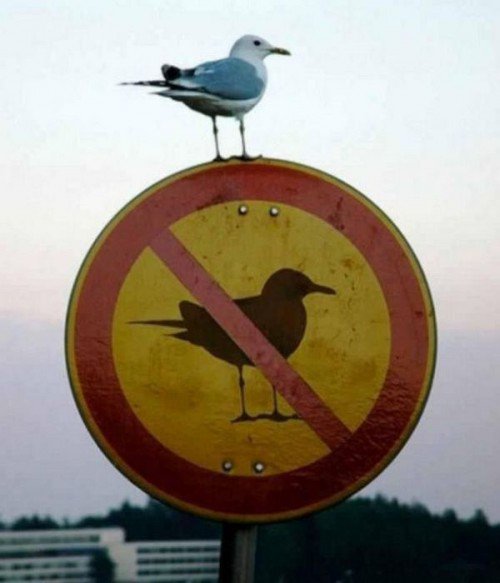
Funny Animal Signs That Warn People (While Animals Ignore Them)
From a seagull on a no-birds disc to classic zoo and park ironies—why animal warning signs get funny, and what the rules are still for.

How to Find Local Amenities on Vacation: Mechanics, Haircuts & More
Locate trustworthy local services and everyday spots while traveling or settling in—using publications, reviews, map apps, neighbor tips, and low-pressure exploration.

Kristen Stewart for V Magazine, Spring Preview 2013
V81’s Wild at Heart cover story—Kristen Stewart shot by Inez & Vinoodh, styled by Joe McKenna, in pale minimal spring glamour.