
How to Decorate Candles Safely for Tables, Mantels, and Gifts
Creative candle styling ideas—wraps, botanicals, trays, and seasonal themes—with clear safety rules so decorations never fight the flame.
A plain candle already does the hard work: it holds a flame and softens a room. Decoration is optional, but it is also one of the easiest ways to make a table, mantel, or gift look considered without buying a new set of expensive pillars. The best decorated candles still burn safely, smell clean, and do not shed glitter into the wax pool. Beauty that ruins the burn is just clutter with a wick.
Think of candle decorating as styling a small vertical surface. You can change the container, the wrap, the collar around the base, or the temporary ornaments you set beside the flame. Permanent treatments and burn-time treatments are different projects—keep them separate so you do not melt a craft experiment onto your tablecloth.
Start with the candle type. Tapers suit formal dinners and need slim decoration: a ribbon tied below the drip line, a simple holder upgrade, or a coordinated set of colors. Pillars take wraps, pressed botanicals under a clear skin of wax or adhesive film rated for craft use, and trays of supporting objects. Votives and tea lights are best treated as a group—many small units look richer than one over-decorated mini candle. Jar candles already have a vessel; decorate the glass outside the burn zone, or style the lid and surrounding tray instead of the wax itself.
Safety comes before aesthetics. Never add flammable loose material that can fall into the melt pool. Keep ribbons, dried flowers, paper, and fabric below the point where the flame will sit as the candle burns down, or remove them before lighting. Do not embed plastic gems or metal charms in the top of a pillar you plan to burn. If you love a heavily ornamented look, treat that candle as a display piece and light a plain twin nearby.
Color is the simplest upgrade. A cluster of the same height in related tones—cream, sand, soft gray—reads calm. One deep accent candle among pales can mark a centerpiece without needing patterns. For holidays, restraint still wins: two colors plus one metallic accent usually looks more intentional than a rainbow of leftovers from craft bins.
Texture does more work than pattern. Wrap a pillar with natural twine, leave a clean gap at the top for burning, and tuck a sprig of evergreen or eucalyptus into the knot for a seasonal table. Linen strips, narrow velvet ribbon, and matte washi designed for craft projects can collar a jar. Avoid shiny tape that peels in heat. If you want a permanent look on an unused display candle, craft stores sell adhesive wraps and transfer papers—test on a scrap first so seams stay invisible.
Botanicals are classic for a reason. Pressed leaves, thin citrus slices dried until stiff, and small fern tips can sit under a clear medium on the outside of a glass vessel, or be arranged on a tray around pillars rather than stuck to wax. Fresh flowers wilt; dried ones last longer but are flammable. Treat botanicals as a removable collar: wire or string them to a ring that lifts off when the candle is lit.
Scented candles complicate decoration because fragrance oils and add-ons compete. If the candle already smells strongly, keep visual decoration minimal so the room does not feel busy in two senses at once. Unscented pillars are better canvases for heavy styling, especially on dinner tables where food aroma should lead.
Holders and trays are half the design. A mismatched set of candlesticks becomes a collection when you unify them with similar metal finish or similar candle color. A wooden board, marble offcut, or shallow ceramic dish gathers votives into one composition. Add height variation: three levels look deliberate; ten random heights look like storage overflow. Mirror trays bounce light but show every wax drip—line them with a removable mat if cleanup matters.
For events, build a kit rather than a one-off sculpture. Pack identical wraps, spare ribbon, a lighter, and a few undecorated backups. Guests bump tables; wax spills; decorations shift. A decorated candle that can be rebuilt in two minutes is more useful than a fragile masterpiece. Label which pieces are display-only so helpers do not light the wrong ones.
Children’s crafts and adult entertaining need different rules. Kids can decorate cardstock sleeves that slide over battery candles, or paint glass votive cups with craft paint meant for glass, then use real tea lights only with supervision. Battery candles open options—paper cutouts, stickers, paint—that flame candles cannot safely accept. Mixed tables of real and battery sources work if the eye level and color temperature match closely enough.
Painted candles look striking in photographs but need the right materials. Candle-safe or craft paints formulated for wax exist; ordinary acrylic can flake into the melt. Paint the lower two-thirds and leave a burn margin. Metallic paint catches light beautifully on unused display pillars for mantels and styled shelves.
Etched and frosted glass jars give a soft glow without touching the wax. Frosting spray designed for glass, applied with a stencil, creates patterns that stay outside the flame. Clean the glass thoroughly first so the frosting adheres evenly. This approach suits rented venues where you cannot alter furniture but can bring your own vessels.
Seasonal themes work best as systems. Winter: evergreen, cinnamon sticks bound as a removable cuff, deep red or forest green pillars. Spring: pale tapers, small nests of moss on trays (kept away from flame), soft florals in separate vases. Summer: citrus, clear glass, white candles. Autumn: amber glass, dried wheat collars, fewer sweets-scented candles near food. Repeat the same motif across the room rather than inventing a new idea for every surface.
Gifting decorated candles is popular because the result feels handmade. Pair a simply wrapped pillar with a note about burn safety and scent. Avoid loose glitter gifts; glitter migrates into everything. Prefer fabric wraps, stamped tags, and a matching box of plain tea lights so the recipient can actually use the present.
Storage and reuse matter if you decorate often. Keep ribbons and botanical collars in a labeled box so they can return each year. Discard anything that has been near an open flame and shows scorch. Wipe jars before rewrapping so old adhesive does not telegraph through new paper.
Common mistakes are easy to avoid. Do not bury wicks under toppings. Do not crowd candles so flames share air poorly and soot up walls. Do not place decorated candles under shelves where heat builds. Trim wicks before each burn, even if the wrap looks perfect—long wicks smoke and can catch nearby decoration.
If you want a polished look with almost no craft time, buy plain candles in one finish and spend the effort on the surrounding composition: books, low flowers, fruit, and a consistent tray. Decoration on the candle itself is only one tool. Sometimes the most beautiful candle in the room is the unadorned one sitting in the right place.
Which surfaces in your home already ask for soft light—dining table, bath edge, entry console—and which of those can handle a removable wrap versus a permanent display piece? Answer that before you open the glue, and the decorations will serve the room instead of fighting the flame.

Comments
Continue reading

Garden Decoration Beyond Beds: Lace, Mosaiculture, and Upcycled Yard Art
From dressed topiary and floral cyclists to license-plate dragonflies and lace between trees—garden decorations that give a yard a voice.
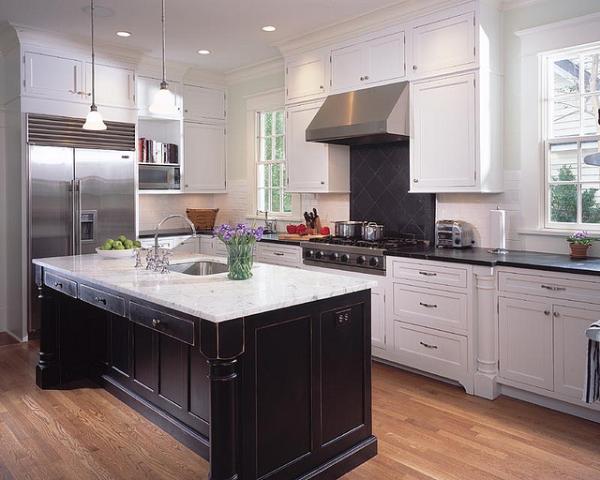
Kitchen Design Ideas: Layout, Storage, Light, and Finishes That Work
Practical kitchen design ideas—work zones, cabinetry, lighting, and durable finishes—so inspiration translates into rooms that cook and gather well.
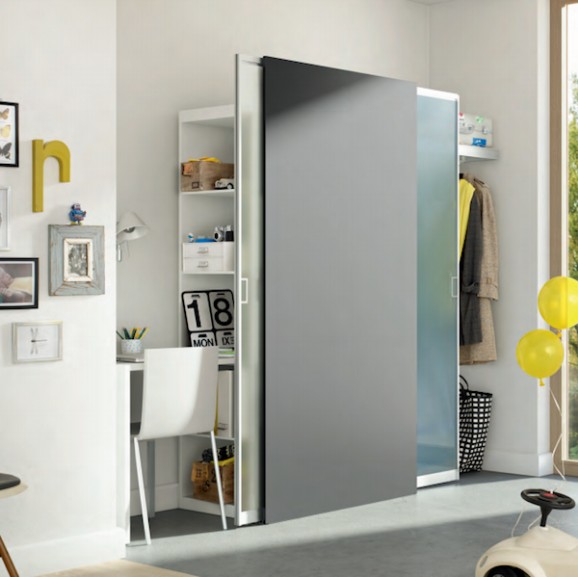
25 Cool Room Partition Ideas That Actually Divide Space
From frosted sliders and pallet screens to book towers and branch walls—twenty-five ways to carve rooms without building solid walls.