
Balcony Gardens: Small Outdoor Spaces, Dense Planting Ideas
How to read balcony garden inspiration—containers, light, wind, privacy, and practical layout ideas for a lush ledge without a backyard.
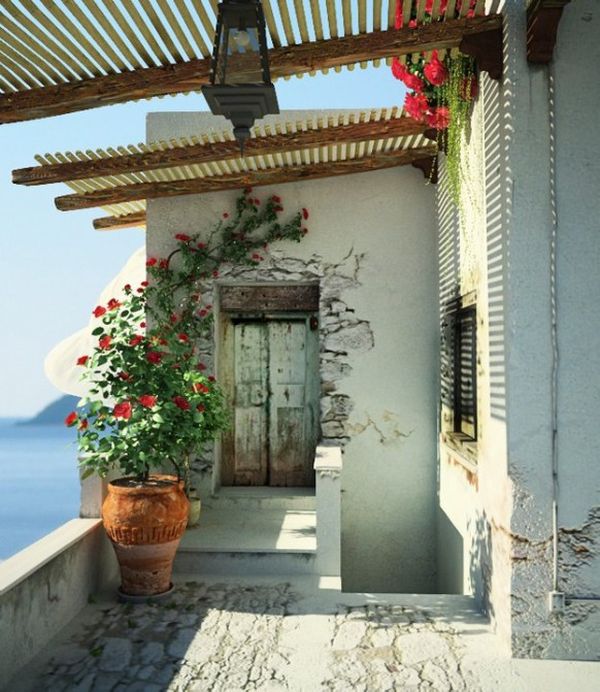
A balcony can be a corridor to the laundry rack, or it can be a vertical garden with a view. The difference is rarely square footage. It is intention: what you plant, how you contain it, how you sit among it, and how the railing meets the sky. Collections of balcony garden ideas exist because city living keeps shrinking outdoor space while the desire for green does not shrink with it.
The photograph below is one of those reminders. Lush planting, layered height, and a sense that the outdoor room belongs to plants first and furniture second. Inspiration boards like this one do not hand you a shopping list. They hand you a mood—and a set of problems worth solving on your own ledge.
What a balcony garden is for
Balcony gardens sit between patio landscaping and windowsill herbs. They inherit constraints: weight limits, wind, neighbors’ sightlines, water runoff, and building rules about hanging pots. They also inherit gifts: elevation, reflected light from pale walls, and a framed view that a backyard rarely edits so tightly.
Most people want three things from the space. Softness—something living against concrete and metal. Use—a place to drink coffee, read, or grow a few edible leaves. Privacy—enough foliage or screen to feel less displayed to the street. A strong balcony design usually picks a primary job and lets the others support it. Trying to host a dinner party, a tomato farm, and a spa day on four square meters is how clutter wins.
Containers, structure, and the vertical habit
On a balcony, the ground plane is scarce, so height becomes the real estate. Rail planters, stacked pots, wall pockets, and climbing frames turn a thin outdoor strip into layers. The visual trick in many inspirational photos is density with order: plants crowd companionably, but pots align, colors repeat, and a path of empty floor remains for feet and a chair.
Weight is the unglamorous design constraint. Soil and water are heavy. Large ceramic pots look beautiful and can overload a slab if you fill every corner. Lighter containers, better drainage, and fewer oversized vessels often outperform a showroom of giant urns. If your building has rules, read them before you fall in love with a trough the size of a bathtub.
Drainage is the other quiet rule. Plants hate wet feet; downstairs neighbors hate your overflow. Saucers, self-watering inserts, and careful watering schedules matter as much as flower color. A balcony garden that looks lush in a photograph still has to behave like a polite upstairs resident.
Light, wind, and plant choice
Orientation decides half the plant list. A south-facing ledge in high summer can fry delicate leaves; a north-facing one may keep foliage soft but starve bloomers. Wind tunnels between buildings shred tall stems and dry pots faster than garden beds. That is why balcony classics lean on tough herbs, compact shrubs, trailing annuals, and climbers that can be tied in rather than left to thrash.
Edibles earn their keep when space is tight. Basil, chives, salad leaves, cherry tomatoes in a deep pot, and strawberries in hanging baskets give daily reasons to step outside. Ornamentals earn theirs differently: evergreen structure in winter, scent near the door, color that reads from indoors when the weather keeps you inside.
Mixing textures—fine grasses, broad leaves, trailing stems—makes a small planting read richer than a single species army. Repetition still helps. Two or three plant types repeated along the rail often look more intentional than twelve novelties competing for attention.
Furniture that does not fight the plants
Folding chairs, a narrow bench, or a single compact table usually beat lounge sets sized for a terrace. The garden should remain the subject. Furniture that folds or stacks respects seasonal planting changes and winter storage. Soft textiles—a cushion, a small rug rated for outdoor use—warm the hard surfaces without claiming the whole floor.
Lighting extends the season of use. A string of warm bulbs, a clip lamp, or solar stakes can turn evening watering into a reason to stay outside. Keep electrical choices safe and building-legal. The goal is atmosphere, not a festival install.
Screens and blinds are privacy tools, not only décor. Bamboo rolls, outdoor curtains, or a line of tall pots can soften the feeling of being on display. In dense cities, that psychological comfort is often what makes people actually use the balcony instead of treating it as storage.
Design patterns worth stealing from inspiration photos
Look for a green frame: plants along the rail that turn the city into a backdrop instead of a billboard. Look for layers: low pots in front, mid height behind, climbers or hanging baskets above. Look for a single accent—terracotta repetition, painted floor, or one bold chair—so the eye has a resting place.
Also notice what is missing. The best balcony gardens rarely show plastic bags of soil, tangled hoses, or five mismatched dead plants. Editing is part of gardening. Remove what no longer thrives. Empty a pot rather than leave a ghost in the composition.
Seasonal rotation keeps the space alive. Spring bulbs and cool herbs, summer color and tomatoes, autumn grasses and evergreens, winter structural pots with lights or branches. You do not need a new design every month. You need a few swaps that match the weather you actually have.
A practical starter checklist
- Confirm load limits and building rules before buying heavy pots.
- Map sun and wind for a week; plant for reality, not hope.
- Choose one primary use: sitting, herbs, or floral display.
- Leave a clear walking strip; crowding kills both plants and calm.
- Plan watering and drainage as carefully as plant shopping.
- Repeat containers or colors so the ledge looks designed, not improvised.
Why these images keep circulating
Balcony garden photos travel because they promise a better daily life without a mortgage-sized yard. They speak to renters and owners alike. A railing lined with green suggests that urban density can still hold a private outdoor room. That promise is aspirational, and it is also achievable in partial form—one rail planter, one chair, one herb pot by the door.
Inspiration collections from the early 2010s already understood that. Flickr albums, design blogs, and home magazines traded the same vocabulary: containers, climbers, cushions, city skyline beyond the leaves. The image on this page belongs to that conversation. It is not a product pitch. It is a visual argument that a small outdoor edge can feel abundant.
If you take one idea from balcony garden galleries, let it be density with discipline. Fill the vertical plane. Protect the floor path. Choose plants that match your light. Then sit down long enough to notice that the city sounds different when there are leaves between you and the street.

Comments
Continue reading
Kitchen Design Ideas: Layout, Storage, Light, and Finishes That Work
Practical kitchen design ideas—work zones, cabinetry, lighting, and durable finishes—so inspiration translates into rooms that cook and gather well.

Attic Decoration Ideas: Bedrooms, Offices, and Characterful Lofts
Turn leftover roof space into a bedroom, office, media loft, or characterful retreat—working with slopes, light, storage, and climate instead of fighting them.

Inspirational Bathtub Designs: Vintage, Copper, Stone, and Beyond
Design ideas for bathtubs—from vintage clawfeet and Georgian calm to copper and stone—plus how to choose a silhouette that fits your room and your soak.