
Inspirational Bathtub Designs: Vintage, Copper, Stone, and Beyond
Design ideas for bathtubs—from vintage clawfeet and Georgian calm to copper and stone—plus how to choose a silhouette that fits your room and your soak.
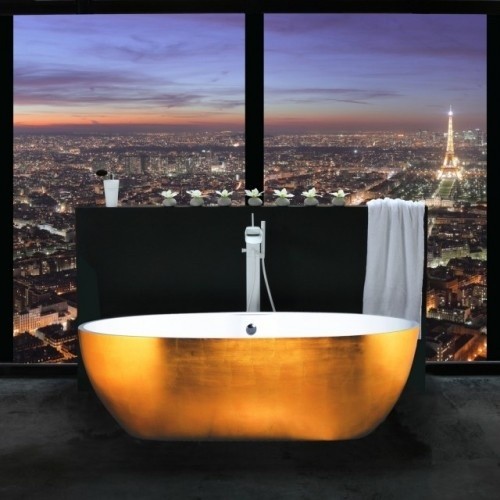
A bathtub can be plumbing, or it can be the reason you walk into the bathroom and exhale. The difference is rarely square footage alone. Shape, material, finish, and how the tub sits in the room decide whether bathing feels like a chore squeezed into a wet room—or like a small, deliberate retreat. Vintage clawfeet, Georgian formality, hammered copper, carved stone, deep freestanding ovals: each language says something different about comfort and style.
This gallery gathers bathtub design ideas across those moods. Use it as a visual brief when you renovate, refresh a rental bathroom within reason, or simply decide what kind of soak you want at the end of a long week. Look for silhouette first, then material and setting—the three things that photograph well and still hold up in daily life.
Start with the job of the tub
Before you fall for a photogenic vessel, name what the bathtub must do. Is it a true soaking tub for adults who stay until the water cools? A shallower everyday bath for kids and quick rinses? A sculptural centerpiece in a primary suite that will be used weekly, not hourly? Those answers change depth, length, overflow height, and whether freestanding drama is worth the floor space.
Also decide whether the tub shares the room with a separate shower. A combined tub-shower often pushes you toward built-in alcoves and practical ledges. A dedicated soaking zone frees you for freestanding forms, richer materials, and more intentional lighting. Neither is “better”; they solve different bathrooms.
Measure twice—especially for freestanding pieces. Path of travel around the tub, door swing, towel reach, and the boring realities of supply lines and drains all matter more than a single beautiful photo. Inspiration should expand your options, then meet the plan of the room you actually own.
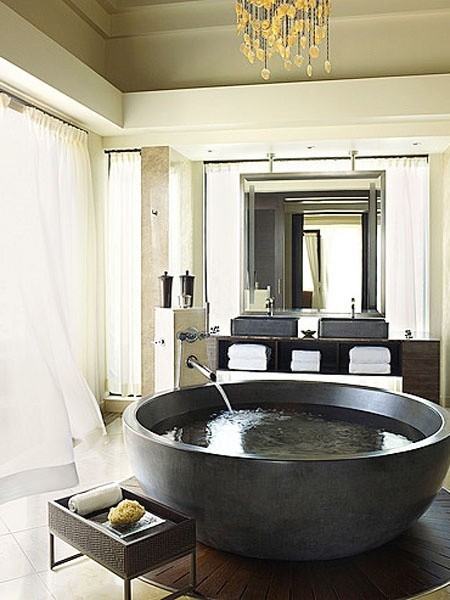
Vintage and clawfoot character
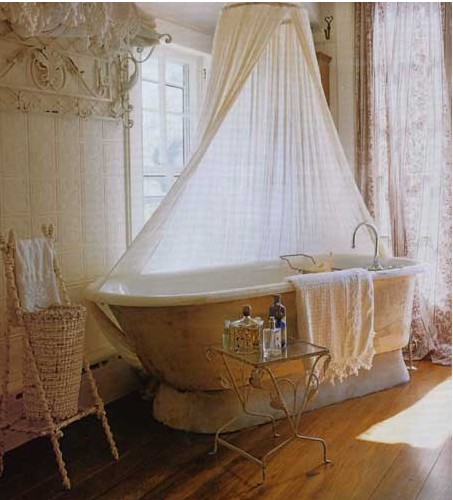
Vintage-inspired tubs carry a story: raised feet, rolled rims, painted exteriors, sometimes a brighter interior that catches light. They suit rooms that already lean historic—beadboard, patterned tile, brass or aged-metal fittings—but they can also soften a modern shell if you keep the surrounding palette quiet and let the tub be the ornament.
When you study vintage forms, notice proportion. A tall, narrow tub feels different from a broad, low roll-top. Feet can be ornate or restrained; the more decorative the feet, the calmer the wall and floor usually need to be so the composition does not shout from every surface. Exterior color is a powerful lever: soft cream and dove gray stay timeless; deep green, navy, or black reads more fashion-forward and pairs well with pale stone or subway tile.
Practical note for the look, not a product pitch: freestanding vintage styles often want a bit of breathing room. Crowding a clawfoot between vanity and wall can make the feet feel accidental instead of intentional. Leave a clean silhouette if the photos you love show the tub as sculpture.
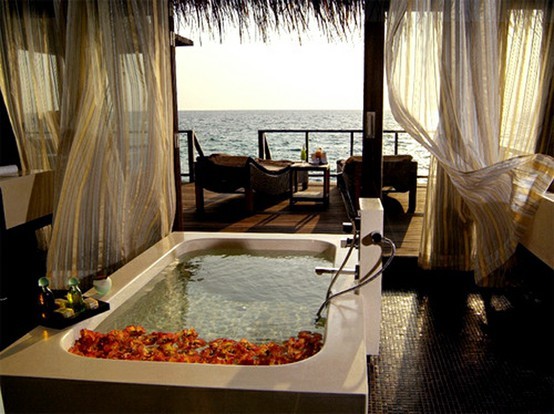
Georgian calm and formal balance
Georgian-influenced bathrooms chase symmetry, quiet moldings, and a sense that nothing is rushing. The tub in that world often feels composed rather than playful—clean oval or rectangular lines, paneling or panel-like surrounds, restrained hardware, and lighting that flatters skin without nightclub drama.
If that is your direction, edit hard. One strong tub, one thoughtful mirror story, one consistent metal finish. Pattern can live in tile or a single textile, but the tub itself usually stays solid and dignified. Depth still matters: a formal look fails if the water line is too shallow for a real soak. Style and comfort are not opposites here; Georgian rooms simply prefer comfort that does not advertise itself with gadgets.
Color tends toward chalky whites, soft putty, warm stone, and wood that could belong in a library. Brass and nickel both work when used consistently. Avoid mixing five “heritage” accents that fight each other—pick a century’s mood, not a prop closet.
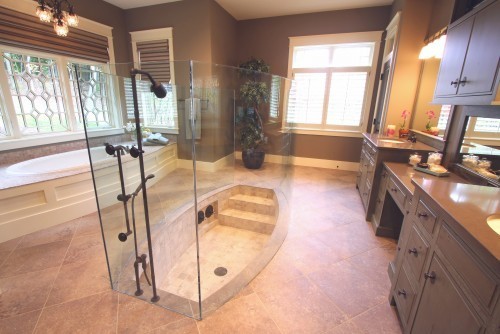
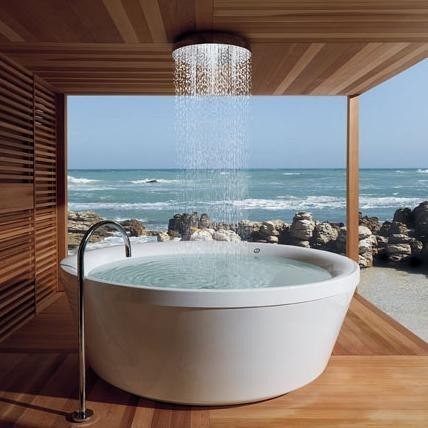
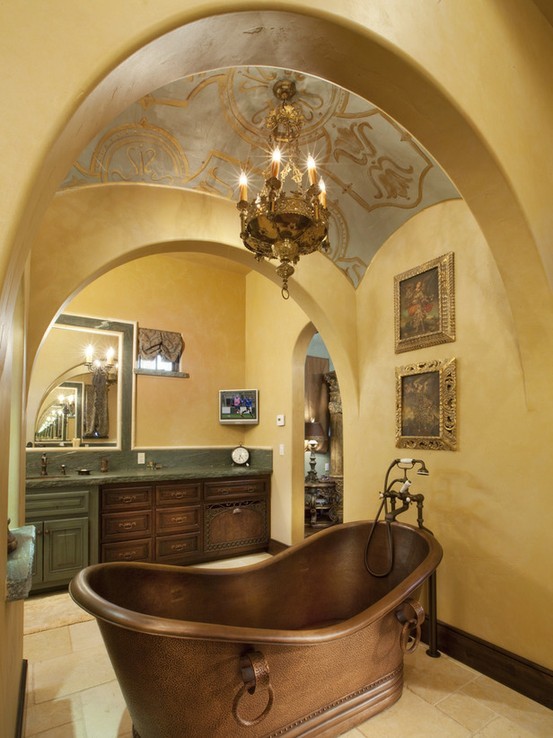
Copper, metal, and warm reflection
Copper and other metal-skinned tubs change a room the way a fireplace does: they add warmth even when empty. Hammered textures catch light in small highlights; smoother metal skins read more contemporary. Either way, metal asks for neighboring materials that can share the heat—stone, plaster, wood, linen—rather than cold, high-gloss plastic everywhere else.
Think about maintenance and lifestyle honestly with your installer or supplier, because metal finishes age and mark differently than porcelain. From a design perspective alone, decide whether you want the tub to patina into a living surface or stay closer to a polished object. That preference should guide how much visual “noise” you put on nearby walls. A vivid copper oval often wants quiet tile and fewer competing metallics.
Lighting loves copper. A soft side light or a pendant that does not glare into the water can make evening baths feel cinematic without turning the bathroom into a stage set. Keep task lighting for the vanity separate so makeup and shaving stay practical.
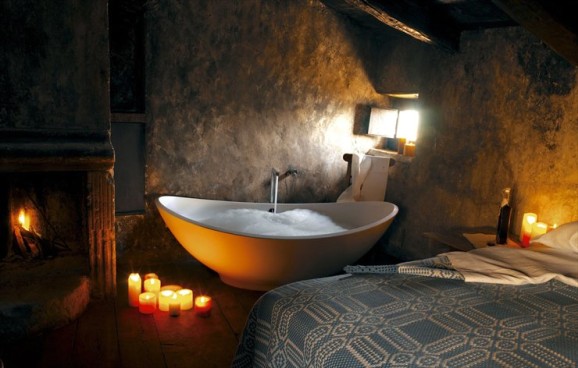
Stone, solid surfaces, and grounded calm
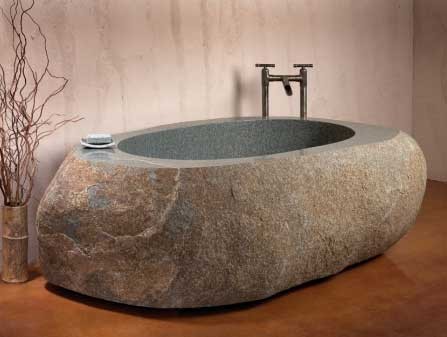
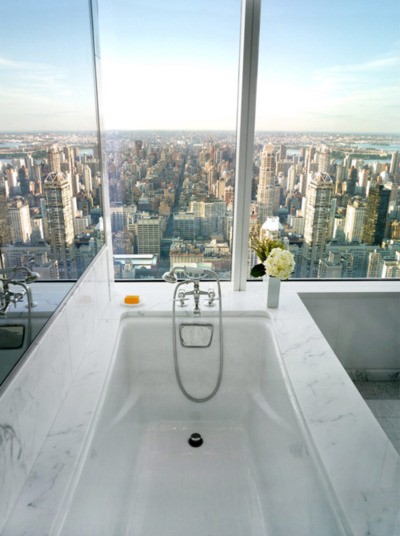
Stone and stone-look tubs pull the bathroom toward landscape—solid, quiet, slightly monumental. They suit rooms with natural light, textured plaster, and outdoor views, but they also work in city apartments when you want the bath to feel like a pause button. The visual weight is the point; a thin, skittery pedestal under a massive stone bowl usually looks wrong, while a confident block or thick-walled vessel feels inevitable.
Watch scale. A thick-walled stone tub in a tiny powder-bath footprint will overwhelm circulation. In a generous suite, the same piece can anchor a window wall and make the rest of the finishes feel intentional. Pair stone with wood and soft textiles so the room does not tip into cave territory unless that is exactly the mood you want.
Color range runs from pale limestone calm to charcoal drama. Veining and mottling should be considered against floor tile: either echo the movement lightly or contrast with a quieter field so the tub remains the hero.
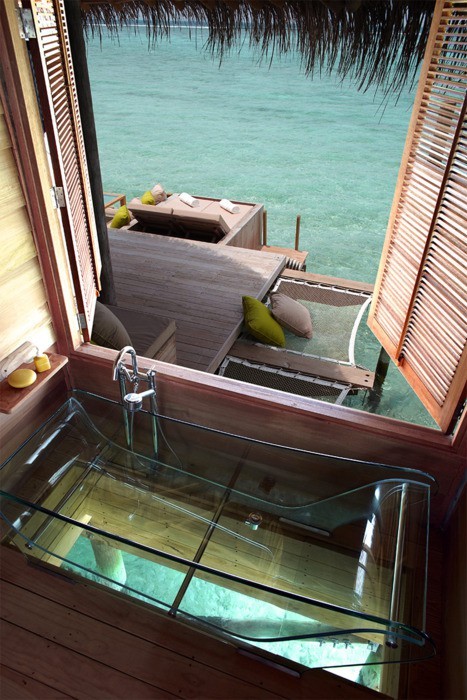
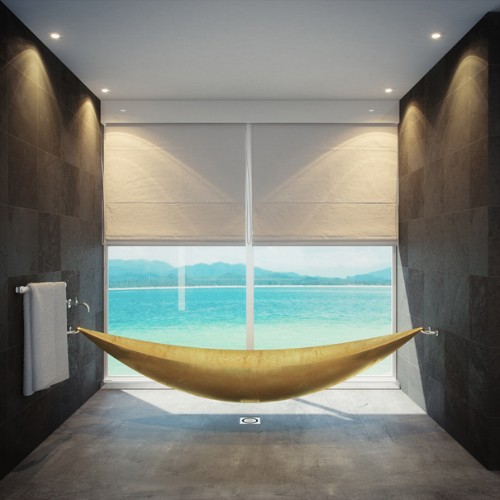
Freestanding modern ovals and sculptural whites
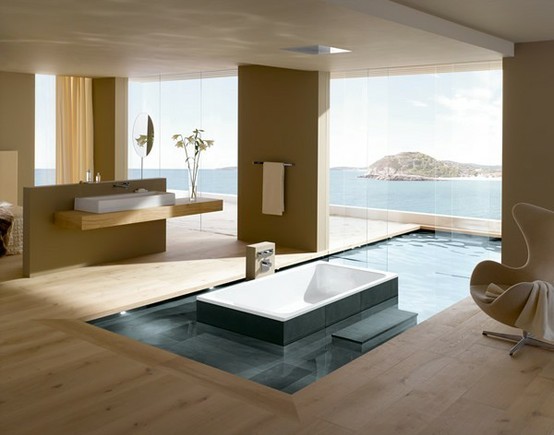
Many contemporary bathrooms choose a smooth freestanding oval or slipper profile in white or soft gray. The appeal is clarity: one continuous form, minimal hardware, a sense that the room has been edited. These tubs photograph beautifully beside large tiles and frameless glass showers, but they still need context—otherwise they can feel like showroom islands.
Give a modern freestanding tub a reason to sit where it sits. Center it on a window if privacy allows. Align it with a ceiling beam or pendant. Echo its curve in a round mirror or arched doorway so the geometry feels composed. Flooring continuity helps; a rug too close to splash zones is often more wishful than wise, so let tile or stone do the framing.
Depth and backrest angle separate pretty tubs from comfortable ones. If you love a particular silhouette in a photo, ask how the lumbar support feels for someone your height. Inspiration is visual; the soak is physical.
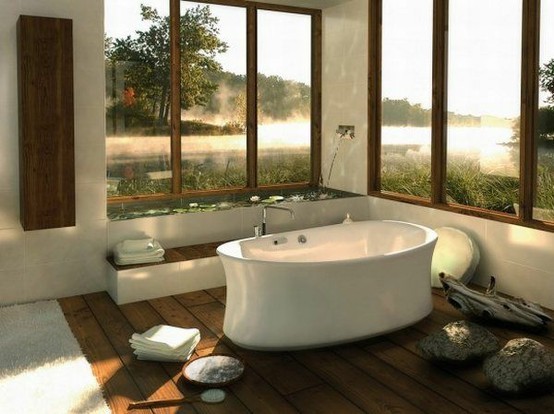
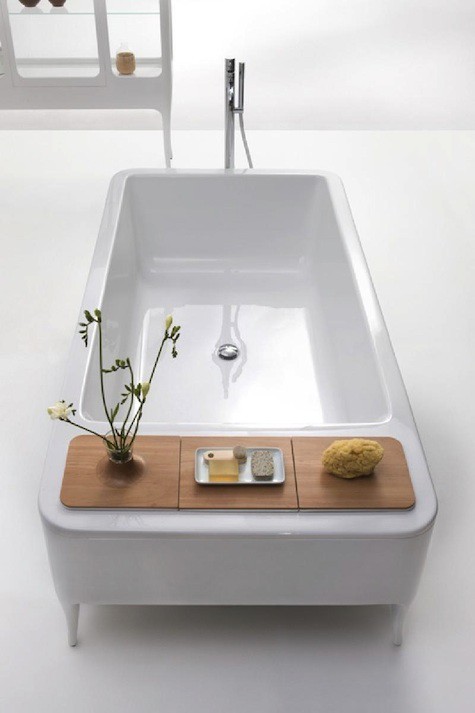
Setting, tile, and the room around the water
The tub never designs itself in isolation. Floor tile scale, wall height of waterproof finishes, window treatments that tolerate humidity, and where towels live all either support the fantasy or puncture it. Niche shelves for soap beat precarious candle piles. A small stool or bench nearby can hold a book without turning the ledge into clutter storage.
Consider sound and light as design materials. Soft closing doors, a quieter fan, and dimmable warm bulbs change how long you stay. Plants only belong where they will actually survive. If you want spa atmosphere, prioritize emptiness and good materials over a shelf of unused bottles.
Color strategy is simple: either the tub is the accent and the envelope stays calm, or the envelope carries pattern and the tub stays quiet. Dual accents—loud tile plus loud tub exterior—can work in expert hands, but most rooms look more expensive when one surface leads.
A short selection checklist
- Silhouette: clawfoot, slipper, oval freestanding, built-in, or solid block—pick one primary story.
- Material mood: porcelain calm, copper warmth, stone weight, painted vintage character.
- Depth for your body: pretty photos fail if the water line is too low for you.
- Clearance: walk past it with a towel and a laundry basket in mind, not only empty-room photos.
- Neighboring finishes: one metal family, one dominant texture, limited competing drama.
- Light: soft evening light for soaking; brighter task light elsewhere.
Save two or three images that share a material and a silhouette rather than a collage of unrelated dreams. Take those references to your designer, builder, or showroom and ask what translates cleanly into your footprint and budget. The goal is not to copy a single photograph—it is to choose a bathtub that still makes you breathe deeper when the room is ordinary, the day is long, and the water is finally hot.

Comments
Continue reading
Kitchen Design Ideas: Layout, Storage, Light, and Finishes That Work
Practical kitchen design ideas—work zones, cabinetry, lighting, and durable finishes—so inspiration translates into rooms that cook and gather well.

Exclusive Home Theaters: Designing a Private Cinema
Seating geometry, blackout light, quiet acoustics, and screen-wall architecture—how luxury home theaters turn a room into a focused place for film.
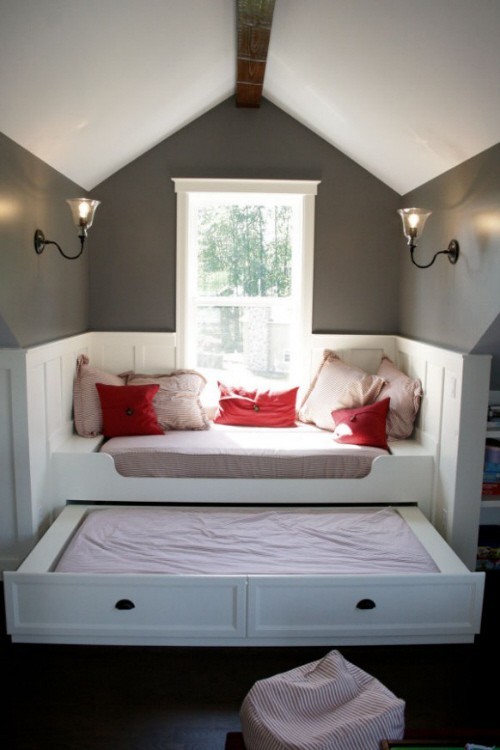
Creative Window Seat Ideas: Depth, Light, and Built-Ins
How to plan a sunlit bench that people actually use—measurements, materials, room-by-room tips, and a gallery of cozy window seats.