
Bakker Nixvan: A Student Short About a Self-Sabotaging Baker
Bakker Nixvan, the 2012 Utrecht student CG short about an amusingly incompetent baker undone by laziness and impatience—craft, comedy, and credits.
Bakker Nixvan is a short student animation about a baker who cannot get out of his own way. Laziness and impatience turn every task into a small disaster, and the comedy comes from watching competence collapse one choice at a time. The film runs a little over three minutes. It does not need a longer plot. The joke is the character, and the character is the plot.
Released into online animation circles around 2012, the short came from second-year students at the Utrecht School of Art and Technology (HKU). It was an early group attempt at a complete 3D pipeline—story, models, animation, lighting, sound—and it still reads as a clear student showcase: ambitious for the time available, funny in a physical register, and proud of craft even when the schedule was tight.
Who made it
The core team is usually credited as Tim de Haan (direction, editing, sound effects), Johan ten Woude (art direction and grading), Rutgher Jousma (animation supervision and technical direction), Dieuwer Feldbrugge (technical direction, compositing, lighting, rendering, grading), and Chris den Dulk (soundtrack). Special thanks in the film’s notes point to teachers and friends who helped a first big collaborative push land on screen.
That credit list matters because Bakker Nixvan is less a lone-auteur statement than a classroom production with real roles. Someone had to lock the look. Someone had to keep the baker moving. Someone had to light the kitchen so the gags read. Someone had to make the soundtrack carry slapstick without drowning it. The short’s charm is partly that you can feel those jobs sharing the same three minutes.
Pipeline notes from the makers describe modeling, animation, and rigging in Maya, rendering with Mental Ray, and compositing in Nuke—standard early-2010s student CG tools. The point is not brand-name software worship. It is that a small Dutch student crew chose a full 3D comedy short when many first projects stay safer and flatter. They built a character who fails, and they built the world around him carefully enough that the failures land.
What the story is doing
The premise is almost a proverb: a baker who sabotages himself through laziness and impatience. He does not need a villain. He is the obstacle. That structure is classic silent-comedy logic translated into CG. Setup, attempt, shortcut, collapse. Repeat with variation until the kitchen—and the baker’s dignity—have taken enough hits.
“Nixvan” in the title plays like a Dutch nudge: nothing of it, empty of it, a baker in name more than practice. Viewers do not need a glossary to get the gag. The name already smells like failure. On screen, that failure is physical. Timing, weight, and impatient choices do the talking. Dialogue is not the engine. Gesture is.
Because the film is short, every beat has to earn its place. There is no room for a subplot about redemption or a long moral speech. The entertainment contract is simpler: watch an amusingly incompetent professional make work harder by refusing to work properly. Anyone who has cut corners in a kitchen, a studio, or an office recognizes the type. The baker is specific; the habit is general.
Why student CG comedies stick
Student animation showcases often chase spectacle—cities collapsing, creatures roaring, cameras whipping through impossible spaces. Bakker Nixvan goes the other way. It trusts a single comic character and a workplace that can stage small disasters. That choice is smart for a first major short. Comedy scales to the team’s real capacity. You can polish a dough gag more easily than you can fake a war epic.
Physical comedy also teaches craft. Weight, anticipation, follow-through, and staging become visible when a character drops, overreaches, or rushes a step. Viewers laugh at the baker; animators learn from the baker. The short’s makers later noted how much they learned under time pressure. That is not marketing fluff. It is the usual truth of school films: the deadline is part of the syllabus.
Online, the piece circulated through Vimeo and animation blogs that regularly featured student work in the early 2010s. A clean logline—“incompetent baker ruins his own day”—travels well in a feed. People click for the character promise. If the first thirty seconds deliver timing and personality, they stay. Bakker Nixvan was built for that kind of share: short, readable, and friendly to silent viewing with sound on.
Reading the craft, not just the gag
Even without frame-by-frame breakdowns, the short’s priorities are visible. Character design aims for readability over photorealism. A comic baker needs a silhouette and face that telegraph mood in a wide shot. Environments support the gag instead of competing with it. Lighting and compositing keep the kitchen legible so the eye finds the joke instead of hunting for the subject.
Sound design and music do quiet heavy lifting. Slapstick without sound is half a joke; slapstick with the right thud, scrape, or musical sting becomes a sentence. Chris den Dulk’s soundtrack and Tim de Haan’s effects work sit under the picture as partners, not wallpaper. In a three-minute film, audio is not a late polish step. It is structure.
The makers’ own description stresses pride despite limited time. That tone fits the finished piece. Bakker Nixvan does not pretend to be a festival titan with a multi-year budget. It pretends to be a complete short with a clear comic idea—and it largely is. For student work, that honesty is a virtue. Ambition without overclaim ages better than empty grandeur.
Where it sits in 2012 animation culture
Around 2012, online animation culture was hungry for short-form CG that could live on Vimeo, festival sidebars, and school showreels at once. Dutch art and technology programs were already feeding that pipeline with students who treated 3D as a collaborative craft, not a lone hobby render. Bakker Nixvan belongs to that wave: small team, shared tools, public upload, blog pickup.
It also belongs to a long comic lineage. Buster Keaton’s stubborn physics, Tex Avery’s impatience, and countless kitchen cartoons all haunt a baker who cannot wait for dough to behave. The Utrecht team did not invent the lazy professional. They gave him a new mesh, a Dutch name, and a student pipeline. That is enough. Homage through character type is how comedy traditions stay alive.
For viewers discovering the film years later, the date stamp matters more than nostalgia. This is early-2010s student Mental Ray / Maya comedy, not a contemporary real-time engine flex. The materials, the lighting habits, and the edit rhythms belong to that moment. Watching it as a period student short—not as “breaking animation news”—is the fair way to meet it.
What to notice on a first watch
Start with intent. The baker’s problem is not bad luck from outside. It is his own shortcuts. Ask, on each beat: what did he refuse to do carefully? That question turns the short from random slapstick into character study.
Then watch the staging. Where is the camera when the gag peaks? How early does the film telegraph the mistake? Good physical comedy often shows the wrong choice forming before the payoff. If Bakker Nixvan works for you, it is probably because you see the impatience arriving a half-second early—and you still hope, stupidly, that this time the baker will wait.
Finally, treat the credits as part of the experience. Five names, clear roles, a school context, a first big try. The short is entertainment, but it is also a document of how a student team divided labor to finish something funny under pressure. That document is why showcases kept posting it.
Bakker Nixvan remains easy to recommend for the same reason it was easy to share in 2012: a baker who ruins his own work is a joke you understand before the first title card fades. Laziness and impatience do the rest. Three minutes later, the kitchen has suffered, the character has not improved, and the short has done its job.

Comments
Continue reading
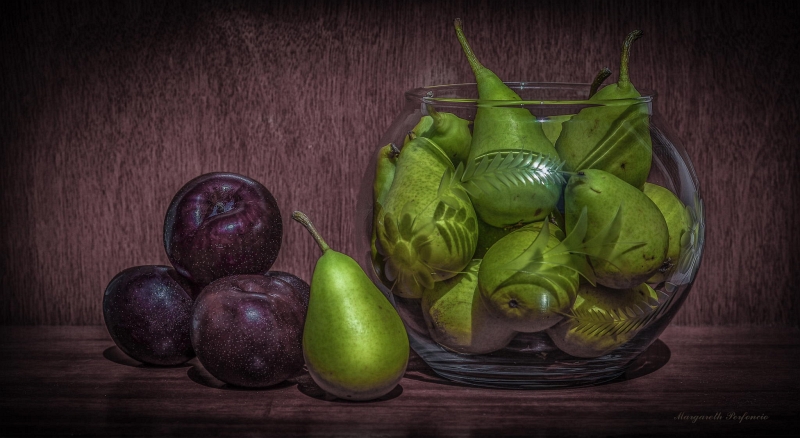
Still-Life Photography by Margareth Perfoncio
São Paulo photographer Margareth Perfoncio’s still lifes of food and flowers—Old Master light, dark wood, and tables that feel inevitable.

Meaningful Love Quotes for Inspiration (and Ink)
Meaningful love quotes that still feel true — short lines for tattoos, gifts, and everyday reminders, with placement and wording tips.
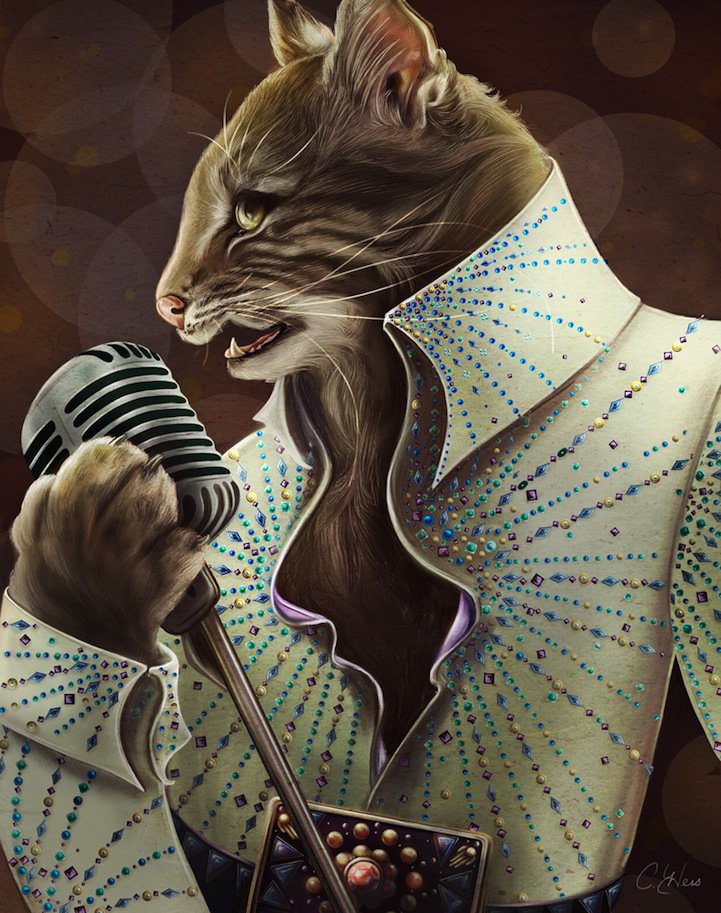
Christina Hess’s Animals From History: Costumed Pets as Playful Portraits
Illustrator Christina Hess reimagines historical icons as ornate animal portraits—Elvis Petme and friends—mixing puns, costume detail, and soft history lessons.