
Boingy Man’s Sacramento Street Photos: Light, Gesture, and City Coincidence
Seventeen frames from Sacramento photographer Boingy Man—street and scape work built on timing, distance, and ordinary downtown light.
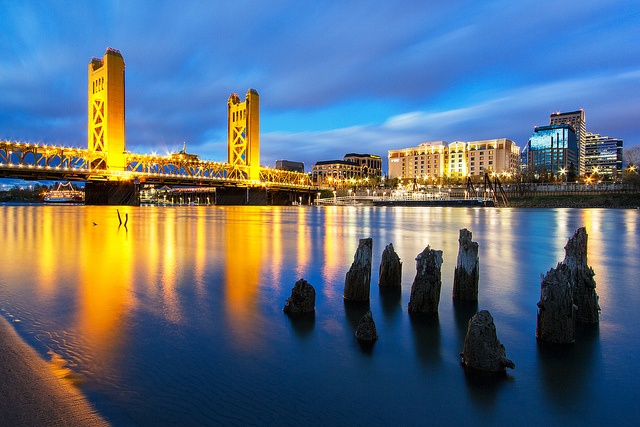
Boingy Man’s photographs feel like Sacramento walked with the shutter already half-pressed: street corners, light on pavement, people mid-gesture, and urban edges that most commuters treat as background. The set gathered here is a slice of that working habit—candid enough to feel found, deliberate enough to feel framed.
Public notes around the work place him as a Sacramento-based photographer with a strong Flickr presence and a personal blog voice aimed at street, scape, and the small shenanigans of city looking. The pictures do not need celebrity subjects. They need timing, distance, and a willingness to treat ordinary downtown weather as material worth returning to week after week, in heat and in softer winter light alike.
Street photography without the costume
A lot of street work announces itself with grit filters and extreme contrast. Boingy Man’s stronger frames lean on observation instead: a figure cutting across light, architecture offering geometry, a quiet joke in posture or signage. The city is allowed to be itself—California daylight, concrete, glass, shadow—rather than forced into a noir costume borrowed from another metropolis’s myth.
That approach still depends on craft. Focal length choice controls intimacy. Too long and you float above the scene as a sniper; too wide and you collect clutter. Mid-range walking lenses reward photographers who step with the crowd and wait for alignment: person, background, and light landing in the same second. The skill is less about chasing strangers than about recognizing when ordinary motion briefly becomes structure worth keeping.
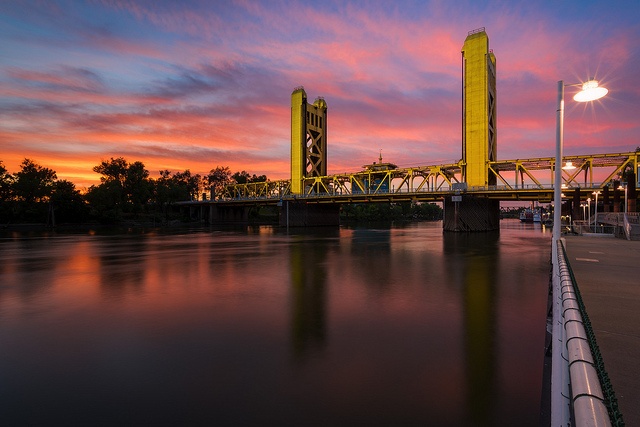
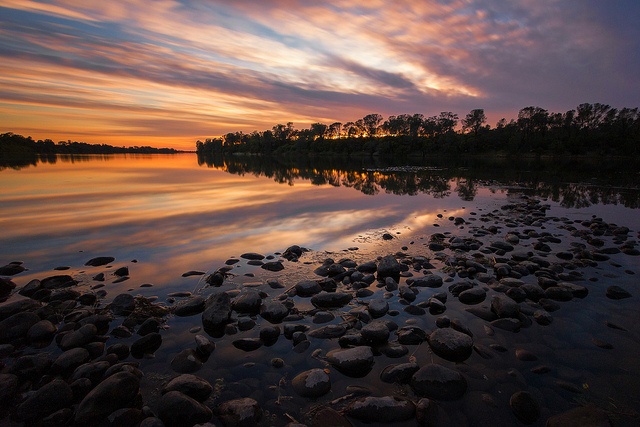
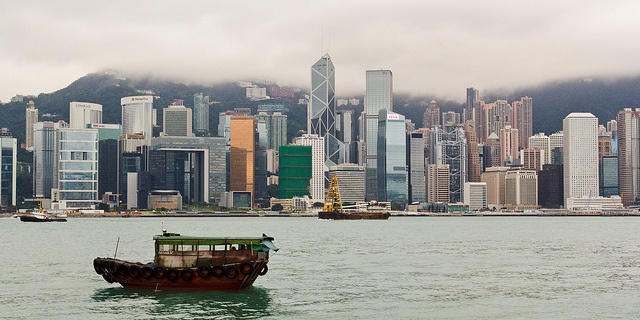
Color handling matters in a sunny city. Hard light can bleach sidewalks and punch holes in the histogram. Soft morning or late light wraps faces and reduces glare on glass. Many of these frames succeed because the brightest area feels intentional—an open patch of sun used as stage, not an accidental blown windshield owning the rectangle. Exposure discipline is part of street manners toward the viewer: if the file is unreadable, the moment never arrived on the page.
Gesture, background, and coincidence
Start with gesture when you read the set. Hands, stride, head turn, and the angle of a shoulder can carry more narrative than a posed smile. Street photography’s classic virtue is catching unfinished action—the moment before someone notices the camera, or the moment after they have already looked away. A good urban frame often feels slightly incomplete in a useful way: life continues outside the edges, and that continuation is the point.
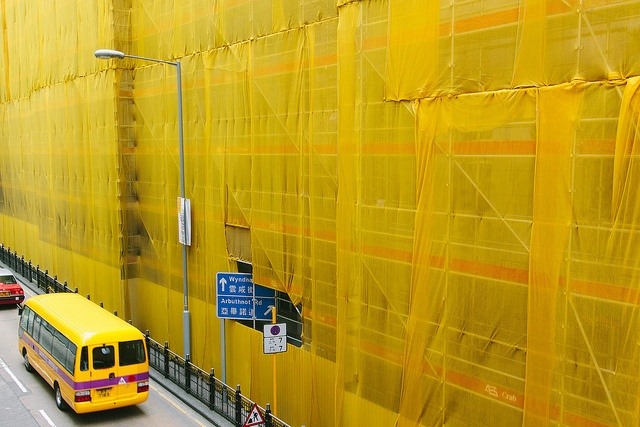
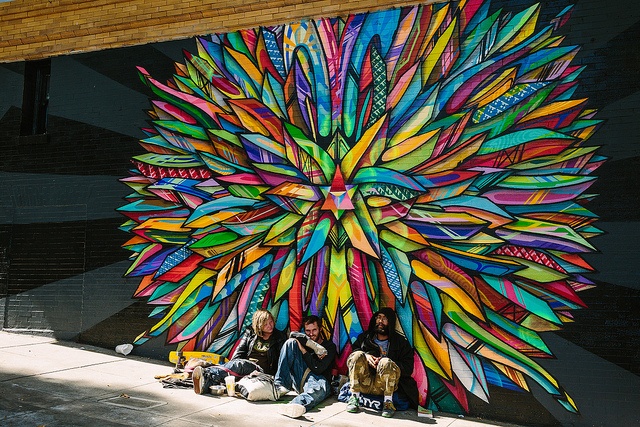
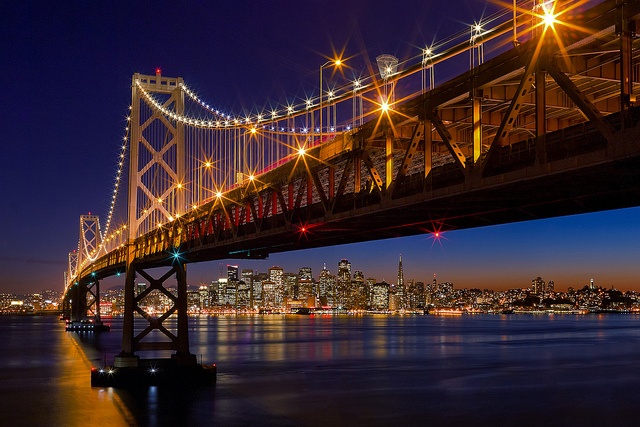
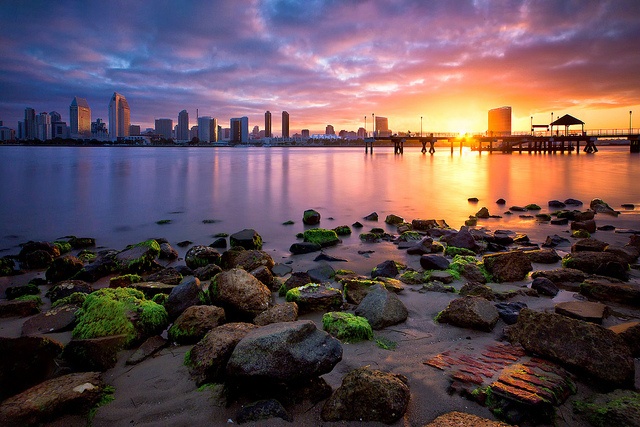
Backgrounds are co-authors. A clean wall can isolate a figure; a busy intersection can create layered depth if planes separate by tone. Reflections in windows double the street and let two stories occupy one rectangle. Look for frames where the background is not accident but counterpoint—architecture answering posture, signage answering mood, shadow answering highlight. When foreground and background argue productively, the photograph becomes more than a person snapshot on a blank stage.
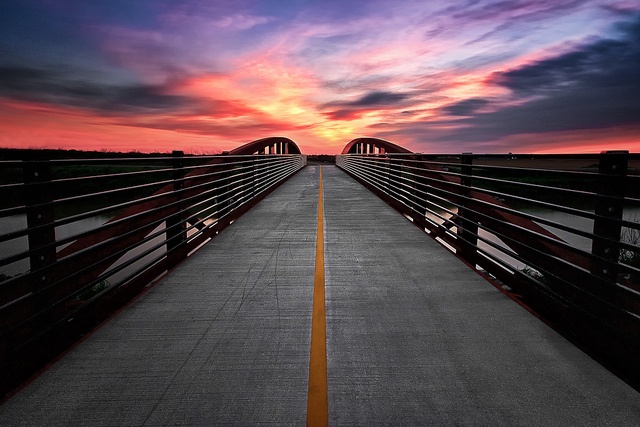
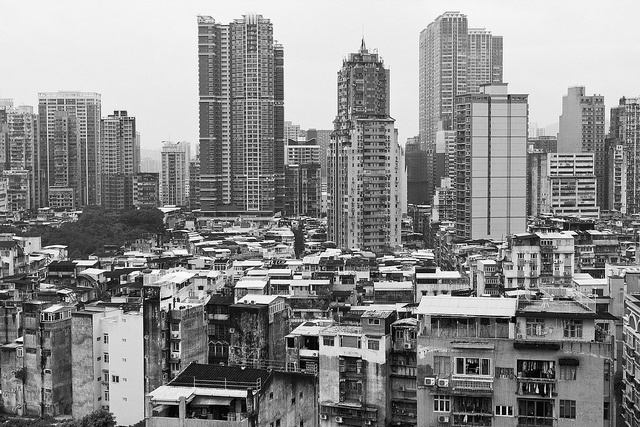
Coincidence is the street photographer’s real subject. Two strangers align. A bus and a pedestrian share a diagonal. A pocket of shade opens just as someone enters it. You cannot schedule those meetings, but you can put yourself where they are likely and stay long enough to notice. That is why one-city practice beats airport-hopping for this genre: familiarity creates prediction. The photographer who knows which plaza fills at noon owns an advantage no new lens can buy on a weekend visit.
One city as a repeated studio
Photographers who work Sacramento—or any mid-size city with distinct downtown rhythms—learn its clocks. Morning office streams differ from lunch plazas and evening transit rushes. Seasonal light has its own angles; heat haze, clear winter sun, and long summer evenings each rewrite the same block. Returning often is not repetition for its own sake. It is how you learn which corner finally pays off after ten empty visits, and which mural wall only works when late light rakes across it.
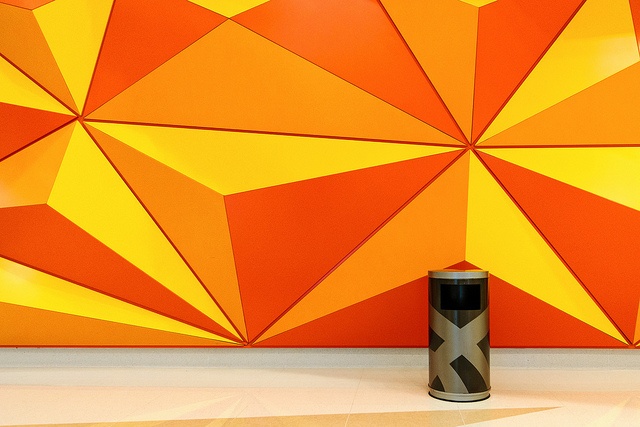
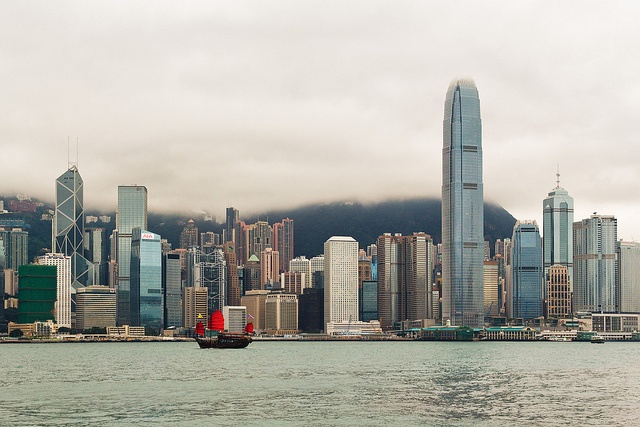
Working locally also changes editing. You begin to see sequences instead of isolated trophies: a morning of hard shadow geometry, an afternoon of transit motion, an evening of quieter sidewalks. Series thinking is how street photography becomes more than a feed of random pedestrians. Boingy Man’s published sets, including the frames here, reward that kind of looking—compare distances, compare light quality, compare how often architecture shares billing with people.
Ethics travel with the camera. Public space does not erase courtesy. Some moments are fair game; some are not worth the file. A working street practice includes knowing when to lower the camera, when to accept a conversation, and when a photograph of vulnerability becomes exploitation. The best urban sequences feel curious rather than predatory. If a frame only works by humiliating someone, it usually fails as culture even when it succeeds as exposure.
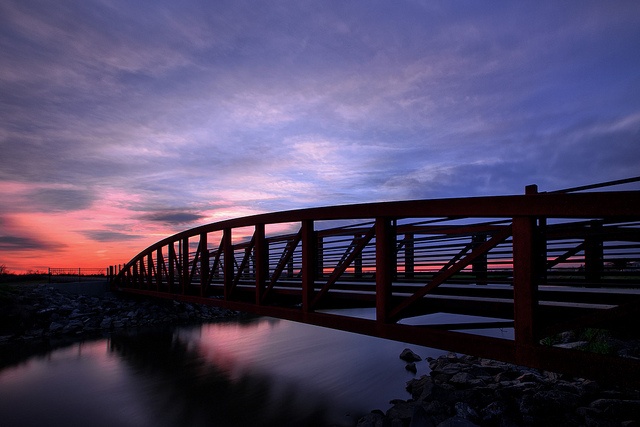
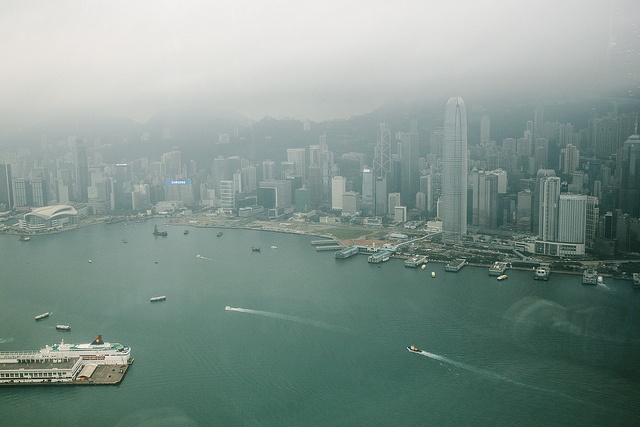
Habits for your own sidewalks
Walk slower than your errand pace. Previsualize a background, then wait for a person to enter it. Expose for the important highlight so faces do not chalk out under open sky. Keep a simple kit so you are not juggling bags when a moment appears. Edit later with ruthlessness: street work produces volume; sequences improve when weak near-misses leave the set. A hard edit is a kindness to the pictures that remain.
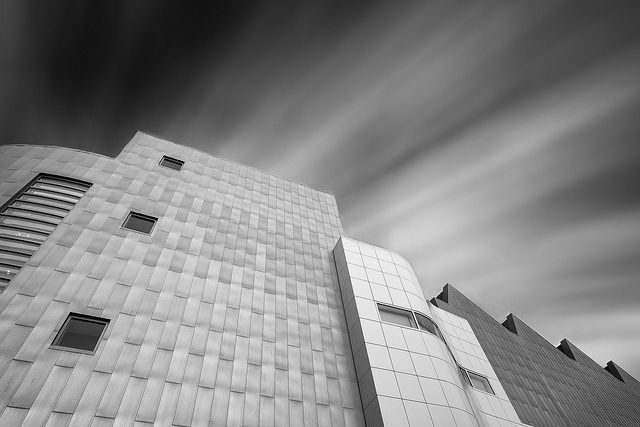
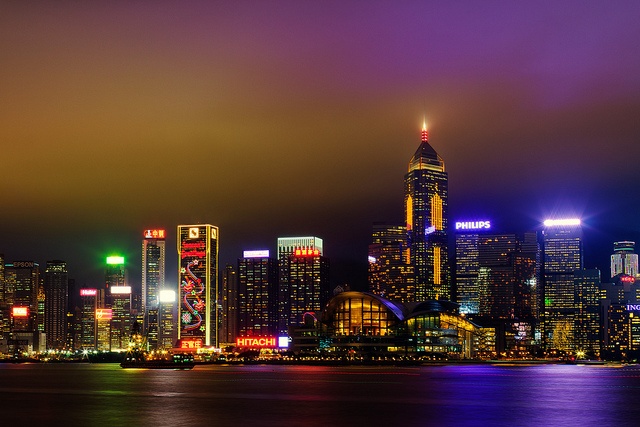
Color and black-and-white each ask different questions. Color makes signage, clothing, and seasonal light part of the story. Monochrome emphasizes gesture and geometry. Try both on the same walk and see which files still hold interest when novelty fades. Study how these frames use distance: close enough for presence, far enough for context. That balance is harder than gear talk suggests, and it is the difference between surveillance and portraiture made in public.
Technical habits that support the look include zone focusing when light allows, short shutter speeds for walking subjects, and awareness of mixed shade that turns skin green under trees. None of that replaces attention. The camera only records the coincidence you stayed long enough to see.
Pick one block you already know. Stand where two kinds of light meet—shade and sun, open street and arcade—and wait for a single useful gesture. One clean coincidence is worth more than a hundred restless frames.

Comments
Continue reading

Dramatic Photo Art by Sukron Ma’mun (Ipoenk Graphic)
Cirebon, Indonesia photographer Sukron Ma’mun uses theatrical natural light to frame village life, play, and place in lyrical photo art.

Bird’s-Eye Views: Florian Beaudenon’s Instant Life
Paris photographer Florian Beaudenon’s Instant Life series captures people in their rooms from above—intimate, collaborative overhead portraits of everyday joy.
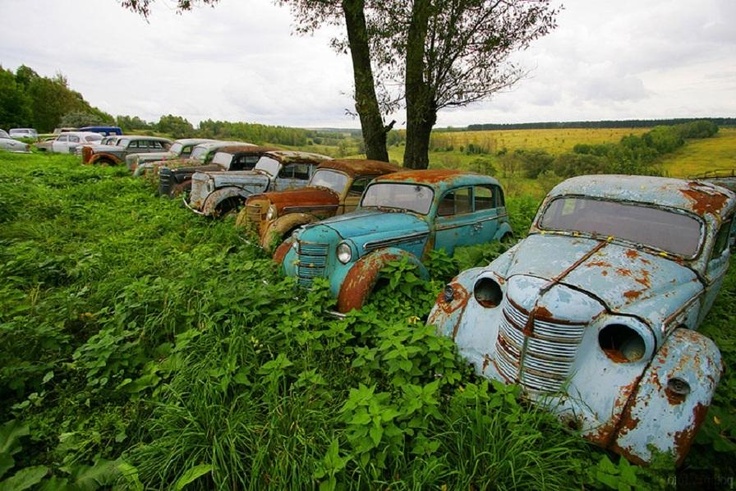
Abandoned Cars Reclaimed by Nature: Rust, Growth, and Quiet Ruin
When neglected vehicles are left outdoors long enough, rust, moss, and trees rewrite them into strange still lifes—sad, photogenic, and slowly returning to the ground.