
Victoria Ivanova’s Fine Art Still Lifes: Pears, Chess, and Time
Russian conceptual photographer Victoria Ivanova turns everyday objects into narrative still lifes—including her award-winning Pear project.
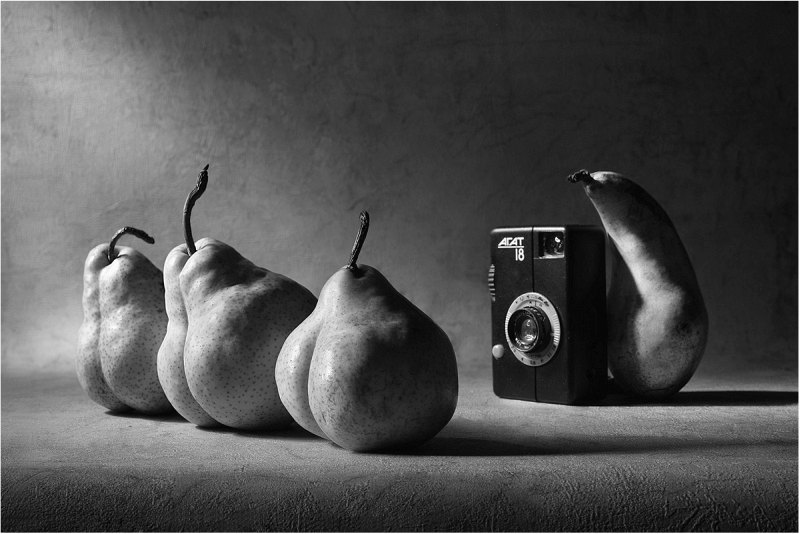
Victoria Ivanova builds stories with things most people leave in a fruit bowl or a desk drawer. A pear, a chess piece, a pin, a pencil—ordinary objects become actors under her lights. The Russian photographer, known for conceptual still life rather than documentary hunting, treats the studio like a small theater: she designs the scene, places the cast, and waits only long enough to expose the frame.
Outside photography she has worked as a university senior lecturer with a Candidate of Economics degree and as a PR manager. That double life matters less as biography filler than as temperament. Her images feel planned, argued, and titled in the mind before the shutter opens. She has described photographers as hunters or constructors; she counts herself among the constructors—impatient with waiting for perfect clouds, happiest when a narrative can be assembled on a tabletop.
Still life that refuses to stay still
Traditional still life often celebrates surface: bloom, glass, fold of cloth. Ivanova’s work uses that genre’s tools—controlled light, careful arrangement, shallow stages—but aims at character and plot. Objects behave as proxies for people. They lean, confront, isolate, or conspire. The question her stronger frames ask is not “What is this thing?” but “What is happening between these things?”
That approach sits close to literary nonfiction more than to decoration. A pear is not only a pear; it can stand for vulnerability, appetite, social pressure, or bodily presence depending on how it is cut, paired, or lit. Chessmen become hierarchies and conflicts without a single human face. Time itself can be staged with clocks, shadows, and repetition. The viewer completes the sentence.
Black-and-white and color both appear in her practice. Monochrome sharpens gesture and contrast; color can make the surreal feel strangely domestic, as if the drama happened in a real kitchen after shopping day.
The Pear project
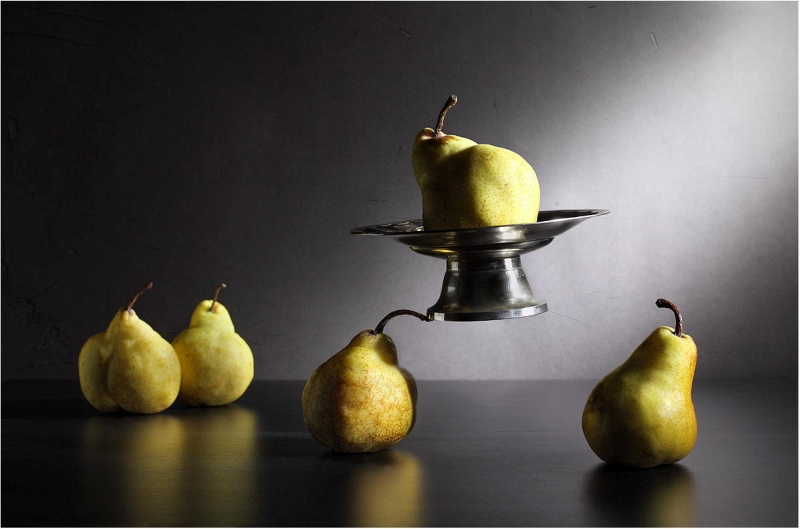
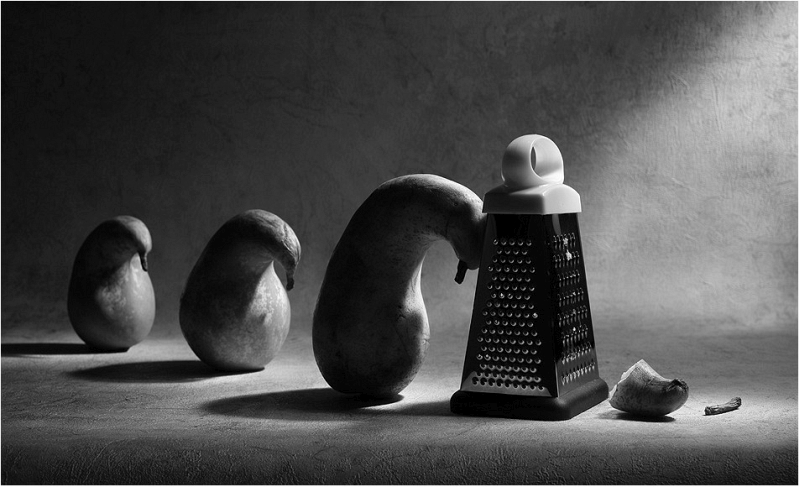
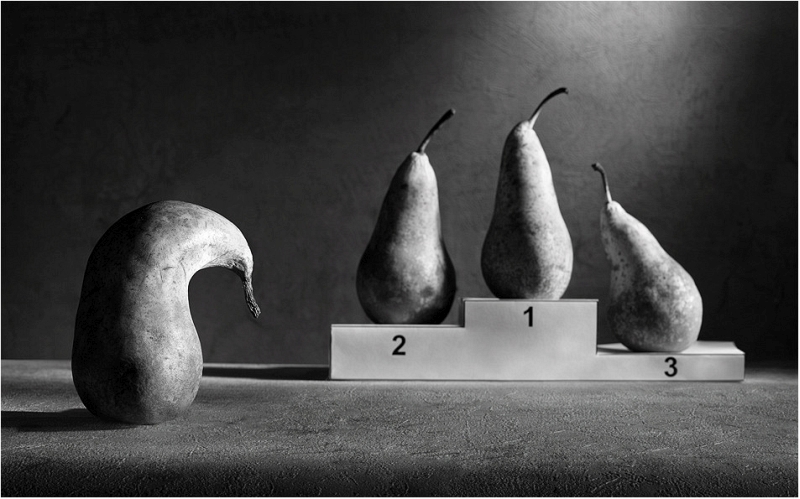
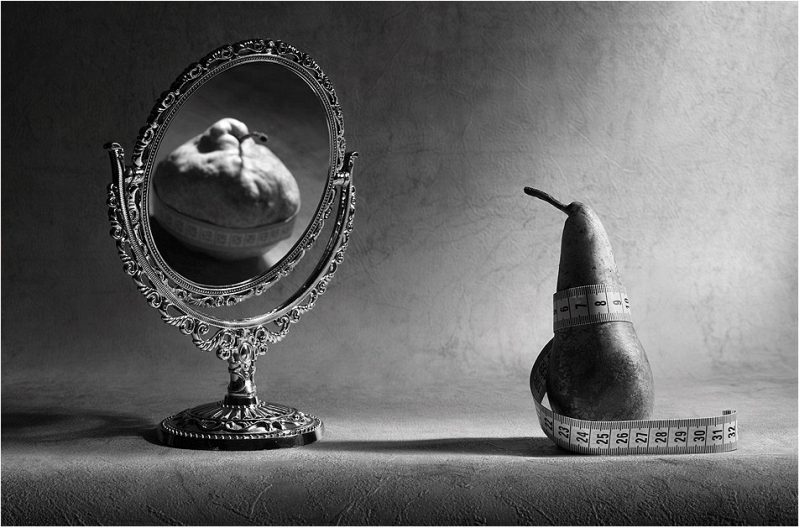
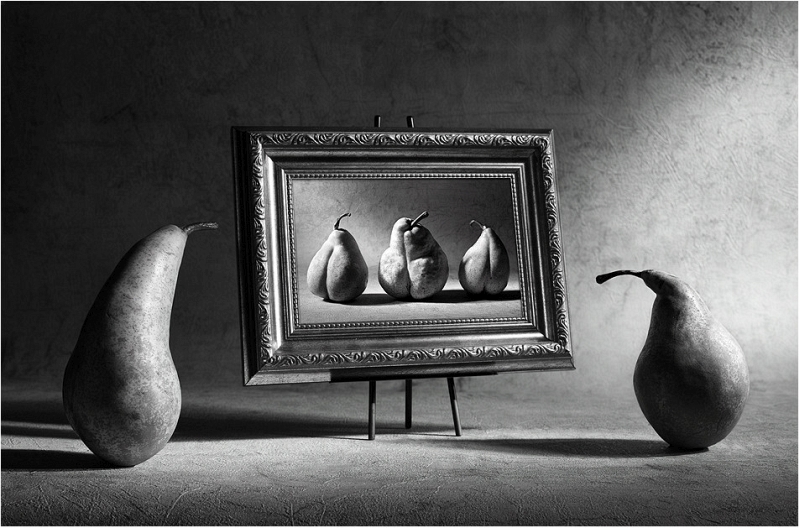
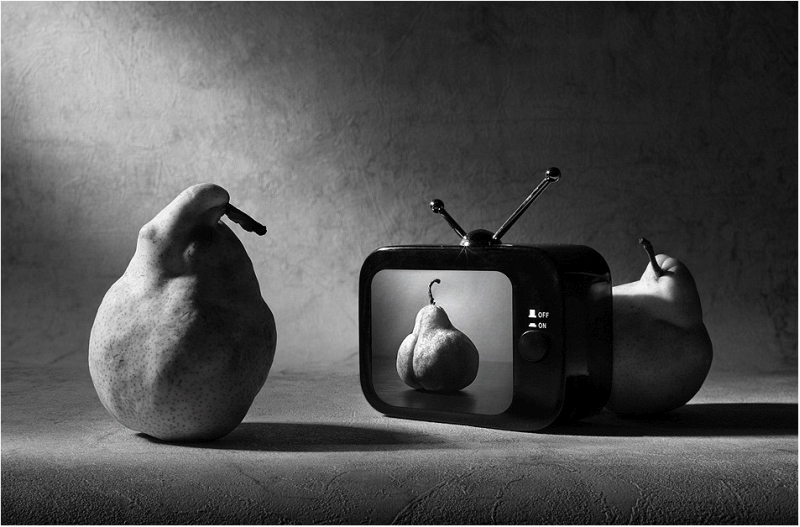
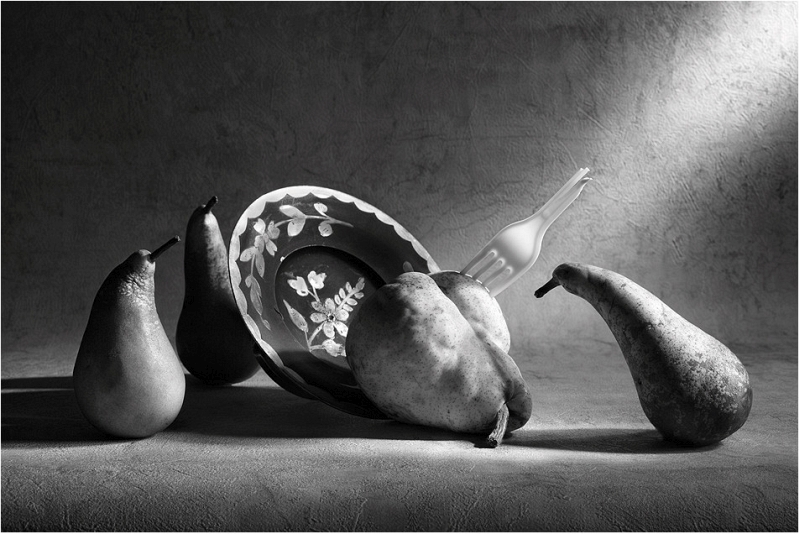
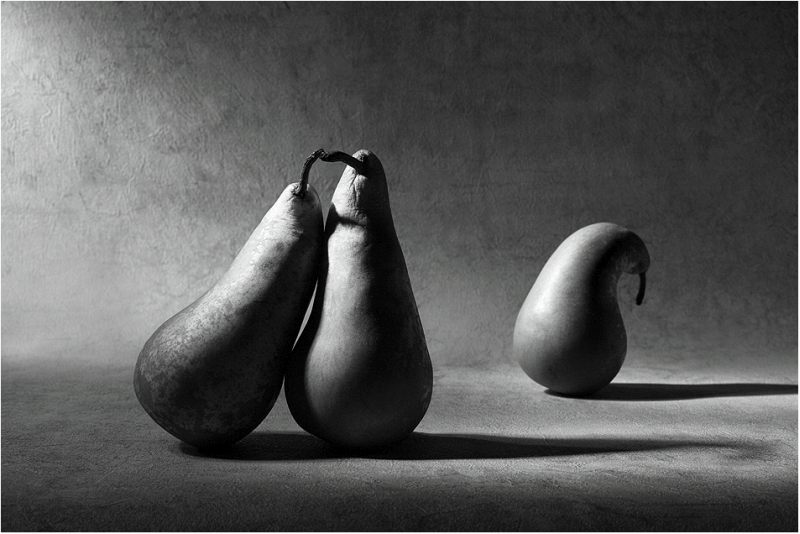
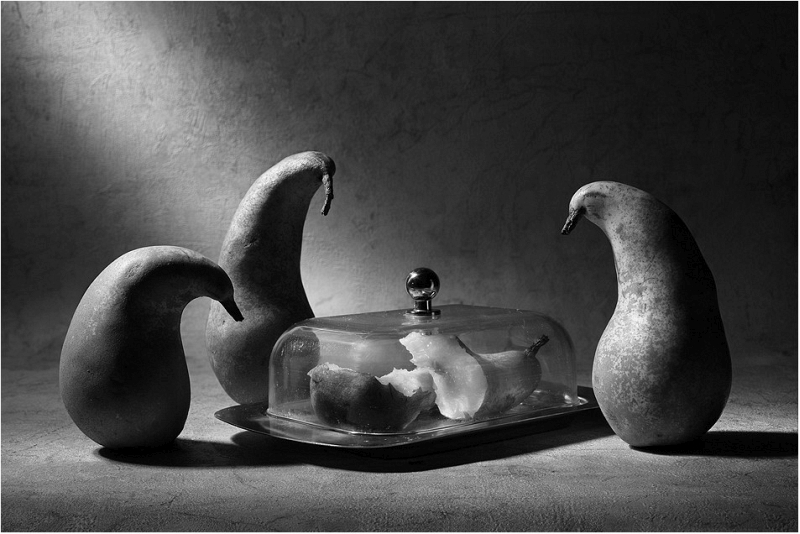
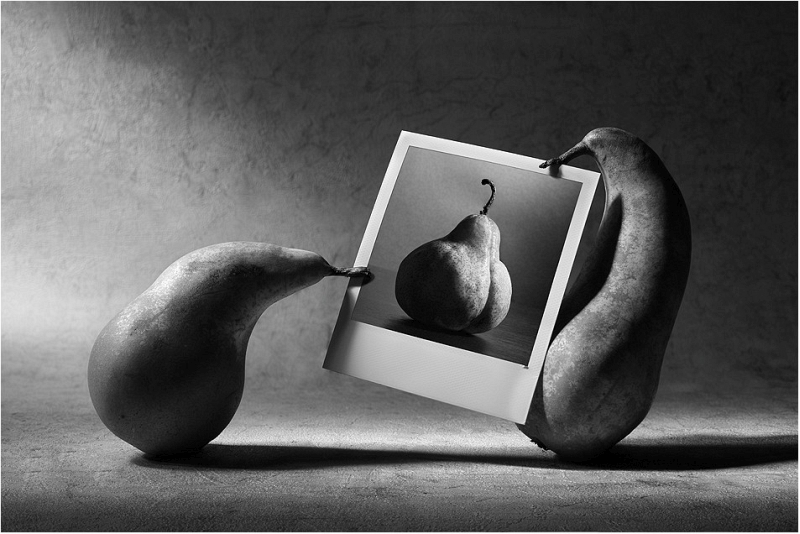
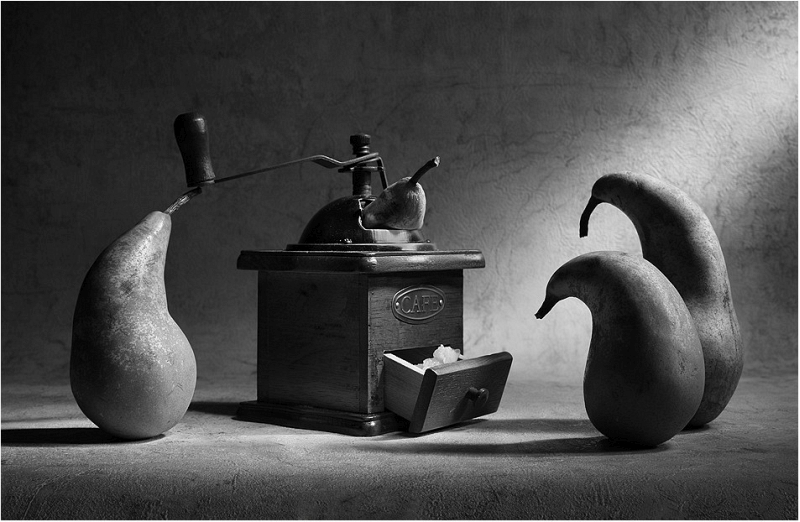
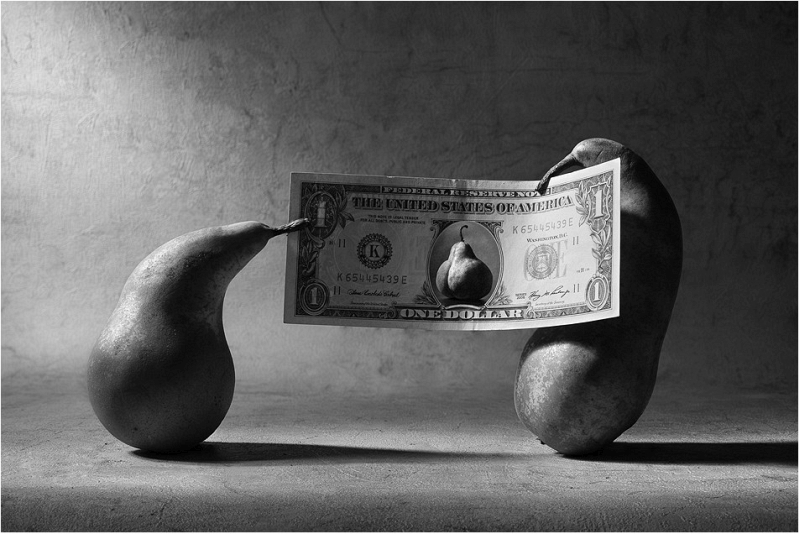
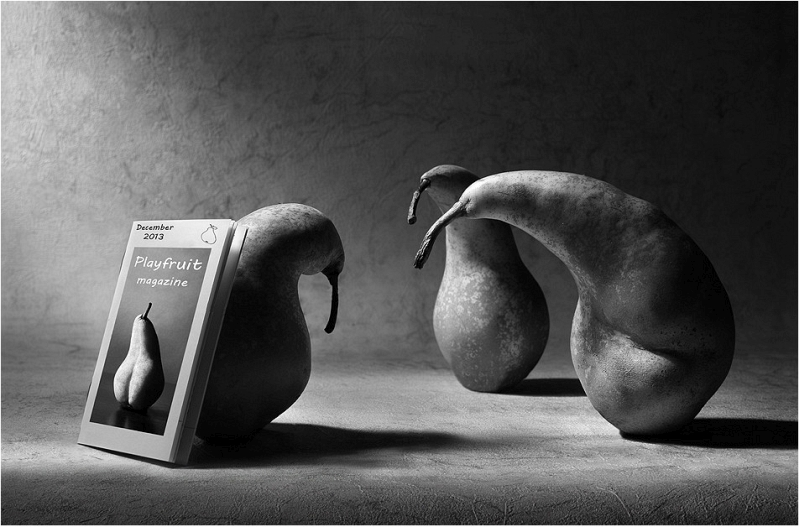
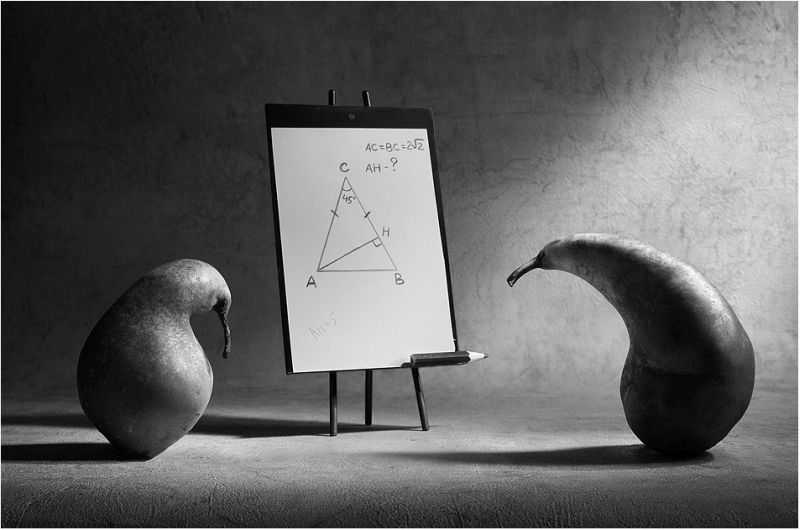
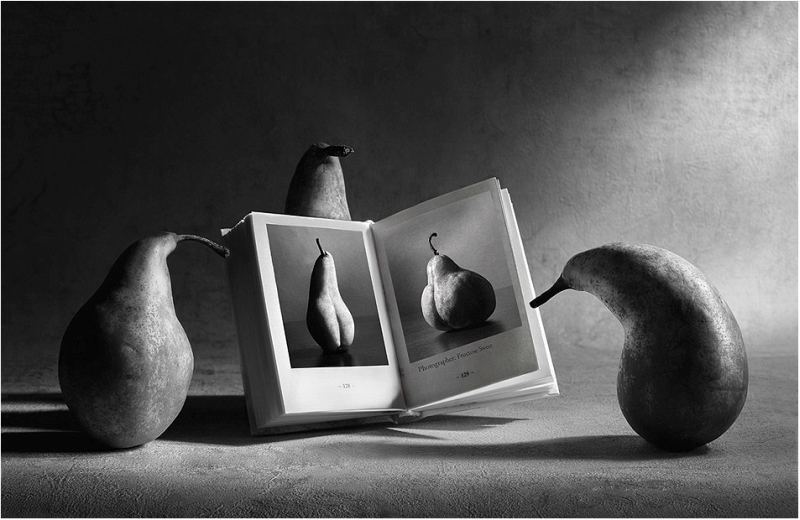
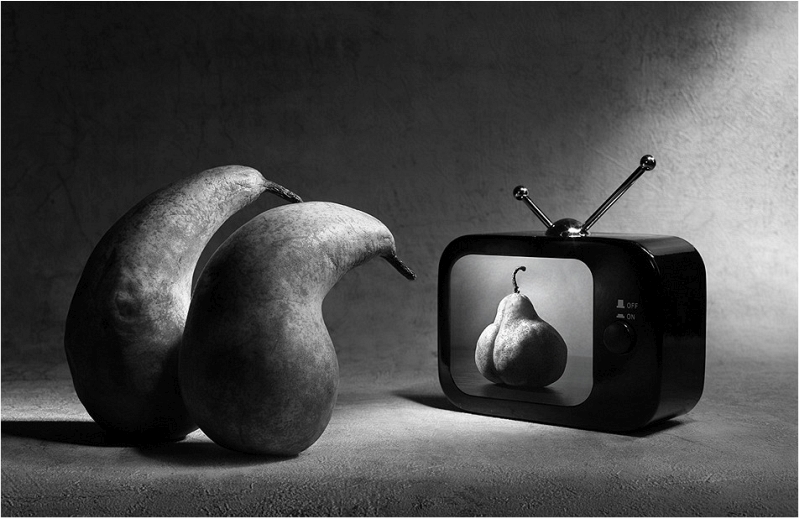
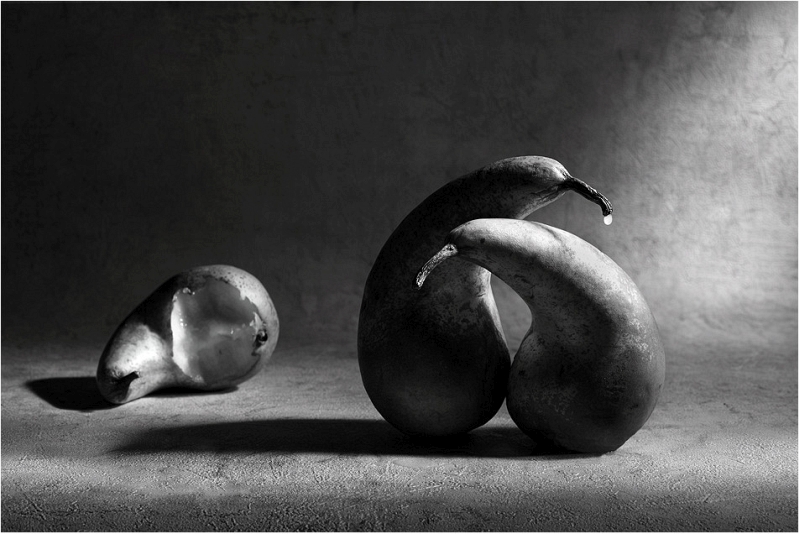
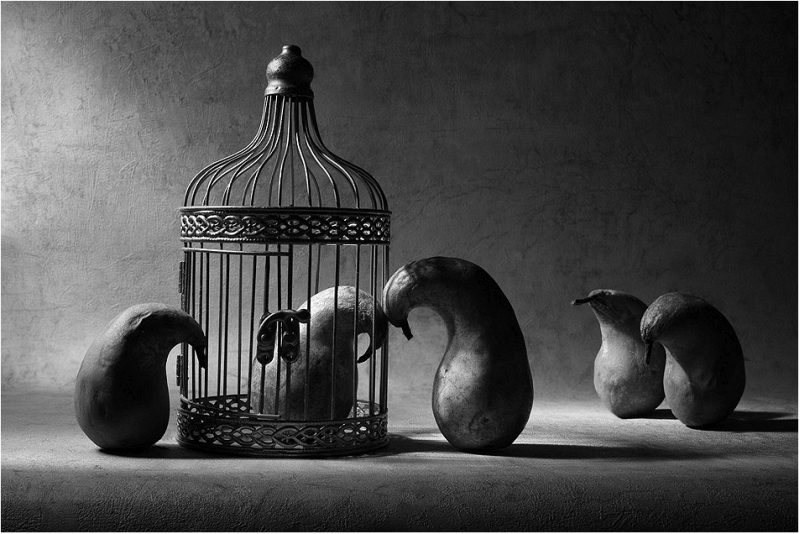
Ivanova’s Pear project is the series most often cited when her name appears in photography magazines and exhibition notes. It earned Grand Prix recognition around Russian Photo Week in 2012 and was shown in connection with Slavic Art Weeks in Berlin the same year. The fruit’s soft geometry—curves, bruises, stems—gives her a flexible “body” to pose. Pears can look tender, comic, or uneasy. Grouped, they suggest families or crowds. Alone, they read as portraits.
She has linked the impulse to childhood: fairy-tale vegetables and fruit, early Polaroids marked with drawn faces, a long habit of playing with produce as characters. The adult project drops the doodled smiles but keeps the personification. Technical polish matters, yet story leads. A slightly imperfect pear can be more eloquent than a grocery-ad specimen if the gesture is right.
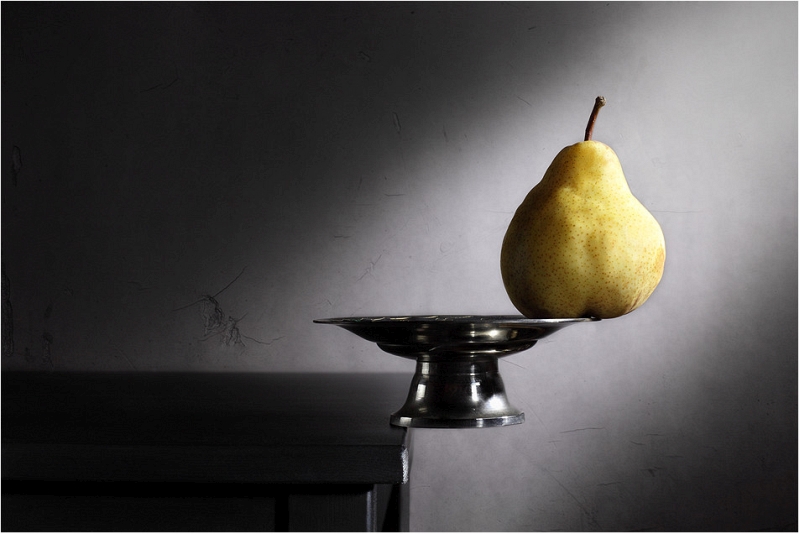
Look at the pear images for how negative space works. Empty table becomes stage floor. A hard shadow becomes architecture. A knife or second object enters like a second actor with motive. Nothing is accidental in the good frames; even asymmetry feels decided.
Chess and Time
The Chess project extends the same logic into a ready-made social system. Chess already encodes power, sacrifice, and geometry. Ivanova’s task is to make those abstractions tactile: pieces that seem to hesitate, dominate, or fall outside the polite grid of a game. Surreal scale shifts and tense spacing turn a pastime into drama.
The Time project—another body of work associated with her later studio period—stages duration, waiting, and measurement. Clocks and temporal cues are less about telling the hour than about pressure. Fine art photography that tackles time risks cliché; her stronger images avoid poster slogans by staying concrete. An object delayed, repeated, or shadowed can hint at aging or urgency without a caption explaining the metaphor.
Across projects, her method often includes sketches before the shoot. Drawing first clarifies the story so the camera executes rather than searches. That habit suits a constructor’s temperament and explains the graphic clarity many viewers notice immediately.
How to look at these photographs
Start with the protagonist. Which object holds the emotional center? Then map relationships: who threatens, who shelters, who is left out. Check the light direction—soft wrap for tenderness, hard side light for conflict. Finally, notice what is missing. Ivanova’s stages are rarely cluttered; absence is part of the script.
Because the work is conceptual, it rewards a second pass. First pass: delight or unease. Second pass: structure. Third pass: whether the metaphor earns its keep or tips into cleverness. The best images survive all three.
Compare neighboring frames in a series the way you would compare paragraphs. Motifs return with variation. A gesture that felt comic once may turn melancholy when repeated with different spacing. Series logic is half the authorship.
Craft notes without a tutorial fantasy
Viewers sometimes ask how to “get” similar pictures. Gear is the least interesting answer. Controlled light, a stable camera, and patience with arrangement matter more than brand names. What matters most is a clear sentence you want the object to speak. Without that, pears remain groceries and chessmen remain toys.
Practical studio habits that align with this kind of work:
- Limit the cast—one or two hero objects beat a crowded allegory.
- Change only one variable at a time: angle, distance, or companion object.
- Shoot tethered or review large so tiny edge relationships are visible.
- Keep backgrounds simple enough that gesture stays readable at thumbnail size.
- Edit ruthlessly; conceptual series die when weak frames dilute strong ones.
Ivanova’s public reputation grew through platforms and contests that favor singular, memorable stills—images that stop a scroll because an object seems to feel something. That internet-era circulation does not make the work shallow; it simply proves that a precise metaphor travels.
Why object theater still matters
In a decade crowded with portraits and landscapes, constructed still life can look modest. Ivanova’s files argue otherwise. Scale down the cast, sharpen the motive, and a tabletop can hold conflict, humor, and tenderness without a single model release. The Pear project’s awards were a public confirmation; the lasting interest is quieter: people keep returning to images where a piece of fruit seems to remember being human.
Which object on your own table could carry a scene if you gave it a motive and enough empty space to act?

Comments
Continue reading
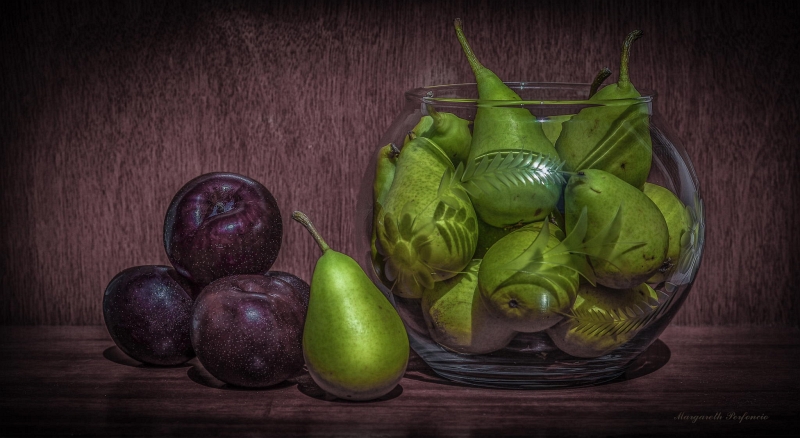
Still-Life Photography by Margareth Perfoncio
São Paulo photographer Margareth Perfoncio’s still lifes of food and flowers—Old Master light, dark wood, and tables that feel inevitable.

Meaningful Love Quotes for Inspiration (and Ink)
Meaningful love quotes that still feel true — short lines for tattoos, gifts, and everyday reminders, with placement and wording tips.

Christina Hess’s Animals From History: Costumed Pets as Playful Portraits
Illustrator Christina Hess reimagines historical icons as ornate animal portraits—Elvis Petme and friends—mixing puns, costume detail, and soft history lessons.