
Alicia Keys for Marie Claire UK, July 2013
Alicia Keys as Marie Claire UK’s July 2013 star—period editorial context for the pianist, R&B songwriter, and actress in magazine fashion light.
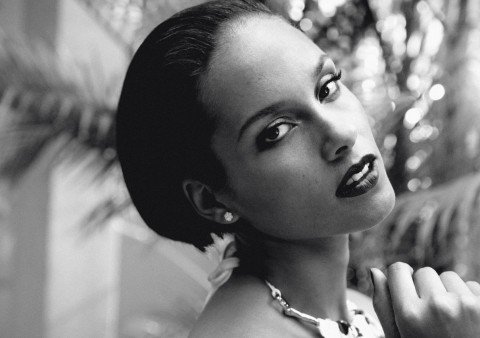
In June 2013, fashion and celebrity roundups were already pointing ahead to Marie Claire UK’s July issue—and to its cover-and-feature star, Alicia Keys. The American pianist, R&B singer-songwriter, and actress arrived in that month’s pages as a familiar global name: someone whose music, public voice, and red-carpet presence had already defined a decade-plus of mainstream R&B, and who still photographed as both musician and style subject.
What follows stays inside that 2013 editorial moment. It is not a later career retrospective dressed up as magazine news. It is a look at why Keys made sense for Marie Claire UK that summer, what kinds of stories women’s magazines asked her to carry, and how a single published portrait still reads as a period document of polish, strength, and controlled glamour.
Keys in 2013: a star magazines already understood
By mid-2013, Alicia Keys needed little introduction to Marie Claire’s readership. She had long since moved from breakthrough piano-driven hits into a catalog of ballads and midtempo anthems that lived on radio, award stages, and wedding playlists alike. Public image blended musicianship with advocacy and a polished, often classic sense of dress—less trend-chasing chaos, more intentional glamour. That combination is exactly what glossy women’s titles sought for summer covers: recognition, aspirational style, and a subject who could speak beyond a single product launch.
The years immediately around the feature also mattered culturally. Keys’s early-2010s chapter included major releases and a public presence that kept her in entertainment headlines without reducing her to one viral moment. Magazine editors could assume readers knew the voice and the persona; the job of a July issue was to refresh the frame—new photographs, seasonal fashion language, and conversation timed for newsstand browsing.
Calling her pianist, singer-songwriter, and actress in the same breath was already standard press shorthand by then. It signaled range: studio craft, songwriting authority, and screen or stage work that widened the celebrity brief. For Marie Claire UK, that multipurpose stardom made Keys a flexible cover choice—music credibility for culture pages, visual power for fashion photography.
Why Marie Claire UK, why July
British Marie Claire in the early 2010s mixed fashion weeks, beauty features, and personality profiles aimed at readers who wanted style advice without abandoning reportage tone. A July issue sits in a particular calendar slot: post–spring collections chatter, into summer travel and lighter wardrobes, still hungry for A-list faces that feel current rather than nostalgic.
Casting Keys for that slot made commercial sense. She brought international recognition to a UK newsstand title, and her aesthetic—strong lines, elegant hair and makeup, jewelry and tailoring that photograph cleanly—suited magazine lighting and cover typography. Summer covers often chase warmth and confidence; Keys’s established public warmth could carry that brief without needing a novelty concept.
Editorial features of this type typically braid three strands: career talk, personal philosophy or empowerment language common to women’s magazines of the era, and fashion storytelling through wardrobe changes in the shoot. Even without reprinting the full 2013 interview here, the genre is clear. Readers expected Keys to sound thoughtful about craft and life, while the photographs did the seasonal selling.
Reading the published image
The portrait associated with this coverage is a study in controlled presence. Composition keeps Keys as the clear subject; styling and light aim for gloss rather than documentary grit. That is magazine logic. A July feature is not a backstage iPhone dump; it is a constructed encounter between celebrity, fashion team, and brand of femininity the title wants to project that month.
Notice how such frames balance approachability and distance. Keys has long been marketed as emotionally open in song yet composed in public appearance. Editorial photography often splits the difference: eye contact or near-contact that feels intimate, wardrobe and retouching that keep the image elevated. Mid-2010s beauty standards—smooth skin, defined eyes, deliberate hair—sit on the picture as period style as much as personal preference.
For readers flipping pages in 2013, the image worked as both celebrity news and fashion suggestion. You were meant to recognize Keys instantly and then linger on texture, color, and cut. That double job is why musician covers remain valuable to magazines: the face sells the issue; the clothes sell an aspirational mood.
Music, image, and the women’s-magazine interview
When R&B and pop artists appear in Marie Claire–style features, the conversation usually leaves pure discography behind. Questions lean toward balance, ambition, relationships to fame, beauty routines, and how a public woman protects private space. Keys’s career had already given interviewers plenty of hooks: piano as origin story, New York roots as myth, hits as proof, activism and public statements as depth.
In 2013 that template was well established. A July profile did not need to reinvent Keys; it needed to present her in the magazine’s house voice—smart, stylish, slightly aspirational, occasionally vulnerable in curated doses. The photographs sealed the contract. Whatever quotes ran beside them, the visual argument was simpler: here is a woman at ease in high fashion’s temporary world, still legible as the artist you know from the radio.
Actress credits in her bio also helped the feature breathe. Cross-medium celebrities give magazines permission to talk craft beyond chart positions—sets, roles, performance nerves—without abandoning the fashion brief. Whether any given issue leaned harder on music or on screen work, the multipurpose label kept the piece from feeling like a one-album promo.
How 2013 coverage circulated
Once a Marie Claire UK issue hit stands and digital previews, images traveled quickly through style blogs and celebrity galleries. A single strong frame could detach from the full interview and live as a standalone “Keys for Marie Claire” post—exactly the pattern of early-2010s fashion-media circulation. Credit lines and “via” links pointed back to aggregators; the photograph itself became the story for many casual viewers.
Preserving that circulation context matters. This page is not claiming to replace the original magazine feature. It records that in summer 2013, Alicia Keys was positioned as Marie Claire UK’s July star, and that the visual language of the shoot—glamorous, composed, cover-ready—matched how mainstream titles preferred to present her then.
Looking back from later years, careers accumulate new albums, tours, and public chapters. The July 2013 Marie Claire UK moment stays useful as a fixed point: one season’s editorial choice, one set of images, one newsstand argument about who embodied confidence and polish that month.
Why the feature still holds interest
Celebrity-magazine history is often dismissed as ephemeral, yet it maps how culture wanted its icons to look. Keys’s Marie Claire UK July 2013 appearance sits in a lineage of musician covers that treat pop and R&B stardom as fashion-compatible. The image above is a remnant of that agreement between artist and title.
For fans, it is another portrait in a long visual archive. For style watchers, it is evidence of early-2010s gloss: lighting, beauty, and wardrobe choices that date themselves gently while Keys’s presence remains unmistakable. For anyone studying how women’s magazines framed Black women artists in that period, features like this are primary-source adjacent—public, commercial, and carefully produced.
Alicia Keys as Marie Claire UK’s July 2013 star was never a surprise casting. It was a confirmation: a major American musician whose piano-and-voice identity had already crossed into fashion’s preferred language of strength and elegance. The issue asked readers to meet her again in seasonal clothes and magazine light. The photograph keeps that meeting available—summer 2013, still in frame, still unmistakably Keys.

Comments
Continue reading
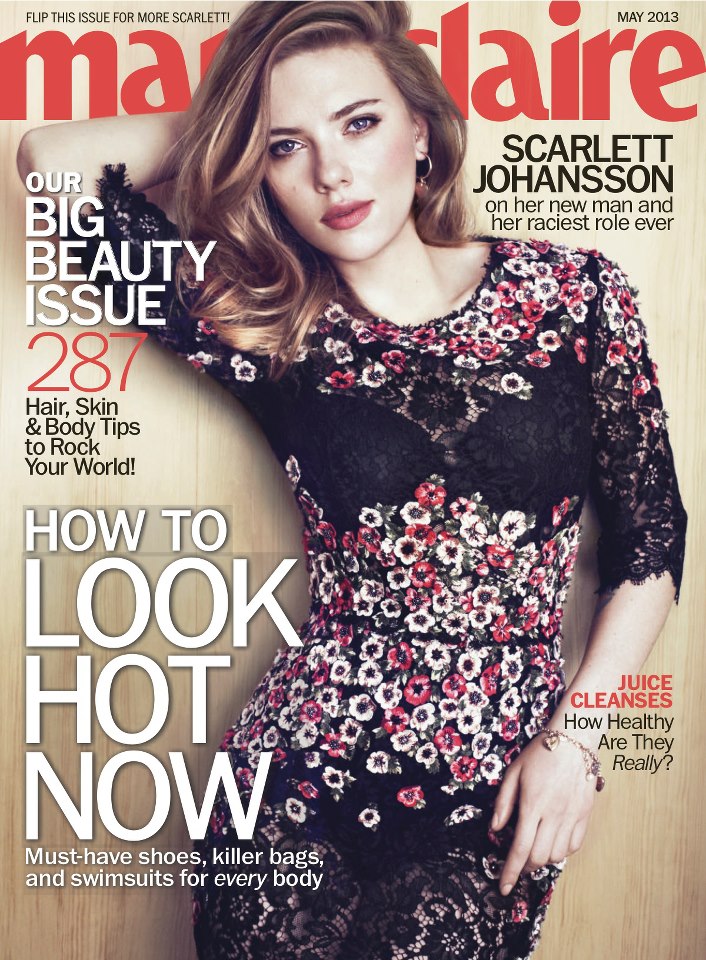
Scarlett Johansson for Marie Claire US, May 2013
Txema Yeste’s May 2013 Marie Claire US cover story on Scarlett Johansson—period fashion portraits and the American women’s-magazine feature around “Scarlett’s Web.”

Funny Animal Signs That Warn People (While Animals Ignore Them)
From a seagull on a no-birds disc to classic zoo and park ironies—why animal warning signs get funny, and what the rules are still for.
How to Find Local Amenities on Vacation: Mechanics, Haircuts & More
Locate trustworthy local services and everyday spots while traveling or settling in—using publications, reviews, map apps, neighbor tips, and low-pressure exploration.