
Scarlett Johansson for Marie Claire US, May 2013
Txema Yeste’s May 2013 Marie Claire US cover story on Scarlett Johansson—period fashion portraits and the American women’s-magazine feature around “Scarlett’s Web.”
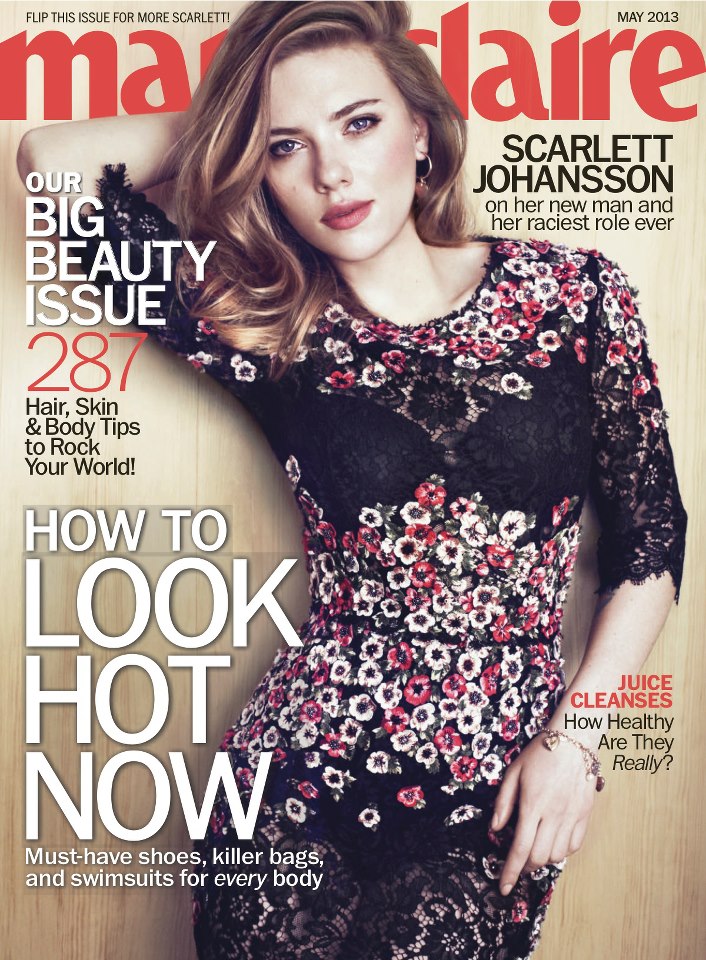
In spring 2013, American Marie Claire put Scarlett Johansson on its May cover—a women’s-magazine package built around photographer Txema Yeste’s frames and a feature that period coverage filed under the title “Scarlett’s Web.” The timing sat between Johansson’s stage and film work of that season and the ongoing Marvel visibility that kept her in mainstream conversation. What the issue offered readers was not a breaking news bulletin. It was a polished U.S. fashion-and-interview construction: controlled studio glamour, wardrobe that read as editorial rather than red-carpet default, and profile talk aimed at career, relationships, and self-presentation.
The gallery that circulated with the May 2013 package—retained here—still works as a period document of how a major American women’s title preferred to photograph a film star at that moment: saturated color, clean lighting, and poses that sell both clothes and a familiar face.
Marie Claire’s May 2013 brief
Marie Claire’s American edition has long mixed celebrity access with fashion storytelling aimed at a broad women’s readership—less couture-only than some Condé Nast sisters, more lifestyle-forward than a pure art-fashion book. A May cover is a newsstand bet: spring color, a recognizable star, and an interview readers can finish on a commute.
Johansson, then in her late twenties, already carried a double public image—serious film credits stretching back to childhood breakthroughs, and a beauty mythology the press rarely left alone. The May 2013 feature leaned into that tension without inventing a new persona. Period summaries of the George Gurley interview highlighted conversation about relationships and boundaries, social media fatigue, downtime habits, and creative plans (including talk of adapting Truman Capote’s Summer Crossing). Film chatter around the same window pointed toward Joseph Gordon-Levitt’s Don Jon and further Marvel work. The magazine’s job was to braid those threads into one legible cover subject.
Styling credits associated with the shoot in fashion-blog roundups commonly named Alison Edmond; hair and makeup credits in those same period posts often listed Danilo and Christian McCulloch. Those names matter as process markers. A Marie Claire cover of this type is a temporary studio system—photographer, fashion editor, hair, makeup—assembled so images survive both coated paper and the blog galleries that peeled frames off the issue within days of the April preview cycle.
Txema Yeste’s photographic register
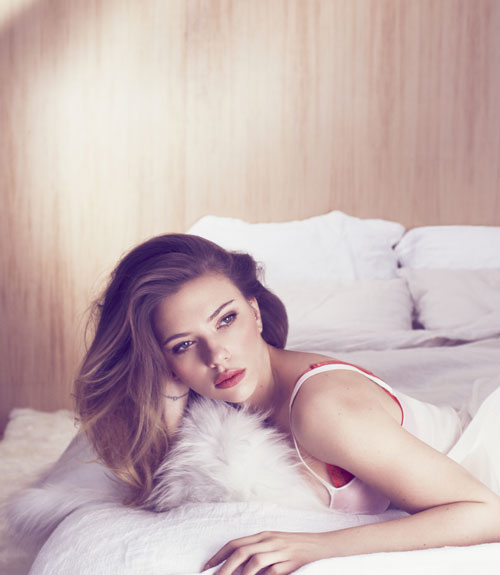
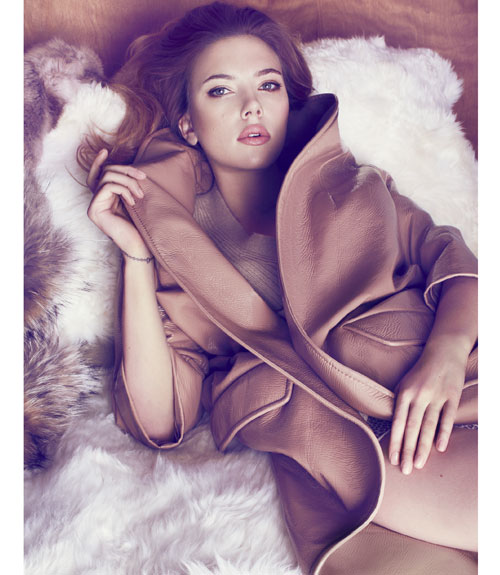
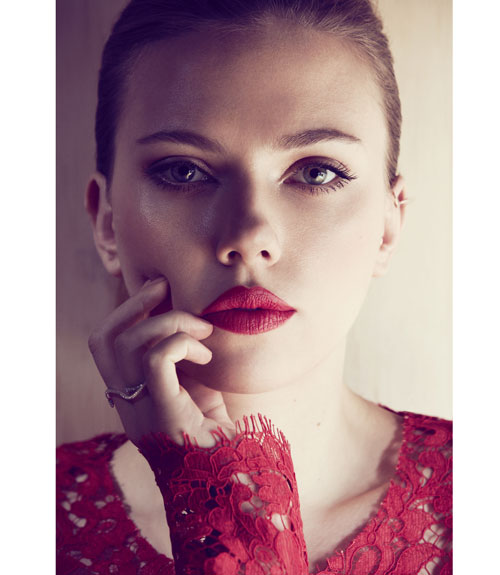
Txema Yeste’s celebrity and fashion work often favors clarity and sensual polish without burying the subject in conceptual props. On this Marie Claire set, that approach meets Johansson’s practiced camera stillness. The frames associated with the issue swing between cover-ready confrontational beauty and softer editorial variation—changes of wardrobe and posture more than changes of identity.
Look at how the photographs handle surface: floral sheers and patterned knits catch light differently than matte black; skin stays continuous across outfits so the story reads as one sitting. Yeste does not need Johansson to perform a character from a single film. He needs her to hold a fashion argument—texture, color, neckline—while remaining instantly recognizable at thumbnail size on a newsstand or a phone screen in 2013.
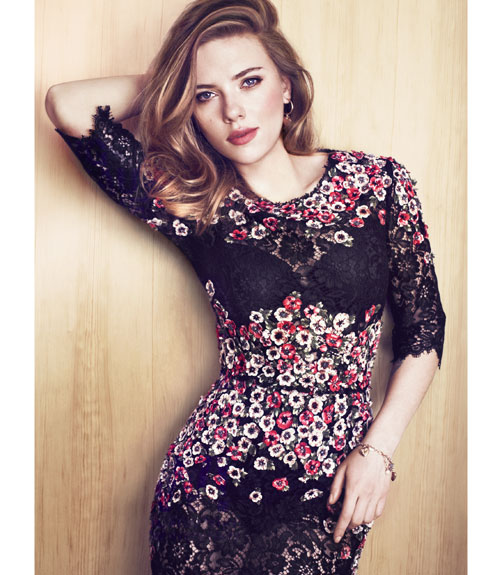
That is a different brief from a couture-house story or a launch-issue culture magazine. Marie Claire wanted approachable glamour with enough edge to feel current. The floral and bodysuit vocabulary that preview coverage emphasized fits that brief: romantic pattern language without abandoning the body-conscious silhouette magazines still favored that year.
What the interview space was selling
U.S. women’s-magazine covers of the early 2010s routinely asked stars to narrate adulthood: how they dated, what they refused in partners, how they spent evenings off-camera, how they felt about privacy in a sharing culture. Johansson’s May 2013 quotes, as they traveled through entertainment roundups, sat squarely in that genre—processing an earlier divorce, naming jealousy as a deal-breaker, joking about dancing with a boyfriend, dismissing the pressure to overshare online.
Whether any single line lived longest in print or in syndication, the editorial intent is clear in retrospect. Marie Claire was not casting Johansson as a silent mannequin. It was casting her as a speaker whose face already sold issues. The photographs and the copy shared a thesis: control of image, including the right to be complicated about fame’s visual appetite.
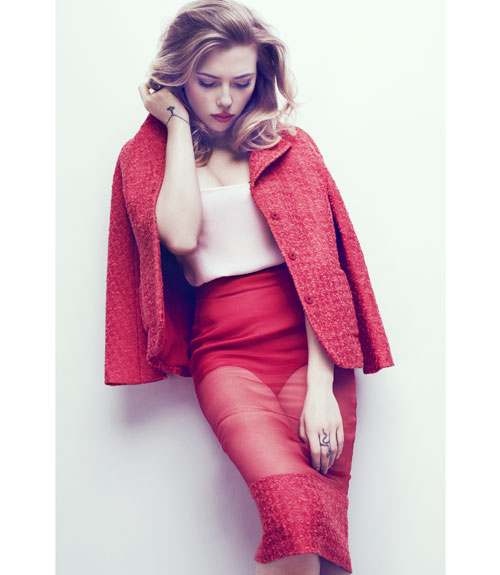
That thesis also explains the wardrobe rhythm across the sitting. Preview coverage lingered on sheer florals and body-conscious knits because those clothes photograph as both fashion and personality cues—romantic pattern for approachability, fitted silhouettes for the glamour readers already associated with Johansson. Yeste’s frames keep the changes coherent: same lighting family, same beauty finish, different textiles doing the monthly “newness” work that newsstand fashion requires.
Keeping the calendar honest matters. This is May 2013 Marie Claire—not a career retrospective, not a later awards-cycle reinvention. Treating the package as a fixed historical feature preserves what the images actually were: commercial fashion portraiture from a specific American title in a specific spring. Read beside her other magazine appearances that year, the Marie Claire set is the American women’s-book chapter—studio variety, interview warmth, and Yeste’s polish—rather than a couture-house spectacle or a launch-issue culture portrait.
How the frames traveled
Cover reveals in early April 2013 moved quickly into celebrity blogs and fashion aggregators. Individual Yeste portraits detached from the full Gurley interview and lived as “Scarlett for Marie Claire” stills. That circulation pattern defined the era: the magazine remained the commissioning source; the web made the image portable.
Viewed now, the set still teaches early-2010s beauty grammar—defined eyes, deliberate hair, skin finished for print—as period style. It also shows Johansson’s particular consistency across wardrobe changes: the sense that each frame is a controlled performance of presence rather than a candid. For readers tracing how Hollywood women were packaged on U.S. women’s-magazine covers that year, the May 2013 Marie Claire story remains useful primary-source adjacent material—commercial, carefully lit, and unmistakably of its moment.
The surviving local images reward a slow pass. Cover-adjacent beauty shots sell recognition at a glance; interior variations show how styling toggled between patterned softness and sharper contrast without breaking the sitting’s continuity. That continuity is the craft. Anyone can collect celebrity stills; a coherent editorial sequence is what made Marie Claire’s May package feel like a feature rather than a random upload dump when blogs mirrored it in April 2013.
Yeste’s photographs do not need updating to stay legible. They already argue what Marie Claire wanted that spring: Scarlett Johansson centered, clothed in editorial color and pattern, and framed for an American newsstand that sold personality and fashion in the same glance. The gallery above is that argument, still intact.

Comments
Continue reading
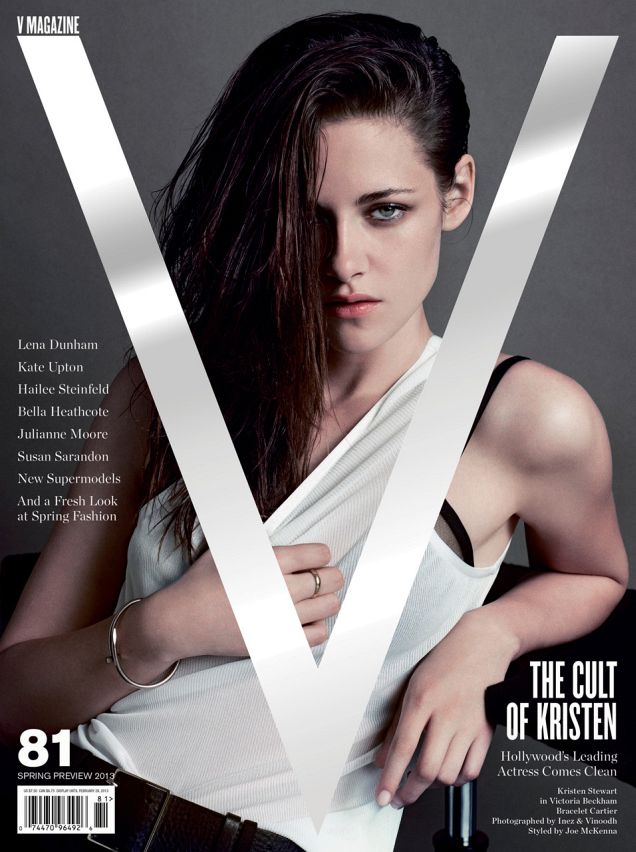
Kristen Stewart for V Magazine, Spring Preview 2013
V81’s Wild at Heart cover story—Kristen Stewart shot by Inez & Vinoodh, styled by Joe McKenna, in pale minimal spring glamour.
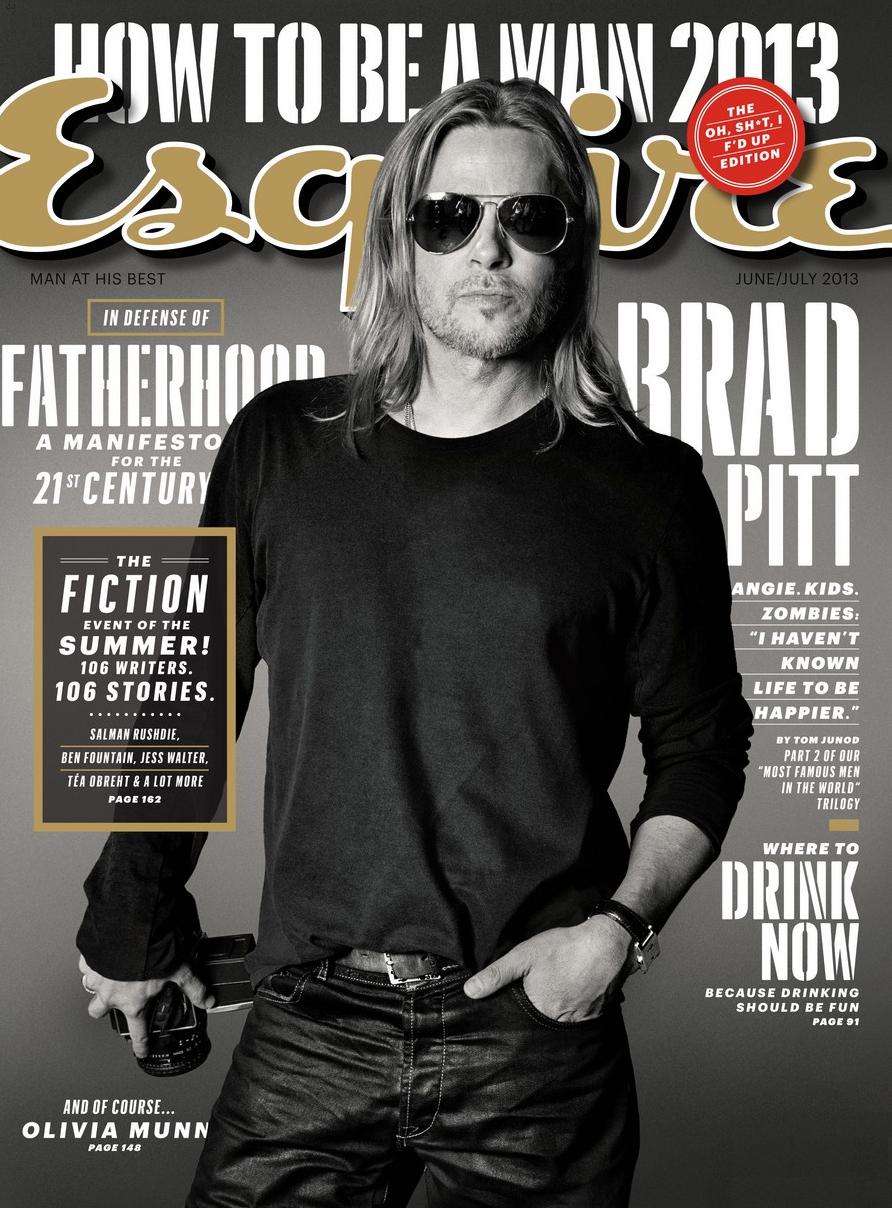
Brad Pitt for Esquire US, June/July 2013
Max Vadukul’s monochrome Esquire cover portraits—camera prop, aviators, Tom Junod’s “A Life So Large” summer 2013 package.
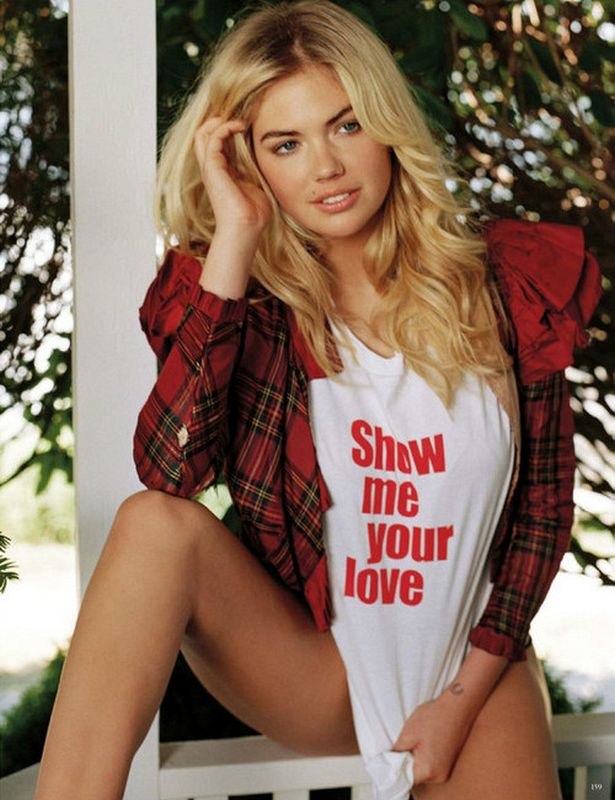
Kate Upton for Vogue Germany January 2013: Bruce Weber
Bruce Weber and Anne Christensen’s January 2013 Vogue Germany feature—outdoor European wardrobe romance, from Ackermann to Eres.