
Handmade Christmas Stockings: DIY Criteria That Last Past December
Choose silhouette, fabric, lining, and hanging strength before you cut—practical sewing criteria for handmade Christmas stockings that hold gifts and survive yearly reuse.
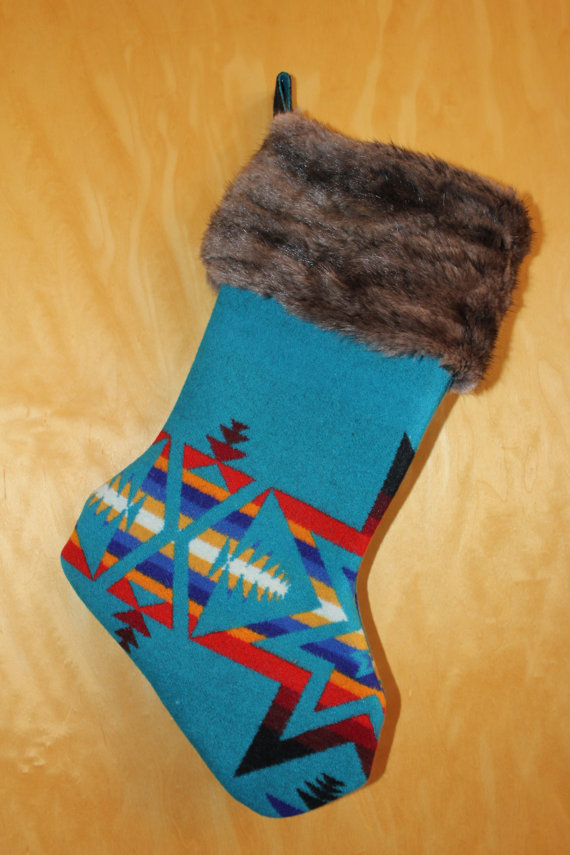
A handmade Christmas stocking is less a decoration and more a small textile contract with December. It has to hang without twisting, open wide enough for gifts, survive years of stuffing and emptying, and still look like it belongs to one person in a household of many. Store-bought stockings can do some of that. A handmade one lets you choose fabric weight, cuff personality, lining, and name placement with intention—if you treat the project as sewing criteria rather than a pile of seasonal craft spam.
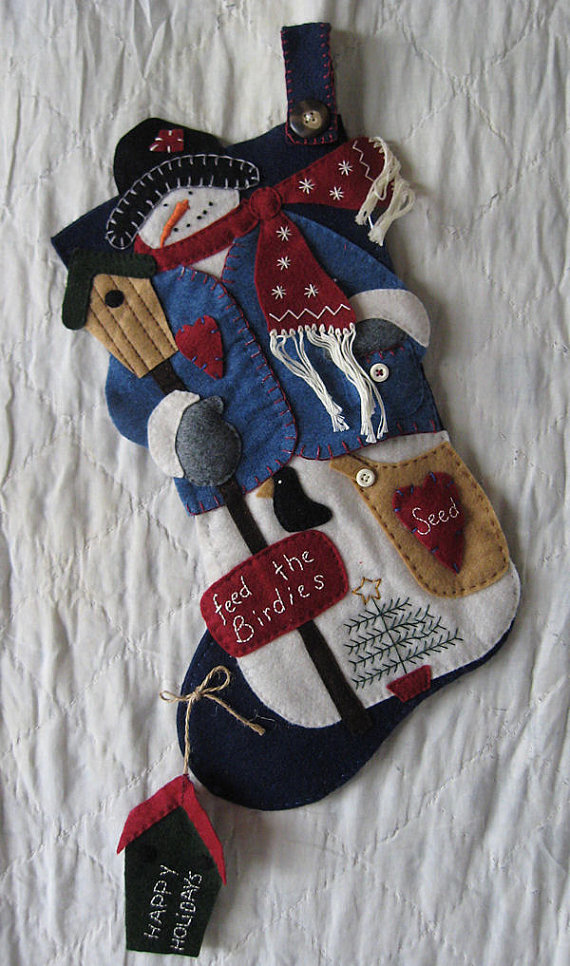
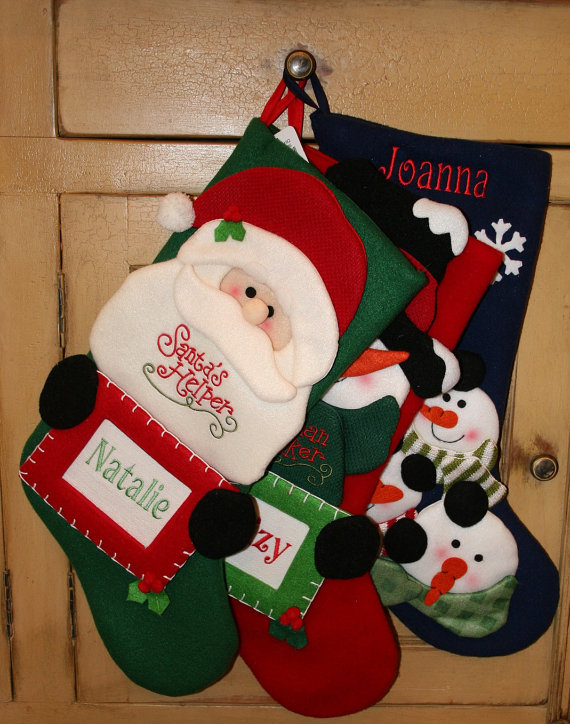
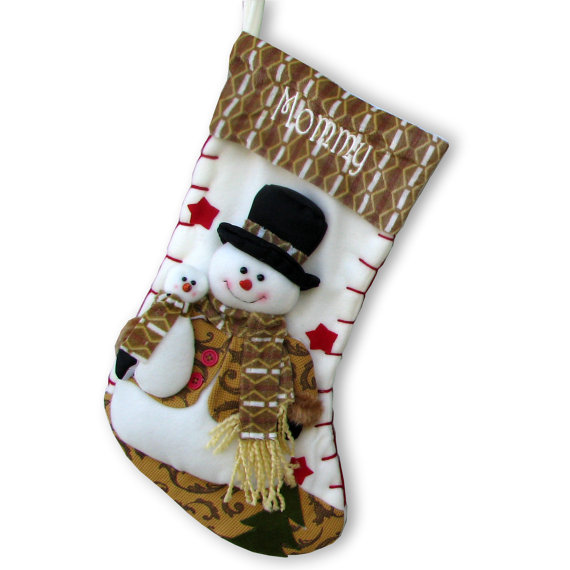
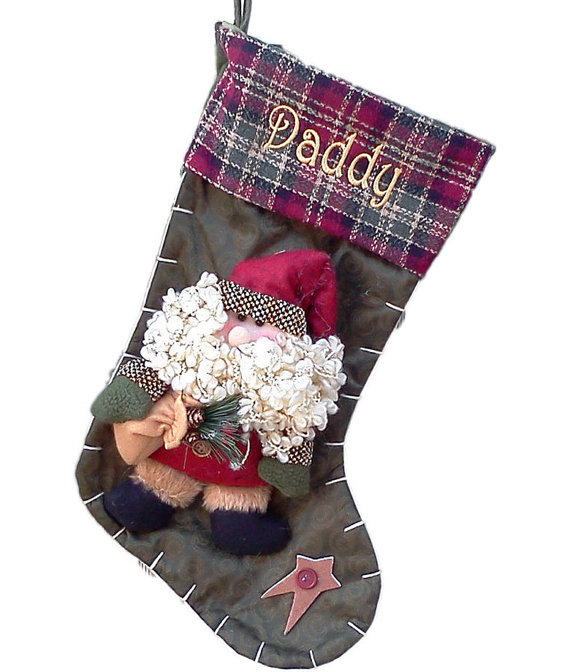
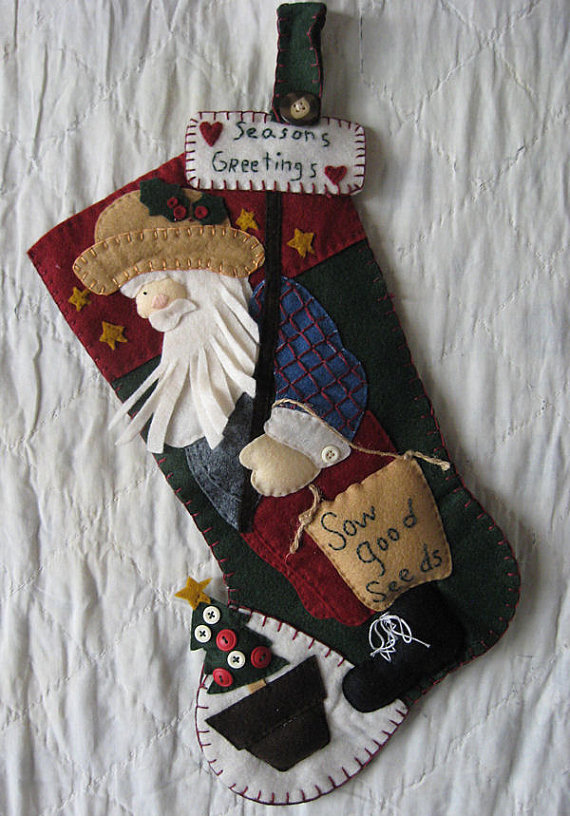
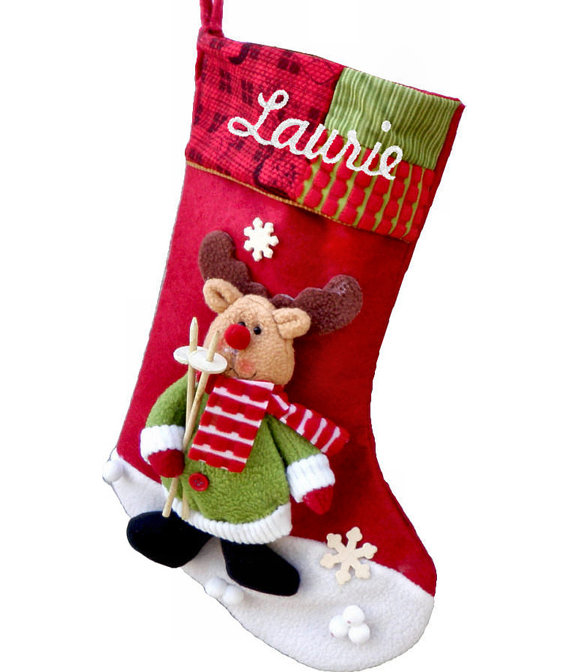
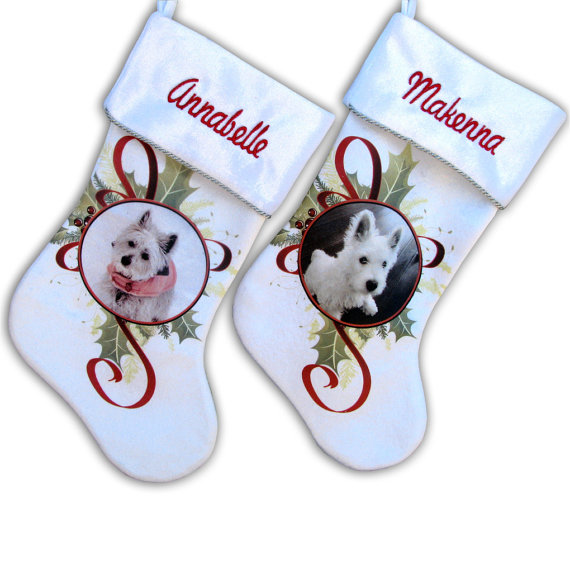
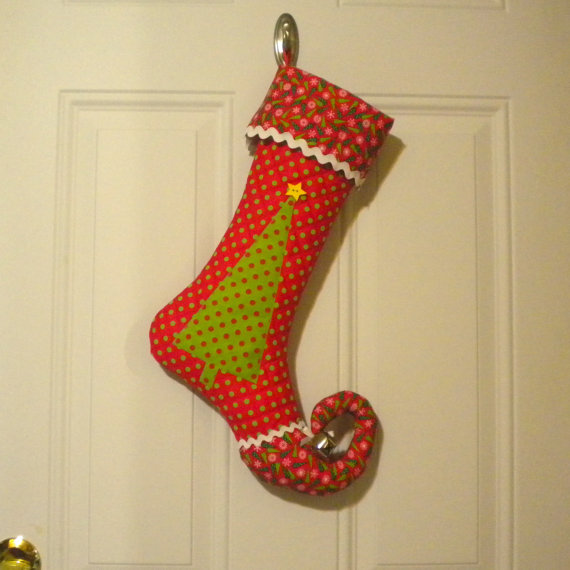
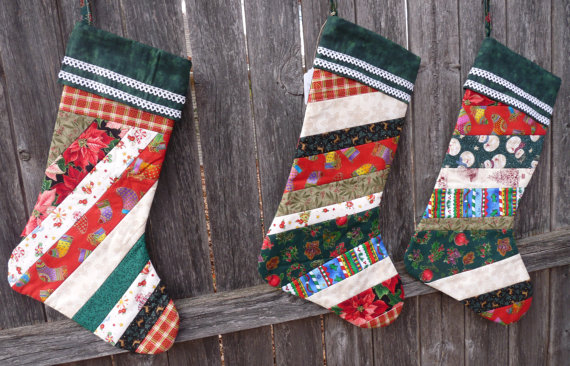
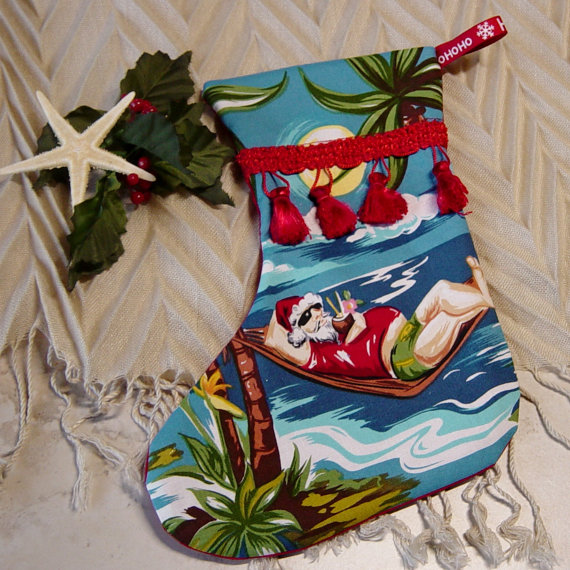
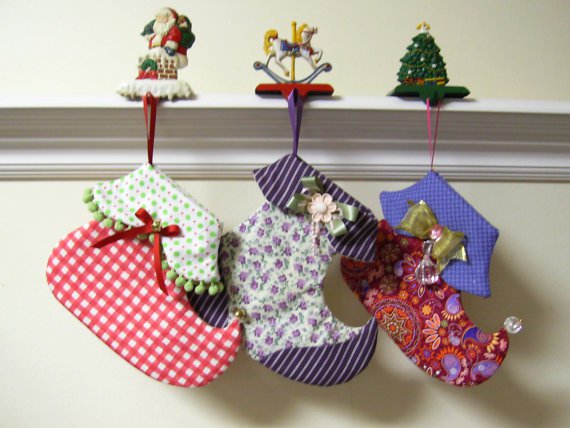
This guide walks through practical decisions for DIY stockings: silhouette, materials, construction order, personalization that lasts, and how to read inspiration images without buying every notion in sight. The gallery below shows a wide range of handmade looks—wool, burlap, quilted, felt, whimsical, tropical, pet-sized—so you can pick a direction before you cut.
Choose a silhouette that matches the mantel job
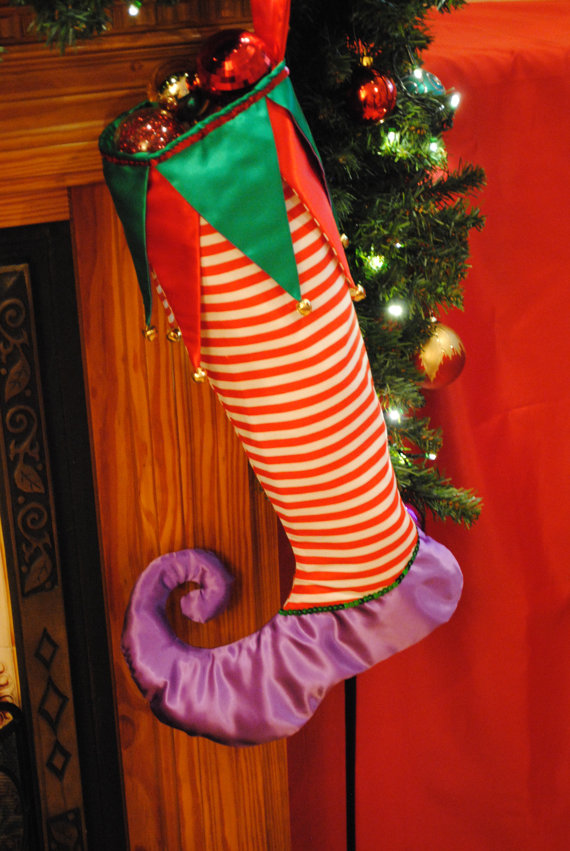
Most stockings fall into a few workable families: classic curved boot with a rounded toe, elongated elf toe with a curl, straight country sock with a blunt toe, and oversized “statement” shapes meant more for display than for heavy filling. Measure the space under your mantel or shelf before you fall in love with a curly toe. A dramatic curl that looks charming flat on a table can collide with a sibling stocking or a candle once hung.
Decide capacity early. A child’s stocking that will hold books and a small toy needs a deeper foot and a wider cuff opening than a decorative adult stocking meant for chocolate and a card. Trace a favorite existing stocking onto paper, or draft a simple pattern by drawing a boot shape at least 40–50 cm tall for adults and slightly smaller for kids—then add seam allowance. If you plan appliqué or 3D elements (snowmen, reindeer faces, quilt blocks), leave unbroken real estate on the front panel so embellishments do not fight the seam line.
Hanging hardware is part of the silhouette. A fabric loop sewn into the cuff seam is strongest when it is short, doubled, and caught in the side seam or a reinforced patch. Long decorative loops twist. Metal hangers can stretch thin cuffs. Test the finished stocking with a realistic weight—an orange, a paperback, a few small boxes—before Christmas Eve.
Fabric criteria that survive real use
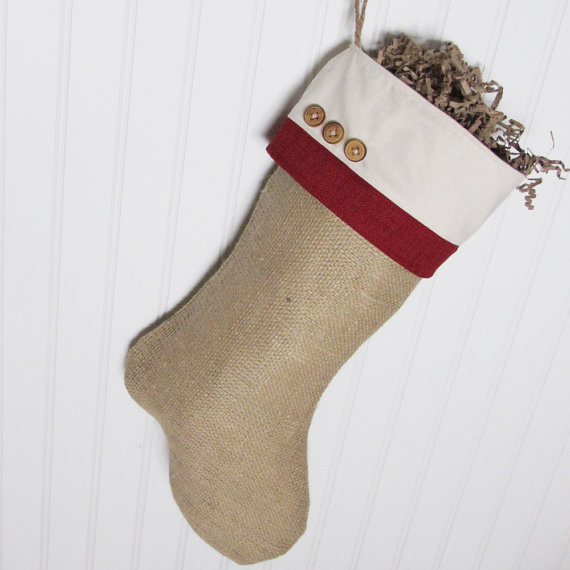
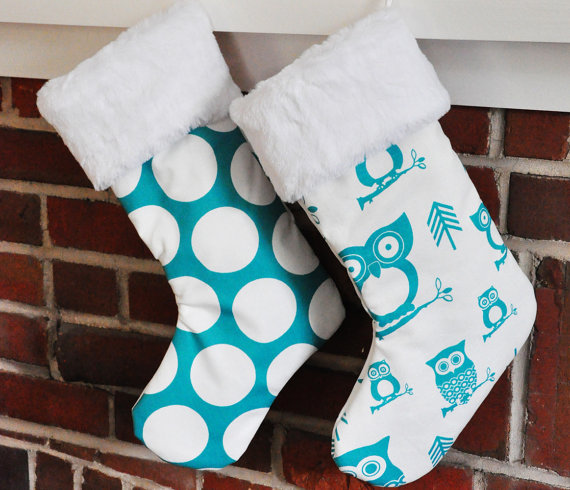
Wool and wool blends (including sturdy Pendleton-style suiting remnants) hang beautifully, resist looking cheap, and take embroidery well. They can be pricey; scrap quilting from a wool coat or blanket is a classic thrifty route. Cotton quilting prints are beginner-friendly and easy to appliqué, but thin cotton alone can look limp—back it with flannel, fleece, or a light batting sandwich if you want body. Burlap and coarse linen give rustic texture; line them, because raw jute sheds and scratches gifts. Felt is ideal for primitive Santas and embroidered motifs; choose wool-blend felt over craft acrylic if you want edges that do not pill into fuzz after one season.
Quilted stockings and patchwork fronts add visual richness and structural thickness. Keep seam allowances consistent and press carefully so the stocking does not warp into a banana. If you use batting, quilt the panels before sewing the stocking together so the foot curve does not fight bulky seams. For pet stockings, scale down and avoid fragile beads that could become chew hazards.
Lining is not optional for longevity. A smooth cotton or cotton-blend lining lets gifts slide in and protects the outer fashion fabric from abrasion. Cut lining slightly smaller or take a hair more seam allowance so the outer shell turns smoothly. A cuff—contrasting velvet, faux fur, striped ticking, embroidered linen—hides the raw top edge and gives you a place for a name without stitching into the main motif.
Construction order that prevents Christmas-week panic
A reliable sequence for most lined stockings looks like this: cut outer fronts and backs; complete all surface design on the front (applique, embroidery, quilt motifs, 3D noses or ears); sew outer shell right sides together; clip curves; turn and press; construct lining the same way, leaving a turning gap if your pattern uses bagging; attach cuff and hanging loop; join lining to shell; close the gap; press again. Clip or notch concave curves at the ankle and toe so the seam lies flat. Understitch the lining near the cuff if it wants to roll outward.
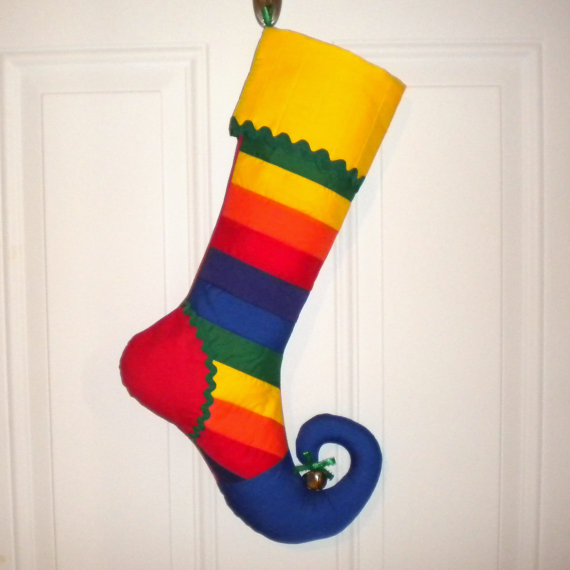
If you are new to curves, sew slowly with a shorter stitch length around the toe. Reinforce the hanging corner with a small square of interfacing. For curly elf toes, stuff the tip lightly with polyfill after turning so the curl holds shape without collapsing. For quilted tree or rainbow-stripe fronts, stabilize the panel so stitching does not ripple the grain.
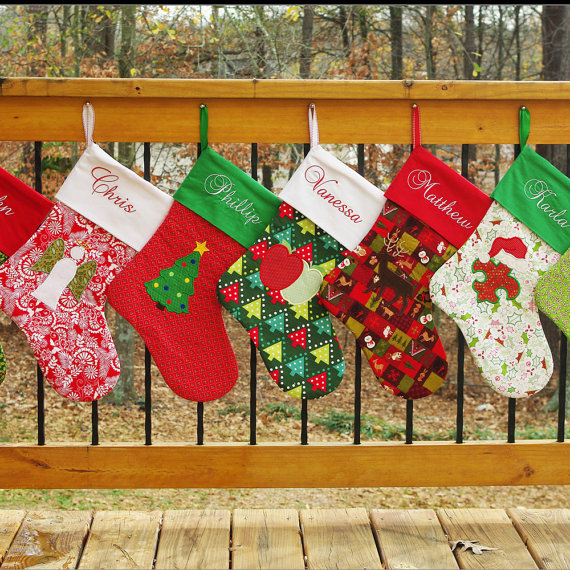
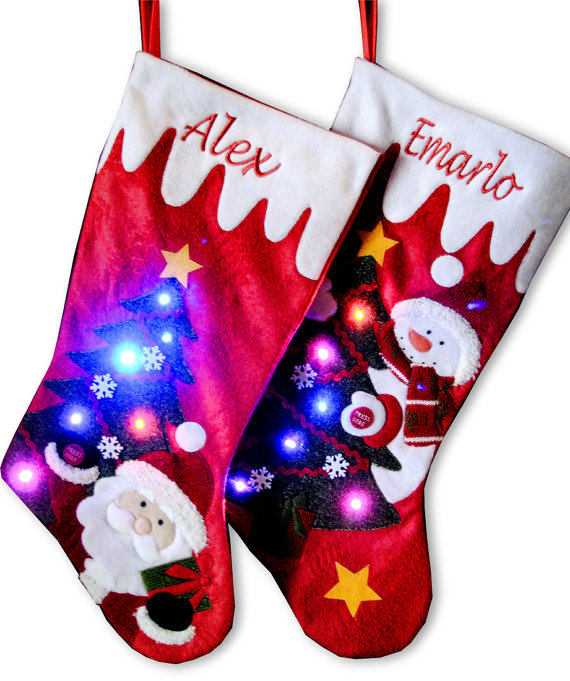
Personalization should be planned before final assembly. Embroider or apply letters on the cuff while it is still flat. Avoid glue-only name tags; heat and storage crush adhesive. If you want lights or novelty electronics, treat them as temporary inserts, not stitched-in components that make the stocking unwashable.
Style directions without shopping lists
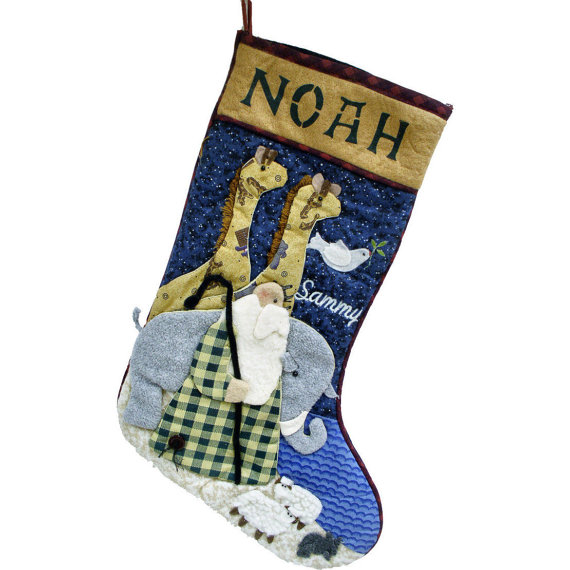
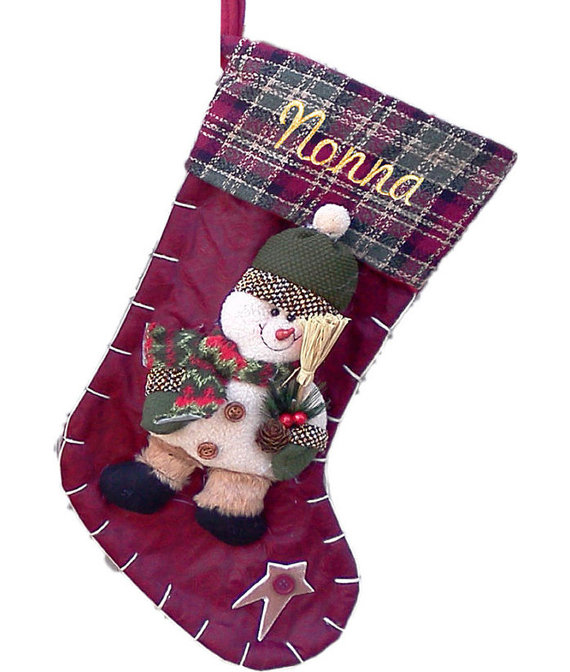
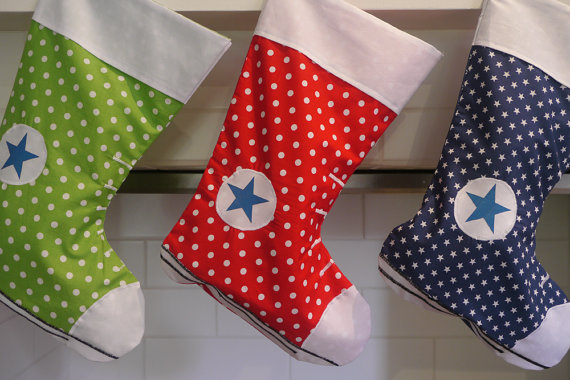
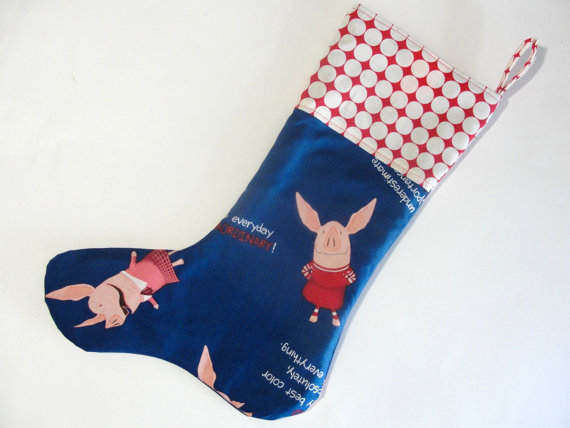
Use the gallery as a mood board, not a cart. Rustic wool and western motifs read cohesive with wood mantels. Burlap with red trim suits farmhouse rooms if lined. Biblical or storybook scenes work best when the illustration sits inside a calm border so the stocking still reads as a stocking from across the room. Country snowmen and prim Santas thrive in felt and embroidery. Patchwork and rainbow stripes energize modern rooms. Tropical prints and hammock Santas are fair game if your holiday aesthetic is humor-first. Whimsical character stockings and pet sizes remind you that matching sets are optional; harmony of scale and cuff color often matters more than identical prints.
When family stockings must “match,” unify by cuff fabric, trim color, or hanging-loop style while letting each person’s front panel stay individual. That approach photographs well and avoids the frustration of finding five identical cuts of a discontinued print.
Checklist before you hang it
- Pattern size checked against mantel spacing and intended gift load
- Outer fabric and lining pre-washed if the stocking will ever see a gentle wash
- Front embellishments completed before side seams
- Curves clipped; toe fully turned and pressed
- Cuff attached smoothly; name secure on flat cuff fabric
- Hanging loop short, doubled, and stress-tested with realistic weight
- Lining not peeking; no scratchy raw burlap inside the foot
- Set cohesion decided (shared cuff/trim) if making multiple stockings
Pass that list and you have more than a festive prop. You have a handmade Christmas stocking built to be filled, emptied, stored flat, and brought back next year without apology.

Comments
Continue reading
Christmas Nail Art Designs: Red, Metallics, Candy Canes, and Minimal Sets
A practical guide to Christmas manicures—classic reds and greens, snow and metallics, candy-cane graphics, sweater texture, and wearable accent-nail strategies.

Still-Life Photography by Margareth Perfoncio
São Paulo photographer Margareth Perfoncio’s still lifes of food and flowers—Old Master light, dark wood, and tables that feel inevitable.

Meaningful Love Quotes for Inspiration (and Ink)
Meaningful love quotes that still feel true — short lines for tattoos, gifts, and everyday reminders, with placement and wording tips.