
Splendid Black and White Wedding Photos
A gallery essay on why monochrome wedding photography still matters—portraits, candid moments, contrast, and how to ask for a black-and-white set beside color.
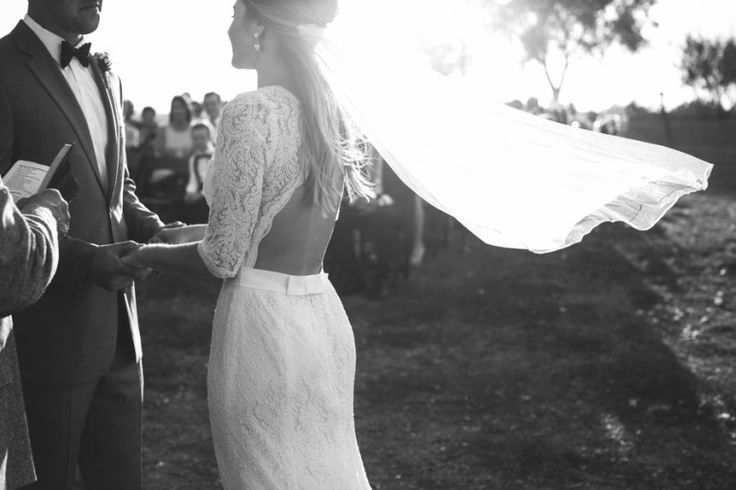
Color wedding photography carries flowers, dresses, and venue palettes in full voice. Black and white does different work. It subtracts the obvious and leaves gesture, contrast, and timing. A skillful monochrome set can feel less like documentation of décor and more like a short film stills reel—faces, hands, weather, and the architecture of a room told through light alone. Couples who want an album that ages without chasing trends often ask for a deliberate black-and-white edit alongside the color story.
That request is not nostalgic for its own sake. It is a way of building two readings of the same day: one that remembers the garden roses and the napkin hue, and one that remembers how someone looked when vows landed. This gallery is visual proof of that second reading—portraits, ceremonies, and quiet in-between frames where grayscale makes emotion easier to read.
Why monochrome still belongs in a modern album
Trends in wedding color grading come and go. Deep teal shadows, warm film emulations, and ultra-bright airy edits all date themselves eventually. Black and white is not immune to fashion—harsh HDR mono had its moment—but classic tonal photography remains readable decades later. Grandparents recognize it. Future you recognizes it. The image becomes about the people more than the season’s preset.
Monochrome also rescues difficult mixed lighting. A room with ugly gel washes or competing tungsten and daylight can look chaotic in color and intentional in grayscale if the photographer exposes for faces and accepts deep shadows where they help the frame.
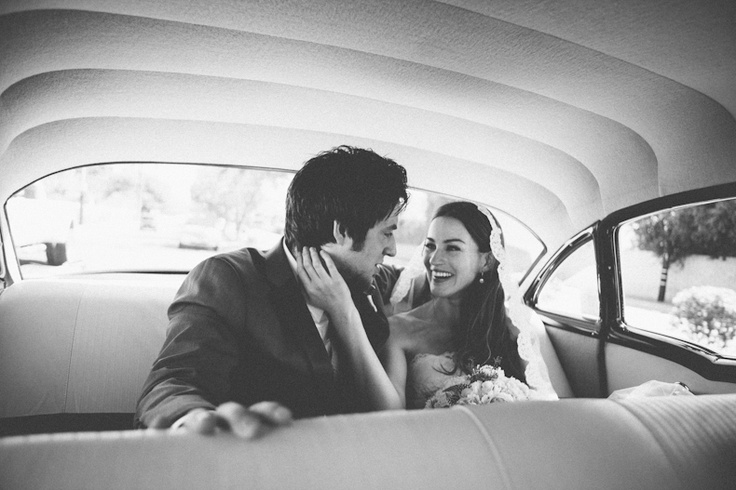
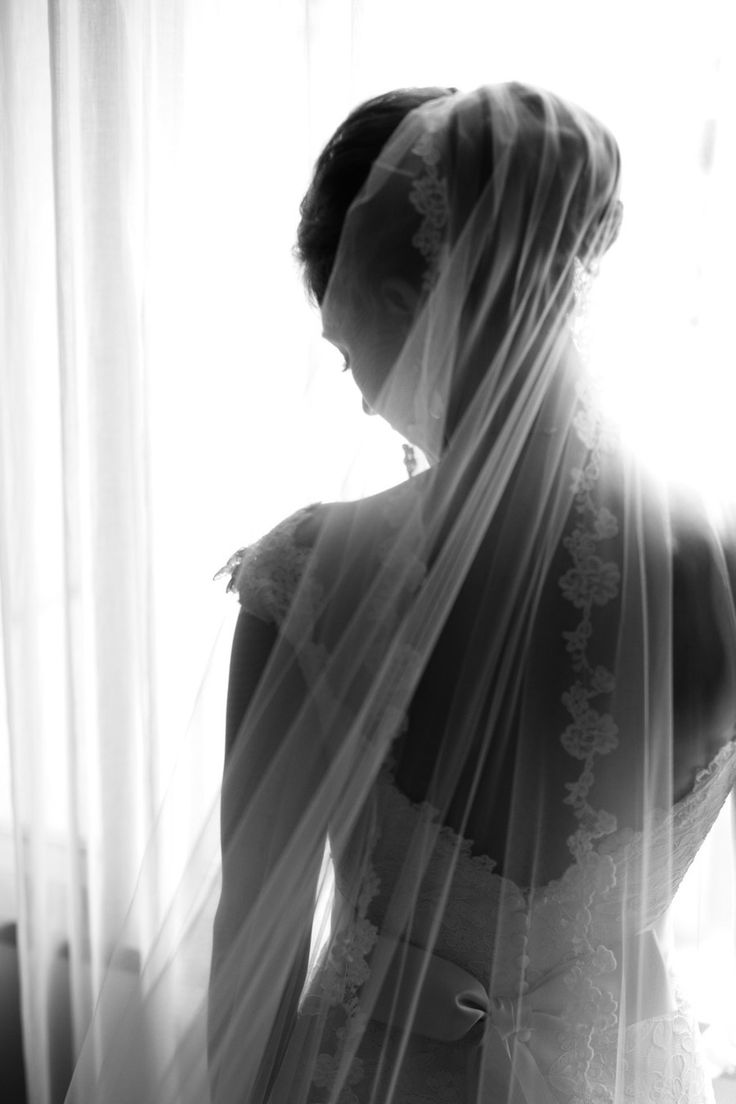
Portraits: faces, fabric, and quiet confidence
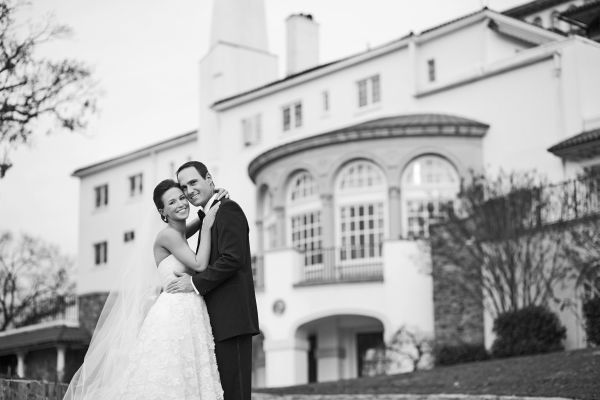
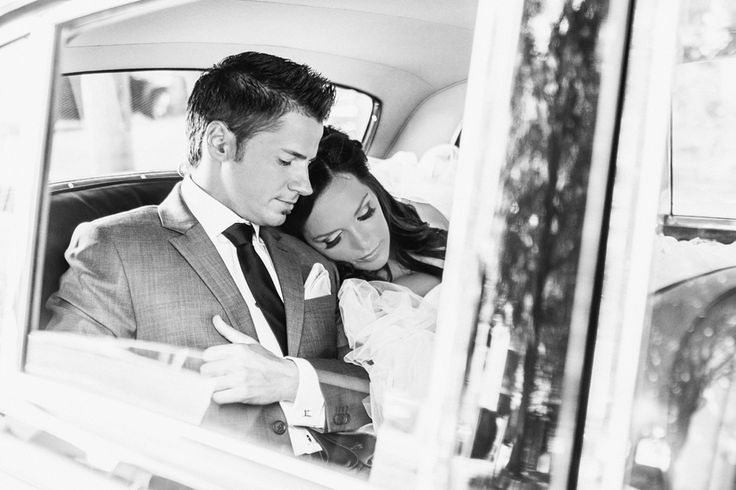
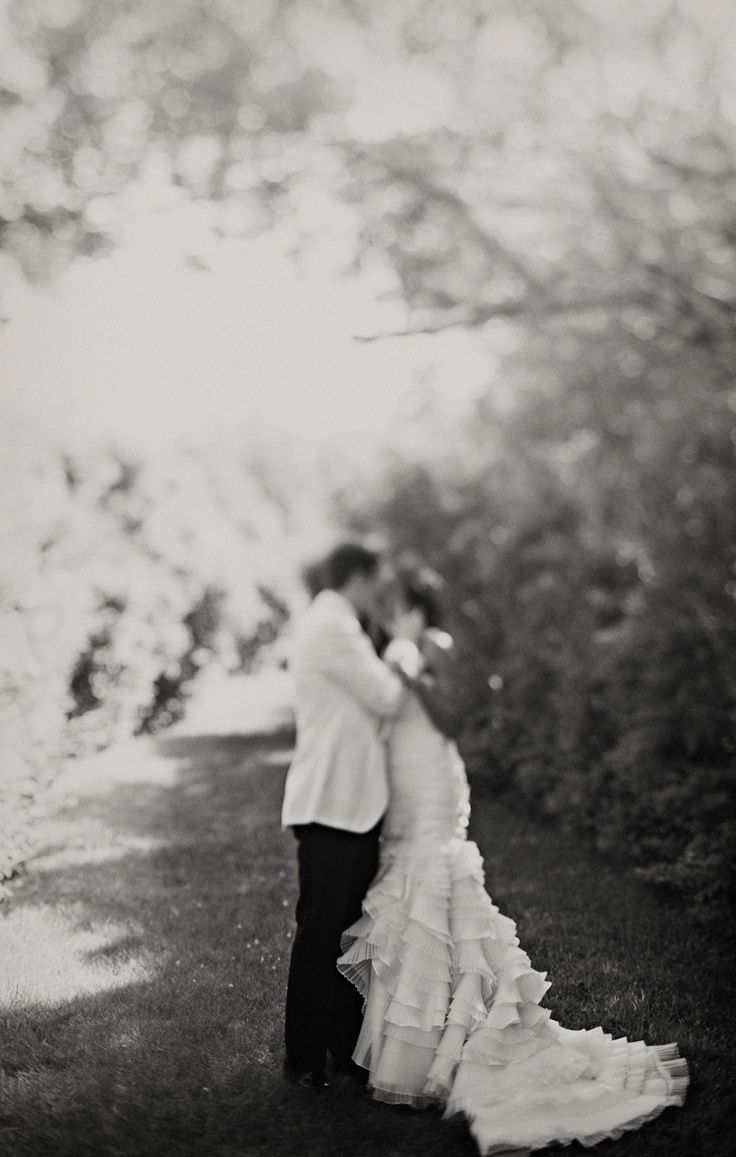
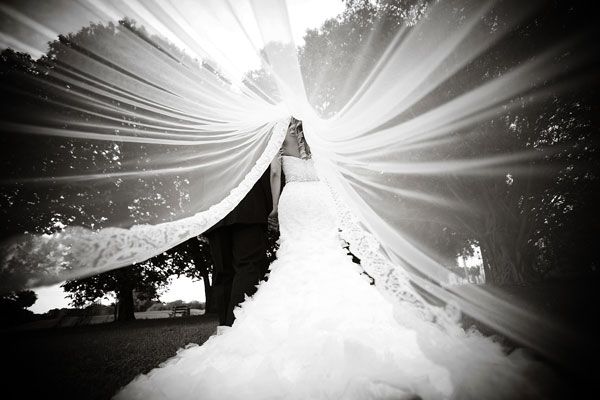
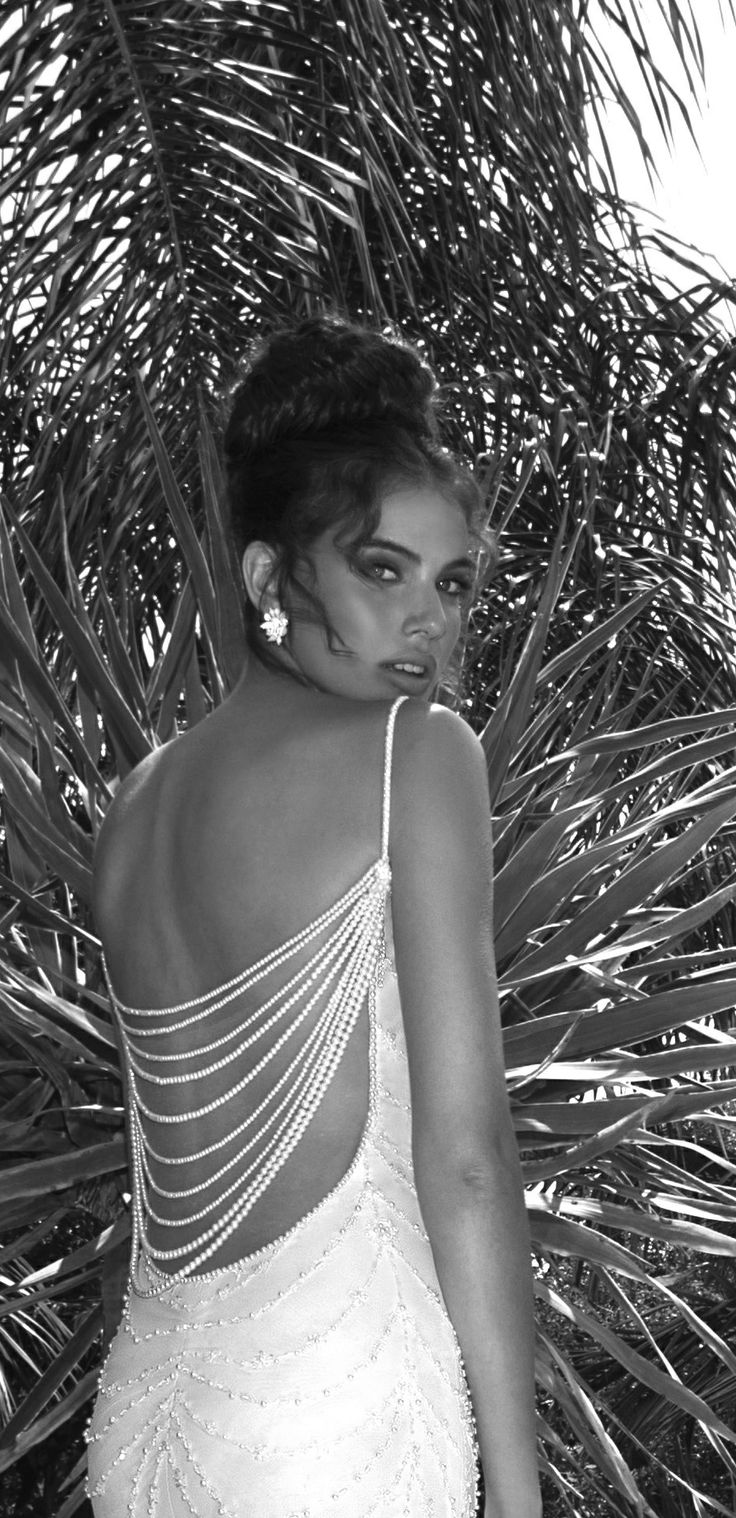
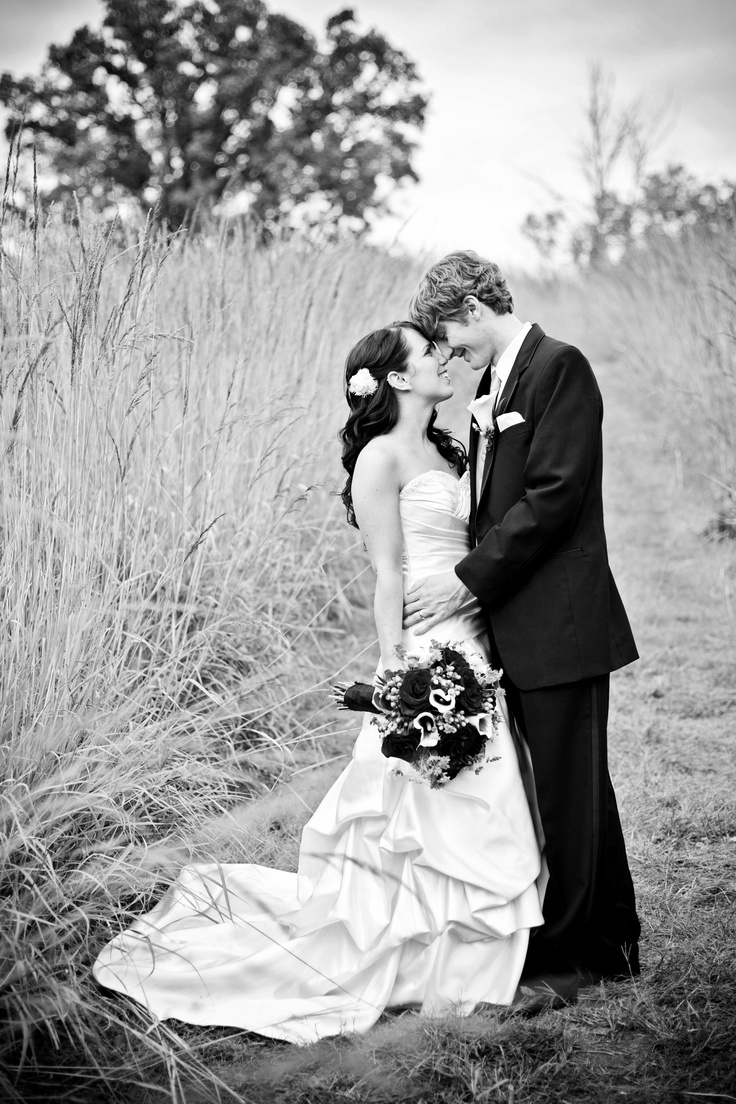
In black and white, skin texture and expression carry the frame. Soft window light, open shade, and gentle rim light from a doorway all translate cleanly. Dress lace becomes pattern rather than color sample; a dark suit becomes a graphic shape against a bright wall. Ask for a few portraits made specifically with mono in mind—slightly stronger side light, simpler backgrounds, less reliance on bouquet color to “finish” the photo.
First looks and private vow readings often belong in this category. The room may be imperfect; the feeling is not. Monochrome forgives cluttered hotel corners better than a vivid color grade that turns beige walls into a distraction.
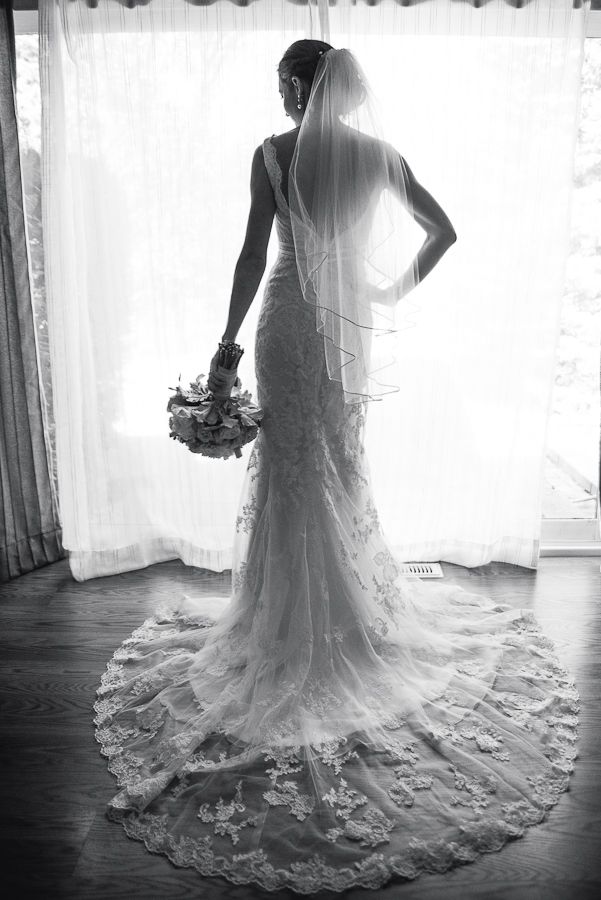
Documentary frames: the day as it unfolds
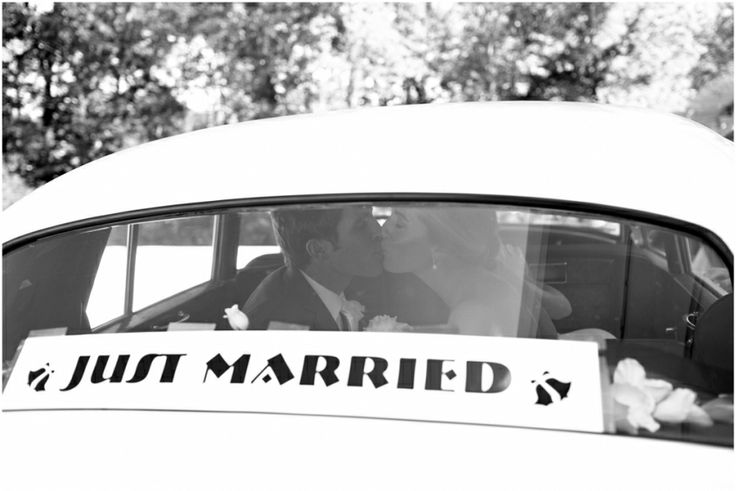
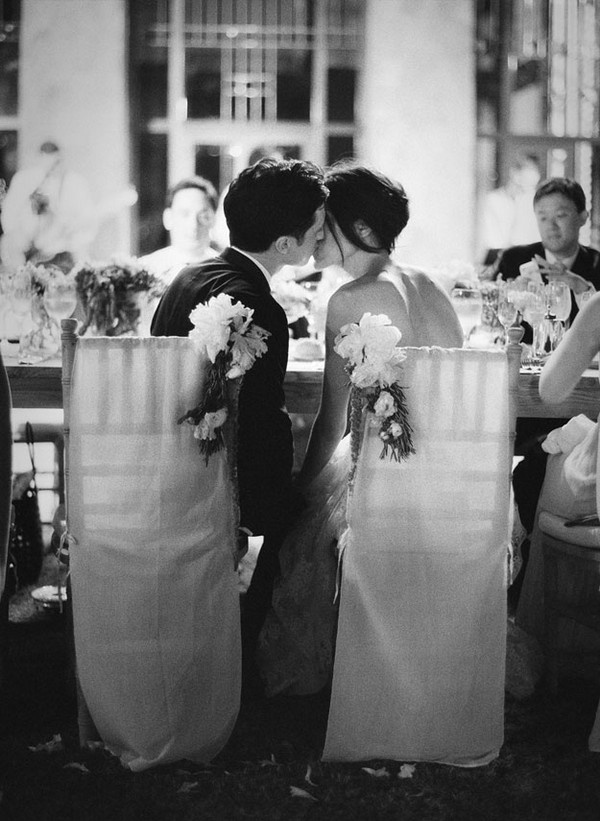
Some of the strongest wedding black-and-white images are not posed. A parent’s hands adjusting a veil, a laugh caught mid-toast, rain on a car window, guests leaning into a speech—these moments gain gravity when color does not compete. Tell your photographer you want a documentary layer in mono: candid reception frames, getting-ready details, and ceremony reactions edited without forced vintage texture.
Contrast, weather, and place
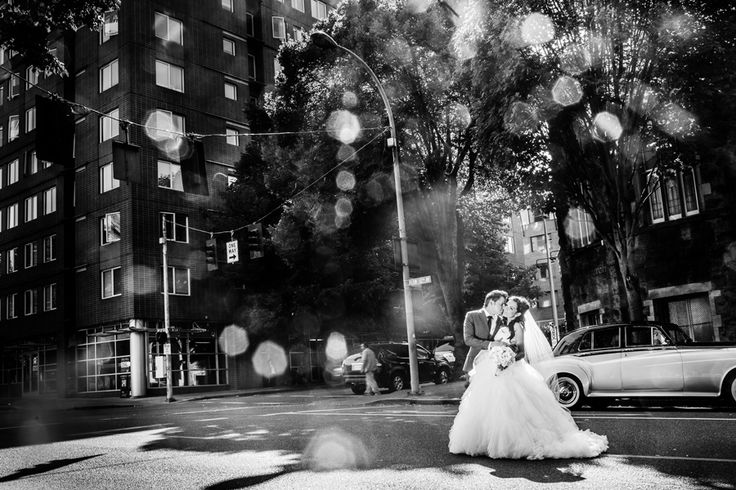
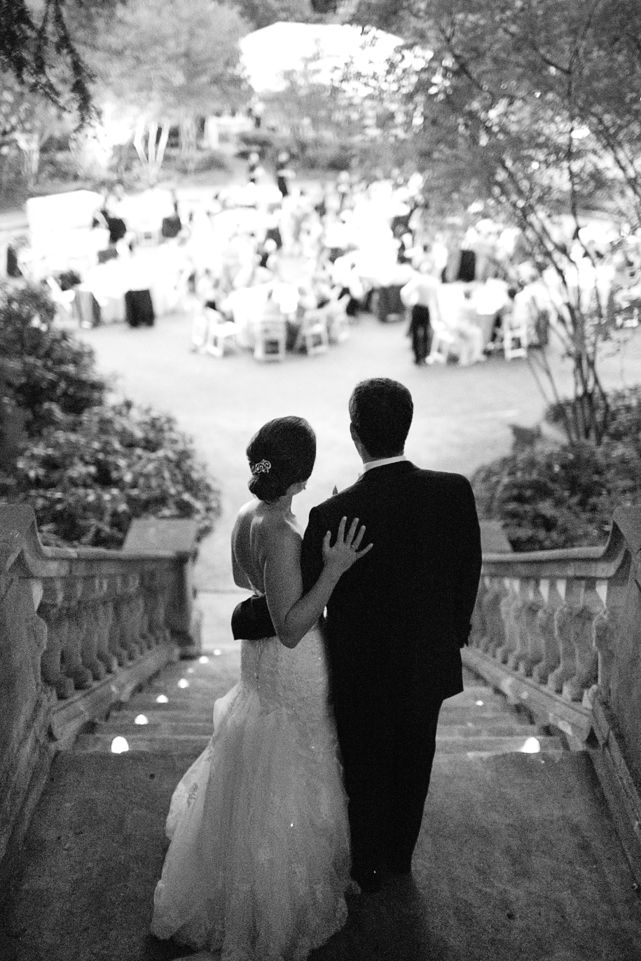
Bright sun and hard shadows can look brutal in color and graphic in black and white. Overcast days flatten color but leave beautiful soft tonal ranges for faces. Night receptions with string lights and dark suits often sing in mono because specular highlights and silhouettes do the storytelling. Architecture-heavy venues—churches, lofts, city streets—gain clarity when brick, stone, and sky become value studies.
How to ask for black and white without losing color
You do not have to choose one or the other. A common approach: full color gallery for the day, plus a curated black-and-white selects set—often fifty to one hundred frames—or a parallel edit of key portraits and ceremony moments. Be explicit in the contract about whether mono images are included, how many, and whether they are delivered as a separate gallery.
Avoid converting everything after the fact with a single filter. The best black-and-white wedding photos are exposed and composed with tonal intent: protected highlights on dresses, usable shadow detail in suits, backgrounds that do not collapse into mud.
Share references early—galleries like this one work well—so your photographer knows whether you prefer high-contrast drama, soft midtones, or a mix. Talk about print plans too. A few large mono prints in a hallway or album chapter can carry more weight than flooding every social crop with the same desaturated look.
Details that sing without color
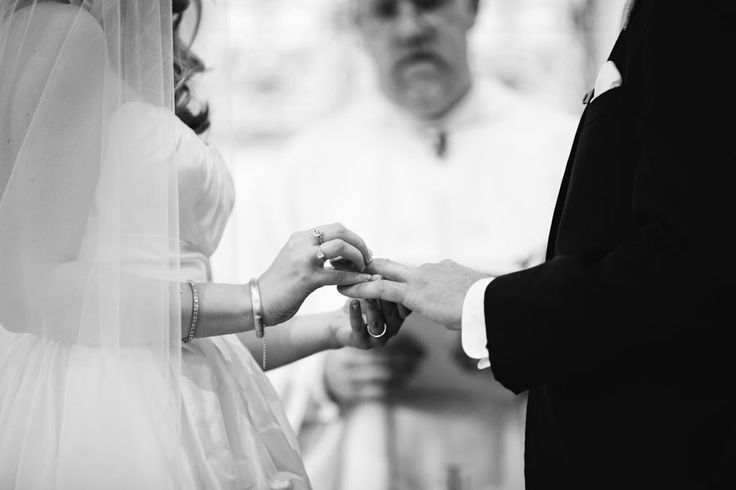
Rings against a palm, shoes waiting by a door, a handwritten vow card, rain on a window—detail frames often improve when hue steps aside. Texture becomes the subject. If your florist built a complex palette, keep those wide bouquet shots in color and let black and white own the quieter objects and gestures instead.
The same logic applies to evening dancing. Motion, sweat, and string-light sparkle translate cleanly in grayscale. You can keep a color set for the cake and florals, then lean mono for the dance floor so the album has rhythm rather than one continuous filter.
What these frames teach
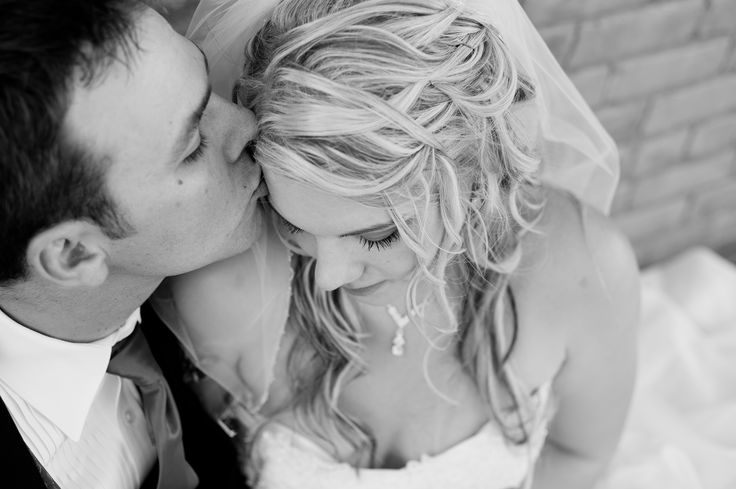
Looking across a strong monochrome wedding set, patterns appear: eye contact that holds, hands that explain the relationship, negative space that gives a portrait air, and moments where motion blur or grain would hurt color but somehow fit grayscale emotion. Not every frame must be solemn. Laughter looks excellent without color. So do dancing feet and messy cake plates.
Notice also what is missing on purpose. Busy wallpaper, logo backdrops, and neon signs lose power when they cannot shout in red or blue; the photographer can crop tighter or wait for a cleaner angle. That editing discipline is part of why black and white feels “timeless”—it often forces cleaner composition before the convert button is ever pressed.
If you are building a mood board, sort favorites into three piles: posed portraits, ceremony storytelling, and reception energy. Ask for coverage in each pile rather than a vague request for “some black and white.” Specificity helps more than adjectives like epic or dreamy.
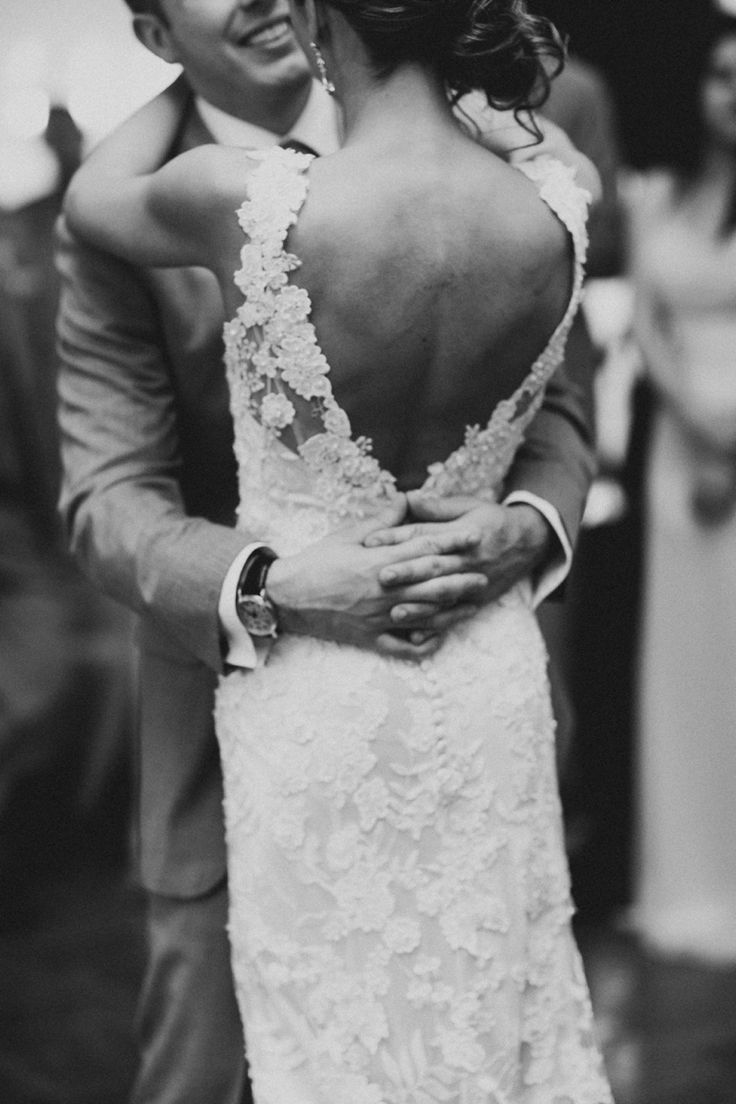
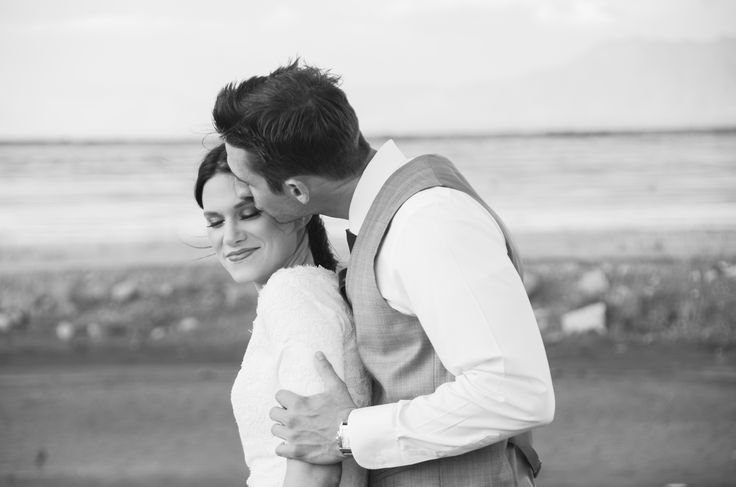
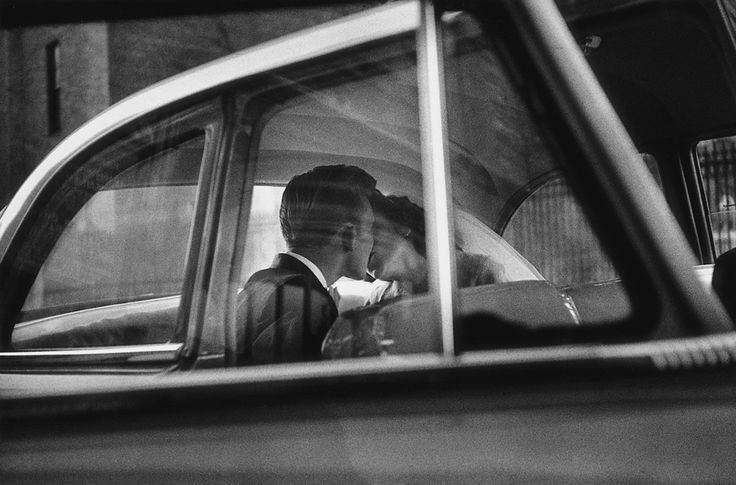
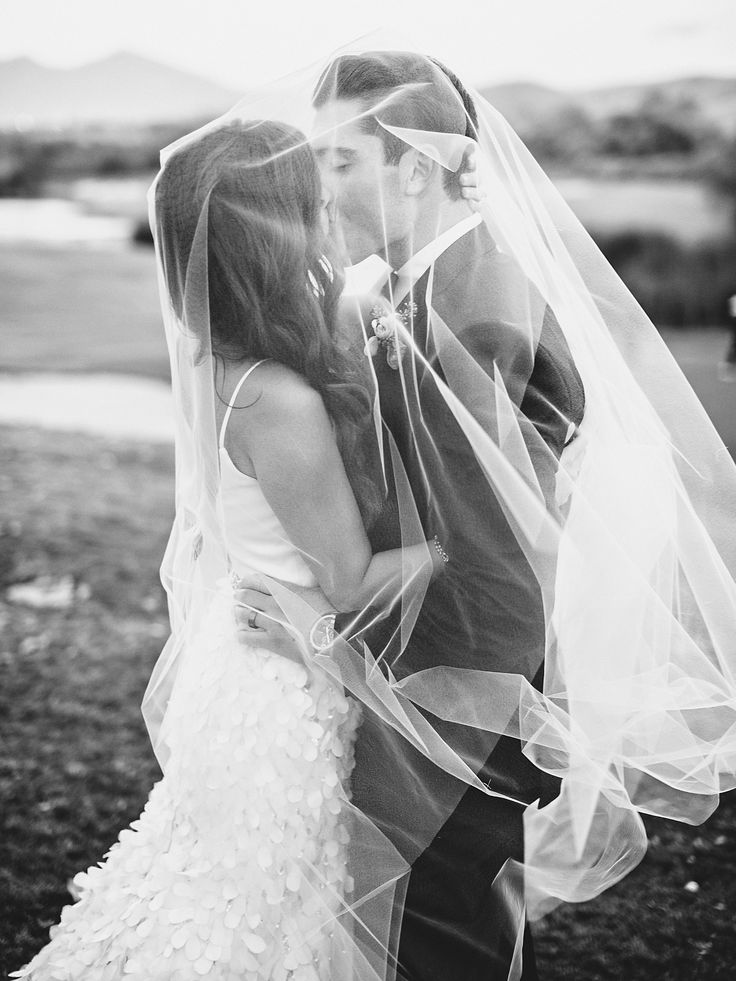
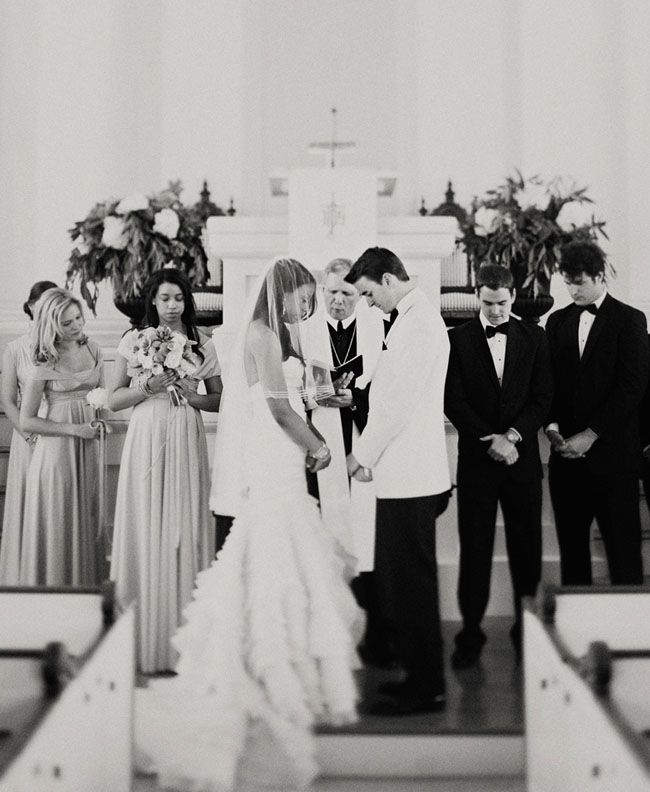
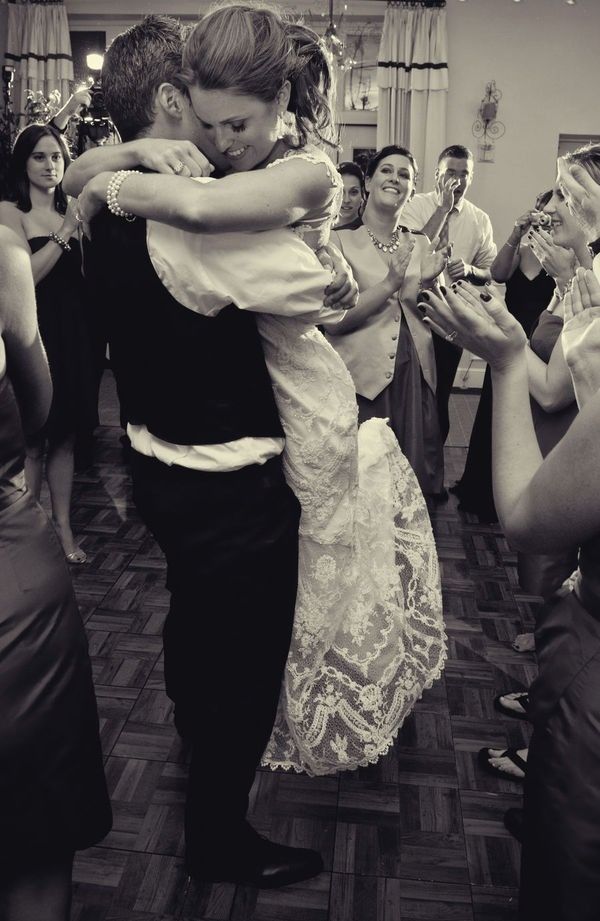
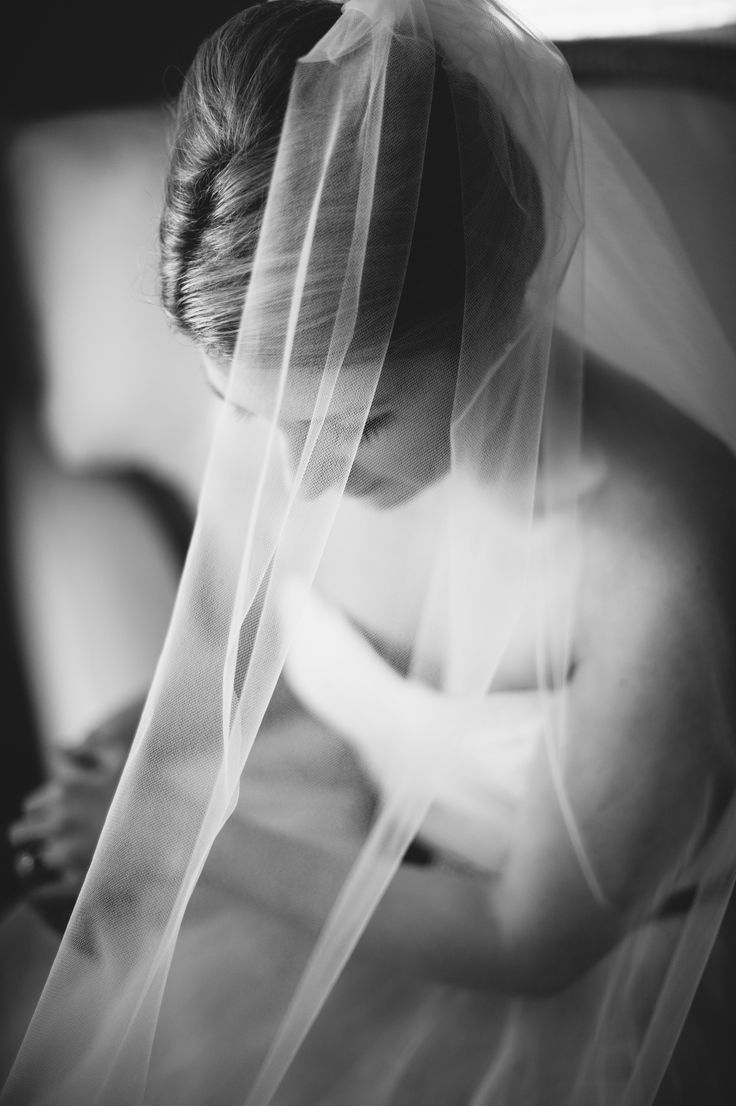
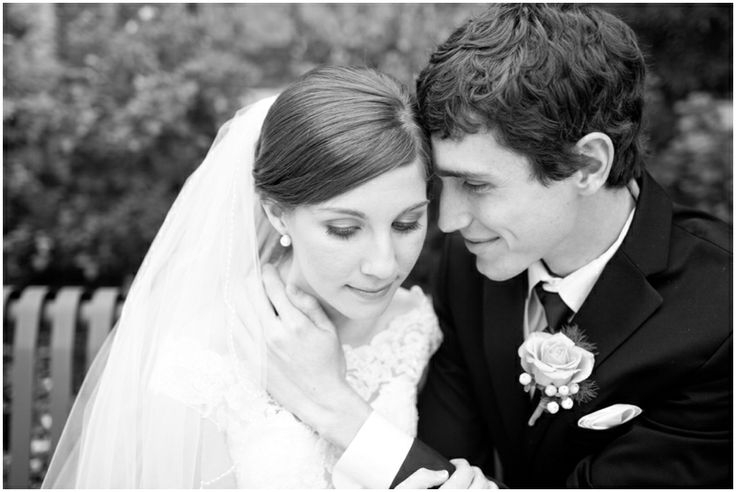
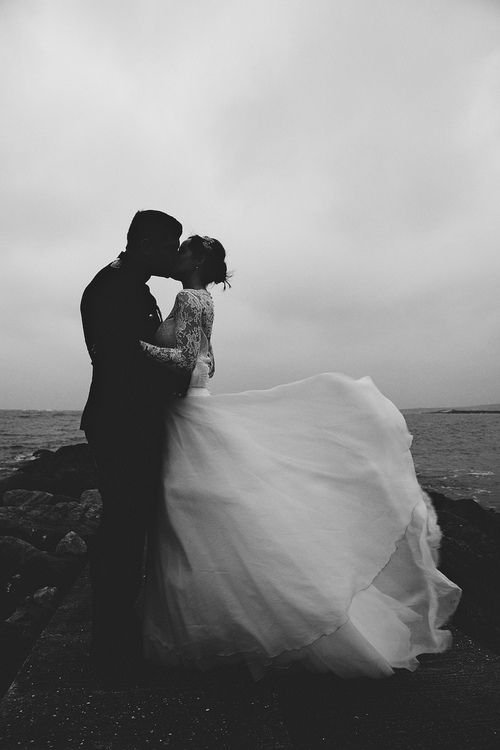
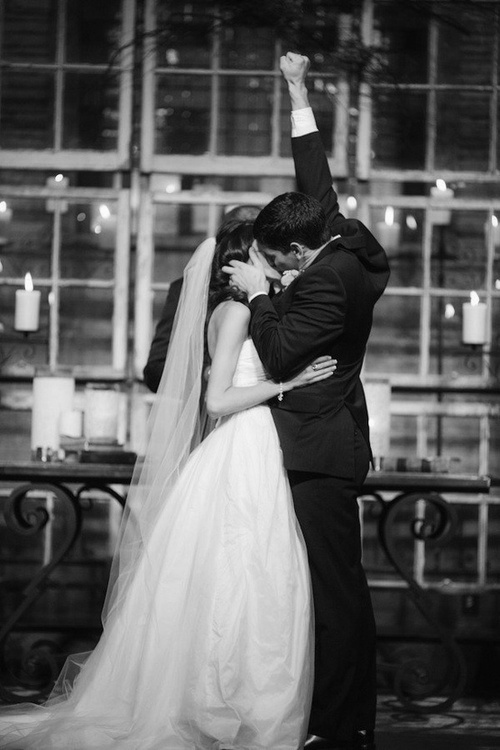
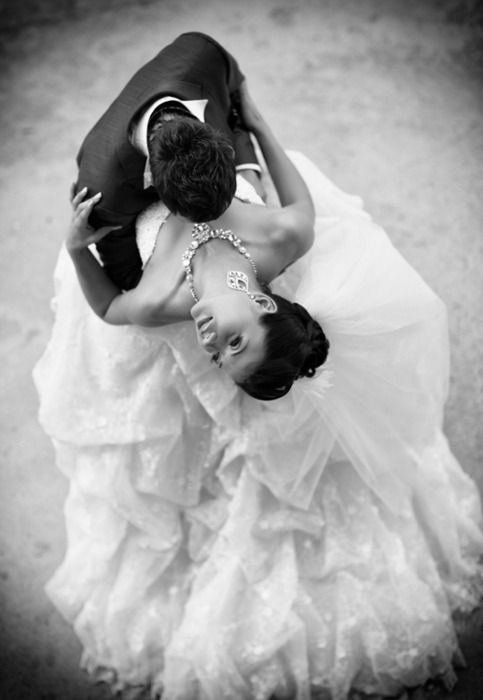
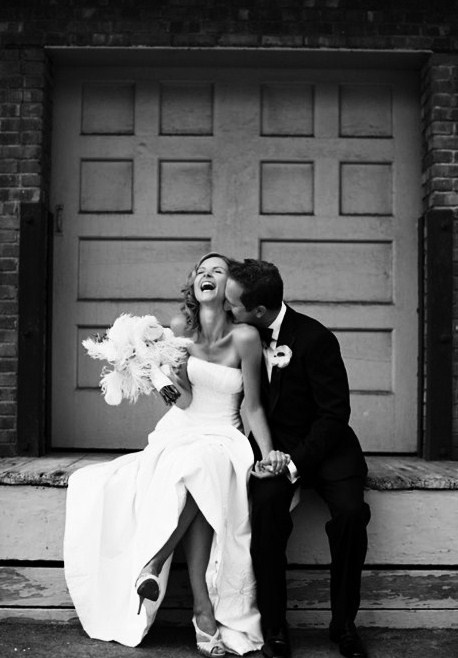
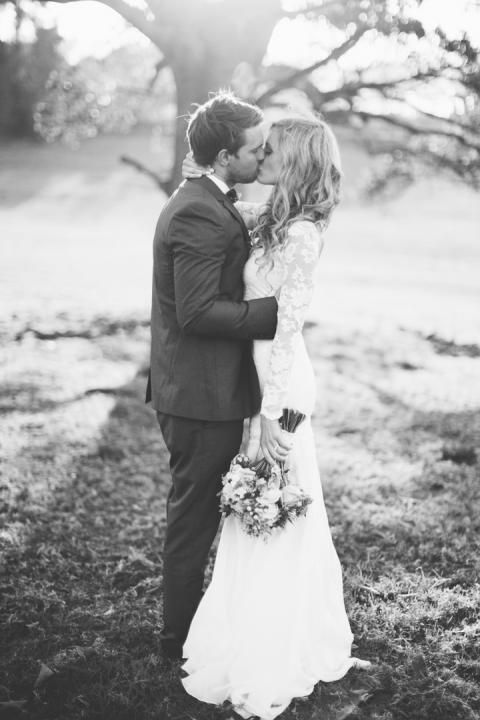
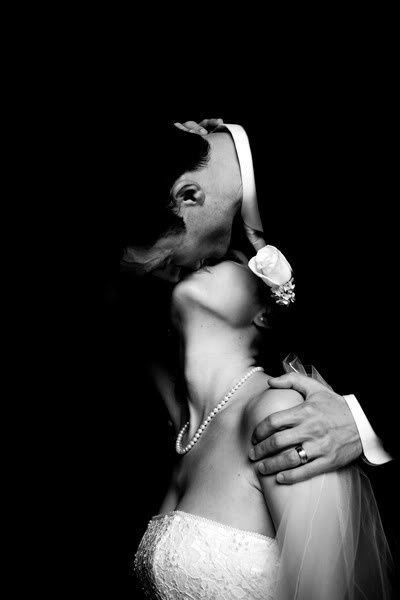
When you plan your own coverage, treat black and white as a chapter, not an afterthought. Look at galleries like this with your photographer and mark the kinds of frames you love—close portraits, wide ceremony scenes, candid reception energy—so the mono set has a point of view. Color will still hold the flowers and the tablescape. Grayscale will hold the look on your partner’s face when the day finally goes quiet enough to feel real.

Comments
Continue reading
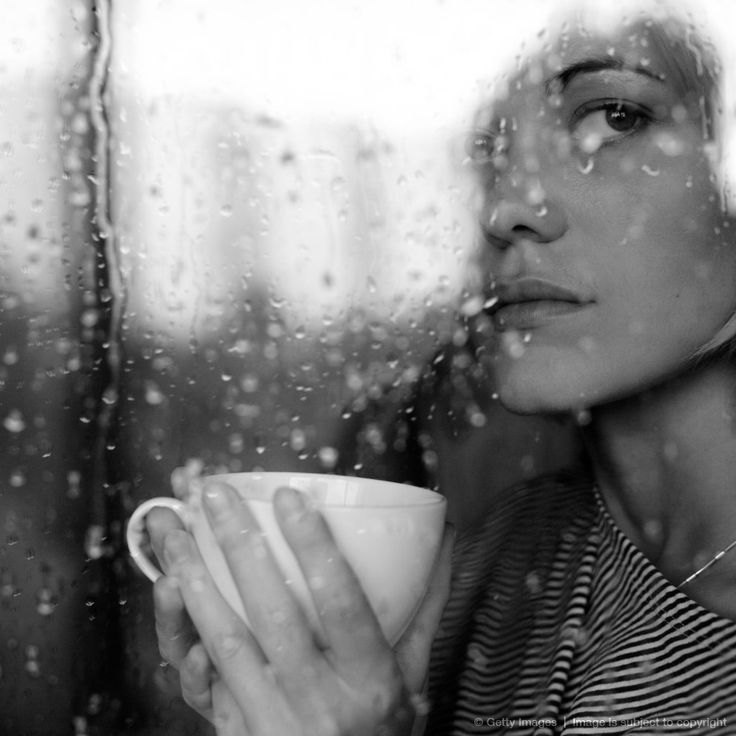
Black and White Photography of Beauty and Solitude
Monochrome frames that treat solitude as presence—not pity—through light, space, and the quiet beauty of being alone.
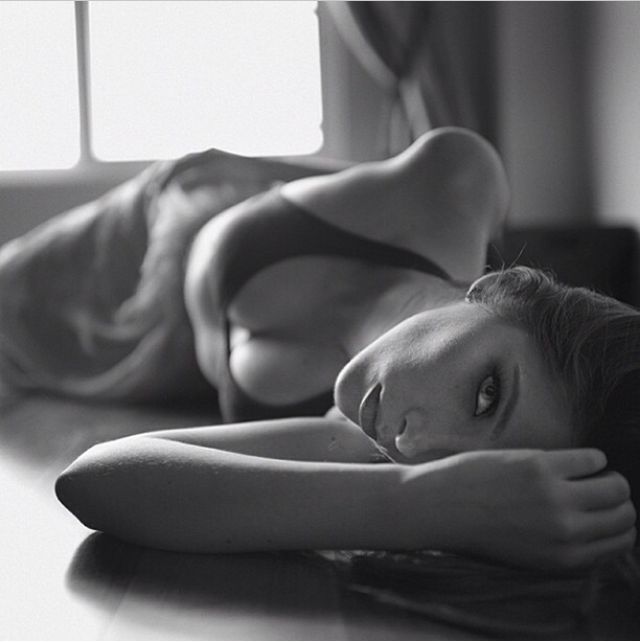
Black and White Boudoir Photoshoot Ideas: Light, Consent, and Tasteful Framing
Respectful monochrome boudoir ideas—consent and comfort, wardrobe and fabric, posing without stiffness, privacy-minded crops, and a practical session checklist.
Black and White Photography by Guy Cohen
Jerusalem photographer Guy Cohen’s high-contrast black-and-white work—shadows, light, and surreal street atmospheres from his early-2010s portfolio.